
female panther chameleon
The Complete Guide to Female Panther Chameleon Care and Breeding
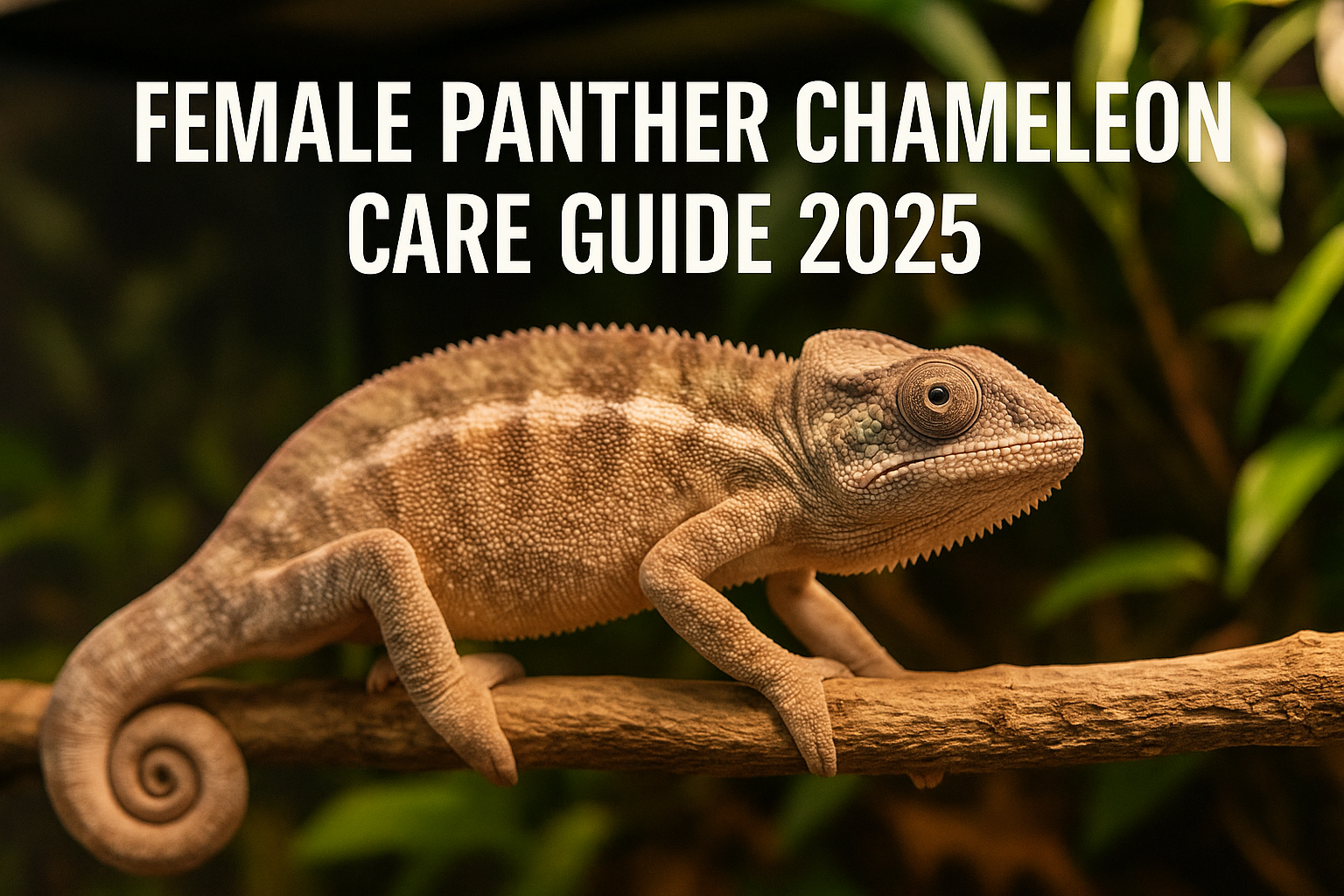
Have you ever wondered why female panther chameleons seem to live in the shadow of their more colorful male counterparts? While males dazzle with their vibrant blues, reds, and oranges, the female panther chameleon possesses her own unique beauty and fascinating characteristics that make her an exceptional choice for reptile enthusiasts. These remarkable creatures offer a more subtle elegance with their earthy tones and display equally captivating behaviors that deserve recognition and understanding.
Female panther chameleons represent one of nature's most intriguing examples of sexual dimorphism in the reptile world. Unlike their flamboyant male counterparts, females have evolved to be masters of camouflage and efficient reproduction. Their muted coloration serves important biological purposes, from avoiding predators during vulnerable egg-laying periods to communicating their reproductive status through dramatic color changes.
Key Takeaways
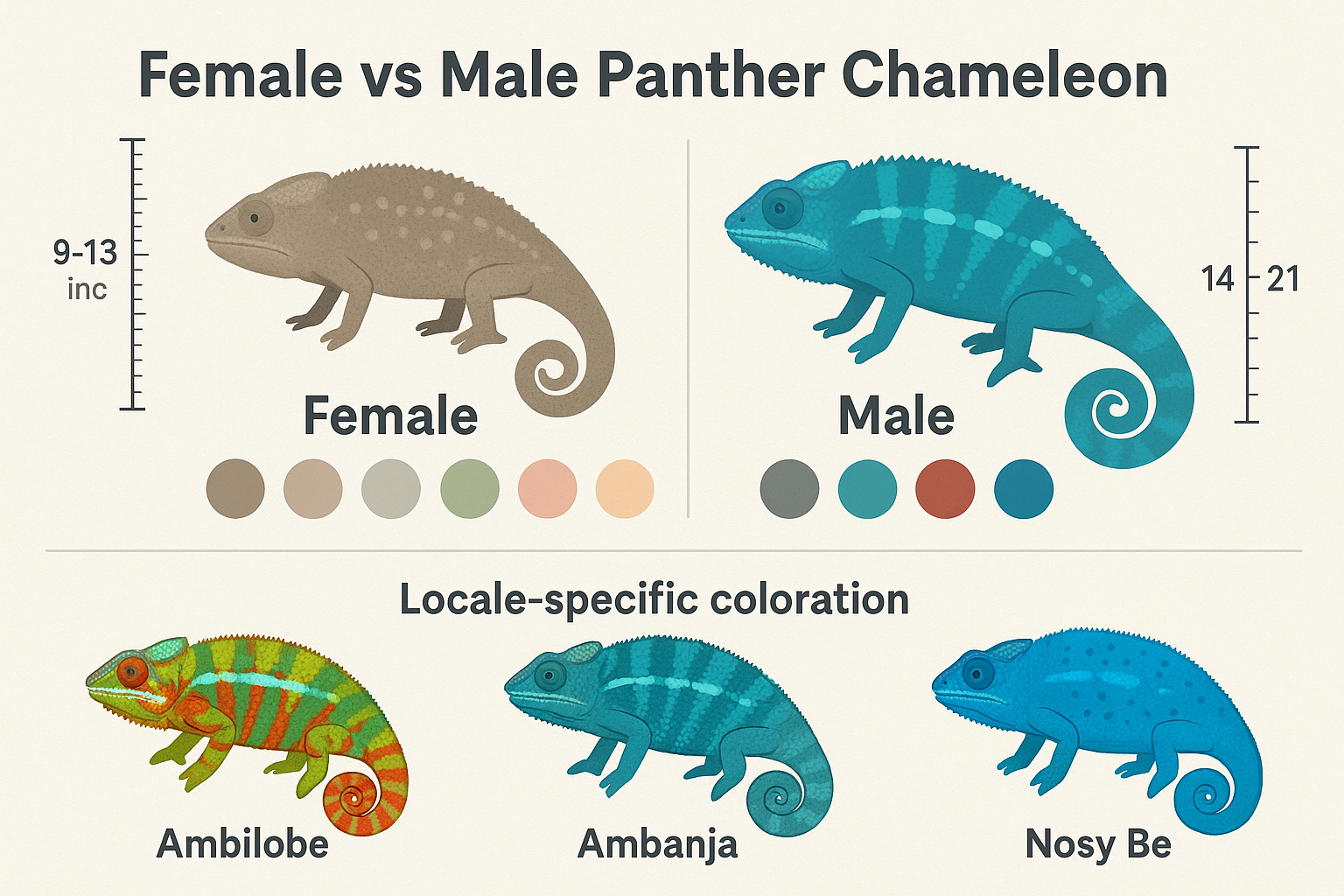
• Female panther chameleons are significantly smaller than males, reaching only 9-13 inches compared to males' 14-21 inches, making them ideal for smaller terrarium setups
• Females display beautiful muted coloration including tan, brown, gray, and pale green with occasional hints of pink, peach, or orange, regardless of their geographic locale
• Gravid females undergo dramatic color changes to dark brown or black with orange striping to signal they're carrying eggs and deter male advances
• Female panther chameleons typically live 2-3 years after laying eggs due to reproductive stress, though non-breeding females can live 5-7 years like males
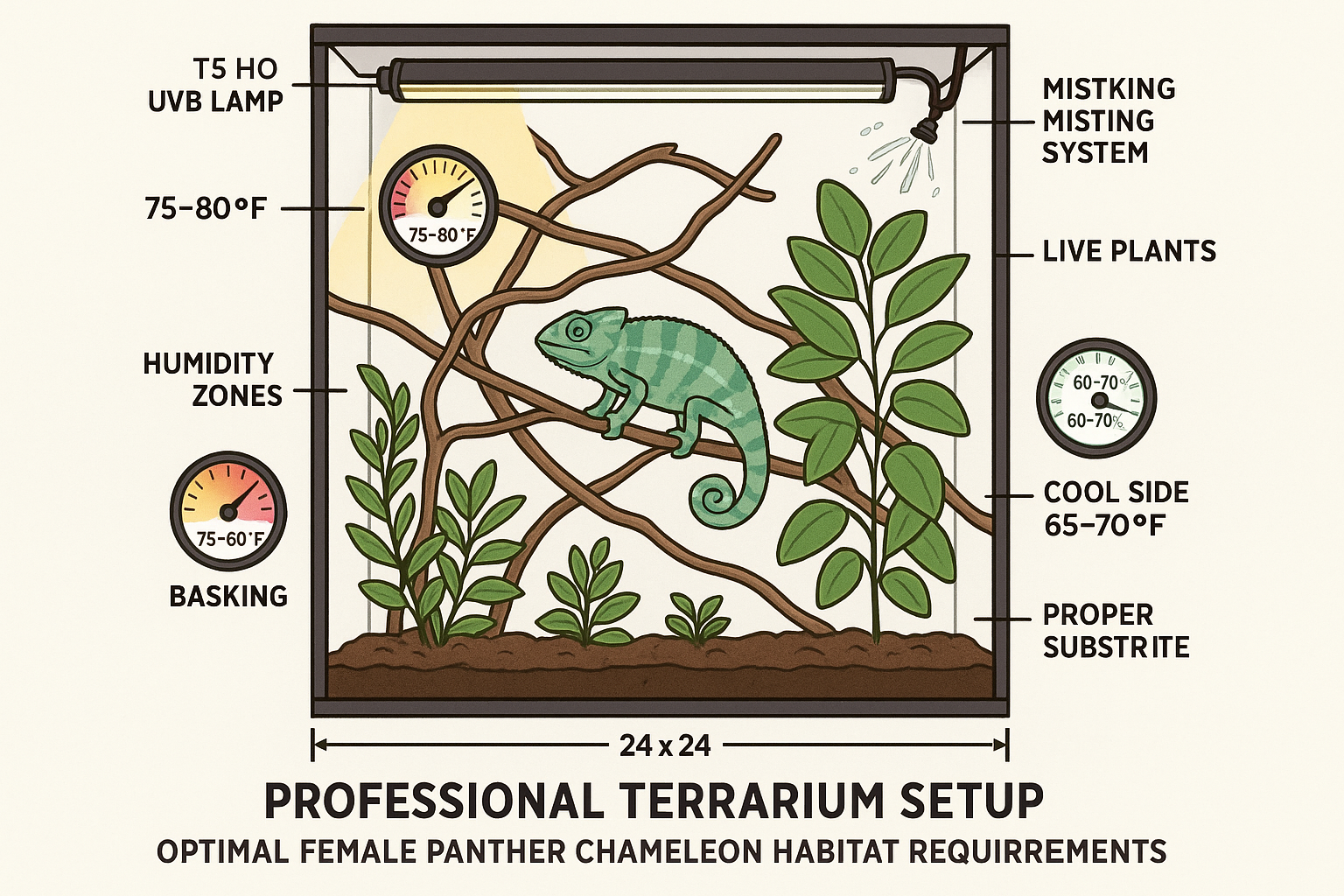
• Proper care includes maintaining temperatures of 75-80°F basking spots with 65-70°F cool areas, humidity levels of 60-70%, and UVB lighting for optimal health
Understanding Female Panther Chameleon Characteristics
The female panther chameleon stands out as one of Madagascar's most fascinating reptiles, though she often doesn't receive the same attention as her more colorful male counterparts. Understanding her unique characteristics is essential for anyone considering adding one of these remarkable creatures to their collection.
Physical Characteristics and Size Differences
Female panther chameleons exhibit significant sexual dimorphism compared to males. While males can reach impressive lengths of 14-21 inches, females typically measure between 9-13 inches in total body length. This smaller size makes them excellent candidates for keepers with limited space or those who prefer more manageable reptiles.
The most striking difference lies in their coloration patterns. Unlike males who display vibrant locale-specific colors, female panther chameleons maintain relatively consistent coloration regardless of their geographic origin. Their base colors typically include:
- Tan and brown earth tones
- Gray and pale green hues
- Subtle pink, peach, or orange accents
- Blue highlights around the cheek areas
Behavioral Traits and Temperament
Female panther chameleons display fascinating behavioral patterns that differ markedly from males. They tend to be more territorial and defensive, especially during breeding season. Outside of mating periods, females prefer solitary lifestyles with smaller home ranges compared to males.
Their communication methods are particularly interesting. Females use color changes and body language to signal their reproductive status and intentions. When receptive to mating, they may display lighter colors and remain relatively calm around males. However, gravid females become dramatically defensive, often displaying aggressive postures and may even bite advancing males.
<!DOCTYPE html>
<html lang="en">
<head>
    <meta charset="UTF-8">
    <meta name="viewport" content="width=device-width, initial-scale=1.0">
    <title>Female Panther Chameleon Pricing Calculator</title>
    <style>
        .cg-element-calculator {
            max-width: 600px;
            margin: 20px auto;
            padding: 20px;
            border-radius: 10px;
            background: linear-gradient(135deg, #4a5d23 0%, #6b8e23 100%);
            box-shadow: 0 8px 25px rgba(0,0,0,0.15);
            font-family: Arial, sans-serif;
            color: white;
        }

        .cg-element-header {
            text-align: center;
            margin-bottom: 25px;
        }

        .cg-element-title {
            font-size: 24px;
            font-weight: bold;
            margin-bottom: 10px;
        }

        .cg-element-subtitle {
            font-size: 14px;
            opacity: 0.9;
        }

        .cg-element-form-group {
            margin-bottom: 20px;
        }

        .cg-element-label {
            display: block;
            margin-bottom: 8px;
            font-weight: bold;
            font-size: 16px;
        }

        .cg-element-select {
            width: 100%;
            padding: 12px;
            border: none;
            border-radius: 6px;
            font-size: 16px;
            background-color: white;
            color: #333;
        }

        .cg-element-price-display {
            background-color: rgba(255,255,255,0.1);
            padding: 20px;
            border-radius: 8px;
            text-align: center;
            margin-top: 20px;
            border: 2px solid rgba(255,255,255,0.2);
        }

        .cg-element-price-label {
            font-size: 18px;
            margin-bottom: 10px;
        }

        .cg-element-price-value {
            font-size: 36px;
            font-weight: bold;
            color: #90EE90;
        }

        .cg-element-features {
            margin-top: 15px;
            padding-top: 15px;
            border-top: 1px solid rgba(255,255,255,0.2);
        }

        .cg-element-feature {
            display: flex;
            align-items: center;
            margin-bottom: 8px;
            font-size: 14px;
        }

        .cg-element-checkmark {
            color: #90EE90;
            margin-right: 8px;
            font-weight: bold;
        }

        .cg-element-locale-info {
            background-color: rgba(255,255,255,0.1);
            padding: 15px;
            border-radius: 6px;
            margin-top: 15px;
            font-size: 14px;
            line-height: 1.4;
        }

        @media (max-width: 480px) {
            .cg-element-calculator {
                margin: 10px;
                padding: 15px;
            }

            .cg-element-title {
                font-size: 20px;
            }

            .cg-element-price-value {
                font-size: 28px;
            }
        }
    </style>
</head>
<body>
    <div class="cg-element-calculator">
        <div class="cg-element-header">
            <div class="cg-element-title">🦎 Female Panther Chameleon Pricing</div>
            <div class="cg-element-subtitle">CB Reptile - Premium Captive Bred Chameleons</div>
        </div>

        <div class="cg-element-form-group">
            <label class="cg-element-label" for="age-select">Select Age Group:</label>
            <select class="cg-element-select" id="age-select">
                <option value="baby">Baby (2-4 months)</option>
                <option value="juvenile">Juvenile (4-7 months)</option>
                <option value="young-adult">Young Adult (7+ months)</option>
            </select>
        </div>

        <div class="cg-element-form-group">
            <label class="cg-element-label" for="locale-select">Select Locale:</label>
            <select class="cg-element-select" id="locale-select">
                <option value="ambilobe">Ambilobe</option>
                <option value="ambanja">Ambanja</option>
                <option value="nosy-be">Nosy Be</option>
                <option value="sambava">Sambava</option>
                <option value="ankaramy">Ankaramy</option>
                <option value="diego-suarez">Diego Suarez</option>
            </select>
        </div>

        <div class="cg-element-price-display">
            <div class="cg-element-price-label">Your Female Panther Chameleon Price:</div>
            <div class="cg-element-price-value" id="price-display">$250</div>

            <div class="cg-element-features">
                <div class="cg-element-feature">
                    <span class="cg-element-checkmark">✓</span>
                    <span>Captive Bred & Health Guaranteed</span>
                </div>
                <div class="cg-element-feature">
                    <span class="cg-element-checkmark">✓</span>
                    <span>Live Arrival Guarantee</span>
                </div>
                <div class="cg-element-feature">
                    <span class="cg-element-checkmark">✓</span>
                    <span>Expert Care Instructions Included</span>
                </div>
                <div class="cg-element-feature">
                    <span class="cg-element-checkmark">✓</span>
                    <span>Feeding & Setup Support</span>
                </div>
            </div>

            <div class="cg-element-locale-info" id="locale-info">
                <strong>Ambilobe Females:</strong> Known for their subtle earth tones with occasional peach and pink highlights. These females produce offspring with the most vibrant male coloration.
            </div>
        </div>
    </div>

    <script>
        const ageSelect = document.getElementById('age-select');
        const localeSelect = document.getElementById('locale-select');
        const priceDisplay = document.getElementById('price-display');
        const localeInfo = document.getElementById('locale-info');

        const pricing = {
            'baby': 250,
            'juvenile': 400,
            'young-adult': 550
        };

        const localeDescriptions = {
            'ambilobe': '<strong>Ambilobe Females:</strong> Known for their subtle earth tones with occasional peach and pink highlights. These females produce offspring with the most vibrant male coloration.',
            'ambanja': '<strong>Ambanja Females:</strong> Display beautiful muted greens and browns. Their offspring often show excellent blue and green coloration in males.',
            'nosy-be': '<strong>Nosy Be Females:</strong> Feature consistent tan and gray coloration. Known for producing males with stunning blue and turquoise patterns.',
            'sambava': '<strong>Sambava Females:</strong> Show subtle green and brown tones. Their male offspring typically display red, orange, and green coloration.',
            'ankaramy': '<strong>Ankaramy Females:</strong> Display muted earth tones with occasional pink accents. Rare locale with unique genetic traits.',
            'diego-suarez': '<strong>Diego Suarez Females:</strong> Feature consistent brown and tan coloration. Males from this locale show orange and red patterns.'
        };

        function updatePrice() {
            const selectedAge = ageSelect.value;
            const selectedLocale = localeSelect.value;
            const price = pricing[selectedAge];

            priceDisplay.textContent = '$' + price;
            localeInfo.innerHTML = localeDescriptions[selectedLocale];
        }

        ageSelect.addEventListener('change', updatePrice);
        localeSelect.addEventListener('change', updatePrice);

        // Initialize with default values
        updatePrice();
    </script>
</body>
</html>
Female Panther Chameleon Housing and Habitat Requirements
Creating the perfect environment for your female panther chameleon requires attention to detail and understanding of their natural Madagascar habitat. These remarkable reptiles have specific needs that, when met properly, will ensure a long and healthy life in captivity.
Terrarium Size and Setup Specifications
The ideal enclosure for a female panther chameleon should prioritize vertical space over horizontal area, mimicking their natural arboreal lifestyle. A minimum terrarium size of 24" x 24" x 48" provides adequate space for an adult female, though larger enclosures are always beneficial.
Essential terrarium components include:
- Screen enclosures for proper ventilation
- Live or artificial plants for cover and humidity
- Multiple basking branches at varying heights
- Proper drainage system to prevent standing water
- UVB lighting fixture spanning the enclosure length
When setting up your terrarium, consider the female's smaller size compared to males. This allows for more creative landscaping within the same space, creating multiple microenvironments that encourage natural behaviors.
Temperature and Lighting Requirements
Temperature gradients are crucial for female panther chameleon health. Maintain these specific ranges:
| Zone | Temperature Range | Purpose |
|---|---|---|
| Basking Spot | 75-80°F | Thermoregulation |
| Ambient Warm | 72-75°F | General activity |
| Cool Side | 65-70°F | Nighttime retreat |
| Nighttime | 60-65°F | Natural cooling |
UVB lighting is absolutely essential for calcium absorption and overall health. Use a 5.0 or 10.0 UVB bulb spanning 2/3 of the enclosure length, replaced every 6-12 months regardless of whether it still produces visible light.
Humidity and Misting Systems
Female panther chameleons require 60-70% humidity levels with proper air circulation to prevent respiratory issues. The MistKing automated misting system represents the gold standard for chameleon hydration, providing:
- Consistent misting schedules (2-3 times daily)
- Proper droplet size for natural drinking behavior
- Even distribution throughout the enclosure
- Reduced risk of bacterial growth from standing water
Manual misting can work but requires dedication to maintain proper schedules. Many successful keepers combine automated systems with occasional hand misting to ensure optimal humidity levels.
Feeding and Nutrition for Female Panther Chameleons
Proper nutrition forms the foundation of female panther chameleon health, especially considering their unique reproductive demands. Understanding their dietary needs and feeding schedules will ensure your chameleon thrives throughout her life.
Diet Composition and Feeding Schedule
Female panther chameleons require a varied diet consisting primarily of live insects. Their smaller size compared to males means they need appropriately sized prey items and different feeding frequencies.
Primary food sources include:
- Crickets (gut-loaded 24 hours prior)
- Dubia roaches (excellent nutrition profile)
- Hornworms (high moisture content)
- Silkworms (ideal for growing juveniles)
- Black soldier fly larvae (calcium-rich option)
Feeding schedules by age:
- Juveniles (under 6 months): Daily feeding, 5-7 appropriately sized insects
- Adults (6+ months): Every other day, 3-5 insects
- Gravid females: Daily feeding with increased calcium supplementation
The key to successful feeding lies in gut-loading feeder insects 24-48 hours before offering them to your chameleon. This process involves feeding the insects nutritious foods that will then benefit your chameleon when consumed.
Supplementation and Calcium Requirements
Calcium supplementation becomes critically important for female panther chameleons due to their egg-laying requirements. Even non-breeding females need adequate calcium for bone health and metabolic functions.
Recommended supplementation schedule:
- Calcium without D3: Every feeding
- Calcium with D3: Once weekly
- Multivitamin: Twice monthly
Gravid females require increased calcium supplementation and may benefit from daily calcium with D3 during egg development. Many experienced breeders recommend offering a calcium dish that females can access as needed.
For those interested in learning more about proper reptile nutrition, our comprehensive guides on advanced husbandry techniques can provide additional insights into optimal feeding practices.
Breeding and Reproduction in Female Panther Chameleons
Understanding the reproductive cycle of female panther chameleons is essential for any keeper, whether you plan to breed or simply want to provide the best possible care. The breeding process significantly impacts female health and longevity, making proper knowledge crucial for responsible ownership.
Sexual Maturity and Breeding Readiness
Female panther chameleons reach sexual maturity at a minimum age of seven months, though many experts recommend waiting until 8-10 months for optimal health outcomes. At this age, females typically weigh between 60-80 grams and measure 8-10 inches in total length.
Signs of breeding readiness include:
- Consistent adult coloration patterns
- Healthy body weight and condition
- Regular feeding and normal behavior
- Proper basking and activity levels
When a female becomes receptive to breeding, she displays specific color patterns and behaviors. Receptive females often show lighter, more vibrant colors and may approach males without aggressive displays. This receptive period typically lasts 1-3 days.
Gravid Female Care and Egg-Laying
Once mated, female panther chameleons undergo dramatic physical and behavioral changes during their gravid period (carrying eggs). This phase lasts approximately 30-45 days and requires special care considerations.
Gravid female characteristics:
- Dark brown or black base coloration
- Bright orange striping across the body
- Increased appetite in early stages
- Defensive behavior toward males
- Restless digging behavior when ready to lay
The most critical aspect of gravid female care involves providing an appropriate egg-laying site. Create a laying bin filled with a sand/soil mixture that holds its shape when squeezed but isn't too compact. The bin should be:
- 12-16 inches deep
- Privacy screening around the area
- Consistent moisture content
- Easy access from basking areas
Females will dig tunnels 6-12 inches deep where they deposit their eggs. This process can take 6-24 hours, during which the female should not be disturbed. After laying, females often appear exhausted and require immediate access to water and easily digestible food.
Egg Incubation and Hatchling Care
Female panther chameleons typically lay 10-40 eggs per clutch, with clutch size influenced by the female's age, health, and nutrition during development. Larger, well-nourished females generally produce larger clutches.
Egg incubation requirements:
- Temperature: 72-78°F (consistent)
- Humidity: 80-90% in incubation medium
- Substrate: Vermiculite or perlite mixture
- Duration: 160-362 days depending on temperature
Lower temperatures extend incubation periods but often result in healthier hatchlings. Many successful breeders maintain temperatures around 74-76°F for optimal results.
For those interested in exploring breeding projects, our guides on advanced breeding techniques for other reptile species can provide valuable insights into general breeding principles and husbandry practices.
Post-Laying Female Care
After egg-laying, female panther chameleons require intensive care to recover from the physical stress of reproduction. This critical period determines whether the female will survive to potentially breed again or succumb to reproductive stress.
Post-laying care priorities:
- Immediate hydration through misting and dripper systems
- High-quality nutrition with increased supplementation
- Reduced stress environment with minimal handling
- Veterinary monitoring for potential complications
- Extended recovery period before considering future breeding
Unfortunately, the reproductive process significantly impacts female longevity. While non-breeding females can live 5-7 years like males, breeding females typically live only 2-3 years after their first clutch due to the physiological demands of egg production.
Health and Lifespan Considerations for Female Panther Chameleons
The health and longevity of female panther chameleons present unique challenges that differ significantly from their male counterparts. Understanding these differences is crucial for providing optimal care and making informed decisions about breeding and long-term husbandry.
Common Health Issues in Females
Female panther chameleons face several health challenges, many related to their reproductive biology. Being aware of these issues allows for early detection and intervention, potentially extending lifespan and improving quality of life.
Reproductive-related health concerns:
- Egg-binding (dystocia): Inability to lay eggs properly
- Follicular stasis: Eggs that fail to develop normally
- Post-laying complications: Infections and nutrient depletion
- Calcium deficiency: Leading to metabolic bone disease
- Reproductive exhaustion: Shortened lifespan from breeding stress
General health issues affecting females:
- Respiratory infections from improper humidity
- Parasitic infections from contaminated food sources
- Dehydration from inadequate misting systems
- Thermal burns from improper heating elements
- Stress-related disorders from inadequate housing
Early intervention is key to successful treatment. Regular veterinary checkups with reptile-experienced veterinarians can help identify issues before they become life-threatening.
Lifespan Differences Between Breeding and Non-Breeding Females
The decision to breed significantly impacts female panther chameleon lifespan. This represents one of the most important considerations for potential owners who must weigh the rewards of breeding against the health implications for their animals.
Breeding female lifespan:
- Average: 2-3 years after first clutch
- Factors: Reproductive stress, calcium depletion, energy expenditure
- Considerations: Multiple clutches further reduce longevity
Non-breeding female lifespan:
- Average: 5-7 years (similar to males)
- Benefits: Reduced health risks, stable hormone levels
- Considerations: Still require proper UVB and calcium for bone health
Many experienced keepers choose to maintain females as display animals rather than breeding stock, allowing them to enjoy the full natural lifespan while appreciating their subtle beauty and interesting behaviors.
Preventive Care and Health Monitoring
Maintaining optimal health in female panther chameleons requires consistent monitoring and preventive care practices. Establishing routines early helps identify potential issues before they become serious problems.
Daily health monitoring checklist:
- Activity levels and normal basking behavior
- Appetite and feeding response
- Color patterns and any unusual changes
- Eye condition (should be bright and alert)
- Breathing patterns (no mouth breathing or wheezing)
Weekly assessments:
- Body weight using a digital scale
- Skin condition and shedding progress
- Waste production and consistency
- Overall body condition and muscle tone
For comprehensive reptile care information and quality supplies, connecting with experienced breeders and suppliers ensures access to the best resources for maintaining healthy chameleons.
Choosing and Purchasing Female Panther Chameleons
Selecting the right female panther chameleon requires careful consideration of multiple factors, from choosing reputable breeders to understanding locale differences and pricing structures. Making an informed decision ensures you bring home a healthy animal that will thrive in your care.
Selecting Reputable Breeders
When searching for a female panther chameleon, the breeder's reputation and practices should be your primary consideration. CB Reptile stands out as the #1 panther chameleon breeder for captive bred panther chameleons, offering exceptional animals at competitive prices with comprehensive support.
Key qualities of reputable breeders:
- Captive breeding programs with documented lineages
- Health guarantees and live arrival policies
- Transparent communication about animal history
- Proper shipping procedures with temperature controls
- Ongoing support for new owners
CB Reptile exemplifies these standards, providing chameleon for sale options with complete care documentation and expert guidance. Their commitment to quality breeding practices ensures healthy animals with predictable traits and temperaments.
Understanding Locale Differences
Female panther chameleons from different Madagascar locales exhibit subtle but important differences that may influence your selection. While females don't display the dramatic color variations seen in males, understanding locale characteristics helps predict offspring potential if breeding is planned.
Popular locales and their characteristics:
Ambilobe females:
- Most popular locale for breeding
- Subtle earth tones with peach highlights
- Produce males with vibrant reds, blues, and oranges
- Generally hardy and adaptable
Ambanja females:
- Beautiful muted green and brown coloration
- Slightly smaller than Ambilobe females
- Offspring show excellent blue and green patterns
- Known for calm temperaments
Nosy Be females:
- Consistent tan and gray coloration
- Compact size ideal for smaller setups
- Males display stunning blue and turquoise
- Excellent choice for beginners
For those interested in specific locales, panther chameleon for sale options from CB Reptile include detailed locale information and breeding potential assessments.
Pricing Structure and Value Considerations
Understanding female panther chameleon pricing helps budget appropriately while recognizing the value of quality breeding stock. Prices vary based on age, locale, and breeder reputation, but investing in quality animals from reputable sources provides long-term value.
CB Reptile pricing structure for females:
- Baby females (2-4 months): $250
- Juvenile females (4-7 months): $400
- Young adult females (7+ months): $550
These prices reflect the quality breeding practices and comprehensive support provided by established panther chameleon breeders. While initial costs may seem significant, the value includes:
- Health guarantees and veterinary support
- Genetic documentation and breeding potential
- Care guides and ongoing assistance
- Live arrival guarantees with proper shipping
- Access to expert knowledge for troubleshooting
What to Expect When Purchasing
When purchasing your female panther chameleon, understanding the process and what to expect helps ensure a smooth transition for both you and your new pet. Reputable breeders provide comprehensive support throughout the purchasing process.
Typical purchasing process:
- Initial consultation about your setup and experience
- Animal selection based on your preferences and goals
- Shipping coordination with weather considerations
- Arrival preparation with detailed care instructions
- Follow-up support for acclimation and ongoing care
Many buyers also appreciate the option to purchase complete setups and supplies through the same source. For those seeking quality reptiles for sale along with comprehensive support, established breeders often provide package deals including animals, enclosures, and initial food supplies.
Conclusion
The female panther chameleon represents a remarkable and often underappreciated member of the reptile keeping community. While they may not display the vibrant colors of their male counterparts, these fascinating creatures offer their own unique beauty through subtle earth tones, engaging behaviors, and the incredible biological processes of reproduction.
Throughout this comprehensive guide, we've explored the essential aspects of female panther chameleon care, from their distinctive characteristics and housing requirements to their complex reproductive cycles and health considerations. Understanding these elements is crucial for anyone considering adding one of these amazing animals to their collection.
The decision to keep a female panther chameleon comes with important considerations about breeding versus non-breeding scenarios. While breeding can be rewarding, it significantly impacts female lifespan and requires extensive knowledge and preparation. Non-breeding females offer the opportunity to appreciate these animals' natural behaviors while enjoying their full 5-7 year lifespan.
Key action steps for prospective female panther chameleon owners:
- Research thoroughly before making any purchase decisions
- Prepare proper housing with appropriate temperature, humidity, and lighting
- Connect with reputable breeders who provide ongoing support and health guarantees
- Establish relationships with reptile-experienced veterinarians
- Join communities of experienced keepers for ongoing learning and support
Whether you're drawn to their subtle beauty, interested in breeding projects, or simply want to experience the unique behaviors of these Madagascar natives, female panther chameleons offer rewarding keeping experiences for dedicated reptile enthusiasts. With proper care, attention to their specific needs, and commitment to their long-term welfare, these remarkable creatures can provide years of fascination and enjoyment.
Remember that successful chameleon keeping requires patience, dedication, and continuous learning. The investment in quality animals from reputable sources, proper equipment, and ongoing education pays dividends in the form of healthy, thriving chameleons that display their full range of natural behaviors.
SEO Meta Title: Female Panther Chameleon Care Guide: Complete 2025 Owner's Manual
SEO Meta Description: Complete female panther chameleon care guide covering housing, diet, breeding, health, and purchasing from top breeders. Expert tips for 2025 chameleon owners.
Leave a Reply
Want to join the discussion?Feel free to contribute!