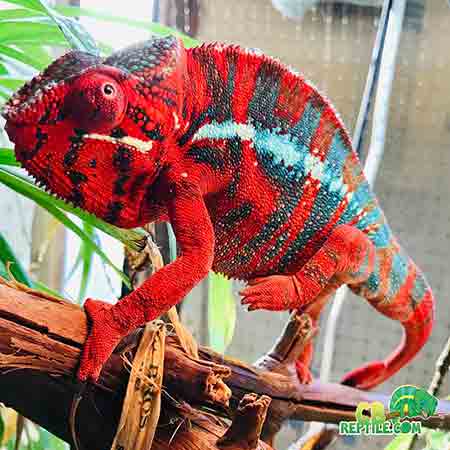
Raising Baby Nosy Mitsio Panther Chameleons
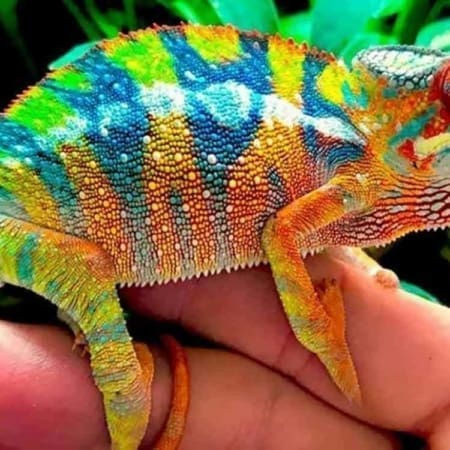
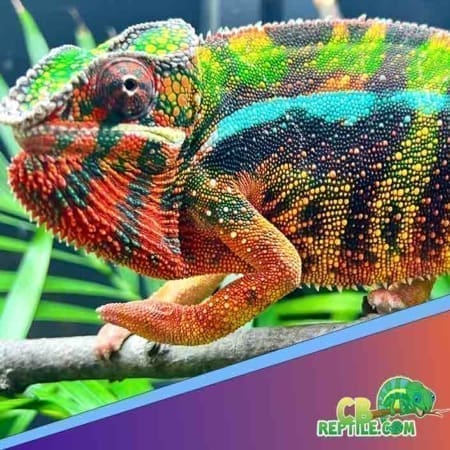
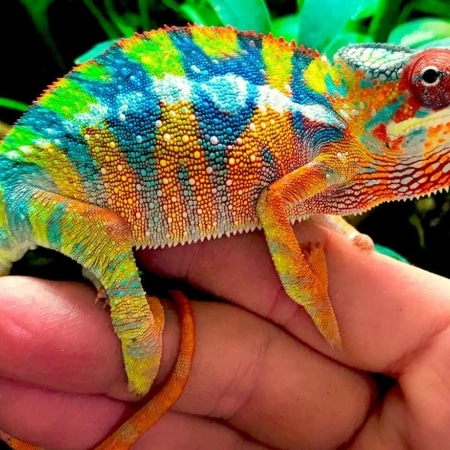
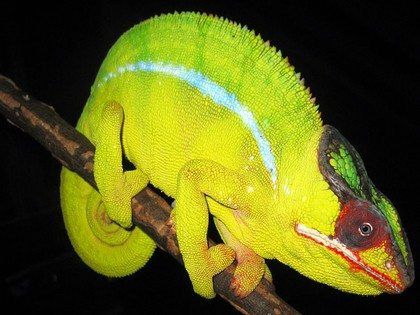
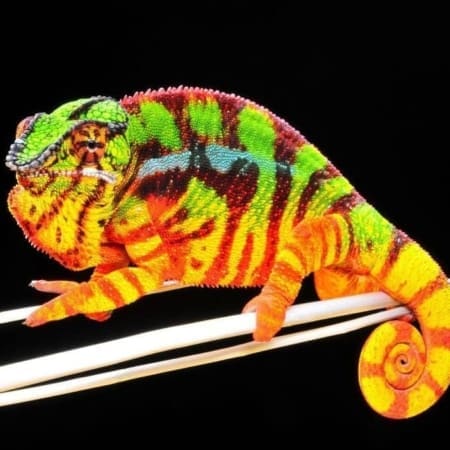
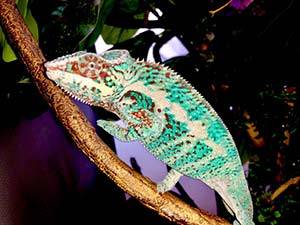
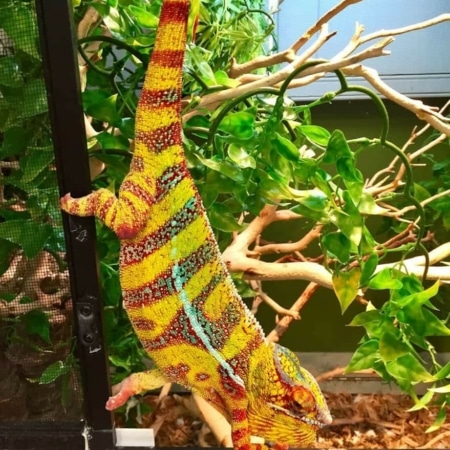
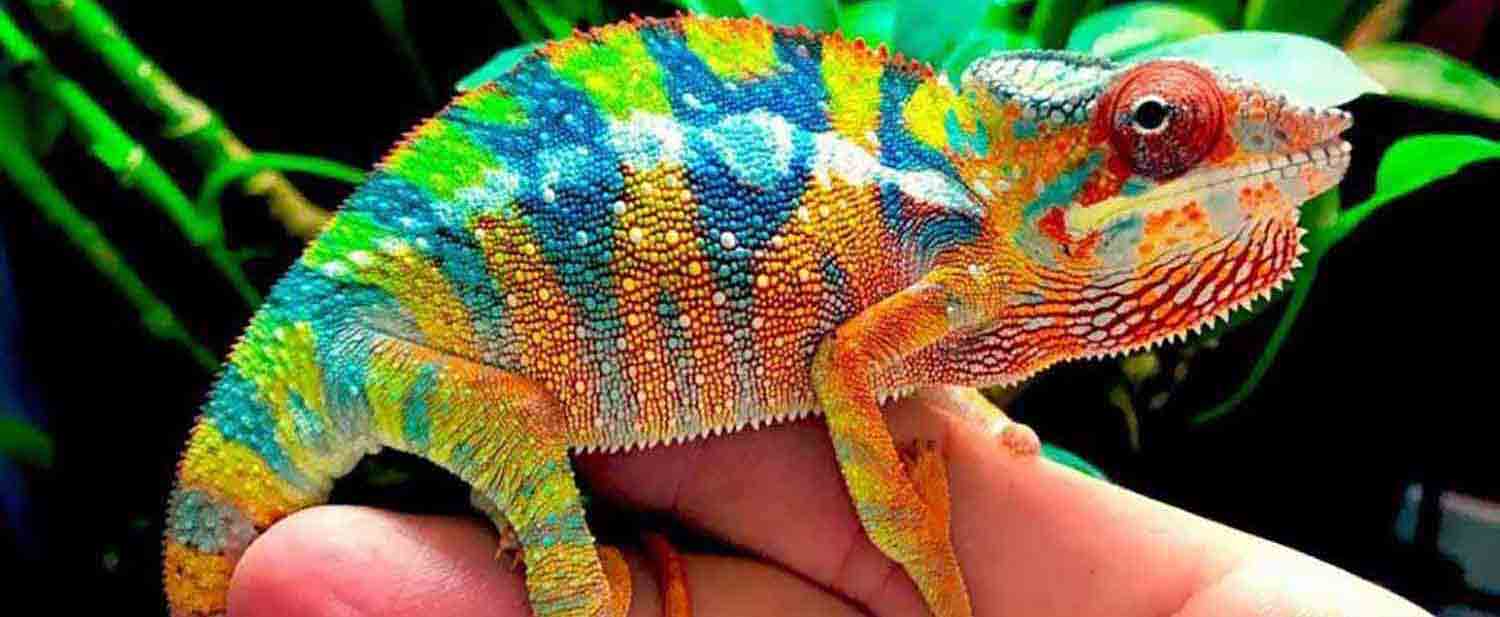
Baby Nosy Mitsio panther chameleons are among the rarest and most visually unique locales in the species. Known for their golden yellows, vibrant greens, heavy speckling, and distinctive “Mitsio green bar” patterns, this locale produces some of the most exotic-looking adults in the entire Furcifer pardalis complex. Raising a baby Nosy Mitsio requires precision and consistency—hydration, UVB, and nutrition all play an outsized role in how this sensitive locale grows and how strongly it will express its unique coloration later in life.
Starting with a captive-bred baby from the top panther chameleon breeders near me provides the strongest foundation. Because the Nosy Mitsio gene pool is smaller than many other locales, obtaining a well-started, robust baby from a reputable breeder ensures correct lineage, strong genetics, and reliable growth potential.
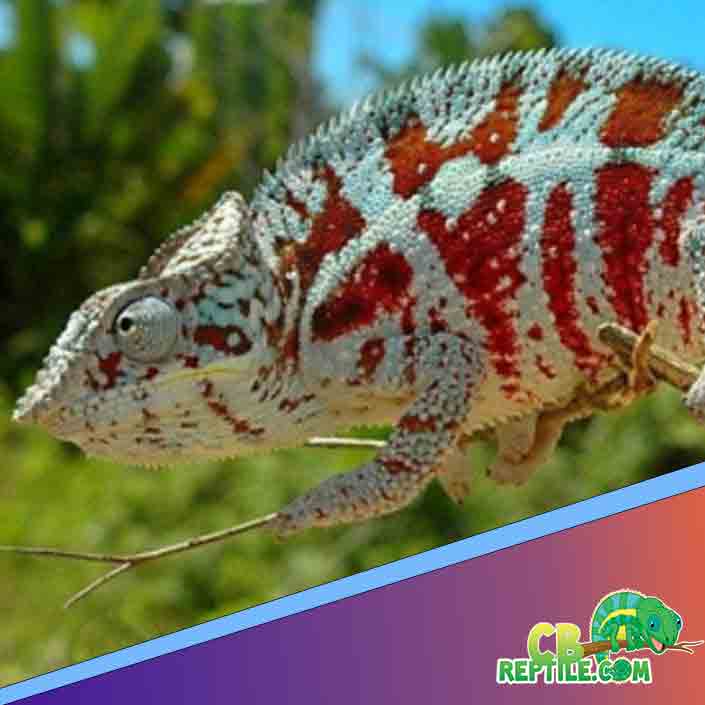
Understanding the Nosy Mitsio Locale
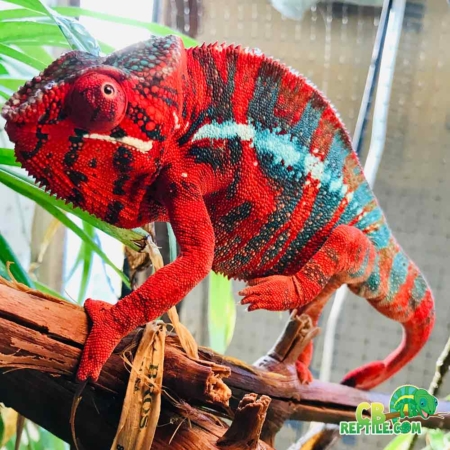
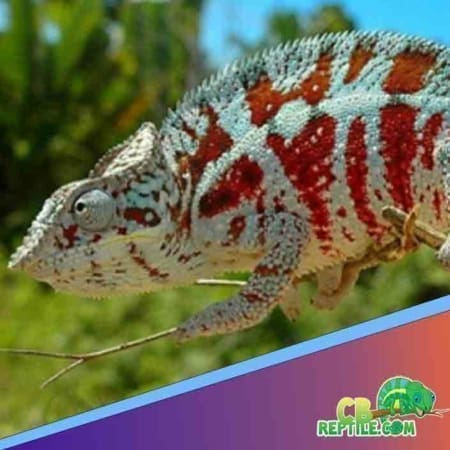
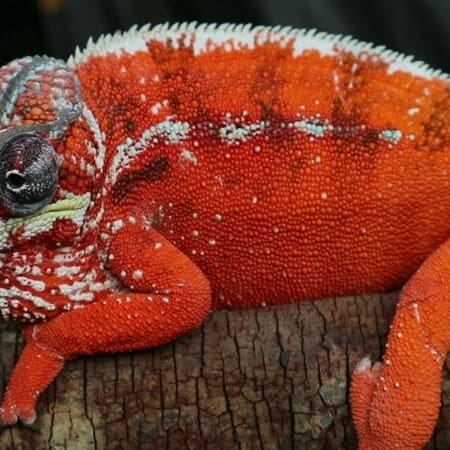
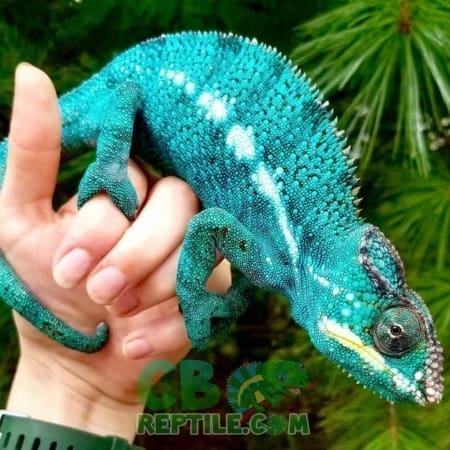
Nosy Mitsio panther chameleons originate from a small island north of Madagascar. Their coloration differs dramatically from cooler-toned locales like Nosy Be or Nosy Faly. Instead, Nosy Mitsios appear vibrant and tropical—featuring rich greens, yellows, and golden tones. Some lines develop deep emerald barring, while others lean more toward warm yellow and lime.
Baby Nosy Mitsios begin life with muted greens and browns but quickly develop warm undertones that distinguish them from other locales. By 3–4 months, early signs of green bar development may appear, and by 6–8 months the signature golden-yellow palette begins to emerge.
Growth Stages of Baby Nosy Mitsio Panther Chameleons
Stage 1 — Hatchling (0–2 Months)
Nosy Mitsio hatchlings are tiny, hydration-sensitive, and require frequent misting and micro-prey. This early stage is critical for establishing hydration habits that support clean shedding and strong early bone growth.
Stage 2 — Early Juvenile (2–4 Months)
Slight green highlights appear. Babies eat aggressively and explore more confidently. Proper UVB and calcium supplementation are essential at this stage.
Stage 3 — Mid Juvenile (4–8 Months)
Nosy Mitsio coloration increases significantly. Greens deepen, yellow undertones appear, and bars begin forming. Consistent lighting and hydration directly impact color quality.
Stage 4 — Subadult (8–12 Months)
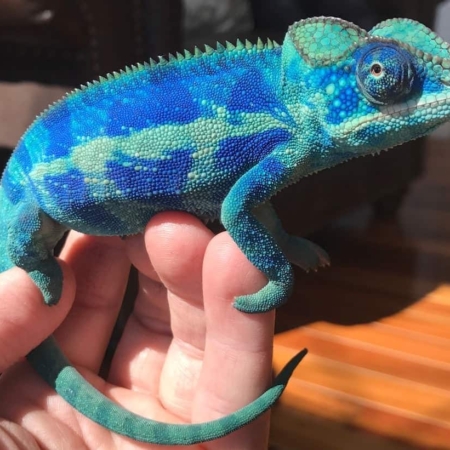
By this stage, the baby becomes a near-complete version of its adult self. Greens brighten, yellows strengthen, and occasional blue accents may appear.
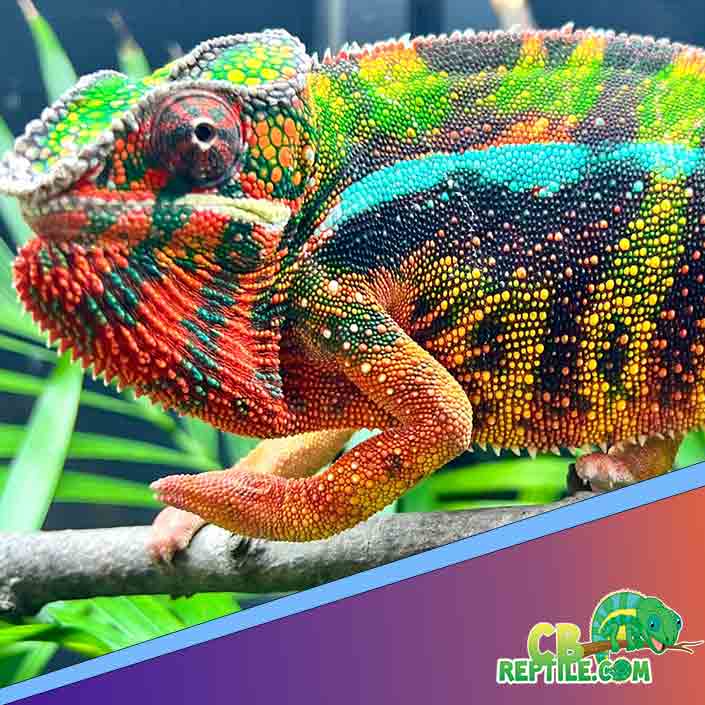
Ideal Enclosure Setup for Baby Nosy Mitsio
Nosy Mitsio babies thrive in smaller, well-planted enclosures that keep humidity stable and allow them to locate prey easily. Large enclosures overwhelm babies and make hydration inconsistent.
Recommended Enclosure Sizes
- 0–3 Months: 16x16x20” hybrid cage
- 3–6 Months: 18x18x24” enclosure
- 6–12 Months: 24x24x48” full juvenile enclosure
Hybrid enclosures are particularly effective because Nosy Mitsio babies require tighter humidity control than some other locales.
Essential Setup Features
- Dense live foliage for hydration retention
- Thin branches and vines for tiny feet
- LED plant lights for natural color stimulation
- Strong top ventilation
- Safe basking perch properly distanced from the bulb
Lighting & UVB Requirements
UVB is essential for Nosy Mitsio babies due to their rapid growth rate. Proper UVB ensures strong bone structure, calcium absorption, neurological health, and early color development.
Lighting Setup
- UVB: T5 HO 5.0 (or Arcadia 6%)
- Distance: 8–10 inches from basking perch
- Coverage: Half of cage width minimum
- Basking Temp: 82–86°F
Nosy Mitsio babies often thrive with a slightly brighter basking area than cooler locales, which supports their warm-toned coloration.
Hydration Requirements for Baby Nosy Mitsio Panther Chameleons
Hydration is the foundation of Nosy Mitsio development. These babies rely heavily on misting cycles because their colors, shed quality, kidney function, and appetite all depend on consistent hydration.
Daily Hydration Schedule
- Morning mist: 3 minutes
- Midday mist: 20–30 seconds
- Evening mist: 3 minutes
- Overnight fogging: Helpful but optional
Nosy Mitsios drink frequently and may even approach leaves when they hear misting. Hydration also enhances their emerald and yellow tones as they grow.
Feeding Baby Nosy Mitsio Panther Chameleons
Nosy Mitsio babies are aggressive, enthusiastic feeders. They expend lots of energy exploring and climbing, requiring multiple nutrient-rich meals daily.
Ideal Feeders
- Hydei fruit flies
- Melanogaster fruit flies
- Pinhead crickets
- Small BSFL
- Tiny silkworms
- Micro-dubia roaches
Feeding Frequency
- 0–3 Months: 2–3 times daily
- 3–6 Months: 1–2 times daily
- 6–12 Months: Once daily
Proper gut-loading is key. High-nutrient feeders influence Mitsio color vibrancy—especially greens and yellows.
Shedding in Baby Nosy Mitsio Panthers
Baby Nosy Mitsios shed every 7–10 days due to their rapid growth. Humidity and hydration determine whether sheds come off cleanly.
Preventing Shedding Problems
- Increase humidity at night
- Mist heavily in the morning
- Use live plants to retain moisture
- Ensure no direct heat bulbs dry out upper foliage
Handling Baby Nosy Mitsio Panthers
Baby Nosy Mitsios are delicate and fast. Handling should be minimal until they reach subadult size. Early handling stresses babies, lowers appetite, and disrupts hydration cycles.
Choosing a Baby Nosy Mitsio Panther Chameleon
When browsing chameleons for sale listings, look for the following qualities:
- Strong grip strength
- Bright, bold eye movement
- Early green/yellow undertones
- Healthy appetite
- Lineage photos showing strong Mitsio traits
Because Mitsio lines can differ—some greener, some yellower—parent photos are essential when deciding where to buy chameleons that matches your preferred look.
Long-Term Success With Baby Nosy Mitsio Chameleons
Raising a baby Nosy Mitsio requires consistency, gentle lighting, strong hydration cycles, and nutrient-rich feeding. With proper care, baby Mitsios grow into some of the most exotic, vibrant, and uniquely patterned chameleons in the species—featuring dazzling greens, yellows, and golden hues with crisp bar structure.
With strong captive-bred genetics, correct husbandry, and the care strategies outlined here, you can raise a thriving Nosy Mitsio juvenile that showcases the rare beauty this locale is famous for.
- Display 15 Products per page