
The Complete Crested Gecko Habitat Setup Guide for New Owners in 2026
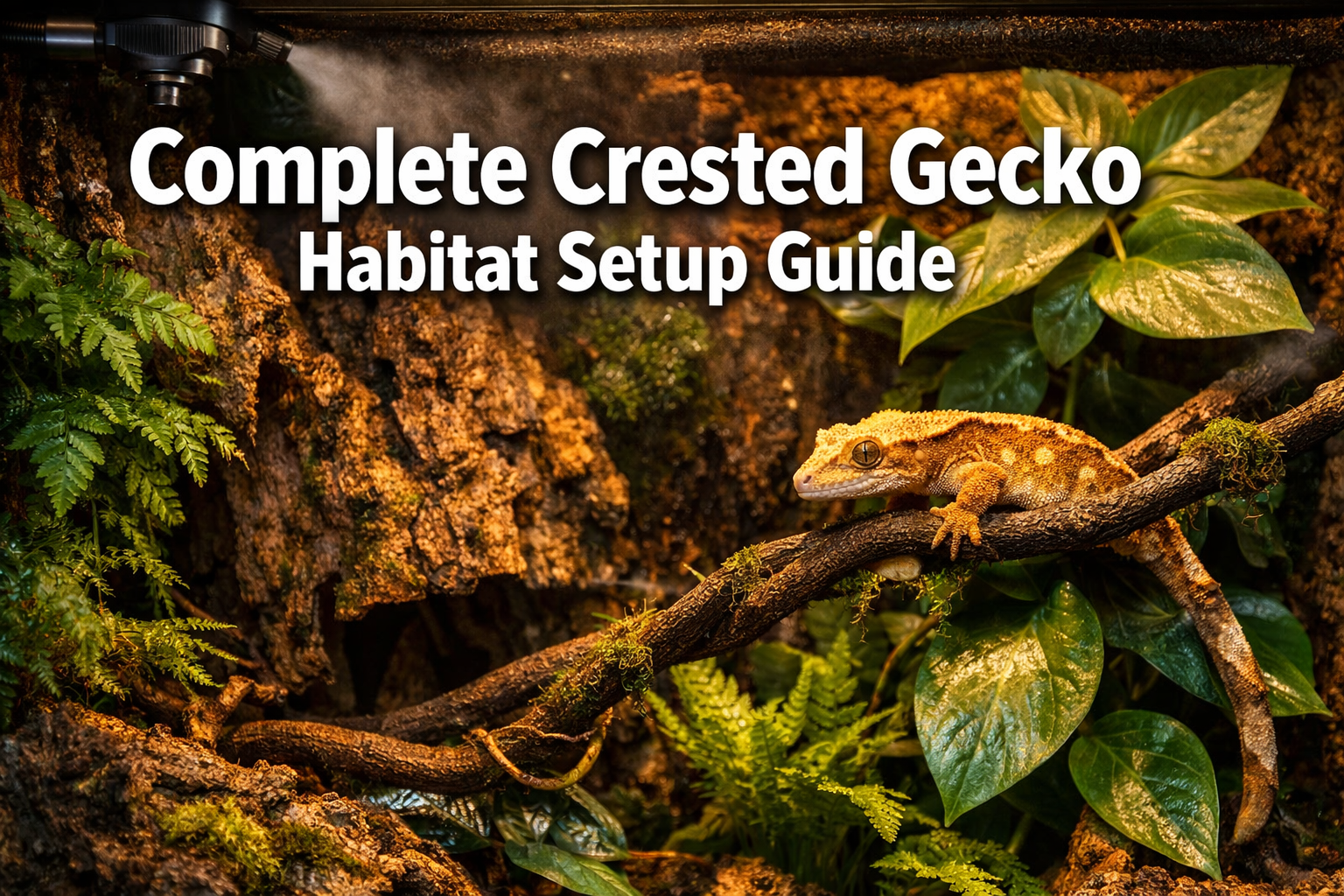
Picture this: you’ve just brought home your first crested gecko from a reputable breeder, and you’re staring at an empty terrarium wondering if you’ve created a suitable home or an expensive glass box. The difference between a thriving, vibrant gecko and a stressed, unhealthy one often comes down to one critical factor—the quality of their crested gecko habitat setup. After working with hundreds of gecko owners over the years, I’ve seen firsthand how the right environment can transform a timid hatchling into a confident, active adult that brings joy for decades.
Key Takeaways
• Minimum enclosure size: 18″L × 18″W × 24″H for adults, with vertical space being crucial for these arboreal creatures
• Bioactive setups: Live plants, proper substrate, and beneficial insects create a self-sustaining ecosystem that reduces maintenance
• Environmental controls: Maintain 60-80% humidity with proper UVB lighting (7% shade-dweller kit) for optimal health
• Substrate depth: 2-4 inches of moisture-holding substrate like coconut fiber or organic topsoil mix
• Temperature regulation: Room temperature (72-78°F) is ideal, avoiding heat sources that can cause stress
Understanding Crested Gecko Natural Habitat Requirements
Before diving into the specifics of crested gecko habitat setup, it’s essential to understand what these remarkable creatures need in the wild. Crested geckos are native to New Caledonia, where they inhabit humid rainforests and spend most of their time in the canopy [1]. This arboreal lifestyle means they’re naturally adapted to vertical environments with plenty of climbing opportunities.
In their natural habitat, crested geckos experience:
- High humidity levels (60-90%) from frequent rainfall
- Moderate temperatures ranging from 70-80°F year-round
- Dense vegetation providing multiple hiding spots and climbing surfaces
- Natural day/night cycles with filtered sunlight through the canopy
When you’re sourcing your gecko from a crested gecko breeder, they’ll often provide guidance on replicating these conditions. However, understanding the “why” behind each requirement helps you make informed decisions about your setup.
The Importance of Vertical Space
Unlike many reptiles that prioritize floor space, crested geckos are climbers first and foremost. They use their specialized toe pads to navigate vertical surfaces, jumping between branches and vines with remarkable agility [2]. This behavior pattern should be the foundation of your habitat design.
Key vertical elements include:
- Cork bark or driftwood branches
- Artificial or live vines
- Multiple levels of perching spots
- Strategic placement of food and water stations
Essential Crested Gecko Habitat Setup Components
Creating the perfect crested gecko habitat setup involves several critical components working together as a cohesive system. Let me break down each element and explain why it matters for your gecko’s health and happiness.
Enclosure Size and Dimensions
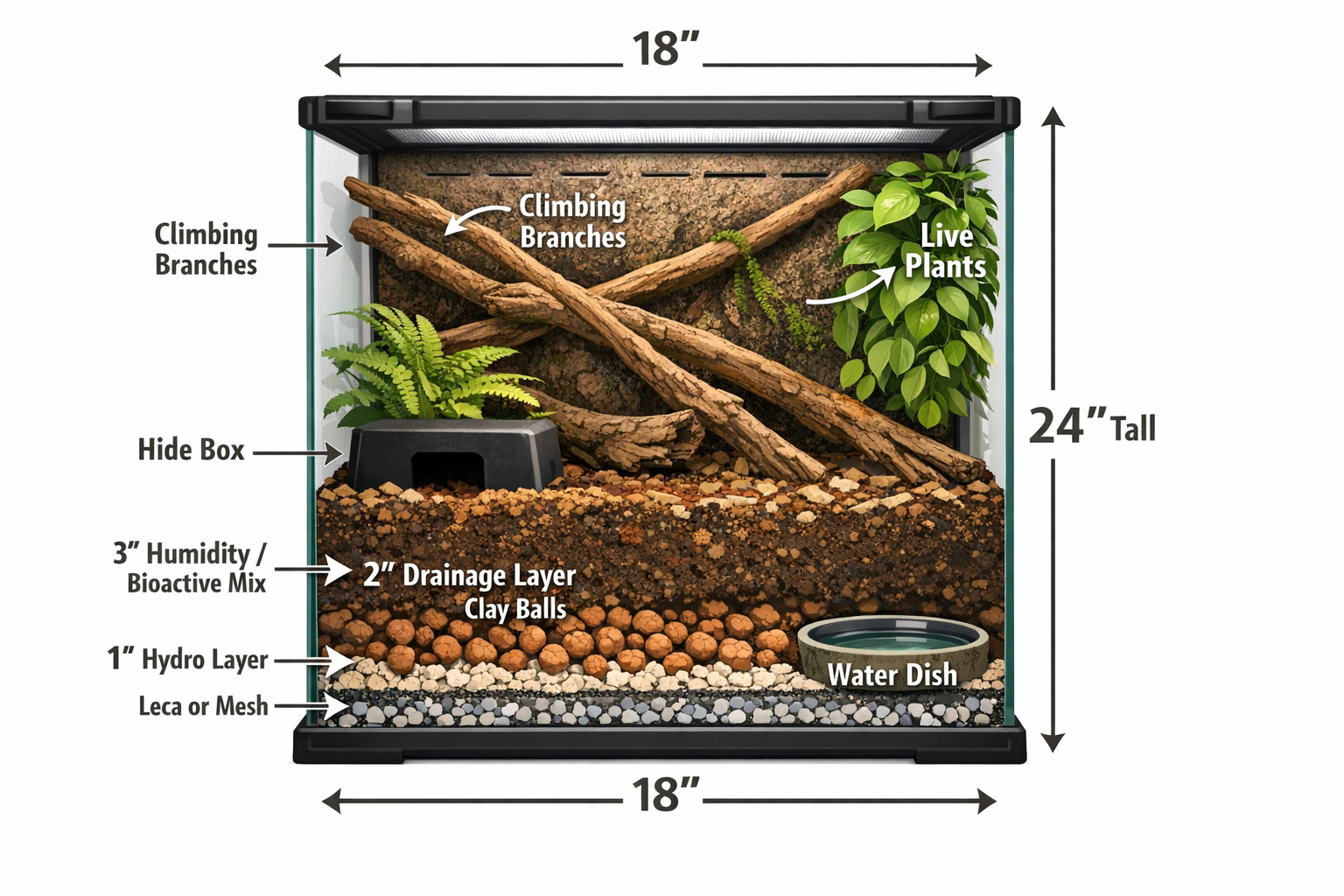
The foundation of any successful habitat starts with appropriate sizing. Based on current industry standards and research, here are the minimum requirements [4]:
| Gecko Age/Size | Minimum Dimensions | Recommended Upgrade |
|---|---|---|
| Hatchlings (<12g) | 12″L × 12″W × 12″H | 18″L × 18″W × 18″H |
| Juveniles (12-25g) | 18″L × 18″W × 18″H | 18″L × 18″W × 24″H |
| Adults (25g+) | 18″L × 18″W × 24″H | 24″L × 18″W × 36″H |
Why these dimensions matter:
- Height priority: The 24-36″ height allows for proper temperature gradients and multiple climbing levels
- Floor space: Adequate horizontal space enables natural hopping behaviors and thermoregulation [6]
- Volume considerations: Larger volumes maintain stable humidity and temperature more effectively
For those considering multiple geckos, cohabitation requires significantly more space. Two females need an enclosure with at least 23,000 cubic inches of volume [6], which typically means upgrading to a 36″L × 18″W × 36″H setup or larger.
Substrate Selection and Depth
Substrate choice dramatically impacts humidity retention, bioactivity, and overall ecosystem health. The most effective options include [7]:
🌿 Coconut Fiber (Coco Coir)
- Excellent moisture retention
- Natural appearance
- Supports beneficial bacteria growth
- Easy to spot-clean
🌱 Organic Topsoil Mix
- Creates naturalistic environment
- Supports live plant growth
- Allows for bioactive setup
- Requires proper sourcing (pesticide-free)
🍃 Commercial Bioactive Blends
- Terra Fauna and Exo Terra brands are highly recommended [5]
- Pre-mixed with beneficial organisms
- Optimal drainage and retention balance
Substrate depth should be 2-4 inches to allow for:
- Proper drainage at the bottom
- Moisture retention in the middle layer
- Surface area for beneficial insects and plant roots
- Natural digging behaviors (though limited in crested geckos)
Lighting Requirements for Optimal Health
Proper lighting is often overlooked but crucial for long-term health. Crested geckos require shade-dweller UVB lighting to synthesize vitamin D3 and maintain proper calcium metabolism [1].
Recommended lighting setup:
- 7% UVB bulb in a shade-dweller kit
- Position 10 inches from the closest basking branches
- Target UV-Index of 2 at basking spots
- 12-hour day/night cycle using a timer
Many new owners ask whether UVB is necessary since crested geckos are nocturnal. However, they are actually crepuscular (active during dawn and dusk) and benefit from filtered UV exposure similar to what they’d receive through forest canopies.
Humidity and Ventilation Balance
Maintaining proper humidity while ensuring adequate ventilation is one of the trickiest aspects of crested gecko habitat setup. The target range is 60-80% humidity [1], but achieving this requires understanding the relationship between misting, substrate, and airflow.
Effective humidity management strategies:
- Daily misting of moss and plants (not the gecko directly)
- Substrate moisture monitoring using a hygrometer at substrate level
- Strategic ventilation through screen tops and side vents
- Live plants that naturally regulate moisture through transpiration
Common humidity mistakes:
- ❌ Over-misting leading to stagnant air and mold
- ❌ Under-ventilation causing respiratory issues
- ❌ Inconsistent levels creating stress
- ❌ Ignoring substrate moisture content
Advanced Bioactive Crested Gecko Habitat Setup
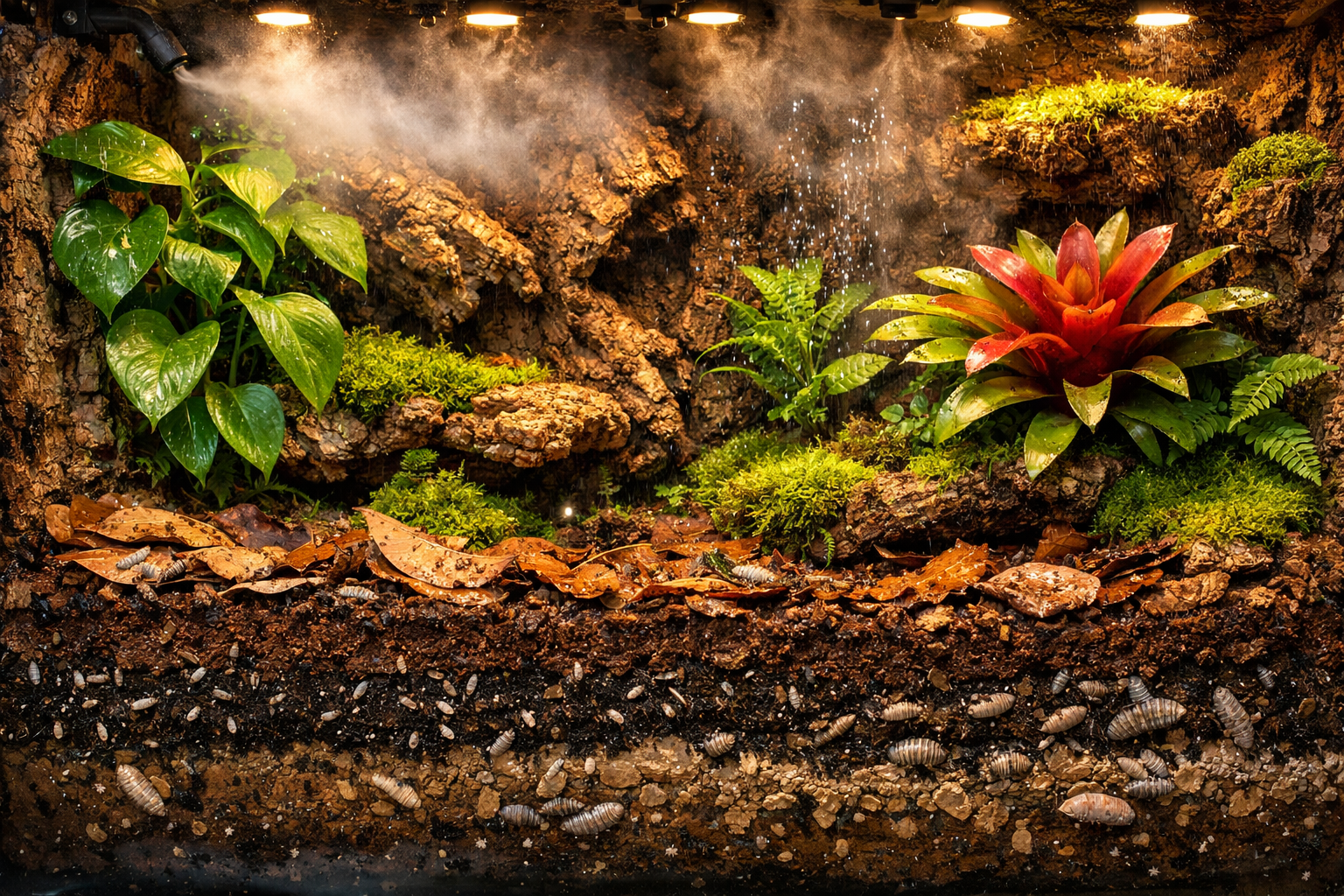
Bioactive setups represent the gold standard in crested gecko habitat setup, creating self-sustaining ecosystems that benefit both the gecko and the keeper. These systems use live plants, beneficial insects, and natural processes to maintain environmental balance.
Live Plant Selection
Choosing the right plants transforms your terrarium from a simple enclosure into a thriving ecosystem. The best plants for crested gecko habitats include:
🌿 Pothos (Epipremnum aureum)
- Extremely hardy and fast-growing
- Excellent for humidity regulation
- Provides dense cover and climbing surfaces
- Tolerates varying light conditions
🌺 Bromeliads
- Natural water collection in leaf bases
- Stunning visual appeal
- Moderate care requirements
- Creates microhabitats within the enclosure
🍃 Ficus species
- Strong branches for climbing
- Dense foliage for hiding
- Relatively low maintenance
- Various sizes available
🌱 Moss varieties
- Excellent humidity indicators
- Soft surfaces for resting
- Natural appearance
- Easy propagation
When selecting plants, always choose species that are:
- Non-toxic to reptiles
- Appropriate for terrarium conditions
- Compatible with your lighting setup
- Suitable for your experience level
Beneficial Insects and Cleanup Crew
A successful bioactive setup relies on beneficial insects to break down waste and maintain soil health. The primary cleanup crew includes:
Springtails (Collembola)
- Consume mold and decaying matter
- Reproduce readily in terrarium conditions
- Tiny size prevents competition with gecko food
- Essential for preventing harmful bacteria growth
Isopods (Woodlice)
- Break down larger organic matter
- Aerate substrate through burrowing
- Provide occasional supplemental food for geckos
- Various species available for different conditions
Beneficial Bacteria
- Establish nitrogen cycle in substrate
- Break down ammonia from waste
- Support plant root health
- Develop naturally in established systems
Maintenance Schedule for Bioactive Systems
While bioactive setups reduce daily maintenance, they require specific care routines:
Daily Tasks:
- Monitor humidity levels
- Check plant health
- Observe gecko behavior
- Spot-clean any visible waste
Weekly Tasks:
- Trim overgrown plants
- Check cleanup crew populations
- Test substrate moisture depth
- Clean glass surfaces
Monthly Tasks:
- Assess plant replacement needs
- Monitor beneficial insect populations
- Deep-clean water features
- Evaluate overall system balance
Quarterly Tasks:
- Partial substrate refresh in high-traffic areas
- Prune and propagate plants
- Assess lighting effectiveness
- Review and adjust misting schedule
- Display 36 Products per page
Temperature and Environmental Controls
Temperature management in crested gecko habitat setup differs significantly from many other reptiles. Crested geckos thrive at room temperature, making them ideal pets for most home environments. However, understanding their temperature preferences helps create optimal conditions.
Ideal Temperature Ranges
Optimal temperatures:
- Daytime: 72-78°F (22-26°C)
- Nighttime: 65-72°F (18-22°C)
- Basking area: 78-80°F (26-27°C) maximum
- Cool zone: 70-75°F (21-24°C)
Unlike many reptiles, crested geckos are sensitive to high temperatures and can become stressed or even die if exposed to temperatures above 82°F for extended periods [8]. This makes them perfect for keepers who want to avoid complex heating systems.
Heating Options (When Necessary)
In most home environments, additional heating isn’t required. However, if your home runs cool, consider these gentle heating options:
🔥 Ceramic Heat Emitters (CHE)
- Provide heat without light
- Won’t disrupt day/night cycles
- Easy to control with thermostats
- Safe for use with high humidity
🌡️ Under-tank Heaters
- Gentle background warmth
- Won’t create hot spots
- Useful for substrate temperature
- Must be used with thermostats
⚠️ Avoid these heating methods:
- Heat rocks (create dangerous hot spots)
- Bright basking bulbs (stress nocturnal geckos)
- Unregulated heat sources
- Heating that raises ambient temperature above 80°F
Seasonal Considerations
Crested geckos benefit from slight seasonal temperature variations that can trigger natural behaviors:
Winter cooling (optional):
- Reduce nighttime temperatures to 60-65°F
- Maintain normal daytime temperatures
- Can stimulate breeding behavior in adults
- Monitor gecko response carefully
Summer precautions:
- Ensure adequate ventilation
- Monitor for overheating signs
- Consider fans or air conditioning in hot climates
- Adjust misting schedule for increased evaporation
Feeding Stations and Water Features
Proper placement of food and water sources is crucial for crested gecko habitat setup success. These elements should integrate naturally with the overall design while remaining accessible for both the gecko and keeper.
Food Station Placement
Crested geckos are primarily frugivorous, requiring specialized diets that differ significantly from insectivorous geckos. For detailed information about crested gecko diet requirements, proper feeding stations should include:
Elevated feeding platforms:
- Magnetic ledges for easy cleaning
- Multiple locations to prevent competition
- Stable surfaces that won’t tip
- Easy access for daily food replacement
Food types and rotation:
- Commercial crested gecko diet (primary)
- Occasional live insects (supplemental)
- Fresh fruit purees (treats only)
- Calcium and vitamin supplements as needed
Water Features and Hydration
While crested geckos obtain most of their water from food and environmental humidity, providing clean water sources is essential:
Water dish considerations:
- Shallow dishes to prevent drowning
- Easy-to-clean materials (glass or ceramic)
- Strategic placement away from heat sources
- Regular water changes (every 2-3 days)
Natural water features:
- Bromeliad leaf cups collect rainwater naturally
- Small waterfalls or drippers (if properly maintained)
- Moss areas that hold moisture
- Misting systems for environmental humidity
Common Habitat Setup Mistakes and Solutions
Even experienced reptile keepers can make mistakes when transitioning to crested gecko habitat setup. Learning from common errors saves time, money, and prevents stress for your gecko.
Mistake #1: Inadequate Ventilation
Problem: Many new keepers focus so heavily on maintaining humidity that they create stagnant air conditions leading to mold and respiratory issues.
Solution:
- Ensure screen tops cover at least 30% of the enclosure
- Add side ventilation if using glass terrariums
- Use fans to create gentle air circulation
- Monitor for mold growth and adjust accordingly
Mistake #2: Inappropriate Substrate Depth
Problem: Too shallow substrate doesn’t retain moisture or support plants, while too deep substrate can create anaerobic conditions.
Solution:
- Maintain 2-4 inch depth consistently
- Add drainage layer if using deeper substrate
- Test moisture levels at different depths
- Replace substrate every 3-4 months in non-bioactive setups [4]
Mistake #3: Overcrowding with Decorations
Problem: Filling every space with decorations can stress geckos and make cleaning difficult.
Solution:
- Create open areas for movement
- Focus on functional decorations (climbing surfaces, plants)
- Ensure easy access for maintenance
- Allow for natural behaviors like jumping
Mistake #4: Inconsistent Environmental Conditions
Problem: Daily fluctuations in temperature and humidity create chronic stress.
Solution:
- Invest in quality monitoring equipment
- Establish consistent daily routines
- Use timers for lighting and misting
- Keep detailed logs during initial setup period
Choosing the Right Enclosure Type
The enclosure itself forms the foundation of your crested gecko habitat setup. Different materials and designs offer various advantages depending on your specific needs and experience level.
Glass Terrariums
Advantages:
- Excellent humidity retention
- Easy to clean and maintain
- Good visibility for observation
- Wide variety of sizes available
- Compatible with most heating and lighting
Disadvantages:
- Can be heavy when fully set up
- More expensive than some alternatives
- May require additional ventilation
- Glass can break if mishandled
Best for: Beginners, bioactive setups, display animals
Screen Enclosures
Advantages:
- Excellent ventilation
- Lightweight and portable
- Good for warmer climates
- Easy to modify and customize
Disadvantages:
- Difficult to maintain humidity
- Limited heating options
- Not suitable for bioactive setups
- May stress geckos in high-traffic areas
Best for: Experienced keepers in humid climates
Wooden Vivariums
Advantages:
- Excellent insulation properties
- Natural appearance
- Good humidity retention with proper sealing
- Can be custom-built to exact specifications
Disadvantages:
- Require proper sealing to prevent rot
- More expensive than glass
- Heavier than most alternatives
- Potential for warping in high humidity
Best for: Advanced keepers, custom installations, breeding operations
Setting Up Your First Crested Gecko Habitat
Now that we’ve covered all the components, let’s walk through the actual setup process for your crested gecko habitat setup. This step-by-step approach ensures you don’t miss critical elements and creates a systematic approach to success.
Step 1: Enclosure Preparation
Clean and inspect your enclosure:
- Remove any packaging materials or residue
- Check for cracks, sharp edges, or defects
- Test all doors, latches, and ventilation screens
- Plan your layout before adding any components
Install permanent fixtures:
- Mount lighting fixtures according to manufacturer instructions
- Set up any ventilation fans or additional air circulation
- Install background materials if using them
- Test all electrical components before proceeding
Step 2: Drainage and Substrate Installation
Create drainage layer (for bioactive setups):
- Add 1-2 inches of drainage material (clay balls, gravel)
- Install screen barrier to prevent substrate mixing
- Test drainage by adding and removing water
- Ensure proper slope toward drainage areas
Add substrate layers:
- Install base substrate layer (2-3 inches)
- Add beneficial insects if creating bioactive system
- Lightly mist substrate to achieve proper moisture content
- Allow substrate to settle for 24-48 hours before proceeding
Step 3: Hardscape Installation
Install major climbing structures:
- Position cork bark or driftwood pieces securely
- Create multiple levels and pathways
- Ensure all structures are stable and won’t shift
- Test weight capacity by applying gentle pressure
Add functional decorations:
- Install feeding ledges and water dishes
- Position hide boxes or caves
- Create visual barriers for security
- Ensure easy access for maintenance
Step 4: Plant Installation and Landscaping
Plant selection and placement:
- Start with hardy species like pothos and sansevieria
- Position plants to create natural climbing pathways
- Consider mature size when spacing plants
- Add moss and smaller plants to fill gaps
Final landscaping touches:
- Add leaf litter for natural appearance
- Install any artificial vines or additional climbing surfaces
- Create visual depth with varied heights and textures
- Step back and assess overall composition
Step 5: Environmental Testing and Adjustment
Monitor initial conditions:
- Check temperature gradients throughout enclosure
- Test humidity levels at multiple locations
- Observe air circulation patterns
- Document baseline readings for future reference
Make necessary adjustments:
- Adjust misting frequency based on humidity readings
- Modify lighting position if needed
- Add or remove ventilation as required
- Fine-tune heating elements if necessary
Maintenance and Long-term Care
A successful crested gecko habitat setup requires ongoing maintenance to remain healthy and functional. Developing consistent routines prevents problems before they become serious issues.
Daily Maintenance Tasks
Environmental monitoring:
- Check temperature and humidity readings
- Observe gecko behavior and appetite
- Look for signs of mold or pest issues
- Ensure all equipment is functioning properly
Basic cleaning:
- Remove uneaten food after 24 hours
- Spot-clean any visible waste
- Refill water dishes as needed
- Mist plants and substrate as required
Weekly Maintenance Routines
Deeper cleaning tasks:
- Clean glass surfaces and remove water spots
- Trim overgrown plants and remove dead foliage
- Check and clean feeding ledges and water dishes
- Inspect all equipment for wear or damage
Health assessments:
- Weigh your gecko weekly (especially juveniles)
- Check for signs of shedding issues
- Monitor eating habits and waste production
- Document any behavioral changes
Monthly and Seasonal Care
Comprehensive system evaluation:
- Deep-clean all removable decorations
- Assess plant health and replace if necessary
- Check beneficial insect populations in bioactive setups
- Review and adjust environmental parameters
Equipment maintenance:
- Clean and replace UVB bulbs as needed (every 6-12 months)
- Test heating and cooling equipment
- Calibrate monitoring devices
- Update maintenance logs and records
Troubleshooting Common Issues
Even with perfect planning, issues can arise in your crested gecko habitat setup. Recognizing problems early and knowing how to address them prevents minor issues from becoming major problems.
Humidity Problems
Too high humidity (>85%):
- Increase ventilation
- Reduce misting frequency
- Check for standing water
- Ensure proper drainage
Too low humidity (<50%):
- Increase misting frequency
- Add more live plants
- Check for air leaks
- Consider adding water features
Temperature Issues
Overheating (>82°F):
- Improve ventilation immediately
- Remove or reduce heating sources
- Add fans for air circulation
- Monitor gecko for stress signs
Too cool (<65°F):
- Add gentle heating sources
- Reduce ventilation slightly
- Check for drafts
- Consider room heating solutions
Plant and Bioactive Problems
Mold growth:
- Improve air circulation
- Reduce moisture levels temporarily
- Remove affected areas immediately
- Increase beneficial insect populations
Plant decline:
- Check lighting adequacy
- Assess watering schedule
- Look for pest issues
- Consider plant replacement
Working with Professional Crested Gecko Breeders
When you’re ready to add a crested gecko to your perfectly prepared habitat, choosing the right breeder makes all the difference. CB Reptile has established itself as the #1 crested gecko breeder in the USA for over a decade, specializing in high-quality animals and comprehensive support for new owners.
What to Look for in a Crested Gecko Breeder
Quality indicators include:
- Detailed health guarantees and documentation
- Extensive morph selection with clear genetic information
- Comprehensive care instructions and ongoing support
- Transparent breeding practices and facility tours
- Positive reviews and references from other customers
Red flags to avoid:
- Unusually low prices that seem too good to be true
- Lack of health guarantees or return policies
- Poor communication or unwillingness to answer questions
- Animals that appear stressed, underweight, or unhealthy
- Pressure to purchase without adequate preparation time
Understanding Crested Gecko Morphs and Pricing
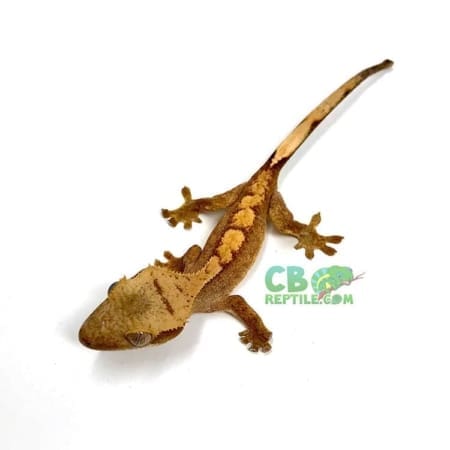
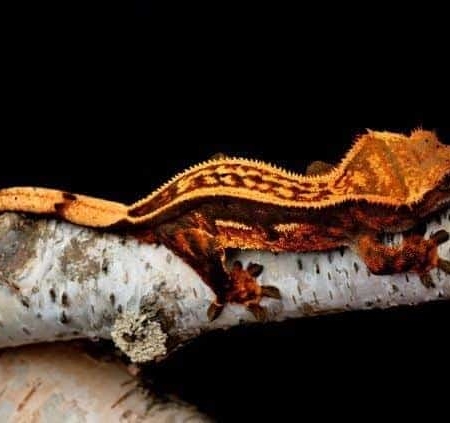
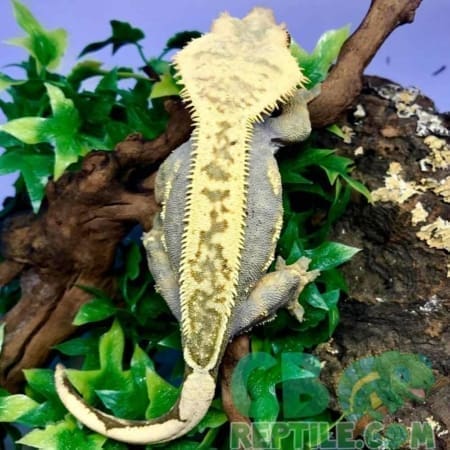
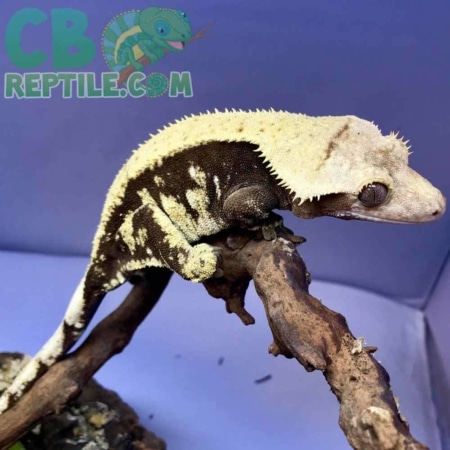
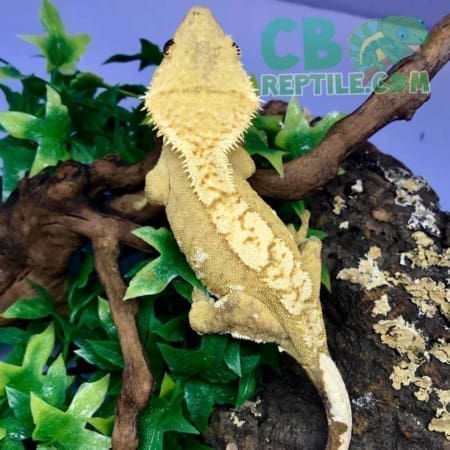
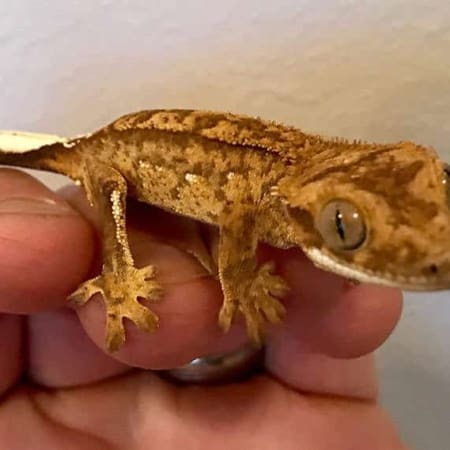
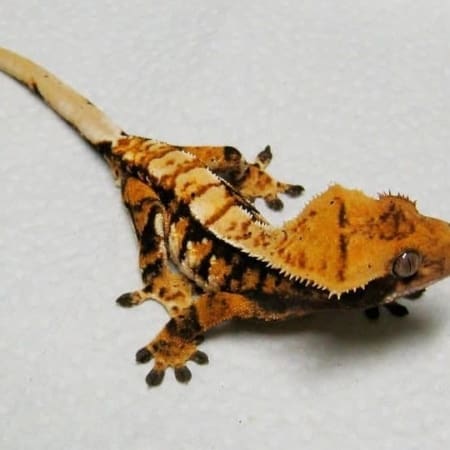
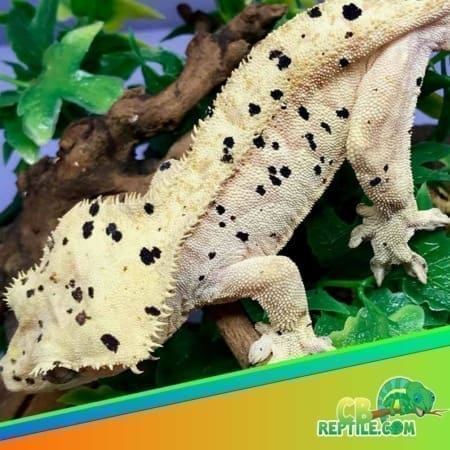
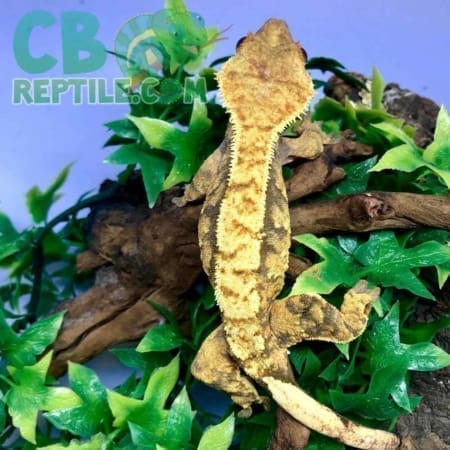
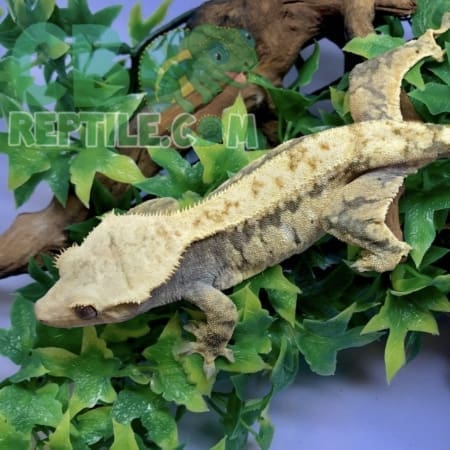
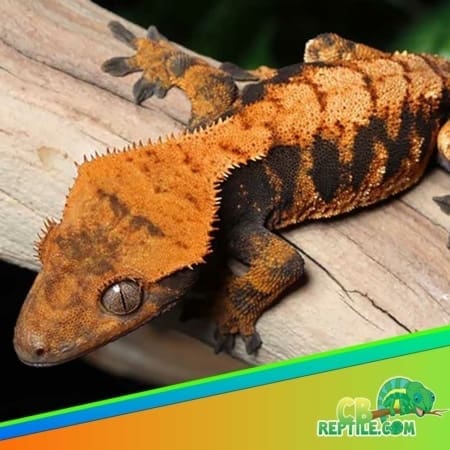
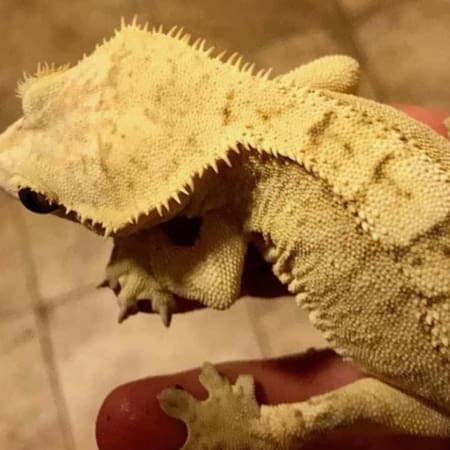
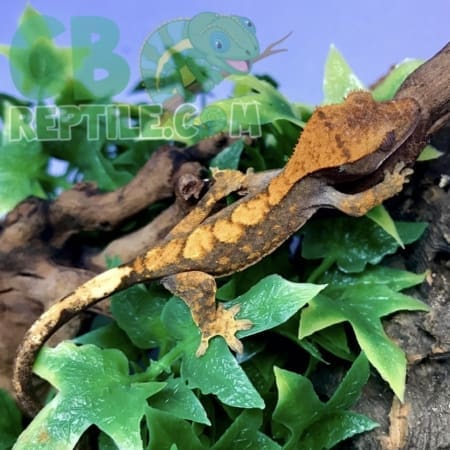
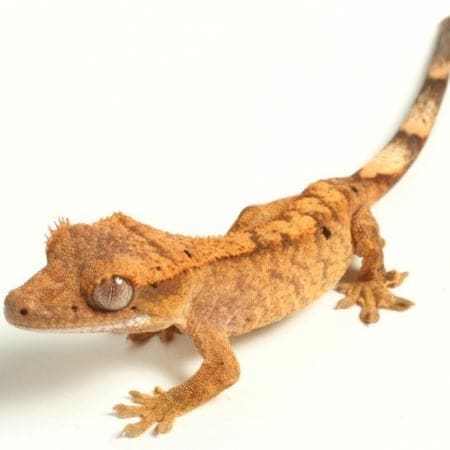
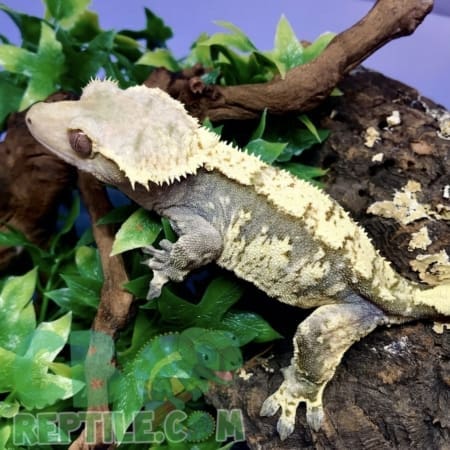
The world of crested gecko morphs offers incredible variety, with pricing starting around $75 for common morphs and increasing based on rarity and genetic complexity. Popular morphs include:
🔥 Flame Crested Geckos – Starting at $75-150
- Bold patterns with vibrant colors
- Excellent for beginners
- Available in various base colors
- Flame crested geckos for sale represent some of the most popular choices
🎨 Harlequin Patterns – $150-400
- Complex pattern combinations
- Higher contrast and definition
- More selective breeding required
- Harlequin crested geckos for sale showcase stunning pattern work
🐅 Tiger Morphs – $200-500
- Distinctive striping patterns
- Bold contrast and unique appearance
- Tiger crested geckos for sale offer striking visual appeal
🎯 Pinstripe Varieties – $150-350
- Clean lines and geometric patterns
- Highly sought after for breeding projects
- Pinstripe crested geckos for sale demonstrate precise genetic expression
Preparing for Your New Gecko
Before bringing your new crested gecko home, ensure your habitat has been running successfully for at least 2-3 weeks. This settling period allows:
- Environmental parameters to stabilize
- Beneficial bacteria to establish in bioactive setups
- Plants to acclimate and begin growing
- Any equipment issues to be identified and resolved
Final checklist before gecko arrival:
- ✅ Temperature and humidity stable for 1+ weeks
- ✅ All equipment functioning properly
- ✅ Food and feeding supplies ready
- ✅ Quarantine plan if adding to existing collection
- ✅ Veterinary contact information available
- ✅ Emergency supplies and backup equipment
Regional Considerations for Crested Gecko Habitat Setup
Your geographic location significantly impacts your crested gecko habitat setup requirements. Understanding regional challenges helps you adapt your approach for optimal success.
Climate-Specific Adjustments
Humid climates (Southeast US, Pacific Northwest):
- Focus on ventilation to prevent mold
- Reduce misting frequency
- Monitor for excessive humidity buildup
- Consider dehumidifiers in extreme conditions
Arid climates (Southwest US, Mountain West):
- Increase misting frequency and duration
- Add more live plants for humidity
- Consider humidifiers for room-level support
- Monitor substrate moisture more carefully
Cold climates (Northern US, Canada):
- Provide gentle heating during winter months
- Protect against drafts and temperature fluctuations
- Adjust for lower indoor humidity during heating season
- Plan for power outage backup heating
Variable climates (Midwest, Northeast):
- Prepare for seasonal adjustments
- Monitor closely during weather changes
- Have backup plans for extreme conditions
- Consider automated systems for consistency
Finding Local Support
When searching for “crested gecko near me“, consider building relationships with:
Local reptile communities:
- Herpetological societies and clubs
- Reptile shows and expos
- Online regional forums and groups
- Local pet stores with reptile expertise
Professional support network:
- Exotic animal veterinarians
- Experienced reptile keepers
- Local breeders and mentors
- Emergency care providers
Advanced Habitat Customization Options
Once you’ve mastered basic crested gecko habitat setup, advanced customization options can enhance both functionality and aesthetics. These upgrades represent the cutting edge of reptile husbandry in 2026.
Automated Environmental Controls
Smart monitoring systems:
- WiFi-enabled temperature and humidity sensors
- Smartphone app integration for remote monitoring
- Automated alerts for parameter deviations
- Historical data tracking and analysis
Automated misting systems:
- Programmable spray schedules
- Multiple zone control for large enclosures
- Integration with humidity sensors
- Backup manual override capabilities
Advanced lighting controllers:
- Sunrise/sunset simulation
- Seasonal light cycle adjustments
- UVB output monitoring and alerts
- Integration with room lighting systems
Custom Drainage and Filtration
Advanced drainage systems:
- Hidden drainage channels and pumps
- Recirculating water features
- Filtration for water quality maintenance
- Overflow protection and monitoring
Air filtration options:
- HEPA filtration for sensitive individuals
- Activated carbon for odor control
- UV sterilization for pathogen reduction
- Quiet operation for bedroom installations
Breeding Facility Considerations
For those interested in breeding, crested gecko habitat setup requirements expand significantly:
Breeding colony management:
- Multiple enclosure systems
- Quarantine and isolation capabilities
- Incubation equipment and monitoring
- Record keeping and genetic tracking
Specialized equipment needs:
- Digital scales for weight monitoring
- Incubators with precise temperature control
- Humidity chambers for egg development
- Nursery setups for hatchling care
Future Trends in Crested Gecko Husbandry
The field of reptile keeping continues to evolve, with new technologies and techniques improving crested gecko habitat setup success rates. Staying current with these trends helps ensure your setup remains optimal for years to come.
Emerging Technologies
IoT integration:
- Smart home integration for environmental controls
- Voice-activated monitoring and adjustments
- Machine learning for predictive maintenance
- Cloud-based data storage and analysis
Advanced materials:
- Self-cleaning glass coatings
- Antimicrobial substrate additives
- Improved insulation materials
- Longer-lasting UVB technologies
Sustainability Focus
Eco-friendly approaches:
- Solar-powered monitoring systems
- Recycled and sustainable materials
- Energy-efficient LED lighting
- Water conservation technologies
Bioactive advancement:
- More sophisticated cleanup crew options
- Improved plant selection and breeding
- Better understanding of microbiome management
- Integration with home composting systems
Conclusion
Creating the perfect crested gecko habitat setup represents one of the most rewarding aspects of reptile keeping. From understanding the basic requirements of enclosure size and environmental controls to implementing advanced bioactive systems, every element contributes to your gecko’s long-term health and happiness.
The key to success lies in understanding that these remarkable creatures have evolved for specific environmental conditions, and our job as keepers is to replicate those conditions as closely as possible. Whether you’re starting with a simple setup for your first gecko or designing an elaborate bioactive system for a breeding project, the principles remain the same: prioritize vertical space, maintain proper humidity and temperature, provide appropriate lighting, and create a naturalistic environment that encourages natural behaviors.
Remember that working with reputable crested gecko breeders like CB Reptile ensures you’re getting healthy animals with proper genetic backgrounds and comprehensive support. Their decade-plus experience as the top crested gecko breeder in the USA provides invaluable guidance for both novice and experienced keepers.
Your next steps should include:
- Finalizing your enclosure selection based on your space, budget, and experience level
- Gathering all necessary equipment and allowing 2-3 weeks for environmental stabilization
- Connecting with reputable breeders to discuss morph selection and availability
- Preparing for long-term success by establishing maintenance routines and monitoring protocols
- Building your support network of local reptile enthusiasts and professional resources
The investment in time and resources for a proper crested gecko habitat setup pays dividends in the form of a healthy, active gecko that can live 15-20 years or more. These fascinating creatures make wonderful companions when provided with appropriate care, and the satisfaction of watching them thrive in a well-designed habitat is unmatched in the reptile keeping hobby.
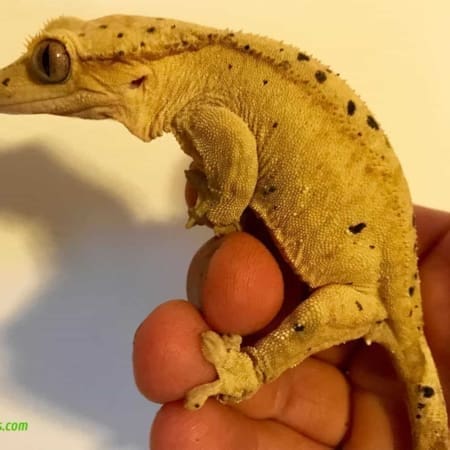
Whether you choose a flame crested gecko, a dalmatian pattern, or any of the other stunning designer morphs available, your success will ultimately depend on the quality of the habitat you provide. Take the time to do it right from the beginning, and you’ll enjoy years of rewarding experiences with these remarkable animals.
For additional guidance on specific aspects of care, explore our comprehensive resources on crested gecko temperature requirements and habitat guides to ensure every aspect of your setup meets the highest standards of modern reptile husbandry.