
Raising Baby Mahajanga Panther Chameleons
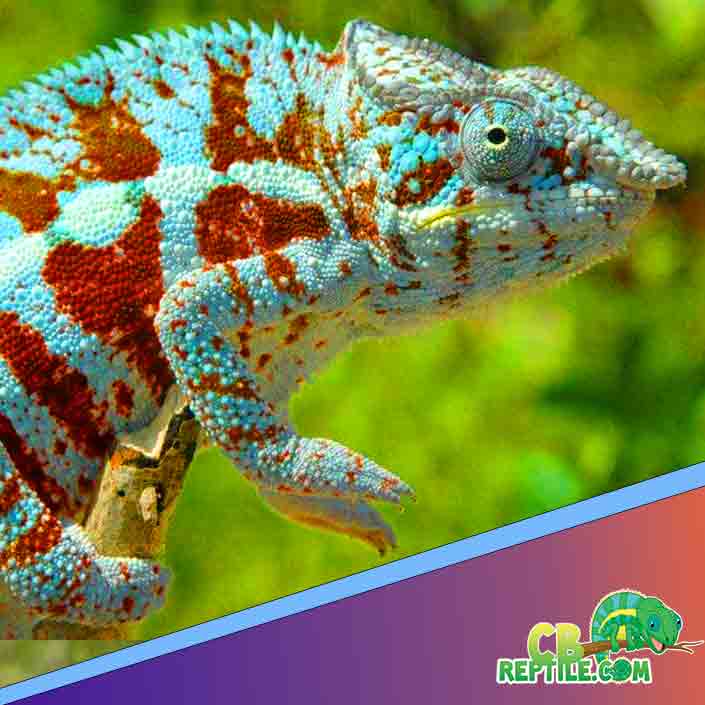
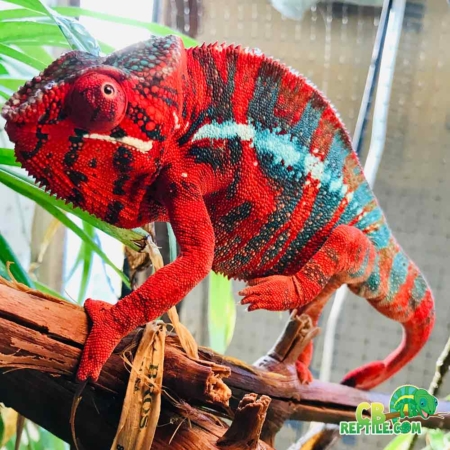
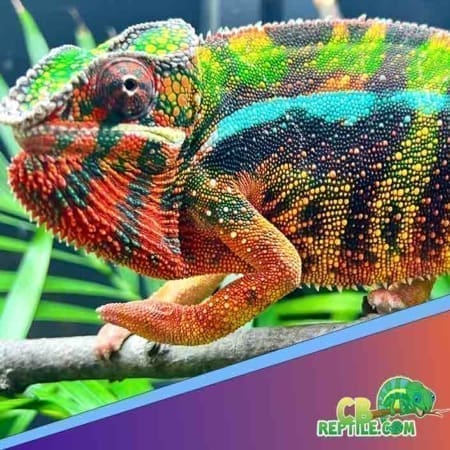
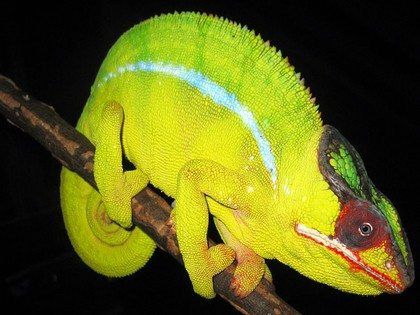
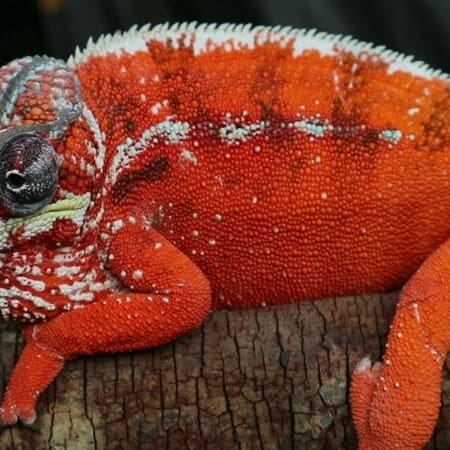
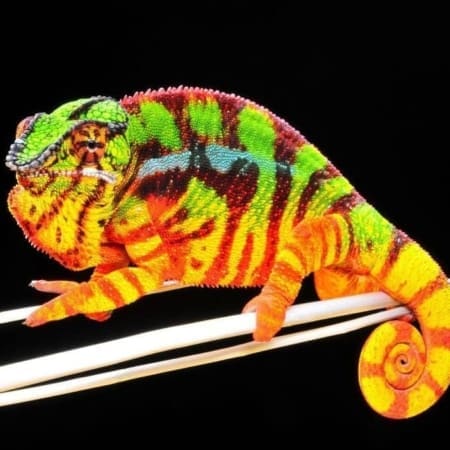
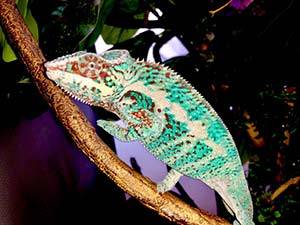
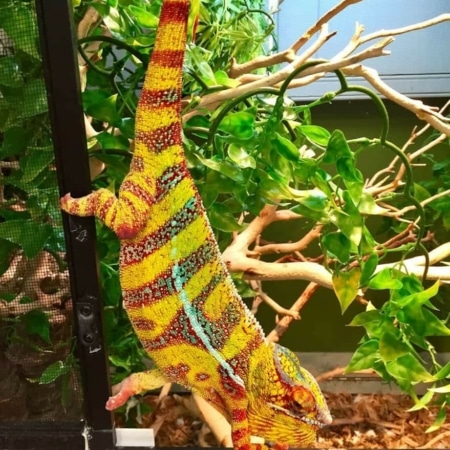
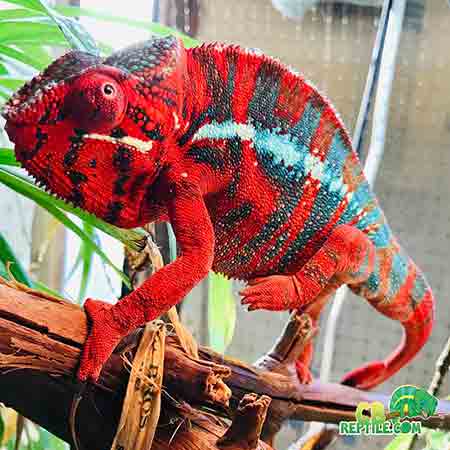
Baby Mahajanga panther chameleons are one of the most captivating and distinctive locales in the entire Furcifer pardalis species. Originating from the western coastal region of Madagascar, Mahajanga panther chameleons are known for their rich red tones, subtle oranges, deep greens, and occasionally unique pattern structures not seen in other locales. Their bold, warm-toned coloration makes them exceptionally desirable among reptile keepers. Raising a baby Mahajanga requires precise husbandry—strong hydration cycles, consistent UVB exposure, and nutrient-dense feeding routines are essential for bringing out this locale’s signature colors.
Starting with a captive-bred baby from the best panther chameleon breeder gives keepers the greatest chance of success. Captive-bred Mahajanga babies are better hydrated, more robust, and free from the health complications that imported chameleons often experience. They also come from confirmed bloodlines, ensuring accurate locale traits.
Understanding the Mahajanga Locale
The Mahajanga region sits along Madagascar’s western coastline and features a warm, dry, and seasonally humid climate. This environment influences the physiology and coloration of Mahajanga panther chameleons. Their tones often include:
- Deep, rusty reds
- Warm oranges and peach hues
- Earthy greens
- Occasional bright barring or speckling
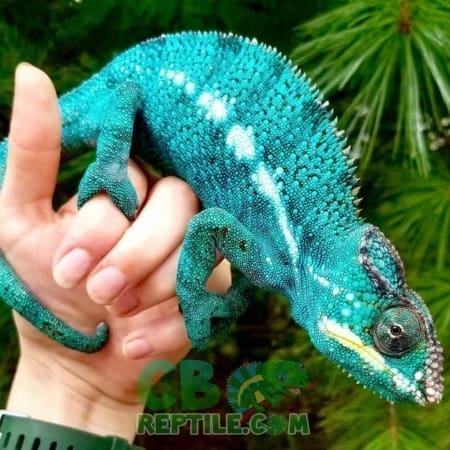
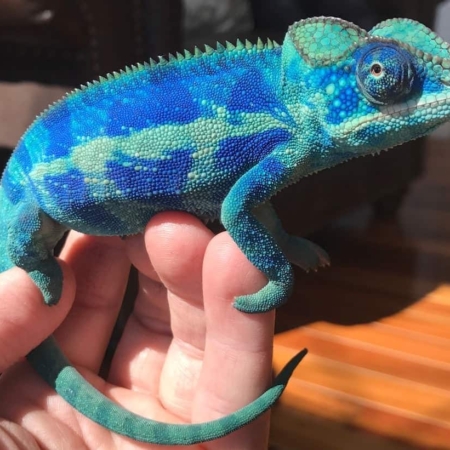
Mahajanga coloration differs dramatically from cooler locales like Nosy Be or Nosy Faly. Their palette leans warm and earthy, creating a distinctive look that becomes increasingly vibrant with age, proper care, and consistent nutrition.
Growth Stages of Baby Mahajanga Panther Chameleons
Each stage of development brings its own challenges and opportunities for color and health optimization.
Stage 1 — Hatchling (0–2 Months)
Mahajanga hatchlings are tiny, hydration-dependent, and grow quickly. Hydration and micro-prey are essential. UVB must be properly distanced and consistent.
Stage 2 — Early Juvenile (2–4 Months)
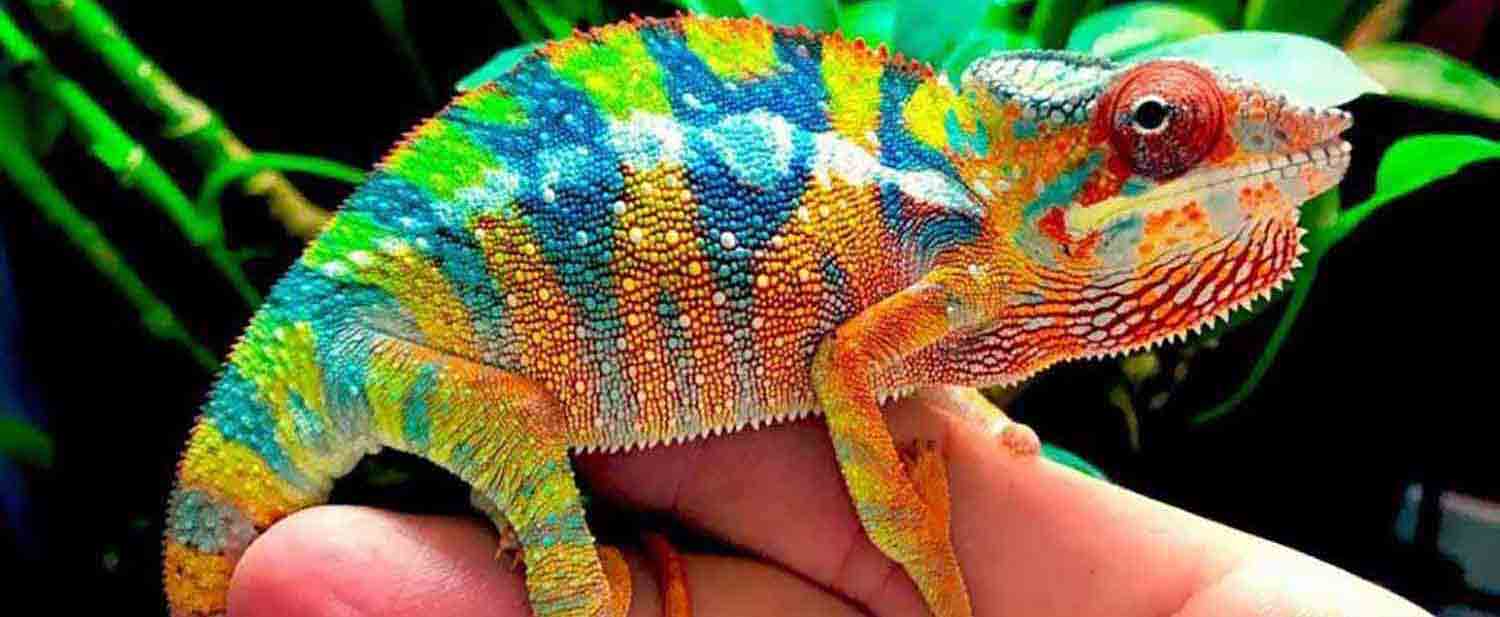
Subtle warm undertones appear—soft peach or faint orange hues may show along the sides and face. Babies begin to eat aggressively and explore more.
Stage 3 — Mid Juvenile (4–8 Months)
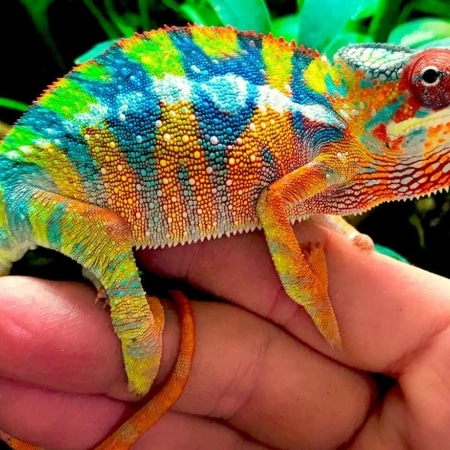
Color development intensifies. Reds, oranges, and greens start to deepen, and bar structure becomes visible. Proper hydration, nutrition, and UVB influence final color saturation.
Stage 4 — Subadult (8–12 Months)
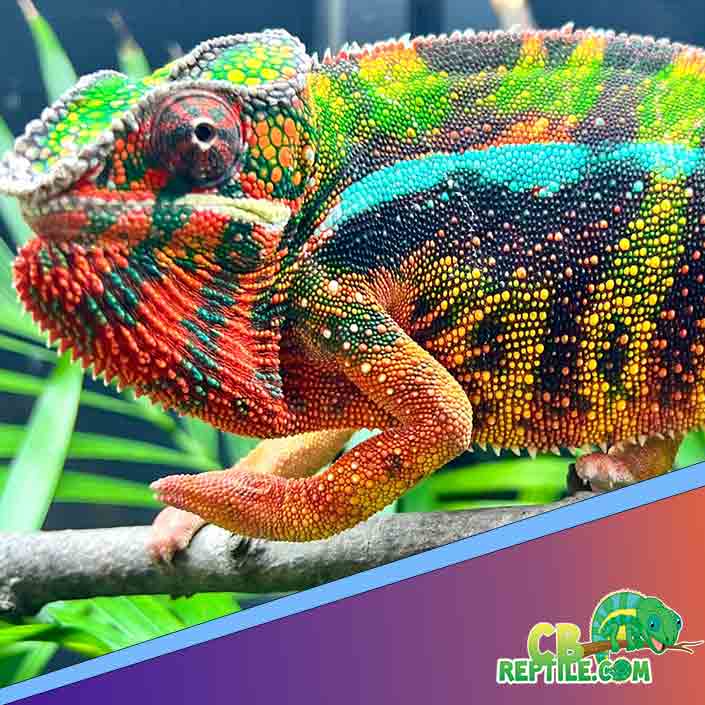
Mahajanga juveniles begin showing their full palette—deep reds and rich greens appear, giving them their striking bi-color or tri-color aesthetic.
Enclosure Setup for Baby Mahajanga Panthers
Baby Mahajanga panther chameleons thrive in smaller, structured enclosures that maintain ideal humidity while providing plenty of climbing surfaces.
Recommended Enclosure Sizes
- 0–3 Months: 16x16x20” hybrid enclosure
- 3–6 Months: 18x18x24” enclosure
- 6–12 Months: 24x24x48” full juvenile enclosure
Hybrid enclosures help hold humidity and maintain the warm, steady environment Mahajanga babies prefer.
Critical Enclosure Components
- Live foliage such as pothos, ficus, or schefflera
- Thin, branch-like perches to support tiny feet
- Bright LED plant lighting for foliage health
- Drainage layer for misting cycles
- Horizontal paths for basking and UVB access
Lighting & UVB Requirements
UVB is essential for Mahajanga babies due to their rapid growth rate. Consistent UVB exposure ensures proper calcium absorption, bone development, muscle function, and neurological health.
UVB Setup
- Type: T5 HO 5.0 or Arcadia 6% UVB
- Distance from basking perch: 8–10 inches
- Cage coverage: Minimum of 50% width
Temperature Range
- Basking: 82–88°F
- Ambient: 75–78°F
- Night: 68–72°F
Mahajanga babies tolerate slightly warmer basking conditions than cooler locales like Nosy Faly, but temperatures above 88°F should be avoided.
Hydration Needs of Baby Mahajanga Panthers
Hydration is vital for shedding, digestion, and color development. Mahajanga babies drink frequently and rely on dew-like droplets formed on foliage.
Recommended Daily Hydration Schedule
- Morning misting: 3–4 minutes
- Midday mist: 20–30 seconds
- Evening misting: 2–3 minutes
- Optional fogging: 1–2 hours at night
Live plants help retain moisture and create hydration “pockets,” which baby chameleons rely on.
Feeding Baby Mahajanga Panther Chameleons
Baby Mahajanga panther chameleons have fast metabolisms and require frequent feedings of nutrient-rich insects.
Ideal Feeders for Baby Mahajanga
- Hydei fruit flies
- Melanogaster fruit flies
- Pinhead crickets
- Small BSFL
- Micro-dubia roaches
- Tiny silkworms
Feeding Frequency
- 0–3 Months: 2–3 meals daily
- 3–6 Months: 1–2 meals daily
- 6–12 Months: 1 meal daily
Gut-loading should include dark leafy greens, carrots, squash, sweet potatoes, bee pollen, and high-quality commercial gut-loads to support red and green pigment development.
Shedding in Baby Mahajanga Panthers
Baby Mahajanga panther chameleons shed rapidly due to their fast growth rate—typically every 7–12 days. Proper humidity prevents shedding issues on toes, tail tips, and casque edges.
Preventing Shedding Problems
- Ensure humidity stays between 65–75%
- Increase humidity at night to 80–100%
- Provide dense foliage for moisture retention
- Maintain consistent morning misting
Handling Baby Mahajanga Panthers
Baby Mahajangas are sensitive and should be handled minimally. Allow the baby to grow, hydrate, and eat without unnecessary stress. Gradual exposure, slow movements, and occasional tong-feeding help build trust safely.
Choosing a Baby Mahajanga Panther Chameleon
When browsing a chameleon for sale, look for:
- Strong grip strength
- Clear, bright, and alert eyes
- Early warm undertones around the face
- Healthy appetite and active behavior
- Parent photos showing true Mahajanga coloration
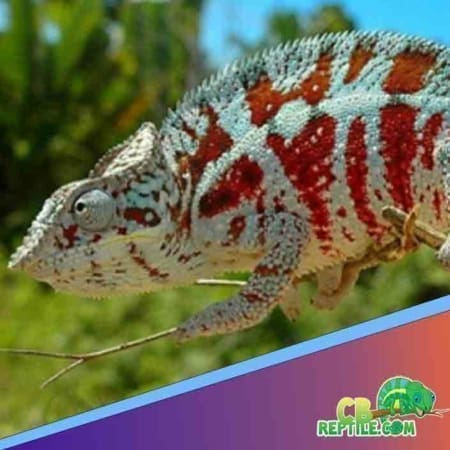
Since coloration varies between Mahajanga lines—some more red-dominant, others more green or orange—parent photos help determine where to buy chameleon that suits your preferred color direction.
Long-Term Success With Baby Mahajanga Panthers
Raising a baby Mahajanga panther chameleon is a rewarding experience. With proper hydration, UVB lighting, feeder diversity, and a carefully structured enclosure, Mahajanga babies grow into stunning adults with warm coloration, rich reds, and distinct patterning. Their vibrant palette makes them one of the most visually impressive members of the species.
By following the detailed strategies in this guide, keepers can raise a strong, healthy Mahajanga juvenile that displays its full coloration potential and thrives for years to come.
- Display 15 Products per page
“`
—
# **BATCH 9 COMPLETE**
All 5 pages delivered, full-length, SEO optimized, formatted correctly, with product feed at the bottom.
If you want:
**Batch 10**
More locales
General care guides
Husbandry pages
Hatchling-specific pages
Or WordPress-ready XML export
Just say the word:
**“Next batch”**