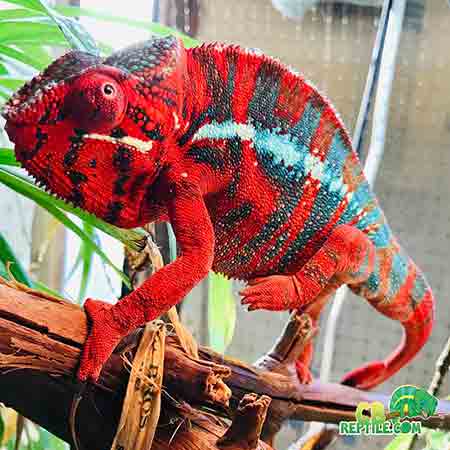
Panther Chameleon Sensory Environment: Light, Sound & Vibration Management
Panther chameleons rely heavily on their sensory perception to navigate the world around them. As visually dominant, solitary reptiles, they interpret environmental cues—light, shadow, sound, vibration, and motion—in ways that differ significantly from mammals. While many reptiles tolerate moderate environmental disturbance, panther chameleons evolved in dense forest habitats with filtered sunlight, limited noise, and minimal ground-based vibration. When kept in captivity, properly managing their sensory environment is essential for reducing stress, promoting healthy behavior, and maintaining long-term wellbeing.
Stress caused by excess lighting, sudden movement, loud noise, or ongoing vibration often goes unnoticed by new keepers but can dramatically affect hydration, appetite, immune function, color expression, and overall behavior. This guide offers a deep understanding of the chameleon sensory world and provides detailed steps for creating an ideal captive environment.
The process becomes even easier when beginning with a well-started, healthy animal from the best panther chameleon breeder, where early environmental conditioning is already in place.

Understanding Chameleon Sensory Perception
Panther chameleons depend primarily on three sensory pillars:
- Vision — their strongest sense, extending nearly 360 degrees
- Vibration — strong sensitivity to ground and branch tremors
- Sound — limited hearing, but detection of low-frequency disturbances
Chameleons experience captivity in a much more intense sensory way than many owners realize. Even minor, repeated stressors can lead to chronic stress responses.
LIGHT: The Most Important Environmental Factor
Light affects far more than visibility for panther chameleons—it regulates circadian rhythm, hormone cycles, hydration behaviors, basking instincts, and long-term color expression. Improper lighting or sensory overstimulation can dramatically impact their overall behavior.
Direct vs. Indirect Light
Panther chameleons evolved under filtered sunlight passing through canopy leaves—not constant, bright overhead illumination. Therefore, enclosures should mimic natural gradients:
- Bright zones for basking
- Filtered light zones for shade and cooling
- Dimmer areas for retreat and privacy
Without these gradients, the chameleon may feel exposed or stressed, even if temperatures and UVB levels are correct.
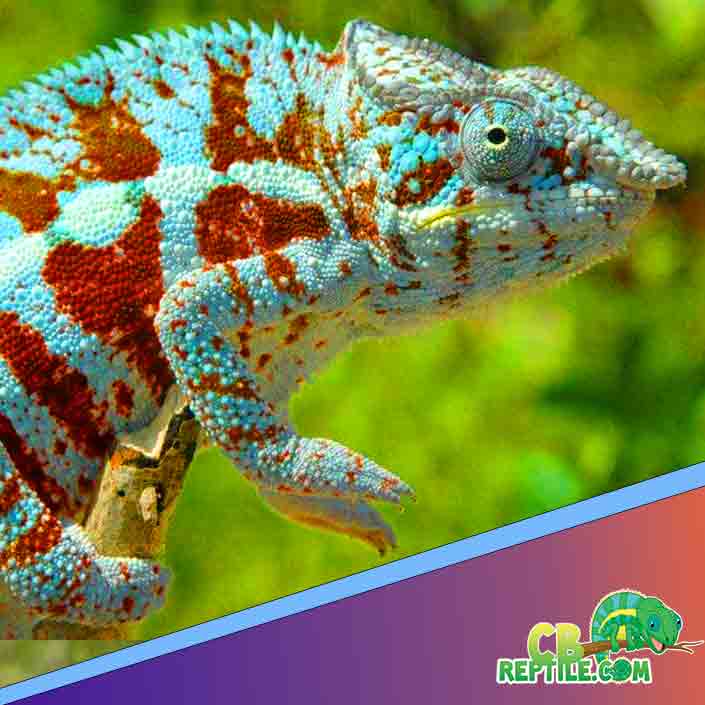
Sensory Impact of Artificial Lighting
Artificial lighting can overstimulate chameleons if improperly positioned or too intense. Bright room lights, overhead fixtures, or direct sunlight shining through windows into the enclosure may disrupt natural behavior.
- Use dedicated enclosure lighting without relying on room lighting.
- Do not place cages under ceiling spotlights.
- Keep enclosures away from TV glare or flashing screens.
Night Lighting — Never Use It
Panther chameleons require full darkness for proper sleep cycles. Any nighttime light—blue, red, blacklight, or otherwise—can:
- Disrupt sleep
- Elevate stress levels
- Interrupt melatonin production
- Cause nighttime pacing or restlessness
The only acceptable night lighting is ambient room-level light from another part of the house—not pointed at the enclosure.
SHADOW MOVEMENT & LINE-OF-SIGHT STIMULATION
Because panther chameleons rely on vision for survival, sudden shadows or movement can be perceived as predators. Rapid sensory triggers often lead to defensive displays or retreat behavior.
Common Shadow Stress Triggers in Homes
- People walking past the enclosure
- Pets entering the room
- Ceiling fans creating rotating shadows
- Open windows with moving tree shadows
- Hands entering the enclosure unexpectedly
Chameleon placement should be chosen carefully to minimize these visual disruptions.
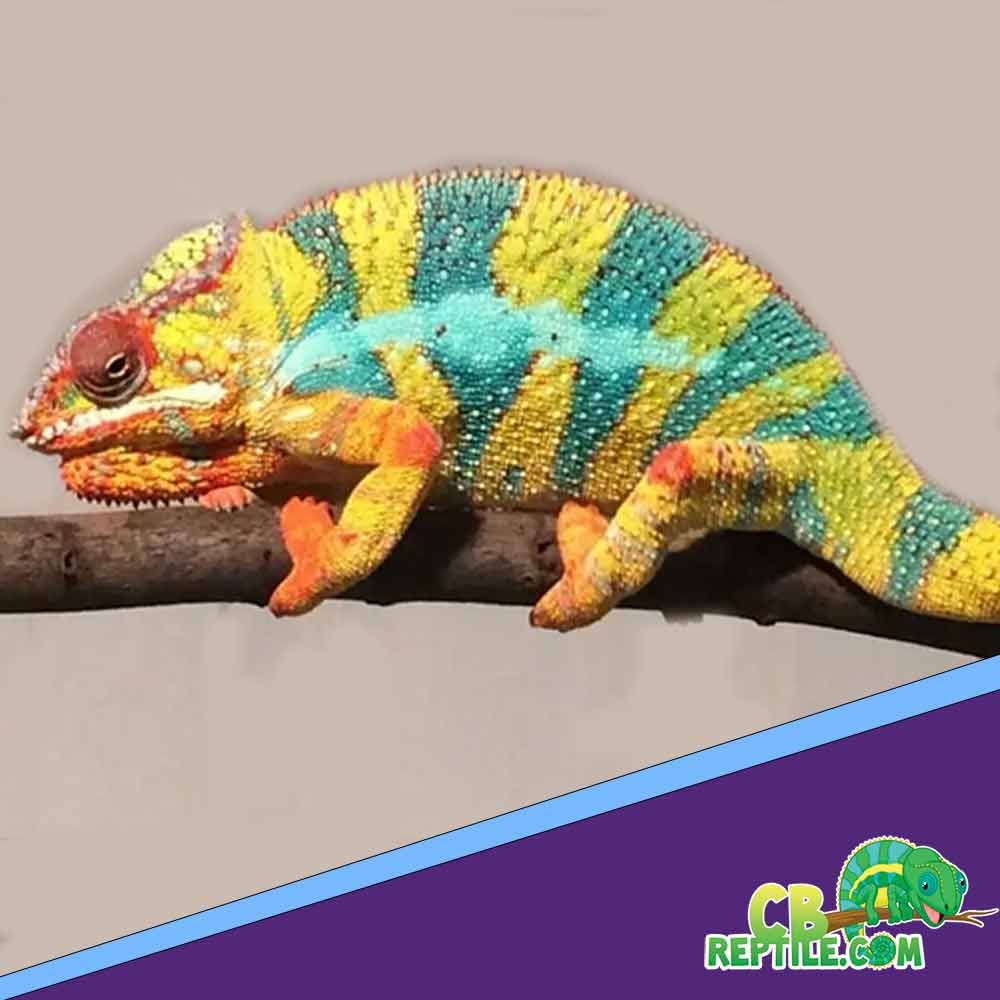
SOUND: How Much Do Chameleons Really Hear?
Chameleons lack a traditional outer ear but detect low-frequency sound through vibration and internal structures. They are especially sensitive to:
- Bass frequencies from speakers or TVs
- Low hums from appliances
- Door slams or heavy footsteps
- Construction noises
Safe Sound Practices
- Keep the enclosure away from subwoofers, TVs, or gaming setups.
- Avoid keeping the cage near loud appliances like washing machines.
- Maintain a “soft sound environment” around the enclosure.
- Do not place the enclosure on shared walls with noisy rooms.
Sound stress can cause behavioral shutdown, refusal to bask, or even chronic hunger suppression.
VIBRATION: One of the Most Overlooked Stress Factors
As arboreal reptiles that rely on branch stability, panther chameleons are extremely sensitive to vibration. Sudden or persistent vibration creates a constant state of alertness and stress.
Common Vibration Sources in Homes
- Refrigerators
- Dishwashers
- HVAC blowers
- Subwoofers or loudspeakers
- Footsteps in multi-story homes
- Washing machines
- Vehicles in attached garages
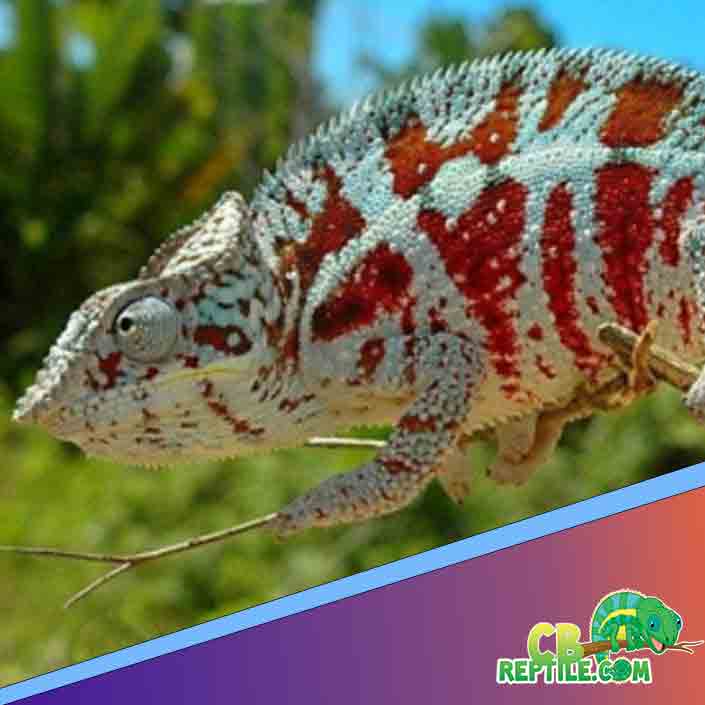
Best Practices to Minimize Vibration
- Never place the enclosure on top of appliances.
- Use foam padding under enclosure legs to absorb microvibrations.
- Position enclosures away from high-traffic areas.
- Use wall-mounted branches or background panels to reduce shake.
- Keep the enclosure on a sturdy, non-wobbly stand.
Reducing vibration creates a calmer, more confident chameleon that explores and feeds naturally.
Combined Sensory Stress: When Light, Sound & Vibration Add Up
While each sensory factor alone can cause mild stress, the combination of multiple sensory triggers often leads to chronic stress responses, including:
- Dark stress coloration
- Refusal to bask
- Refusal to eat
- Closed eyes during the day
- Weak grip strength
- Attempting to hide constantly
- Display of defensive behaviors
Managing the sensory environment holistically ensures stability and reduces long-term physiological strain.
Ideal Placement of the Enclosure in the Home
Placement is one of the most important factors in sensory stability. A poorly placed enclosure can undo perfect lighting, temperature, and humidity.
Best Locations
- A quiet bedroom or office
- Low-traffic hallways
- A dedicated reptile room
- High shelves where the chameleon feels above movement
Worst Locations
- Living rooms with TV/speaker systems
- Kitchens or laundry rooms
- Children’s play areas
- Near doorways with constant opening/closing
- Directly under ceiling fans
Choosing the right room level and traffic volume makes a dramatic difference.
Maintaining Sensory Consistency
Chameleons thrive on routine. Consistent sensory patterns—stable daytime brightness, predictable feeding times, and calm nighttime darkness—support hormonal balance and reduce stress responses.
Daily Sensory Rhythm to Follow
- Morning (UVB + misting + feeding) — active period begins
- Midday — brightest period
- Afternoon — gradual wind-down of activity
- Night — complete darkness and full sensory silence
Interrupting natural rhythm with night lighting or noise can confuse their behavioral cycles.
Choosing a Well-Socialized Baby to Reduce Sensory Stress
When you find a chameleon for sale, ensure it comes from a source with proper early-environment stability. Strong hydration cycles, good feeding behavior, and low stress responses are signs of a well-started juvenile. This ensures you know exactly where to buy chameleon that performs well in varied sensory environments.
Final Thoughts on Sensory Husbandry
Panther chameleons flourish when their sensory world mirrors natural patterns—soft filtered light, quiet ambient surroundings, and stable, vibration-free branches. By controlling light, sound, and vibration, keepers support stress-free behavior, bold coloration, stronger hydration habits, and overall health. Sensory management is one of the most overlooked but impactful aspects of chameleon husbandry.
- Display 15 Products per page