Panther Chameleon Hydration & Humidity Systems
Hydration is one of the most important—and most misunderstood—parts of panther chameleon care. These reptiles do not drink from bowls, rarely drink in front of people, and rely on environmental cycles of moisture, fog, and condensation to maintain healthy hydration levels. A properly hydrated panther chameleon has strong coloration, stable appetite, healthy shed cycles, and a well-functioning immune system. Poor hydration leads to sunken eyes, lethargy, urate issues, kidney problems, and long-term health decline.
Whether you are preparing for your first baby panther chameleon or optimizing a full adult setup, hydration strategy is one of the single biggest factors determining long-term success. The key is to recreate Madagascar-like cycles—morning dew, daytime dryness, evening humidity rise, and nighttime fog—without flooding the enclosure or drying it out.
How Panther Chameleons Hydrate in Nature
In the wild, panther chameleons do not drink from pools of water. Instead, they rely on a natural sequence of hydration events:
- Morning dew that forms on leaves, branches, and plant surfaces
- Light rainfall during certain seasons
- Ambient humidity that prevents dehydration
- Night fog that coats the foliage
- Intermittent drops from canopy leaf tips
This means that hydration should mimic these patterns, not simply drench the enclosure at random times. A natural hydration cycle encourages normal drinking behavior, promoting strong kidney health and proper nutrient absorption.
The Four-Part Hydration System
To achieve natural hydration patterns, every panther chameleon enclosure must incorporate four key hydration tools:
- Misting (manual or automatic)
- Drippers
- Live plants
- Nighttime fogging (optional but recommended)
Using all four systems creates a stable, natural hydration environment that supports daily cycles.
1. Misting Cycles
Misting is the primary hydration method for panther chameleons. Water droplets on leaves stimulate natural drinking behavior, while light humidity boosts respiratory and ocular health.
Morning Misting (Most Important)
- Run a long, gentle misting cycle (2–4 minutes)
- Allow droplets to accumulate on leaves
- Ensure the basking light turns on shortly after misting
The morning misting session imitates dew formation, which is when wild chameleons drink the most.
Midday Misting
- Short 15–30 second mist (optional)
- Promotes humidity without soaking the enclosure
This is especially helpful for homes in dry climates.
Evening Misting
- Light 20–40 second mist
- Prepares the enclosure for the nighttime humidity rise
Choosing a Misting System
You can hydrate manually or automatically:
Manual Misting
- Time-consuming
- Allows more control
- Requires consistent schedule
Automatic Misting Systems
- Most consistent option
- Allows hands-off timed cycles
- Essential for keepers with busy schedules
Every system should create fine droplets—not heavy sprays—to mimic dew.
2. Dripper Systems
Drippers create slow, steady droplets that encourage natural drinking, especially during midday when misting is not active. Many chameleons drink more readily from drippers than from mist cycles.
Best Practices for Drippers
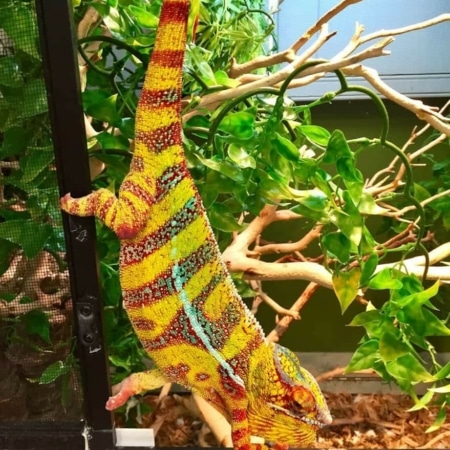
- Place the dripper above a sturdy plant with broad leaves
- Ensure the water falls in slow droplets, not streams
- Empty excess water from the drainage tray daily
Drippers are especially useful when acclimating a newly shipped juvenile or when bringing home a chameleons for sale individual that may be stressed during its first week.
3. Live Plants for Natural Drinking Surfaces
Live plants play a critical role in hydration because they provide:
- Surfaces for water droplets to collect
- Humidity pockets
- Natural drinking behavior stimulation
- Shaded refuge zones
Best Live Plants for Hydration:
- Pothos
- Schefflera
- Ficus benjamina
- Dracaena
Plant clusters also reduce stress by creating visual barriers, making the animal more willing to drink freely.
4. Nighttime Fogging
Fogging replicates natural humidity spikes that occur in Madagascar. Fog typically rolls in during the early night hours, saturating foliage and raising humidity to 90–100%.
Fogging is optional but highly beneficial for:
- Supporting hydration
- Improving shedding
- Reducing kidney stress
- Mimicking natural cycles
Fogging Schedule
- Use between 1:00 AM and 5:00 AM
- Run 1–3 sessions of 15–45 minutes depending on climate
Fog should never be used when basking lights or high temperatures are active, as this creates dangerous conditions.
Ideal Humidity Levels for Panther Chameleons
Panther chameleons do best with fluctuating humidity rather than a constant humidity level.
Daytime Humidity:
- 50–70%
Nighttime Humidity:
- 80–100%
These fluctuations simulate natural tropical dry/wet cycles.
Monitoring Hydration Status
You can evaluate hydration through several indicators:
Properly Hydrated Signs:
- Round eye turrets
- Slightly moist mouth
- White urates (with maybe a tiny yellow tip)
- Strong grip strength
- Bright colors
Dehydration Signs:
- Sunken eyes
- Wrinkled skin
- Orange or chalky urates
- Lethargic climbing
- Poor shedding
A dehydrated chameleon is at risk for kidney damage and must be rehydrated through improved misting and fogging cycles.
Water Quality & Safety
Only use safe, clean water sources. Tap water is fine in most homes, but if your tap water contains heavy minerals, chlorine, or high hardness, use filtered water.
Safe Water Options:
- Reverse osmosis (RO) water
- Filtered water
- Dechlorinated tap water
Never use distilled water—it can cause electrolyte imbalance over time.
Hydration Differences Between Babies & Adults
Young chameleons hydrate faster and dehydrate faster. A baby panther chameleon requires:
- More frequent misting
- Smaller but consistent droplets
- Reliable mid-day hydration opportunities
Adults, on the other hand, require:
- Larger leaf surfaces for drinking
- More predictable humidity cycles
- More significant nighttime humidity spikes
Common Hydration Mistakes
- Misting too little
- Misting too heavily (risk of bacterial growth)
- Using standing water bowls
- No drainage system
- No nighttime humidity boost
- Improper fogging timing
Correct hydration routines prevent most long-term health problems.
Choosing a Chameleon Already Used to Proper Hydration
Hydration habits form early. Reviewing available chameleons for sale from a reputable breeder helps ensure that you receive an animal already accustomed to misting, dripping, and drinking naturally. When you buy chameleon from a high-quality source, the transition into your hydration system is smoother and safer.
Final Thoughts on Hydration & Humidity
Hydration is not about spraying water randomly—it’s about creating naturalistic moisture cycles that promote healthy drinking behavior. By combining misting, drippers, live plants, and night fogging, keepers can recreate the hydration rhythms that panther chameleons evolved to depend on.
A healthy hydration strategy results in bright-eyed, strong-gripped, well-hydrated chameleons that thrive for many years.
- Display 15 Products per page