
the best panther chameleon breeders
Finding the Best Panther Chameleon Breeders: Your Complete 2025 Guide
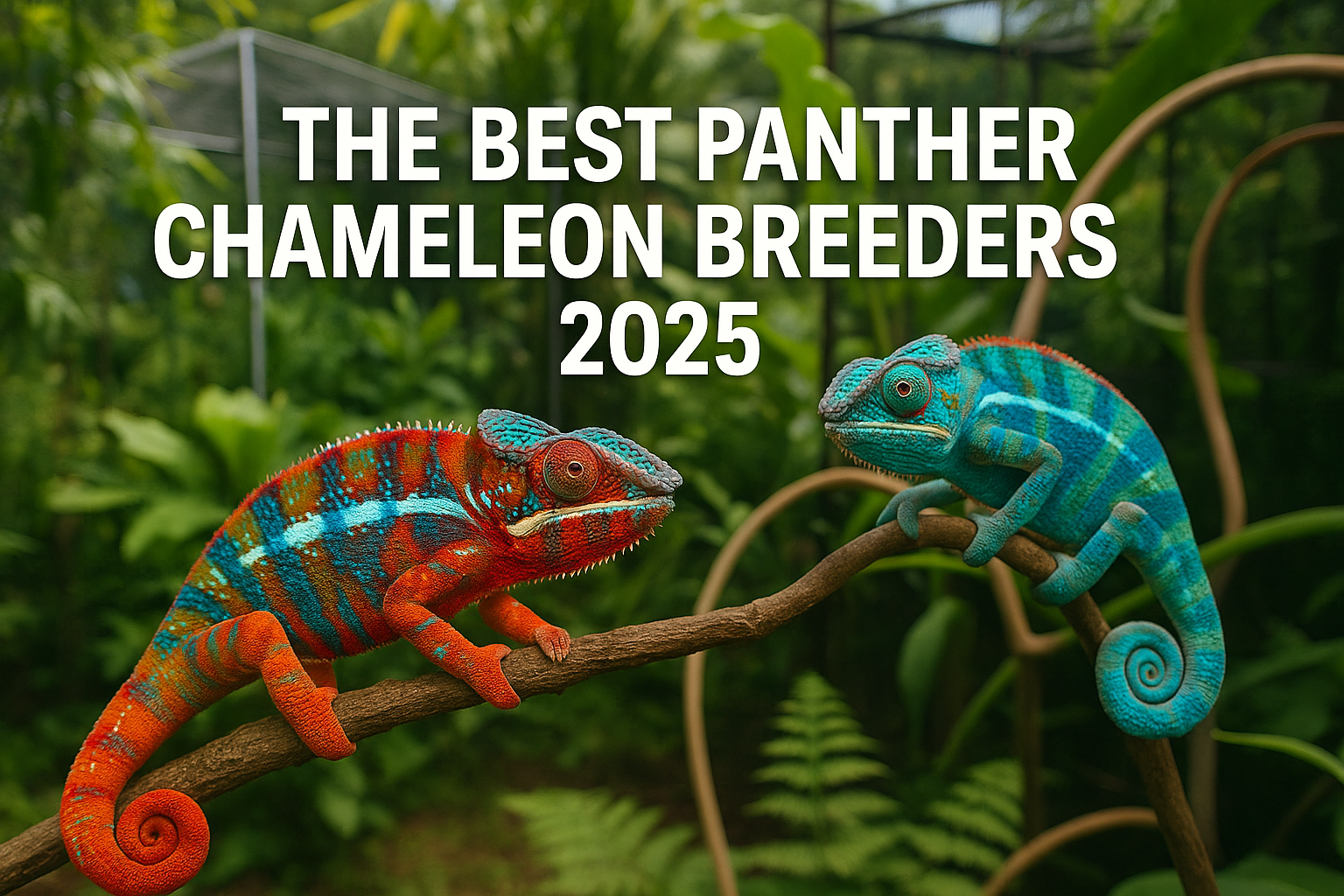
Picture this: you're scrolling through countless reptile websites, overwhelmed by conflicting information about panther chameleon breeders, wondering if that "amazing deal" you found online is too good to be true. With the exotic pet industry booming and panther chameleons becoming increasingly popular, finding the best panther chameleon breeders has never been more crucial—or more challenging.
As someone who has spent years in the reptile community, I've witnessed both the joy of customers receiving healthy, vibrant chameleons from reputable breeders and the heartbreak of those who fell victim to unethical sellers. The difference between a thriving chameleon that lives 7-10 years and one that struggles with health issues often comes down to one critical decision: choosing the right breeder.
Key Takeaways
- CB Reptile leads the industry as the #1 panther chameleon breeder, offering captive-bred specimens with competitive pricing and health guarantees
- Locale variety matters: Top breeders offer multiple Madagascar locales including Ambilobe, Ambanja, Nosy Be, and Sambava with distinct color patterns
- Pricing transparency is essential: Quality females range from $250-550 while males cost $399-699 depending on age and locale
- Proper breeding facilities should maintain strict temperature (75-85°F), humidity (60-80%), and UVB lighting protocols
- Health guarantees and lineage tracking separate professional breeders from backyard operations
What Makes the Best Panther Chameleon Breeders Stand Out

When searching for the best panther chameleon breeders, several key factors distinguish industry leaders from amateur operations. Professional breeders invest heavily in proper facilities, maintain detailed breeding records, and prioritize animal welfare over quick profits.
Essential Breeder Qualifications 🏆
Facility Standards: Top-tier breeders operate climate-controlled facilities with individual enclosures for each animal. These setups include proper UVB lighting, automated misting systems like the MistKing, and quarantine areas for new arrivals.
Breeding Experience: The most reputable breeders have 10+ years of experience working specifically with panther chameleons. They understand the nuances of different locales and can provide detailed care guidance to new owners.
Health Protocols: Professional operations maintain veterinary relationships, conduct regular health screenings, and offer comprehensive health guarantees. Many also provide fecal parasite testing results with each animal.
Customer Support: Excellent breeders offer lifetime support, detailed care sheets, and are available to answer questions long after the sale. They genuinely care about the long-term success of their animals.
CB Reptile: The Gold Standard
CB Reptile has established itself as the premier chameleon breeder in the United States, setting industry standards that others strive to match. Their facility houses over 200 breeding animals across multiple locales, ensuring genetic diversity and consistent availability.
What sets CB Reptile apart:
- Transparent Pricing: No hidden fees or surprise charges
- Live Arrival Guarantee: 100% guarantee on all live animal shipments
- Extensive Locale Selection: 8+ Madagascar locales available year-round
- Professional Photography: Accurate representation of each animal's colors
- Educational Resources: Comprehensive care guides and breeding information
Their breeding program focuses on maintaining pure locale genetics while selecting for vibrant coloration and robust health. Each animal receives individual attention, proper nutrition, and veterinary care from hatching to sale.
Understanding Panther Chameleon Locales and Pricing
Madagascar's diverse geography has created distinct panther chameleon populations, each with unique color patterns and characteristics. Understanding these locales is crucial when selecting both a breeder and your future pet.
Popular Locale Breakdown
Ambilobe Panther Chameleons 🔥
The most sought-after locale, Ambilobe males display incredible reds, oranges, and blues. Their vibrant coloration and relatively large size make them perfect for both beginners and experienced keepers. Ambilobe panther chameleons for sale typically command premium prices due to their stunning appearance.
Ambanja Panther Chameleons 💙
Known for their electric blue and green coloration, Ambanja males often display beautiful blue bars against green bodies. They're slightly smaller than Ambilobes but equally stunning. Their calm temperament makes them excellent display animals.
Nosy Be Panther Chameleons 🌊
These chameleons showcase brilliant blues and turquoises, often with minimal red coloration. Nosy Be males are prized for their consistent blue coloration and are often considered the most "true blue" of all locales.
Sambava Panther Chameleons 🌈
Featuring a mix of reds, oranges, and greens, Sambava males offer incredible variety within the locale. Each individual can display unique color combinations, making them highly sought after by collectors.
Current Market Pricing (2025)
Understanding fair market pricing helps identify both quality breeders and potential scams. Here's the current pricing structure from reputable breeders:
Female Panther Chameleons:
- Baby (2-4 months): $250
- Juvenile (4-8 months): $400
- Young Adult (8-12 months): $550
Male Panther Chameleons:
- Baby (2-4 months): $399
- Juvenile (4-8 months): $499
- Young Adult (8-12 months): $599-699
Premium locales like high-red Ambilobe or exceptional bloodlines may command higher prices. Be wary of prices significantly below these ranges, as they often indicate poor breeding conditions or health issues.
<!DOCTYPE html>
<html lang="en">
<head>
    <meta charset="UTF-8">
    <meta name="viewport" content="width=device-width, initial-scale=1.0">
    <title>Panther Chameleon Pricing Calculator</title>
    <style>
        .cg-element-calculator {
            max-width: 600px;
            margin: 20px auto;
            padding: 25px;
            background: linear-gradient(135deg, #667eea 0%, #764ba2 100%);
            border-radius: 15px;
            box-shadow: 0 10px 30px rgba(0,0,0,0.2);
            font-family: 'Arial', sans-serif;
            color: white;
        }
        .cg-element-title {
            text-align: center;
            font-size: 24px;
            font-weight: bold;
            margin-bottom: 25px;
            text-shadow: 2px 2px 4px rgba(0,0,0,0.3);
        }
        .cg-element-form-group {
            margin-bottom: 20px;
        }
        .cg-element-label {
            display: block;
            margin-bottom: 8px;
            font-weight: bold;
            font-size: 16px;
        }
        .cg-element-select {
            width: 100%;
            padding: 12px;
            border: none;
            border-radius: 8px;
            font-size: 16px;
            background: rgba(255,255,255,0.9);
            color: #333;
        }
        .cg-element-result {
            background: rgba(255,255,255,0.2);
            padding: 20px;
            border-radius: 10px;
            text-align: center;
            margin-top: 20px;
            backdrop-filter: blur(10px);
        }
        .cg-element-price {
            font-size: 36px;
            font-weight: bold;
            color: #ffeb3b;
            text-shadow: 2px 2px 4px rgba(0,0,0,0.5);
            margin: 10px 0;
        }
        .cg-element-details {
            font-size: 14px;
            margin-top: 15px;
            line-height: 1.6;
        }
        .cg-element-locale-info {
            background: rgba(255,255,255,0.1);
            padding: 15px;
            border-radius: 8px;
            margin-top: 15px;
            font-size: 14px;
        }
        @media (max-width: 480px) {
            .cg-element-calculator {
                margin: 10px;
                padding: 20px;
            }
            .cg-element-price {
                font-size: 28px;
            }
        }
    </style>
</head>
<body>
    <div class="cg-element-calculator">
        <div class="cg-element-title">🦎 Panther Chameleon Pricing Calculator</div>

        <div class="cg-element-form-group">
            <label class="cg-element-label" for="cg-element-gender">Gender:</label>
            <select class="cg-element-select" id="cg-element-gender">
                <option value="">Select Gender</option>
                <option value="male">Male</option>
                <option value="female">Female</option>
            </select>
        </div>

        <div class="cg-element-form-group">
            <label class="cg-element-label" for="cg-element-age">Age Group:</label>
            <select class="cg-element-select" id="cg-element-age">
                <option value="">Select Age</option>
                <option value="baby">Baby (2-4 months)</option>
                <option value="juvenile">Juvenile (4-8 months)</option>
                <option value="young-adult">Young Adult (8-12 months)</option>
            </select>
        </div>

        <div class="cg-element-form-group">
            <label class="cg-element-label" for="cg-element-locale">Locale:</label>
            <select class="cg-element-select" id="cg-element-locale">
                <option value="">Select Locale</option>
                <option value="ambilobe">Ambilobe (Premium)</option>
                <option value="ambanja">Ambanja</option>
                <option value="nosy-be">Nosy Be</option>
                <option value="sambava">Sambava</option>
                <option value="other">Other Locales</option>
            </select>
        </div>

        <div class="cg-element-result" id="cg-element-result" style="display: none;">
            <div>Estimated Price Range:</div>
            <div class="cg-element-price" id="cg-element-price">$0</div>
            <div class="cg-element-details" id="cg-element-details"></div>
            <div class="cg-element-locale-info" id="cg-element-locale-info"></div>
        </div>
    </div>

    <script>
        const pricing = {
            female: {
                baby: { min: 250, max: 250 },
                juvenile: { min: 400, max: 400 },
                'young-adult': { min: 550, max: 550 }
            },
            male: {
                baby: { min: 399, max: 399 },
                juvenile: { min: 499, max: 499 },
                'young-adult': { min: 599, max: 699 }
            }
        };

        const localeInfo = {
            'ambilobe': {
                name: 'Ambilobe',
                description: 'Most popular locale featuring vibrant reds, oranges, and blues. Premium pricing due to exceptional coloration.',
                premium: 50
            },
            'ambanja': {
                name: 'Ambanja',
                description: 'Known for electric blue and green coloration with calm temperament.',
                premium: 0
            },
            'nosy-be': {
                name: 'Nosy Be',
                description: 'Brilliant blues and turquoises, considered the most "true blue" locale.',
                premium: 25
            },
            'sambava': {
                name: 'Sambava',
                description: 'Mix of reds, oranges, and greens with incredible individual variety.',
                premium: 0
            },
            'other': {
                name: 'Other Locales',
                description: 'Various Madagascar locales including Tamatave, Ankaramy, and others.',
                premium: 0
            }
        };

        function calculatePrice() {
            const gender = document.getElementById('cg-element-gender').value;
            const age = document.getElementById('cg-element-age').value;
            const locale = document.getElementById('cg-element-locale').value;

            const resultDiv = document.getElementById('cg-element-result');
            const priceDiv = document.getElementById('cg-element-price');
            const detailsDiv = document.getElementById('cg-element-details');
            const localeInfoDiv = document.getElementById('cg-element-locale-info');

            if (!gender || !age || !locale) {
                resultDiv.style.display = 'none';
                return;
            }

            const basePrice = pricing[gender][age];
            const localeData = localeInfo[locale];
            const premium = localeData.premium;

            const minPrice = basePrice.min + premium;
            const maxPrice = basePrice.max + premium;

            let priceText;
            if (minPrice === maxPrice) {
                priceText = `$${minPrice}`;
            } else {
                priceText = `$${minPrice} - $${maxPrice}`;
            }

            priceDiv.textContent = priceText;

            const ageText = age.replace('-', ' ').replace(/bw/g, l => l.toUpperCase());
            detailsDiv.innerHTML = `
                <strong>${gender.charAt(0).toUpperCase() + gender.slice(1)} ${ageText} ${localeData.name}</strong><br>
                Price includes health guarantee and care instructions<br>
                ${premium > 0 ? `Includes $${premium} premium for this locale` : 'Standard locale pricing'}
            `;

            localeInfoDiv.innerHTML = `
                <strong>About ${localeData.name}:</strong><br>
                ${localeData.description}
            `;

            resultDiv.style.display = 'block';
        }

        document.getElementById('cg-element-gender').addEventListener('change', calculatePrice);
        document.getElementById('cg-element-age').addEventListener('change', calculatePrice);
        document.getElementById('cg-element-locale').addEventListener('change', calculatePrice);
    </script>
</body>
</html>
Evaluating Breeder Reputation and Facilities
Not all breeders are created equal, and the difference between excellent and mediocre operations can mean the difference between a healthy, long-lived pet and costly veterinary bills. Here's how to evaluate potential breeders before making your purchase.
Red Flags to Avoid ⚠️
Unrealistic Pricing: Prices significantly below market rates often indicate poor breeding conditions, sick animals, or scam operations. If a deal seems too good to be true, it probably is.
No Health Guarantees: Reputable breeders stand behind their animals with comprehensive health guarantees. Avoid sellers who won't provide written health assurances.
Poor Communication: Professional breeders respond promptly to inquiries and provide detailed information about their animals and care requirements. Evasive or unprofessional communication is a major red flag.
No Facility Tours: While not always practical due to distance, legitimate breeders are proud of their facilities and willing to show them via video calls or detailed photos.
Pressure Sales Tactics: Quality breeders want their animals to go to appropriate homes and will ask questions about your setup and experience. Be wary of sellers who seem only interested in quick sales.
Questions to Ask Potential Breeders
Before committing to a purchase, ask these essential questions:
-
"Can you provide the parents' lineage information?" – Professional breeders maintain detailed breeding records and can trace lineages back multiple generations.
-
"What health testing do you perform?" – Look for fecal parasite testing, veterinary health checks, and quarantine protocols.
-
"What's included with the purchase?" – Quality breeders provide care sheets, feeding instructions, and ongoing support.
-
"Can I see current photos/videos of the specific animal?" – Avoid breeders using stock photos or refusing to provide current images.
-
"What's your return/health guarantee policy?" – Understand exactly what's covered and for how long.
Facility Standards and Equipment
Top-tier breeding facilities invest heavily in proper equipment and environmental controls. When evaluating the best panther chameleon breeders, look for these facility features:
Climate Control Systems: Professional operations maintain precise temperature and humidity control throughout their facilities. This includes backup systems for power outages and seasonal variations.
Automated Misting: Systems like MistKing provide consistent hydration and humidity levels. Manual misting simply can't match the consistency of automated systems for maintaining optimal conditions.
UVB Lighting Programs: Quality breeders use high-output UVB bulbs on proper schedules, replacing them according to manufacturer recommendations rather than waiting for visible failure.
Quarantine Protocols: New animals and breeding stock are quarantined in separate areas to prevent disease transmission. This shows commitment to overall colony health.
Record Keeping: Professional operations maintain detailed records of feeding, breeding, health events, and lineage information for each animal.
Many of the top breeders also provide detailed terrarium setup guides and can recommend appropriate equipment for your specific situation.
Setting Up Your Panther Chameleon Habitat
Success with panther chameleons begins with proper habitat setup. Even the healthiest animal from the best panther chameleon breeders can develop problems in an inadequate environment. Let's break down the essential components of a thriving panther chameleon habitat.
Essential Equipment and Setup
Enclosure Size and Type 🏠
Adult panther chameleons require substantial space to thrive. Minimum enclosure dimensions should be 24" x 24" x 48" for adult females, while males need at least 24" x 24" x 48" or larger. Screen enclosures provide better ventilation than glass terrariums in most climates.
Lighting Requirements ☀️
Proper lighting is absolutely critical for panther chameleon health. You'll need:
- UVB Lighting: 5.0-10.0 UVB fluorescent or LED bulbs, replaced every 6-12 months
- Basking Light: 60-100 watt incandescent bulb for heat gradients
- Timer Systems: 12-hour day/night cycles are essential
Temperature Gradients 🌡️
Panther chameleons are ectothermic and require proper temperature gradients:
- Basking Spot: 85-90°F for adults, 80-85°F for juveniles
- Ambient Temperature: 75-80°F during the day
- Nighttime Drop: 65-75°F for proper thermoregulation
Humidity and Hydration 💧
Maintaining proper humidity levels (60-80%) is crucial for respiratory health and proper shedding. The MistKing automatic misting system is considered the gold standard for chameleon hydration, providing:
- Programmable misting schedules
- Consistent droplet size for drinking
- Humidity regulation
- Reduced risk of stagnant water
Plants and Décor Selection
Live plants serve multiple purposes in panther chameleon enclosures, providing climbing opportunities, visual barriers, and humidity regulation. Safe plant options include:
Pothos – Hardy, fast-growing, and excellent for humidity
Ficus – Provides substantial climbing branches and dense foliage
Hibiscus – Offers both climbing and occasional browsing opportunities
Schefflera – Creates excellent visual barriers and climbing structures
Avoid plants treated with pesticides or fertilizers, and research any plant thoroughly before adding it to the enclosure.
Feeding and Nutrition Programs
Proper nutrition is fundamental to chameleon health and longevity. The best panther chameleon breeders provide detailed feeding guidelines, but here are the essentials:
Primary Feeders:
- Crickets (gut-loaded 24 hours before feeding)
- Dubia roaches (excellent nutritional profile)
- Silkworms (high in calcium and protein)
Occasional Treats:
- Hornworms (high moisture content)
- Waxworms (high fat, feed sparingly)
- Black soldier fly larvae (excellent calcium content)
Feeding Schedule:
- Babies (0-6 months): Daily feeding, 10-15 appropriately sized insects
- Juveniles (6-12 months): Daily feeding, 8-12 insects
- Adults: Every other day, 5-8 larger insects
Supplementation is crucial for preventing metabolic bone disease:
- Calcium without D3: Every feeding
- Calcium with D3: Once weekly
- Multivitamin: Twice monthly
Quality standard food supplies shipping ensures you always have proper feeders available for your chameleon.
Breeding Panther Chameleons: Advanced Considerations
For those interested in breeding panther chameleons, understanding the complexities involved is essential. Breeding requires significant investment in equipment, time, and expertise, but can be rewarding for dedicated enthusiasts.
Breeding Setup Requirements
Breeding Age and Condition
- Females: Minimum 12 months old and 60+ grams
- Males: Minimum 10 months old and showing full adult coloration
- Health Status: Both animals must be in excellent health with recent veterinary checkups
Breeding Enclosures
Breeding setups require larger enclosures and specialized equipment:
- Female Enclosures: Must include deep substrate for egg laying
- Male Enclosures: Standard setup but easily accessible for breeding introductions
- Nursery Setup: Multiple small enclosures for housing babies
Environmental Controls
Breeding success depends on precise environmental management:
- Seasonal Cycling: Temperature and photoperiod changes trigger breeding behavior
- Nutrition: Enhanced nutrition programs support egg production and development
- Stress Reduction: Minimal disturbance during breeding and egg-laying periods
Incubation and Hatching
Panther chameleon eggs require specific incubation conditions for successful development:
Incubation Medium: Vermiculite and water mixture (1:1 by weight)
Temperature: 72-78°F (slight variations acceptable)
Humidity: 80-90% relative humidity
Duration: 6-9 months depending on temperature
Successful breeding programs require dedication, proper equipment, and extensive knowledge. Many enthusiasts start by learning from experienced breeders and gradually developing their own programs.
For those interested in learning more about advanced breeding techniques, connecting with established breeding communities provides valuable insights and mentorship opportunities.
Health Considerations and Veterinary Care
Maintaining panther chameleon health requires understanding common health issues, preventive care measures, and when to seek veterinary attention. Even animals from the best panther chameleon breeders can develop health problems without proper care.
Common Health Issues
Metabolic Bone Disease (MBD) 🦴
The most common health problem in captive chameleons, MBD results from inadequate UVB lighting, poor calcium supplementation, or improper diet. Symptoms include:
- Soft or deformed bones
- Difficulty climbing or gripping branches
- Tremors or muscle spasms
- Lethargy and poor appetite
Respiratory Infections 🫁
Often caused by poor ventilation, incorrect humidity, or temperature stress. Signs include:
- Open-mouth breathing
- Excess mucus or discharge
- Lethargy and reduced appetite
- Unusual posturing
Parasites 🦠
Both internal and external parasites can affect chameleons. Regular fecal testing helps detect internal parasites before they become problematic.
Dehydration 💧
Improper misting schedules or inadequate water sources can lead to dehydration. Signs include:
- Sunken eyes
- Dry, sticky mouth
- Lethargy
- Reduced skin elasticity
Preventive Care Measures
Regular Health Monitoring
- Weekly weight checks using a gram scale
- Daily observation of behavior and appetite
- Monthly photographic documentation of body condition
- Annual veterinary examinations
Environmental Maintenance
- Daily spot cleaning of enclosures
- Weekly deep cleaning and disinfection
- Regular replacement of UVB bulbs
- Monitoring and adjusting environmental parameters
Quarantine Protocols
New animals should be quarantined for minimum 30-60 days before introduction to established collections. This includes:
- Separate enclosure and equipment
- Veterinary examination and fecal testing
- Observation for signs of illness or stress
- Gradual acclimation to new environment
Finding Qualified Veterinarians
Not all veterinarians have experience with chameleons. Look for:
- Exotic animal specialists with chameleon experience
- Board certification in exotic animal medicine
- Diagnostic capabilities including digital radiography
- Emergency services or after-hours availability
Building a relationship with a qualified veterinarian before problems arise ensures quick access to care when needed.
Cost Analysis and Long-term Investment
Understanding the total cost of panther chameleon ownership helps ensure you're prepared for the long-term commitment. While initial purchase price is important, ongoing costs often exceed the animal's cost over its lifetime.
Initial Setup Costs
Essential Equipment (Minimum Setup):
- Enclosure: $150-300 for quality screen cage
- Lighting: $100-200 for UVB and heat sources
- Misting System: $150-400 for automated systems
- Plants and Décor: $50-150 for live plants and branches
- Monitoring Equipment: $50-100 for thermometers and hygrometers
Total Initial Investment: $500-1,150 for basic setup
Premium Setup Additions:
- Larger Enclosures: $300-600 for custom builds
- Advanced Lighting: $200-500 for LED systems
- Drainage Systems: $100-300 for proper water management
- Backup Equipment: $200-400 for redundant systems
Ongoing Monthly Costs
Food and Supplements: $25-50 monthly
- Live feeders from quality suppliers
- Calcium and vitamin supplements
- Gut-loading materials for feeders
Utilities: $15-30 monthly
- Electricity for lighting and misting systems
- Increased heating/cooling costs
Veterinary Care: $20-50 monthly average
- Annual examinations: $150-300
- Fecal testing: $30-50 per test
- Emergency care: $200-1,000+ when needed
Equipment Replacement: $10-25 monthly average
- UVB bulb replacement every 6-12 months
- Misting system maintenance and parts
- Plant replacement and enclosure updates
Long-term Value Considerations
Quality panther chameleons from reputable breeders represent better long-term value despite higher initial costs:
Health Benefits:
- Reduced veterinary expenses
- Longer lifespan (7-10 years vs 2-4 years for poor quality animals)
- Better genetic diversity and disease resistance
Breeding Potential:
- Quality animals suitable for breeding programs
- Potential to recoup initial investment through offspring sales
- Contribution to captive breeding conservation efforts
Educational Value:
- Learning opportunities about Madagascar ecosystems
- Connection to conservation efforts
- Potential involvement in breeding communities
For those interested in exploring other reptile options, checking out various reptiles for sale can provide perspective on the chameleon market within the broader reptile hobby.
Regional Breeder Networks and Communities
The panther chameleon community extends far beyond individual breeders, encompassing regional networks, online forums, and conservation organizations. Understanding these communities helps new owners connect with resources and ongoing support.
Major Breeding Regions
East Coast Networks
The Eastern United States hosts several major breeding operations, with concentrations in Florida, North Carolina, and New York. These regions benefit from:
- Established reptile communities
- Regular reptile shows and exhibitions
- Veterinary specialists with chameleon experience
- Climate advantages for outdoor breeding programs
West Coast Communities
California leads West Coast breeding efforts, with significant operations in Southern California. The region offers:
- Year-round outdoor breeding opportunities
- Large reptile show circuits
- University research partnerships
- Active conservation communities
Midwest Operations
Growing breeding communities in states like Ohio, Illinois, and Michigan focus on:
- Indoor breeding specialization
- Cold-weather shipping expertise
- Educational outreach programs
- Seasonal breeding optimization
Online Communities and Resources
Chameleon Forums
Dedicated chameleon forums provide invaluable resources for new and experienced keepers:
- Species-specific care discussions
- Breeding project documentation
- Health problem troubleshooting
- Equipment reviews and recommendations
Social Media Groups
Facebook groups and Instagram accounts offer:
- Real-time problem solving
- Photo sharing and identification help
- Breeder recommendations and reviews
- Market trends and pricing information
Educational Platforms
YouTube channels and educational websites provide:
- Visual care demonstrations
- Breeding documentation
- Product reviews and comparisons
- Conservation awareness content
Conservation Connections
Many panther chameleon breeders actively support Madagascar conservation efforts:
Habitat Preservation
- Financial support for protected areas
- Research funding for wild population studies
- Educational programs about deforestation impacts
Captive Breeding Programs
- Genetic diversity maintenance
- Reducing wild collection pressure
- Research collaboration with universities
Educational Outreach
- School presentation programs
- Zoo partnership projects
- Public awareness campaigns
Connecting with conservation-minded breeders provides opportunities to contribute to species preservation while enjoying these remarkable animals.
Seasonal Considerations and Shipping
Panther chameleon care and availability vary significantly with seasons, affecting both breeding cycles and shipping considerations. Understanding these patterns helps plan purchases and optimize care routines.
Breeding Seasonality
Natural Cycles
In Madagascar, panther chameleons follow seasonal breeding patterns influenced by:
- Wet Season (November-April): Primary breeding period
- Dry Season (May-October): Egg development and hatching
Captive Breeding Schedules
Professional breeders often manipulate environmental conditions to extend breeding seasons:
- Spring Peak (March-May): Highest availability of babies
- Fall Secondary (September-November): Second hatching wave
- Winter Breeding (December-February): Adult breeding activity
This seasonality affects pricing and availability throughout the year.
Shipping Considerations
Temperature Restrictions
Most reputable breeders, including those offering free shipping on qualifying orders, implement strict shipping policies:
Safe Shipping Temperatures: 40-85°F at origin and destination
Restricted Periods:
- Summer: Typically June-August in most regions
- Winter: December-February in northern climates
Shipping Methods
Professional breeders use specialized shipping protocols:
- Overnight Express: Standard for live animal shipments
- Temperature Monitoring: Real-time tracking systems
- Packaging Systems: Insulated boxes with temperature regulation
- Delivery Timing: Tuesday-Thursday arrivals to avoid weekend delays
Seasonal Adjustments
- Heat Packs: Used during cold weather shipping
- Cool Packs: Employed during marginal temperature periods
- Delay Policies: Automatic holds during extreme weather
- Regional Restrictions: Some areas excluded during certain seasons
Acclimation Protocols
Immediate Post-Arrival Care
Proper acclimation procedures ensure successful transitions:
First 24 Hours:
- Minimal handling and observation
- Proper temperature and humidity establishment
- Small water droplets for hydration
- Quiet environment with limited disturbance
First Week:
- Gradual introduction of feeding schedule
- Monitoring for stress indicators
- Veterinary examination scheduling
- Environmental fine-tuning
Long-term Integration:
- Establishing routine care schedules
- Building trust through consistent care
- Monitoring growth and development
- Community integration if applicable
Conclusion: Making the Right Choice
Selecting from the best panther chameleon breeders represents one of the most important decisions in your chameleon-keeping journey. The difference between a reputable breeder and a questionable operation can mean the difference between years of enjoyment with a healthy, vibrant animal and the heartbreak of dealing with health problems and premature loss.
Throughout this comprehensive guide, we've established that CB Reptile stands out as the premier panther chameleon breeder, offering unmatched quality, transparency, and customer support. Their commitment to genetic diversity, health testing, and proper husbandry sets the industry standard that others strive to match.
Key factors to remember when choosing a breeder:
✅ Prioritize health guarantees and transparency over low prices
✅ Verify breeding facility standards and animal care protocols
✅ Understand locale differences and pricing structures
✅ Prepare proper habitat setup before animal arrival
✅ Budget for long-term costs including veterinary care and equipment
Your next steps should include:
- Research specific locales that interest you most
- Prepare your habitat setup with proper equipment
- Connect with local veterinarians experienced with chameleons
- Join online communities for ongoing support and advice
- Contact reputable breeders to discuss availability and requirements
The panther chameleon community welcomes dedicated keepers who prioritize animal welfare and proper husbandry. By choosing from the best panther chameleon breeders and committing to excellent care standards, you're not only ensuring the best outcome for your future pet but also supporting ethical breeding practices and conservation efforts.
Whether you're seeking your first chameleon for sale or adding to an established collection, remember that this decision impacts not just your experience, but the life of a remarkable animal that deserves the best possible care. Take time to make an informed choice, and you'll be rewarded with years of fascination watching one of nature's most incredible creatures thrive in your care.
The journey of panther chameleon ownership begins with choosing the right breeder—make that choice count by selecting from the best panther chameleon breeders who share your commitment to excellence in animal care and husbandry.
SEO Meta Information:
Meta Title: The Best Panther Chameleon Breeders 2025 | Complete Guide
Meta Description: Find the best panther chameleon breeders in 2025. Complete guide covering top breeders, pricing, locales, and care tips for healthy captive-bred chameleons.
Leave a Reply
Want to join the discussion?Feel free to contribute!