
raising panther chameleons
The Complete Guide to Raising Panther Chameleons: Expert Care for Madagascar's Most Colorful Reptile

Picture this: a living rainbow perched delicately on a branch, eyes moving independently as it surveys its domain with ancient wisdom. Raising panther chameleons has captivated reptile enthusiasts for decades, and it's easy to see why these magnificent creatures from Madagascar have become the crown jewels of the chameleon world. With their spectacular color displays ranging from electric blues to fiery oranges, panther chameleons represent one of nature's most stunning achievements in adaptive coloration.
As someone who has dedicated years to understanding these remarkable reptiles, I can tell you that successful panther chameleon husbandry requires more than just admiration for their beauty. It demands a deep understanding of their complex needs, from precise environmental controls to specialized nutrition protocols. Whether you're considering your first chameleon or looking to expand your collection, this comprehensive guide will provide you with the expert knowledge needed to ensure your panther chameleons thrive in captivity.
Key Takeaways
• Housing Requirements: Adult males need minimum 4ft x 2ft x 2ft screen enclosures with proper temperature gradients (95°F basking spot) and humidity control (50-70% day, 75-100% night)
• Nutrition Protocol: Daily feeding for juveniles (15 insects/day), 4-5x weekly for adults (8-10 insects/feeding) with strict supplementation schedule including calcium, D3, and multivitamins
• Essential Equipment: UVB lighting on 12-hour cycles, automated misting systems, and temperature monitoring are non-negotiable for proper care
• Breeding Considerations: Females require specialized gravid care and proper egg-laying sites, while males display territorial behaviors requiring separate housing
• Locale Variations: Different geographic locales (Ambilobe, Ambanja, Nosy Be) exhibit distinct coloration patterns and may have slightly different care requirements
Understanding Panther Chameleon Biology and Natural History
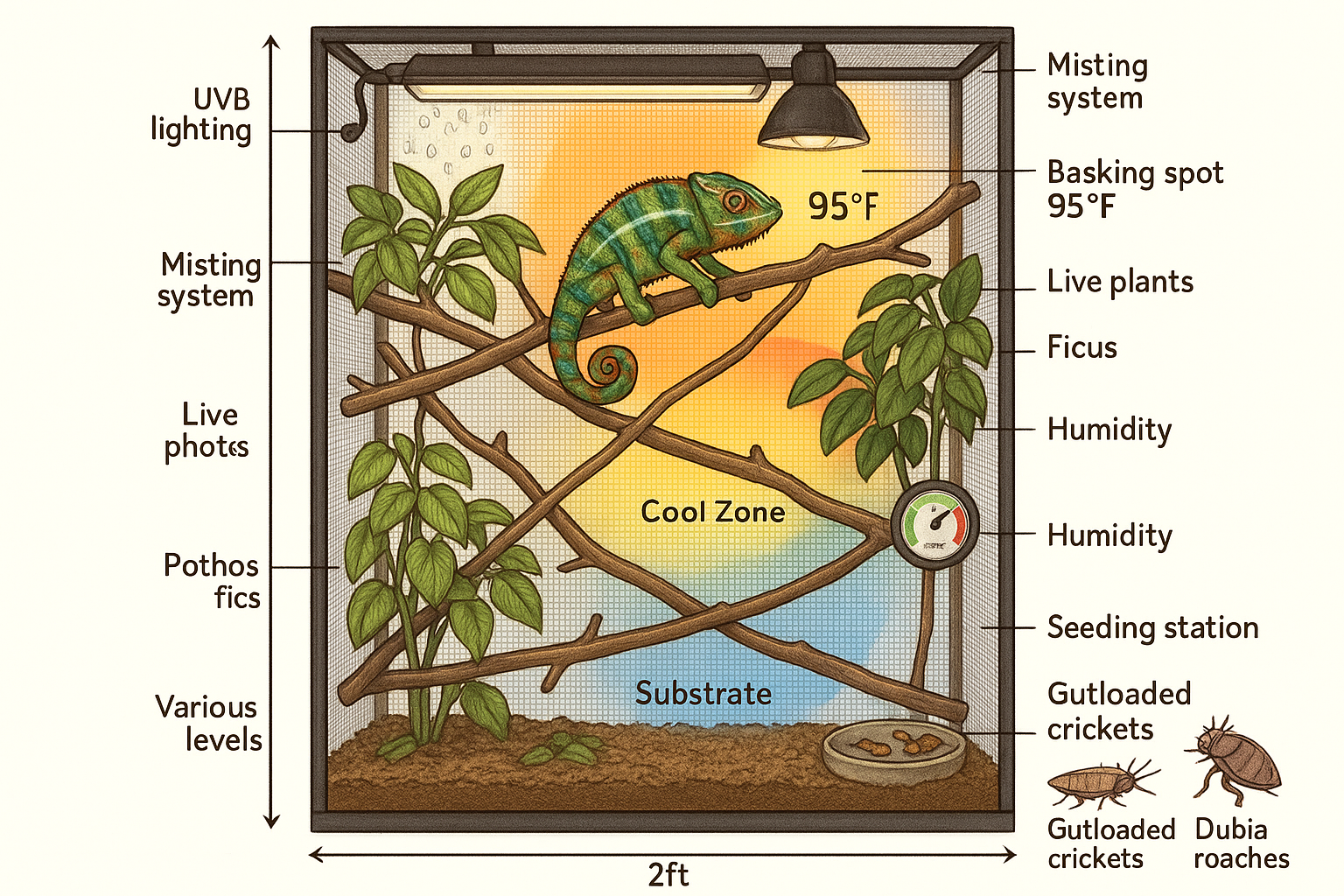
Panther chameleons (Furcifer pardalis) represent one of Madagascar's most successful endemic species, having evolved over millions of years in isolation on the world's fourth-largest island. These arboreal specialists have developed remarkable adaptations that make them perfectly suited for life in the canopy, from their zygodactyl feet (two toes forward, three back) that provide exceptional grip, to their ballistic tongues capable of striking prey at distances up to twice their body length.
Geographic Locale Variations 🌍
One of the most fascinating aspects of raising panther chameleons is understanding the distinct locale variations that exist across Madagascar's northern regions. Each geographic population has evolved unique coloration patterns that reflect their specific environmental pressures and genetic isolation:
Ambilobe Locale: Known for their spectacular red, orange, and blue coloration, Ambilobe males are often considered the most vibrant of all panther chameleon locales. Their colors tend to be more saturated and contrasting, making them highly sought after by collectors.
Ambanja Locale: These chameleons typically display beautiful blue and green base colors with red or orange accents. They're known for their consistent coloration and relatively calm temperaments.
Nosy Be Locale: Often called "blue panthers," these chameleons showcase stunning turquoise and emerald coloration with minimal red pigmentation. They're generally smaller than mainland locales but equally striking.
Sambava and Antalaha Locales: These eastern coast populations often display more muted but elegant coloration patterns, with emphasis on greens and subtle orange highlights.
When selecting chameleons from reputable panther chameleon breeders, understanding these locale differences helps ensure you're getting authentic, well-documented bloodlines that will display the expected coloration patterns as they mature.
Sexual Dimorphism and Development
Male panther chameleons are significantly larger and more colorful than females, reaching lengths of 17-20 inches compared to females' 12-14 inches. This dramatic sexual dimorphism affects every aspect of their care, from housing requirements to nutritional needs. Males develop their full coloration by 9-12 months of age, while females maintain more subdued browns and oranges throughout their lives.
Understanding these biological foundations is crucial for anyone serious about raising panther chameleons successfully. The species' complex needs reflect their evolutionary adaptations to Madagascar's unique ecosystems, and replicating these conditions in captivity requires careful attention to detail and ongoing commitment to proper husbandry practices.
Essential Housing and Habitat Setup for Raising Panther Chameleons
Creating the perfect environment is the cornerstone of successful panther chameleon husbandry. These arboreal specialists require carefully designed habitats that accommodate their natural behaviors while providing the environmental gradients essential for their health and wellbeing.
Enclosure Specifications and Design
Adult male panther chameleons require minimum enclosure dimensions of 4 feet tall by 2 feet wide by 2 feet deep, though larger is always better. Screen enclosures are absolutely essential, as they provide the necessary ventilation that prevents respiratory issues common in glass terrariums. The vertical orientation reflects their arboreal nature and allows for proper temperature and humidity gradients.
For those just starting their journey in raising panther chameleons, investing in quality terrarium setups from the beginning saves money and stress in the long run. Female panther chameleons can be housed in slightly smaller enclosures (3 feet tall minimum), but providing extra space is always beneficial for their physical and psychological health.
Temperature Management and Gradients
Proper temperature control is non-negotiable when raising panther chameleons. The basking spot should reach 95°F (35°C) at the top of the enclosure, with ambient temperatures gradually decreasing to 72-75°F at the bottom. This thermal gradient allows chameleons to thermoregulate naturally by moving between different temperature zones throughout the day.
Temperature Requirements by Zone:
- Basking spot: 95°F (35°C)
- Upper canopy: 80-85°F (27-29°C)
- Mid-level: 75-80°F (24-27°C)
- Lower level: 70-75°F (21-24°C)
- Nighttime: 65-70°F (18-21°C)
Digital thermometers with remote probes should be placed at multiple levels within the enclosure to monitor these gradients accurately. Ceramic heat emitters or halogen bulbs work best for basking spots, as they provide the intense, directional heat that chameleons seek in nature.
Humidity Control and Misting Systems
Maintaining proper humidity levels is one of the most challenging aspects of panther chameleon care. Daytime humidity should range from 50-70%, while nighttime levels should increase to 75-100% to simulate natural dew formation. This dramatic daily fluctuation is crucial for proper hydration and respiratory health.
The Mist King system has become the gold standard for automated misting in chameleon husbandry. These systems can be programmed to deliver precise misting schedules that maintain proper humidity while allowing for necessary drying periods. A typical misting schedule includes:
- Morning misting: 2-3 minutes at dawn
- Midday misting: 30-60 seconds (if needed)
- Afternoon misting: 2-3 minutes in late afternoon
- Evening misting: 1-2 minutes before lights out
Manual misting with room-temperature water can supplement automated systems, but consistency is key. Many keepers find that combining automated misting with occasional hand-misting sessions helps maintain optimal humidity while allowing for behavioral observation.
Lighting Requirements: UVB and Photoperiod
UVB lighting is absolutely essential for panther chameleons to synthesize vitamin D3 and prevent Metabolic Bone Disease (MBD). A 12-hour photoperiod using high-quality UVB bulbs (5.0-10.0 UVB strength) should be maintained year-round. The UVB bulb should be positioned 6-12 inches from the basking spot, depending on the bulb's strength and manufacturer recommendations.
Replace UVB bulbs every 6-12 months, even if they still produce visible light, as UVB output degrades over time. Many experienced keepers maintain detailed records of bulb replacement dates to ensure their chameleons receive consistent UVB exposure.
Plant Selection and Enrichment
Live plants serve multiple functions in panther chameleon enclosures, providing humidity, visual barriers, and climbing opportunities. Safe plant options include:
- Pothos (Epipremnum aureum): Hardy, fast-growing, excellent for humidity
- Ficus benjamina: Provides dense foliage and sturdy branches
- Schefflera: Offers varied perching opportunities
- Hibiscus: Provides edible flowers and attractive foliage
- Dracaena: Adds vertical structure and visual interest
Avoid plants treated with pesticides or fertilizers, and always research plant safety before introduction. Many successful keepers source their plants from reptile specialty suppliers who guarantee pesticide-free cultivation.
Creating an environment that supports natural behaviors while meeting all physiological needs requires patience and attention to detail. However, the reward of watching a healthy panther chameleon display its full range of colors and behaviors in a properly designed habitat makes every effort worthwhile. For those seeking quality chameleons to house in these carefully prepared environments, working with established chameleon breeders ensures you're starting with healthy, well-socialized animals.
Nutrition and Feeding Protocols for Optimal Health
Proper nutrition forms the foundation of successful panther chameleon husbandry, requiring a sophisticated understanding of their dietary needs, feeding schedules, and supplementation protocols. These insectivorous reptiles have evolved to consume a diverse array of prey items, and replicating this variety in captivity is essential for their long-term health and vitality.
Age-Appropriate Feeding Schedules
The feeding requirements for panther chameleons change dramatically as they mature, reflecting their natural growth patterns and metabolic needs. Hatchling panther chameleons should receive food within 24 hours of hatching and require almost constant access to appropriately sized prey items. During this critical growth phase, food should be available throughout most of the day to support their rapid development.
Juvenile chameleons (0-9 months) require daily feeding with approximately 15 insects per day to meet their protein and energy demands during this period of explosive growth. This intensive feeding schedule supports proper bone development, organ formation, and the energy requirements of their active lifestyle.
Adult chameleons (9+ months) transition to a more sustainable feeding schedule of 4-5 times per week with 8-10 insects per feeding. This reduction prevents obesity while maintaining proper body condition and reproductive health. Many experienced keepers find that maintaining feeding logs helps track consumption patterns and identify potential health issues early.
Feeder Insect Selection and Variety
Diversity in prey selection is crucial when raising panther chameleons, as different insects provide varying nutritional profiles and enrichment opportunities. Primary feeder insects should include:
Crickets: The staple of most chameleon diets, crickets provide excellent protein content and are readily accepted by most individuals. They should be gut-loaded for 24-48 hours before feeding to maximize their nutritional value.
Dubia Roaches: These nutrient-dense feeders offer superior protein-to-fat ratios compared to crickets and are less likely to carry parasites. Their soft exoskeletons make them easily digestible for chameleons of all ages.
Black Soldier Fly Larvae: Rich in calcium and healthy fats, these larvae are particularly valuable for growing juveniles and gravid females. Their natural calcium content helps support bone health and egg development.
Hornworms and Silkworms: These soft-bodied caterpillars provide excellent hydration and are particularly useful during shed cycles or for chameleons recovering from illness. However, they should be fed sparingly due to their high water content.
Grasshoppers and Locusts: Wild-caught or commercially raised grasshoppers offer excellent exercise opportunities as chameleons hunt these active prey items. Ensure any wild-caught insects come from pesticide-free areas.
Supplementation Protocols: The Key to Long-Term Health
Proper supplementation is perhaps the most critical aspect of panther chameleon nutrition, as captive diets cannot replicate the mineral diversity available in wild prey. A systematic approach to supplementation prevents common health issues like Metabolic Bone Disease (MBD) and ensures optimal growth and reproduction.
Calcium Supplementation: Every feeding should include lightly dusted (not caked) calcium supplementation using high-quality products like Arcadia EarthPro-A. The insects should appear lightly powdered, not heavily coated, as excess supplementation can be as harmful as deficiency.
Calcium Plus Magnesium: Every fourth feeding should include a calcium supplement that also contains magnesium to ensure proper mineral balance. This combination supports not only bone health but also proper muscle function and neurological development.
Vitamin D3 Supplementation: Every eighth feeding (approximately twice monthly) should include vitamin D3 supplementation using products like Arcadia EarthPro RevitaliseD3. This schedule assumes proper UVB lighting; chameleons without adequate UVB may require more frequent D3 supplementation under veterinary guidance.
Gut-Loading: Maximizing Nutritional Value
The practice of gut-loading transforms ordinary feeder insects into nutritional powerhouses. All feeder insects should be provided with nutritious, species-appropriate food and water for 24-48 hours before being offered to chameleons. This process ensures that the insects' digestive systems are filled with valuable nutrients that will be transferred to your chameleon.
Effective gut-loading foods include:
- High-quality commercial gut-loading diets
- Fresh vegetables (carrots, sweet potatoes, squash)
- Leafy greens (collard greens, mustard greens)
- Fruits in moderation (apples, oranges)
- Whole grains (oats, wheat bran)
Avoid feeding insects low-quality foods like potato peels or iceberg lettuce, as these provide minimal nutritional value. The goal is to create "living vitamin pills" that deliver maximum nutrition with every feeding.
Hydration and Water Sources
While panther chameleons rarely drink from standing water sources, proper hydration remains essential for their health. Most chameleons obtain water from droplets on leaves created by morning dew or rainfall. In captivity, this natural behavior is replicated through regular misting sessions and the provision of dripping water sources.
Dripping systems can be created using simple setups that allow water to drip slowly onto leaves, creating the movement that triggers chameleons' drinking response. Many keepers find that their chameleons have preferred drinking spots and will return to these locations regularly during misting sessions.
Monitoring hydration status involves observing urate color (should be white or slightly yellow) and skin elasticity. Dehydrated chameleons often display sunken eyes and may show reduced appetite or activity levels.
For those seeking healthy, well-started chameleons that have been raised on proper nutrition protocols, reputable sources like CB Reptile provide animals that have been established on appropriate feeding schedules and supplementation regimens. This foundation makes the transition to your care much smoother and reduces the stress associated with dietary changes. Additionally, exploring quality reptiles for sale from established breeders ensures you're starting with animals that have received proper nutritional care from hatching.
Breeding and Reproduction Considerations

Breeding panther chameleons represents both the pinnacle of husbandry success and one of the most challenging aspects of raising panther chameleons. These remarkable reptiles have complex reproductive cycles that require precise environmental manipulation, careful genetic planning, and extensive preparation for the demanding process of egg incubation and hatchling care.
Sexual Maturity and Breeding Readiness
Male panther chameleons typically reach sexual maturity between 8-12 months of age, when they achieve their full adult coloration and begin displaying territorial behaviors. Females mature slightly earlier, often showing receptivity by 6-8 months, though breeding them before 12 months is generally discouraged to ensure proper physical development.
Signs of breeding readiness in males include:
- Full development of adult coloration patterns
- Increased territorial displays and color changes
- Active patrolling of territory boundaries
- Aggressive responses to visual stimuli (including their own reflection)
Female receptivity indicators:
- Calm, pale coloration when approached by males
- Acceptance of male presence without aggressive displays
- Normal feeding behavior and body condition
- Absence of gravid coloration patterns
Breeding Season and Environmental Triggers
In their native Madagascar, panther chameleons breed during the warmer months when food is abundant and environmental conditions are optimal. Captive breeding programs often manipulate photoperiod and temperature to trigger natural breeding behaviors, typically targeting spring and early summer for optimal success rates.
Environmental breeding triggers include:
- Gradual increase in photoperiod (12-14 hours of light)
- Slight temperature increases in basking areas
- Increased humidity and misting frequency
- Enhanced nutrition with varied prey items
Many successful breeders maintain detailed records of environmental conditions and breeding outcomes to refine their protocols over time. This data-driven approach helps identify the most effective triggers for their specific bloodlines and environmental conditions.
Gravid Female Care and Egg-Laying
Once successfully mated, female panther chameleons undergo a dramatic transformation as they develop eggs. Gravid females require specialized care that differs significantly from standard husbandry protocols. The gestation period typically lasts 30-45 days, during which females display characteristic gravid coloration—often bright oranges and blacks that signal their reproductive status.
Gravid female care requirements:
- Enhanced nutrition: Increase feeding frequency and calcium supplementation
- Egg-laying site: Provide deep substrate (12+ inches) of sand/soil mixture
- Privacy: Reduce handling and visual stress to minimum levels
- Temperature stability: Maintain consistent temperatures to prevent egg binding
- Hydration: Ensure adequate moisture without creating overly humid conditions
The egg-laying process is physically demanding and can take several hours to complete. Females may dig multiple test holes before selecting the final nesting site. Once laying begins, it's crucial to avoid disturbances that could interrupt the process and potentially cause egg binding—a life-threatening condition requiring immediate veterinary intervention.
Incubation Protocols and Hatchling Care
Panther chameleon eggs require precise incubation conditions to develop successfully. The incubation period typically ranges from 6-9 months, depending on temperature and humidity conditions. Optimal incubation parameters include:
- Temperature: 72-78°F (22-26°C) with minimal fluctuation
- Humidity: 75-85% relative humidity
- Substrate: Vermiculite or perlite-based medium
- Air circulation: Gentle ventilation to prevent stagnation
Many breeders use commercial incubators designed for reptile eggs, which provide precise temperature and humidity control throughout the extended incubation period. Regular monitoring and record-keeping help identify potential issues before they become critical.
Hatchling chameleons are remarkably small and delicate, requiring immediate access to appropriate prey items and carefully controlled environmental conditions. They should be housed individually in small enclosures with the same environmental parameters as adults but scaled to their diminutive size.
Genetic Considerations and Line Breeding
Responsible breeding programs focus on maintaining genetic diversity while preserving the distinctive characteristics of specific locales. Line breeding involves carefully planned crosses that enhance desirable traits while avoiding the negative effects of inbreeding. Successful breeders maintain detailed genealogical records spanning multiple generations to guide their breeding decisions.
Important genetic considerations:
- Locale purity: Maintaining distinct geographic bloodlines
- Color intensity: Selecting for vibrant, well-defined patterns
- Size and vigor: Prioritizing healthy growth and robust constitution
- Temperament: Breeding animals with calm, manageable dispositions
Working with established panther chameleon for sale programs provides access to well-documented bloodlines with known genetic backgrounds. This foundation is essential for anyone considering breeding projects, as it ensures genetic diversity and reduces the risk of inherited health issues.
Economic Considerations and Market Realities
Breeding panther chameleons requires significant financial investment in equipment, facilities, and ongoing care costs. The extended incubation period means that breeders must maintain eggs for 6-9 months before seeing any return on their investment. Additionally, not all eggs will hatch successfully, and not all hatchlings will survive to saleable size.
Current market pricing for captive-bred panther chameleons reflects the complexity and costs involved in successful breeding programs:
- Female babies: $250
- Female juveniles: $400
- Female young adults: $550
- Male babies: $399
- Male juveniles: $499
- Male young adults: $599-$699
These prices reflect the extensive care requirements, lengthy development periods, and expertise needed to produce healthy, well-socialized animals. When compared to the costs of proper setup, feeding, and veterinary care, breeding panther chameleons is rarely profitable and is typically pursued for conservation purposes or personal satisfaction rather than financial gain.
For those interested in acquiring breeding-quality animals, working with reputable sources ensures access to healthy, genetically diverse stock that forms the foundation of successful breeding programs. The investment in quality breeding animals pays dividends in the health and vigor of offspring, making it a crucial consideration for serious breeding endeavors.
Health Management and Common Issues
Maintaining optimal health in panther chameleons requires a proactive approach that combines preventive care, early problem recognition, and access to qualified veterinary support. These sensitive reptiles can develop health issues quickly, making regular monitoring and prompt intervention essential components of successful raising panther chameleons programs.
Preventive Health Protocols
The foundation of chameleon health management lies in consistent preventive care that addresses their unique physiological needs. Regular health assessments should be conducted weekly, examining key indicators that can reveal developing problems before they become critical.
Weekly health checklist includes:
- Eye condition: Clear, bright eyes that move independently without discharge
- Skin quality: Proper shedding cycles and absence of retained shed
- Body weight: Consistent weight maintenance appropriate for age and sex
- Appetite patterns: Regular feeding response and normal hunting behaviors
- Urate quality: White or pale yellow urates indicating proper hydration
- Activity levels: Normal climbing, basking, and territorial behaviors
Maintaining detailed health records helps identify subtle changes that might indicate developing issues. Many experienced keepers photograph their chameleons regularly to document normal appearance and track any changes over time.
Metabolic Bone Disease (MBD): Prevention and Recognition
Metabolic Bone Disease represents one of the most serious threats to captive chameleons and results from inadequate calcium absorption due to poor UVB lighting, improper supplementation, or dietary imbalances. MBD is largely preventable but can be devastating if allowed to progress.
Early MBD symptoms include:
- Slight tremors in limbs or jaw
- Reduced grip strength when climbing
- Subtle changes in posture or gait
- Decreased appetite or feeding response
- Lethargy or reduced activity levels
Advanced MBD symptoms:
- Visible bone deformities or curvature
- Inability to support body weight
- Seizures or neurological symptoms
- Severe weakness or paralysis
- Jaw deformities affecting feeding ability
Prevention involves maintaining proper UVB lighting schedules, consistent supplementation protocols, and regular veterinary monitoring. Any suspected MBD symptoms require immediate veterinary attention, as early intervention can prevent permanent damage.
Respiratory Issues and Environmental Factors
Respiratory infections are common in chameleons housed in inappropriate environments, particularly those with poor ventilation or excessive humidity without proper drying periods. These infections can progress rapidly and become life-threatening if not addressed promptly.
Respiratory infection symptoms:
- Open-mouth breathing or wheezing sounds
- Excessive mucus or discharge from mouth/nose
- Reduced activity and appetite
- Unusual positioning (head elevated while sleeping)
- Color changes indicating stress or discomfort
Prevention strategies include:
- Maintaining proper ventilation in screen enclosures
- Ensuring appropriate humidity cycles with drying periods
- Avoiding glass terrariums that trap stagnant air
- Regular cleaning and disinfection of enclosure components
- Quarantine protocols for new animals
Parasitic Infections and Fecal Monitoring
Both internal and external parasites can affect captive chameleons, making regular fecal examinations an important component of health management. Annual fecal examinations by qualified veterinarians can detect parasitic infections before they cause clinical symptoms.
Common parasitic issues include:
- Coccidia: Intestinal parasites that can cause diarrhea and weight loss
- Nematodes: Roundworms that may be visible in fecal samples
- External mites: Tiny parasites that appear as moving specks on the skin
Working with reptile-experienced veterinarians ensures access to appropriate diagnostic tools and treatment protocols. Many keepers maintain relationships with exotic veterinarians even before acquiring their chameleons, ensuring immediate access to care when needed.
Stress Management and Environmental Enrichment
Chronic stress can compromise immune function and predispose chameleons to various health issues. Understanding and minimizing stress factors is crucial for maintaining long-term health and wellbeing.
Common stress factors include:
- Inadequate hiding spots or visual barriers
- Inappropriate temperature or humidity levels
- Excessive handling or human interaction
- Presence of other chameleons within visual range
- Inadequate enclosure size or poor design
- Inconsistent lighting or feeding schedules
Stress reduction strategies:
- Providing adequate visual barriers and hiding spots
- Maintaining consistent daily routines
- Minimizing unnecessary handling and disturbances
- Ensuring proper enclosure design and environmental parameters
- Avoiding overcrowding or housing multiple animals together
Emergency Preparedness and First Aid
Despite best efforts at preventive care, emergencies can occur that require immediate intervention. Emergency preparedness involves having appropriate supplies and knowledge to provide first aid while seeking veterinary care.
Emergency supply kit should include:
- Contact information for reptile-experienced veterinarians
- Digital scale for monitoring weight changes
- Saline solution for wound cleaning
- Small transport container for veterinary visits
- Emergency heat source for power outages
- Backup lighting and heating equipment
Common emergency situations:
- Egg binding in gravid females requiring immediate veterinary intervention
- Thermal burns from improper heating equipment placement
- Dehydration from equipment failures or illness
- Trauma from falls or enclosure hazards
- Prolapse of reproductive or digestive organs
Understanding when situations require emergency veterinary care versus supportive home care can be life-saving. When in doubt, consulting with veterinary professionals is always the safest approach.
Veterinary Care and Professional Support
Establishing relationships with qualified exotic animal veterinarians before problems arise ensures access to appropriate care when needed. Annual wellness examinations can detect developing issues and provide opportunities to discuss husbandry practices and preventive care strategies.
Many reptile veterinarians offer consultation services for husbandry questions and can provide guidance on environmental modifications that support optimal health. This professional support is particularly valuable for new keepers who are still learning to recognize normal versus abnormal behaviors and conditions.
For those seeking healthy animals that have received appropriate veterinary care from the start, working with established breeders who prioritize health management provides significant advantages. Quality chameleon for sale programs include veterinary oversight and health guarantees that protect both the animals and their new owners.
The investment in proper health management pays dividends in the form of longer lifespans, better quality of life, and reduced emergency veterinary costs. By prioritizing preventive care and maintaining high husbandry standards, keepers can enjoy many years with their remarkable chameleon companions while contributing to the conservation of these magnificent species.
<!DOCTYPE html>
<html lang="en">
<head>
    <meta charset="UTF-8">
    <meta name="viewport" content="width=device-width, initial-scale=1.0">
    <title>Panther Chameleon Cost Calculator</title>
    <style>
        .cg-element-calculator {
            max-width: 600px;
            margin: 20px auto;
            padding: 25px;
            background: linear-gradient(135deg, #2c5530, #4a7c59);
            border-radius: 15px;
            box-shadow: 0 8px 25px rgba(0,0,0,0.15);
            font-family: 'Arial', sans-serif;
            color: white;
        }

        .cg-element-header {
            text-align: center;
            margin-bottom: 25px;
        }

        .cg-element-title {
            font-size: 24px;
            font-weight: bold;
            margin-bottom: 10px;
            color: #fff;
        }

        .cg-element-subtitle {
            font-size: 14px;
            opacity: 0.9;
            margin-bottom: 20px;
        }

        .cg-element-form-group {
            margin-bottom: 20px;
        }

        .cg-element-label {
            display: block;
            font-weight: bold;
            margin-bottom: 8px;
            font-size: 16px;
        }

        .cg-element-select, .cg-element-input {
            width: 100%;
            padding: 12px;
            border: none;
            border-radius: 8px;
            font-size: 16px;
            background: rgba(255,255,255,0.95);
            color: #333;
            box-sizing: border-box;
        }

        .cg-element-select:focus, .cg-element-input:focus {
            outline: none;
            box-shadow: 0 0 0 3px rgba(255,255,255,0.3);
        }

        .cg-element-results {
            background: rgba(255,255,255,0.1);
            padding: 20px;
            border-radius: 10px;
            margin-top: 25px;
            backdrop-filter: blur(10px);
        }

        .cg-element-price-display {
            text-align: center;
            font-size: 32px;
            font-weight: bold;
            color: #ffeb3b;
            margin-bottom: 15px;
            text-shadow: 2px 2px 4px rgba(0,0,0,0.3);
        }

        .cg-element-breakdown {
            display: grid;
            grid-template-columns: 1fr 1fr;
            gap: 15px;
            margin-top: 20px;
        }

        .cg-element-cost-item {
            background: rgba(255,255,255,0.1);
            padding: 12px;
            border-radius: 6px;
            text-align: center;
        }

        .cg-element-cost-label {
            font-size: 12px;
            opacity: 0.8;
            margin-bottom: 5px;
        }

        .cg-element-cost-value {
            font-size: 18px;
            font-weight: bold;
        }

        .cg-element-note {
            background: rgba(255,255,255,0.1);
            padding: 15px;
            border-radius: 8px;
            margin-top: 20px;
            font-size: 14px;
            line-height: 1.4;
        }

        @media (max-width: 480px) {
            .cg-element-calculator {
                margin: 10px;
                padding: 20px;
            }

            .cg-element-breakdown {
                grid-template-columns: 1fr;
            }

            .cg-element-price-display {
                font-size: 24px;
            }
        }
    </style>
</head>
<body>
    <div class="cg-element-calculator">
        <div class="cg-element-header">
            <h2 class="cg-element-title">🦎 Panther Chameleon Cost Calculator</h2>
            <p class="cg-element-subtitle">Calculate the total cost of purchasing and setting up your panther chameleon</p>
        </div>

        <form id="cg-element-cost-form">
            <div class="cg-element-form-group">
                <label class="cg-element-label" for="gender">Gender:</label>
                <select class="cg-element-select" id="gender" required>
                    <option value="">Select Gender</option>
                    <option value="male">Male</option>
                    <option value="female">Female</option>
                </select>
            </div>

            <div class="cg-element-form-group">
                <label class="cg-element-label" for="age">Age Category:</label>
                <select class="cg-element-select" id="age" required>
                    <option value="">Select Age</option>
                    <option value="baby">Baby</option>
                    <option value="juvenile">Juvenile</option>
                    <option value="young-adult">Young Adult</option>
                </select>
            </div>

            <div class="cg-element-form-group">
                <label class="cg-element-label" for="setup">Include Setup Costs?</label>
                <select class="cg-element-select" id="setup">
                    <option value="no">Chameleon Only</option>
                    <option value="basic">Basic Setup ($400-600)</option>
                    <option value="premium">Premium Setup ($800-1200)</option>
                </select>
            </div>

            <div class="cg-element-form-group">
                <label class="cg-element-label" for="shipping">Shipping:</label>
                <select class="cg-element-select" id="shipping">
                    <option value="0">Local Pickup</option>
                    <option value="50">Standard Shipping ($50)</option>
                    <option value="75">Express Shipping ($75)</option>
                </select>
            </div>
        </form>

        <div class="cg-element-results" id="results" style="display: none;">
            <div class="cg-element-price-display" id="total-cost">$0</div>

            <div class="cg-element-breakdown">
                <div class="cg-element-cost-item">
                    <div class="cg-element-cost-label">Chameleon Price</div>
                    <div class="cg-element-cost-value" id="chameleon-cost">$0</div>
                </div>
                <div class="cg-element-cost-item">
                    <div class="cg-element-cost-label">Setup Cost</div>
                    <div class="cg-element-cost-value" id="setup-cost">$0</div>
                </div>
                <div class="cg-element-cost-item">
                    <div class="cg-element-cost-label">Shipping Cost</div>
                    <div class="cg-element-cost-value" id="shipping-cost">$0</div>
                </div>
                <div class="cg-element-cost-item">
                    <div class="cg-element-cost-label">Monthly Care</div>
                    <div class="cg-element-cost-value">$25-40</div>
                </div>
            </div>

            <div class="cg-element-note">
                <strong>Note:</strong> Prices include captive-bred animals from reputable breeders. Setup costs include enclosure, lighting, heating, misting system, and initial supplies. Monthly care costs cover food, supplements, and utilities.
            </div>
        </div>
    </div>

    <script>
        const pricing = {
            male: {
                baby: 399,
                juvenile: 499,
                'young-adult': 649 // Average of 599-699
            },
            female: {
                baby: 250,
                juvenile: 400,
                'young-adult': 550
            }
        };

        const setupCosts = {
            no: 0,
            basic: 500, // Average of 400-600
            premium: 1000 // Average of 800-1200
        };

        function calculateCost() {
            const gender = document.getElementById('gender').value;
            const age = document.getElementById('age').value;
            const setup = document.getElementById('setup').value;
            const shipping = parseInt(document.getElementById('shipping').value);

            if (!gender || !age) {
                document.getElementById('results').style.display = 'none';
                return;
            }

            const chameleonPrice = pricing[gender][age];
            const setupPrice = setupCosts[setup];
            const shippingPrice = shipping;
            const totalCost = chameleonPrice + setupPrice + shippingPrice;

            document.getElementById('chameleon-cost').textContent = `$${chameleonPrice}`;
            document.getElementById('setup-cost').textContent = setup === 'no' ? '$0' : `$${setupPrice}`;
            document.getElementById('shipping-cost').textContent = `$${shippingPrice}`;
            document.getElementById('total-cost').textContent = `$${totalCost}`;

            document.getElementById('results').style.display = 'block';
        }

        // Add event listeners
        document.getElementById('gender').addEventListener('change', calculateCost);
        document.getElementById('age').addEventListener('change', calculateCost);
        document.getElementById('setup').addEventListener('change', calculateCost);
        document.getElementById('shipping').addEventListener('change', calculateCost);
    </script>
</body>
</html>
Advanced Care Topics and Troubleshooting
As keepers gain experience in raising panther chameleons, they often encounter complex situations that require advanced knowledge and problem-solving skills. These challenging scenarios separate novice keepers from experienced herpetologists and often determine the long-term success of captive breeding programs and individual animal welfare.
Seasonal Care Adjustments and Photoperiod Management
Panther chameleons retain strong circadian rhythms that respond to seasonal changes in photoperiod, even in captive environments. Advanced keepers manipulate lighting schedules to simulate natural seasonal variations, which can improve breeding success, maintain natural behaviors, and support overall health.
Seasonal lighting adjustments include:
- Spring: Gradual increase from 10 to 14 hours of light daily
- Summer: Maintain 12-14 hours peak photoperiod
- Fall: Gradual reduction to 10-12 hours daily
- Winter: Minimum 8-10 hours for maintenance metabolism
These adjustments should be implemented gradually over 2-3 weeks to avoid shocking the animals' systems. Many experienced keepers use programmable timers that automatically adjust photoperiods throughout the year, maintaining consistency while reducing daily management requirements.
Behavioral Enrichment and Psychological Wellbeing
Psychological enrichment plays a crucial role in maintaining healthy, well-adjusted chameleons that display natural behaviors and maintain strong immune function. Captive environments can become monotonous without deliberate efforts to provide mental stimulation and behavioral opportunities.
Effective enrichment strategies include:
- Rotating perch configurations monthly to encourage exploration
- Varying prey presentation methods to stimulate hunting behaviors
- Environmental complexity through strategic plant placement and hiding spots
- Controlled visual stimulation through carefully managed exposure to outdoor environments
- Seasonal environmental changes that mirror natural habitat variations
Advanced keepers often maintain detailed behavioral logs that track activity patterns, feeding responses, and social behaviors. This data helps identify individual preferences and optimize environmental conditions for each animal's specific needs.
Quarantine Protocols and Disease Prevention
Comprehensive quarantine procedures are essential for preventing disease transmission in collections and ensuring the health of new acquisitions. Professional-level quarantine extends far beyond simple isolation and involves systematic health monitoring and diagnostic testing.
Advanced quarantine protocol includes:
- Minimum 90-day isolation in dedicated quarantine facilities
- Fecal examinations at 30, 60, and 90 days
- Complete physical examinations by qualified veterinarians
- Photographic documentation of normal appearance and behaviors
- Gradual environmental adjustment to match permanent housing conditions
Quarantine facilities should be completely separate from main collections, with dedicated equipment, separate air circulation, and strict hygiene protocols. Many serious keepers maintain quarantine rooms that rival their main facilities in terms of environmental control and monitoring capabilities.
Genetic Record Keeping and Breeding Management
Serious breeding programs require meticulous genetic record keeping that tracks lineages across multiple generations. This documentation becomes increasingly important as breeding programs mature and genetic diversity must be carefully managed to prevent inbreeding depression.
Essential breeding records include:
- Complete pedigree information for all breeding animals
- Breeding dates and outcomes with detailed success rates
- Egg development and hatching data for each clutch
- Growth rates and development milestones for offspring
- Health records and veterinary interventions throughout life cycles
- Color development patterns and inheritance tracking
Modern breeding programs often use specialized software designed for reptile breeding that can generate breeding recommendations based on genetic diversity calculations and inbreeding coefficients. This technology helps maintain healthy populations while preserving desirable traits.
Advanced Environmental Monitoring and Automation
Professional-level environmental monitoring involves continuous data logging and automated responses to environmental changes. This technology reduces daily management requirements while providing precise control over critical parameters.
Advanced monitoring systems include:
- Wireless sensor networks that track temperature and humidity continuously
- Automated misting systems with weather station integration
- Smart lighting controllers that adjust intensity and spectrum throughout the day
- Emergency alert systems that notify keepers of equipment failures or parameter deviations
- Data logging capabilities that track long-term trends and seasonal patterns
These systems represent significant investments but pay dividends in improved animal health, reduced labor requirements, and early problem detection. Many professional breeders consider advanced environmental control essential for maintaining large collections and achieving consistent breeding success.
Problem-Solving Common Advanced Issues
Experienced keepers encounter unique challenges that require creative solutions and deep understanding of chameleon biology. Advanced troubleshooting often involves identifying subtle environmental or behavioral factors that affect animal health and welfare.
Complex problem scenarios include:
- Breeding females that consistently produce infertile eggs despite apparent successful matings
- Males that display aggressive behaviors toward keepers or environmental stimuli
- Chronic low-grade health issues that don't respond to standard treatments
- Feeding strikes in otherwise healthy animals
- Abnormal shedding patterns or color development issues
Solving these problems often requires systematic experimentation with environmental parameters, consultation with veterinary specialists, and collaboration with other experienced keepers. The reptile keeping community is generally supportive of knowledge sharing, and many complex problems have been solved through collaborative efforts.
Integration with Conservation Efforts
Many advanced keepers participate in conservation-oriented breeding programs that support wild population management and species preservation. These programs require additional commitments to genetic diversity, record keeping, and collaboration with zoological institutions.
Conservation breeding considerations include:
- Maintaining maximum genetic diversity through careful breeding selections
- Participating in studbook programs that track captive populations
- Supporting field research through funding and specimen contributions
- Educational outreach that promotes species conservation
- Collaboration with zoos and research institutions on breeding and research projects
For those seeking animals suitable for conservation breeding programs, working with established facilities like CB Reptile provides access to well-documented bloodlines that contribute to species preservation efforts. These programs represent the highest level of responsible reptile keeping and require long-term commitments to animal welfare and species conservation.
The journey from basic husbandry to advanced chameleon management represents years of dedicated learning and experience. However, the rewards of successfully maintaining and breeding these remarkable animals while contributing to their conservation make every challenge worthwhile. For those ready to advance their skills, the chameleon keeping community offers abundant resources and support for continued learning and improvement.
Conclusion
Raising panther chameleons successfully requires dedication, knowledge, and a commitment to excellence that extends far beyond basic pet care. These magnificent creatures from Madagascar represent one of nature's most spectacular achievements in adaptive evolution, and providing them with appropriate care in captivity demands respect for their complex biological needs and natural behaviors.
Throughout this comprehensive guide, we've explored every aspect of panther chameleon husbandry, from the fundamental requirements of proper housing and environmental control to the advanced techniques used in professional breeding programs. The key to success lies in understanding that these animals are not simply colorful pets, but sophisticated reptiles with intricate physiological and psychological needs that must be met consistently over their 5-7 year lifespans.
The investment in proper equipment, quality animals from reputable panther chameleon breeders, and ongoing veterinary care represents a significant commitment. However, the rewards of watching a healthy panther chameleon display its full range of colors, engage in natural hunting behaviors, and potentially contribute to conservation breeding efforts make every aspect of this commitment worthwhile.
Your Next Steps
If you're ready to begin your journey in raising panther chameleons, consider these actionable steps:
-
Prepare your environment first: Set up and test all equipment for at least two weeks before acquiring your chameleon, ensuring all systems function properly and environmental parameters remain stable.
-
Connect with experienced keepers: Join reputable online communities and local herpetological societies where you can learn from experienced keepers and access ongoing support.
-
Establish veterinary care: Locate and establish a relationship with a reptile-experienced veterinarian before you need their services, ensuring immediate access to professional care when required.
-
Choose quality animals: Work with established chameleon breeders who provide health guarantees, genetic documentation, and ongoing support for new keepers.
-
Commit to continuous learning: Stay current with advances in husbandry techniques, participate in educational opportunities, and maintain detailed records of your animals' health and behaviors.
The world of panther chameleon keeping offers endless opportunities for learning, personal satisfaction, and contribution to species conservation. Whether you're drawn to the challenge of breeding these remarkable animals or simply want to provide an exceptional home for a single chameleon, success comes from respecting their needs, maintaining high standards of care, and never stopping your education in their complex requirements.
Remember that every healthy, well-cared-for panther chameleon represents a small victory for conservation and responsible animal keeping. By following the guidelines outlined in this comprehensive guide and maintaining your commitment to excellence, you'll join the ranks of dedicated keepers who ensure these magnificent creatures continue to thrive in captivity while supporting their conservation in the wild.
SEO Meta Information:
Meta Title: Raising Panther Chameleons: Complete Care Guide 2025
Meta Description: Expert guide to raising panther chameleons covering housing, diet, breeding, health care, and advanced husbandry techniques for Madagascar's most colorful reptiles.
Leave a Reply
Want to join the discussion?Feel free to contribute!