
The Complete Guide to Panther Chameleons for Sale: Your 2025 Buyer’s Manual
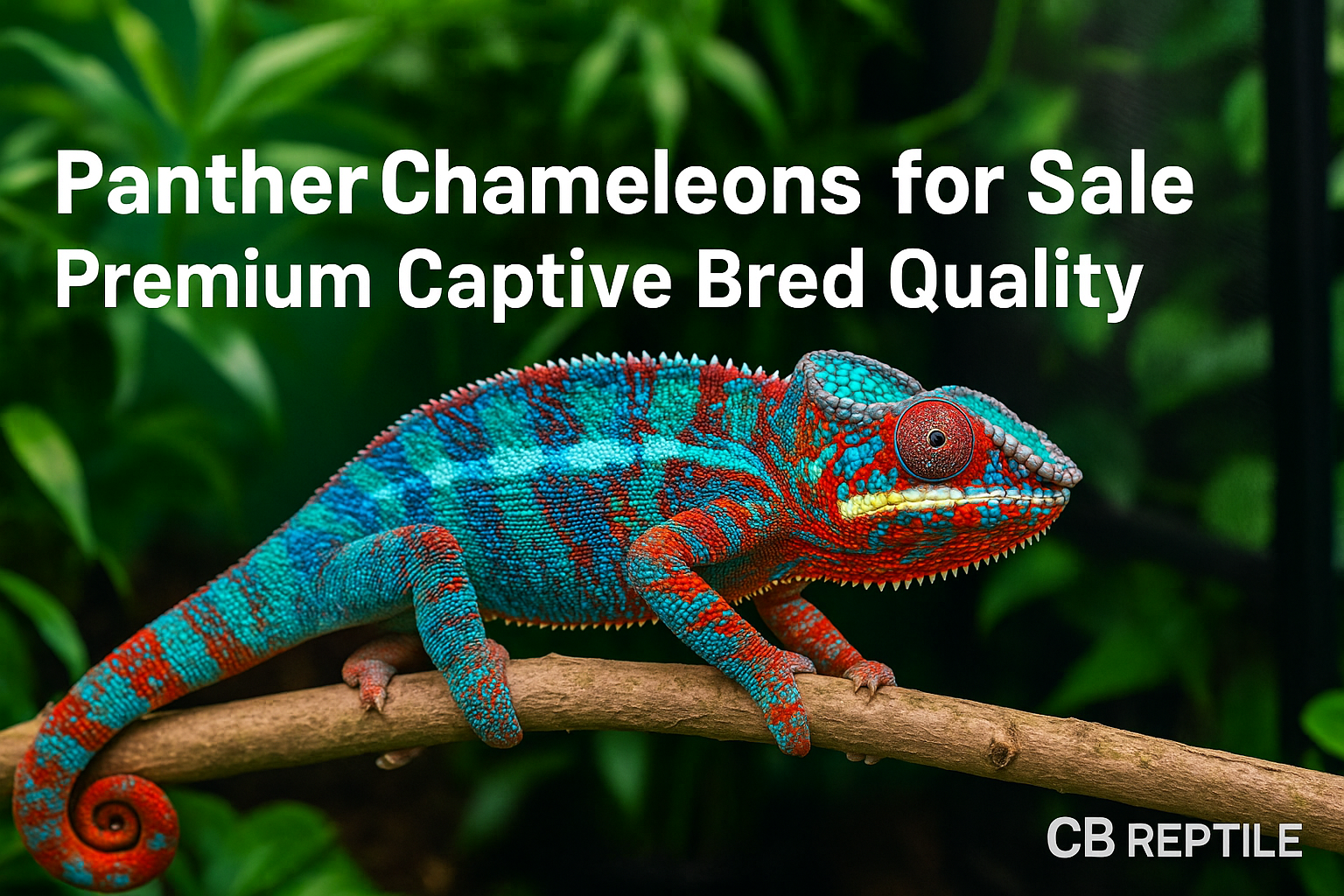
Picture this: a living rainbow perched on your finger, its skin shifting through brilliant blues, fiery reds, and vibrant oranges as it surveys its domain with independently moving eyes. This isn’t a fantasy—it’s the daily reality of owning a panther chameleon, one of nature’s most spectacular reptilian masterpieces. If you’re searching for panther chameleons for sale, you’re about to embark on a journey into the world of Madagascar’s most coveted reptilian gems, where each locale offers its own unique palette of colors and personality traits that have captivated reptile enthusiasts worldwide.
Key Takeaways
• CB Reptile stands as the premier destination for captive-bred panther chameleons, offering competitive pricing from $250-$699 depending on sex, age, and locale
• Locale selection is crucial – each Madagascar region (Ambilobe, Nosy Be, Sambava, etc.) produces distinct color patterns and characteristics
• Proper habitat setup requires significant investment – expect $800-1,500 for complete terrarium, lighting, misting systems, and accessories
• Males display more vibrant colors but females live longer and are generally hardier for beginners
• Captive-bred specimens are always preferable to wild-caught, offering better health, temperament, and adaptation to captivity
Understanding Panther Chameleon Locales and Pricing
The Science Behind Locale-Specific Coloration
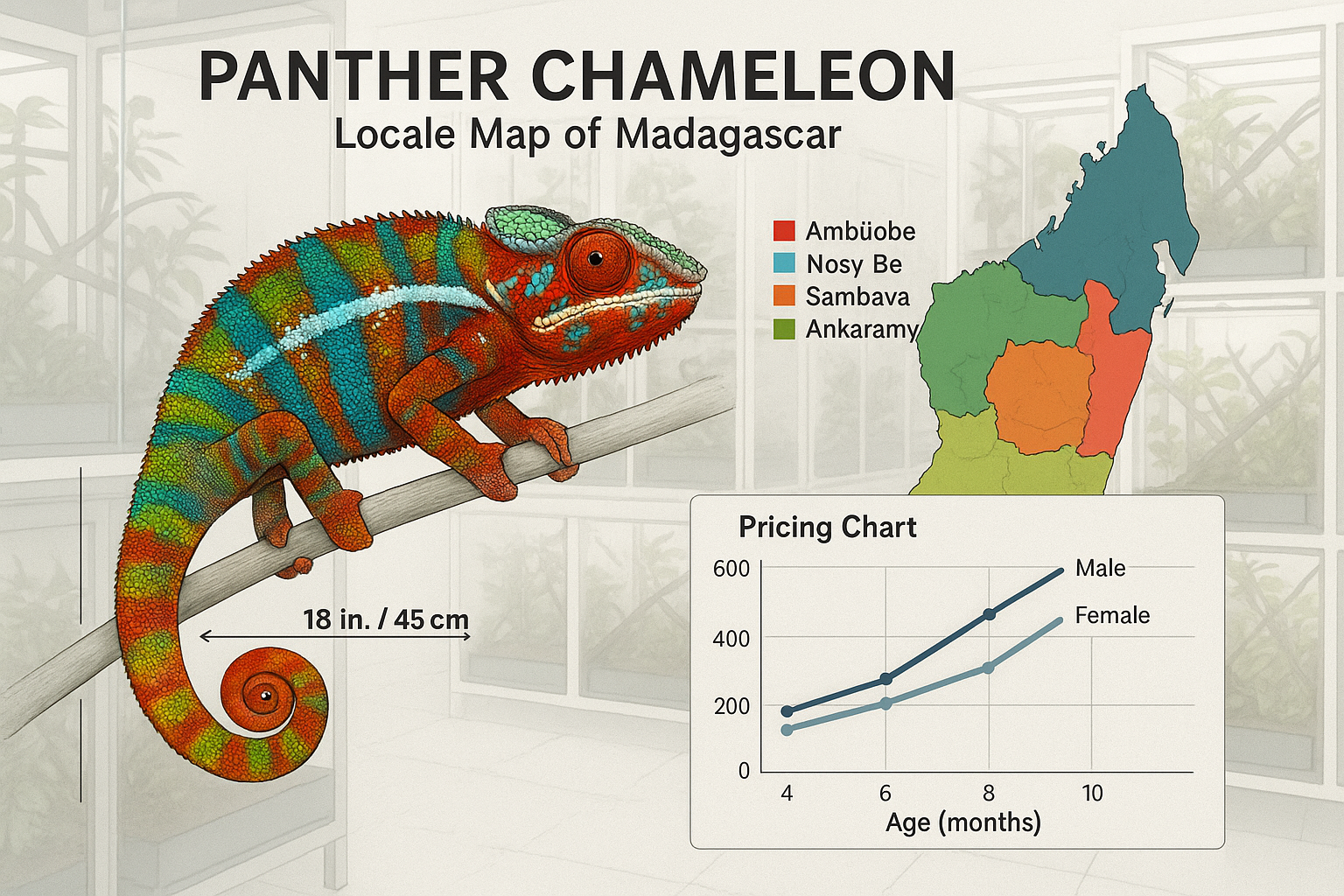
When exploring panther chameleons for sale, understanding locales becomes your first crucial decision. These geographic variants from Madagascar have evolved distinct color patterns over thousands of years, creating what essentially amounts to living art pieces with predictable color genetics.
Ambilobe panther chameleons represent the holy grail for many collectors, displaying intense reds, blues, and oranges that can shift dramatically based on mood, temperature, and social interactions. Ambilobe panther chameleons for sale typically command premium prices due to their spectacular coloration and strong breeding lines.
Nosy Be specimens showcase brilliant blues and greens, often with turquoise highlights that seem to glow under proper UVB lighting. These chameleons tend to be slightly smaller than their Ambilobe cousins but make up for size with their ethereal beauty.
Sambava locales bring fiery oranges and reds to the table, while Ankaramy specimens display unique yellow and green combinations rarely seen in other locales.
2025 Pricing Structure for Panther Chameleons
| Age Category | Female Pricing | Male Pricing | Characteristics |
|---|---|---|---|
| Baby (2-4 months) | $250 | $399 | Unsexed possible, basic colors developing |
| Juvenile (4-8 months) | $400 | $499 | Sex confirmed, colors emerging |
| Young Adult (8-12 months) | $550 | $599-$699 | Full coloration developing, breeding potential |
The price differential between males and females reflects market demand for the spectacular male coloration, though experienced keepers often prefer females for their longevity and hardier constitution.
Selecting Your Locale: A Detailed Comparison
Ambilobe Characteristics:
- Size: Males 17-20 inches, females 12-14 inches
- Colors: Intense reds, blues, oranges, with white striping
- Temperament: Generally calm, good for handling
- Breeding: Excellent genetic diversity, strong lines available
Nosy Be Features:
- Size: Males 15-18 inches, females 10-12 inches
- Colors: Blue-green base with turquoise highlights
- Temperament: More reserved, spectacular display colors
- Breeding: Consistent color production, reliable genetics
When searching for quality panther chameleon for sale options, CB Reptile has established itself as the industry leader, offering captive-bred specimens from proven bloodlines with health guarantees and ongoing support.
Setting Up the Perfect Panther Chameleon Habitat
Essential Equipment and Setup Costs
Creating an appropriate environment for your new panther chameleon requires careful planning and significant investment. The old saying “buy once, cry once” applies perfectly here—investing in quality equipment from the start saves money and ensures your chameleon’s health.
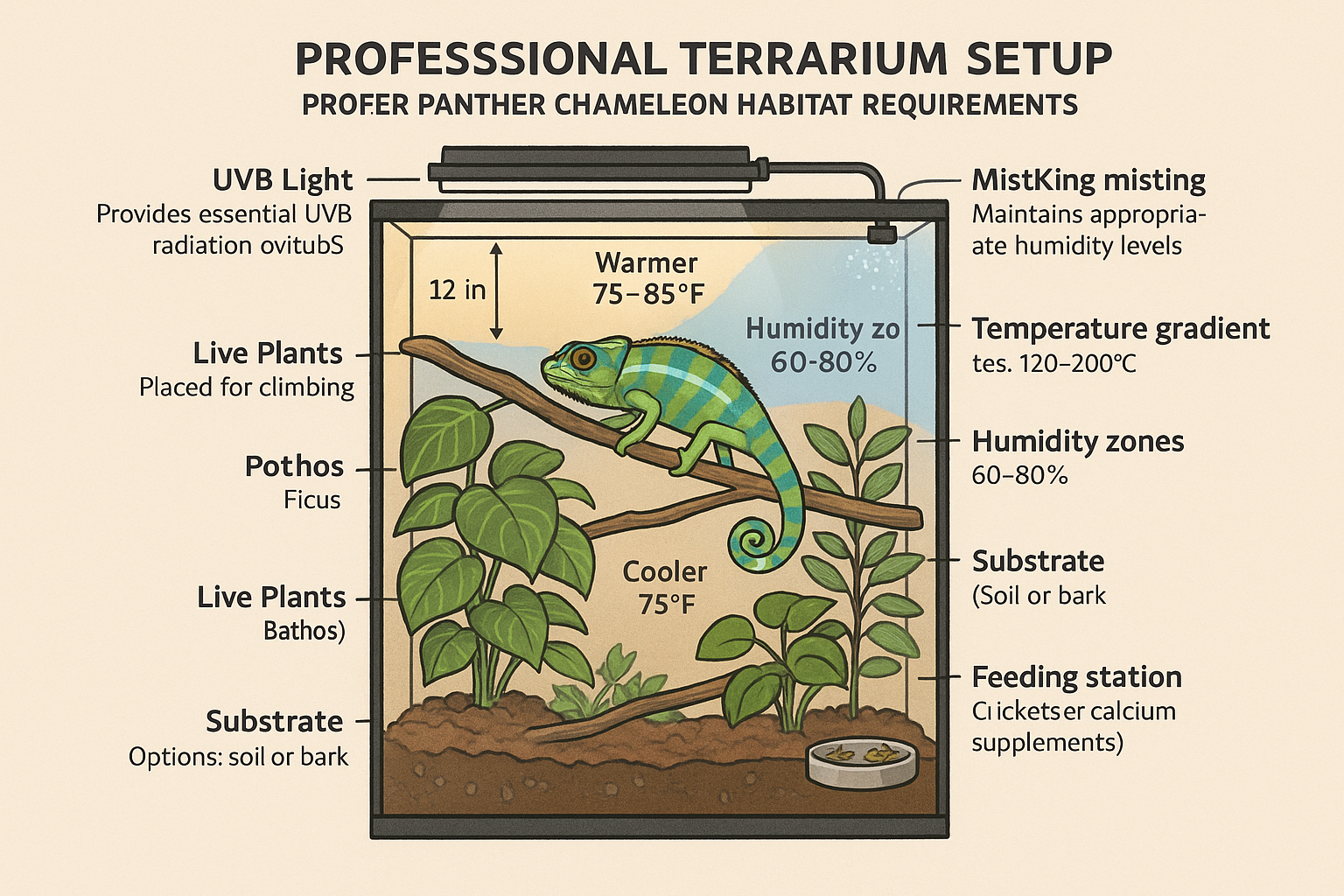
Terrarium Requirements:
- Minimum Size: 24″ x 24″ x 48″ for adults (larger is always better)
- Material: Screen construction for proper ventilation
- Cost: $200-400 for quality enclosures
Lighting System:
- UVB Requirements: 5.0-10.0 UVB fluorescent or LED
- Basking Light: 75-100 watt incandescent or halogen
- Timer Controls: Essential for 12-hour light cycles
- Total Cost: $150-300
Climate Control:
- Temperature Range: 72-78°F ambient, 85-90°F basking
- Humidity Levels: 60-80% with proper ventilation
- Misting System: MistKing automated systems recommended
- Cost: $200-500 for complete climate control
The MistKing misting system has become the gold standard for panther chameleon hydration, providing the fine mist these animals require while maintaining proper humidity levels without creating stagnant conditions that promote bacterial growth.
Live Plants and Naturalistic Design
Panther chameleons thrive in bioactive setups that mimic their natural Madagascar habitat. Incorporating live plants serves multiple purposes: improving air quality, maintaining humidity, providing natural climbing opportunities, and creating the visual barriers these somewhat shy reptiles require.
Recommended Plant Species:
- Pothos: Hardy, fast-growing, excellent for coverage
- Ficus benjamina: Sturdy branches, chameleon-safe
- Schefflera: Multiple climbing opportunities, dense foliage
- Hibiscus: Edible flowers, beautiful blooms, strong structure
Substrate Considerations:
While some keepers prefer bare-bottom enclosures for easy cleaning, a naturalistic substrate blend of organic soil, sphagnum moss, and leaf litter creates a living ecosystem that processes waste and maintains humidity naturally.
For those interested in exploring other reptilian options, CB Reptile offers an extensive selection of reptiles for sale beyond chameleons, though few match the panther chameleon’s unique combination of beauty and personality.
Advanced Habitat Features
Drainage Systems:
Proper drainage prevents the standing water that can quickly turn deadly for chameleons. A false bottom using egg crate and screen, or commercial drainage layers, ensures excess water doesn’t accumulate.
Ventilation Design:
Unlike many reptiles that require enclosed, humid environments, panther chameleons need significant airflow. Cross-ventilation with intake vents low and exhaust vents high creates the air movement these arboreal species require.
Territory Considerations:
Adult panther chameleons, particularly males, require visual barriers within their enclosure. Dense foliage, cork bark panels, and strategic plant placement allow your chameleon to feel secure while still providing viewing opportunities.
Nutrition and Feeding Protocols
Feeder Insect Variety and Nutrition
Panther chameleons are insectivores with specific nutritional requirements that vary by age, sex, and reproductive status. A varied diet prevents nutritional deficiencies and keeps your chameleon engaged during feeding time.
Primary Feeder Insects:
- Crickets: Excellent staple, easy to gut-load
- Dubia Roaches: High protein, low chitin, longer-lived
- Silkworms: High calcium, soft-bodied, ideal for growing chameleons
- Hornworms: High moisture content, occasional treats
Supplementation Schedule:
- Calcium without D3: Every feeding for juveniles, every other feeding for adults
- Calcium with D3: Once weekly
- Multivitamin: Twice monthly
Gut-Loading Protocol:
Feeder insects should be fed nutritious foods 24-48 hours before being offered to your chameleon. Commercial gut-loading diets, fresh vegetables, and fruits ensure the insects provide maximum nutritional value.
Age-Specific Feeding Guidelines
Baby Panther Chameleons (0-6 months):
- Frequency: Daily feeding
- Quantity: 10-15 appropriately sized insects
- Size Rule: Insects should be no larger than the space between the chameleon’s eyes
Juvenile Chameleons (6-12 months):
- Frequency: Daily feeding
- Quantity: 8-12 insects
- Growth Monitoring: Weekly weight checks ensure proper development
Adult Chameleons (12+ months):
- Males: Every other day, 5-8 large insects
- Females: Daily during egg development, every other day otherwise
- Breeding Females: Increased feeding during follicle development
The feeding response of a healthy panther chameleon is truly spectacular to witness—their ballistic tongue can extend 1.5 times their body length in just 20 milliseconds, making them incredibly efficient hunters.
Breeding Panther Chameleons: Advanced Husbandry
Understanding Reproductive Cycles
Breeding panther chameleons represents the pinnacle of reptile keeping, requiring deep understanding of their complex reproductive biology and environmental triggers. Female panther chameleons are particularly fascinating, as they develop eggs whether mated or not, making proper nutrition and nesting sites crucial for their health.
Female Reproductive Indicators:
- Receptive Coloration: Pale colors with orange or pink highlights
- Gravid Coloration: Dark base colors with bright orange or yellow patterns
- Behavioral Changes: Increased appetite followed by restlessness when ready to lay
Male Breeding Behavior:
- Territorial Displays: Intense coloration, head bobbing, lateral compression
- Courtship Approach: Slow, deliberate movements with color changes
- Mating Duration: Brief copulation, often repeated over several days
Egg Incubation and Hatchling Care
Panther chameleon eggs require precise incubation conditions that mimic the sandy soils of Madagascar. The 7-9 month incubation period tests any breeder’s patience, but the reward of healthy hatchlings makes the wait worthwhile.
Incubation Parameters:
- Temperature: 74-78°F (slight fluctuations beneficial)
- Humidity: 80-90% in incubation medium
- Medium: Vermiculite and water (1:1 by weight)
- Container: Sealed with small ventilation holes
Hatchling Setup:
Newly emerged panther chameleons require immediate access to appropriate-sized food and proper hydration. Setting up individual enclosures or carefully monitored group housing ensures each baby receives adequate nutrition during the critical first months.
For those interested in learning more about advanced husbandry techniques, CB Reptile provides extensive care guides that translate well to chameleon keeping, particularly regarding environmental controls and monitoring systems.
Health Monitoring and Veterinary Care
Common Health Issues and Prevention
Panther chameleons, while generally hardy when properly cared for, can develop specific health issues that require immediate attention. Early recognition of symptoms often means the difference between successful treatment and losing your beloved pet.
Metabolic Bone Disease (MBD):
- Causes: Insufficient UVB, poor calcium/phosphorus ratios, inadequate supplementation
- Symptoms: Soft jaw, bent limbs, difficulty climbing, tremors
- Prevention: Proper UVB lighting, consistent supplementation, varied diet
Respiratory Infections:
- Causes: Poor ventilation, temperature fluctuations, stress
- Symptoms: Mouth breathing, mucus discharge, lethargy
- Treatment: Veterinary antibiotics, environmental corrections
Parasites:
- Types: Internal nematodes, coccidia, external mites
- Prevention: Quarantine new animals, fecal examinations, clean environments
- Treatment: Prescription anti-parasitic medications
Establishing Veterinary Relationships
Finding an exotic veterinarian experienced with chameleons should happen before you need one. Many general practice vets lack the specialized knowledge required for proper chameleon medicine, making it crucial to locate qualified professionals in advance.
Questions for Potential Vets:
- How many chameleons do you see annually?
- What diagnostic equipment do you have for reptiles?
- Do you stock reptile-specific medications?
- Can you perform reptile surgery if needed?
Emergency Preparedness:
Maintaining a reptile first aid kit and understanding basic emergency procedures can save precious time during health crises. Items like sterile saline, digital thermometers, and emergency contact information should be readily accessible.
Choosing the Right Panther Chameleon Breeder
Evaluating Breeder Quality and Ethics
When searching for panther chameleons for sale, the breeder you choose significantly impacts your long-term success and enjoyment. CB Reptile has earned its reputation as the premier chameleon breeder through consistent quality, health guarantees, and ongoing customer support that extends well beyond the initial sale.
Red Flags to Avoid:
- Wild-Caught Animals: Often stressed, parasitized, and poorly adapted to captivity
- No Health Guarantees: Reputable breeders stand behind their animals
- Poor Communication: Difficulty reaching the breeder suggests inadequate support
- Suspiciously Low Prices: Quality breeding programs require significant investment
Quality Indicators:
- Detailed Care Sheets: Comprehensive husbandry information demonstrates expertise
- Health Records: Vaccination records, fecal examinations, veterinary relationships
- Breeding Records: Documented lineages, genetic diversity considerations
- Customer References: Satisfied customers willing to share experiences
The CB Reptile Advantage
CB Reptile’s commitment to excellence extends beyond simply producing beautiful chameleons. Their breeding program focuses on genetic diversity, health screening, and proper socialization that creates chameleons well-suited to captive life.
CB Reptile’s Unique Features:
- Captive-Bred Only: No wild-caught animals, ensuring better health and temperament
- Genetic Tracking: Detailed lineage records prevent inbreeding
- Health Guarantees: Comprehensive coverage protecting your investment
- Ongoing Support: Expert advice available throughout your chameleon’s life
Shipping and Logistics:
Professional shipping services ensure your new chameleon arrives safely and stress-free. Live animal shipping requires specialized knowledge and equipment that CB Reptile has perfected over years of experience.
Advanced Care Techniques and Enrichment
Environmental Enrichment Strategies
Panther chameleons benefit significantly from environmental enrichment that stimulates natural behaviors and prevents the boredom that can lead to stress-related health issues. Creating a dynamic environment that changes periodically keeps your chameleon mentally engaged and physically active.
Enrichment Ideas:
- Seasonal Plant Rotation: Changing plant species and arrangements
- Hunting Challenges: Hiding insects in different locations
- Climbing Opportunities: Varying branch diameters and orientations
- Visual Stimulation: Mirrors (used sparingly), moving decorations
Free-Range Opportunities:
Some experienced keepers create free-range areas where chameleons can explore outside their primary enclosure. These setups require careful planning to ensure safety while providing expanded territory and novel experiences.
Monitoring Technology and Automation
Modern technology offers numerous tools for monitoring and maintaining optimal chameleon environments. Digital monitoring systems can alert you to temperature or humidity fluctuations before they become dangerous.
Recommended Monitoring Equipment:
- Digital Thermometer/Hygrometers: Multiple units for gradient monitoring
- Data Loggers: Record environmental conditions over time
- Automated Misting: Programmable systems for consistent hydration
- Timer Controls: Precise lighting schedules supporting natural rhythms
For comprehensive terrarium setups, CB Reptile offers complete terrarium packages that include all necessary equipment for successful chameleon keeping.
Long-Term Ownership Considerations
Lifespan and Commitment
Panther chameleons represent a significant long-term commitment, with proper care extending their lives well beyond what many people expect. Understanding the full scope of ownership helps ensure you’re prepared for the journey ahead.
Expected Lifespans:
- Males: 5-7 years with exceptional care
- Females: 3-5 years (egg production reduces longevity)
- Factors Affecting Longevity: Diet quality, environmental stability, genetic background, veterinary care
Aging Considerations:
As chameleons age, their care requirements may change. Older animals might need adjusted temperatures, softer foods, or modified environments that accommodate reduced mobility or vision changes.
Cost Analysis: Total Ownership Investment
Understanding the complete financial commitment helps potential owners make informed decisions and budget appropriately for their new pet’s needs.
Initial Setup Costs:
- Chameleon Purchase: $250-$699 (depending on sex, age, locale)
- Terrarium Setup: $800-$1,500
- Initial Veterinary Exam: $150-$300
- Total Initial Investment: $1,200-$2,500
Ongoing Monthly Costs:
- Food and Supplements: $30-$50
- Electricity (lighting/heating): $20-$40
- Replacement Equipment: $10-$30
- Monthly Average: $60-$120
Annual Veterinary Care: $200-$500
Building the Chameleon Community
Connecting with other panther chameleon enthusiasts provides valuable support, advice, and friendship throughout your ownership journey. Online communities, local reptile clubs, and reptile shows offer opportunities to learn from experienced keepers and share your own discoveries.
Community Benefits:
- Troubleshooting Help: Experienced keepers sharing solutions
- Breeding Opportunities: Connecting compatible bloodlines
- Equipment Trading: Buying, selling, and trading equipment
- Friendship: Sharing the passion with like-minded individuals
The chameleon community is generally welcoming to newcomers who show genuine interest in proper care and continuous learning. Don’t hesitate to ask questions—most experienced keepers are happy to share their knowledge with dedicated beginners.
Conclusion
Owning a panther chameleon represents one of the most rewarding experiences in reptile keeping, combining the satisfaction of providing excellent care with the daily wonder of observing one of nature’s most remarkable creatures. From the initial excitement of selecting your locale and setting up the perfect habitat to the long-term joy of watching your chameleon thrive and display its spectacular colors, these animals offer a unique connection to the natural world.
CB Reptile stands ready to support your chameleon journey with quality captive-bred animals, comprehensive care information, and ongoing support that ensures your success. Whether you’re drawn to the fiery reds of Ambilobe specimens or the ethereal blues of Nosy Be chameleons, the perfect panther chameleon awaits to become your living masterpiece.
Your Next Steps:
- Research Locale Options: Decide which color patterns and characteristics appeal to you most
- Prepare Your Setup: Invest in quality equipment before bringing your chameleon home
- Contact CB Reptile: Discuss available animals and reserve your perfect panther chameleon
- Find Veterinary Care: Establish a relationship with an exotic veterinarian
- Join the Community: Connect with other chameleon enthusiasts for ongoing support and friendship
The journey into panther chameleon ownership begins with a single step—and that step leads to years of wonder, learning, and the incomparable joy of sharing your life with one of Madagascar’s most magnificent ambassadors. Your perfect chameleon for sale is waiting to transform your world into a living rainbow of possibility.