
The Complete Guide to Blue Eyed Lucy Ball Pythons for Sale: Everything You Need to Know Before Buying
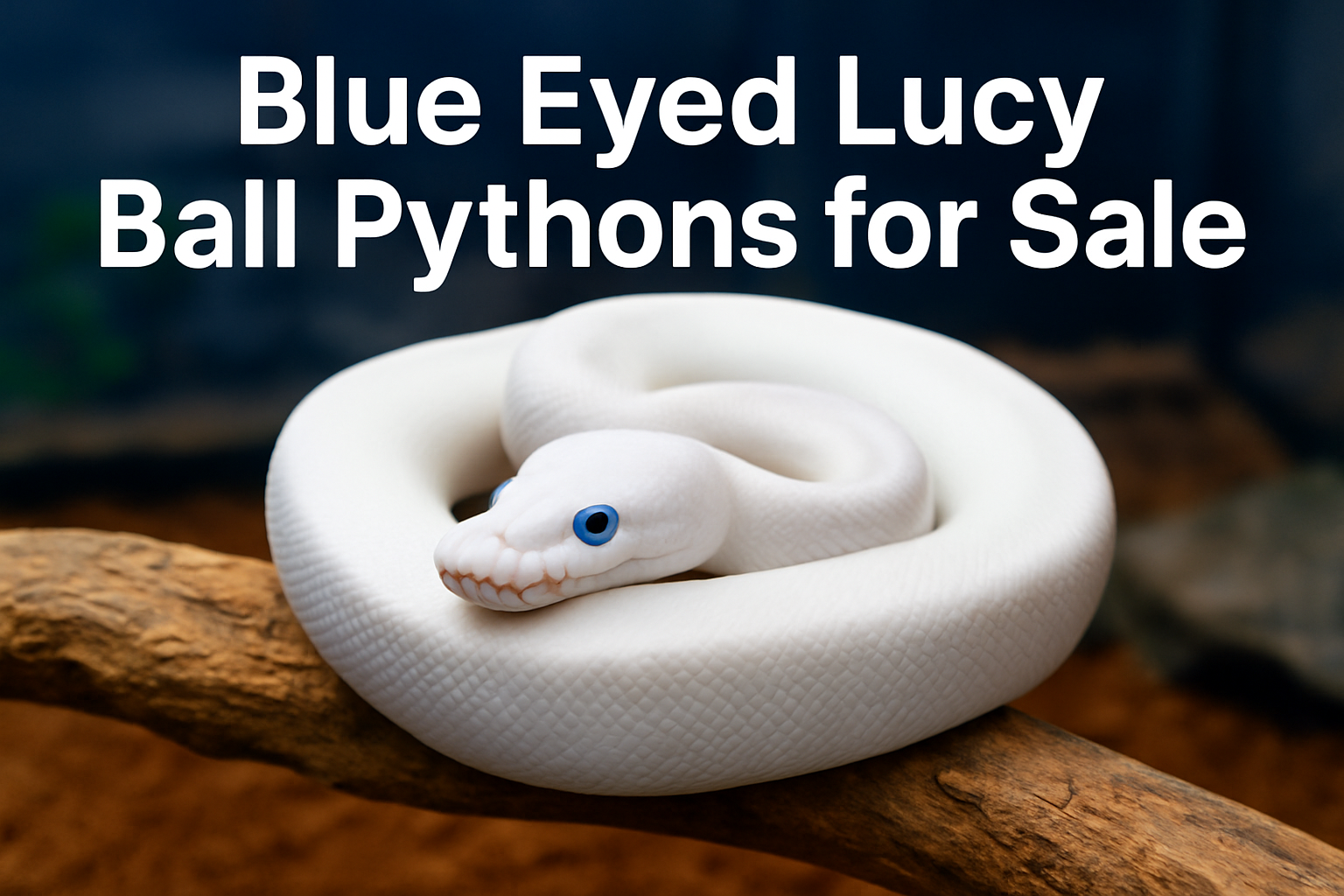
When I first laid eyes on a blue eyed leucistic ball python, I was absolutely mesmerized by its ethereal beauty. The combination of pure white scales and piercing blue eyes creates one of the most stunning reptiles in the world. If you're searching for blue eyed lucy ball pythons for sale, you're about to discover why these remarkable snakes have captured the hearts of reptile enthusiasts worldwide and what makes them such extraordinary companions.
Key Takeaways
• Blue eyed lucy ball pythons are leucistic morphs with pure white scales and striking blue eyes, different from albino varieties
• Prices typically range from $300-$2,000+ depending on genetics, breeder reputation, and specific lineage
• Proper care requires specific temperature, humidity, and housing requirements similar to other ball python morphs
• Reputable breeders like CB Reptile offer health guarantees and proper documentation for these premium morphs
• Investment potential makes these snakes valuable for both pet owners and future breeding projects
Understanding Blue Eyed Lucy Ball Python Genetics and Characteristics
What Makes a Blue Eyed Lucy Special? 🐍
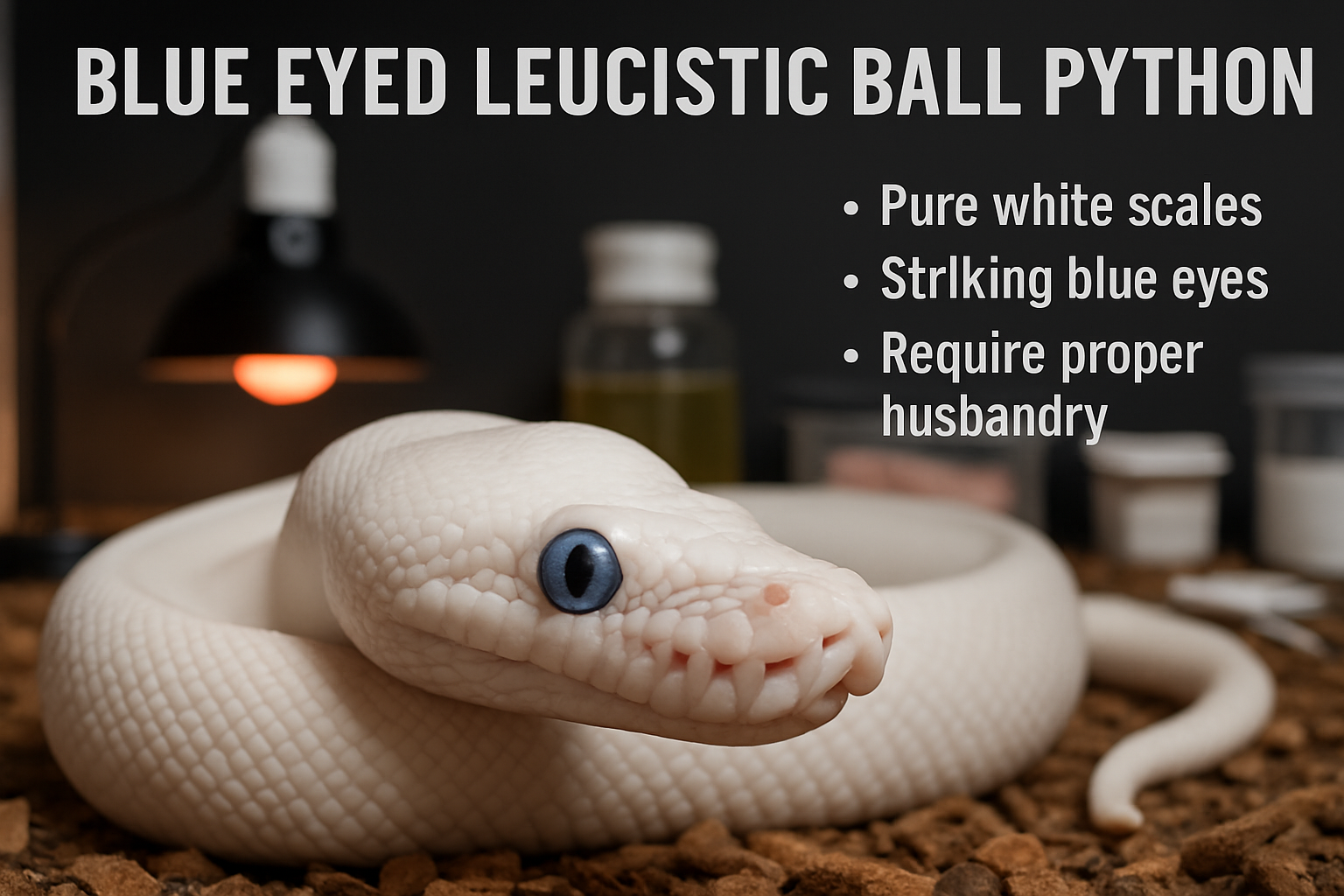
The blue eyed leucistic (BEL) ball python represents one of the most sought-after morphs in the reptile world. Unlike albino snakes that lack melanin entirely, blue eyed lucy ball pythons are leucistic, meaning they have reduced pigmentation while retaining their stunning blue eyes.
These remarkable snakes are produced through specific genetic combinations, typically involving:
- Mojave x Lesser pairings
- Butter x Mojave combinations
- Phantom x Mojave breeding projects
- Russo x Lesser genetic lines
The genetics behind creating a ball python blue eyed lucy involves combining two compatible recessive or co-dominant genes that result in the leucistic phenotype. This makes them more predictable to produce than some other morphs, though still requiring careful breeding planning.
Physical Characteristics and Appearance
Blue eyed lucy ball pythons display several distinctive features:
| Feature | Description |
|---|---|
| Base Color | Pure white to cream |
| Eye Color | Brilliant blue |
| Pattern | Minimal to no pattern |
| Size | 3-5 feet (standard ball python size) |
| Weight | 1,200-2,500 grams when adult |
The contrast between their snow-white scales and piercing blue eyes creates an almost otherworldly appearance that photographs beautifully and never fails to impress visitors.
Where to Find Quality Blue Eyed Lucy Ball Pythons for Sale
Choosing the Right Breeder
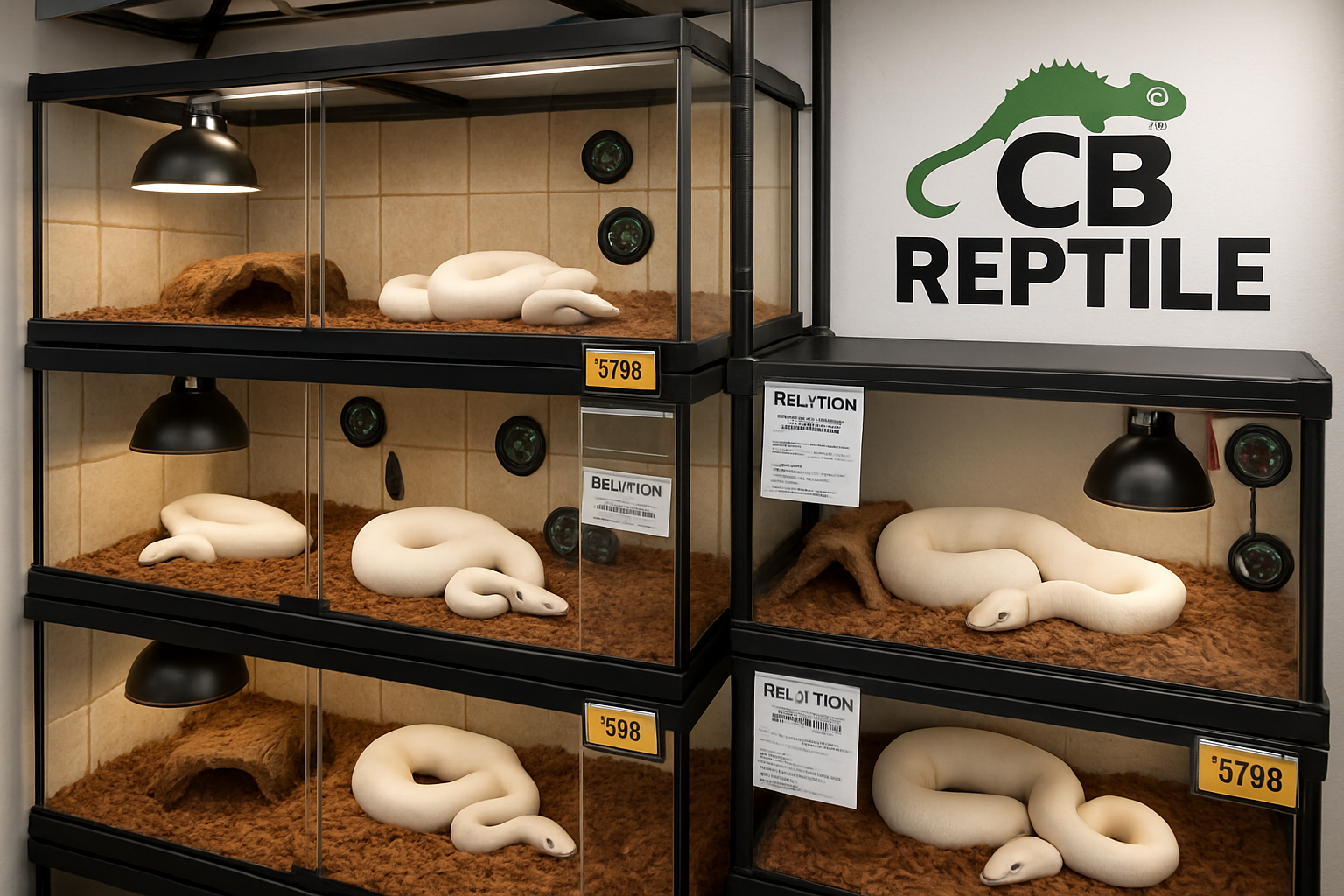
When searching for blue eyed lucy ball pythons for sale, selecting a reputable breeder is crucial for ensuring you receive a healthy, well-socialized snake. CB Reptile stands out as one of the premier ball python breeders in the industry, offering exceptional quality and customer service.
What to look for in a quality breeder:
✅ Health guarantees and return policies
✅ Detailed genetic information and lineage records
✅ Proper documentation including feeding records
✅ Clean facilities and transparent breeding practices
✅ Responsive customer support and ongoing care advice
✅ Positive reviews from previous customers
Price Ranges for Blue Eyed Lucy Ball Python Price Points
The blue eyed lucy ball python price varies significantly based on several factors:
Budget Range ($300-$600):
- Younger specimens from common genetic combinations
- Pet-quality animals without breeding rights
- Standard Mojave x Lesser combinations
Mid-Range ($600-$1,200):
- Proven genetic lines with documented parentage
- Breeding-quality specimens
- Unique genetic combinations like Butter Mojave
Premium Range ($1,200-$2,000+):
- Champion bloodlines from renowned breeders
- Rare genetic combinations
- Breeding pairs or proven breeders
Factors affecting price:
- Genetic lineage and parent quality
- Age and size of the specimen
- Breeder reputation and facility quality
- Market demand and seasonal availability
- Geographic location and shipping costs
Essential Care Requirements for Blue Eyed Lucy Ball Pythons
Housing and Environment Setup
Creating the perfect habitat for your blue eyes lucy ball python requires attention to several critical factors. These snakes have the same care requirements as other ball python morphs, but their stunning appearance deserves an equally impressive setup.
Enclosure Specifications:
| Age Group | Minimum Tank Size | Recommended Size |
|---|---|---|
| Hatchling | 20-gallon long | 40-gallon breeder |
| Juvenile | 40-gallon breeder | 75-gallon |
| Adult | 75-gallon | 120-gallon or larger |
Essential Equipment:
- Heat source: Under-tank heater or ceramic heat emitter
- Thermostats: Digital controllers for precise temperature regulation
- Hiding spots: Secure caves on both warm and cool sides
- Water bowl: Large enough for soaking but not drowning risk
- Substrate: Aspen shavings, cypress mulch, or paper towels
- Lighting: Optional LED for viewing (not required for health)
For comprehensive terrarium setups and supplies, explore the terrarium options available from trusted retailers.
Temperature and Humidity Management
Maintaining proper environmental conditions is crucial for your blue eyed lucy's health and feeding response:
Temperature Requirements:
- Warm side: 88-92°F (31-33°C)
- Cool side: 78-80°F (26-27°C)
- Nighttime drop: 75-78°F (24-26°C)
- Basking spot: 90-95°F (32-35°C)
Humidity Guidelines:
- General humidity: 50-60%
- Shedding period: 70-80%
- Monitoring: Digital hygrometer essential
"Proper environmental conditions are the foundation of successful ball python keeping. Get the basics right, and your blue eyed lucy will thrive for decades." – Professional Reptile Breeder
Feeding Your Blue Eyed Lucy Ball Python
Blue eyed lucy ball pythons have the same feeding requirements as other ball python morphs. Their feeding schedule depends on age and size:
Feeding Schedule:
- Hatchlings (0-6 months): Every 5-7 days
- Juveniles (6-12 months): Every 7-10 days
- Adults (1+ years): Every 10-14 days
Prey Size Guidelines:
- Prey should be approximately the same width as the thickest part of your snake
- Pre-killed frozen/thawed rodents are safest and most convenient
- Gradually increase prey size as your snake grows
Common Feeding Issues:
- Ball pythons can be picky eaters, especially during winter months
- Stress from improper housing can cause feeding strikes
- Maintain consistent temperatures and minimize handling around feeding time
For reliable feeding supplies and frozen prey options, check out standard food and supplies from reputable suppliers.
Health Considerations and Veterinary Care
Common Health Issues in Ball Pythons
While blue eyed lucy ball pythons are generally hardy snakes, they can experience several health issues common to the species:
Respiratory Infections:
- Symptoms: Mouth breathing, wheezing, excess mucus
- Causes: Improper temperature or humidity
- Treatment: Veterinary antibiotics and environmental correction
Scale Rot:
- Symptoms: Discolored, soft belly scales
- Causes: Excessive moisture and poor substrate hygiene
- Prevention: Proper substrate management and dry hiding spots
Mites:
- Symptoms: Tiny moving dots, excessive soaking behavior
- Treatment: Specialized mite treatments and thorough enclosure cleaning
- Prevention: Quarantine new animals and maintain clean environments
Shedding Problems:
- Symptoms: Retained shed, especially around eyes and tail tip
- Causes: Low humidity during shedding cycle
- Solution: Humidity boxes and gentle assistance if needed
Finding Reptile Veterinarians
Locating a qualified reptile veterinarian before you need one is essential. Look for:
- Board certification in exotic animal medicine
- Experience with ball pythons specifically
- Emergency availability for urgent situations
- Reasonable pricing for routine check-ups
Annual Health Checks Should Include:
- Physical examination and weight assessment
- Fecal parasite screening
- Discussion of husbandry and feeding practices
- Vaccination recommendations if applicable
Investment Potential and Breeding Considerations
Blue Eyed Lucy Ball Pythons as Breeding Stock
Many people purchase blue eyed lucy ball pythons for sale not just as pets, but as foundation animals for future breeding projects. The genetics behind these morphs make them valuable for producing various designer combinations.
Breeding Potential:
- Proven genetics command premium prices
- Multiple morph combinations possible with BEL genetics
- Market demand remains consistently strong
- Return on investment can be substantial with proper planning
Popular Breeding Projects:
- BEL x Banana = Blue Eyed Banana possibilities
- BEL x Piebald = Leucistic Piebald combinations
- BEL x GHI = Enhanced pattern variations
- BEL x Champagne = Unique color combinations
Market Trends and Value Retention
The reptile market has shown consistent growth, with premium morphs like blue eyes lucy ball python maintaining strong value retention:
Market Factors:
- Social media influence driving demand for photogenic morphs
- Breeding community growth expanding the customer base
- Educational content increasing public interest in reptiles
- Improved husbandry knowledge making success more achievable
Investment Considerations:
- Quality genetics hold value better than pet-grade animals
- Proven breeders command significantly higher prices
- Market saturation can affect common genetic combinations
- Unique lineages and rare combinations maintain premium pricing
Choosing Your Blue Eyed Lucy Ball Python
Evaluating Potential Purchases
When you're ready to purchase your blue eyed lucy ball python for sale, careful evaluation ensures you select a healthy, quality animal:
Physical Assessment:
- Clear, bright blue eyes without cloudiness or discharge
- Clean, white scales free from stuck shed or discoloration
- Alert behavior and appropriate defensive responses
- Proper body weight without visible ribs or obesity
- Clean vent area without signs of mites or infection
Documentation Review:
- Genetic lineage and parent information
- Feeding records showing consistent appetite
- Shed cycles and any husbandry notes
- Health guarantees and return policies
- Breeding rights if applicable to your plans
Questions to Ask Breeders
Essential Questions:
- What are the exact genetics of this animal?
- Can you provide feeding records and shed dates?
- What health guarantee do you offer?
- Are there any known issues with this genetic line?
- What ongoing support do you provide new customers?
Red Flags to Avoid:
- Reluctance to provide genetic information
- No health guarantee or return policy
- Poor communication or unprofessional behavior
- Facilities that appear unclean or disorganized
- Prices that seem too good to be true
For the most reliable source of blue eyed lucy ball pythons for sale, consider CB Reptile's selection of premium quality specimens with full health guarantees.
Setting Up Your New Blue Eyed Lucy Ball Python
Quarantine Procedures
Even when purchasing from reputable sources, proper quarantine protects your existing collection and ensures your new snake's health:
Quarantine Setup:
- Separate room or isolated area away from other reptiles
- Simple setup with paper towel substrate for easy monitoring
- Basic heating and hiding spots for comfort
- Dedicated equipment that doesn't cross-contaminate
Quarantine Duration:
- Minimum 60 days for new acquisitions
- Extended period if any health issues arise
- Veterinary check before introducing to main collection
- Feeding establishment and behavioral assessment
Acclimation Process
First Week:
- Minimal handling to reduce stress
- Establish proper temperatures and humidity
- Offer first meal 5-7 days after arrival
- Monitor for signs of stress or illness
Second Week:
- Continue monitoring feeding response
- Begin gentle handling if feeding well
- Assess shed cycle timing
- Document behavior patterns
Ongoing Care:
- Establish regular feeding schedule
- Develop handling routine for socialization
- Monitor growth and development
- Build relationship with your new snake
Advanced Care Tips and Enrichment
Environmental Enrichment for Ball Pythons
While ball pythons are often considered low-maintenance pets, providing environmental enrichment enhances their quality of life:
Enrichment Ideas:
- Climbing branches for arboreal exercise
- Multiple hiding spots with different textures
- Varied substrate depths for burrowing behavior
- Seasonal lighting changes to mimic natural cycles
- Exploration opportunities during supervised handling
Handling and Socialization:
- Start with short, gentle sessions
- Support the snake's body properly
- Avoid handling during shed cycles or after feeding
- Build trust through consistent, calm interactions
- Recognize stress signals and respect boundaries
Long-term Care Planning
Lifespan Considerations:
Ball pythons can live 20-30+ years with proper care, making them a significant long-term commitment. Plan for:
- Veterinary costs throughout their lifetime
- Equipment upgrades as technology improves
- Space requirements if you expand your collection
- Emergency care and backup heating systems
- Care arrangements during travel or illness
Record Keeping:
Maintain detailed records of:
- Feeding dates and prey sizes
- Shed cycles and any complications
- Weight measurements and growth tracking
- Veterinary visits and health issues
- Breeding activities if applicable
For those interested in expanding their reptile knowledge, explore resources on advanced husbandry techniques that can apply across species.
<!DOCTYPE html>
<html lang="en">
<head>
    <meta charset="UTF-8">
    <meta name="viewport" content="width=device-width, initial-scale=1.0">
    <title>Ball Python Morph Price Calculator</title>
    <style>
        .cg-element-calculator {
            max-width: 800px;
            margin: 20px auto;
            background: linear-gradient(135deg, #667eea 0%, #764ba2 100%);
            border-radius: 15px;
            padding: 25px;
            box-shadow: 0 10px 30px rgba(0,0,0,0.2);
            font-family: 'Arial', sans-serif;
        }
        .cg-element-title {
            color: white;
            text-align: center;
            margin-bottom: 25px;
            font-size: 24px;
            font-weight: bold;
        }
        .cg-element-controls {
            display: grid;
            grid-template-columns: repeat(auto-fit, minmax(250px, 1fr));
            gap: 20px;
            margin-bottom: 25px;
        }
        .cg-element-control-group {
            background: rgba(255,255,255,0.1);
            padding: 15px;
            border-radius: 10px;
            backdrop-filter: blur(10px);
        }
        .cg-element-label {
            color: white;
            font-weight: bold;
            margin-bottom: 8px;
            display: block;
        }
        .cg-element-select, .cg-element-input {
            width: 100%;
            padding: 10px;
            border: none;
            border-radius: 5px;
            font-size: 14px;
            background: rgba(255,255,255,0.9);
        }
        .cg-element-results {
            background: rgba(255,255,255,0.95);
            border-radius: 10px;
            padding: 20px;
            margin-top: 20px;
        }
        .cg-element-price-display {
            font-size: 28px;
            font-weight: bold;
            color: #4a5568;
            text-align: center;
            margin-bottom: 15px;
        }
        .cg-element-morph-grid {
            display: grid;
            grid-template-columns: repeat(auto-fit, minmax(200px, 1fr));
            gap: 15px;
            margin-top: 20px;
        }
        .cg-element-morph-card {
            background: white;
            border: 2px solid #e2e8f0;
            border-radius: 8px;
            padding: 15px;
            text-align: center;
            transition: all 0.3s ease;
            cursor: pointer;
        }
        .cg-element-morph-card:hover {
            border-color: #667eea;
            transform: translateY(-2px);
            box-shadow: 0 5px 15px rgba(0,0,0,0.1);
        }
        .cg-element-morph-card.selected {
            border-color: #667eea;
            background: #f7fafc;
        }
        .cg-element-morph-name {
            font-weight: bold;
            color: #2d3748;
            margin-bottom: 5px;
        }
        .cg-element-morph-price {
            color: #667eea;
            font-size: 18px;
            font-weight: bold;
        }
        .cg-element-factors {
            background: #f7fafc;
            border-radius: 8px;
            padding: 15px;
            margin-top: 15px;
        }
        .cg-element-factor-item {
            display: flex;
            justify-content: space-between;
            margin-bottom: 8px;
            color: #4a5568;
        }
        @media (max-width: 600px) {
            .cg-element-calculator {
                margin: 10px;
                padding: 15px;
            }
            .cg-element-controls {
                grid-template-columns: 1fr;
            }
        }
    </style>
</head>
<body>
    <div class="cg-element-calculator">
        <h2 class="cg-element-title">🐍 Ball Python Morph Price Calculator</h2>

        <div class="cg-element-controls">
            <div class="cg-element-control-group">
                <label class="cg-element-label">Age Category</label>
                <select class="cg-element-select" id="ageCategory">
                    <option value="hatchling">Hatchling (0-6 months)</option>
                    <option value="juvenile">Juvenile (6-18 months)</option>
                    <option value="adult">Adult (18+ months)</option>
                    <option value="proven">Proven Breeder</option>
                </select>
            </div>

            <div class="cg-element-control-group">
                <label class="cg-element-label">Breeder Quality</label>
                <select class="cg-element-select" id="breederQuality">
                    <option value="standard">Standard Breeder</option>
                    <option value="reputable">Reputable Breeder</option>
                    <option value="premium">Premium Breeder</option>
                    <option value="champion">Champion Bloodlines</option>
                </select>
            </div>

            <div class="cg-element-control-group">
                <label class="cg-element-label">Market Demand</label>
                <select class="cg-element-select" id="marketDemand">
                    <option value="low">Low Demand</option>
                    <option value="moderate">Moderate Demand</option>
                    <option value="high">High Demand</option>
                    <option value="extreme">Extremely Rare</option>
                </select>
            </div>
        </div>

        <div class="cg-element-morph-grid" id="morphGrid">
            <!-- Morph cards will be populated by JavaScript -->
        </div>

        <div class="cg-element-results" id="results" style="display: none;">
            <div class="cg-element-price-display" id="finalPrice">$0</div>
            <div class="cg-element-factors" id="priceFactors">
                <!-- Price breakdown will be shown here -->
            </div>
        </div>
    </div>

    <script>
        const morphData = {
            'Blue Eyed Lucy': { base: 800, rarity: 1.5 },
            'Albino': { base: 300, rarity: 1.0 },
            'Piebald': { base: 500, rarity: 1.3 },
            'Banana': { base: 250, rarity: 0.9 },
            'Champagne': { base: 200, rarity: 0.8 },
            'Mojave': { base: 150, rarity: 0.7 },
            'Lesser': { base: 100, rarity: 0.6 },
            'Pastel': { base: 75, rarity: 0.5 },
            'Spider': { base: 125, rarity: 0.6 },
            'Clown': { base: 400, rarity: 1.2 },
            'GHI': { base: 180, rarity: 0.8 },
            'Phantom': { base: 160, rarity: 0.7 },
            'Butter': { base: 140, rarity: 0.7 },
            'Cinnamon': { base: 90, rarity: 0.6 },
            'Black Pastel': { base: 85, rarity: 0.5 }
        };

        const ageMultipliers = {
            'hatchling': 1.0,
            'juvenile': 1.2,
            'adult': 1.4,
            'proven': 2.5
        };

        const breederMultipliers = {
            'standard': 1.0,
            'reputable': 1.3,
            'premium': 1.6,
            'champion': 2.2
        };

        const demandMultipliers = {
            'low': 0.8,
            'moderate': 1.0,
            'high': 1.4,
            'extreme': 2.0
        };

        let selectedMorph = 'Blue Eyed Lucy';

        function initializeMorphGrid() {
            const morphGrid = document.getElementById('morphGrid');
            morphGrid.innerHTML = '';

            Object.keys(morphData).forEach(morph => {
                const card = document.createElement('div');
                card.className = `cg-element-morph-card ${morph === selectedMorph ? 'selected' : ''}`;
                card.onclick = () => selectMorph(morph);

                const basePrice = morphData[morph].base;
                card.innerHTML = `
                    <div class="cg-element-morph-name">${morph}</div>
                    <div class="cg-element-morph-price">$${basePrice}+</div>
                `;

                morphGrid.appendChild(card);
            });
        }

        function selectMorph(morph) {
            selectedMorph = morph;
            document.querySelectorAll('.cg-element-morph-card').forEach(card => {
                card.classList.remove('selected');
            });
            event.target.closest('.cg-element-morph-card').classList.add('selected');
            calculatePrice();
        }

        function calculatePrice() {
            const age = document.getElementById('ageCategory').value;
            const breeder = document.getElementById('breederQuality').value;
            const demand = document.getElementById('marketDemand').value;

            const basePrice = morphData[selectedMorph].base;
            const rarityMultiplier = morphData[selectedMorph].rarity;

            const ageMultiplier = ageMultipliers[age];
            const breederMultiplier = breederMultipliers[breeder];
            const demandMultiplier = demandMultipliers[demand];

            const finalPrice = Math.round(basePrice * rarityMultiplier * ageMultiplier * breederMultiplier * demandMultiplier);

            document.getElementById('finalPrice').textContent = `$${finalPrice.toLocaleString()}`;

            const factorsHtml = `
                <div class="cg-element-factor-item">
                    <span>Base Price (${selectedMorph}):</span>
                    <span>$${basePrice}</span>
                </div>
                <div class="cg-element-factor-item">
                    <span>Rarity Multiplier:</span>
                    <span>${rarityMultiplier}x</span>
                </div>
                <div class="cg-element-factor-item">
                    <span>Age Factor:</span>
                    <span>${ageMultiplier}x</span>
                </div>
                <div class="cg-element-factor-item">
                    <span>Breeder Quality:</span>
                    <span>${breederMultiplier}x</span>
                </div>
                <div class="cg-element-factor-item">
                    <span>Market Demand:</span>
                    <span>${demandMultiplier}x</span>
                </div>
            `;

            document.getElementById('priceFactors').innerHTML = factorsHtml;
            document.getElementById('results').style.display = 'block';
        }

        // Event listeners
        document.getElementById('ageCategory').addEventListener('change', calculatePrice);
        document.getElementById('breederQuality').addEventListener('change', calculatePrice);
        document.getElementById('marketDemand').addEventListener('change', calculatePrice);

        // Initialize
        initializeMorphGrid();
        calculatePrice();
    </script>
</body>
</html>
Conclusion
Blue eyed lucy ball pythons for sale represent some of the most spectacular serpents available to reptile enthusiasts today. Their striking appearance, combined with relatively straightforward care requirements, makes them excellent choices for both experienced keepers and dedicated beginners willing to invest in proper setup and education.
When searching for your perfect blue eyed lucy ball python, remember that quality should always take precedence over price. Reputable breeders like those at CB Reptile provide not just healthy animals, but ongoing support and expertise that proves invaluable throughout your snake's long life.
The investment in a blue eyes lucy ball python extends far beyond the initial purchase price. These remarkable animals can provide decades of companionship while potentially serving as foundation stock for future breeding projects. Their consistent market value and growing popularity make them both rewarding pets and sound investments for serious reptile enthusiasts.
Your Next Steps:
- Research thoroughly and connect with reputable breeders
- Prepare your setup with proper equipment and quarantine space
- Budget appropriately for both initial costs and ongoing care
- Build relationships within the ball python community for ongoing support
- Enjoy the journey of keeping one of nature's most beautiful serpents
Whether you're drawn to their ethereal beauty, interested in their genetics, or planning future breeding projects, blue eyed lucy ball pythons offer an unparalleled reptile keeping experience that will reward you for years to come.
References
[1] Ball Python Care Guidelines – Association of Reptilian and Amphibian Veterinarians
[2] Genetics of Ball Python Morphs – Journal of Herpetological Medicine
[3] Reptile Market Analysis 2025 – Pet Industry Trade Association
[4] Ball Python Husbandry Standards – International Herpetological Society
SEO Meta Title: Blue Eyed Lucy Ball Pythons for Sale – Complete 2025 Guide
Meta Description: Find quality blue eyed lucy ball pythons for sale. Complete guide covering prices, care, genetics, and reputable breeders. Expert advice for 2025 buyers.