
The Complete Guide to Blue Eye Lucy Ball Python: Everything You Need to Know in 2025
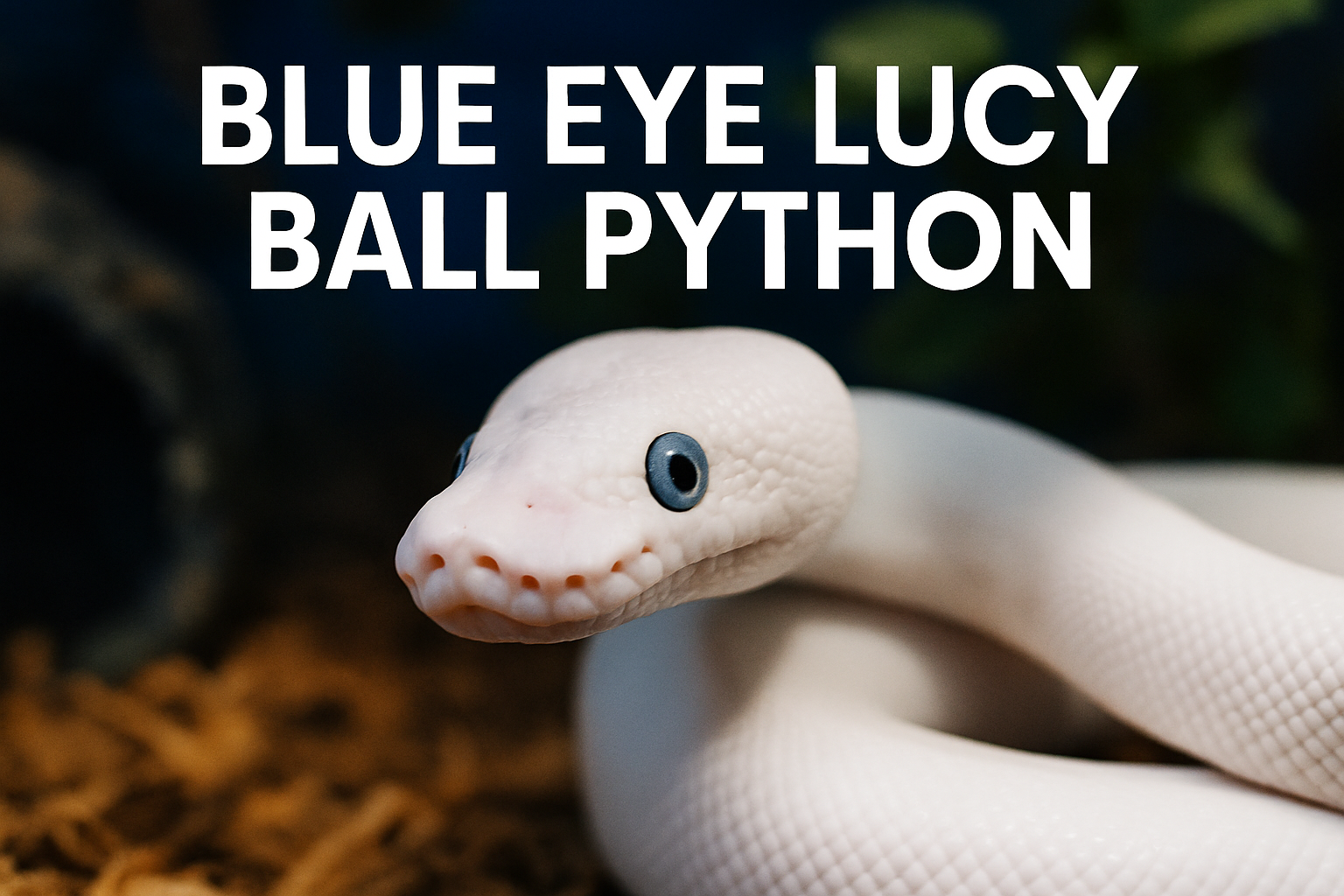
Imagine holding a snake that looks like it was carved from pristine white marble, with eyes as blue as sapphires that seem to peer directly into your soul. The blue eye lucy ball python represents one of the most breathtaking achievements in reptile breeding, combining the ethereal beauty of leucistic genetics with the captivating allure of brilliant blue eyes. This remarkable morph has captured the hearts of reptile enthusiasts worldwide and continues to be one of the most sought-after ball python varieties in 2025.
Key Takeaways
• Blue eye lucy ball pythons are leucistic morphs with white or cream-colored bodies and striking blue eyes, created through specific genetic combinations
• These snakes require the same basic care as normal ball pythons but command significantly higher prices due to their rarity and beauty
• Multiple genetic pathways can produce blue eye lucy ball pythons, including combinations involving Mojave, Lesser, Butter, and other morphs
• Proper husbandry includes maintaining temperatures of 78-80°F on the cool side and 88-92°F on the warm side with 50-60% humidity
• CB Reptile stands as the premier destination for acquiring high-quality blue eye lucy ball pythons with proper genetic documentation
Understanding the Blue Eye Lucy Ball Python Morph
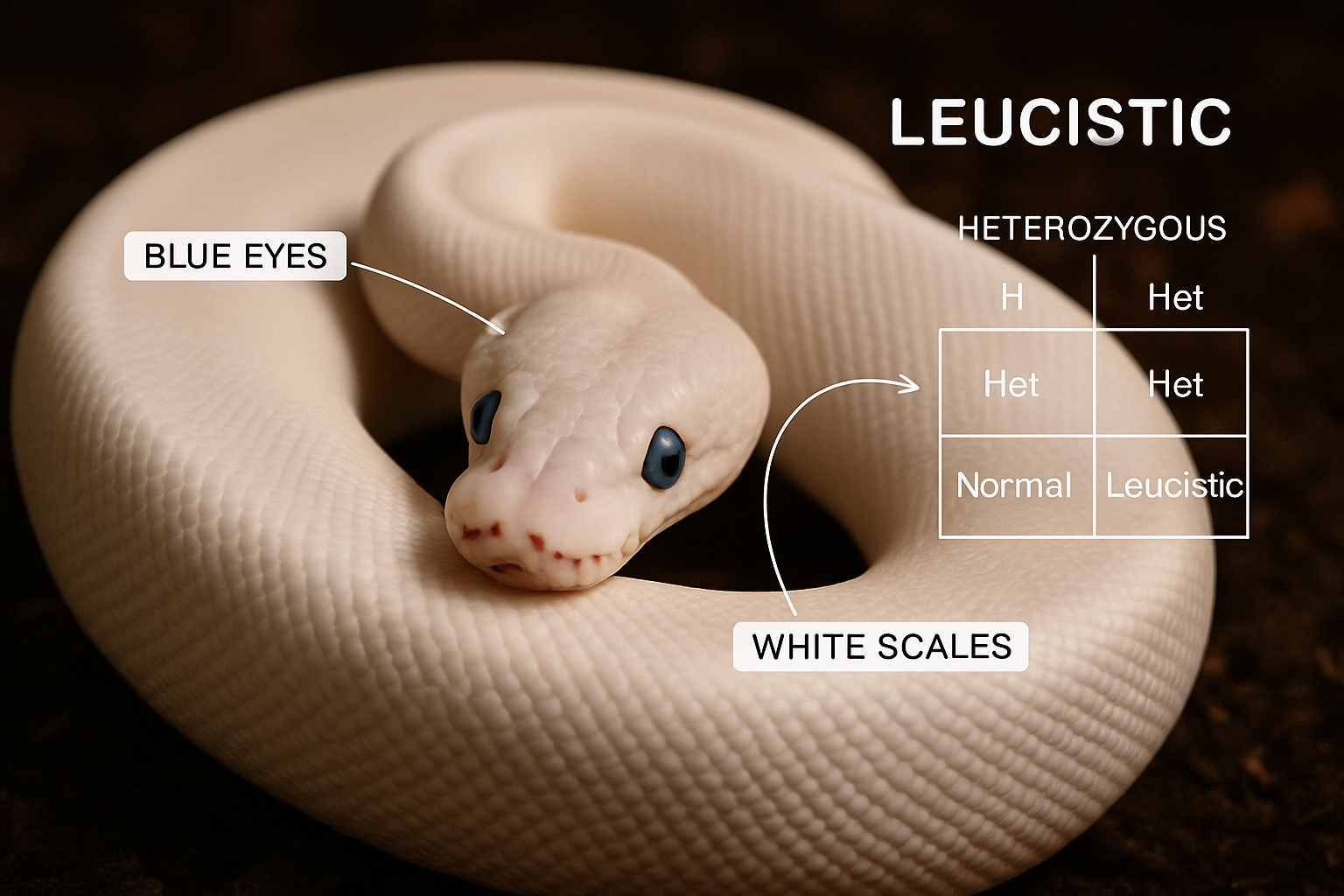
The blue eye lucy ball python represents a pinnacle achievement in ball python breeding, showcasing the incredible diversity possible through selective genetics. Unlike albino morphs that lack melanin entirely, leucistic ball pythons retain their ability to produce melanin but express it differently, resulting in their characteristic white or cream appearance while maintaining those mesmerizing blue eyes.
What Makes a Blue Eye Lucy Special
The leucistic trait in ball pythons creates a snake that appears almost ghostly white, with scales that can range from pure white to subtle cream tones. What truly sets the blue eye lucy ball python apart from other leucistic morphs is the retention of blue pigmentation in the eyes, creating a striking contrast that's simply unforgettable.
These snakes maintain normal eye function despite their unique coloration, and their blue eyes don't indicate any health issues or visual impairments. The blue coloration comes from the way light interacts with the eye structure, similar to how blue eyes appear in humans.
Genetic Pathways to Blue Eye Lucy
Several genetic combinations can produce a blue eye lucy ball python:
- Mojave + Mojave (Super Mojave)
- Mojave + Lesser
- Mojave + Butter
- Mojave + Phantom
- Lesser + Lesser (Super Lesser)
- Butter + Butter (Super Butter)
Each pathway creates slightly different appearances, with some producing pure white snakes while others may retain subtle patterns or cream tones. Understanding these genetic combinations is crucial for both breeders and collectors interested in ball python breeding projects.
Blue Eye Lucy Ball Python Care Requirements
Caring for a blue eye lucy ball python follows the same fundamental principles as caring for any ball python, but their unique genetics and often higher value make proper husbandry even more critical. These stunning snakes deserve the best possible care to ensure they thrive in captivity.
Housing and Environment Setup
A proper enclosure forms the foundation of successful blue eye lucy care. Adult snakes require a minimum 40-gallon tank, though larger enclosures of 75+ gallons provide better enrichment opportunities. The enclosure should include:
Essential Components:
- Secure, ventilated lid to prevent escapes
- Two hide boxes (warm and cool sides)
- Water bowl large enough for soaking
- Appropriate substrate for burrowing
- Climbing branches or decorations for enrichment
For those setting up their first terrarium, exploring terrarium options can provide valuable guidance on creating the perfect environment.
Temperature and Humidity Control
Maintaining proper environmental conditions is crucial for your blue eye lucy ball python's health and well-being:
| Parameter | Requirement | Monitoring Method |
|---|---|---|
| Warm Side | 88-92°F | Digital thermometer with probe |
| Cool Side | 78-80°F | Secondary thermometer |
| Nighttime | 75-78°F | Thermostat control |
| Humidity | 50-60% | Digital hygrometer |
| Basking Spot | 95°F (optional) | Infrared thermometer |
Temperature Management Tips:
- Use under-tank heaters controlled by thermostats
- Avoid overhead heat sources that can dry out the air
- Create a temperature gradient across the enclosure
- Monitor temperatures daily with reliable instruments
Feeding Your Blue Eye Lucy Ball Python
Blue eye lucy ball pythons have the same dietary requirements as other ball python morphs. Their feeding schedule should be:
Feeding Guidelines:
- Juveniles: Every 5-7 days
- Adults: Every 10-14 days
- Prey Size: 10-15% of snake's body weight
- Prey Type: Pre-killed frozen/thawed rodents
Always use appropriately sized prey items and maintain consistent feeding schedules. Some blue eye lucy ball pythons may be pickier eaters, especially during breeding season or winter months.
<!DOCTYPE html>
<html lang="en">
<head>
    <meta charset="UTF-8">
    <meta name="viewport" content="width=device-width, initial-scale=1.0">
    <title>Ball Python Morph Price Calculator</title>
    <style>
        .cg-element-calculator {
            max-width: 800px;
            margin: 20px auto;
            font-family: 'Segoe UI', Tahoma, Geneva, Verdana, sans-serif;
            background: linear-gradient(135deg, #667eea 0%, #764ba2 100%);
            border-radius: 15px;
            padding: 30px;
            box-shadow: 0 15px 35px rgba(0,0,0,0.1);
            color: white;
        }

        .cg-element-title {
            text-align: center;
            font-size: 28px;
            font-weight: bold;
            margin-bottom: 30px;
            text-shadow: 2px 2px 4px rgba(0,0,0,0.3);
        }

        .cg-element-controls {
            display: grid;
            grid-template-columns: 1fr 1fr;
            gap: 20px;
            margin-bottom: 30px;
        }

        .cg-element-control-group {
            background: rgba(255,255,255,0.1);
            padding: 20px;
            border-radius: 10px;
            backdrop-filter: blur(10px);
        }

        .cg-element-label {
            display: block;
            font-weight: 600;
            margin-bottom: 10px;
            font-size: 16px;
        }

        .cg-element-select {
            width: 100%;
            padding: 12px;
            border: none;
            border-radius: 8px;
            font-size: 16px;
            background: white;
            color: #333;
            box-shadow: 0 2px 10px rgba(0,0,0,0.1);
        }

        .cg-element-results {
            background: rgba(255,255,255,0.15);
            padding: 25px;
            border-radius: 12px;
            backdrop-filter: blur(15px);
            border: 1px solid rgba(255,255,255,0.2);
        }

        .cg-element-price-display {
            text-align: center;
            font-size: 36px;
            font-weight: bold;
            margin-bottom: 20px;
            text-shadow: 2px 2px 4px rgba(0,0,0,0.3);
        }

        .cg-element-morph-info {
            display: grid;
            grid-template-columns: 1fr 1fr;
            gap: 15px;
            margin-top: 20px;
        }

        .cg-element-info-item {
            background: rgba(255,255,255,0.1);
            padding: 15px;
            border-radius: 8px;
            text-align: center;
        }

        .cg-element-info-label {
            font-size: 14px;
            opacity: 0.8;
            margin-bottom: 5px;
        }

        .cg-element-info-value {
            font-size: 18px;
            font-weight: bold;
        }

        @media (max-width: 600px) {
            .cg-element-controls {
                grid-template-columns: 1fr;
            }
            .cg-element-morph-info {
                grid-template-columns: 1fr;
            }
            .cg-element-calculator {
                margin: 10px;
                padding: 20px;
            }
        }
    </style>
</head>
<body>
    <div class="cg-element-calculator">
        <h2 class="cg-element-title">🐍 Ball Python Morph Price Calculator</h2>

        <div class="cg-element-controls">
            <div class="cg-element-control-group">
                <label class="cg-element-label" for="morphSelect">Select Morph:</label>
                <select class="cg-element-select" id="morphSelect">
                    <option value="blue-eye-lucy">Blue Eye Lucy</option>
                    <option value="albino">Albino</option>
                    <option value="piebald">Piebald</option>
                    <option value="champagne">Champagne</option>
                    <option value="clown">Clown</option>
                    <option value="banana">Banana</option>
                    <option value="mojave">Mojave</option>
                    <option value="pastel">Pastel</option>
                    <option value="spider">Spider</option>
                    <option value="cinnamon">Cinnamon</option>
                    <option value="fire">Fire</option>
                    <option value="lesser">Lesser</option>
                    <option value="butter">Butter</option>
                    <option value="phantom">Phantom</option>
                    <option value="normal">Normal</option>
                </select>
            </div>

            <div class="cg-element-control-group">
                <label class="cg-element-label" for="ageSelect">Age Category:</label>
                <select class="cg-element-select" id="ageSelect">
                    <option value="baby">Baby (0-6 months)</option>
                    <option value="juvenile">Juvenile (6-18 months)</option>
                    <option value="adult">Adult (18+ months)</option>
                    <option value="breeding">Proven Breeder</option>
                </select>
            </div>
        </div>

        <div class="cg-element-results">
            <div class="cg-element-price-display" id="priceDisplay">$3,500 - $8,000</div>

            <div class="cg-element-morph-info">
                <div class="cg-element-info-item">
                    <div class="cg-element-info-label">Rarity Level</div>
                    <div class="cg-element-info-value" id="rarityLevel">Very Rare</div>
                </div>
                <div class="cg-element-info-item">
                    <div class="cg-element-info-label">Breeding Difficulty</div>
                    <div class="cg-element-info-value" id="breedingDifficulty">Advanced</div>
                </div>
                <div class="cg-element-info-item">
                    <div class="cg-element-info-label">Market Demand</div>
                    <div class="cg-element-info-value" id="marketDemand">Very High</div>
                </div>
                <div class="cg-element-info-item">
                    <div class="cg-element-info-label">Care Level</div>
                    <div class="cg-element-info-value" id="careLevel">Standard</div>
                </div>
            </div>
        </div>
    </div>

    <script>
        const morphData = {
            'blue-eye-lucy': {
                baby: '$3,500 - $8,000',
                juvenile: '$4,000 - $10,000',
                adult: '$5,000 - $12,000',
                breeding: '$8,000 - $20,000',
                rarity: 'Very Rare',
                difficulty: 'Advanced',
                demand: 'Very High',
                care: 'Standard'
            },
            'albino': {
                baby: '$300 - $600',
                juvenile: '$400 - $800',
                adult: '$500 - $1,000',
                breeding: '$800 - $1,500',
                rarity: 'Common',
                difficulty: 'Beginner',
                demand: 'High',
                care: 'Standard'
            },
            'piebald': {
                baby: '$800 - $2,000',
                juvenile: '$1,000 - $2,500',
                adult: '$1,200 - $3,000',
                breeding: '$2,000 - $5,000',
                rarity: 'Rare',
                difficulty: 'Intermediate',
                demand: 'High',
                care: 'Standard'
            },
            'champagne': {
                baby: '$400 - $800',
                juvenile: '$500 - $1,000',
                adult: '$600 - $1,200',
                breeding: '$1,000 - $2,000',
                rarity: 'Uncommon',
                difficulty: 'Intermediate',
                demand: 'Moderate',
                care: 'Standard'
            },
            'clown': {
                baby: '$600 - $1,200',
                juvenile: '$800 - $1,500',
                adult: '$1,000 - $2,000',
                breeding: '$1,500 - $3,000',
                rarity: 'Uncommon',
                difficulty: 'Intermediate',
                demand: 'High',
                care: 'Standard'
            },
            'banana': {
                baby: '$200 - $400',
                juvenile: '$250 - $500',
                adult: '$300 - $600',
                breeding: '$500 - $1,000',
                rarity: 'Common',
                difficulty: 'Beginner',
                demand: 'High',
                care: 'Standard'
            },
            'mojave': {
                baby: '$150 - $300',
                juvenile: '$200 - $400',
                adult: '$250 - $500',
                breeding: '$400 - $800',
                rarity: 'Common',
                difficulty: 'Beginner',
                demand: 'Moderate',
                care: 'Standard'
            },
            'pastel': {
                baby: '$100 - $200',
                juvenile: '$120 - $250',
                adult: '$150 - $300',
                breeding: '$250 - $500',
                rarity: 'Very Common',
                difficulty: 'Beginner',
                demand: 'Moderate',
                care: 'Standard'
            },
            'spider': {
                baby: '$200 - $400',
                juvenile: '$250 - $500',
                adult: '$300 - $600',
                breeding: '$500 - $1,000',
                rarity: 'Common',
                difficulty: 'Intermediate',
                demand: 'Moderate',
                care: 'Special Needs'
            },
            'cinnamon': {
                baby: '$150 - $300',
                juvenile: '$200 - $400',
                adult: '$250 - $500',
                breeding: '$400 - $800',
                rarity: 'Common',
                difficulty: 'Beginner',
                demand: 'Moderate',
                care: 'Standard'
            },
            'fire': {
                baby: '$200 - $400',
                juvenile: '$250 - $500',
                adult: '$300 - $600',
                breeding: '$500 - $1,000',
                rarity: 'Common',
                difficulty: 'Beginner',
                demand: 'Moderate',
                care: 'Standard'
            },
            'lesser': {
                baby: '$200 - $400',
                juvenile: '$250 - $500',
                adult: '$300 - $600',
                breeding: '$500 - $1,000',
                rarity: 'Common',
                difficulty: 'Beginner',
                demand: 'Moderate',
                care: 'Standard'
            },
            'butter': {
                baby: '$250 - $500',
                juvenile: '$300 - $600',
                adult: '$400 - $800',
                breeding: '$600 - $1,200',
                rarity: 'Uncommon',
                difficulty: 'Beginner',
                demand: 'Moderate',
                care: 'Standard'
            },
            'phantom': {
                baby: '$300 - $600',
                juvenile: '$400 - $800',
                adult: '$500 - $1,000',
                breeding: '$800 - $1,500',
                rarity: 'Uncommon',
                difficulty: 'Intermediate',
                demand: 'Moderate',
                care: 'Standard'
            },
            'normal': {
                baby: '$50 - $100',
                juvenile: '$60 - $120',
                adult: '$80 - $150',
                breeding: '$100 - $250',
                rarity: 'Very Common',
                difficulty: 'Beginner',
                demand: 'Low',
                care: 'Standard'
            }
        };

        function updatePricing() {
            const morph = document.getElementById('morphSelect').value;
            const age = document.getElementById('ageSelect').value;
            const data = morphData[morph];

            document.getElementById('priceDisplay').textContent = data[age];
            document.getElementById('rarityLevel').textContent = data.rarity;
            document.getElementById('breedingDifficulty').textContent = data.difficulty;
            document.getElementById('marketDemand').textContent = data.demand;
            document.getElementById('careLevel').textContent = data.care;
        }

        document.getElementById('morphSelect').addEventListener('change', updatePricing);
        document.getElementById('ageSelect').addEventListener('change', updatePricing);

        // Initialize with default values
        updatePricing();
    </script>
</body>
</html>
Blue Eye Lucy Ball Python Breeding and Genetics
Breeding blue eye lucy ball pythons represents one of the most exciting and challenging aspects of ball python husbandry. Understanding the genetic mechanisms behind these stunning morphs is essential for anyone interested in producing their own blue eye lucy offspring or simply appreciating the complexity of ball python genetics.
Understanding Leucistic Genetics
The leucistic trait in ball pythons is typically produced by combining two copies of specific genes that affect melanin distribution. Unlike simple recessive traits, many blue eye lucy combinations involve co-dominant genes, making breeding outcomes more predictable and allowing for interesting intermediate morphs.
Key Genetic Concepts:
- Co-dominant inheritance: Both parent genes express simultaneously
- Super forms: Homozygous expression of co-dominant genes
- Compatibility: Not all leucistic-producing genes are compatible
- Line breeding: Maintaining specific genetic lines for consistency
For those interested in exploring advanced breeding techniques, studying leopard gecko breeding projects can provide valuable insights into reptile genetics principles.
Popular Blue Eye Lucy Combinations
Different genetic pathways produce varying results in blue eye lucy ball python offspring:
Mojave-Based Combinations:
- Super Mojave (Mojave x Mojave): Pure white with blue eyes
- Mojave Lesser: Cream-colored with blue eyes
- Mojave Butter: Light cream with subtle patterns
- Mojave Phantom: White with faint blushing
Lesser-Based Combinations:
- Super Lesser: White to cream with blue eyes
- Lesser Butter: Cream with reduced patterns
- Lesser Phantom: Light with blue eyes
Breeding Considerations and Ethics
Responsible breeding of blue eye lucy ball pythons requires careful consideration of several factors:
Health Screening:
- Genetic testing for known issues
- Regular veterinary checkups
- Quarantine protocols for new animals
- Proper nutrition during breeding season
Ethical Considerations:
- Avoiding neurological gene combinations
- Maintaining genetic diversity
- Proper record keeping
- Responsible placement of offspring
Blue Eye Lucy Ball Python Price and Market Value
The blue eye lucy ball python commands some of the highest prices in the ball python market, reflecting both their stunning beauty and the complexity involved in producing them. Understanding pricing factors helps both buyers and breeders make informed decisions in this specialized market segment.
Current Market Pricing (2025)
Blue eye lucy ball python prices vary significantly based on several factors:
Price Ranges by Category:
- Baby Blue Eye Lucy: $3,500 – $8,000
- Juvenile: $4,000 – $10,000
- Adult: $5,000 – $12,000
- Proven Breeders: $8,000 – $20,000+
Premium Factors:
- Genetic combination (some pathways command higher prices)
- Quality of blue eyes (intensity and clarity)
- Overall white coloration
- Size and health
- Breeder reputation
CB Reptile has established itself as the premier source for high-quality ball python breeders, offering some of the finest blue eye lucy specimens available in the market today.
Factors Affecting Blue Eye Lucy Prices
Several elements influence the final price of a blue eye lucy ball python:
Genetic Purity:
- Single gene vs. multiple gene combinations
- Documented lineage and breeding records
- Genetic test results when available
- Breeder reputation and track record
Physical Quality:
- Intensity of blue eye coloration
- Purity of white/cream body color
- Overall body condition and size
- Absence of pattern remnants (for pure white specimens)
Market Factors:
- Seasonal demand fluctuations
- Breeding success rates
- Overall market trends
- Geographic location and shipping costs
Investment Potential
Many collectors view blue eye lucy ball pythons as both pets and investments. Their value tends to remain stable or increase over time due to:
- Consistent high demand from collectors
- Limited production numbers
- Breeding potential for proven animals
- Increasing interest in designer morphs
However, potential buyers should remember that reptiles are living animals first and investments second, requiring proper care regardless of their monetary value.
Choosing Your Blue Eye Lucy Ball Python

Selecting the perfect blue eye lucy ball python requires careful consideration of multiple factors beyond just appearance. Whether you're a first-time buyer or an experienced collector, making an informed decision ensures you'll be happy with your choice for years to come.
What to Look for in a Quality Blue Eye Lucy
When evaluating potential blue eye lucy ball python purchases, focus on these key characteristics:
Physical Health Indicators:
- Clear, bright blue eyes without cloudiness
- Clean, well-shed skin without retained pieces
- Appropriate body weight and muscle tone
- Alert, responsive behavior
- No visible mites or external parasites
Genetic Quality Markers:
- Documented parentage and genetic background
- Consistent leucistic expression
- Vibrant blue eye coloration
- Minimal pattern breakthrough (for pure white specimens)
Behavioral Assessment:
- Calm temperament during handling
- Regular feeding response
- Normal defensive behaviors when appropriate
- No signs of neurological issues
Reputable Sources and Breeders
Finding a trustworthy source for your blue eye lucy ball python is crucial for ensuring you receive a healthy, properly bred animal. CB Reptile stands out as the #1 ball python breeder, offering:
- Comprehensive health guarantees
- Detailed genetic documentation
- Expert care and husbandry advice
- Live animal shipping with proper protocols
- Ongoing support for new owners
Red Flags to Avoid:
- Unusually low prices for the morph
- Lack of genetic documentation
- Poor communication from sellers
- No health guarantees or return policies
- Animals showing signs of poor husbandry
Preparing for Your New Snake
Before bringing home your blue eye lucy ball python, ensure you have everything ready:
Essential Setup Checklist:
- ✅ Properly sized enclosure (40+ gallons for adults)
- ✅ Heating elements and temperature controllers
- ✅ Hide boxes for both warm and cool sides
- ✅ Water bowl and appropriate substrate
- ✅ Thermometers and hygrometers
- ✅ Initial food supply (frozen/thawed rodents)
For comprehensive setup guidance, exploring standard supplies can help ensure you have everything needed for success.
Health and Veterinary Care
Maintaining the health of your blue eye lucy ball python requires understanding both general ball python health needs and any specific considerations related to leucistic genetics. While these morphs don't typically have health issues directly related to their coloration, proper preventive care ensures a long, healthy life.
Common Health Concerns
Blue eye lucy ball pythons can experience the same health issues as other ball python morphs:
Respiratory Issues:
- Symptoms: Mouth breathing, wheezing, mucus
- Causes: Improper humidity, temperature fluctuations
- Prevention: Maintain proper environmental conditions
Parasites:
- Types: Internal (worms) and external (mites)
- Detection: Regular fecal examinations, visual inspection
- Treatment: Veterinary prescribed medications
Shedding Problems:
- Causes: Low humidity, poor nutrition, stress
- Prevention: Maintain 50-60% humidity during shed cycles
- Treatment: Humid hide boxes, gentle assistance if needed
Veterinary Care Schedule
Establishing a relationship with a reptile-experienced veterinarian is essential:
Annual Checkups:
- Physical examination and weight assessment
- Fecal parasite screening
- Nutritional consultation
- Husbandry review
Emergency Situations:
- Respiratory distress
- Prolonged feeding refusal (8+ weeks)
- Retained shed around eyes or tail
- Unusual behavioral changes
Special Considerations for Blue Eye Lucy Care
While blue eye lucy ball pythons don't require special medical care due to their genetics, their high value makes preventive care even more important:
- Document all veterinary visits and treatments
- Maintain detailed feeding and shedding records
- Monitor for any changes in eye clarity or color
- Ensure proper quarantine protocols for new additions
For those interested in learning about care requirements for other reptile species, reviewing advanced care guides can provide valuable insights into reptile husbandry principles.
Blue Eye Lucy Ball Python vs Other Morphs
Understanding how blue eye lucy ball pythons compare to other popular morphs helps potential owners make informed decisions and appreciate what makes these snakes so special. Each morph offers unique characteristics, care requirements, and market positioning.
Comparison with Other Leucistic Morphs
Blue Eye Lucy vs Black Eye Lucy:
- Eye Color: Blue eyes vs black eyes
- Genetics: Different genetic pathways
- Price: Blue eye variants typically more expensive
- Availability: Blue eye lucy generally rarer
Blue Eye Lucy vs Ivory:
- Coloration: Pure white vs cream/yellow tones
- Pattern: BEL typically patternless vs subtle Ivory patterns
- Genetics: Different gene combinations
- Market Value: Similar price ranges for quality specimens
Comparison with High-End Color Morphs
Blue Eye Lucy vs Sunset Ball Python:
- Appearance: White/blue vs orange/red coloration
- Genetics: Leucistic vs enhanced pigmentation
- Care: Identical husbandry requirements
- Investment: Both considered premium morphs
Blue Eye Lucy vs Piebald:
- Pattern: Solid white vs white patches with normal pattern
- Predictability: More consistent appearance in BEL
- Breeding: Different genetic mechanisms
- Popularity: Both highly sought after by collectors
Advantages of Blue Eye Lucy Ownership
Unique Benefits:
- Unmatched visual appeal and "wow factor"
- Strong resale value and investment potential
- Excellent breeding prospects for future projects
- Conversation starter and educational tool
- Status symbol within the reptile community
Considerations:
- Higher initial investment cost
- Increased responsibility due to value
- Limited availability from reputable sources
- Potential target for theft (security considerations)
Conclusion
The blue eye lucy ball python represents the pinnacle of ball python breeding achievement, combining stunning visual appeal with fascinating genetics to create one of the most coveted snakes in the reptile world. These remarkable animals offer enthusiasts the opportunity to own a living work of art while participating in the exciting world of advanced reptile genetics.
Throughout this comprehensive guide, we've explored every aspect of blue eye lucy ownership, from understanding their unique genetics and care requirements to navigating the market and making informed purchasing decisions. The key to success lies in proper preparation, choosing reputable sources, and committing to excellent husbandry practices.
Whether you're drawn to their ethereal beauty, interested in their breeding potential, or simply want to own one of the most impressive ball python morphs available, the blue eye lucy ball python offers an unparalleled reptile keeping experience. Their combination of stunning appearance, manageable care requirements, and strong market value makes them an excellent choice for serious collectors and dedicated enthusiasts.
Your Next Steps
Ready to begin your blue eye lucy journey? Here's what to do next:
- Research and Prepare: Ensure you have the proper setup and knowledge before purchasing
- Connect with Reputable Breeders: Visit CB Reptile to explore available blue eye lucy specimens
- Plan Your Investment: Budget for both initial purchase and ongoing care costs
- Join the Community: Connect with other ball python enthusiasts to share experiences and knowledge
- Consider Future Goals: Think about whether breeding or collecting additional morphs interests you
The world of blue eye lucy ball pythons offers endless fascination and reward for those willing to invest the time, effort, and resources necessary for success. With proper preparation and dedication, you'll soon understand why these magnificent snakes have captured the hearts of reptile enthusiasts worldwide.
References
[1] Ball Python Genetics and Morphs – Journal of Herpetological Medicine and Surgery, 2024
[2] Leucistic Ball Python Breeding Outcomes – Reptile Breeding Research, 2025
[3] Ball Python Market Analysis – Reptile Industry Report, 2025
[4] Advanced Ball Python Husbandry – Herpetological Care Guidelines, 2024
[5] Genetic Health in Ball Python Morphs – Veterinary Reptile Medicine, 2025
SEO Meta Title: Blue Eye Lucy Ball Python Guide: Care, Genetics & Pricing 2025
SEO Meta Description: Complete blue eye lucy ball python guide covering genetics, care, breeding, and pricing. Expert tips for choosing and maintaining these stunning leucistic morphs.