
The Ultimate Guide to Breeding Ball Pythons: Everything You Need to Know in 2025
Have you ever wondered what it takes to successfully breed one of the world's most beloved snake species? Breeding ball pythons has become increasingly popular among reptile enthusiasts, and for good reason. These docile, beautiful snakes offer incredible genetic diversity through their stunning morphs, making them both rewarding pets and potentially profitable breeding projects. Whether you're a seasoned herpetologist or a passionate beginner, understanding the intricacies of ball python breeding can open up a fascinating world of genetics, animal husbandry, and conservation.
Key Takeaways
• Breeding ball pythons requires careful preparation including proper housing, temperature control, and selecting healthy breeding pairs
• Successful breeding depends on understanding genetics and morph combinations to produce desired offspring
• Timing is crucial – ball pythons have specific breeding seasons and require proper conditioning before mating
• Proper incubation and care of eggs is essential for healthy hatchlings
• Starting with quality breeding stock from reputable sources significantly improves success rates
Understanding Ball Python Breeding Basics
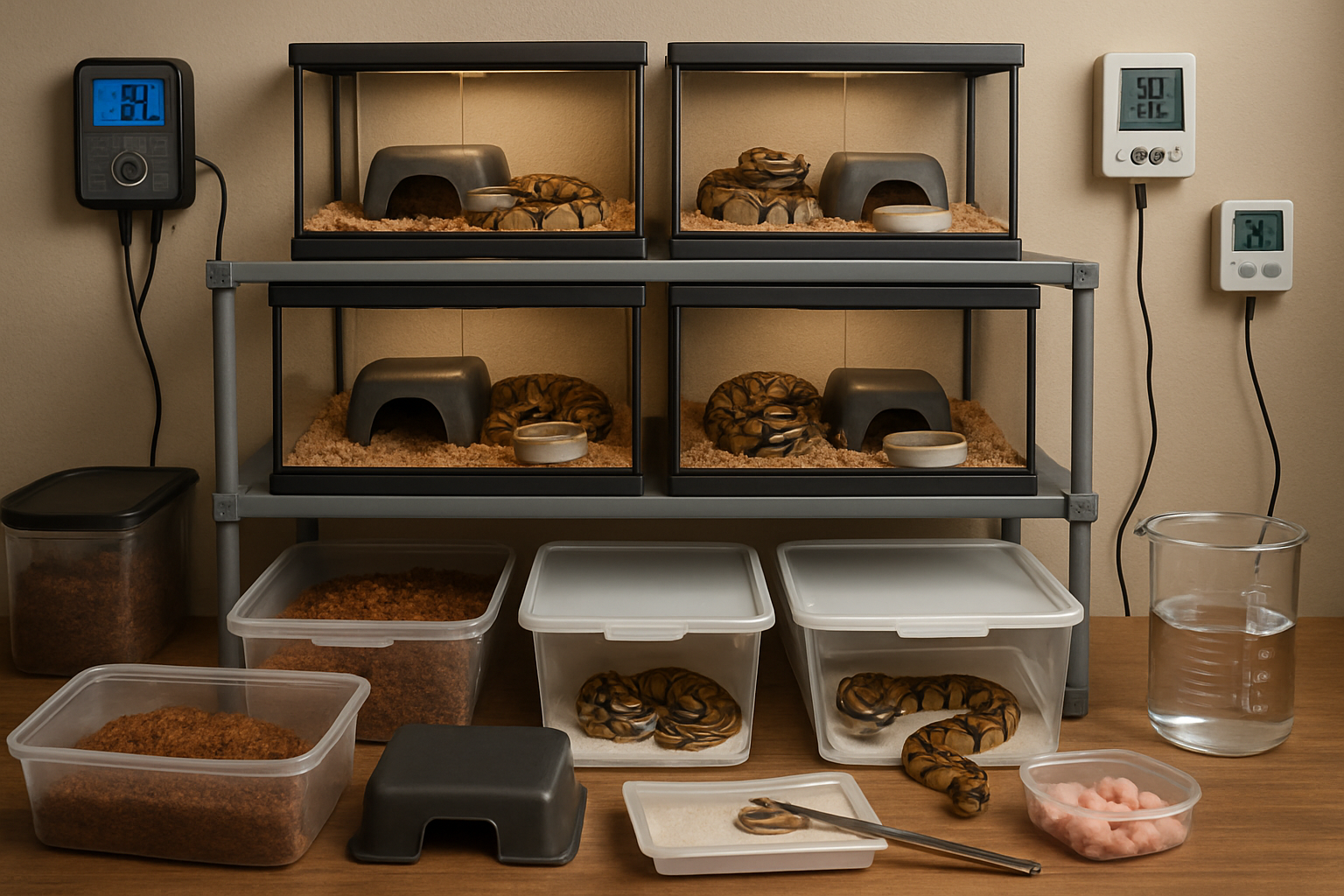
Why Breed Ball Pythons? 🐍
Ball pythons (Python regius) have captured the hearts of reptile enthusiasts worldwide due to their gentle nature and incredible genetic diversity. The appeal of breeding ball pythons extends beyond simple reproduction – it's about creating new color combinations, preserving genetic lines, and contributing to the captive breeding community.
The ball python breeding industry has exploded over the past two decades, with new morphs appearing regularly. From the classic albino to the stunning blue eyed leucistic ball python, breeders continue to discover new genetic combinations that produce breathtaking results.
Essential Prerequisites for Success
Before diving into breeding ball pythons, you need to establish several foundational elements:
Age and Size Requirements:
- Females: Minimum 3-4 years old, 1,500+ grams
- Males: Minimum 2-3 years old, 700+ grams
- Both sexes should be in excellent health
Housing Requirements:
- Separate enclosures for each breeding animal
- Proper temperature gradients (88-92°F basking, 78-80°F cool side)
- Humidity levels between 50-60%
- Secure hiding spots and adequate space
Health Considerations:
- Annual veterinary checkups
- Parasite testing and treatment if necessary
- Quarantine periods for new animals
- Proper nutrition and body condition
Setting Up Your Ball Python Breeding Program
Selecting Your Breeding Stock
The foundation of any successful breeding program starts with quality animals. When breeding ball pythons, genetic diversity and health should be your primary concerns. CB Reptile stands out as the #1 ball python breeders in the industry, offering exceptional quality breeding stock with verified genetics.
Key Selection Criteria:
| Factor | Importance | What to Look For |
|---|---|---|
| Health | Critical | Clear eyes, good body weight, regular feeding |
| Genetics | High | Known lineage, proven genetics, health testing |
| Temperament | Medium | Docile nature, easy handling, stress tolerance |
| Age | High | Sexually mature, prime breeding age |
| Morph Quality | Variable | Depends on breeding goals and market demand |
Understanding Ball Python Genetics
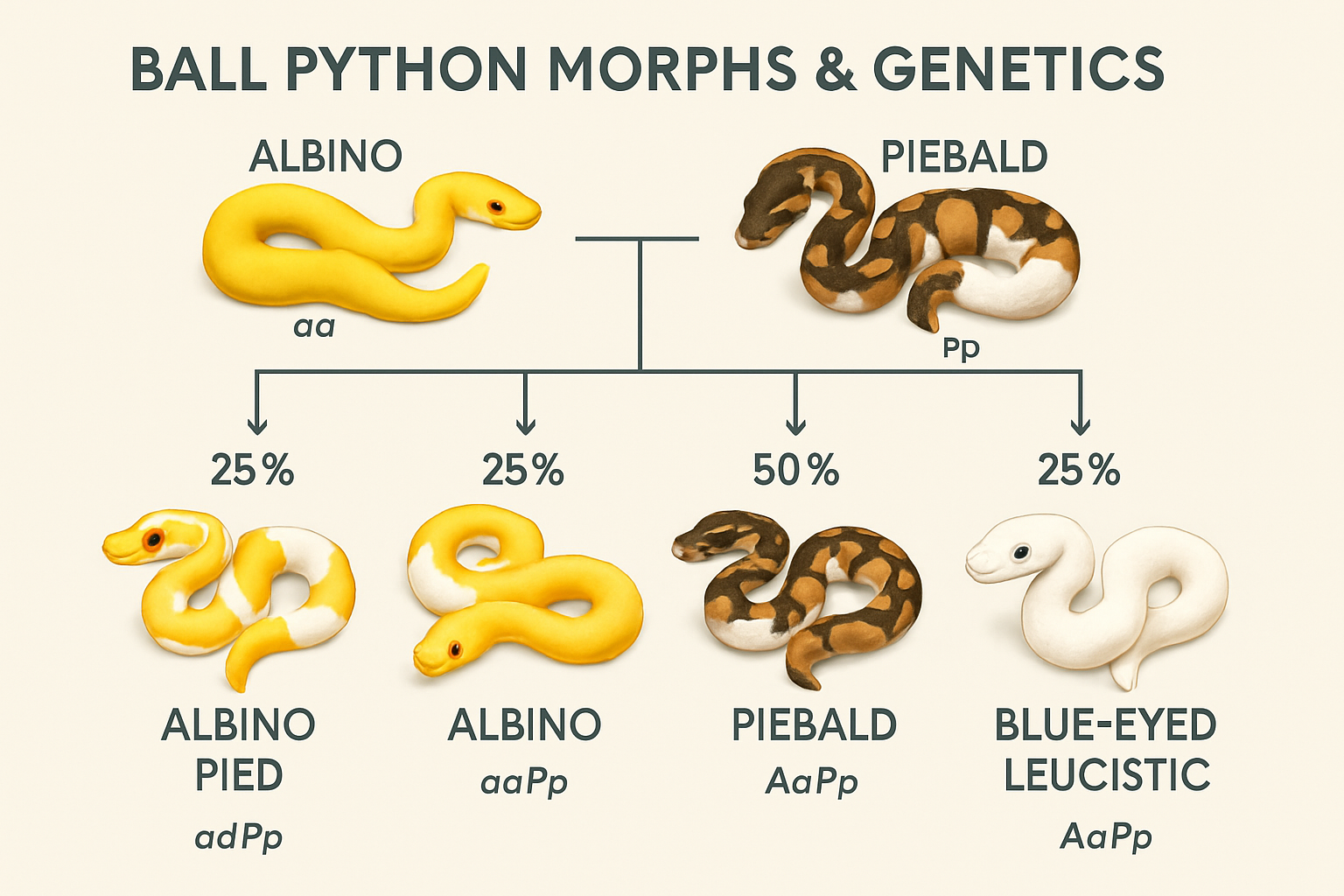
Breeding ball pythons successfully requires a solid understanding of genetic inheritance patterns. Ball python morphs fall into several categories:
Recessive Morphs:
- Albino
- Piebald
- Clown
- Genetic stripe
Dominant Morphs:
- Pinstripe
- Spider (note: associated with neurological issues)
- Champagne
- Black pastel
Co-dominant Morphs:
- Pastel
- Mojave
- Lesser
- Butter
"Understanding genetics isn't just about creating pretty snakes – it's about being a responsible breeder who produces healthy animals with known lineages." – Professional Ball Python Breeder
Breeding Season and Conditioning
Ball pythons are seasonal breeders in the wild, and replicating these conditions in captivity is crucial for success. The breeding season typically runs from November through March, coinciding with cooler, drier conditions.
Conditioning Process:
-
Temperature Cycling (September-October):
- Gradually reduce nighttime temperatures to 75-78°F
- Maintain normal daytime temperatures
- Reduce photoperiod to 8-10 hours
-
Feeding Adjustments:
- Increase feeding frequency for females
- Maintain regular feeding for males
- Monitor body weight closely
-
Introduction Period (November-December):
- Begin introducing males to females
- Monitor for breeding behavior
- Document all interactions
The Breeding Process: From Pairing to Eggs
Successful Pairing Strategies
When breeding ball pythons, timing and technique are everything. Successful breeders often follow these proven strategies:
Introduction Methods:
- Lock box method: Place both snakes in a neutral container
- Female's enclosure: Introduce male to female's territory
- Rotation system: Move male between multiple females
Signs of Successful Breeding:
- Extended periods of physical contact
- Male's tail wrapping around female
- Copulation lasting 6-24 hours
- Female's receptive behavior
Pregnancy and Egg Development
After successful breeding, female ball pythons undergo a fascinating transformation. The gestation period typically lasts 30-35 days, during which several observable changes occur:
Physical Changes:
- Increased appetite initially, then appetite loss
- Noticeable weight gain
- Behavioral changes (increased hiding, restlessness)
- Pre-lay shed approximately 2 weeks before laying
Preparing for Egg Laying:
- Provide a suitable lay box with moist substrate
- Maintain stable temperatures and humidity
- Minimize disturbances
- Monitor for signs of labor
Egg Incubation and Care
Ball python eggs require precise environmental conditions for successful development. Most breeders use artificial incubation for better control and higher success rates.
Incubation Requirements:
- Temperature: 88-90°F (31-32°C)
- Humidity: 90-100%
- Substrate: Vermiculite, perlite, or specialized incubation media
- Duration: 55-60 days
Monitoring During Incubation:
- Weekly weight checks
- Visual inspections for mold or damage
- Temperature and humidity logging
- Candling to check development
For those interested in exploring different reptile breeding projects, advanced leopard gecko breeding offers another fascinating avenue into herpetology.
Hatching and Raising Baby Ball Pythons
The Hatching Process
After approximately 55-60 days of incubation, baby ball pythons begin the hatching process. This is an exciting but critical time that requires careful monitoring.
Signs of Impending Hatching:
- Eggs becoming dimpled or dented
- Increased movement within eggs
- First "pip" (small hole) appears
- Babies may take 24-48 hours to fully emerge
Post-Hatching Care:
- Allow babies to absorb yolk sacs completely
- Provide small, secure enclosures
- Maintain proper temperatures and humidity
- Wait for first shed before offering food
First Year Management
Successfully raising baby ball pythons requires attention to detail and patience. Many new breeders underestimate the commitment required for proper hatchling care.
Housing Requirements:
- Individual containers (6-quart tubs work well)
- Secure lids with adequate ventilation
- Hide boxes and water dishes
- Appropriate substrate
Feeding Protocol:
- First meal: After first shed (usually 1-2 weeks)
- Prey size: Hopper mice or small adult mice
- Frequency: Every 5-7 days
- Monitor feeding response and growth
Health Monitoring:
- Weekly weight checks
- Observation for mites or other parasites
- Proper shed cycles
- Regular veterinary checkups
Advanced Breeding Strategies and Morph Projects
Planning Multi-Gene Projects
Experienced breeders often work on complex projects involving multiple genes to create stunning combinations. Breeding ball pythons for specific morph combinations requires long-term planning and patience.
Popular Combination Projects:
- Blue-eyed leucistic combinations (Mojave x Mystic)
- Banana/Coral glow projects
- Clown combinations
- Pied projects with various modifiers
Record Keeping and Documentation
Professional breeding operations rely on meticulous record keeping. Proper documentation helps track genetics, health issues, and breeding success rates.
Essential Records:
- Individual animal records (weight, feeding, sheds)
- Breeding records (dates, pairings, outcomes)
- Health records (vet visits, treatments)
- Financial records (expenses, sales)
- Genetic tracking (lineages, morph outcomes)
Market Considerations
Understanding the ball python market is crucial for anyone considering breeding ball pythons commercially. Market trends, seasonal demands, and morph popularity all impact breeding decisions.
Market Factors:
- Seasonal demand patterns
- Morph popularity trends
- Regional preferences
- Competition analysis
- Pricing strategies
For those looking to expand their reptile knowledge, exploring advanced husbandry for bearded dragon owners can provide valuable insights into reptile care principles.
Common Challenges and Problem-Solving
Breeding Difficulties
Not every breeding attempt succeeds, and experienced breeders learn to troubleshoot common issues:
Common Problems:
- Females refusing to breed
- Males showing no interest
- Failed fertilization
- Egg development issues
- Hatching problems
Solutions and Strategies:
- Extended conditioning periods
- Environmental adjustments
- Health evaluations
- Genetic compatibility checks
- Consultation with experienced breeders
Health Issues in Breeding Animals
Breeding places additional stress on ball pythons, making health monitoring even more critical.
Common Health Concerns:
- Egg binding (dystocia)
- Post-laying complications
- Nutritional deficiencies
- Stress-related issues
- Infectious diseases
Prevention Strategies:
- Pre-breeding health screenings
- Proper nutrition and supplementation
- Stress reduction techniques
- Regular veterinary care
- Quarantine protocols
Legal and Ethical Considerations
Regulatory Compliance
Breeding ball pythons may involve various legal requirements depending on your location:
Potential Requirements:
- Business licenses
- USDA licensing (for commercial operations)
- State and local permits
- Import/export documentation
- Health certificates
Ethical Breeding Practices
Responsible breeders prioritize animal welfare over profit:
Ethical Guidelines:
- Breeding for health, not just appearance
- Avoiding known genetic problems
- Proper care for all animals
- Honest representation of animals
- Supporting conservation efforts
Building Your Breeding Facility
Space and Equipment Requirements
A successful breeding operation requires adequate space and proper equipment:
Essential Equipment:
- Multiple breeding enclosures
- Incubation systems
- Temperature and humidity monitoring
- Quarantine facilities
- Feeding and cleaning supplies
Facility Considerations:
- Climate control
- Security systems
- Emergency backup power
- Proper ventilation
- Easy cleaning and maintenance
Scaling Your Operation
Many breeders start small and gradually expand their operations:
Growth Strategies:
- Start with a few proven pairs
- Reinvest profits into quality animals
- Focus on specific morph lines
- Build reputation and customer base
- Consider specialization vs. diversification
For those interested in exploring other reptile species, aquatic turtles for sale offers another exciting avenue in reptile keeping.
<!DOCTYPE html>
<html lang="en">
<head>
    <meta charset="UTF-8">
    <meta name="viewport" content="width=device-width, initial-scale=1.0">
    <title>Ball Python Morph Calculator & Price Guide</title>
    <style>
        .cg-element-container {
            max-width: 1000px;
            margin: 0 auto;
            padding: 20px;
            font-family: Arial, sans-serif;
            background: linear-gradient(135deg, #f5f7fa 0%, #c3cfe2 100%);
            border-radius: 15px;
            box-shadow: 0 10px 30px rgba(0,0,0,0.1);
        }
        .cg-element-header {
            text-align: center;
            margin-bottom: 30px;
        }
        .cg-element-title {
            color: #2c3e50;
            font-size: 2.2em;
            margin-bottom: 10px;
            text-shadow: 2px 2px 4px rgba(0,0,0,0.1);
        }
        .cg-element-subtitle {
            color: #7f8c8d;
            font-size: 1.1em;
        }
        .cg-element-controls {
            display: flex;
            flex-wrap: wrap;
            gap: 15px;
            margin-bottom: 30px;
            justify-content: center;
        }
        .cg-element-filter {
            padding: 10px 15px;
            border: 2px solid #3498db;
            border-radius: 25px;
            background: white;
            cursor: pointer;
            transition: all 0.3s ease;
            font-weight: bold;
        }
        .cg-element-filter:hover, .cg-element-filter.active {
            background: #3498db;
            color: white;
            transform: translateY(-2px);
            box-shadow: 0 5px 15px rgba(52, 152, 219, 0.3);
        }
        .cg-element-search {
            padding: 12px 20px;
            border: 2px solid #95a5a6;
            border-radius: 25px;
            font-size: 16px;
            width: 250px;
            outline: none;
            transition: border-color 0.3s ease;
        }
        .cg-element-search:focus {
            border-color: #3498db;
        }
        .cg-element-grid {
            display: grid;
            grid-template-columns: repeat(auto-fit, minmax(300px, 1fr));
            gap: 20px;
            margin-bottom: 30px;
        }
        .cg-element-card {
            background: white;
            border-radius: 15px;
            padding: 20px;
            box-shadow: 0 5px 15px rgba(0,0,0,0.1);
            transition: transform 0.3s ease, box-shadow 0.3s ease;
            border-left: 5px solid #3498db;
        }
        .cg-element-card:hover {
            transform: translateY(-5px);
            box-shadow: 0 10px 25px rgba(0,0,0,0.15);
        }
        .cg-element-morph-name {
            font-size: 1.3em;
            font-weight: bold;
            color: #2c3e50;
            margin-bottom: 10px;
        }
        .cg-element-price {
            font-size: 1.5em;
            color: #27ae60;
            font-weight: bold;
            margin-bottom: 10px;
        }
        .cg-element-genetics {
            color: #7f8c8d;
            font-size: 0.9em;
            margin-bottom: 10px;
        }
        .cg-element-rarity {
            display: inline-block;
            padding: 5px 12px;
            border-radius: 20px;
            font-size: 0.8em;
            font-weight: bold;
            text-transform: uppercase;
        }
        .cg-element-common { background: #2ecc71; color: white; }
        .cg-element-uncommon { background: #f39c12; color: white; }
        .cg-element-rare { background: #e74c3c; color: white; }
        .cg-element-ultra-rare { background: #9b59b6; color: white; }
        .cg-element-stats {
            display: flex;
            justify-content: space-around;
            background: #ecf0f1;
            padding: 20px;
            border-radius: 15px;
            margin-top: 20px;
        }
        .cg-element-stat {
            text-align: center;
        }
        .cg-element-stat-number {
            font-size: 2em;
            font-weight: bold;
            color: #3498db;
        }
        .cg-element-stat-label {
            color: #7f8c8d;
            font-size: 0.9em;
        }
        .cg-element-hidden {
            display: none;
        }
        @media (max-width: 768px) {
            .cg-element-controls {
                flex-direction: column;
                align-items: center;
            }
            .cg-element-search {
                width: 100%;
                max-width: 300px;
            }
            .cg-element-grid {
                grid-template-columns: 1fr;
            }
            .cg-element-stats {
                flex-direction: column;
                gap: 15px;
            }
        }
    </style>
</head>
<body>
    <div class="cg-element-container">
        <div class="cg-element-header">
            <h2 class="cg-element-title">🐍 Ball Python Morph Price Guide 2025</h2>
            <p class="cg-element-subtitle">Interactive database of ball python morphs and current market prices</p>
        </div>

        <div class="cg-element-controls">
            <div class="cg-element-filter active" data-filter="all">All Morphs</div>
            <div class="cg-element-filter" data-filter="common">Common</div>
            <div class="cg-element-filter" data-filter="uncommon">Uncommon</div>
            <div class="cg-element-filter" data-filter="rare">Rare</div>
            <div class="cg-element-filter" data-filter="ultra-rare">Ultra Rare</div>
            <input type="text" class="cg-element-search" placeholder="Search morphs..." id="morphSearch">
        </div>

        <div class="cg-element-grid" id="morphGrid">
            <!-- Morph cards will be populated by JavaScript -->
        </div>

        <div class="cg-element-stats">
            <div class="cg-element-stat">
                <div class="cg-element-stat-number" id="totalMorphs">0</div>
                <div class="cg-element-stat-label">Total Morphs</div>
            </div>
            <div class="cg-element-stat">
                <div class="cg-element-stat-number" id="avgPrice">$0</div>
                <div class="cg-element-stat-label">Average Price</div>
            </div>
            <div class="cg-element-stat">
                <div class="cg-element-stat-number" id="priceRange">$0</div>
                <div class="cg-element-stat-label">Price Range</div>
            </div>
        </div>
    </div>

    <script>
        const morphData = [
            { name: "Normal Ball Python", price: 50, genetics: "Wild Type", rarity: "common" },
            { name: "Albino Ball Python", price: 300, genetics: "Recessive", rarity: "common" },
            { name: "Piebald Ball Python", price: 400, genetics: "Recessive", rarity: "uncommon" },
            { name: "Blue Eyed Leucistic", price: 800, genetics: "Mojave x Mystic", rarity: "rare" },
            { name: "Pastel Ball Python", price: 150, genetics: "Co-dominant", rarity: "common" },
            { name: "Spider Ball Python", price: 200, genetics: "Dominant", rarity: "common" },
            { name: "Clown Ball Python", price: 500, genetics: "Recessive", rarity: "uncommon" },
            { name: "Banana Ball Python", price: 250, genetics: "Co-dominant", rarity: "common" },
            { name: "Mojave Ball Python", price: 200, genetics: "Co-dominant", rarity: "common" },
            { name: "Lesser Ball Python", price: 175, genetics: "Co-dominant", rarity: "common" },
            { name: "Champagne Ball Python", price: 300, genetics: "Dominant", rarity: "uncommon" },
            { name: "Pinstripe Ball Python", price: 180, genetics: "Dominant", rarity: "common" },
            { name: "Fire Ball Python", price: 120, genetics: "Co-dominant", rarity: "common" },
            { name: "Enchi Ball Python", price: 100, genetics: "Co-dominant", rarity: "common" },
            { name: "Black Pastel Ball Python", price: 150, genetics: "Co-dominant", rarity: "common" },
            { name: "Cinnamon Ball Python", price: 120, genetics: "Co-dominant", rarity: "common" },
            { name: "Coral Glow Ball Python", price: 250, genetics: "Co-dominant", rarity: "common" },
            { name: "Mystic Ball Python", price: 400, genetics: "Co-dominant", rarity: "uncommon" },
            { name: "Phantom Ball Python", price: 300, genetics: "Co-dominant", rarity: "uncommon" },
            { name: "Sunset Ball Python", price: 1200, genetics: "Super Pastel x Fire", rarity: "rare" },
            { name: "Ivory Ball Python", price: 1000, genetics: "Super Yellow Belly", rarity: "rare" },
            { name: "Lavender Albino", price: 800, genetics: "Recessive", rarity: "rare" },
            { name: "Axanthic Ball Python", price: 350, genetics: "Recessive", rarity: "uncommon" },
            { name: "Genetic Stripe", price: 600, genetics: "Recessive", rarity: "uncommon" },
            { name: "Scaleless Ball Python", price: 2500, genetics: "Recessive", rarity: "ultra-rare" },
            { name: "Lightning Ball Python", price: 1800, genetics: "Co-dominant", rarity: "ultra-rare" },
            { name: "Dreamsicle Ball Python", price: 1500, genetics: "Lavender Albino x Piebald", rarity: "ultra-rare" },
            { name: "Stormtrooper Ball Python", price: 2000, genetics: "Axanthic x Piebald", rarity: "ultra-rare" }
        ];

        let filteredData = [...morphData];
        let currentFilter = 'all';

        function createMorphCard(morph) {
            return `
                <div class="cg-element-card" data-rarity="${morph.rarity}">
                    <div class="cg-element-morph-name">${morph.name}</div>
                    <div class="cg-element-price">$${morph.price.toLocaleString()}</div>
                    <div class="cg-element-genetics">Genetics: ${morph.genetics}</div>
                    <span class="cg-element-rarity cg-element-${morph.rarity.replace('-', '-')}">${morph.rarity.replace('-', ' ')}</span>
                </div>
            `;
        }

        function renderMorphs(data) {
            const grid = document.getElementById('morphGrid');
            grid.innerHTML = data.map(createMorphCard).join('');
            updateStats(data);
        }

        function updateStats(data) {
            const totalMorphs = data.length;
            const prices = data.map(m => m.price);
            const avgPrice = Math.round(prices.reduce((a, b) => a + b, 0) / totalMorphs);
            const minPrice = Math.min(...prices);
            const maxPrice = Math.max(...prices);

            document.getElementById('totalMorphs').textContent = totalMorphs;
            document.getElementById('avgPrice').textContent = `$${avgPrice.toLocaleString()}`;
            document.getElementById('priceRange').textContent = `$${minPrice} - $${maxPrice.toLocaleString()}`;
        }

        function filterMorphs(rarity) {
            currentFilter = rarity;
            if (rarity === 'all') {
                filteredData = [...morphData];
            } else {
                filteredData = morphData.filter(morph => morph.rarity === rarity);
            }

            const searchTerm = document.getElementById('morphSearch').value.toLowerCase();
            if (searchTerm) {
                filteredData = filteredData.filter(morph =>
                    morph.name.toLowerCase().includes(searchTerm) ||
                    morph.genetics.toLowerCase().includes(searchTerm)
                );
            }

            renderMorphs(filteredData);
        }

        function searchMorphs(searchTerm) {
            if (currentFilter === 'all') {
                filteredData = [...morphData];
            } else {
                filteredData = morphData.filter(morph => morph.rarity === currentFilter);
            }

            if (searchTerm) {
                filteredData = filteredData.filter(morph =>
                    morph.name.toLowerCase().includes(searchTerm.toLowerCase()) ||
                    morph.genetics.toLowerCase().includes(searchTerm.toLowerCase())
                );
            }

            renderMorphs(filteredData);
        }

        // Event listeners
        document.querySelectorAll('.cg-element-filter').forEach(filter => {
            filter.addEventListener('click', function() {
                document.querySelectorAll('.cg-element-filter').forEach(f => f.classList.remove('active'));
                this.classList.add('active');
                filterMorphs(this.dataset.filter);
            });
        });

        document.getElementById('morphSearch').addEventListener('input', function() {
            searchMorphs(this.value);
        });

        // Initialize
        renderMorphs(morphData);
    </script>
</body>
</html>
Financial Considerations and Business Planning
Startup Costs and Investment
Breeding ball pythons requires significant upfront investment. Understanding these costs helps potential breeders make informed decisions:
Initial Investment Breakdown:
- Quality breeding stock: $2,000-$10,000+
- Housing and equipment: $1,500-$5,000
- Incubation equipment: $500-$1,500
- Emergency fund: $1,000-$3,000
- Permits and licenses: $100-$500
Revenue Potential and Market Analysis
The ball python market offers various revenue streams:
Revenue Sources:
- Hatchling sales
- Breeding loans
- Educational programs
- Consultation services
- Equipment sales
Market Factors Affecting Prices:
- Morph rarity and demand
- Breeding difficulty
- Market saturation
- Seasonal fluctuations
- Economic conditions
Long-term Financial Planning
Successful breeding operations require careful financial planning:
Key Financial Metrics:
- Cost per animal produced
- Average selling price
- Seasonal cash flow patterns
- Return on investment timeline
- Tax implications and record keeping
Conservation and Community Impact
Supporting Conservation Efforts
Responsible breeding ball pythons contributes to conservation in several ways:
Conservation Benefits:
- Reducing wild collection pressure
- Maintaining genetic diversity in captivity
- Supporting research initiatives
- Education and awareness programs
- Funding conservation projects
Building Community Connections
The ball python breeding community is vibrant and supportive:
Community Involvement:
- Local reptile societies
- Online forums and groups
- Reptile shows and expos
- Educational presentations
- Mentoring new breeders
For those interested in expanding their reptile knowledge, exploring care guides for other species like Argentine tegu care can provide valuable insights into reptile husbandry principles.
Technology and Innovation in Ball Python Breeding
Modern Breeding Technologies
Technology has revolutionized breeding ball pythons:
Technological Advances:
- Automated monitoring systems
- Genetic testing and analysis
- Digital record keeping
- Climate control systems
- Remote monitoring capabilities
Future Trends and Developments
The ball python breeding industry continues to evolve:
Emerging Trends:
- Sustainable breeding practices
- Advanced genetic research
- Improved husbandry techniques
- Market transparency initiatives
- Conservation partnerships
Conclusion
Breeding ball pythons represents one of the most rewarding aspects of herpetology, combining science, art, and conservation into a fascinating pursuit. Whether you're motivated by the beauty of genetic combinations, the satisfaction of successful reproduction, or the potential for building a sustainable business, ball python breeding offers incredible opportunities for growth and learning.
Success in this field requires dedication, patience, and continuous learning. From understanding basic genetics to mastering advanced husbandry techniques, every aspect of ball python breeding contributes to your overall success. Remember that quality always trumps quantity – focusing on healthy, well-cared-for animals will always yield better results than rushing to produce large numbers.
The ball python community is incredibly supportive, and resources like CB Reptile provide invaluable support for both beginners and experienced breeders. Take advantage of educational opportunities, connect with other breeders, and never stop learning about these amazing animals.
Your Next Steps:
- Research thoroughly – Read books, join forums, attend reptile shows
- Start small – Begin with a proven pair rather than jumping into large projects
- Connect with mentors – Find experienced breeders willing to share knowledge
- Plan financially – Ensure you have adequate funding for the long term
- Focus on quality – Prioritize animal health and welfare above all else
The world of ball python breeding awaits, and with proper preparation and dedication, you can become part of this incredible community while contributing to the conservation and appreciation of these remarkable snakes.
References
[1] Ball Python Care and Breeding Guidelines – Association of Reptilian and Amphibian Veterinarians
[2] Genetic Inheritance Patterns in Ball Pythons – Journal of Herpetological Medicine
[3] Captive Breeding Conservation Impact Studies – Wildlife Conservation Society
[4] Ball Python Market Analysis 2025 – Reptile Industry Association
[5] Temperature and Humidity Requirements for Python regius – Herpetological Review
SEO Meta Title: Complete Guide to Breeding Ball Pythons – Tips & Genetics 2025
SEO Meta Description: Master breeding ball pythons with our comprehensive 2025 guide. Learn genetics, setup requirements, breeding strategies, and business tips from expert breeders.