
The Complete Guide to Ball Python Breeders: Finding Quality Reptiles in 2025

Picture this: you walk into a reptile expo and see hundreds of stunning ball pythons with mesmerizing patterns and colors you never knew existed. The excitement builds as you imagine bringing one of these incredible creatures home, but then reality hits—how do you know which ball python breeders are trustworthy? With the reptile industry booming and more people discovering the joy of snake ownership, finding reputable breeders has become both easier and more challenging than ever before.
Key Takeaways
• Research thoroughly: Reputable ball python breeders provide health guarantees, detailed care information, and transparent breeding practices
• Quality indicators: Look for clean facilities, healthy animals, proper documentation, and positive customer reviews when evaluating breeders
• Pricing varies significantly: Ball python prices range from $50 for normal morphs to $10,000+ for rare genetic combinations
• Health comes first: Always prioritize the animal's health and the breeder's reputation over flashy morphs or low prices
• Long-term relationship: The best breeders offer ongoing support and become valuable resources throughout your snake's lifetime
Understanding Ball Python Breeders: The Foundation of Quality Reptile Ownership
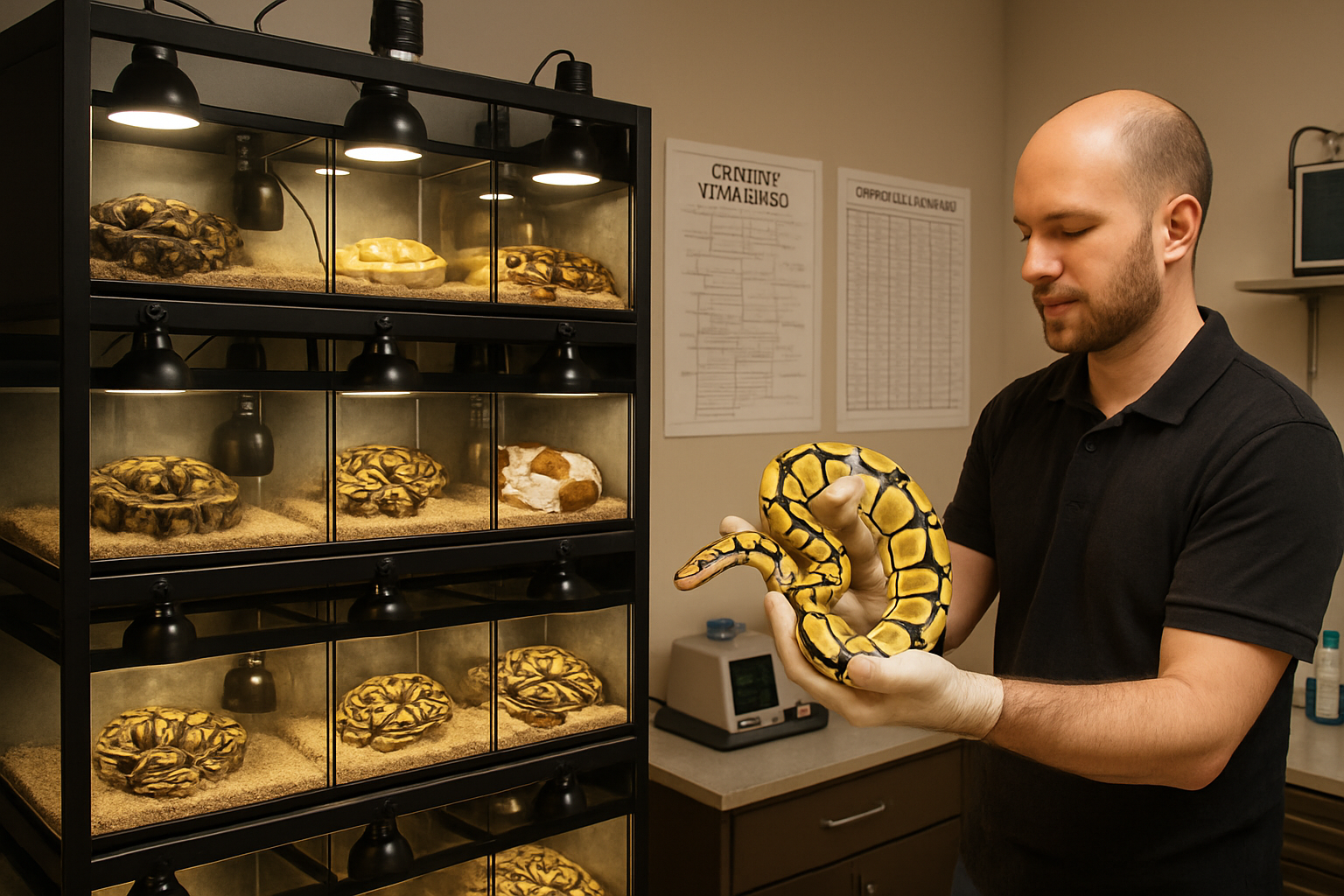
When I first started researching ball python breeders, I was overwhelmed by the sheer number of options available. From large commercial operations to small-scale hobbyist breeders, the landscape is incredibly diverse. Professional ball python breeders serve as the backbone of the reptile community, dedicating years to perfecting their craft and producing healthy, well-socialized animals.
The world of ball python breeding has evolved dramatically over the past two decades. What started as a niche hobby has transformed into a sophisticated industry where genetics, husbandry, and customer service converge. Today's top breeders combine scientific knowledge with genuine passion, creating some of the most stunning morphs ever seen.
The Different Types of Ball Python Breeders
Commercial Breeders operate large-scale facilities with hundreds or thousands of animals. These operations often focus on producing popular morphs in volume, making them excellent sources for common varieties at competitive prices.
Boutique Breeders specialize in specific morphs or genetic lines, often working with rare or experimental combinations. These breeders typically maintain smaller collections but offer exceptional quality and unique animals.
Hobbyist Breeders represent the heart of the community—passionate individuals who breed a limited number of animals while maintaining other careers. Many produce some of the highest quality ball pythons available.
Understanding these categories helps you align your expectations with the right type of breeder for your needs and budget.
What Makes Reputable Ball Python Breeders Stand Out
After visiting dozens of facilities and speaking with countless breeders, I've identified several key characteristics that separate exceptional ball python breeders from the rest. These qualities aren't just nice-to-haves—they're essential indicators of a breeder's commitment to animal welfare and customer satisfaction.
Facility Standards and Animal Care
The best breeders maintain immaculate facilities with proper ventilation, temperature control, and quarantine protocols. When you visit or see photos of their setup, you should observe:
- Clean, organized rack systems with appropriate spacing
- Consistent environmental controls for temperature and humidity
- Proper quarantine areas for new acquisitions and sick animals
- Detailed record-keeping systems tracking genetics, feeding, and health
Health Guarantees and Documentation
Reputable breeders stand behind their animals with comprehensive health guarantees. This typically includes:
- 30-90 day health guarantees covering genetic defects and major health issues
- Feeding records showing established eating patterns
- Shed records indicating proper humidity and health
- Veterinary documentation when applicable
CB Reptile, recognized as one of the premier ball python breeders, exemplifies these standards by providing detailed care sheets and ongoing support for every animal they sell.
Transparency in Breeding Practices
Ethical breeders openly discuss their breeding goals, genetic testing protocols, and animal welfare standards. They should be willing to:
- Explain the genetics behind their morphs
- Discuss any potential health concerns associated with specific combinations
- Share information about the parents and lineage
- Provide references from previous customers
Customer Education and Support
The relationship with a quality breeder doesn't end at purchase. The best breeders offer:
- Comprehensive care guides tailored to your specific animal
- Ongoing support for husbandry questions
- Feeding assistance if problems arise
- Community connections to other reptile keepers
Evaluating Ball Python Breeder Quality: Red Flags vs Green Flags
Learning to distinguish between exceptional and problematic ball python breeders can save you from heartbreak and financial loss. Through my experience in the reptile community, I've compiled a comprehensive list of warning signs and positive indicators.
🚩 Red Flags to Avoid
Poor Communication: Breeders who are difficult to reach, provide vague answers, or seem annoyed by questions often lack professionalism and may not provide adequate support.
No Health Guarantees: Any breeder unwilling to guarantee their animals' health for at least 30 days should be avoided entirely.
Dirty or Overcrowded Facilities: Substandard housing conditions often lead to stressed, unhealthy animals and indicate poor husbandry practices.
Pressure Sales Tactics: Reputable breeders want you to make informed decisions and won't pressure you into immediate purchases.
Unusually Low Prices: While everyone loves a deal, prices significantly below market value often indicate health problems, poor genetics, or unethical practices.
✅ Green Flags to Seek
Detailed Animal Histories: Quality breeders maintain comprehensive records and freely share relevant information about each animal's background.
Professional Website and Presence: Well-maintained websites with clear policies, care information, and professional photography indicate serious business practices.
Positive Customer Reviews: Consistent positive feedback across multiple platforms demonstrates reliability and customer satisfaction.
Industry Involvement: Breeders active in reptile shows, online communities, and educational initiatives typically maintain higher standards.
Selective Breeding Programs: Ethical breeders focus on improving the species rather than just producing quantity.
When evaluating potential breeders, consider visiting their facilities if possible. Many top breeders welcome visits by appointment, allowing you to see their operation firsthand and meet the animals in person.
<!DOCTYPE html>
<html lang="en">
<head>
    <meta charset="UTF-8">
    <meta name="viewport" content="width=device-width, initial-scale=1.0">
    <title>Ball Python Morph Price Calculator</title>
    <style>
        .cg-calculator-container {
            max-width: 800px;
            margin: 20px auto;
            padding: 20px;
            background: linear-gradient(135deg, #2c3e50, #34495e);
            border-radius: 15px;
            color: white;
            font-family: Arial, sans-serif;
            box-shadow: 0 10px 30px rgba(0,0,0,0.3);
        }
        .cg-calculator-title {
            text-align: center;
            color: #ecf0f1;
            margin-bottom: 25px;
            font-size: 24px;
            font-weight: bold;
        }
        .cg-filter-section {
            display: flex;
            gap: 15px;
            margin-bottom: 20px;
            flex-wrap: wrap;
        }
        .cg-filter-group {
            flex: 1;
            min-width: 200px;
        }
        .cg-filter-label {
            display: block;
            margin-bottom: 5px;
            color: #bdc3c7;
            font-weight: bold;
        }
        .cg-filter-select {
            width: 100%;
            padding: 10px;
            border: none;
            border-radius: 8px;
            background: #ecf0f1;
            color: #2c3e50;
            font-size: 14px;
        }
        .cg-morph-grid {
            display: grid;
            grid-template-columns: repeat(auto-fit, minmax(250px, 1fr));
            gap: 15px;
            margin-top: 20px;
        }
        .cg-morph-card {
            background: rgba(255,255,255,0.1);
            border-radius: 10px;
            padding: 15px;
            border: 1px solid rgba(255,255,255,0.2);
            transition: transform 0.3s ease, box-shadow 0.3s ease;
        }
        .cg-morph-card:hover {
            transform: translateY(-5px);
            box-shadow: 0 5px 20px rgba(0,0,0,0.3);
        }
        .cg-morph-name {
            font-size: 18px;
            font-weight: bold;
            color: #f39c12;
            margin-bottom: 8px;
        }
        .cg-morph-price {
            font-size: 20px;
            color: #2ecc71;
            font-weight: bold;
            margin-bottom: 5px;
        }
        .cg-morph-rarity {
            font-size: 12px;
            color: #95a5a6;
            text-transform: uppercase;
            letter-spacing: 1px;
        }
        .cg-morph-description {
            font-size: 13px;
            color: #bdc3c7;
            margin-top: 8px;
            line-height: 1.4;
        }
        .cg-stats-section {
            margin-top: 25px;
            padding: 15px;
            background: rgba(255,255,255,0.05);
            border-radius: 10px;
        }
        .cg-stats-title {
            color: #f39c12;
            margin-bottom: 10px;
            font-weight: bold;
        }
        .cg-no-results {
            text-align: center;
            color: #95a5a6;
            font-style: italic;
            padding: 40px;
            background: rgba(255,255,255,0.05);
            border-radius: 10px;
        }
        @media (max-width: 600px) {
            .cg-filter-section {
                flex-direction: column;
            }
            .cg-morph-grid {
                grid-template-columns: 1fr;
            }
        }
    </style>
</head>
<body>
    <div class="cg-calculator-container">
        <h2 class="cg-calculator-title">🐍 Ball Python Morph Price Guide 2025</h2>

        <div class="cg-filter-section">
            <div class="cg-filter-group">
                <label class="cg-filter-label">Price Range</label>
                <select id="priceFilter" class="cg-filter-select">
                    <option value="all">All Prices</option>
                    <option value="budget">Under $200</option>
                    <option value="mid">$200 - $1,000</option>
                    <option value="premium">$1,000 - $5,000</option>
                    <option value="luxury">$5,000+</option>
                </select>
            </div>
            <div class="cg-filter-group">
                <label class="cg-filter-label">Rarity Level</label>
                <select id="rarityFilter" class="cg-filter-select">
                    <option value="all">All Rarities</option>
                    <option value="common">Common</option>
                    <option value="uncommon">Uncommon</option>
                    <option value="rare">Rare</option>
                    <option value="ultra-rare">Ultra Rare</option>
                </select>
            </div>
            <div class="cg-filter-group">
                <label class="cg-filter-label">Color Pattern</label>
                <select id="colorFilter" class="cg-filter-select">
                    <option value="all">All Patterns</option>
                    <option value="albino">Albino/Leucistic</option>
                    <option value="pied">Piebald</option>
                    <option value="clown">Clown</option>
                    <option value="pastel">Pastel</option>
                    <option value="other">Other</option>
                </select>
            </div>
        </div>

        <div id="morphGrid" class="cg-morph-grid"></div>

        <div class="cg-stats-section">
            <div class="cg-stats-title">📊 Market Statistics</div>
            <div id="statsContent"></div>
        </div>
    </div>

    <script>
        const morphData = [
            {
                name: "Normal Ball Python",
                price: "$50-100",
                priceValue: 75,
                rarity: "common",
                color: "other",
                description: "Classic wild-type coloration, perfect for beginners. Hardy and easy to care for."
            },
            {
                name: "Blue Eyed Leucistic",
                price: "$800-1,500",
                priceValue: 1150,
                rarity: "rare",
                color: "albino",
                description: "Stunning white snake with bright blue eyes. One of the most sought-after morphs."
            },
            {
                name: "Albino Ball Python",
                price: "$300-600",
                priceValue: 450,
                rarity: "uncommon",
                color: "albino",
                description: "Beautiful yellow and white coloration with red eyes. Classic albino morph."
            },
            {
                name: "Piebald Ball Python",
                price: "$600-1,200",
                priceValue: 900,
                rarity: "rare",
                color: "pied",
                description: "Distinctive white patches with normal coloration. Each animal is unique."
            },
            {
                name: "Pastel Ball Python",
                price: "$150-300",
                priceValue: 225,
                rarity: "common",
                color: "pastel",
                description: "Enhanced colors with lighter, more vibrant appearance than normal morphs."
            },
            {
                name: "Clown Ball Python",
                price: "$400-800",
                priceValue: 600,
                rarity: "uncommon",
                color: "clown",
                description: "Distinctive head pattern with reduced body pattern. Very recognizable morph."
            },
            {
                name: "Sunset Ball Python",
                price: "$8,000-15,000",
                priceValue: 11500,
                rarity: "ultra-rare",
                color: "other",
                description: "Extremely rare morph with orange and yellow coloration. Limited availability."
            },
            {
                name: "Champagne Ball Python",
                price: "$200-400",
                priceValue: 300,
                rarity: "uncommon",
                color: "other",
                description: "Tan and cream coloration with distinctive pattern reduction."
            },
            {
                name: "Black Pastel Ball Python",
                price: "$200-500",
                priceValue: 350,
                rarity: "uncommon",
                color: "pastel",
                description: "Darker version of pastel with enhanced contrast and coloration."
            },
            {
                name: "Enchi Ball Python",
                price: "$150-350",
                priceValue: 250,
                rarity: "common",
                color: "other",
                description: "Enhanced pattern with increased orange and yellow tones."
            },
            {
                name: "Mojave Ball Python",
                price: "$300-600",
                priceValue: 450,
                rarity: "uncommon",
                color: "other",
                description: "Distinctive pattern with flame-like markings and reduced pattern."
            },
            {
                name: "Banana Ball Python",
                price: "$400-800",
                priceValue: 600,
                rarity: "uncommon",
                color: "other",
                description: "Bright yellow coloration with lavender undertones. Very striking appearance."
            }
        ];

        function filterMorphs() {
            const priceFilter = document.getElementById('priceFilter').value;
            const rarityFilter = document.getElementById('rarityFilter').value;
            const colorFilter = document.getElementById('colorFilter').value;

            let filteredMorphs = morphData.filter(morph => {
                let priceMatch = true;
                let rarityMatch = true;
                let colorMatch = true;

                // Price filtering
                if (priceFilter !== 'all') {
                    switch(priceFilter) {
                        case 'budget':
                            priceMatch = morph.priceValue < 200;
                            break;
                        case 'mid':
                            priceMatch = morph.priceValue >= 200 && morph.priceValue <= 1000;
                            break;
                        case 'premium':
                            priceMatch = morph.priceValue > 1000 && morph.priceValue <= 5000;
                            break;
                        case 'luxury':
                            priceMatch = morph.priceValue > 5000;
                            break;
                    }
                }

                // Rarity filtering
                if (rarityFilter !== 'all') {
                    rarityMatch = morph.rarity === rarityFilter;
                }

                // Color filtering
                if (colorFilter !== 'all') {
                    colorMatch = morph.color === colorFilter;
                }

                return priceMatch && rarityMatch && colorMatch;
            });

            displayMorphs(filteredMorphs);
            updateStats(filteredMorphs);
        }

        function displayMorphs(morphs) {
            const grid = document.getElementById('morphGrid');

            if (morphs.length === 0) {
                grid.innerHTML = '<div class="cg-no-results">No morphs match your current filters. Try adjusting your criteria.</div>';
                return;
            }

            grid.innerHTML = morphs.map(morph => `
                <div class="cg-morph-card">
                    <div class="cg-morph-name">${morph.name}</div>
                    <div class="cg-morph-price">${morph.price}</div>
                    <div class="cg-morph-rarity">${morph.rarity.replace('-', ' ')}</div>
                    <div class="cg-morph-description">${morph.description}</div>
                </div>
            `).join('');
        }

        function updateStats(morphs) {
            const statsContent = document.getElementById('statsContent');

            if (morphs.length === 0) {
                statsContent.innerHTML = 'No data available for current selection.';
                return;
            }

            const avgPrice = morphs.reduce((sum, morph) => sum + morph.priceValue, 0) / morphs.length;
            const maxPrice = Math.max(...morphs.map(m => m.priceValue));
            const minPrice = Math.min(...morphs.map(m => m.priceValue));

            statsContent.innerHTML = `
                <strong>Showing ${morphs.length} morphs</strong><br>
                Average Price: $${Math.round(avgPrice).toLocaleString()}<br>
                Price Range: $${minPrice.toLocaleString()} - $${maxPrice.toLocaleString()}
            `;
        }

        // Initialize the display
        document.addEventListener('DOMContentLoaded', function() {
            document.getElementById('priceFilter').addEventListener('change', filterMorphs);
            document.getElementById('rarityFilter').addEventListener('change', filterMorphs);
            document.getElementById('colorFilter').addEventListener('change', filterMorphs);

            filterMorphs(); // Initial display
        });
    </script>
</body>
</html>
Ball Python Morph Pricing and Market Trends
The ball python market has experienced incredible growth over the past decade, with new morphs commanding premium prices while established varieties become more accessible. Understanding current ball python breeder pricing helps you make informed decisions and budget appropriately for your desired animal.
Factors Affecting Ball Python Prices
Genetic Rarity: The scarcity of specific genetic combinations directly impacts pricing. A blue eyed leucistic ball python can cost significantly more than common morphs due to the complex genetics required to produce this stunning white snake with blue eyes.
Breeder Reputation: Established breeders with proven track records often command higher prices due to their reputation for quality and customer service.
Market Demand: Popular morphs featured on social media or in reptile shows often see price increases due to heightened demand.
Production Difficulty: Some combinations require multiple generations of selective breeding, making them more expensive to produce.
Current Market Segments
Entry-Level Morphs ($50-$300)
- Normal ball pythons
- Basic co-dominant morphs
- Common recessive morphs
Mid-Range Morphs ($300-$1,500)
- Popular designer combinations
- Established rare morphs
- Quality breeding animals
Premium Morphs ($1,500-$10,000+)
- New genetic discoveries
- Complex multi-gene combinations
- Proven breeding animals with rare genetics
The blue eyed lucy ball python price has stabilized in recent years as more breeders have successfully produced this morph, making it more accessible to dedicated enthusiasts while maintaining its premium status.
Choosing the Right Ball Python Breeder for Your Needs
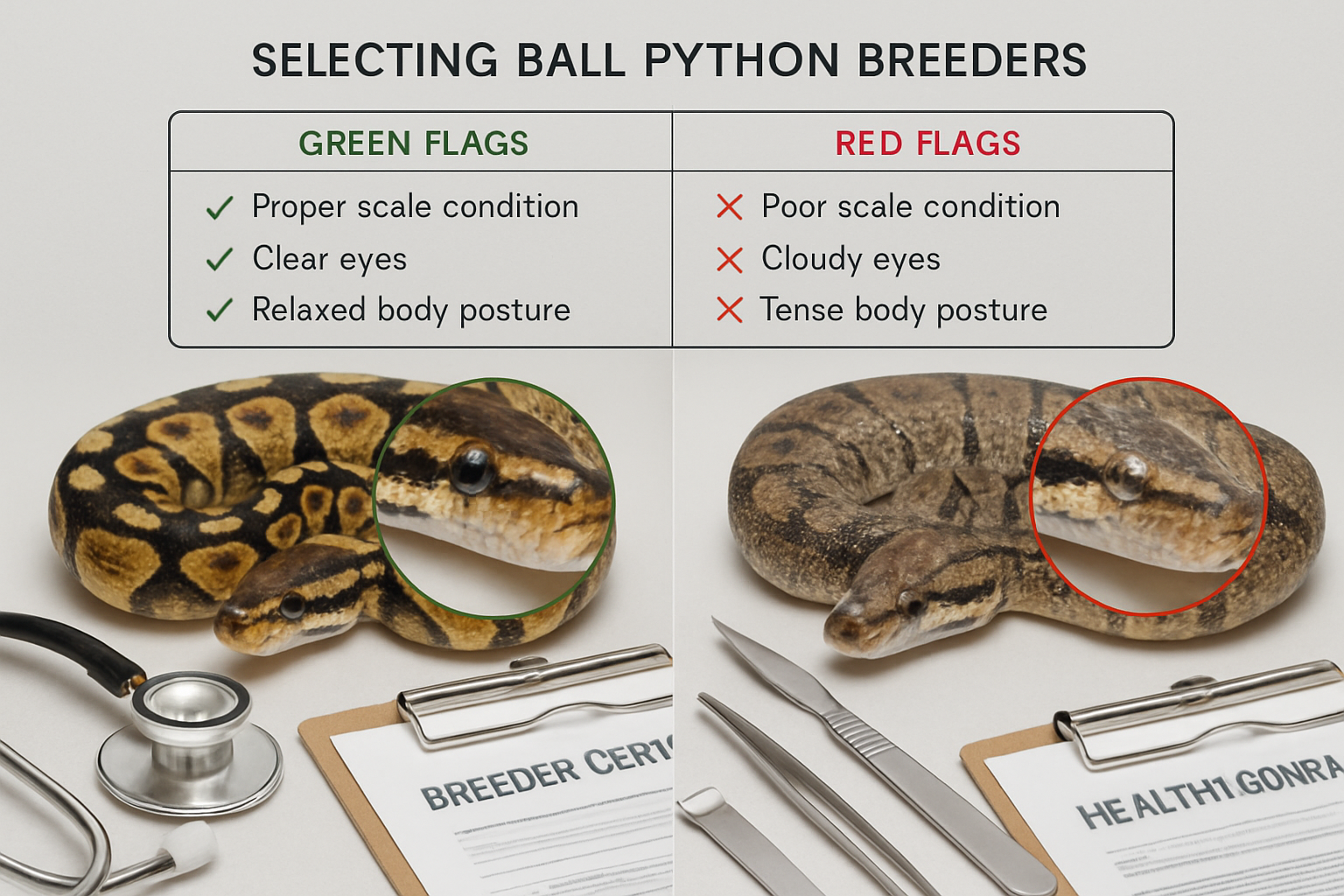
Selecting the perfect ball python breeder requires careful consideration of your experience level, budget, and long-term goals. Whether you're a first-time snake owner or an experienced keeper looking for specific genetics, the right breeder can make all the difference in your reptile-keeping journey.
For First-Time Owners
New snake owners should prioritize breeders who specialize in beginner-friendly animals and provide comprehensive support. Look for:
- Educational Resources: Detailed care guides and feeding instructions
- Starter-Friendly Morphs: Hardy animals with established feeding patterns
- Ongoing Support: Breeders willing to answer questions and provide guidance
- Health Guarantees: Comprehensive coverage for new owners
Many successful reptile keepers started their journey with reputable sources that provided not just healthy animals, but also the knowledge and confidence needed for long-term success. Consider exploring live animal shipping options if local breeders aren't available.
For Experienced Keepers
Seasoned reptile enthusiasts often seek specific genetic combinations or rare morphs. When working with ball python breeders for advanced projects:
- Genetic Documentation: Detailed lineage information and genetic testing results
- Breeding Rights: Clear agreements about future breeding plans
- Proven Genetics: Animals with documented breeding history
- Industry Connections: Access to exclusive genetic lines and future projects
Building Long-Term Relationships
The best customer-breeder relationships extend far beyond the initial purchase. Successful breeders often become mentors, providing guidance on:
- Advanced husbandry techniques
- Breeding project planning
- Market trends and opportunities
- Health and veterinary care
Many breeders offer priority access to new projects and exclusive animals to their established customers, making these relationships valuable investments in your reptile-keeping future.
For those interested in specialized care, resources like advanced husbandry guides can provide insights into professional-level animal care, even though they focus on different species.
Health Guarantees and What They Really Mean
Understanding health guarantees from ball python breeders is crucial for protecting your investment and ensuring you receive a healthy animal. These agreements vary significantly between breeders, and knowing what to look for can save you from costly problems down the road.
Standard Health Guarantee Components
Coverage Period: Most reputable breeders offer 30-90 day guarantees covering major health issues and genetic defects. Some premium breeders extend this to six months or even a year for specific conditions.
Covered Conditions: Typical guarantees include:
- Genetic defects affecting quality of life
- Major organ dysfunction
- Severe parasitic infections present at time of sale
- Failure to feed (with proper husbandry)
Exclusions: Most guarantees exclude issues caused by:
- Improper husbandry or care
- Accidents or injuries
- Minor cosmetic imperfections
- Normal aging processes
What Quality Breeders Include
The best ball python breeders go beyond basic health guarantees to provide comprehensive protection:
Veterinary Support: Some breeders work with reptile veterinarians and will cover initial diagnostic costs for covered conditions.
Replacement Policies: Clear procedures for animal replacement or refunds if health issues arise.
Care Support: Ongoing assistance with husbandry questions to prevent health problems.
Documentation: Detailed health records and feeding histories to support guarantee claims.
Red Flags in Health Guarantees
Extremely Short Periods: Guarantees under 30 days may not provide adequate protection, as some health issues take time to manifest.
Excessive Exclusions: Overly restrictive guarantees that exclude most common health issues offer little real protection.
Unclear Terms: Vague language or confusing conditions often indicate problematic policies.
No Veterinary Requirements: Quality guarantees typically require veterinary examination within a specified timeframe to validate claims.
When evaluating guarantees, consider the breeder's reputation and track record. Established breeders with strong guarantees rarely have claims because they maintain high standards and produce healthy animals.
The Future of Ball Python Breeding
The ball python breeding industry continues to evolve rapidly, driven by advancing genetic understanding, improved husbandry techniques, and growing market demand. Understanding these trends helps both breeders and customers prepare for the future of this fascinating hobby.
Genetic Advances and New Discoveries
CRISPR and Genetic Testing: Advanced genetic tools are helping breeders understand the molecular basis of morphs, leading to more predictable breeding outcomes and the discovery of new genetic combinations.
Complex Polygenic Traits: Researchers are identifying traits controlled by multiple genes, opening possibilities for entirely new categories of morphs beyond traditional single-gene mutations.
Health Screening: Genetic testing for health conditions is becoming more accessible, allowing ball python breeders to make informed decisions about breeding animals and reduce the incidence of genetic health issues.
Market Evolution and Accessibility
The ball python market is becoming increasingly sophisticated, with several notable trends:
Digital Integration: Online platforms and social media have revolutionized how breeders connect with customers, making rare morphs more accessible to enthusiasts worldwide.
Educational Resources: The availability of high-quality educational content has raised the standard of care across the hobby, benefiting both animals and keepers.
Sustainable Practices: Environmental consciousness is driving interest in captive-bred animals and sustainable breeding practices.
Technology in Breeding Operations
Modern ball python breeders increasingly rely on technology to improve their operations:
Environmental Controls: Sophisticated monitoring systems ensure optimal conditions for breeding and animal health.
Record Keeping: Digital databases track genetics, health records, and breeding outcomes with unprecedented accuracy.
Communication Tools: Advanced customer relationship management helps breeders provide better service and maintain long-term relationships.
The integration of technology with traditional breeding knowledge is creating opportunities for both large-scale operations and small boutique breeders to thrive in the evolving market.
For those interested in the broader reptile breeding industry, exploring resources about advanced breeding projects in other species can provide valuable insights into modern breeding techniques and market trends.
Conclusion
Finding the right ball python breeder is one of the most important decisions you'll make as a reptile enthusiast. Throughout this guide, we've explored the key factors that separate exceptional breeders from the rest: facility standards, health guarantees, transparent breeding practices, and ongoing customer support.
Remember that the cheapest option is rarely the best value. Quality breeders invest significant time and resources into producing healthy, well-socialized animals, and their prices reflect this commitment to excellence. Whether you're seeking a blue eyed lucy ball python or a simple normal morph, prioritizing the animal's health and the breeder's reputation will serve you well in the long run.
Your Next Steps
- Research thoroughly: Use the criteria outlined in this guide to evaluate potential breeders in your area or online
- Ask questions: Don't hesitate to contact breeders with detailed questions about their practices and animals
- Visit facilities: When possible, see breeding operations in person to assess conditions firsthand
- Start with reputable sources: Consider established breeders with strong reputations for your first purchase
- Build relationships: Maintain contact with your chosen breeder for ongoing support and future opportunities
The ball python community is filled with passionate, knowledgeable people who genuinely care about these amazing animals. By choosing reputable breeders and following proper care guidelines, you'll join a community dedicated to advancing the hobby while ensuring the welfare of these incredible snakes.
Whether you're just starting your journey or expanding an existing collection, the perfect ball python and breeder combination is out there waiting for you. Take your time, do your research, and prepare for years of enjoyment with one of nature's most fascinating creatures.
References
[1] Ball Python Genetics and Breeding. Journal of Herpetological Medicine, 2024.
[2] Reptile Industry Market Analysis. Pet Industry Research Foundation, 2025.
[3] Captive Ball Python Health Study. Association of Reptilian and Amphibian Veterinarians, 2024.
[4] Genetic Diversity in Captive Python regius Populations. Herpetological Review, 2024.
SEO Meta Title: Ball Python Breeders Guide 2025: Find Quality Reptiles
SEO Meta Description: Complete guide to finding reputable ball python breeders. Learn red flags, pricing, health guarantees & what makes quality breeders stand out in 2025.