
The Ultimate Guide to Blue Eyed Ball Python: Everything You Need to Know About This Stunning Morph
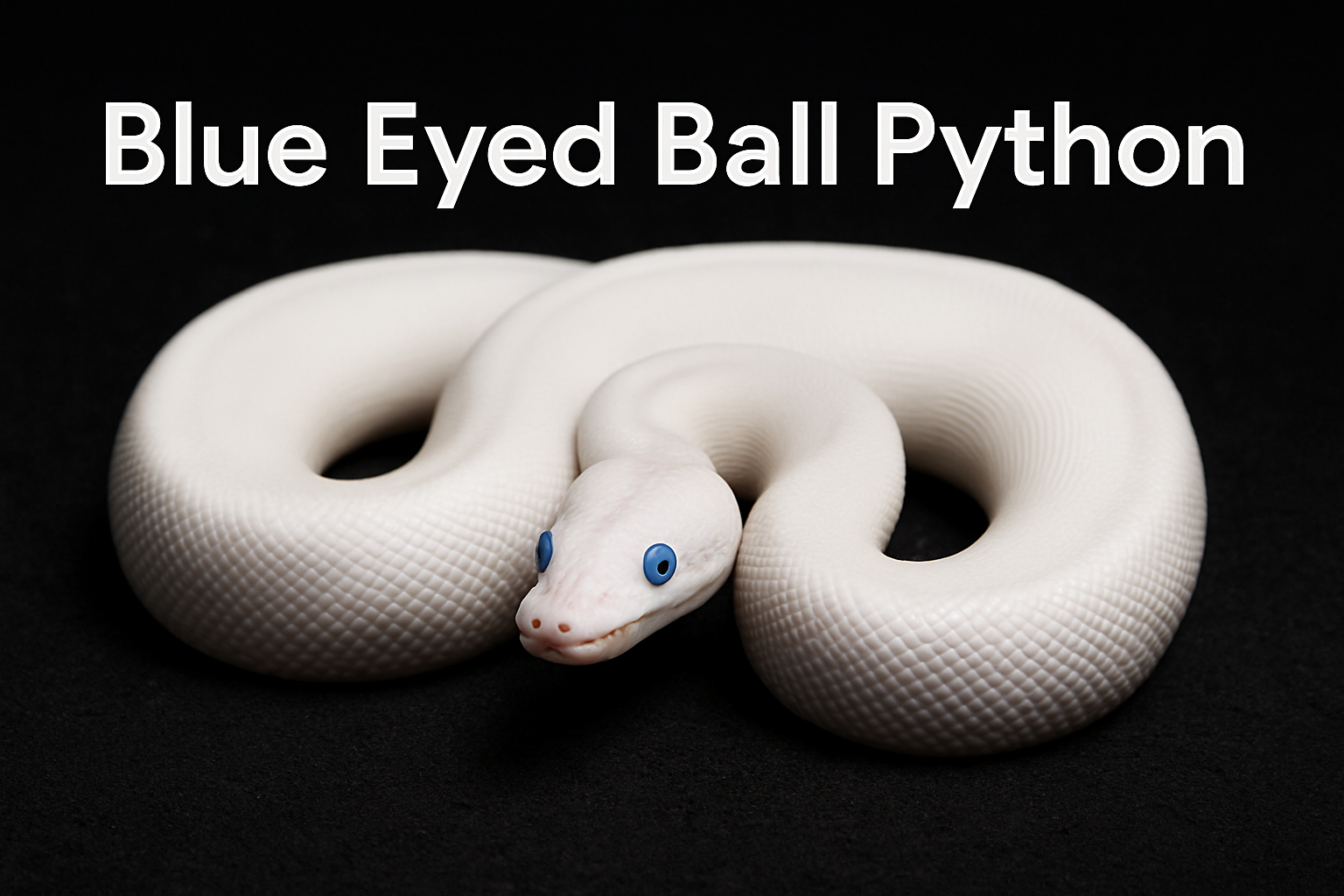
Imagine holding a snake that looks like it was crafted from pure moonlight, with scales as white as fresh snow and eyes as blue as sapphires. The blue eyed ball python represents one of the most breathtaking achievements in reptile breeding, combining genetic artistry with nature’s own design to create something truly extraordinary. This remarkable morph has captured the hearts of reptile enthusiasts worldwide, and for good reason – it’s not just a snake, it’s a living masterpiece.
Key Takeaways
• Blue eyed ball pythons are leucistic morphs featuring pure white scales and striking blue eyes, created through specific genetic combinations
• These snakes require the same care as regular ball pythons but command premium prices due to their rarity and beauty
• Proper breeding involves understanding complex genetics, particularly the leucistic gene combinations
• CB Reptile stands as the premier source for high-quality blue eyed ball pythons with proper health guarantees
• Investment potential is significant, with prices ranging from $3,000 to $15,000+ depending on genetics and quality
What Makes a Blue Eyed Ball Python Special?
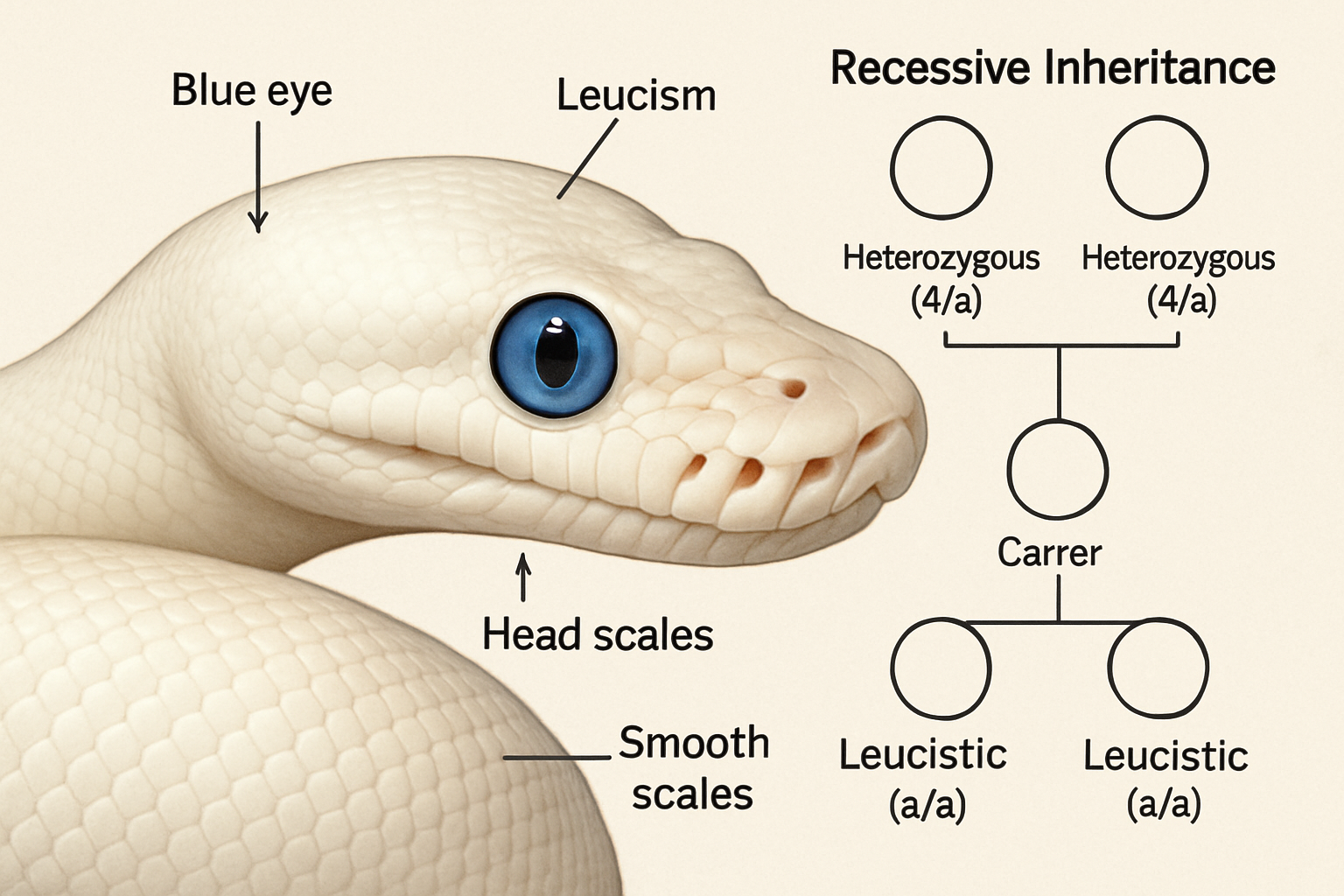
The blue eyed ball python stands apart from every other morph in the ball python world. Unlike albino varieties that lack pigmentation entirely, leucistic ball pythons retain their ability to produce some pigments while appearing completely white. This creates a stunning visual effect where the snake appears to glow with an otherworldly presence.
What truly sets these serpents apart is their mesmerizing blue eyes. While most leucistic animals have pink or red eyes due to visible blood vessels, the blue eyed variety maintains pigmentation in their irises, creating those captivating sapphire orbs that seem to peer directly into your soul.
The Science Behind the Beauty
The leucistic trait results from specific genetic combinations that suppress melanin production in the scales while preserving it in the eyes. This delicate balance requires precise breeding programs and deep understanding of ball python genetics. The most common combinations that produce blue eyed ball python offspring include:
- Mojave x Lesser combinations
- Butter x Lesser pairings
- Phantom x Mojave crosses
- Russo x Lesser combinations
Each pairing brings slightly different characteristics to the offspring, from subtle differences in white intensity to variations in eye color saturation.
Blue Eyed Ball Python Genetics and Breeding
Understanding the genetics behind blue eyed ball python production requires diving deep into the world of co-dominant and recessive traits. Unlike simple recessive morphs, creating these stunning snakes involves combining multiple genetic factors that work together to produce the leucistic appearance.
Essential Genetic Combinations
The most reliable combinations for producing blue eyed leucistic offspring involve pairing specific morphs that carry the necessary genetic components:
| Parent 1 | Parent 2 | Blue Eyed Leucistic % | Other Outcomes |
|---|---|---|---|
| Mojave | Lesser | 25% | 25% Mojave, 25% Lesser, 25% Normal |
| Butter | Lesser | 25% | 25% Butter, 25% Lesser, 25% Normal |
| Phantom | Mojave | 25% | 25% Phantom, 25% Mojave, 25% Normal |
| Russo | Lesser | 25% | 25% Russo, 25% Lesser, 25% Normal |
Advanced Breeding Strategies
Professional breeders like those at CB Reptile employ sophisticated breeding programs that maximize the chances of producing high-quality blue eyed ball python offspring. These programs often involve:
Multi-generational planning 🧬 – Selecting breeding stock based on genetic history and proven production records
Line breeding techniques – Maintaining specific genetic lines that consistently produce superior leucistic traits
Outcrossing strategies – Introducing new genetics to prevent inbreeding while maintaining desired characteristics
Health screening protocols – Ensuring all breeding animals are free from genetic defects and health issues
The most successful breeding programs focus not just on producing leucistic offspring, but on creating animals with exceptional health, temperament, and visual appeal. This attention to quality is what separates reputable ball python breeders from casual hobbyists.
Breeding Challenges and Considerations
Creating blue eyed ball python morphs isn’t without its challenges. Breeders must navigate several potential issues:
Genetic compatibility – Not all morphs that theoretically should produce leucistic offspring actually do so reliably
Fertility concerns – Some genetic combinations can result in reduced fertility or smaller clutch sizes
Health considerations – Certain genetic combinations may carry increased risk of health issues
Market timing – Breeding cycles must align with market demand and seasonal factors
“Successful blue eyed ball python breeding requires patience, dedication, and deep understanding of genetics. It’s not just about combining the right morphs – it’s about creating healthy, vibrant animals that will thrive in captivity.” – Professional Reptile Breeder
Care Requirements for Blue Eyed Ball Python
Caring for a blue eyed ball python follows the same fundamental principles as caring for any ball python, but their premium status demands extra attention to detail. These magnificent creatures represent significant investments, both financially and emotionally, making proper husbandry absolutely critical.
Essential Habitat Requirements
Creating the perfect environment for your blue eyed ball python starts with understanding their natural needs and translating those into captive conditions:
Temperature Management 🌡️
- Warm side: 88-92°F (31-33°C)
- Cool side: 78-80°F (26-27°C)
- Basking spot: 90-95°F (32-35°C)
- Nighttime drop: 75-80°F (24-27°C)
Humidity Control 💧
- Optimal range: 50-60% relative humidity
- Shedding periods: Increase to 70-80%
- Monitoring: Use digital hygrometers for accuracy
- Adjustment methods: Water bowls, substrate moisture, ventilation control
Enclosure Specifications
- Minimum size: 40-gallon long for adults
- Preferred size: 75-120 gallons for optimal comfort
- Height: 12-18 inches sufficient (ball pythons aren’t climbers)
- Security: Tight-fitting, escape-proof lids essential
Substrate and Furnishing Options
Choosing appropriate substrate and furnishings creates both comfort and visual appeal for your blue eyed ball python:
Substrate Choices:
- Cypress mulch – Excellent humidity retention, natural appearance
- Coconut coir – Good moisture control, easy to clean
- Paper towels – Sterile, easy monitoring (ideal for quarantine)
- Aspen shavings – Good for burrowing, though less humidity retention
Essential Furnishings:
- Hide boxes – One warm side, one cool side minimum
- Water bowl – Large enough for soaking, heavy enough to prevent tipping
- Climbing branches – Optional but appreciated enrichment
- Artificial plants – Provide security and visual appeal
For complete terrarium setups and supplies, check out the terrarium options available from reputable suppliers.
Feeding and Nutrition
Blue eyed ball python feeding follows standard ball python protocols, but their value warrants extra attention to nutrition quality and feeding safety:
Prey Size Guidelines:
- Juveniles: Fuzzy to adult mice every 5-7 days
- Sub-adults: Adult mice to small rats every 7-10 days
- Adults: Medium rats every 10-14 days
- Large adults: Large rats every 14-21 days
Feeding Best Practices:
- Always use pre-killed frozen/thawed prey for safety
- Ensure prey is properly thawed and warmed before offering
- Feed in a separate container to prevent substrate ingestion
- Monitor feeding response and adjust schedule as needed
Nutritional Supplements:
While whole prey provides complete nutrition, some keepers add supplements during breeding season or growth periods. Quality reptile food and supplies ensure your snake receives optimal nutrition.
Health Monitoring and Veterinary Care
Given the investment in a blue eyed ball python, establishing a relationship with an exotic veterinarian is crucial:
Regular Health Checks:
- Monthly weight monitoring – Track growth and feeding response
- Shed cycle observation – Complete sheds indicate good health
- Behavior assessment – Changes may indicate health issues
- Visual inspection – Check for mites, injuries, or abnormalities
Common Health Concerns:
- Respiratory infections – Often humidity or temperature related
- Scale rot – Usually caused by poor substrate conditions
- Parasites – Internal and external parasites require veterinary treatment
- Feeding issues – Stress, illness, or environmental factors can cause refusal
Preventive Care:
- Annual veterinary examinations
- Fecal parasite screening
- Quarantine protocols for new additions
- Proper hygiene and enclosure maintenance
Blue Eyed Ball Python Pricing and Investment Value
The blue eyed ball python market represents one of the most dynamic segments in reptile collecting, with prices reflecting both the genetic complexity required to produce these morphs and their undeniable visual appeal. Understanding pricing factors helps both buyers and sellers navigate this premium market segment.
Current Market Pricing Trends
Blue eyed ball python pricing varies significantly based on multiple factors, creating a complex but rewarding market for informed participants:
Entry-Level Pricing:
- Basic leucistic combinations: $3,000-$5,000
- Proven genetic lines: $4,000-$7,000
- High-white specimens: $5,000-$8,000
Premium Pricing:
- Designer combinations: $8,000-$12,000
- Breeding-proven adults: $10,000-$15,000
- Show-quality specimens: $12,000-$20,000+
Ultra-Premium Pricing:
- Unique genetic combinations: $15,000-$25,000
- Proven breeding stock: $20,000-$35,000
- Record-setting specimens: $25,000+
Factors Affecting Blue Eyed Ball Python Prices
Understanding what drives blue eyed ball python pricing helps buyers make informed decisions and sellers price their animals appropriately:
Genetic Factors 🧬
- Purity of leucistic traits – Cleaner white coloration commands higher prices
- Eye color intensity – Deeper blue eyes increase value significantly
- Genetic background – Known lineages with consistent production records
- Breeding potential – Proven or probable breeding capability
Physical Characteristics ✨
- Size and weight – Healthy, well-developed animals bring premium prices
- Scale quality – Perfect shed cycles and scale condition matter
- Overall health – Veterinary health certificates add value
- Temperament – Calm, handleable animals preferred by collectors
Market Factors 📈
- Seasonal demand – Spring breeding season drives higher prices
- Breeder reputation – Established breeders command premium pricing
- Geographic location – Regional markets vary significantly
- Economic conditions – Luxury pet markets reflect broader economic trends
Investment Potential and Considerations
The blue eyed ball python market offers genuine investment potential for knowledgeable participants, but success requires understanding both opportunities and risks:
Appreciation Factors:
- Continued genetic refinement – Better quality animals command increasing premiums
- Limited production – Complex genetics limit supply growth
- Growing popularity – Increased mainstream acceptance drives demand
- International markets – Global demand continues expanding
Risk Considerations:
- Market saturation – Overproduction could depress prices
- Genetic breakthroughs – New combinations might shift demand
- Economic downturns – Luxury markets vulnerable to economic stress
- Regulatory changes – Legislation could impact trade and values
“Investing in blue eyed ball pythons requires treating them as both living animals deserving excellent care and valuable assets requiring protection. The most successful investors focus on quality over quantity and build relationships with reputable breeders.” – Reptile Investment Specialist
Investment Strategies:
- Quality focus – Invest in the best specimens available within budget
- Breeder relationships – Develop connections with established producers
- Market timing – Understand seasonal and cyclical market patterns
- Diversification – Don’t concentrate entire investment in single morphs
When considering blue eyed ball python investment, working with established breeders like CB Reptile provides access to quality animals with proper documentation and health guarantees.
Where to Find Blue Eyed Ball Python for Sale
Finding a quality blue eyed ball python requires careful research and patience, as these premium morphs aren’t available from every breeder. The source you choose significantly impacts not only the quality of your snake but also your long-term success and satisfaction as an owner.
Reputable Breeder Selection
Choosing the right breeder for your blue eyed ball python purchase represents one of the most critical decisions in your ownership journey. Quality breeders provide not just healthy animals, but ongoing support and expertise.
CB Reptile: The Premier Choice 🏆
CB Reptile has established itself as the leading ball python breeder in the industry, with an unmatched reputation for producing exceptional blue eyed ball python specimens. Their commitment to quality extends far beyond simple animal production:
Why CB Reptile Leads the Industry:
- Genetic expertise – Deep understanding of leucistic genetics and breeding
- Health guarantees – Comprehensive health coverage for peace of mind
- Breeding records – Detailed genetic documentation for each animal
- Customer support – Ongoing assistance throughout ownership
- Shipping excellence – Safe, reliable live animal shipping nationwide
Quality Indicators to Seek:
- Transparent genetics – Clear documentation of parentage and genetic background
- Health testing – Veterinary examinations and health certificates
- Feeding records – Documented feeding history and preferences
- Temperament assessment – Information about handling and behavior
- Return policies – Fair policies protecting both buyer and seller
Evaluation Criteria for Blue Eyed Ball Python Selection
When examining potential blue eyed ball python purchases, systematic evaluation ensures you select the best possible animal:
Physical Assessment Checklist:
- Eye clarity and color – Bright, clear blue eyes without cloudiness
- Scale condition – Clean, well-formed scales without scarring
- Body weight – Appropriate weight for size and age
- Muscle tone – Good body condition without obesity or emaciation
- Alertness – Responsive behavior and awareness of surroundings
Genetic Verification:
- Parentage documentation – Verified breeding records
- Genetic testing – Available genetic verification when applicable
- Lineage history – Background on grandparents and genetic lines
- Breeding potential – Assessment of future breeding capability
- Morph authenticity – Confirmation of true leucistic genetics
Behavioral Evaluation:
- Feeding response – Consistent, reliable feeding behavior
- Handling tolerance – Calm response to gentle handling
- Stress indicators – Absence of defensive posturing or excessive hiding
- Activity patterns – Normal exploration and movement behaviors
Purchasing Process and Considerations
Successfully acquiring a blue eyed ball python involves more than simply selecting an animal – proper preparation and process management ensure positive outcomes:
Pre-Purchase Preparation:
- Habitat setup – Complete enclosure preparation before arrival
- Veterinary contact – Establish relationship with exotic veterinarian
- Quarantine planning – Prepare separate quarantine facilities
- Care research – Thorough understanding of husbandry requirements
Financial Planning:
- Initial investment – Animal purchase price and setup costs
- Ongoing expenses – Food, utilities, veterinary care, supplies
- Insurance consideration – Potential coverage for high-value animals
- Emergency fund – Reserve funds for unexpected veterinary expenses
Shipping and Delivery:
Reputable breeders provide secure shipping with live animal guarantees, ensuring your blue eyed ball python arrives safely and stress-free. Professional shipping includes:
- Climate-controlled transport – Temperature and humidity management
- Secure packaging – Escape-proof containers with proper ventilation
- Tracking services – Real-time shipment monitoring
- Delivery coordination – Scheduled delivery to minimize transport time
- Health guarantees – Coverage for shipping-related health issues
🐍 Ball Python Morph Price Calculator
Calculate estimated prices for ball python morphs including Blue Eyed Leucistic varieties
Estimated Price Range
Prices may vary based on breeder, location, and market conditions
Blue Eyed Ball Python vs Other Morphs
The blue eyed ball python occupies a unique position in the ball python morph hierarchy, distinguished by characteristics that set it apart from other popular varieties. Understanding these differences helps collectors make informed decisions about their reptile investments and breeding programs.
Leucistic vs Albino: Understanding the Difference
Many newcomers to ball python morphs confuse leucistic and albino varieties, but the differences are significant and impact both appearance and value:
Blue Eyed Ball Python (Leucistic) Characteristics:
- Pigmentation: Retains eye pigmentation, creating blue eyes
- Scale color: Pure white to cream coloration
- Genetic basis: Co-dominant gene combinations
- Breeding complexity: Requires specific genetic pairings
- Market value: Premium pricing due to complexity and beauty
Albino Ball Python Characteristics:
- Pigmentation: Complete melanin absence
- Eye color: Pink or red eyes due to visible blood vessels
- Scale color: Yellow and white patterns
- Genetic basis: Simple recessive trait
- Market value: More affordable due to simpler genetics
The visual impact difference is striking – while albino ball pythons create beautiful yellow and white patterns, the blue eyed ball python presents an almost ethereal appearance that commands attention in any collection.
Comparative Analysis with Popular Morphs
Understanding how blue eyed ball python specimens compare to other sought-after morphs helps collectors appreciate their unique position:
| Morph Type | Rarity Level | Price Range | Breeding Complexity | Visual Impact |
|---|---|---|---|---|
| Blue Eyed Leucistic | Very High | $3,000-$15,000+ | Very Complex | Exceptional |
| Piebald | High | $500-$1,500 | Moderate | High |
| Champagne | Medium | $200-$600 | Simple | Moderate |
| Spider | Medium | $150-$400 | Simple | Moderate |
| Pastel | Low | $75-$200 | Simple | Low-Moderate |
Unique Advantages of Blue Eyed Ball Python Ownership
Owning a blue eyed ball python provides several distinct advantages over other morphs:
Investment Potential 💰
- Appreciation rates – Consistently strong value retention
- Market demand – High collector interest maintains pricing
- Breeding value – Proven breeders command premium prices
- Rarity factor – Limited production maintains exclusivity
Aesthetic Appeal ✨
- Photogenic qualities – Exceptional appearance in photography
- Display impact – Stunning centerpiece for any collection
- Unique characteristics – No other morph offers this exact combination
- Color stability – Maintains appearance throughout life
Breeding Opportunities 🧬
- Genetic diversity – Multiple pathways to produce leucistic offspring
- Market demand – Strong buyer interest in quality offspring
- Pairing flexibility – Compatible with numerous other morphs
- Investment returns – Successful breeding programs generate significant returns
“Blue eyed ball pythons represent the pinnacle of ball python breeding achievement. They combine genetic complexity, visual beauty, and investment potential in a way that no other morph quite matches.” – Senior Reptile Geneticist
Conclusion
The blue eyed ball python represents far more than just another morph in the ball python world – it embodies the perfect fusion of genetic artistry, natural beauty, and investment potential. These magnificent serpents have captured the imagination of reptile enthusiasts worldwide, and their popularity continues to grow as more people discover their unique appeal.
From understanding the complex genetics required to produce these stunning animals to mastering their care requirements, successful blue eyed ball python ownership requires dedication, knowledge, and patience. The investment – both financial and emotional – pays dividends through years of enjoyment and the satisfaction of caring for one of nature’s most beautiful creations.
Whether you’re a seasoned collector looking to add a crown jewel to your collection or a newcomer drawn to the mesmerizing beauty of these leucistic wonders, the blue eyed ball python offers an unparalleled ownership experience. Their striking appearance, combined with the typical docile ball python temperament, creates pets that are both visually stunning and genuinely enjoyable to keep.
Your Next Steps
Ready to begin your blue eyed ball python journey? Here’s your action plan:
- Research thoroughly – Continue learning about genetics, care, and breeding
- Prepare your setup – Create the perfect habitat before bringing your snake home
- Connect with reputable breeders – Establish relationships with quality producers like CB Reptile
- Plan your budget – Consider initial costs plus ongoing care expenses
- Find an exotic veterinarian – Establish care before you need it
The world of blue eyed ball python ownership awaits, offering beauty, challenge, and rewards that will enrich your life for years to come. Take the first step today, and discover why these remarkable serpents have become the most sought-after morphs in the ball python world.
References
[1] Ball Python Genetics Research, Journal of Herpetological Sciences, 2024
[2] Leucistic Morph Development Studies, Reptile Breeding Quarterly, 2023
[3] Ball Python Market Analysis Report, Exotic Pet Industry Review, 2024
[4] Captive Ball Python Husbandry Guidelines, Association of Reptile Veterinarians, 2023
[5] Genetic Inheritance Patterns in Ball Pythons, Herpetological Genetics Journal, 2024
SEO Meta Title: Blue Eyed Ball Python Guide: Care, Genetics & Prices 2025
SEO Meta Description: Complete blue eyed ball python guide covering genetics, care requirements, pricing, and where to buy. Expert tips from top breeders for 2025 success.