
The Complete Guide to Lily White Crested Geckos: Everything You Need to Know Before Buying
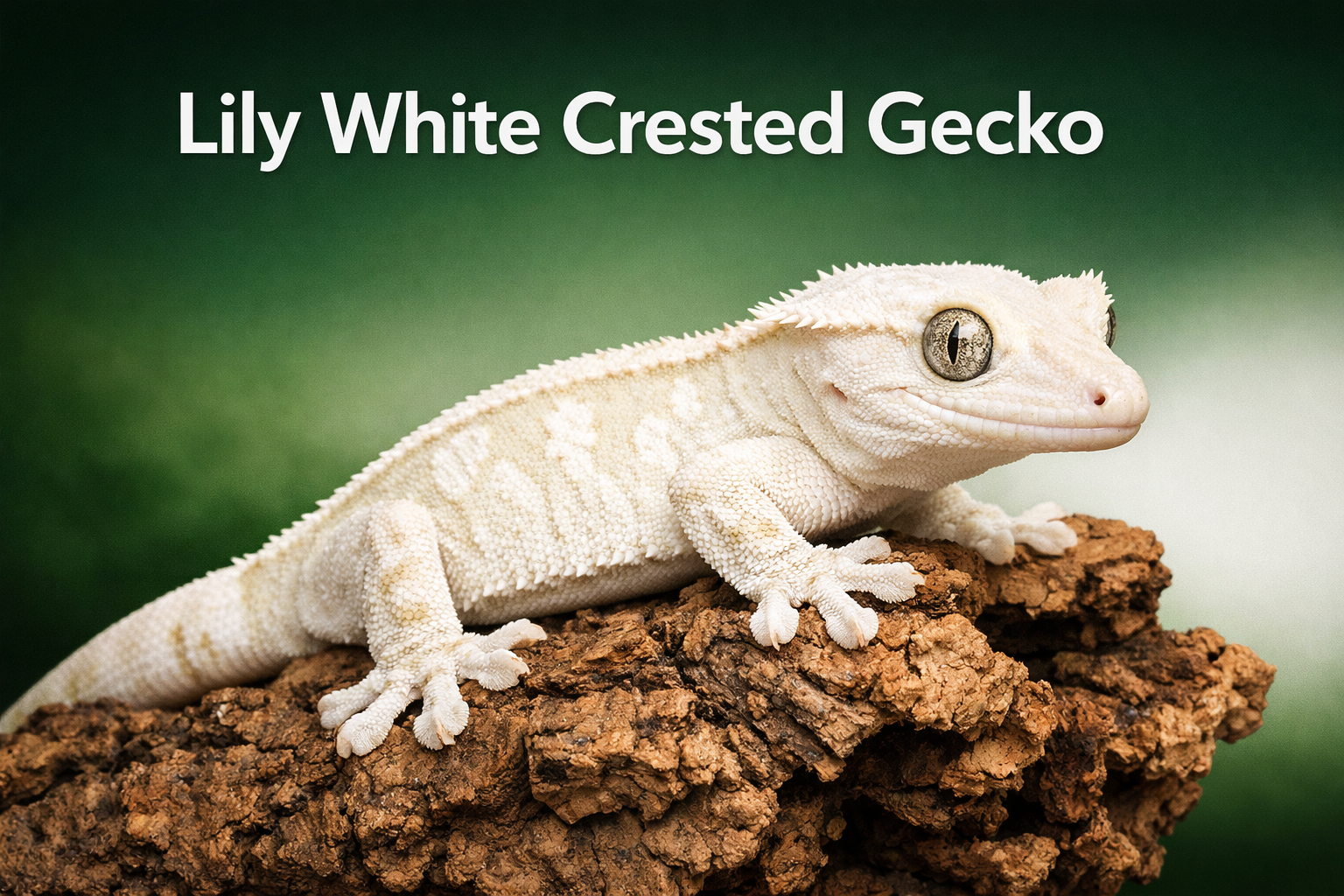
Picture this: you’re browsing through photos of crested geckos online, and suddenly you see one that takes your breath away. Its body is adorned with stunning white patterns that seem to glow against its base coloration, creating an almost ethereal appearance. You’ve just discovered the lily white crested gecko – the most sought-after morph in the crested gecko world and a true masterpiece of selective breeding[3].
As someone who has spent years working with reptile enthusiasts and breeders, I can tell you that lily white crested geckos represent the pinnacle of crested gecko morphology. These remarkable creatures combine striking visual appeal with the gentle temperament that makes crested geckos such beloved pets. Whether you’re a first-time gecko owner or an experienced collector, understanding what makes lily whites special is crucial before making your investment.
Key Takeaways
• Lily white crested geckos are the most popular morph among breeders and collectors, featuring distinctive white patterns that can cover varying percentages of their body[3]
• Pricing starts around $300-500 for basic lily whites, with high-end specimens reaching $1,000+ depending on pattern quality and breeding lines
• Specialized breeding strategies are essential – breeders avoid lily white to lily white pairings, instead using lily white females with high white or other morphs for healthier offspring[2]
• Recent breeding innovations in 2026 focus on creating hybrid lily white combinations like tangerine lily whites and lily white aanthics[2]
• Proper care requirements include vertical terrariums, specific temperature ranges, and specialized diets that support their unique genetic traits
Understanding Lily White Crested Gecko Genetics and Morphology
What Makes a Lily White Crested Gecko Special?
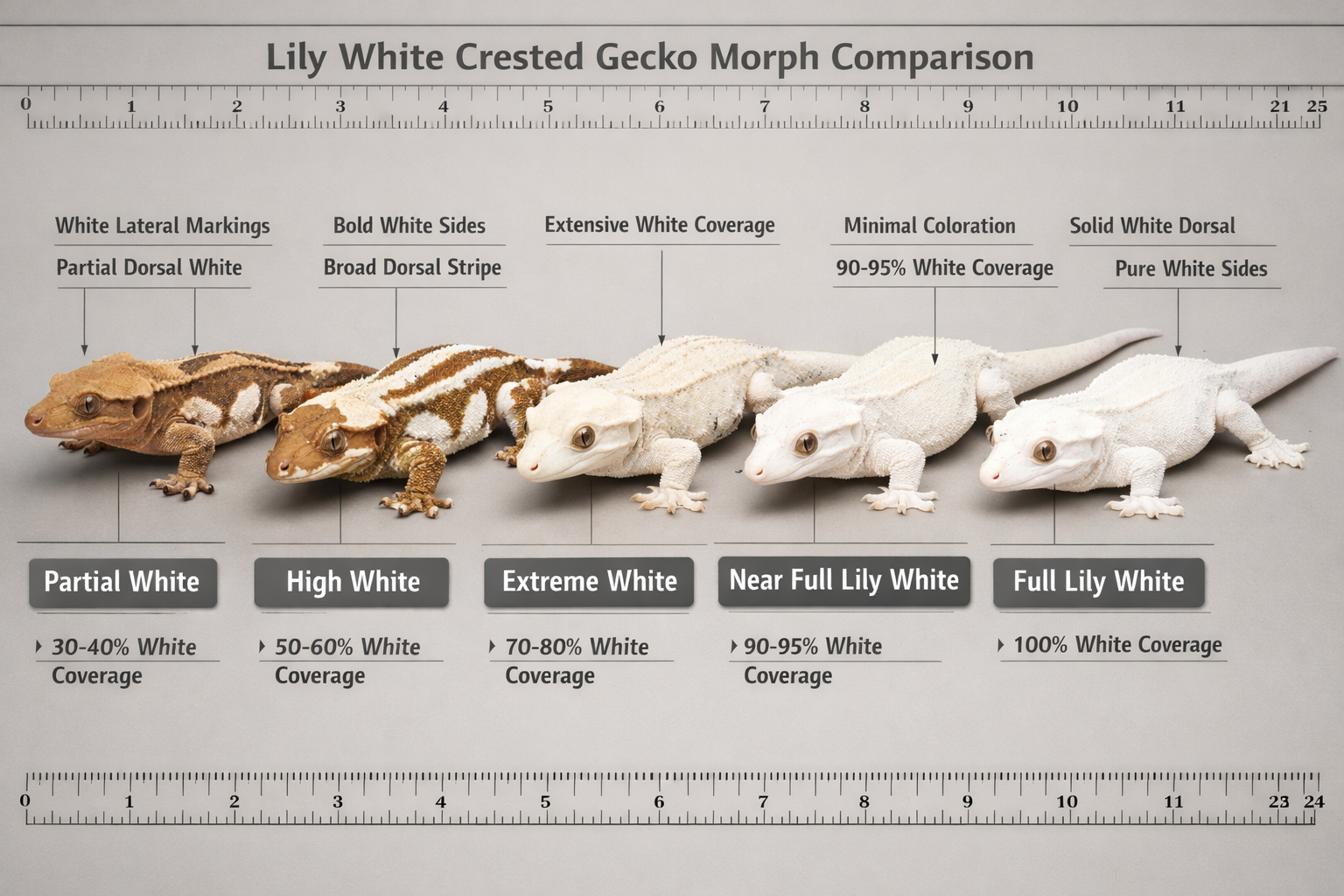
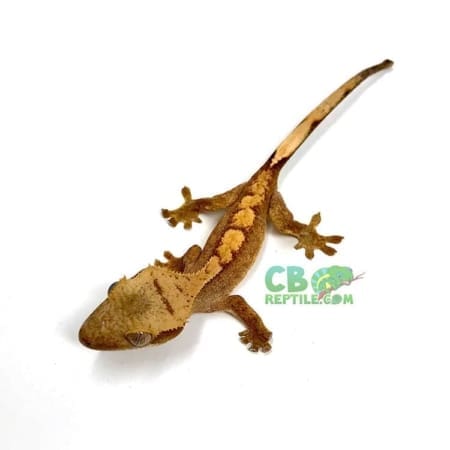
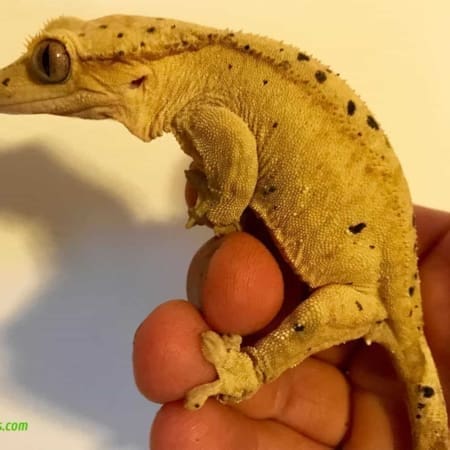
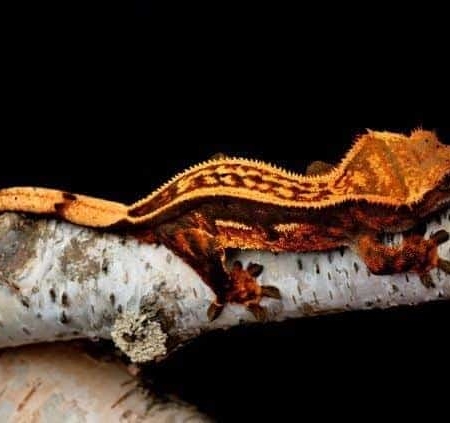
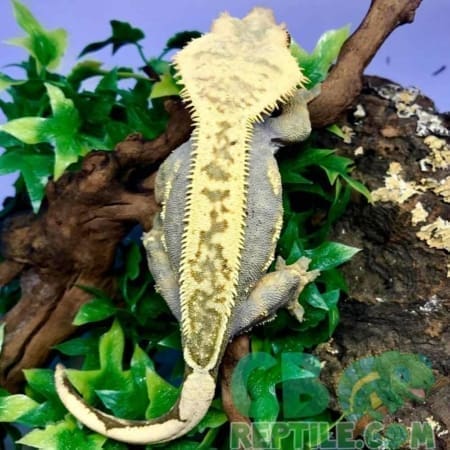
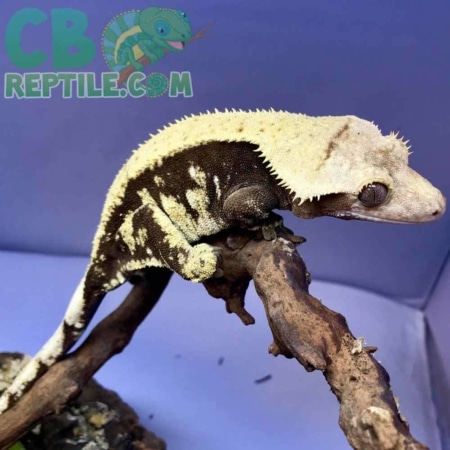
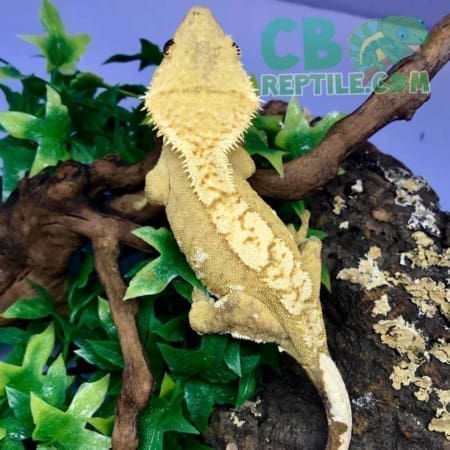
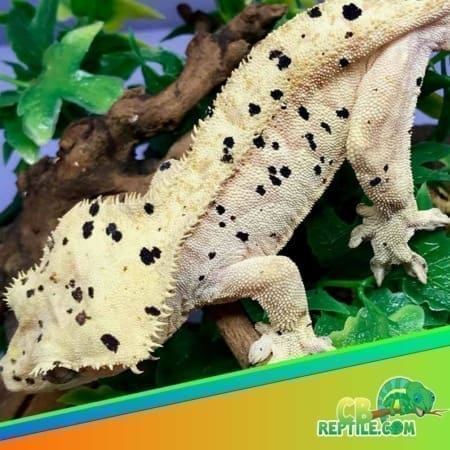
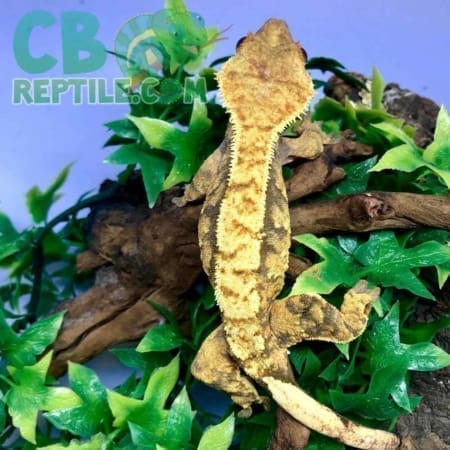
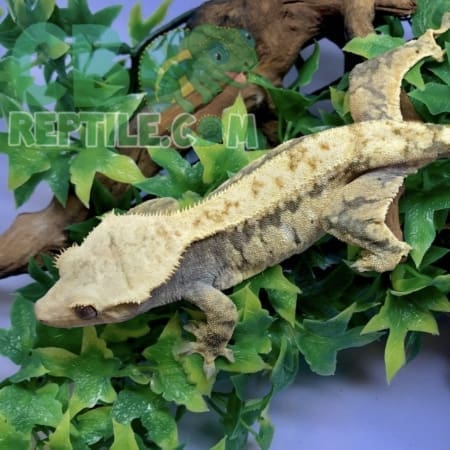
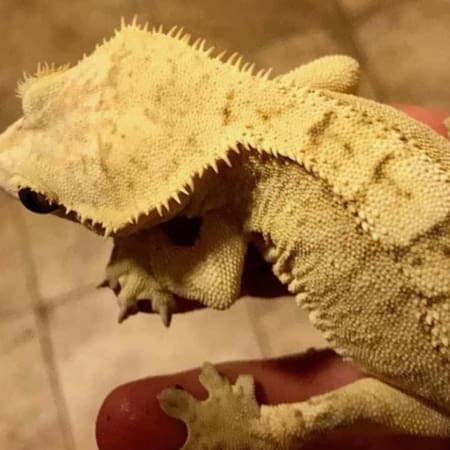
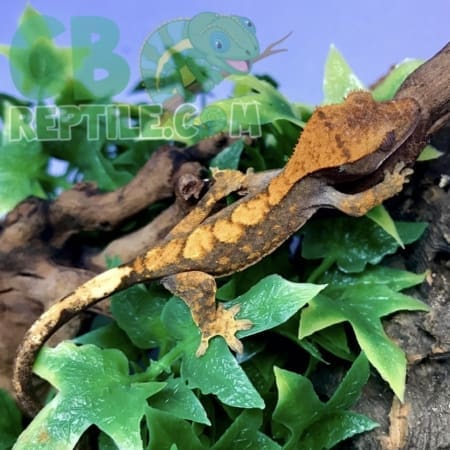
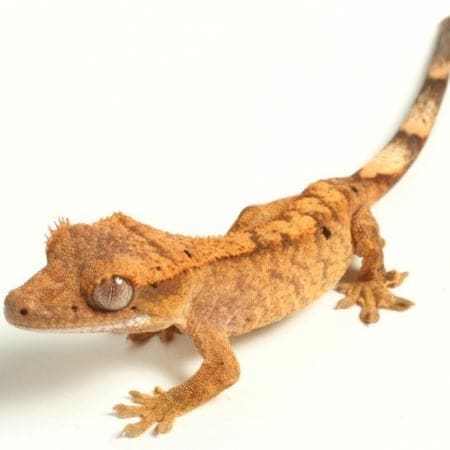
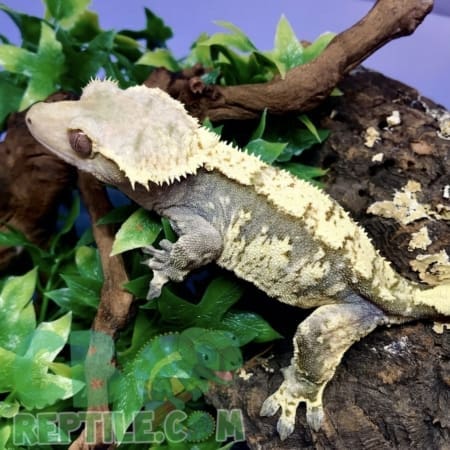
The lily white crested gecko represents one of the most dramatic expressions of white patterning in the crested gecko world. Unlike standard crested gecko morphs that may show minimal white markings, lily whites display extensive white coverage that can range from 60% to nearly 90% of their body surface.
Key identifying characteristics include:
- Extensive white lateral patterns that often connect across the back
- Clean, crisp white coloration without muddy or cream tones
- Minimal base color showing through the white patterns
- Often accompanied by other traits like pinstriping or dalmatian spots
The genetics behind lily white expression involve multiple factors working together. While the exact genetic mechanisms are still being studied by breeders, we know that white expression is influenced by both dominant and recessive traits that can be selectively bred for over multiple generations.
Lily White vs. Other White Morphs
It’s important to understand how lily whites differ from other white-expressing morphs:
Lily White vs. High White:
- Lily whites show 70%+ white coverage
- High whites typically display 40-60% white coverage
- Lily whites command significantly higher prices
Lily White vs. Super Dalmatian:
- Lily whites focus on solid white patterns
- Super dalmatians emphasize white base with dark spots
- Different genetic pathways produce each morph
Lily White vs. Extreme Harlequin:
- Lily whites prioritize white coverage over pattern complexity
- Extreme harlequins focus on intricate pattern arrangements
- Both can be combined in exceptional specimens
Current Breeding Trends and Innovations
The 2026 breeding season has brought exciting developments in lily white genetics. Professional breeders are now focusing on creating sophisticated combinations that enhance the lily white trait while introducing complementary characteristics[2].
Popular 2026 breeding projects include:
🦎 Tangerine Lily Whites – Combining orange/red tones with extensive white coverage
🦎 Lily White Aanthics – Merging the lily white trait with the aanthic (patternless) gene
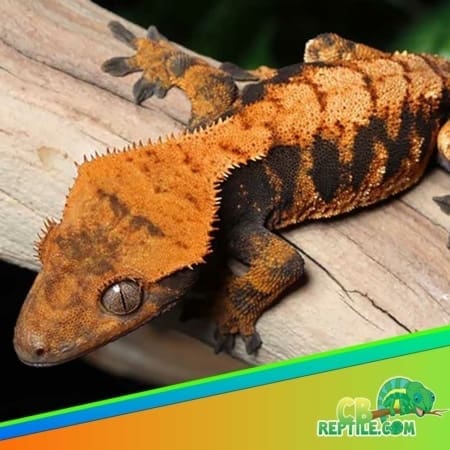
🦎 White Wall Tangerines – Creating specimens with solid white sides and tangerine dorsals
🦎 Sable Tangerines with Lily White – Incorporating darker base tones for contrast
Professional crested gecko breeders like those at CBReptile.com have been perfecting these combinations for over a decade, establishing themselves as the premier source for high-quality lily white specimens in the USA.
- Display 36 Products per page
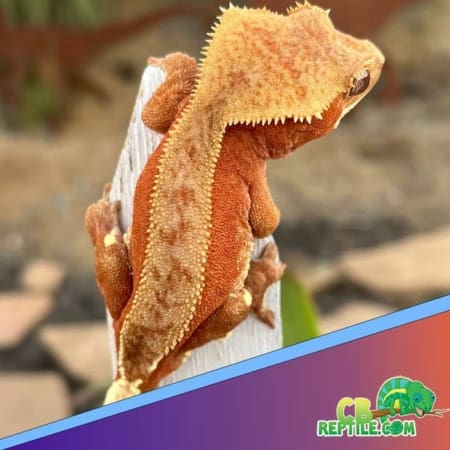
Lily White Crested Gecko Care Requirements and Habitat Setup
Essential Habitat Requirements for Lily White Success
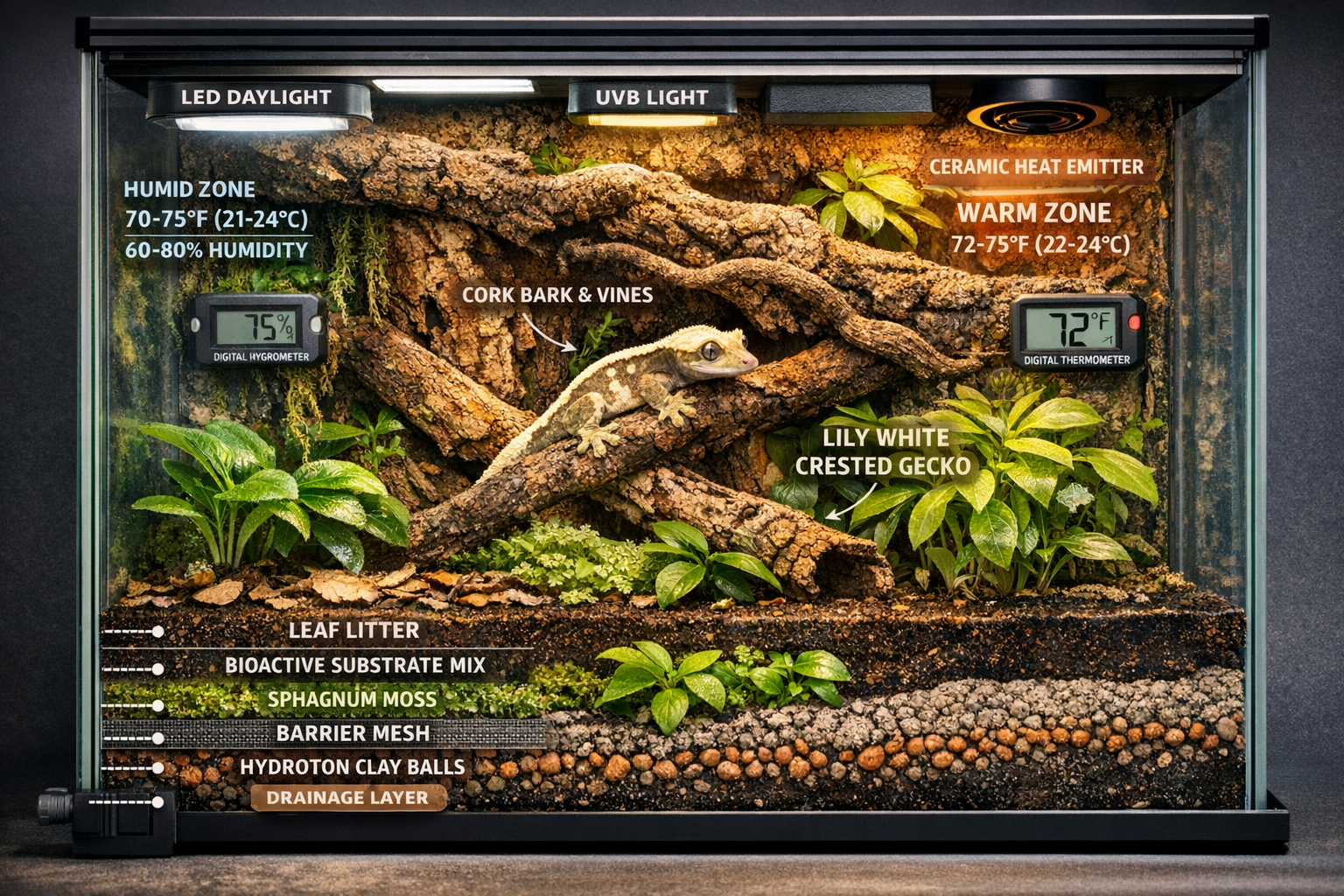
Creating the perfect environment for your lily white crested gecko requires attention to detail and understanding of their specific needs. While lily whites don’t require different care than other crested gecko morphs, their value makes proper husbandry even more critical.
Terrarium Specifications:
- Minimum size: 18″ x 18″ x 24″ for adults (vertical orientation preferred)
- Substrate: Paper towels for juveniles, bioactive soil mix for adults
- Climbing structures: Cork bark, bamboo, artificial vines
- Hide boxes: At least two (warm and cool sides)
The crested gecko habitat setup for lily whites should prioritize vertical space since these arboreal creatures spend most of their time climbing. Professional breeders recommend investing in quality enclosures that can accommodate the gecko’s full adult size from the beginning.
Temperature and Environmental Controls
Proper temperature management is crucial for lily white crested geckos, as stress from incorrect temperatures can affect their coloration and overall health.
Temperature Requirements:
- Daytime: 72-78°F (22-26°C)
- Nighttime: 68-72°F (20-22°C)
- Basking spot: 80-82°F (27-28°C)
- Humidity: 60-80%
For detailed temperature management strategies, refer to our comprehensive crested gecko temperature guide. Many breeders use ceramic heat emitters or under-tank heaters to maintain consistent temperatures without disrupting the gecko’s natural day/night cycle.
Feeding Your Lily White Crested Gecko
Proper nutrition plays a vital role in maintaining the vibrant white coloration that makes lily whites so desirable. Poor diet can lead to dull colors and health issues that diminish both the gecko’s quality of life and its value.
Primary Diet Components:
| Food Type | Frequency | Portion Size | Notes |
|---|---|---|---|
| Commercial CGD | Every other day | 1-2 teaspoons | High-quality brands only |
| Crickets | 2-3 times/week | 3-5 appropriately sized | Gut-loaded preferred |
| Dubia roaches | 1-2 times/week | 2-4 medium | Excellent protein source |
| Fruit treats | Weekly | Small amounts | Mango, fig, papaya |
The crested gecko diet should be consistent and high-quality. Many breeders swear by specific commercial diets that enhance white coloration, though the genetics of the individual gecko play the primary role in color expression.
Feeding Schedule for Different Life Stages:
Hatchlings (0-6 months):
- Daily feeding with commercial gecko diet
- Micro crickets 2-3 times per week
- Focus on consistent growth
Juveniles (6-18 months):
- Every other day commercial diet
- Appropriately sized insects 2-3 times weekly
- Monitor growth rates carefully
Adults (18+ months):
- Every 2-3 days commercial diet
- Weekly insect feeding
- Maintain stable weight
Handling and Temperament
Recent observations from 2026 breeding programs show that lily white babies tend to mellow out and become easy to handle after their initial hatchling skittishness[1]. This makes them excellent choices for both beginners and experienced keepers.
Handling Best Practices:
- Wait 2-3 days after bringing your gecko home before first handling
- Start with short sessions (5-10 minutes) and gradually increase
- Support the body fully when lifting
- Avoid grabbing the tail as it can drop if stressed
- Handle during evening hours when geckos are naturally active
Professional breeders note that lily whites from quality breeding lines tend to have calmer temperaments, making the investment in a well-bred specimen worthwhile for pet owners.
Health Monitoring and Veterinary Care
Lily white crested geckos require the same health monitoring as other morphs, but their higher value makes preventive care even more important.
Monthly Health Checks:
✅ Weight monitoring – Adult weights should remain stable
✅ Skin condition – Look for stuck shed or unusual markings
✅ Appetite tracking – Note any changes in feeding response
✅ Behavior observation – Monitor activity levels and climbing ability
✅ Fecal examination – Check for parasites or unusual consistency
Common Health Issues to Watch For:
- Metabolic Bone Disease (MBD) – Prevented with proper calcium supplementation
- Impaction – Avoided with appropriate substrate choices
- Respiratory infections – Prevented with proper humidity and ventilation
- Parasites – Regular fecal checks recommended
Finding a reptile-experienced veterinarian before you need one is crucial. Many general practice vets lack experience with geckos, so research exotic animal specialists in your area.
🦎 Lily White Crested Gecko Price Calculator
*Prices are estimates based on current market trends. Actual prices may vary by breeder and specific gecko quality.
Buying Your Lily White Crested Gecko: What to Look For
Choosing a Reputable Breeder
When investing in a lily white crested gecko, selecting the right breeder is crucial. The difference between a quality breeder and a backyard operation can mean the difference between a healthy, well-socialized gecko and years of potential problems.
What to Look for in a Quality Breeder:
🏆 Established reputation – Look for breeders with 5+ years of experience
🏆 Health guarantees – Reputable breeders offer health warranties
🏆 Ongoing support – Quality breeders maintain contact with buyers[1]
🏆 Transparent breeding practices – Avoid lily white to lily white pairings[2]
🏆 Professional facilities – Clean, well-maintained breeding setups
🏆 Detailed records – Lineage tracking and health documentation
CBReptile.com has established itself as the #1 crested gecko breeder in the USA for over a decade, specializing in high-quality lily whites and other premium morphs. Their commitment to genetic diversity and health has made them the go-to source for serious collectors and pet owners alike.
Evaluating Lily White Quality
Not all lily whites are created equal. Understanding how to evaluate quality will help you make an informed purchase decision.
Key Quality Indicators:
White Pattern Quality:
- Clean, bright white coloration without cream or yellow tinting
- Well-defined pattern edges with minimal bleeding into base colors
- Symmetrical patterns are preferred but not required
- Coverage percentage accurately represented by the breeder
Overall Health Markers:
- Alert, bright eyes without discharge or cloudiness
- Plump tail indicating good body condition
- Clean vent area showing proper digestive health
- Active behavior during evening hours
- Proper weight for age and size
Structural Soundness:
- Complete toe count (5 toes per foot with sticky pads)
- Intact tail (though dropped tails can regenerate)
- Proper jaw alignment for effective feeding
- Normal gait when moving
Understanding Pricing Structure
Lily white crested gecko pricing varies significantly based on multiple factors. Understanding these factors helps you budget appropriately and recognize good value.
Pricing Tiers (2026 Market Rates):
| Quality Level | Price Range | Description |
|---|---|---|
| Pet Quality | $300-500 | 60-70% white, minor pattern flaws |
| Breeder Quality | $500-800 | 70-80% white, good overall quality |
| Show Quality | $800-1,200 | 80-90% white, excellent patterns |
| Elite Specimens | $1,200+ | 90%+ white, perfect morphology |
Additional Cost Factors:
- Shipping: $50-75 for overnight delivery
- Setup costs: $200-400 for proper habitat
- Initial veterinary exam: $75-150
- Monthly feeding costs: $15-25
For those searching for a crested gecko for sale or looking for a crested gecko breeder near me, CBReptile.com offers nationwide shipping and comprehensive support for new owners.
Red Flags to Avoid
Unfortunately, the popularity of lily whites has attracted some unscrupulous sellers. Being aware of red flags can save you money and heartache.
Seller Red Flags:
❌ Unusually low prices for claimed quality levels
❌ No health guarantees or return policies
❌ Reluctance to provide detailed photos or videos
❌ No breeding records or lineage information
❌ Pressure tactics to buy immediately
❌ Poor communication or unprofessional responses
Gecko Red Flags:
❌ Lethargic behavior during normal active hours
❌ Visible ribs or underweight appearance
❌ Stuck shed or poor skin condition
❌ Mites or parasites visible on the gecko
❌ Respiratory symptoms like mouth breathing
❌ Aggressive or overly fearful behavior
The Buying Process
Step-by-Step Purchase Guide:
- Research breeders thoroughly before making contact
- Ask detailed questions about the gecko’s background
- Request current photos/videos of the specific gecko
- Discuss shipping methods and timing
- Prepare your habitat before the gecko arrives
- Schedule veterinary exam within first week
- Maintain breeder contact for ongoing support
Many quality breeders, including CBReptile.com, maintain relationships with their buyers long after the sale, providing ongoing support and updates on the gecko’s development[1].
Advanced Lily White Breeding Considerations
Breeding Ethics and Best Practices
For those considering breeding lily white crested geckos, understanding proper breeding ethics is essential. The most important rule in lily white breeding is avoiding lily white to lily white pairings[2].
Why Avoid Lily White x Lily White Pairings:
- Genetic bottlenecking can occur with limited gene pool
- Potential health issues may be amplified
- Reduced vigor in offspring
- Professional breeders consistently avoid this practice
Recommended Breeding Combinations:
- Lily White female x High White male
- Lily White female x Tangerine male
- Lily White female x Dalmatian male
- Lily White female x Pinstripe male
These combinations help maintain genetic diversity while still producing high-quality offspring with excellent white expression.
2026 Breeding Innovations
The current breeding season has brought exciting developments in lily white genetics. Professional breeders are focusing on creating new combinations that enhance the lily white trait while introducing complementary characteristics[2].
Trending Breeding Projects:
Tangerine Lily Whites:
- Combine orange/red coloration with extensive white coverage
- Create striking contrast between warm and cool tones
- Highly sought after by collectors
Lily White Aanthics:
- Merge lily white patterns with patternless genetics
- Result in clean, minimalist appearances
- Represent cutting-edge breeding techniques
White Wall Combinations:
- Focus on solid white lateral coverage
- Often combined with contrasting dorsal colors
- Create dramatic visual impact
Professional breeders like those at CBReptile.com have been perfecting these combinations for over a decade, establishing breeding lines that consistently produce high-quality specimens.
Breeding Setup Requirements
Successful lily white breeding requires significant investment in proper facilities and equipment.
Essential Breeding Setup Components:
- Multiple breeding enclosures (minimum 18″x18″x24″ each)
- Incubation equipment with precise temperature control
- Quarantine facilities for new breeding stock
- Record keeping systems for tracking lineages
- Emergency veterinary contacts specializing in reptiles
Incubation Requirements:
- Temperature: 72-78°F for mixed sexes, 82°F+ for females
- Humidity: 80-90% during incubation
- Substrate: Perlite, vermiculite, or commercial incubation media
- Duration: 60-90 days depending on temperature
Market Considerations for Breeders
The lily white market continues to grow, but successful breeding requires understanding market dynamics.
Market Trends (2026):
- Increased demand for combination morphs
- Premium pricing for proven breeding females
- Growing interest in documented lineages
- International market expansion
Success Factors for New Breeders:
- Start with quality stock from established breeders
- Focus on specific traits rather than trying to do everything
- Build relationships within the breeding community
- Invest in proper facilities from the beginning
- Maintain detailed records of all breeding activities
Lily White Crested Gecko Health and Longevity
Lifespan and Long-term Care
Lily white crested geckos, when properly cared for, can live 15-20 years in captivity. This longevity makes them excellent long-term companions but also requires commitment to consistent care throughout their lives.
Age-Related Care Considerations:
Juvenile Stage (0-18 months):
- Rapid growth requires frequent feeding
- Higher protein needs for development
- More frequent handling for socialization
- Monitor growth rates carefully
Adult Stage (18 months – 10 years):
- Stable feeding schedule every 2-3 days
- Breeding potential if desired
- Consistent weight maintenance
- Regular health monitoring
Senior Stage (10+ years):
- Potential dietary adjustments for easier digestion
- More frequent health checks
- Possible mobility considerations
- Continued quality of life focus
Common Health Challenges
While lily whites don’t face unique health challenges compared to other morphs, their value makes preventive care especially important.
Preventable Health Issues:
Metabolic Bone Disease (MBD):
- Cause: Calcium deficiency or improper UVB exposure
- Prevention: Proper diet supplementation and lighting
- Early signs: Lethargy, tremors, soft jaw
- Treatment: Veterinary care and husbandry corrections
Impaction:
- Cause: Inappropriate substrate ingestion
- Prevention: Use safe substrates like paper towels or bioactive setups
- Signs: Inability to defecate, bloated appearance
- Treatment: Veterinary intervention required
Respiratory Infections:
- Cause: Poor ventilation or incorrect humidity
- Prevention: Proper crested gecko habitat guide following
- Signs: Mouth breathing, wheezing, lethargy
- Treatment: Antibiotic therapy under veterinary supervision
Veterinary Care and Health Monitoring
Establishing a relationship with a reptile-experienced veterinarian is crucial for lily white owners.
Recommended Veterinary Schedule:
- Initial exam within first week of ownership
- Annual wellness exams for adults
- Bi-annual exams for seniors
- Immediate care for any concerning symptoms
Home Health Monitoring:
- Weekly weight checks using a digital scale
- Monthly photo documentation to track any changes
- Daily behavior observation during active hours
- Regular fecal examination for parasite detection
Building Your Lily White Collection
Starting Your Collection
Many lily white enthusiasts start with a single gecko but eventually expand their collection. Planning for potential growth helps ensure success.
Collection Planning Considerations:
- Space requirements multiply with each gecko
- Quarantine protocols for new additions
- Breeding goals vs. pet-only collections
- Budget planning for ongoing care costs
- Time management for proper care routines
Recommended Starting Approach:
- Master care of your first lily white
- Gain experience with handling and husbandry
- Research breeding if that’s your goal
- Network with other enthusiasts and breeders
- Plan expansion carefully and deliberately
Collection Management
Successful collection management requires organization and attention to detail.
Essential Management Tools:
- Individual care logs for each gecko
- Feeding schedules and tracking systems
- Health monitoring records
- Photo documentation of growth and development
- Breeding records if applicable
Space and Equipment Scaling:
- Modular enclosure systems for efficient space use
- Centralized environmental controls where possible
- Backup equipment for critical systems
- Emergency protocols for power outages or equipment failures
Community and Resources
The lily white crested gecko community is vibrant and supportive, offering valuable resources for both beginners and experienced keepers.
Valuable Community Resources:
- Online forums and social media groups
- Local reptile societies and clubs
- Reptile shows and expos for networking
- Breeder mentorship opportunities
- Educational workshops and seminars
Continuing Education:
- Stay current with breeding innovations
- Learn from experienced breeders and keepers
- Attend reptile expos and educational events
- Participate in online communities
- Share experiences with other enthusiasts
Conclusion
The lily white crested gecko represents the pinnacle of crested gecko breeding, combining stunning visual appeal with the gentle temperament that makes these reptiles such beloved pets. As the most popular morph among breeders and collectors[3], lily whites offer both aesthetic beauty and potential investment value for serious enthusiasts.
Whether you’re drawn to their ethereal white patterns, interested in their breeding potential, or simply want an exceptional pet, lily white crested geckos reward proper care with years of companionship. The key to success lies in choosing a reputable breeder, providing excellent husbandry, and maintaining consistent care throughout the gecko’s 15-20 year lifespan.
Your Next Steps:
- Research reputable breeders like CBReptile.com who specialize in quality lily whites
- Prepare your habitat using our comprehensive crested gecko habitat guide
- Budget for initial costs including the gecko, setup, and veterinary care
- Connect with the community for ongoing support and education
- Consider your long-term goals whether pet ownership or potential breeding
The world of lily white crested geckos offers endless fascination and reward for those willing to provide proper care. With their growing popularity and continued breeding innovations, 2026 represents an excellent time to join this exciting community of gecko enthusiasts.
For those ready to find their perfect lily white companion, explore the exceptional selection available from established breeders who have been perfecting these remarkable creatures for over a decade. Your lily white crested gecko journey awaits! 🦎
References
[1] Watch – https://www.youtube.com/watch?v=yxf2TOx4sTI
[2] Watch – https://www.youtube.com/watch?v=voxRk1jXdAo
[3] Watch – https://www.youtube.com/watch?v=Hi3mL7-9Jas