
The Complete Guide to Building a Crested Gecko Habitat: Creating the Perfect Home for Your New Pet
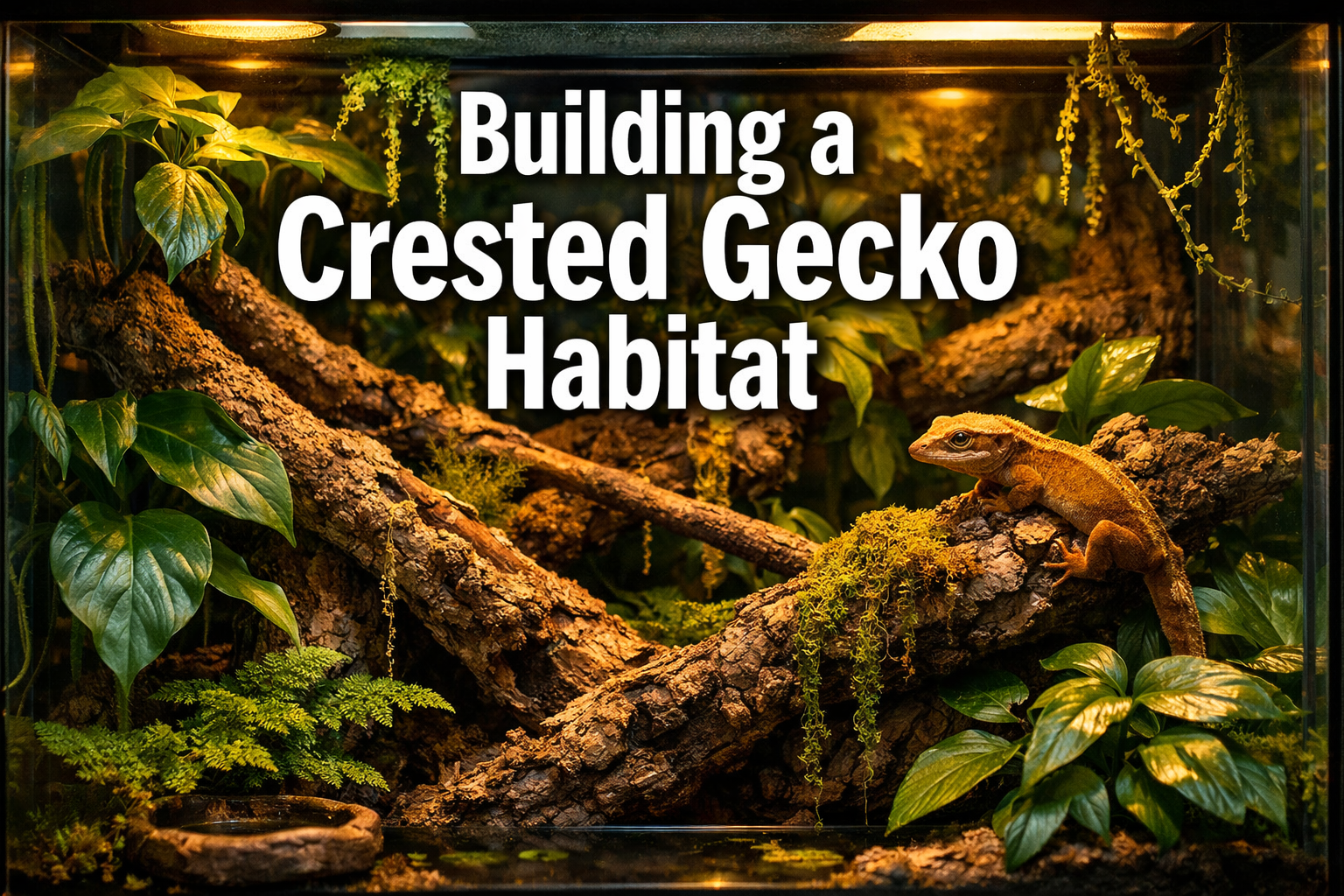
Picture this: you’ve just brought home your first crested gecko from a reputable breeder, and you’re staring at an empty glass enclosure wondering how to transform it into a thriving ecosystem. Building a crested gecko habitat isn’t just about throwing some branches and substrate into a tank—it’s about creating a carefully orchestrated environment that mimics the rainforests of New Caledonia where these remarkable creatures evolved. 🦎
As someone who has worked with reptile enthusiasts for over a decade, I’ve seen countless habitat setups, and I can tell you that the difference between a basic enclosure and a properly designed habitat often determines whether your gecko merely survives or truly thrives. The good news? With the right knowledge and approach, anyone can create an exceptional home for their crested gecko.
Key Takeaways
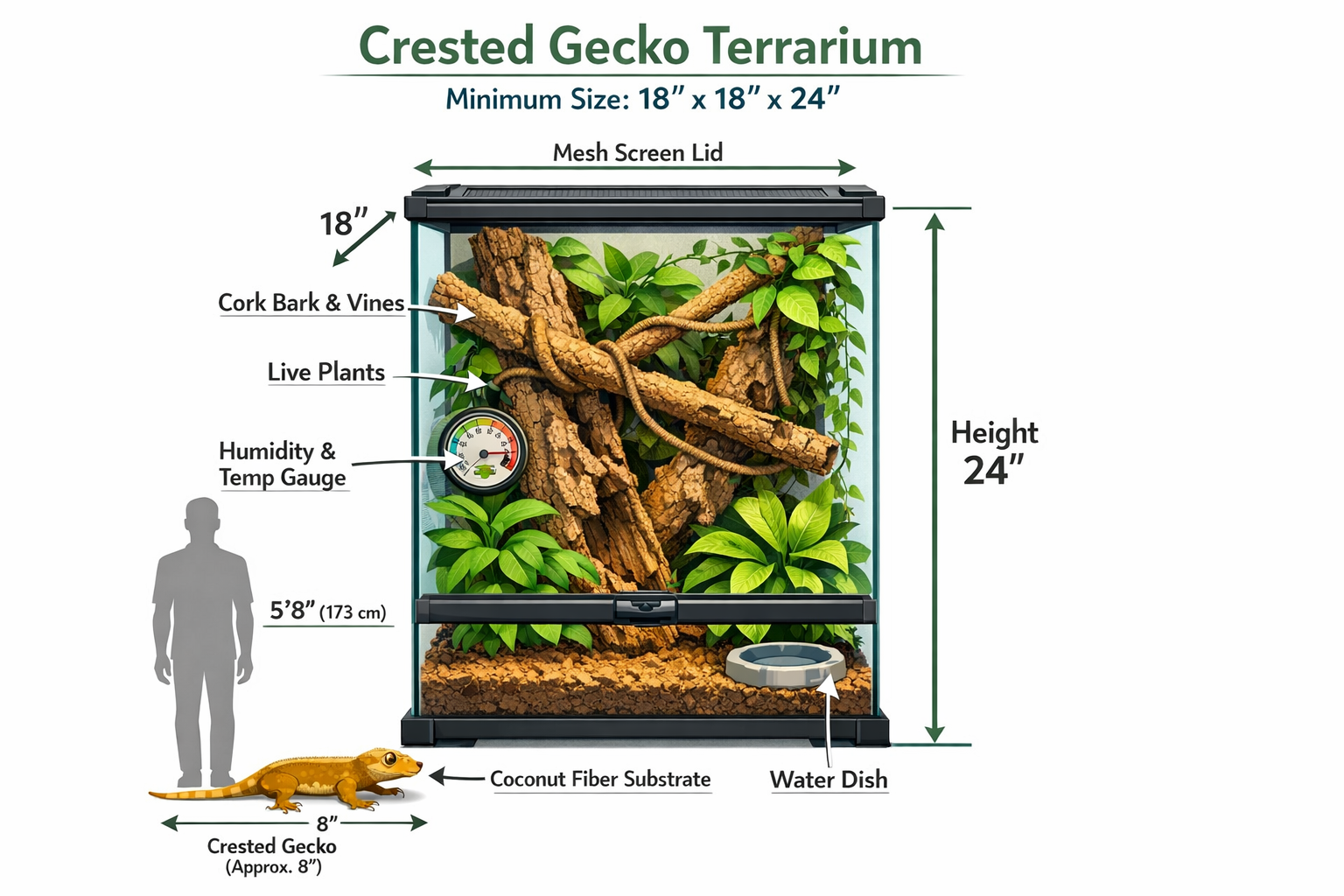
• Minimum enclosure size: 18″x18″x24″ for adults, with vertical space being more critical than floor area due to their arboreal nature
• Essential components: Glass terrarium with screened lid, moisture-retaining substrate, live or artificial plants, cork bark climbing structures, and multiple hides
• Environmental priorities: Proper humidity retention, adequate ventilation, and temperature gradients between 72-78°F
• Substrate selection: Bioactive substrates with coconut fiber, sphagnum moss, and cleanup crew organisms provide the most natural environment
• Plant integration: Live plants like pothos and bromeliads not only enhance aesthetics but also help maintain humidity and provide natural climbing opportunities
Understanding Crested Gecko Natural Habitat Requirements
Before diving into the specifics of building a crested gecko habitat, it’s crucial to understand what these fascinating reptiles need in the wild. Crested geckos are arboreal species native to New Caledonia, where they spend most of their time in the forest canopy among dense vegetation and humid microclimates [1].
The Importance of Vertical Space
Unlike many terrestrial reptiles, crested geckos rarely venture to ground level in their natural environment. This behavior translates directly to captive care requirements—height is significantly more important than floor space when designing their enclosure [2]. In fact, hides placed on the terrarium floor are often completely ignored by crested geckos, as they prefer elevated hiding spots that mimic tree hollows and dense foliage [1].
Natural Climate Considerations
The rainforests of New Caledonia maintain consistent humidity levels and moderate temperatures year-round. Your habitat setup must replicate these conditions through:
- Humidity retention capabilities
- Temperature stability between 72-78°F
- Proper air circulation to prevent stagnation
- Microclimate variation throughout the enclosure
When selecting your initial setup, consider exploring our comprehensive crested gecko habitat guide for detailed environmental specifications.
Essential Enclosure Specifications for Building a Crested Gecko Habitat
Size Requirements by Age
The foundation of any successful habitat starts with proper enclosure dimensions. Here’s what you need to know:
For Baby Crested Geckos:
- Minimum size: 12″x12″x18″ vertically oriented enclosure [3]
- Smaller spaces help juveniles feel secure and locate food easily
- Can be upgraded as the gecko grows
For Adult Crested Geckos:
- Absolute minimum: 20 gallons or 18″x18″x18″ [3][5]
- Recommended minimum: 18″x18″x24″ for single adults
- Optimal size: 24″x18″x24″ or larger for maximum comfort [5]
Material Selection: Glass vs. Other Options
When building a crested gecko habitat, material choice significantly impacts your success. Glass terrariums are strongly recommended over wooden vivariums due to several critical factors [1]:
Advantages of Glass Enclosures:
- Superior moisture retention for humidity maintenance
- Easy cleaning and sanitization
- Better visibility for monitoring your gecko
- Resistance to mold and bacterial growth
- Professional appearance
Essential Features:
- Screened lids for proper ventilation and escape prevention [5]
- Front-opening doors for easier access and maintenance
- Adequate ventilation to prevent condensation buildup
For those interested in pre-designed solutions, check out our selection of gecko habitats for sale that meet these specifications.
Substrate Selection and Setup
Traditional Substrate Options
Choosing the right substrate is crucial for building a crested gecko habitat that maintains proper humidity while ensuring your pet’s safety. The substrate must retain moisture effectively while avoiding materials that pose ingestion risks [5].
Recommended Safe Substrates:
- Coconut fiber (coco coir): Excellent moisture retention, natural appearance
- Sphagnum moss: Superior humidity maintenance, soft texture
- Cypress mulch: Good moisture retention, pleasant aroma
- Paper towels: Safe, easy to clean (temporary or quarantine use)
Substrates to Avoid:
- Gravel or small stones (impaction risk)
- Wood chips or shavings (potential for cuts and impaction)
- Walnut shells (extremely dangerous if ingested)
- Sand (impaction hazard) [5]
Advanced Bioactive Substrate Systems
For experienced keepers interested in building a crested gecko habitat that closely mimics nature, bioactive substrates represent the gold standard [2][3]. These living ecosystems provide numerous benefits:
Bioactive Substrate Components:
- Organic soil base: Provides foundation for plant growth
- Sphagnum moss: Maintains humidity and creates natural texture
- Fine sand component: Improves drainage
- Springtails: Consume mold and organic waste
- Isopods: Break down waste products and maintain soil health
Benefits of Bioactive Systems:
- Self-cleaning through natural decomposition
- Enhanced humidity stability
- Reduced maintenance requirements
- More natural behaviors in geckos
- Improved air quality
Plant Selection and Arrangement
Live Plants for Optimal Habitat Design
Incorporating live plants is essential when building a crested gecko habitat that promotes natural behaviors and maintains environmental stability. Plants serve multiple critical functions beyond aesthetics [2].
Top Live Plant Choices:
Pothos (Epipremnum aureum):
- Extremely hardy and low-maintenance
- Excellent climbing structure with sturdy vines
- Helps maintain humidity levels
- Safe if occasionally nibbled
Bromeliads:
- Natural water collection in leaf bases
- Provides drinking opportunities
- Creates humid microclimates
- Stunning visual appeal
Ferns (Various Species):
- High humidity tolerance
- Soft, safe foliage for resting
- Natural rainforest appearance
- Multiple varieties available
Sansevieria (Snake Plant):
- Very low light requirements
- Structural climbing opportunities
- Extremely durable
- Minimal care needed
Artificial Plant Alternatives
While live plants offer the best environmental benefits, high-quality artificial plants can be suitable alternatives for building a crested gecko habitat when live plants aren’t feasible:
Advantages of Artificial Plants:
- No maintenance requirements
- No risk of plant death or disease
- Consistent appearance
- Safe from over-fertilization
Selection Criteria:
- Choose silk over plastic for texture
- Ensure no sharp edges or small parts
- Select realistic colors and shapes
- Wash thoroughly before installation
For more specific plant recommendations, explore our detailed crested gecko habitat setup guide.
🦎 Crested Gecko Habitat Setup Calculator
Calculate the perfect enclosure size and setup requirements for your crested gecko
📊 Recommended Habitat Specifications
Cork Bark: The Foundation of Vertical Space
Cork bark represents the single most important climbing structure when building a crested gecko habitat. This natural material provides multiple benefits that artificial alternatives simply cannot match [4]:
Benefits of Cork Bark:
- Natural texture that geckos can easily grip with their toe pads
- Humidity retention creating beneficial microclimates
- Hollow sections that serve as natural hiding spots
- Durability that withstands constant use and high humidity
- Aesthetic appeal that enhances the naturalistic appearance
Cork Bark Placement Tips:
- Create diagonal climbing routes from bottom to top
- Ensure stable anchoring to prevent shifting or falling
- Position pieces to create multiple pathways throughout the enclosure
- Leave gaps and crevices for natural hiding opportunities
Additional Climbing Structures
Beyond cork bark, several other materials can enhance your habitat’s vertical complexity:
Natural Branches:
- Grapewood: Attractive, naturally weathered appearance
- Manzanita: Extremely durable, interesting shapes
- Driftwood: Unique textures and formations
Artificial Options:
- Bendable vine replicas for custom positioning
- Resin branches that won’t decay
- Magnetic ledges for easy rearrangement
Hide Box Placement and Selection
Traditional terrestrial reptile keeping often focuses on ground-level hides, but crested geckos require elevated hiding spots throughout their vertical territory [2]. Hides placed on the terrarium floor are frequently ignored since these arboreal geckos rarely venture to ground level [1].
Optimal Hide Placement:
- Upper level: Near the top for nighttime security
- Mid-level: Along climbing routes for daytime rest
- Multiple options: At least 2-3 hides for single geckos
- Secure mounting: Prevent falls that could injure your gecko
Temperature and Lighting Considerations
Temperature Management in Crested Gecko Habitats
Unlike many reptiles that require complex heating systems, crested geckos thrive in moderate temperatures that align closely with typical household conditions. When building a crested gecko habitat, temperature stability is more important than creating dramatic gradients [5].
Optimal Temperature Ranges:
- Daytime: 72-78°F (22-26°C)
- Nighttime: 65-72°F (18-22°C)
- Basking spot: Not required (unlike many reptiles)
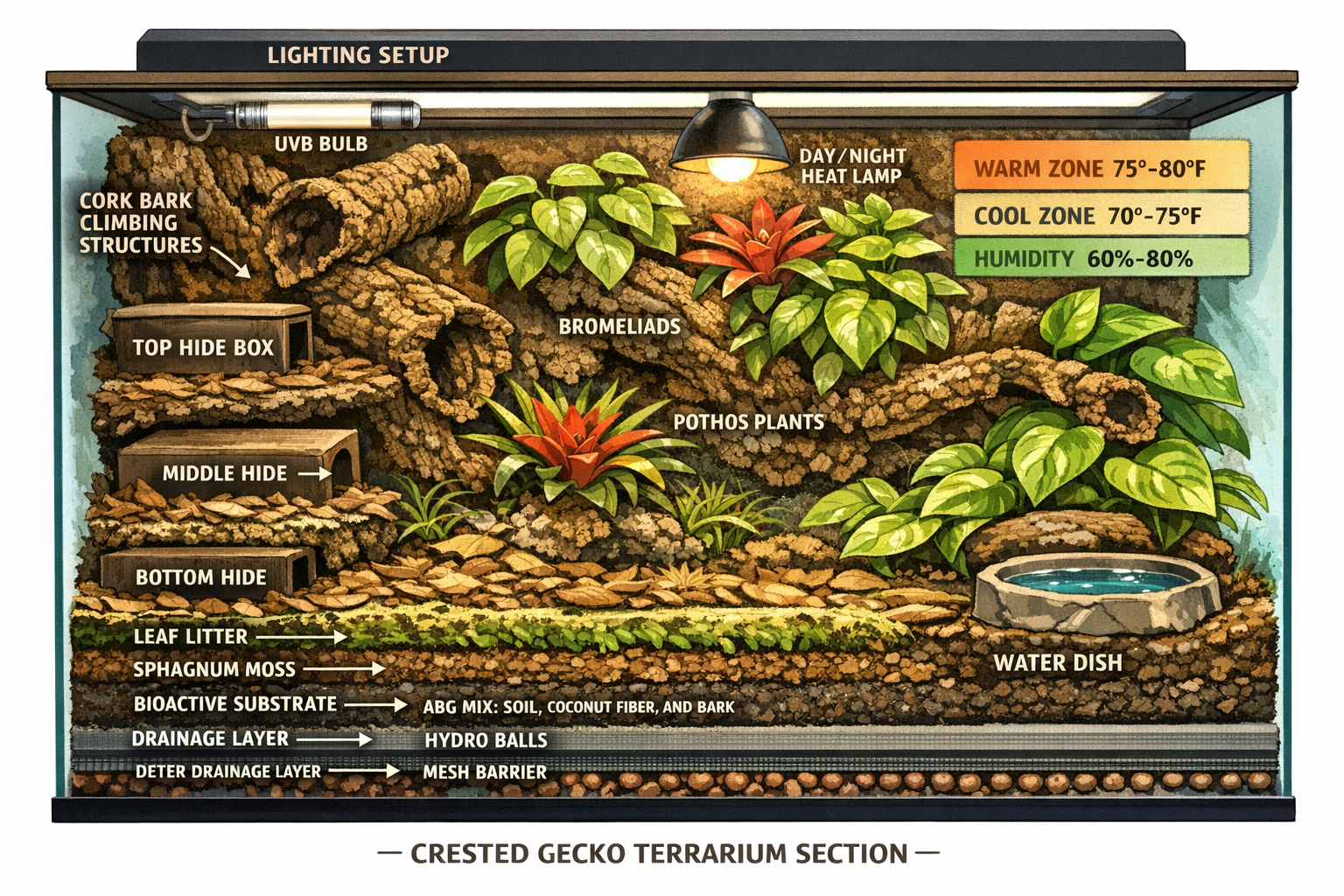
- Humidity: 60-80% relative humidity
Heating Methods:
- Under-tank heaters: Gentle, consistent warmth
- Ceramic heat emitters: No light emission for day/night cycles
- Room temperature: Often sufficient in climate-controlled homes
For detailed temperature management strategies, consult our crested gecko temperature guide.
Lighting Requirements
Crested geckos are crepuscular species, meaning they’re most active during dawn and dusk hours. This natural behavior pattern influences their lighting needs:
Lighting Considerations:
- UVB lighting: Beneficial but not absolutely essential
- LED plant lights: Necessary for live plant growth
- Day/night cycles: 12-hour cycles recommended
- Intensity: Moderate levels, avoid bright spotlights
Humidity and Ventilation Balance
Maintaining Proper Humidity Levels
Achieving the right humidity balance is one of the most critical aspects of building a crested gecko habitat. These rainforest natives require consistent moisture levels while avoiding stagnant air that promotes bacterial growth [1].
Humidity Management Strategies:
Substrate Selection Impact:
- Sphagnum moss: Excellent moisture retention
- Coconut fiber: Good humidity with proper drainage
- Live plants: Natural humidity regulation through transpiration
Misting Protocols:
- Evening misting: Aligns with natural dew formation
- Morning light misting: Provides drinking opportunities
- Avoid over-saturation: Prevent substrate sogginess
Monitoring Tools:
- Digital hygrometers for accurate readings
- Multiple sensors for different enclosure zones
- Data logging for pattern identification
Ventilation Requirements
Proper airflow prevents the humid environment from becoming stagnant and unhealthy. Screened lids are essential for maintaining air circulation while retaining necessary moisture [5].
Ventilation Best Practices:
- Screen top coverage: Full mesh lid for air exchange
- Side ventilation: Additional vents if needed
- Air circulation: Gentle movement without drafts
- Condensation management: Prevent excessive buildup on glass
Setting Up Your Crested Gecko Habitat Step-by-Step
Phase 1: Foundation and Infrastructure
Building a crested gecko habitat requires systematic assembly to ensure all components work together harmoniously. Start with these foundational elements:
Step 1: Enclosure Preparation
- Clean the terrarium thoroughly with reptile-safe disinfectant
- Install ventilation screens and ensure proper fit
- Test all equipment before adding substrate or decorations
- Plan your layout on paper before physical assembly
Step 2: Substrate Installation
- Add drainage layer if using bioactive setup (optional)
- Install substrate to 2-3 inch depth for moisture retention
- Create slight slopes for natural water drainage
- Compact gently to prevent shifting during use
Phase 2: Structural Elements and Plants
Step 3: Install Climbing Structures
- Position cork bark pieces to create vertical pathways
- Secure all structures to prevent movement or collapse
- Test stability by applying gentle pressure
- Create multiple routes between different enclosure levels
Step 4: Plant Installation
- Plant live plants in appropriate locations for growth
- Secure artificial plants to prevent displacement
- Create layered canopy with plants at different heights
- Ensure climbing access around all planted areas
Phase 3: Final Setup and Environmental Testing
Step 5: Hide and Accessory Placement
- Install hides at multiple elevations throughout the enclosure
- Position water dish in accessible but stable location
- Add final decorative elements like additional branches or leaves
- Perform safety check for sharp edges or unstable items
Step 6: Environmental Calibration
- Install monitoring equipment (thermometers, hygrometers)
- Test temperature ranges over 24-48 hours
- Adjust humidity levels through misting and ventilation
- Allow ecosystem stabilization before introducing your gecko
- Display 36 Products per page
Advanced Habitat Concepts and Bioactive Systems
Creating Self-Sustaining Ecosystems
For experienced keepers, bioactive habitats represent the pinnacle of crested gecko husbandry. These living ecosystems closely replicate natural environments while reducing maintenance requirements through biological processes [2][3].
Bioactive System Components:
Microfauna Introduction:
- Springtails (Collembola): Consume mold, fungus, and organic debris
- Isopods (Pill bugs): Process waste and maintain soil health
- Beneficial bacteria: Break down organic matter and cycle nutrients
Substrate Layering:
- Drainage layer: Clay balls or gravel (1-2 inches)
- Barrier layer: Mesh or landscape fabric
- Soil mixture: Organic potting soil, coco coir, sphagnum moss
- Leaf litter: Oak or magnolia leaves for natural appearance
Plant Selection for Bioactive Systems:
- Pothos: Rapid growth, excellent waste processing
- Bromeliads: Water collection, humidity regulation
- Ferns: Soft landing surfaces, natural appearance
- Moss species: Ground cover, moisture retention
Troubleshooting Common Habitat Issues
Even well-planned habitats can develop problems. Here are solutions to frequent challenges when building a crested gecko habitat:
Humidity Problems:
- Too low: Increase misting frequency, add more plants, check ventilation
- Too high: Improve ventilation, reduce misting, check for standing water
Temperature Issues:
- Too warm: Increase ventilation, relocate away from heat sources
- Too cool: Add gentle heating pad, check room temperature
Plant Health:
- Dying plants: Check lighting, adjust watering, ensure proper drainage
- Overgrowth: Regular pruning, appropriate plant selection
Maintenance and Long-term Care
Daily and Weekly Maintenance Routines
Successful crested gecko habitat management requires consistent attention to environmental conditions and cleanliness [8].
Daily Tasks:
- Monitor temperatures and humidity levels
- Check water dish and refill as needed
- Observe gecko behavior for health indicators
- Remove uneaten food within 24-48 hours
Weekly Tasks:
- Spot clean visible waste and debris
- Mist plants and adjust humidity as needed
- Check equipment function (thermometers, lighting)
- Inspect climbing structures for stability
Monthly Tasks:
- Deep clean water dish with reptile-safe disinfectant
- Prune live plants to maintain appropriate size
- Replace substrate in non-bioactive setups
- Inspect all equipment for wear or damage
Seasonal Adjustments
Environmental conditions change throughout the year, requiring habitat modifications to maintain optimal conditions:
Summer Considerations:
- Increased ventilation to prevent overheating
- More frequent misting due to lower humidity
- Monitor for temperature spikes during heat waves
Winter Adjustments:
- Reduced ventilation to maintain humidity
- Possible heating supplementation in cold climates
- Adjust misting schedule for seasonal humidity changes
Choosing the Right Crested Gecko for Your New Habitat
Working with Reputable Breeders
Once your habitat is complete, selecting a healthy gecko from a reputable source is crucial. CBreptile.com has established itself as the #1 crested gecko breeder in the USA for over a decade, offering exceptional animals with comprehensive health guarantees.
When searching for a “crested gecko for sale” or “crested gecko breeder” or “crested gecko near me“, consider these factors:
Breeder Quality Indicators:
- Health guarantees and transparent policies
- Detailed care information provided with each animal
- Responsive customer support for ongoing questions
- Proper shipping protocols for animal welfare
Understanding Crested Gecko Morphs and Pricing
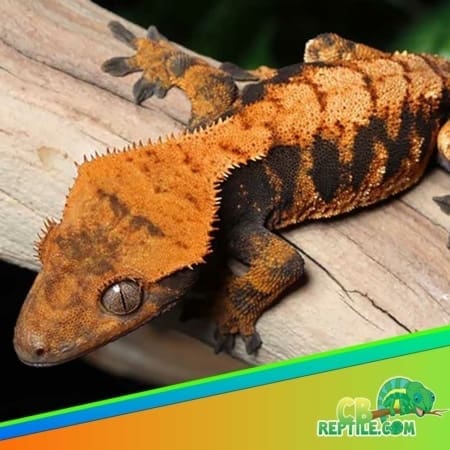
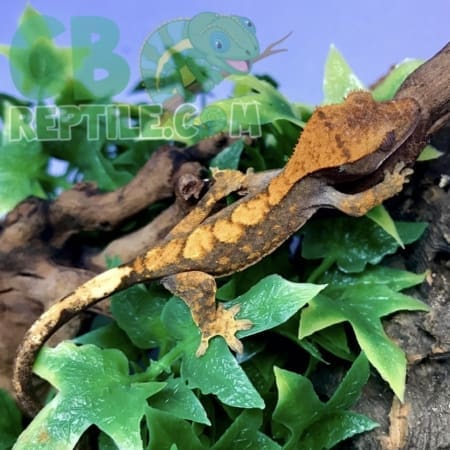
Crested gecko morphs vary significantly in price based on rarity and visual appeal. Understanding these differences helps you make informed decisions:
Common Morphs (Starting at $75):
- Flame patterns: Classic fire-like markings
- Bicolor variations: Simple two-tone patterns
- Basic harlequins: Standard pattern combinations
Premium Morphs ($150-$300+):
- Pinstripe patterns: Distinctive line markings
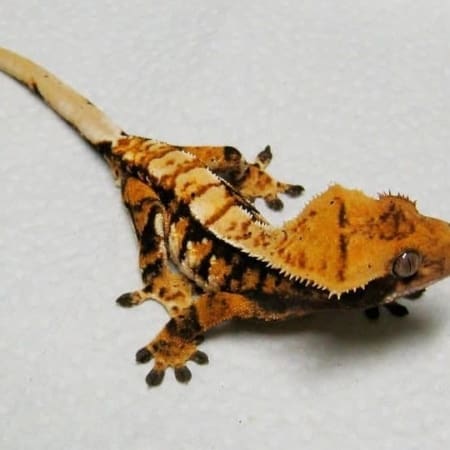
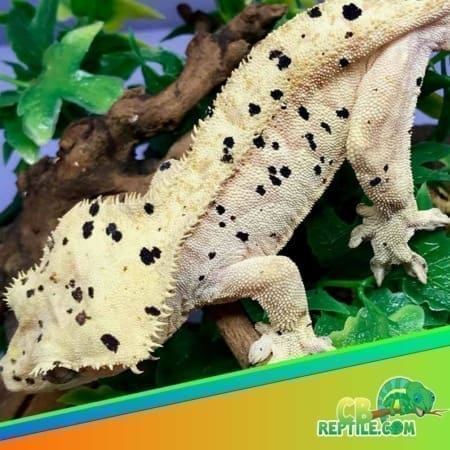
- Dalmatian spots: Unique spotted patterns
- Halloween combinations: Striking orange and black
Ultra-Premium Morphs ($300+):
- Tiger patterns: Bold striping
- Harlequin variations: Complex pattern combinations
- Designer combinations: Multiple trait expressions
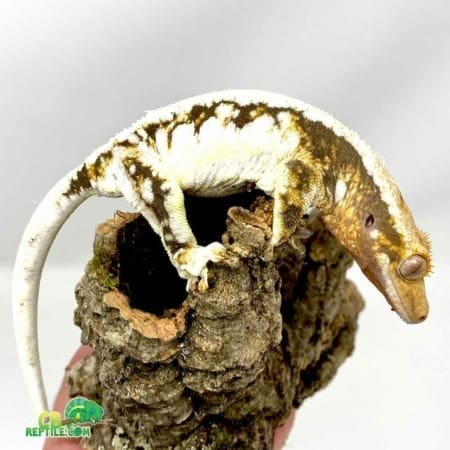
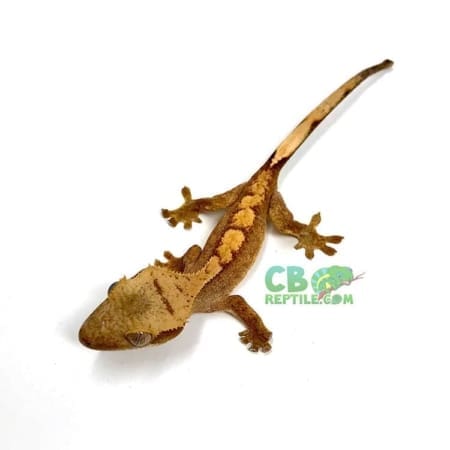
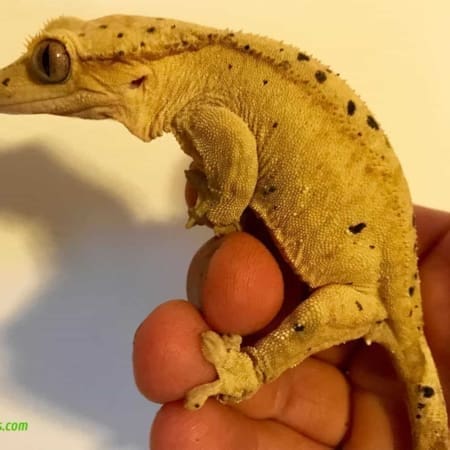
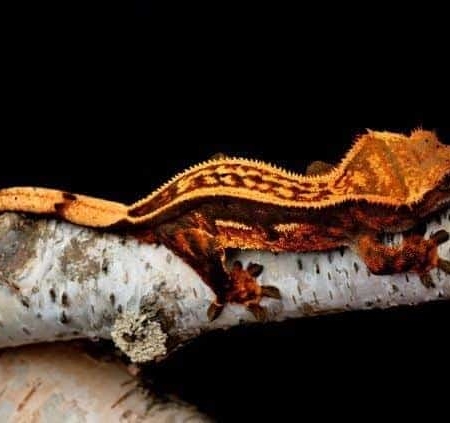
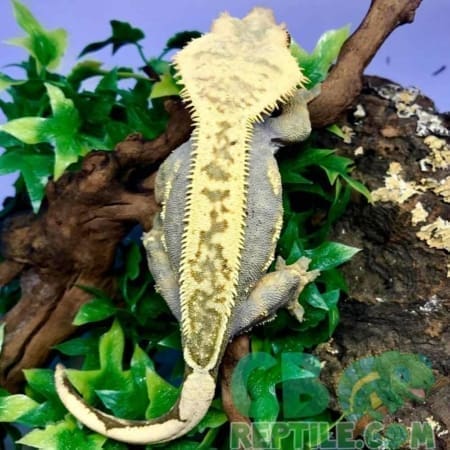
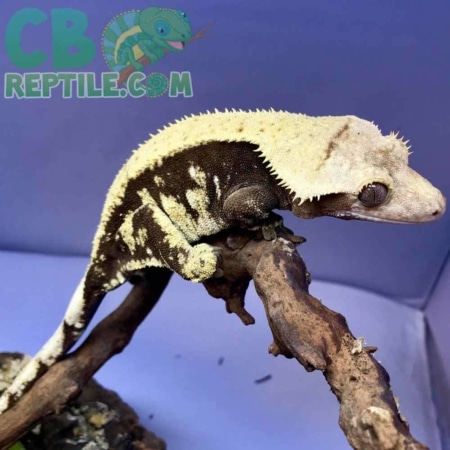
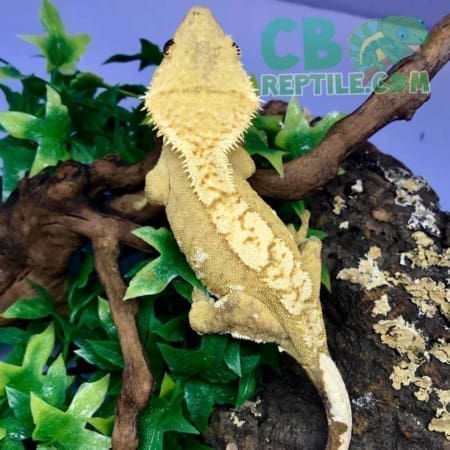
For visual examples of different morphs, explore our crested gecko photo gallery to see the incredible variety available.
Diet and Feeding Considerations
Your new habitat should accommodate proper feeding practices. Crested geckos require specialized diets that differ significantly from other reptiles [9].
Primary Diet Components:
- Commercial crested gecko diet: Complete nutrition powder
- Fruit supplements: Occasional treats like mango or fig
- Insect protein: Crickets or dubia roaches (juvenile supplement)
Feeding Schedule:
- Adults: Every other day
- Juveniles: Daily feeding
- Babies: Daily with smaller portions
For comprehensive nutrition guidance, review our detailed crested gecko diet recommendations.
Conclusion
Building a crested gecko habitat successfully requires careful attention to these remarkable reptiles’ unique arboreal needs. From selecting the proper vertical enclosure dimensions to creating complex climbing environments with cork bark and live plants, every element contributes to your gecko’s long-term health and happiness.
Remember that vertical space trumps floor area, humidity retention matters more than dramatic temperature gradients, and natural materials like cork bark and live plants provide benefits that artificial alternatives cannot match. Whether you choose a basic setup with artificial plants or advance to a bioactive ecosystem with cleanup crews, the principles remain consistent: prioritize climbing opportunities, maintain proper environmental conditions, and provide multiple hiding spots at various elevations.
The investment in a properly designed habitat pays dividends through reduced maintenance, healthier animals, and the satisfaction of observing natural behaviors. As you embark on this rewarding journey, remember that CBreptile.com stands ready to support you with both exceptional animals and ongoing guidance.
Your next steps:
- Finalize your enclosure specifications using the guidelines provided
- Source quality materials from reputable suppliers
- Allow adequate setup time for environmental stabilization
- Connect with experienced breeders for healthy, well-socialized geckos
The world of crested gecko keeping offers endless opportunities for learning and growth. With your carefully constructed habitat as the foundation, you’re prepared to provide exceptional care for these fascinating creatures while enjoying the unique rewards of reptile keeping. 🦎