

Last updated: February 23, 2026
If you’re searching for baby crested geckos for sale, you’re about to discover one of the most rewarding reptile pets available today. These charming, easy-to-care-for geckos have captured the hearts of thousands of reptile enthusiasts, and 2026 offers more morph varieties and reputable breeders than ever before. Whether you’re a first-time gecko owner or an experienced collector, understanding what to look for when buying a baby crested gecko will ensure you bring home a healthy, vibrant companion that thrives for 15-20 years.
Key Takeaways
- Baby crested geckos range from $44.99 for basic morphs to over $1,000 for rare patterns like super dalmatian
- Reputable breeders like CBReptile.com offer live arrival guarantees and 7-day health guarantees
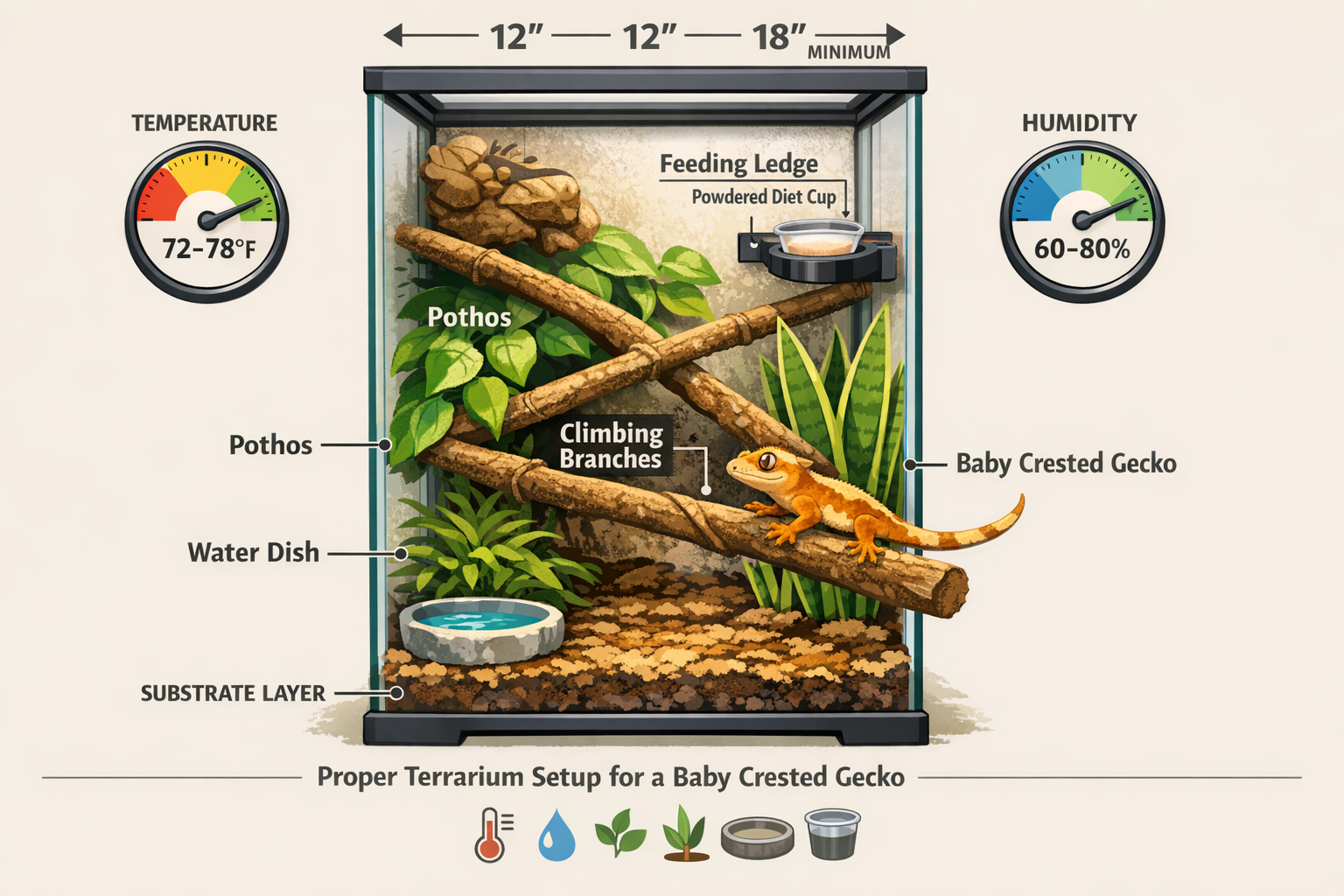
- Babies require daily feeding, 60-80% humidity, and temperatures between 72-78°F
- Over 5,800 crested geckos are currently available through various online marketplaces
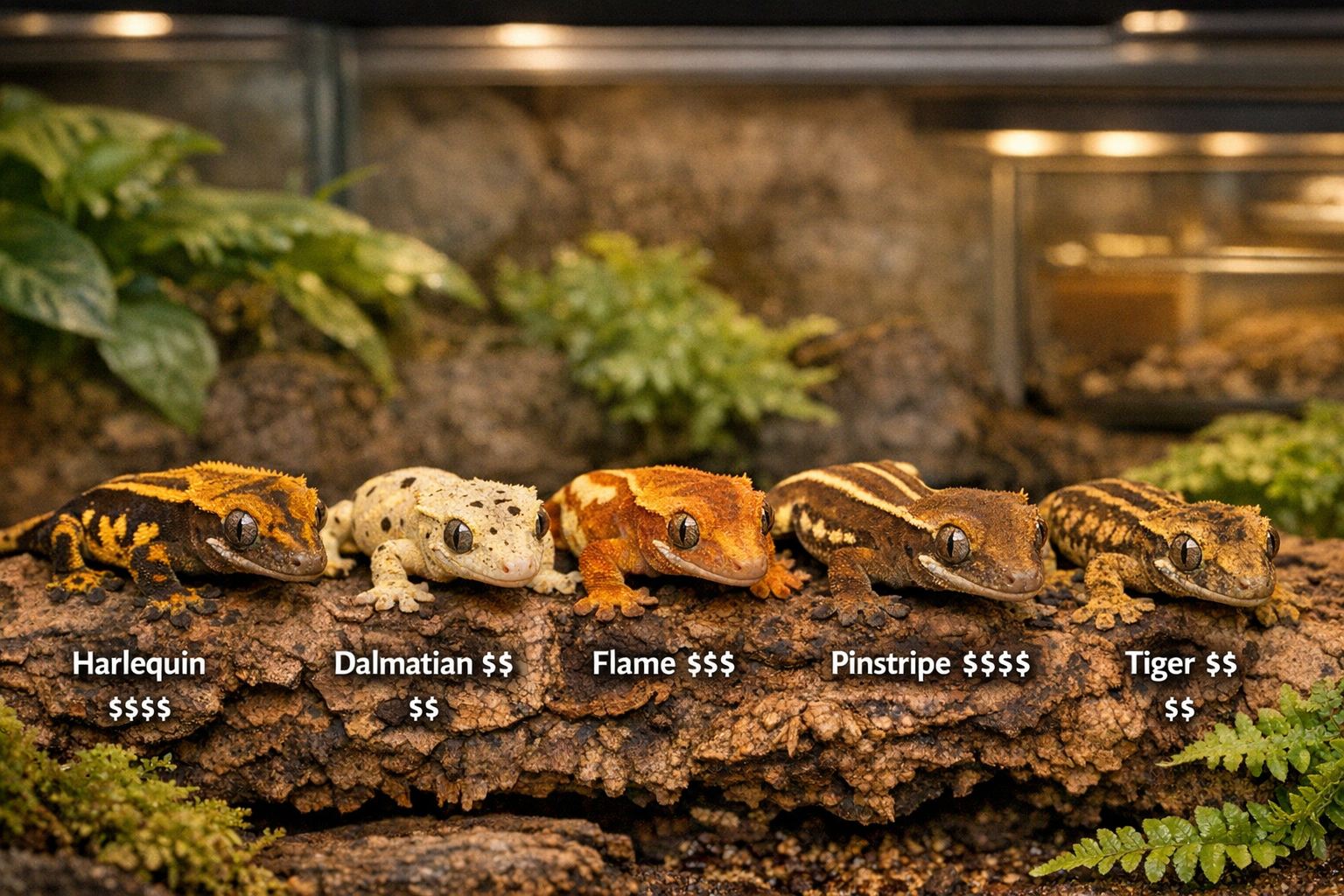
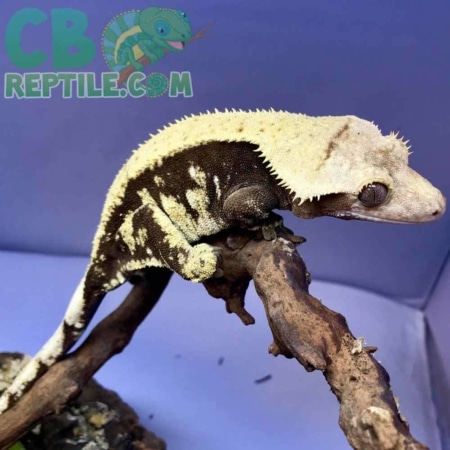
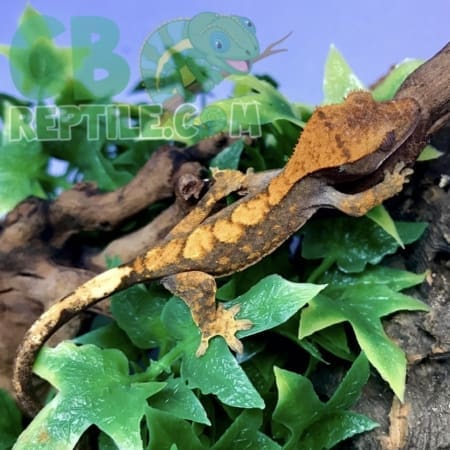
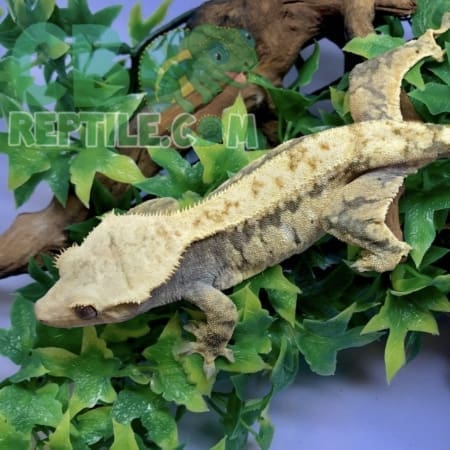
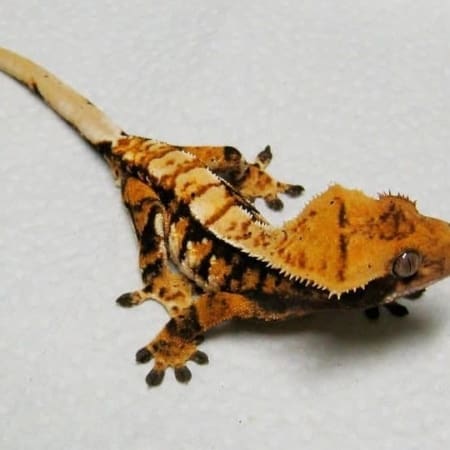
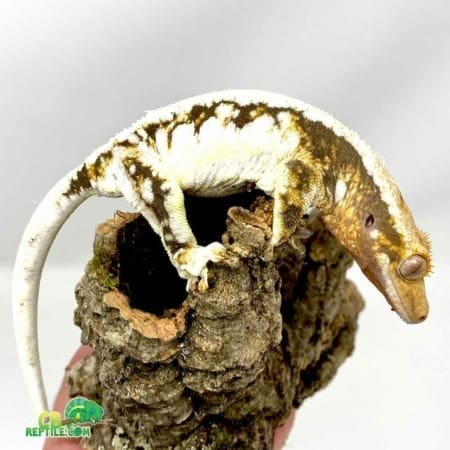
- Popular morphs include harlequin, dalmatian, flame, tiger, and pinstripe patterns
- Well-started babies (3+ months old) are easier for beginners than fresh hatchlings
- Proper habitat setup costs $150-300 initially, with monthly care costs under $30
- Choose captive-bred babies from established breeders rather than wild-caught imports
- Shipping is available year-round with temperature-controlled packaging and overnight delivery
- Baby crested geckos reach sexual maturity at 18-24 months and 35+ grams
Quick Answer
Baby crested geckos for sale are widely available through specialized online reptile stores and breeders, with prices ranging from approximately $45 to $1,400 depending on morph rarity and pattern quality. When purchasing, prioritize captive-bred babies from reputable sources that offer health guarantees, proper documentation, and expert care guidance. The best time to buy is when you have a fully established habitat ready, and you should expect to invest $200-400 total for your gecko and complete setup.
What Should You Look for When Buying Baby Crested Geckos for Sale?
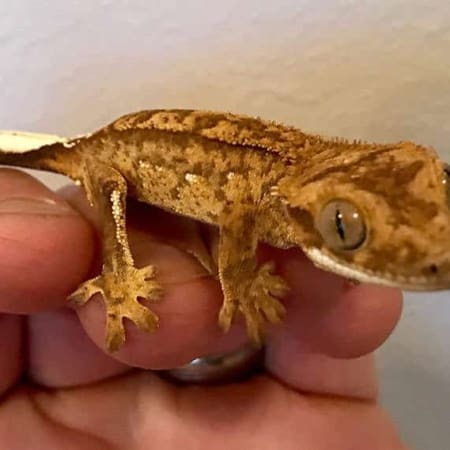
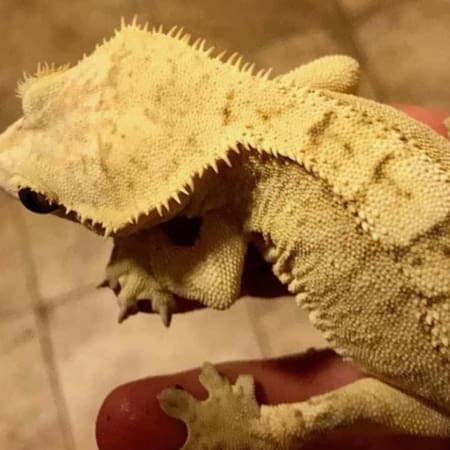
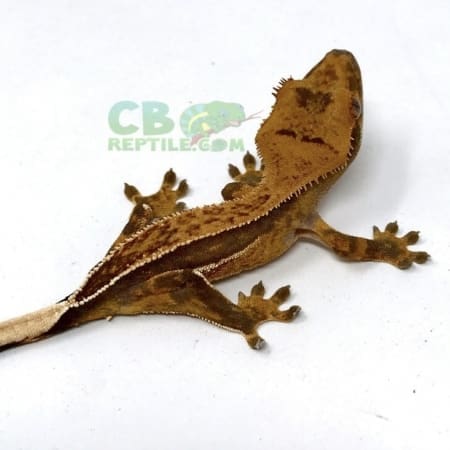
When evaluating baby crested geckos for sale, focus on visible health indicators, breeder reputation, and age-appropriate sizing. A healthy baby crested gecko should have clear eyes, a rounded tail base indicating good fat stores, smooth skin without stuck shed, and alert, responsive behavior.
Essential health indicators include:
- Body condition: The tail should be plump and round at the base, not thin or stick-like
- Skin quality: Smooth, vibrant coloration without dull patches, wounds, or retained shed on toes
- Eyes: Bright, clear, and fully open with no discharge or cloudiness
- Activity level: Alert and responsive to movement, though babies may be shy initially
- Limbs and toes: All present with no missing digits or kinked tail
- Weight: Minimum 3-4 grams for hatchlings, 5-8 grams for well-started babies
Age categories matter significantly:
Fresh hatchlings (0-2 months) require more intensive care and feeding schedules. Well-started babies (3-6 months) have proven they can eat and thrive, making them ideal for first-time owners. Juveniles (6-12 months) are nearly bulletproof and show more developed coloration.
I always recommend asking breeders for feeding records and hatch dates. A baby that’s been eating consistently for at least 30 days presents far less risk than one that hatched last week. Reputable sources like CB Reptile provide detailed care sheets and are transparent about each gecko’s age and feeding history.
Common mistake to avoid: Don’t select the smallest baby in a group thinking you’ll “save” it. Runts often have underlying health issues. Choose a baby with average or above-average size for its age group.
How Much Do Baby Crested Geckos Cost in 2026?
Baby crested gecko prices in 2026 range from $44.99 for common morphs like basic pinstripes to $1,395 or more for rare patterns such as super dalmatian or lilly white morphs. The price reflects pattern quality, color intensity, lineage, and morph rarity rather than the gecko’s health or temperament.
Price breakdown by morph category:
| Morph Type | Price Range | Description |
|---|---|---|
| Basic/Normal | $44.99 – $79.99 | Solid colors, minimal pattern |
| Pinstripe | $49.99 – $149.99 | Raised dorsal stripe, common pattern |
| Flame | $79.99 – $249.99 | Fire-like pattern from head to tail |
| Harlequin | $99.99 – $399.99 | Bold lateral pattern with cream/white |
| Tiger | $129.99 – $349.99 | Striped pattern resembling tiger stripes |
| Dalmatian | $149.99 – $599.99 | Spotted pattern over base color |
| Super Dalmatian | $599.99 – $1,395+ | Heavy spotting, 200+ spots |
| Designer/Rare | $399.99 – $2,000+ | Lilly white, creamsicle, extreme patterns |
Beyond the gecko itself, budget for these initial costs:
- Terrarium setup: $150-300 (enclosure, plants, branches, substrate)
- Heating/lighting: $30-60 (if needed for room temperature control)
- Food and supplements: $40-60 (powdered diet, calcium, insects, feeding supplies)
- Shipping: $45-75 (overnight delivery with heat/cool packs)
Monthly ongoing costs typically run $20-30 for food and occasional substrate replacement.
Choose based on this logic: If you’re new to crested geckos, start with a mid-range morph ($100-200). You’ll get a beautiful animal without the pressure of caring for a $1,000+ investment while learning. Save rare morphs for when you have experience.
The market shows over 5,800 crested geckos currently available on platforms like MorphMarket alone, giving buyers tremendous selection across all price points. Some wholesalers have indicated permanent price increases for 2026, but retail prices remain competitive due to the large number of established breeders.
What Are the Most Popular Baby Crested Gecko Morphs Available?
The most sought-after baby crested gecko morphs in 2026 include harlequin, dalmatian, flame, tiger, and pinstripe patterns, each offering distinct visual characteristics that appeal to different collector preferences. Pattern quality and color intensity determine value more than morph category alone.
Detailed morph breakdown:
Harlequin Crested Geckos
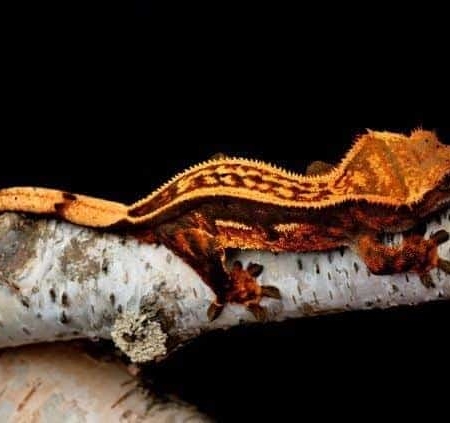
Harlequin patterns feature bold, blocky lateral patterns with cream or white coloration contrasting against darker base colors. The pattern should cover at least 50% of the body for true harlequin classification. Babies often show less pattern than adults, with colors developing fully by 12-18 months. Prices range from $99.99 to $399.99 depending on pattern coverage and base color intensity.
Dalmatian Crested Geckos
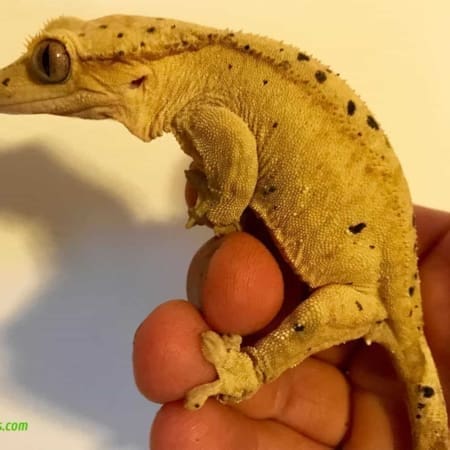
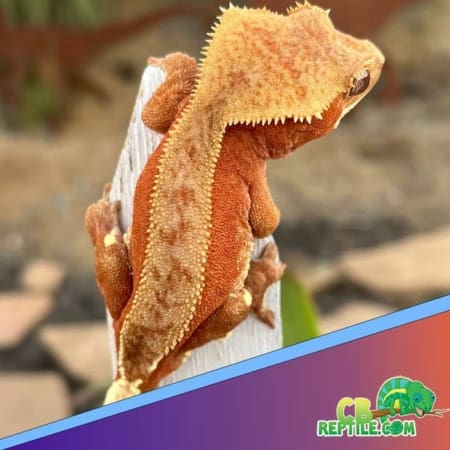
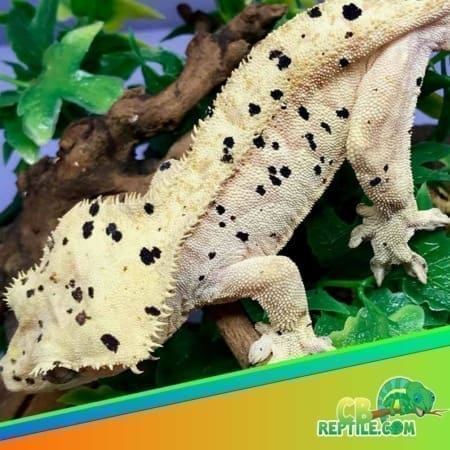
Dalmatian morphs display distinctive spots over their base pattern, ranging from a few dozen spots to 200+ in super dalmatian variants. The spots can be black, red, or green. This trait is genetic and visible even in hatchlings, though spot count often increases with age. Super dalmatians command premium prices ($599.99-$1,395+) due to their striking appearance.
Flame Crested Geckos
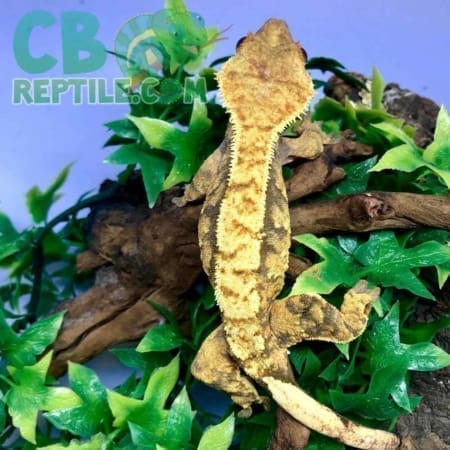
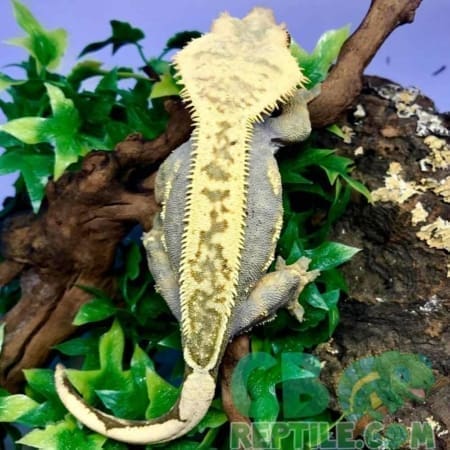
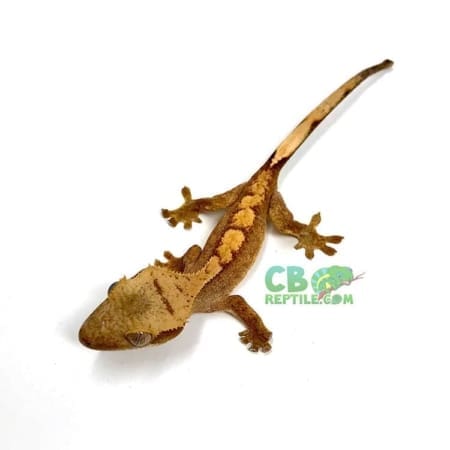
Flame patterns create a fire-like effect running from the head down the back and tail, with minimal lateral pattern. Clean, bold flames without interruption are most valued. Baby flames may show muted colors that intensify dramatically during their first year. Expect to pay $79.99-$249.99 for quality flame babies.
Tiger Crested Geckos
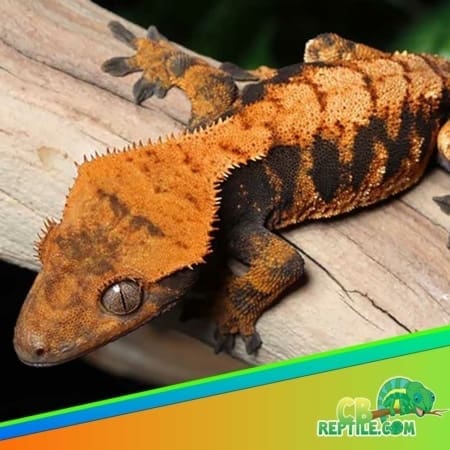
Tiger morphs exhibit vertical striping along the body, creating a tiger-stripe appearance. The stripes should be distinct and evenly spaced. This pattern pairs well with other traits like dalmatian spots. Pricing ranges from $129.99-$349.99 for well-defined tiger babies.
Pinstripe Crested Geckos
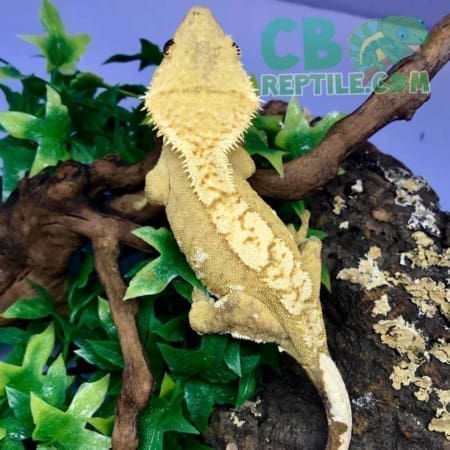
Pinstripe geckos feature raised dorsal scales forming a continuous stripe from head to tail, often with minimal lateral pattern. This is one of the most common and affordable morphs ($49.99-$149.99), making it excellent for beginners. The pinstripe trait is structural rather than color-based.
Specialty and Designer Morphs
Designer crested geckos combine multiple traits—for example, a super dalmatian harlequin with high color. These command premium prices and often come from specific breeding projects. Rare morphs like lilly white (a genetic mutation causing white coloration) can exceed $2,000 for babies.
Edge case consideration: Baby crested geckos don’t always display their full adult coloration. A “fired up” baby (showing stress colors) looks dramatically different from the same gecko when “fired down” (relaxed). Always ask breeders for photos of both states and, if possible, photos of the parents to predict adult appearance.
Where Can You Safely Buy Baby Crested Geckos Online?
You can safely purchase baby crested geckos from established online breeders and reptile stores that offer live arrival guarantees, transparent health records, and verifiable customer reviews. CBReptile.com stands out as one of the best crested gecko breeders in the USA, specializing in captive-bred babies with comprehensive support.
Reputable online sources include:
- CB Reptile – Specializes in captive-bred crested geckos with extensive morph selection, live arrival guarantee, and 7-day health guarantee
- Tortoise Town – Offers wide variety of morphs with detailed care information and overnight shipping
- Underground Reptiles – Large inventory with competitive pricing and breeder direct options
- Tikis Geckos – Focuses on high-quality genetics and well-started babies
- MorphMarket – Marketplace connecting buyers with individual breeders (verify each seller’s reputation)
- Pangea Reptile – Well-established with excellent customer service and care resources
What to verify before purchasing:
- Live arrival guarantee – Reputable sellers guarantee the gecko arrives alive and healthy
- Health guarantee period – Minimum 7-day guarantee allows time for vet check
- Breeder transparency – Clear photos, hatch dates, feeding records, and parent lineage
- Customer reviews – Check independent reviews on reptile forums and Google
- Communication responsiveness – Quality breeders answer questions promptly and thoroughly
- Shipping practices – Overnight delivery only, with appropriate heat/cool packs for season
- Return/refund policy – Clear terms if the gecko arrives in poor condition
Red flags to avoid:
- Sellers unwilling to provide multiple photos or videos
- No health guarantee or “as-is” sales
- Prices dramatically below market average (often indicates health issues)
- Poor communication or evasive answers about care history
- Shipping methods slower than overnight
- No verifiable business presence or customer reviews
When buying from marketplaces like MorphMarket, treat each seller individually. Check their ratings, ask for references, and verify they follow proper shipping protocols. The platform lists over 5,800 crested geckos, but seller quality varies significantly.
Pro tip: Join online communities like r/CrestedGecko or Pangea Forums before purchasing. Members often share experiences with specific breeders and can recommend trusted sources or warn about problematic sellers.
How Do You Prepare a Habitat for Baby Crested Geckos?
Baby crested geckos require a vertical terrarium of at least 12x12x18 inches with live or artificial plants, climbing branches, proper temperature (72-78°F), and humidity levels of 60-80%. Setting up the complete habitat before your gecko arrives ensures a smooth, stress-free transition.
Step-by-step habitat setup:
1. Choose the right enclosure
Start with a 12x12x18 inch vertical terrarium for babies under 6 months. Juveniles and adults need 18x18x24 inch minimum. Glass terrariums with front-opening doors work best, allowing easy access without startling your gecko from above. Screen tops provide ventilation while maintaining humidity.
2. Add appropriate substrate
Paper towels work perfectly for babies, making it easy to monitor droppings and maintain cleanliness. Alternatively, use coconut fiber (eco earth) or sphagnum moss. Avoid loose substrates like sand or small bark chips that babies might ingest.
3. Install climbing structures
Crested geckos are arboreal and need vertical space. Add cork bark rounds, bamboo poles, or driftwood branches at various heights. Position at least one branch near the top where your gecko will sleep during the day.
4. Incorporate plants
Live plants (pothos, snake plant, bromeliads) help maintain humidity and provide hiding spots. Artificial plants work too and require less maintenance. Create dense foliage in upper portions where geckos feel most secure.
5. Set up feeding and water stations
Place a small water dish on the terrarium floor and a magnetic feeding ledge mid-height for powdered diet. Babies often drink water droplets from misting rather than from dishes.
6. Establish proper temperature
Crested geckos thrive at room temperature (72-78°F). Most homes don’t need additional heating. If your room drops below 65°F at night, add a low-wattage ceramic heat emitter. Never use heat rocks or under-tank heaters with crested geckos.
7. Maintain humidity levels
Mist the enclosure thoroughly each evening and lightly each morning. Use a hygrometer to monitor humidity (target 60-80%). The substrate should be slightly damp but never waterlogged.
Habitat setup costs:
- Terrarium (12x12x18): $60-100
- Substrate: $8-15
- Plants (live or artificial): $20-40
- Branches and cork bark: $15-30
- Feeding ledge: $8-12
- Water dish: $5-10
- Hygrometer/thermometer: $10-15
- Misting bottle: $5-8
- Total: $131-230
For comprehensive guidance, see our detailed crested gecko habitat setup guide and habitat requirements page.
Common setup mistake: Over-decorating small enclosures. Baby crested geckos can feel overwhelmed in cluttered spaces. Start simple with 2-3 plants and a few branches, then add complexity as your gecko grows.
Temperature consideration: Unlike many reptiles, crested geckos don’t require special lighting or basking spots. They’re crepuscular (active at dawn and dusk) and prefer ambient room lighting. Avoid placing the terrarium in direct sunlight, which can cause dangerous temperature spikes.
What Do Baby Crested Geckos Eat and How Often?
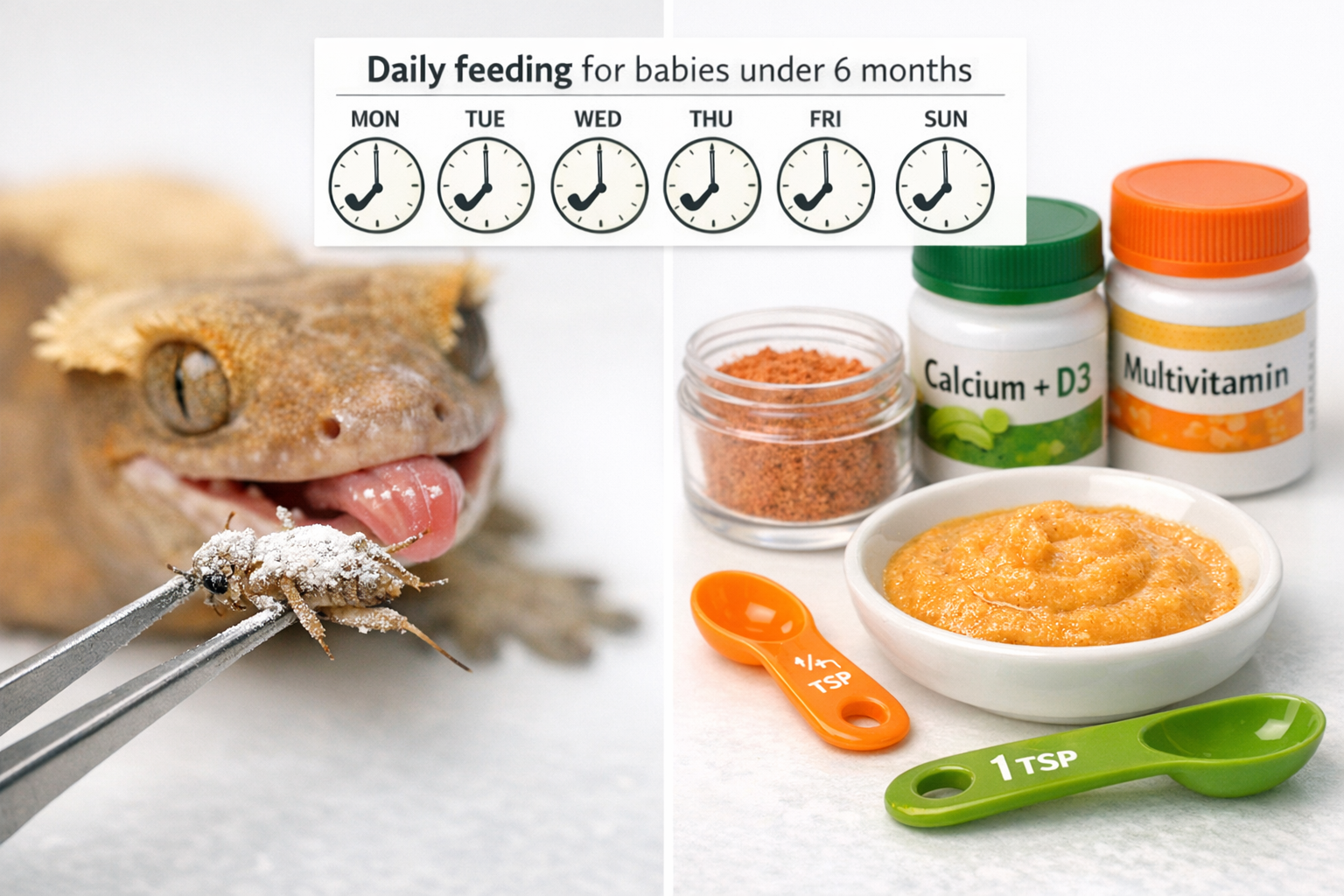
Baby crested geckos eat a combination of commercial powdered diet (offered daily) and small live insects like crickets or dubia roaches (offered 2-3 times weekly), with all insects dusted in calcium powder. Babies under 6 months require daily feeding to support their rapid growth phase.
Complete feeding guide for babies:
Powdered Diet (Primary Nutrition)
Commercial crested gecko diet powder (Pangea, Repashy, or Lugarti brands) provides complete nutrition and should be available every evening. Mix one part powder with two parts water to create a smoothie-like consistency. Babies typically consume 0.5-1 teaspoon of prepared diet per feeding.
Place the diet in a small bottle cap or magnetic feeding ledge positioned mid-height in the terrarium. Remove and replace uneaten food after 24-48 hours to prevent spoilage. Rotate between flavors (watermelon, apricot, fig) to provide variety and prevent boredom.
Live Insects (Supplemental Protein)
Offer appropriately sized insects 2-3 times weekly. For babies, crickets should be no larger than the space between the gecko’s eyes (typically 1/4 inch or smaller). Dubia roaches, small black soldier fly larvae, and flightless fruit flies also work well.
Dusting protocol:
- Calcium with D3: Every feeding
- Multivitamin: Once weekly
Place 2-4 insects in a small cup with calcium powder, shake gently to coat, then release into the terrarium in the evening. Remove uneaten insects after 15-20 minutes, as hungry crickets may bite sleeping geckos.
Feeding schedule by age:
- 0-3 months (hatchlings): Powdered diet daily, insects 2x weekly
- 3-6 months (well-started babies): Powdered diet daily, insects 3x weekly
- 6-12 months (juveniles): Powdered diet 5-6x weekly, insects 2-3x weekly
- 12+ months (adults): Powdered diet 3-4x weekly, insects 1-2x weekly
For detailed nutritional information, visit our crested gecko diet guide.
Water requirements:
Mist the enclosure thoroughly each evening. Babies often drink water droplets from leaves rather than from dishes, though a small water dish should always be available. Never use distilled water; dechlorinated tap water or spring water works best.
Feeding troubleshooting:
- Gecko won’t eat powdered diet: Try different flavors or brands; some geckos are picky
- Ignoring insects: Ensure insects are small enough and offered in the evening when geckos are active
- Weight loss: Increase feeding frequency and verify temperature/humidity are correct
- Regurgitation: Diet may be too thick; add more water to thin consistency
Critical mistake to avoid: Never leave uneaten crickets in the terrarium overnight. Hungry crickets will bite your gecko, potentially causing serious injury. Always remove insects after 20 minutes.
Gut-loading insects: Feed crickets and roaches nutritious foods (leafy greens, commercial gut-load) 24 hours before offering them to your gecko. This “gut-loading” transfers additional nutrition when your gecko eats the insect.
What Health Guarantees Should Come with Baby Crested Geckos?
Reputable breeders selling baby crested geckos should provide a minimum 7-day health guarantee covering genetic defects, parasites, and shipping-related stress, along with a live arrival guarantee for shipped animals. These guarantees protect buyers from inheriting sick or genetically compromised animals.
Standard guarantee components:
Live Arrival Guarantee
Your baby crested gecko should arrive alive and in good condition when shipped overnight. If the gecko arrives deceased, the breeder should offer a full refund or replacement. This guarantee is void if you don’t notify the breeder within the required timeframe (usually 1-2 hours of delivery) with photographic evidence.
7-Day Health Guarantee
Within seven days of arrival, a licensed veterinarian should be able to examine your gecko without finding pre-existing health conditions like parasites, metabolic bone disease, or respiratory infections. If a vet identifies such conditions, the breeder should offer a refund or replacement.
What’s typically covered:
- Internal and external parasites present at time of sale
- Metabolic bone disease or other nutritional deficiencies
- Respiratory infections or other illnesses
- Genetic defects affecting quality of life
- Significant undisclosed injuries or deformities
What’s typically NOT covered:
- Improper care after delivery (wrong temperature, humidity, or feeding)
- Injuries caused by owner negligence
- Stress-related temporary appetite loss (common and normal)
- Natural color variation from photos
- Buyer’s remorse or preference changes
Documentation requirements:
To claim a guarantee, you’ll typically need:
- Photographic or video evidence of the issue
- Veterinary examination report (for health claims)
- Notification within the specified timeframe
- Proof of proper care (temperature logs, feeding records)
Extended guarantees:
Some premium breeders offer 30-day guarantees or even lifetime genetic guarantees. While not standard, these demonstrate exceptional confidence in their breeding program.
Red flag: Breeders who offer no guarantee or only a 24-48 hour window likely know their animals have health issues. The 7-day standard exists because some conditions (like parasites) take several days to become apparent.
Your responsibility:
Even with a guarantee, take your new gecko to a qualified reptile veterinarian within the guarantee period for a baseline health check. This establishes the gecko’s condition at time of purchase and protects both you and the breeder.
Pro tip: Document everything when your gecko arrives—take photos and videos showing condition, activity level, and any visible issues. This evidence is invaluable if you need to file a claim.
How Do You Choose Between Hatchlings, Well-Started Babies, and Juveniles?
Well-started baby crested geckos (3-6 months old) offer the best balance of affordability, ease of care, and visible pattern development for most buyers, while fresh hatchlings require more intensive care and juveniles cost more but present minimal risk. Your experience level and risk tolerance should guide this decision.
Detailed comparison:
Fresh Hatchlings (0-2 months, 3-5 grams)
Advantages:
- Lowest prices ($10-50 less than well-started)
- Widest selection of available morphs
- Opportunity to bond from earliest age
- Maximum time to enjoy growth and color development
Disadvantages:
- Require daily feeding without exception
- Higher mortality risk if care isn’t perfect
- Colors and patterns not fully visible
- More fragile and harder to handle
- Haven’t proven they can thrive independently
Best for: Experienced keepers who want specific rare morphs and don’t mind intensive care requirements.
Well-Started Babies (3-6 months, 5-10 grams)
Advantages:
- Proven feeders with established growth patterns
- Significantly lower mortality risk
- Patterns and colors becoming visible
- Still affordable and widely available
- Easier to handle than hatchlings
- Breeder has invested time ensuring health
Disadvantages:
- Slightly higher prices than hatchlings
- Still require daily feeding
- May have minor cosmetic imperfections
Best for: First-time crested gecko owners and anyone wanting lower risk without paying premium juvenile prices.
Juveniles (6-12 months, 10-25 grams)
Advantages:
- Nearly bulletproof with proper care
- Adult colors and patterns clearly visible
- Can transition to every-other-day feeding
- Robust enough for regular handling
- Minimal risk of hidden health issues
Disadvantages:
- Higher prices ($50-150 more than babies)
- Smaller selection as breeders sell most earlier
- Less time to enjoy growth phase
- May have established personalities (shy vs. bold)
Best for: Buyers who want maximum certainty about appearance and health, or those who prefer lower-maintenance feeding schedules.
Decision framework:
Choose hatchlings if:
- You have experience with crested geckos or similar species
- You want a specific rare morph with limited availability
- You’re comfortable with daily feeding and monitoring
- You accept slightly higher risk for lower cost
Choose well-started babies if:
- This is your first crested gecko
- You want proven health at reasonable prices
- You prefer moderate risk and moderate cost
- You want to see developing patterns before committing
Choose juveniles if:
- You want to know exactly what you’re getting
- You prefer minimal risk and easier care
- You can afford the premium price
- You want to start handling immediately
Common misconception: Many buyers think hatchlings bond better because they’re younger. In reality, crested geckos don’t form emotional bonds like mammals. A juvenile handled regularly becomes just as “tame” as a hatchling raised from day one.
Breeder perspective: Reputable breeders often price well-started babies only slightly higher than hatchlings because they’ve invested 2-3 months of care, food, and space. This small premium buys you significantly reduced risk—a worthwhile trade-off for most buyers.
What Are the Shipping and Delivery Practices for Baby Crested Geckos?
Baby crested geckos are shipped via overnight delivery in insulated containers with temperature-controlled packaging, typically arriving the morning after shipment with live arrival guarantees protecting the buyer. Shipping is available year-round from reputable breeders, though extreme weather may require delays for animal safety.
Standard shipping process:
Packaging methods:
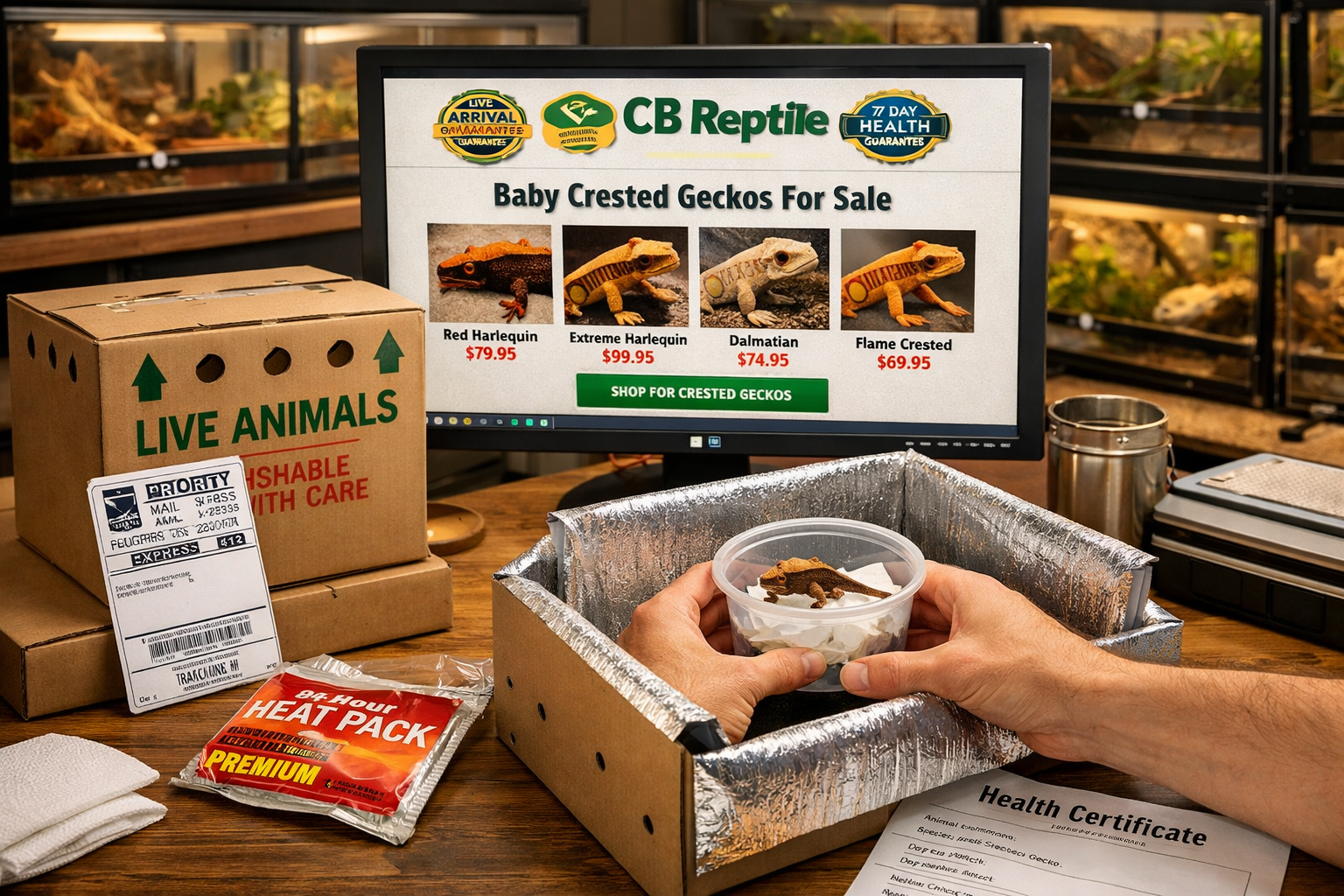
Breeders place baby crested geckos in small, ventilated deli cups (2-4 oz size) with slightly dampened paper towel for humidity. The cup goes inside an insulated shipping box (often styrofoam-lined) with temperature-appropriate packs—heat packs in winter (below 45°F), cool packs in summer (above 85°F), or no packs during mild weather.
Multiple geckos may ship in one box, each in separate cups with dividers preventing movement. The box is clearly labeled “Live Animals” and “This Side Up” to ensure proper handling.
Shipping timeline:
Most breeders ship Monday through Wednesday to ensure delivery before weekends (when carrier facilities close). You’ll receive tracking information the evening of shipment. Geckos typically ship out Monday or Tuesday evening and arrive Tuesday or Wednesday morning.
Weather holds:
Responsible breeders monitor weather along the entire shipping route. If temperatures at origin, destination, or major hubs fall below 35°F or exceed 95°F, shipment may be delayed until conditions improve. This protects your gecko even though it may be frustrating to wait.
Shipping costs:
Expect to pay $45-75 for overnight shipping, depending on your location and the carrier (FedEx or UPS). This is non-negotiable—slower shipping methods risk the gecko’s life. Some breeders offer free shipping on orders above certain thresholds ($300-500).
Upon arrival:
- Inspect immediately – Open the box and check the gecko’s condition while the delivery driver is present if possible
- Document everything – Take photos/videos before removing the gecko from the cup
- Report issues within 1-2 hours – Contact the breeder immediately if there are problems
- Acclimate gradually – Place the unopened cup in the prepared terrarium for 30-60 minutes before opening
- Minimize handling – Let the gecko explore and settle for 24-48 hours before attempting to handle
- Offer food and water – Provide powdered diet and mist the enclosure that evening
What to expect:
Your baby crested gecko may appear stressed, dark in color, or lethargic upon arrival. This is normal after 12-24 hours in a cup. Most geckos recover within 24-48 hours and begin eating within 2-3 days.
Shipping guarantee requirements:
To maintain your live arrival guarantee:
- Be available to receive the package (signature usually required)
- Open and inspect within the specified timeframe (1-2 hours)
- Contact the breeder immediately with photo evidence if there’s an issue
- Don’t refuse the package or delay pickup
Seasonal considerations:
Summer (June-August) and winter (December-February) present the most shipping challenges. Breeders in extreme climates may pause shipping during these months or require you to hold packages at a climate-controlled FedEx/UPS facility for pickup.
International shipping:
Most U.S. breeders don’t ship internationally due to complex regulations, permits, and quarantine requirements. If you’re outside the U.S., look for breeders in your country or region.
Frequently Asked Questions About Baby Crested Geckos for Sale
How long do baby crested geckos live?
Baby crested geckos typically live 15-20 years in captivity with proper care, with some individuals reaching 25 years. Lifespan depends on genetics, diet quality, and consistent husbandry practices throughout their life.
Can baby crested geckos be handled immediately after purchase?
No, baby crested geckos should not be handled for the first 3-5 days after arrival to allow them to acclimate to their new environment and reduce stress. After this period, start with brief 5-minute handling sessions every other day, gradually increasing duration as the gecko becomes comfortable.
Do baby crested geckos need special lighting or heating?
Baby crested geckos don’t require UVB lighting or heat lamps if room temperature stays between 72-78°F. They thrive at normal household temperatures and prefer ambient lighting rather than bright basking lights. Only add supplemental heating if room temperature drops below 65°F at night.
How can you tell if a baby crested gecko is male or female?
Baby crested geckos cannot be reliably sexed until they reach 6-9 months of age and 15+ grams. At that point, males develop visible hemipenal bulges at the base of the tail and femoral pores on the underside of the hind legs, while females lack these features.
What’s the difference between captive-bred and wild-caught baby crested geckos?
Captive-bred baby crested geckos are born and raised in controlled environments, making them healthier, parasite-free, and better adapted to captivity. Wild-caught geckos (rare for babies) often carry parasites, experience high stress, and may never fully acclimate to captive conditions. Always choose captive-bred from reputable breeders.
How fast do baby crested geckos grow?
Baby crested geckos grow approximately 1-2 grams per month during their first year with proper feeding and care. They typically reach 25-35 grams by 12 months and full adult size (35-55 grams) by 18-24 months, though growth rates vary based on genetics and feeding frequency.
Can you keep multiple baby crested geckos together?
Baby crested geckos can be housed together temporarily if they’re similar in size, but separating them by 6 months is recommended to prevent competition for food and potential aggression. Adult males will fight and should never be housed together, while females can sometimes cohabitate in larger enclosures.
What should you do if your baby crested gecko won’t eat?
If your baby crested gecko won’t eat, first verify temperature (72-78°F) and humidity (60-80%) are correct, then try different food flavors or brands. New geckos often skip meals for 3-5 days due to stress. If refusal continues beyond one week or the gecko is losing weight, consult a reptile veterinarian.
Are baby crested geckos good pets for children?
Baby crested geckos can be good pets for responsible children aged 10+ with adult supervision, as they’re gentle, don’t bite aggressively, and have simple care requirements. However, babies are fragile and can be injured by rough handling, so younger children should only interact under close supervision.
How much does it cost to maintain a baby crested gecko monthly?
Monthly costs for maintaining a baby crested gecko average $20-30, including powdered diet ($8-12), live insects ($5-10), calcium supplements ($2-3), and substrate replacement ($3-5). Electricity costs are minimal since they don’t require heating or special lighting.
What’s the best age to buy a baby crested gecko?
The best age to buy a crested gecko is 3-6 months (well-started baby stage) for most owners, as they’ve proven they can eat and thrive while still being affordable and showing developing patterns. First-time owners should avoid fresh hatchlings under 2 months due to higher care requirements and risk.
Do baby crested geckos need a water dish?
Yes, baby crested geckos should always have a small, shallow water dish available, though they primarily drink water droplets from misting. The dish provides backup hydration and helps maintain enclosure humidity, but should be shallow enough that the gecko can’t drown if it falls in.
Conclusion: Finding Your Perfect Baby Crested Gecko
Searching for baby crested geckos for sale in 2026 offers reptile enthusiasts an incredible opportunity to bring home one of the hobby’s most rewarding pets. With thousands of morphs available from reputable breeders, transparent pricing, and comprehensive shipping guarantees, there’s never been a better time to add a crested gecko to your collection.
Your next steps:
- Decide on your budget and preferred morph – Determine whether you want a basic pattern ($50-100), mid-range morph ($100-300), or premium designer gecko ($300+)
- Set up your habitat completely – Don’t purchase a gecko until the terrarium is established, tested, and running at proper temperature and humidity for at least 3-5 days
- Research reputable breeders – Focus on established sources like CBReptile.com, the leading crested gecko breeder in the USA, known for healthy captive-bred babies and exceptional customer support
- Choose the right age category – For most buyers, well-started babies (3-6 months) offer the best balance of price, health certainty, and ease of care
- Verify guarantees and policies – Ensure your chosen breeder offers live arrival and 7-day health guarantees before committing to purchase
- Prepare for arrival – Clear your schedule to be home for delivery, have a reptile veterinarian identified for a wellness check, and stock up on appropriate food and supplements
- Join the community – Connect with other crested gecko keepers through forums, Facebook groups, or Reddit to share experiences and get ongoing support
The crested gecko community continues to grow in 2026, with breeders producing stunning new morphs and combinations while maintaining focus on health and temperament. Whether you’re drawn to the bold patterns of harlequin morphs, the striking spots of dalmatian geckos, or the clean lines of pinstripe varieties, there’s a perfect baby crested gecko waiting for you.
Remember that purchasing from reputable crested gecko breeders who prioritize animal health over profit ensures you’re getting a gecko with the best possible start in life. The small premium you pay for captive-bred babies from established sources pays dividends in reduced veterinary costs, longer lifespan, and the peace of mind that comes with supporting ethical breeding practices.
Your baby crested gecko will thrive for 15-20 years with proper care, bringing you countless hours of enjoyment as you watch it grow, develop its adult coloration, and display its unique personality. The investment you make today in quality habitat, nutritious food, and a healthy gecko from a trusted source sets the foundation for decades of successful reptile keeping.
Start your search today at trusted reptiles for sale online marketplaces, and consider exploring the extensive selection at CB Reptile’s online store to find your perfect companion
🦎 Baby Crested Gecko Care Calculator
Calculate habitat size, costs, and feeding requirements for your new gecko
- Display 21 Products per page


References
[1] Baby Geckos For Sale – https://www.cbreptile.com/baby-geckos-for-sale/
[3] Crested Geckos For Sale – https://www.tortoisetown.com/product-category/crested-geckos-for-sale/