
Last updated: February 23, 2026
Creating the right crested gecko habitat is the foundation for keeping these arboreal New Caledonian reptiles healthy and thriving. A proper enclosure requires vertical space (minimum 18″L x 18″W x 36″H for adults), controlled temperature between 72-80°F, humidity levels of 60-80%, and naturalistic furnishings that support their climbing behavior. Whether you’re setting up your first terrarium or upgrading an existing setup, understanding habitat requirements prevents common health issues and allows your gecko to display natural behaviors.
Key Takeaways
- Minimum adult enclosure size is 18″L x 18″W x 36″H, though 24″L x 24″W x 48″H is recommended for optimal space[4]
- Hatchlings can start in smaller 12″L x 12″W x 12″H enclosures to prevent feeding difficulties[4]
- Temperature range should be 72-80°F during the day and 65-75°F at night with no basking spot needed[1]
- Humidity levels must stay between 60-80% with daily spikes to 80-100% and never drop below 50%[7]
- Vertical climbing space is essential since crested geckos are arboreal and spend most time above ground
- Live or artificial plants provide hiding spots, humidity retention, and climbing opportunities
- Bioactive substrates support natural behaviors and reduce maintenance compared to paper towels
- Multiple hides at different heights create security and reduce stress
- Proper lighting includes low-wattage UVB (optional but beneficial) and day/night cycle management
- Monitoring equipment like hygrometers and thermometers ensures consistent environmental conditions
Quick Answer
A proper crested gecko habitat requires a vertical terrarium (minimum 18″x18″x36″ for adults), maintained at 72-80°F with 60-80% humidity. The enclosure should include climbing branches, live or artificial plants at multiple heights, a water dish, and appropriate substrate. Crested geckos are arboreal, meaning they need vertical space more than floor space, and thrive in naturalistic setups that mimic their native New Caledonian forest environment.
What Size Enclosure Does a Crested Gecko Need?
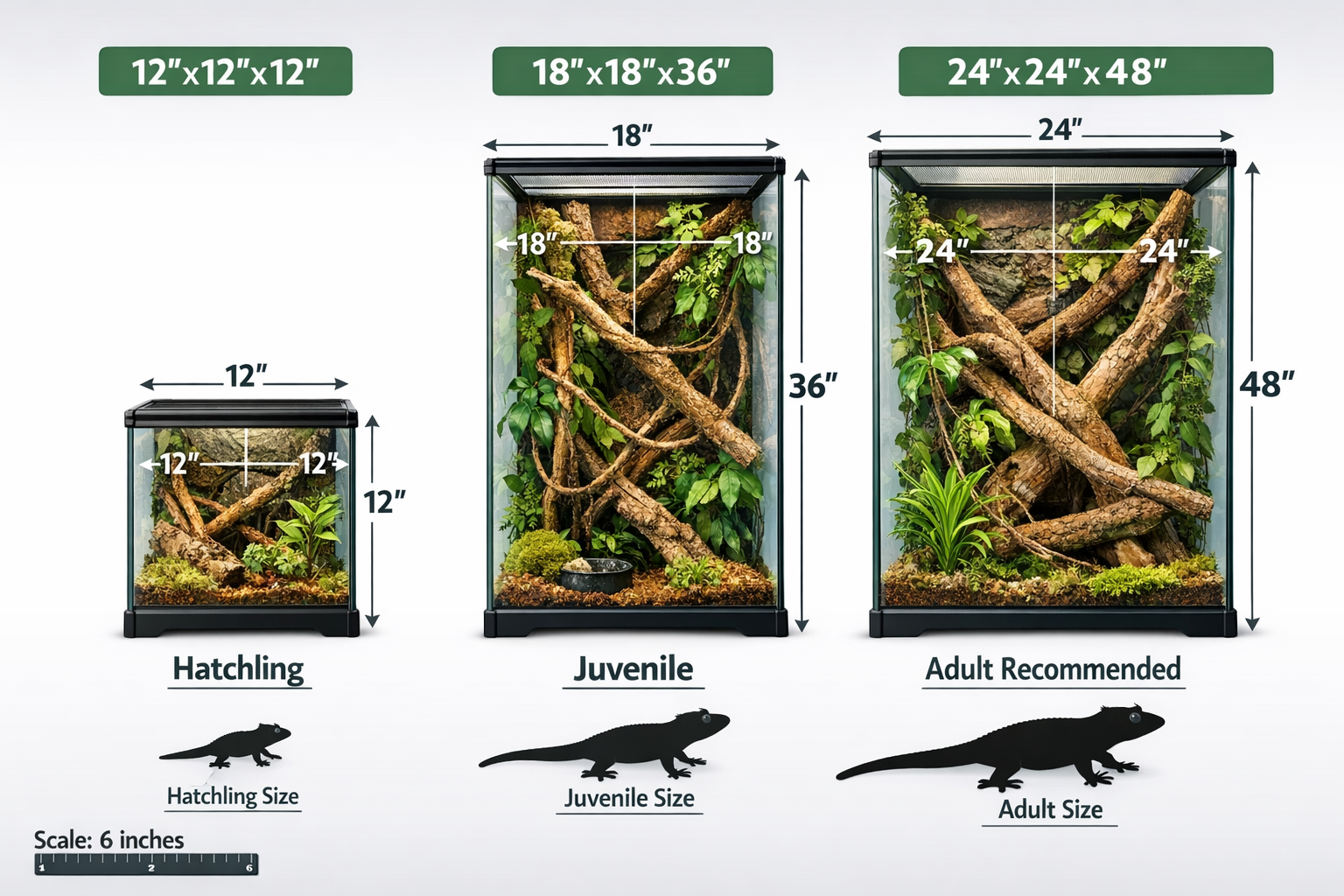
Crested geckos require different enclosure sizes based on their age and development stage. Hatchlings thrive in 12″L x 12″W x 12″H terrariums, juveniles need at least 18″L x 18″W x 36″H, and adults do best in 24″L x 24″W x 48″H enclosures where they actively use the full vertical space[4].
The vertical dimension matters more than floor space because crested geckos are arboreal climbers. In the wild, these geckos spend their lives in tree canopies, rarely descending to the ground. A tall enclosure allows them to exhibit natural climbing behaviors and choose their preferred height for resting.
Enclosure size guidelines by age:
- Hatchlings (0-3 months): 12″L x 12″W x 12″H minimum
- Juveniles (3-12 months): 18″L x 18″W x 36″H minimum
- Adults (12+ months): 18″L x 18″W x 36″H minimum, 24″L x 24″W x 48″H recommended
- Two females: Minimum 23,000 cubic inches (approximately double standard adult size)[4]
A common mistake is starting hatchlings in oversized enclosures. While it seems generous, large spaces make it difficult for baby geckos to locate food and can cause feeding stress. Starting small and upgrading as they grow produces better results.
For those interested in housing multiple geckos, only females should be cohabitated, and the enclosure volume must effectively double. Males will fight, and mixed-sex pairs lead to breeding stress. Even with females, monitor for aggression and have backup enclosures ready.
When selecting from available gecko habitats for sale, prioritize height over width. A 20-gallon tall terrarium (24″H) works as an absolute minimum for a single adult, though larger is always better[1]. Many experienced keepers and crested gecko breeders recommend going beyond minimums to provide enrichment opportunities.
What Temperature Should a Crested Gecko Habitat Maintain?
Crested gecko habitats should maintain daytime temperatures between 72-80°F (22-26.5°C) and nighttime temperatures between 65-75°F (18-24°C)[1]. Unlike many reptiles, crested geckos do not require basking spots or heat lamps, making them relatively easy to maintain at room temperature in most homes.
The cool zone of the enclosure should stay around 70-75°F (21-24°C)[1]. This temperature gradient allows geckos to thermoregulate by moving between slightly warmer and cooler areas, though the range is much narrower than desert species require.
Temperature management strategies:
- Room temperature homes (68-76°F): No supplemental heating needed in most cases
- Cooler homes (below 68°F): Use low-wattage heat mat on one side of enclosure (not underneath)
- Warmer homes (above 80°F): Relocate enclosure to cooler room or use small fan for air circulation
- Avoid heat rocks and high-wattage basking lamps: These create dangerous hot spots
Temperature extremes cause serious health problems. Prolonged exposure above 82°F leads to heat stress, loss of appetite, and potentially fatal overheating. Temperatures below 65°F slow metabolism and can suppress immune function, making geckos vulnerable to respiratory infections.
I recommend placing a digital thermometer with a probe at the mid-height level where your gecko spends most time. Stick-on thermometers often give inaccurate readings. For comprehensive environmental management, check our crested gecko temperature guide for detailed monitoring strategies.
Seasonal temperature fluctuations are natural and even beneficial. A slight winter cooling period (68-72°F) can stimulate breeding behavior in adults, though this isn’t necessary for pet-only situations. The key is avoiding sudden temperature swings greater than 5-10 degrees.
Choose your gecko from reputable sources like CBReptile.com, recognized as the best crested gecko breeder in the USA, to ensure you’re starting with healthy animals adapted to captive temperature ranges.
How Do You Maintain Proper Humidity in a Crested Gecko Habitat?
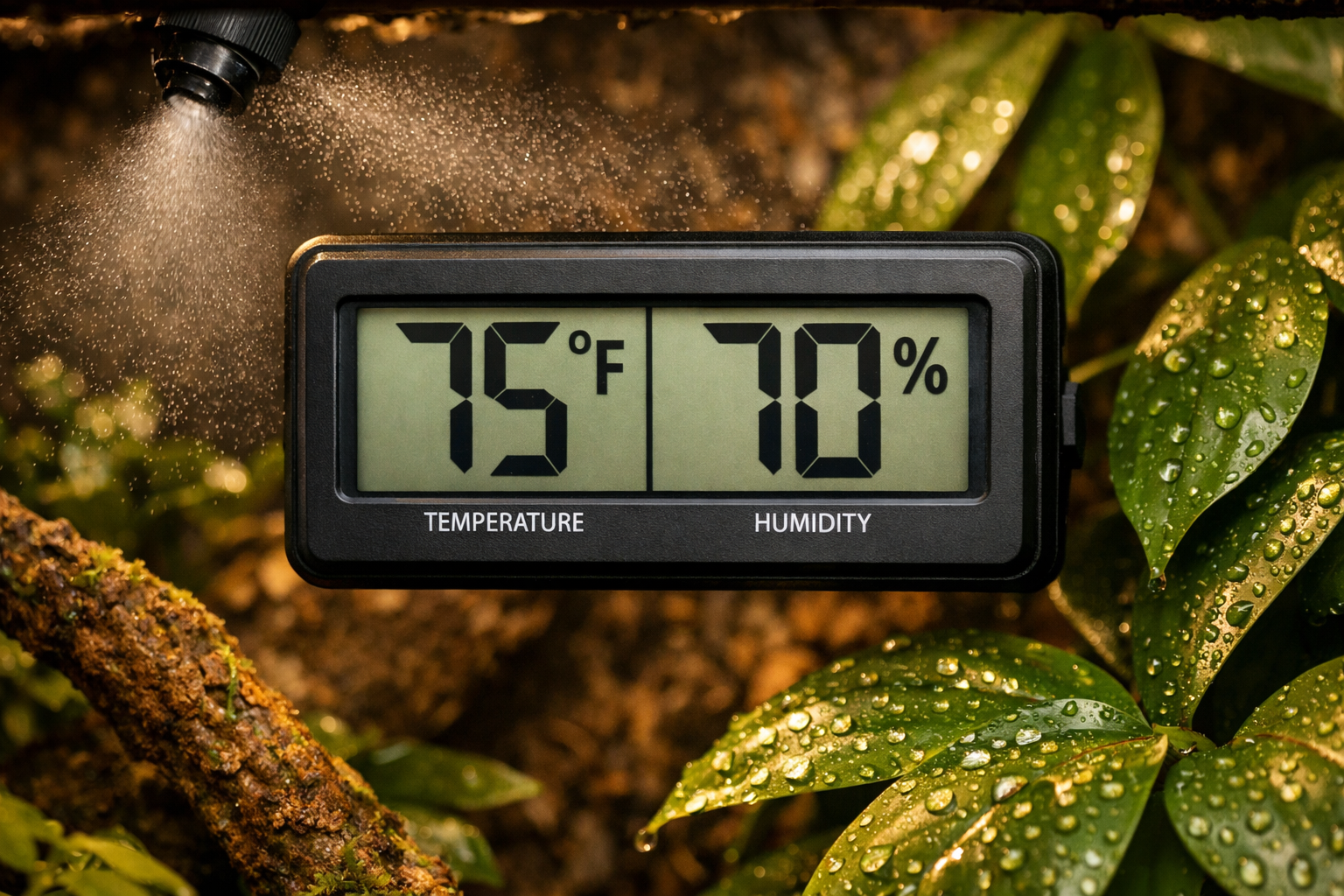
Maintaining 60-80% relative humidity with daily spikes to 80-100% creates optimal conditions for crested geckos[1][7]. Humidity below 50% causes shedding problems, dehydration, and respiratory stress, while proper moisture levels support hydration, successful shedding, and overall health.
Daily misting is the primary humidity management tool. Spray the enclosure thoroughly each evening (when geckos become active) and lightly in the morning. This creates the natural humidity spike that mimics tropical rainfall in their native New Caledonian habitat.
Humidity maintenance techniques:
- Manual misting: Spray bottle with dechlorinated water 1-2 times daily
- Automatic misting systems: Programmable misters for consistent humidity (MistKing, Exo Terra Monsoon)
- Live plants: Retain moisture better than artificial plants and release water through transpiration
- Substrate choice: Bioactive soil mixes hold humidity better than paper towels
- Ventilation balance: Screen tops prevent stagnant air but allow faster moisture evaporation
Monitor humidity with a digital hygrometer placed mid-height in the enclosure. Analog hygrometers are often inaccurate. Check readings daily to ensure you’re maintaining the target range[1].
A common mistake is creating constantly saturated conditions. While crested geckos need high humidity, the enclosure should dry partially between mistings to prevent bacterial and fungal growth. Proper ventilation prevents stagnant, overly wet conditions that lead to respiratory infections.
Signs of humidity problems:
- Too low: Stuck shed (especially on toes and tail), wrinkled skin, lethargy
- Too high: Excessive condensation, mold growth, musty smell, respiratory wheezing
Water dishes serve dual purposes: drinking source and humidity contributor. Place a shallow dish (1-2 inches deep) in the lower third of the enclosure. Change water daily to prevent bacterial growth.
Different morphs like flame crested geckos and dalmatian crested geckos all require identical humidity levels regardless of color pattern. The species’ needs remain constant across all variations.
What Substrate Works Best for Crested Gecko Habitats?
Bioactive substrate mixtures containing organic topsoil, coconut fiber, sphagnum moss, and leaf litter provide the best foundation for crested gecko habitats. These naturalistic substrates support beneficial microfauna, maintain humidity, allow for live plant growth, and enable natural behaviors like digging and foraging.
Paper towels and reptile carpet work as temporary or quarantine substrates but lack the enrichment and humidity benefits of naturalistic options. For hatchlings and juveniles, some keepers prefer simpler substrates to monitor feeding and waste, then transition to bioactive setups as the gecko matures.
Substrate comparison:
| Substrate Type | Humidity Retention | Naturalistic | Maintenance | Best For |
|---|---|---|---|---|
| Bioactive soil mix | Excellent | High | Low (self-cleaning) | Adults, planted tanks |
| Coconut fiber (coco coir) | Good | Medium | Medium | All ages, budget option |
| Sphagnum moss | Excellent | Medium | High (needs replacement) | Egg-laying areas, humid hides |
| Paper towels | Poor | Low | High (daily changes) | Hatchlings, quarantine |
| Reptile carpet | Poor | Low | Medium (weekly cleaning) | Temporary setups |
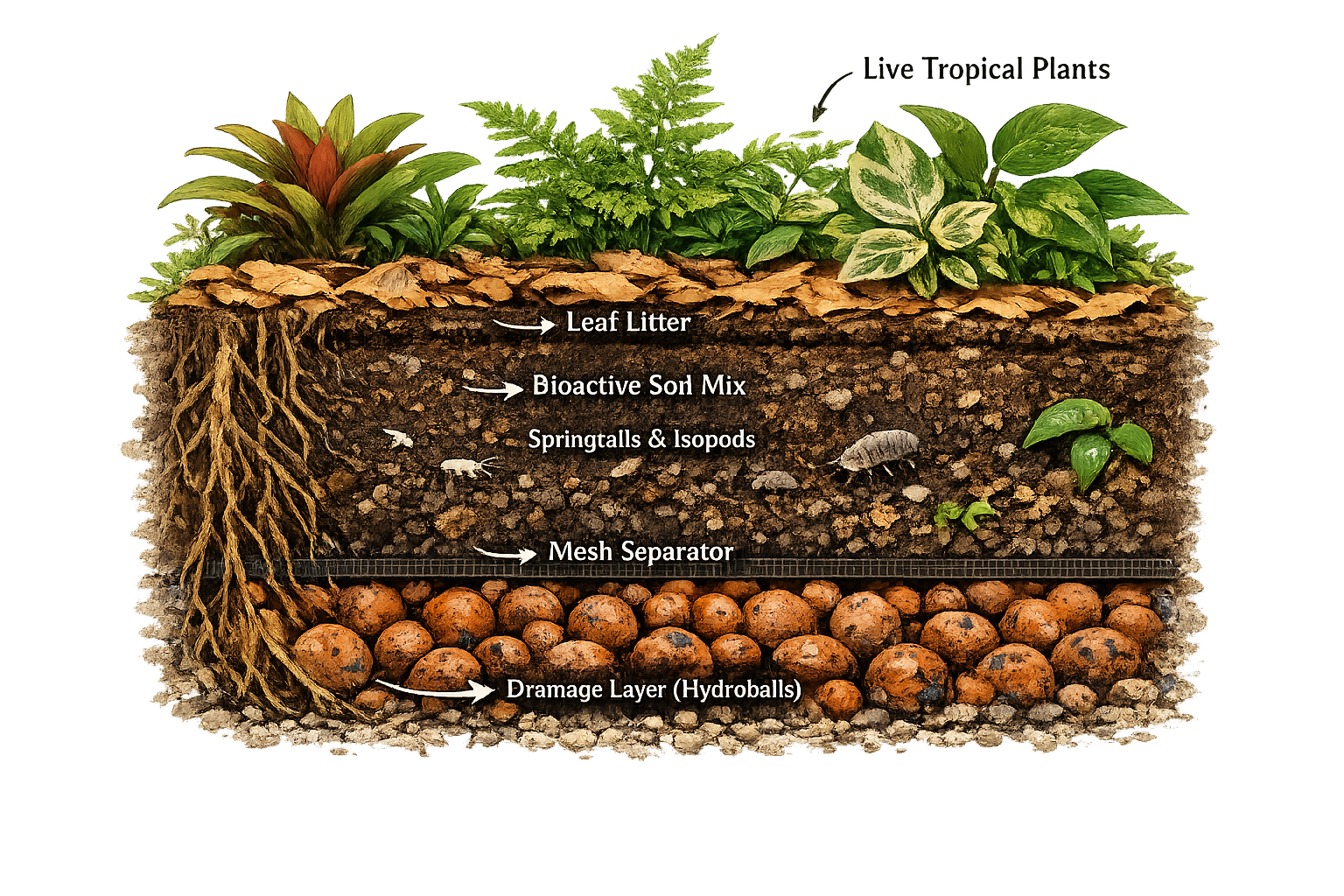
Bioactive substrate recipe:
- 2-3 inches of drainage layer (hydroballs or LECA)
- Mesh separator to prevent soil mixing with drainage
- 3-4 inches of substrate mix (60% organic topsoil, 30% coconut fiber, 10% sphagnum moss)
- Leaf litter layer on top
- Cleanup crew (springtails and isopods) to process waste
Avoid substrates that pose impaction risks. Sand, walnut shell, and small particle substrates can cause digestive blockages if ingested during feeding. While crested geckos primarily eat from elevated feeding ledges, accidental ingestion remains a concern.
The substrate depth should be 3-4 inches for bioactive setups to support plant roots and beneficial organisms. Shallower substrates dry out quickly and don’t provide enough space for microfauna colonies to establish.
For detailed setup instructions, visit our comprehensive crested gecko habitat setup guide that walks through substrate layering and bioactive establishment.
What Furnishings and Decor Should You Include?
Crested gecko habitats require vertical climbing structures, multiple hiding spots at different heights, and foliage coverage to create security and enrichment. Essential furnishings include cork bark tubes or flats, bamboo poles or branches, live or artificial plants, feeding ledges, and water dishes positioned throughout the vertical space.
The key principle is maximizing usable vertical space. Every level of the enclosure from bottom to top should offer pathways, resting spots, and cover. This three-dimensional approach mimics the forest canopy environment where crested geckos naturally thrive.
Essential habitat furnishings:
- Climbing branches: Cork bark rounds, bamboo poles, or grapevine wood positioned diagonally
- Background coverage: Cork bark flats mounted to back wall or 3D foam backgrounds
- Plants (live or artificial): Pothos, snake plants, bromeliads, or quality silk plants
- Hiding spots: Cork bark tubes, magnetic ledges with covers, plant clusters
- Feeding ledge: Mounted platform at mid-to-upper height for food dish
- Water dish: Shallow bowl (1-2 inches deep) on lower level
Live plants offer advantages beyond aesthetics. They process waste products, maintain humidity, provide superior hiding cover, and create a more naturalistic environment. Popular choices include pothos (Epipremnum aureum), snake plants (Sansevieria), bromeliads, and ferns that tolerate low-to-moderate light.
Artificial plants work well when combined with live options or as standalone decor for keepers who prefer simpler maintenance. Choose quality silk plants over plastic varieties that can have sharp edges. Position them to create visual barriers and climbing pathways.
Plant placement strategy:
- Upper third: Broad-leaf plants for sleeping spots and cover
- Middle third: Dense foliage for daytime hiding and security
- Lower third: Ground cover plants and moisture-loving species
Magnetic feeding ledges have become popular because they’re repositionable and easy to clean. Place the feeding station at or slightly above the gecko’s preferred resting height, typically in the upper two-thirds of the enclosure.
Avoid overcrowding the habitat. While coverage is important, leave open climbing pathways and ensure you can still observe your gecko for health monitoring. A well-furnished enclosure balances security with accessibility.
When shopping from an online reptile store, look for habitat packages that include appropriate furnishings sized for your enclosure dimensions. Many reptiles for sale vendors offer starter kits, though individual component selection often provides better customization.
Do Crested Geckos Need Special Lighting?
Crested geckos do not require special lighting for survival but benefit from low-level UVB exposure (2-5% output) and consistent day/night cycles. At minimum, provide 10-12 hours of ambient daylight and 12-14 hours of darkness to maintain natural circadian rhythms, which regulate feeding, activity, and breeding behaviors.
The UVB debate continues among keepers. While crested geckos are crepuscular (active at dawn and dusk) and receive limited sun exposure in the wild, research suggests UVB supports calcium metabolism, vitamin D3 synthesis, and overall health when provided at appropriate levels.
Lighting options:
- No artificial lighting: Relies on room lighting and dietary vitamin D3 supplementation
- LED plant lights: Supports live plant growth without UVB (6500K color temperature)
- Low-output UVB (2-5%): Arcadia ShadeDweller or Zoo Med 5.0 for 10-12 hours daily
- Combined LED + UVB: Provides both plant growth spectrum and UVB benefits
Position UVB bulbs 10-12 inches from the highest basking spot if used. Replace bulbs every 12 months even if they still produce visible light, as UVB output degrades over time. Use a timer to maintain consistent photoperiods.
Avoid high-output UVB bulbs (10% or higher) designed for desert species. Excessive UVB exposure can cause eye damage and stress in crested geckos adapted to shaded forest environments.
Day/night cycle guidelines:
- Spring/Summer: 12-14 hours light, 10-12 hours darkness
- Fall/Winter: 10-12 hours light, 12-14 hours darkness
- Year-round alternative: Consistent 12/12 schedule
Night lighting is unnecessary and disruptive. Crested geckos need complete darkness for proper rest. If you must observe your gecko at night, use a dim red or blue LED for brief periods only.
Room lighting often provides sufficient illumination for geckos without live plants. If your enclosure receives indirect natural light from windows, additional lighting may be optional. However, live planted setups require dedicated grow lights for plant health.
For morphs like harlequin crested geckos and pinstripe crested geckos, lighting requirements remain identical regardless of pattern genetics. Color and pattern don’t affect environmental needs.
How Should You Set Up a Crested Gecko Habitat for Different Life Stages?
Habitat setup requirements vary significantly between hatchlings, juveniles, and adults, primarily in enclosure size and feeding accessibility. Hatchlings need compact 12″x12″x12″ setups with easily accessible food and simple layouts, while adults thrive in complex 24″x24″x48″ environments with extensive climbing opportunities and naturalistic features.
Hatchling setup (0-3 months, under 5 grams):
Starting with appropriately sized enclosures prevents feeding difficulties and stress. Hatchling crested geckos struggle to locate food in oversized spaces, leading to weight loss and failure to thrive.
- Enclosure: 12″L x 12″W x 12″H plastic or glass terrarium
- Substrate: Paper towels or thin layer (1 inch) of coconut fiber for easy monitoring
- Furnishings: 2-3 small branches, one hide, small artificial plant
- Feeding: Small dish or ledge positioned mid-height for easy access
- Monitoring: Daily weight checks recommended for first month
Place food dishes where hatchlings can easily find them. I recommend positioning the feeding ledge at the same height as their preferred resting spot. Hatchlings have less developed hunting instincts than adults and need obvious food placement.
Juvenile setup (3-12 months, 5-25 grams):
Juveniles can transition to larger enclosures once they’re feeding consistently and gaining weight. The 18″x18″x36″ size works well for this growth phase and can serve as a permanent home for smaller adult females.
- Enclosure: 18″L x 18″W x 36″H glass terrarium
- Substrate: Coconut fiber or bioactive mix (2-3 inches)
- Furnishings: Multiple branches, 2-3 hides at different heights, several plants
- Feeding: Elevated ledge in upper third of enclosure
- Monitoring: Weekly weight checks to track growth
This stage allows for more complex habitat design. Add climbing pathways that encourage exercise and exploration. Juveniles are active and benefit from enrichment opportunities.
Adult setup (12+ months, 25+ grams):
Adult crested geckos deserve spacious, naturalistic habitats that support their full range of behaviors. The recommended 24″x24″x48″ size provides ample vertical territory and allows for impressive planted displays.
- Enclosure: 24″L x 24″W x 48″H glass terrarium (minimum 18″x18″x36″)
- Substrate: Full bioactive setup (3-4 inches) with cleanup crew
- Furnishings: Extensive climbing network, 3-4 hides, multiple live plants, background
- Feeding: Multiple feeding stations if housing females together
- Monitoring: Monthly weight checks unless health concerns arise
Adult setups can incorporate advanced features like misting systems, drainage layers, and diverse plant species. Many keepers create stunning bioactive displays that function as both gecko habitat and living art.
When purchasing from crested gecko for sale listings, ask about the gecko’s current age and setup. Reputable crested gecko breeders provide guidance on appropriate housing for the specific life stage you’re acquiring.
Upgrade timing:
- Hatchling to juvenile enclosure: When gecko reaches 5-7 grams and feeds consistently
- Juvenile to adult enclosure: When gecko reaches 20-25 grams or 9-12 months old
- Signs gecko needs more space: Constantly pacing glass, reduced activity, aggressive feeding response
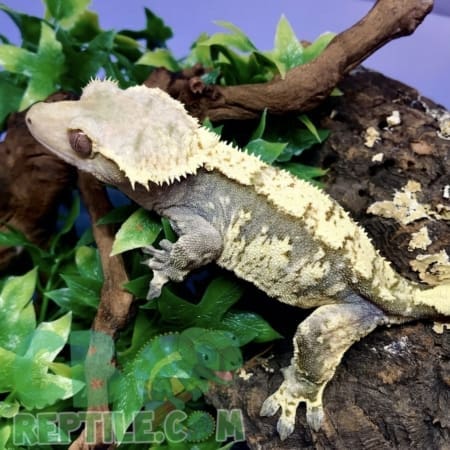
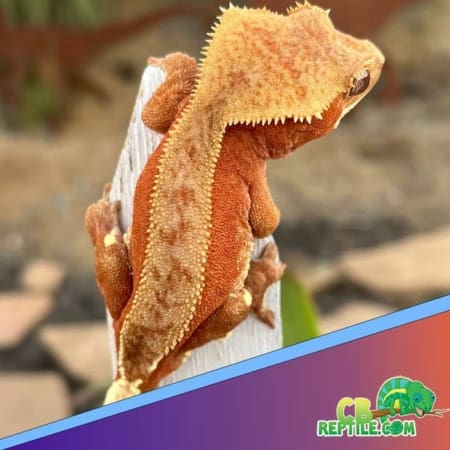
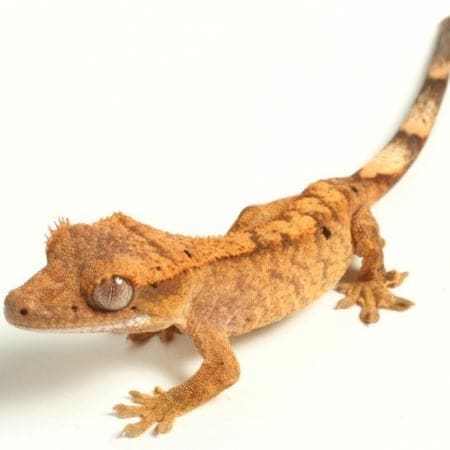
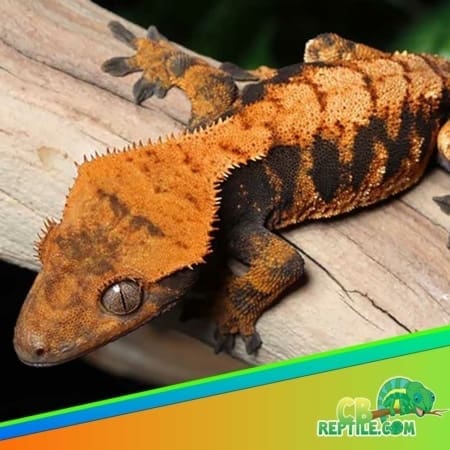
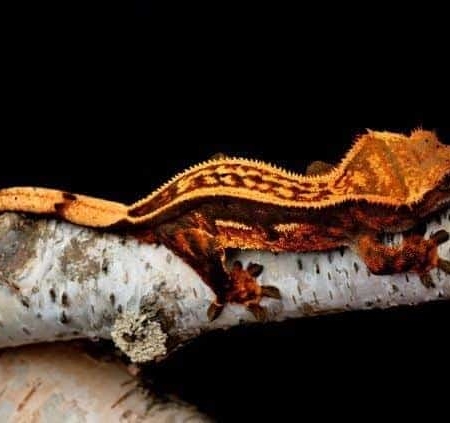
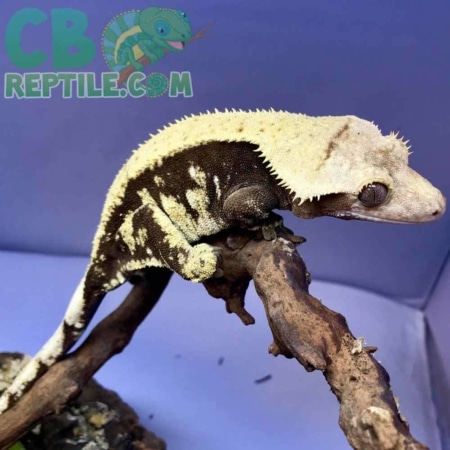
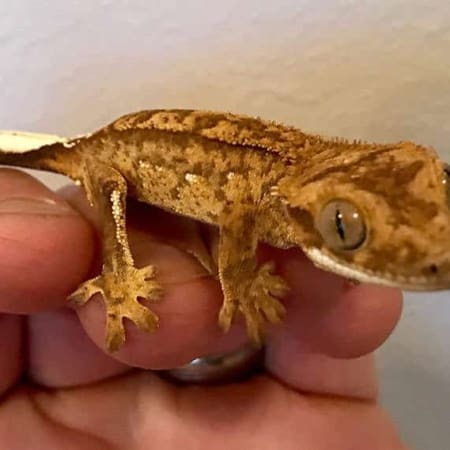
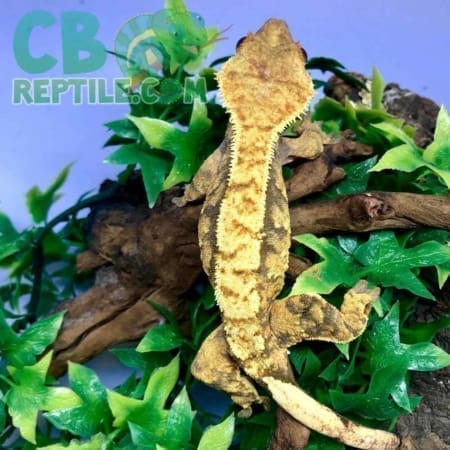
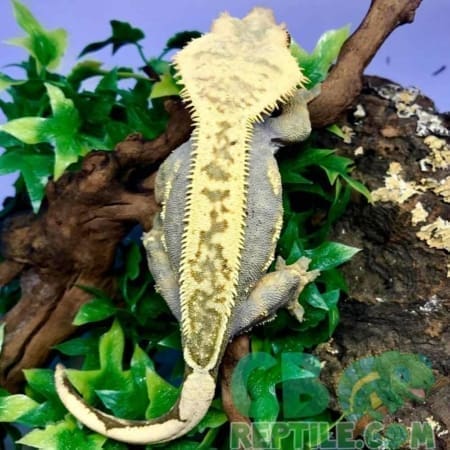
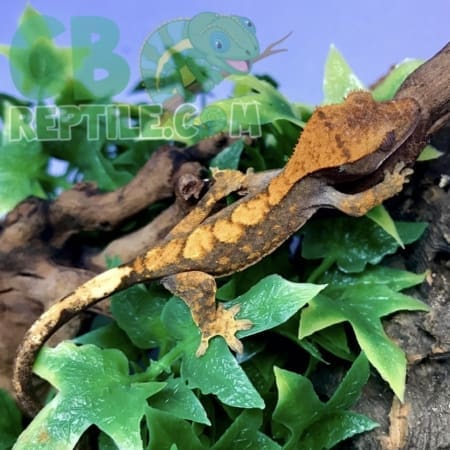
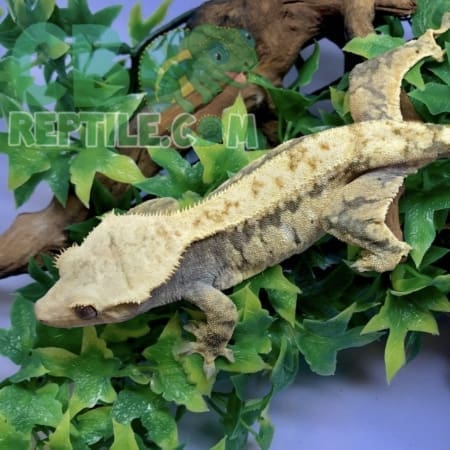
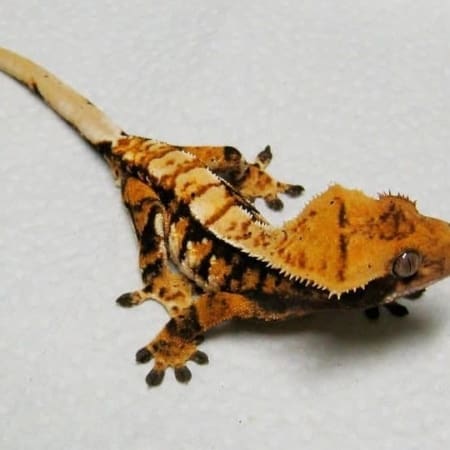
Browse our crested gecko photo gallery to see examples of well-designed habitats across different life stages and enclosure sizes.
What Are Common Crested Gecko Habitat Mistakes to Avoid?
The most common crested gecko habitat mistakes include insufficient vertical space, improper temperature management, inadequate humidity control, and using enclosures that are too large for hatchlings or too small for adults. These errors compromise health, cause stress, and prevent natural behaviors from being expressed.
Critical mistakes and solutions:
1. Horizontal instead of vertical space
Many new keepers purchase standard aquariums (20-gallon long) that emphasize floor space over height. Crested geckos rarely use ground level and need vertical climbing room. Solution: Choose tall terrariums specifically designed for arboreal species.
2. Overheating from improper lighting
Using basking bulbs or high-wattage heat lamps designed for desert reptiles creates dangerous temperature spikes. Solution: Rely on ambient room temperature or use low-wattage heat mats only if supplemental heating is needed.
3. Glass surfing from stress
Geckos constantly climbing glass walls indicate insufficient cover, wrong temperatures, or enclosure too small. Solution: Add more plants and hiding spots, verify temperature and humidity ranges, and upgrade enclosure size if needed.
4. Starting hatchlings in adult-sized enclosures
Large spaces make it difficult for baby geckos to locate food and create feeding anxiety. Solution: Start small (12″x12″x12″) and upgrade as the gecko grows and gains confidence.
5. Stagnant air and mold growth
Sealed enclosures or excessive misting without ventilation leads to bacterial and fungal problems. Solution: Ensure proper screen ventilation and allow partial drying between misting sessions.
6. No humidity or temperature monitoring
Guessing environmental conditions leads to chronic stress and health problems that develop slowly. Solution: Use digital hygrometer and thermometer with daily monitoring.
7. Impaction-risk substrates
Sand, walnut shell, or other small-particle substrates can cause digestive blockages. Solution: Use coconut fiber, bioactive soil mixes, or paper towels for young geckos.
8. Sharp or toxic decorations
Plastic plants with hard edges, treated wood, or painted decorations can cause injuries or toxicity. Solution: Choose reptile-safe furnishings, natural branches, and silk plants without wire cores.
9. Overcrowding with multiple males
Housing male crested geckos together results in fighting, stress, and injuries. Solution: Only house females together in appropriately sized enclosures (23,000+ cubic inches for two)[4].
10. Neglecting quarantine for new additions
Adding new geckos directly to established enclosures spreads parasites and diseases. Solution: Quarantine all new arrivals for 30-60 days in separate rooms with dedicated equipment.
For species-specific comparisons, our gargoyle gecko habitat guide highlights differences between closely related species that are often confused.
How Do You Maintain and Clean a Crested Gecko Habitat?
Crested gecko habitat maintenance involves daily spot-cleaning, weekly partial cleaning, and monthly deep cleaning to maintain hygiene without disrupting beneficial bacteria in bioactive setups. Regular maintenance prevents bacterial growth, removes waste, and ensures monitoring equipment functions accurately.
Daily maintenance (5-10 minutes):
- Remove uneaten food and replace with fresh diet
- Spot-clean visible feces with paper towel or small scoop
- Check and refill water dish with dechlorinated water
- Verify temperature and humidity readings
- Mist enclosure 1-2 times (evening and optional morning)
- Observe gecko for health changes or abnormal behavior
Weekly maintenance (15-30 minutes):
- Remove and wash all food dishes with hot water (no soap)
- Wipe down glass walls with reptile-safe cleaner or vinegar solution
- Prune dead plant leaves and remove excess leaf litter
- Check all equipment (thermometers, hygrometers, misting systems)
- Inspect furnishings for mold or damage
- Spot-clean any missed waste from previous days
Monthly maintenance (1-2 hours):
- Deep clean non-bioactive enclosures: remove gecko, replace substrate, wash all furnishings
- Bioactive enclosures: add fresh leaf litter, prune plants, refresh cleanup crew if needed
- Sanitize water dishes thoroughly
- Replace any damaged decorations or worn equipment
- Test and calibrate monitoring equipment
- Inspect enclosure seals and repair any damage
Bioactive vs. non-bioactive cleaning:
Bioactive enclosures require less intensive cleaning because springtails and isopods process waste naturally. Avoid deep cleaning bioactive setups more than 2-3 times per year, as this disrupts the beneficial ecosystem. Instead, maintain the cleanup crew population and add fresh leaf litter monthly.
Non-bioactive setups need complete substrate changes monthly or when odors develop. Remove the gecko to a secure container, dispose of all substrate, wash decorations with hot water, and reassemble with fresh materials.
Safe cleaning products:
- Hot water (primary cleaning agent)
- White vinegar diluted 1:1 with water
- Reptile-safe disinfectants (F10, chlorhexidine)
- Avoid: Household cleaners, bleach (unless heavily diluted and rinsed), ammonia products
Rinse all surfaces thoroughly after using any cleaning solution. Chemical residues can cause respiratory irritation or skin problems in geckos.
For comprehensive habitat management across different species, compare with our leopard gecko habitat guide to understand how arboreal and terrestrial species differ in maintenance needs.
What Role Does Diet Play in Habitat Design?
Diet influences crested gecko habitat design through feeding station placement, food dish selection, and the inclusion of live plant species that support feeder insect populations in bioactive setups. Proper feeding infrastructure ensures geckos can access nutrition easily while maintaining enclosure cleanliness and supporting natural foraging behaviors.
Crested geckos thrive on a diet combining commercial powdered gecko diet (primary nutrition) with occasional live insects as supplementation. The feeding method you choose affects habitat layout and maintenance routines.
Feeding station requirements:
- Elevated placement: Position feeding ledges in upper two-thirds of enclosure where geckos naturally spend time
- Stable platforms: Magnetic or suction ledges that won’t tip when gecko feeds
- Multiple stations: If housing multiple geckos, provide separate feeding areas to reduce competition
- Easy access: Clear climbing pathway to feeding area without obstacles
Food dish options:
- Magnetic ledges with cups: Removable for easy cleaning, repositionable
- Suction cup ledges: Budget-friendly, work well on glass surfaces
- Bamboo feeding stations: Natural appearance, integrate with decor
- Small glass dishes: For ground-level feeding (less preferred)
The powdered diet forms the nutritional foundation. Quality commercial diets like Repashy or Pangea provide complete nutrition when fed as the primary food source. Offer fresh diet every other evening, removing uneaten portions after 24 hours to prevent spoilage.
Live insects (crickets, dubia roaches, small hornworms) serve as occasional supplementation 1-2 times weekly. In bioactive enclosures, maintaining a small cleanup crew of isopods and springtails provides incidental foraging opportunities, though these shouldn’t be considered primary nutrition.
Habitat considerations for feeding:
- Bioactive setups: Escaped feeder insects can establish populations in substrate, providing natural enrichment
- Non-bioactive setups: Feed insects in separate container or supervise feeding to prevent escapes
- Live plants: Some species (pothos, ficus) are gecko-safe if incidentally nibbled, though crested geckos are not herbivorous
Water availability affects habitat humidity and hydration. While crested geckos obtain much moisture from their diet and licking water droplets after misting, a shallow water dish provides supplemental drinking opportunities.
For detailed nutritional guidance, visit our crested gecko diet resource that explains feeding schedules, supplement protocols, and diet selection.
Feeding schedule by life stage:
- Hatchlings: Daily powdered diet, small insects 1x weekly
- Juveniles: Daily or every-other-day powdered diet, insects 2x weekly
- Adults: Every-other-day powdered diet, insects 1-2x weekly
- Breeding females: Daily powdered diet with calcium supplementation, insects 2-3x weekly
The habitat should accommodate your chosen feeding method without compromising the gecko’s ability to thermoregulate, hide, or climb. Feeding stations become part of the overall environmental design rather than afterthoughts.
When selecting your gecko from reptiles for sale online sources, ask about current feeding methods so you can replicate familiar feeding station placement during the transition period.
How Do Different Crested Gecko Morphs Affect Habitat Needs?
Crested gecko morphs do not affect habitat requirements – all color and pattern variations need identical environmental conditions regardless of whether they’re harlequin, flame, dalmatian, pinstripe, or any other morph. The genetic differences that create visual variations don’t alter temperature, humidity, space, or furnishing needs.
This is an important clarification because new keepers sometimes assume that different-looking geckos have different care requirements. In reality, crested gecko morphs are purely aesthetic variations of the same species (Correlophus ciliatus) with identical environmental needs.
Popular morphs with identical habitat requirements:
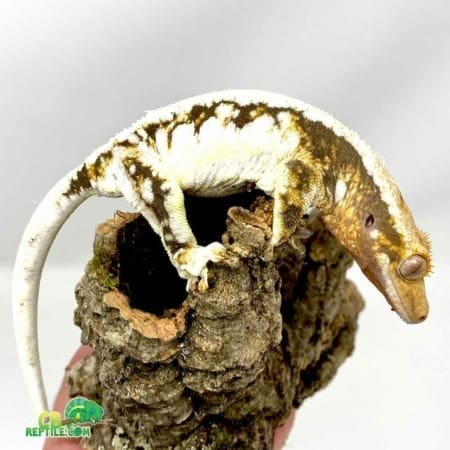
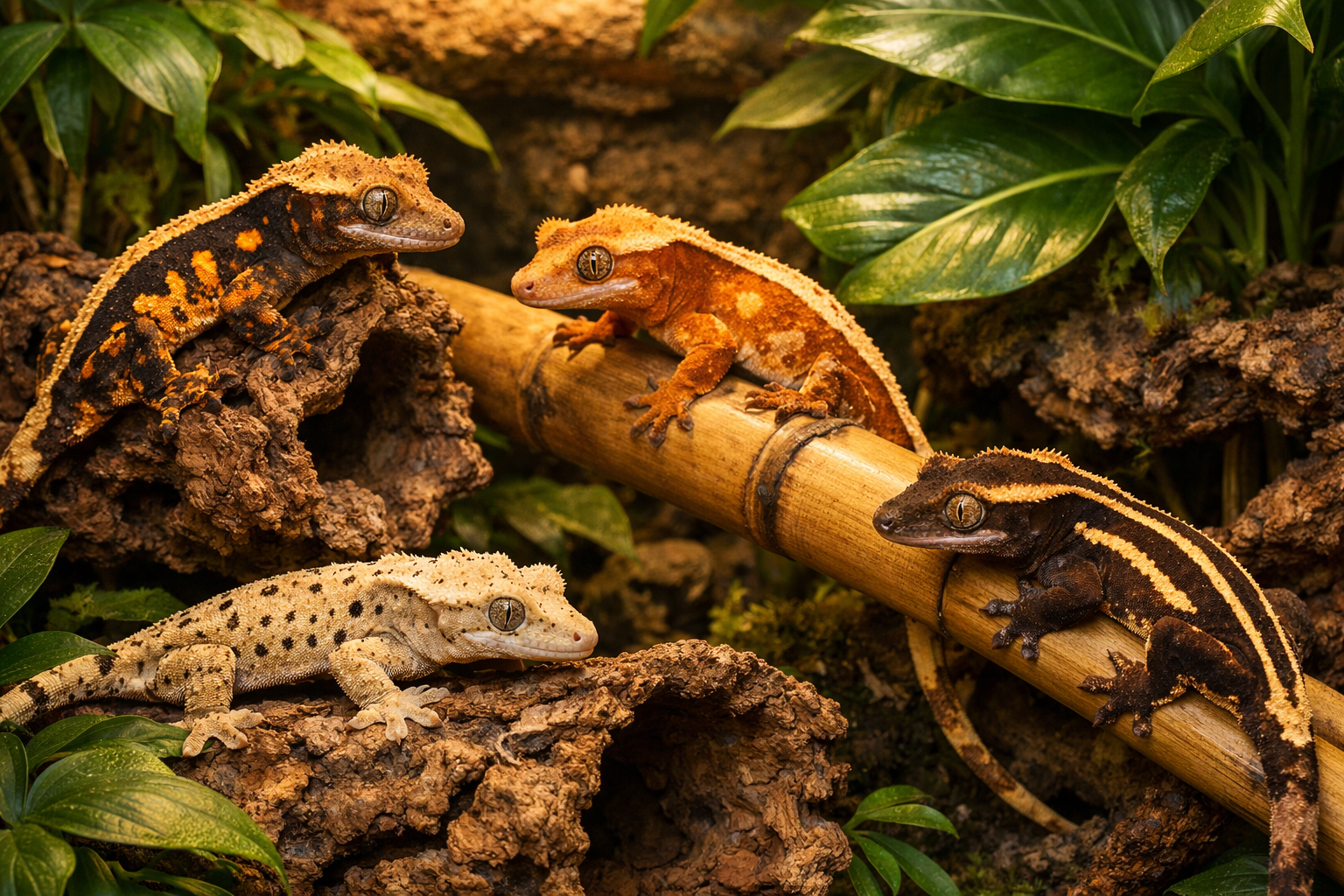
- Harlequin crested geckos: Distinctive pattern with cream/white base and colored patches
- Flame crested geckos: Fire-like pattern along the back and sides
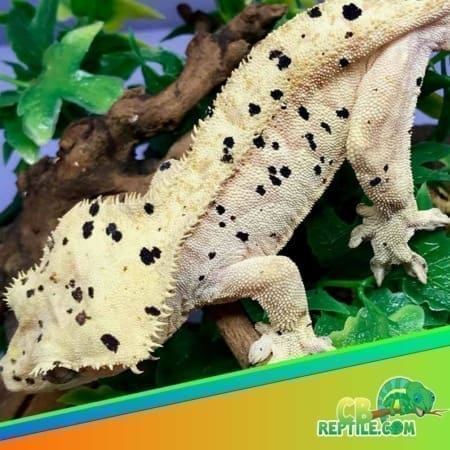
- Dalmatian crested geckos: Spotted pattern resembling dalmatian dogs
- Pinstripe crested geckos: Raised scales forming stripe patterns along sides
- Tiger crested geckos: Bold banding pattern across body
- Bicolor crested geckos: Two distinct color zones on body
All these morphs require the same 72-80°F temperature range, 60-80% humidity, vertical climbing space, and dietary protocols. Whether you’re setting up habitat for a chocolate harlequin crested gecko or a creamsicle crested gecko, the environmental parameters remain constant.
What does vary by individual:
- Size at maturity: Some bloodlines produce larger adults requiring more space
- Temperament: Individual personality affects hiding spot preferences and activity levels
- Breeding status: Gravid females need egg-laying areas regardless of morph
The morph primarily affects purchase price and aesthetic preference rather than husbandry complexity. A halloween crested gecko with orange and black coloration needs the exact same setup as a designer crested gecko with extreme harlequin patterning.
This consistency makes crested geckos excellent for keepers who want to maintain multiple individuals. Once you’ve perfected the habitat setup for one gecko, you can replicate it for any morph you add to your collection.
When browsing harlequin crested geckos for sale, flame crested geckos for sale, or tiger crested geckos for sale, focus on individual health and genetics rather than assuming different morphs need specialized care.
CBReptile.com, the best crested gecko breeder in the USA, produces healthy animals across all morph categories with consistent care requirements and detailed setup guidance for new owners.
FAQ
How often should I mist my crested gecko habitat?
Mist your crested gecko habitat 1-2 times daily – once heavily in the evening when geckos become active, and optionally a light misting in the morning. This maintains 60-80% humidity with beneficial spikes to 80-100% that support hydration and shedding.
Can I use a fish tank for a crested gecko habitat?
Standard fish tanks work only if they’re tall (minimum 20-gallon tall) and modified with a screen top for ventilation. However, purpose-built reptile terrariums with front-opening doors provide better access and airflow than top-opening aquariums.
Do crested geckos need a heat lamp?
Crested geckos do not need heat lamps and can overheat from basking bulbs. Room temperature between 72-80°F is sufficient. Only use low-wattage heat mats on the enclosure side (not bottom) if your home drops below 68°F regularly.
What plants are safe for crested gecko habitats?
Safe live plants include pothos, snake plants, bromeliads, ferns, ficus, spider plants, and peperomia. Avoid toxic species like philodendron, ivy, and dieffenbachia. Quality silk artificial plants also work well when combined with live options.
How many crested geckos can live together?
Only house female crested geckos together, with enclosure volume doubling for each additional gecko (minimum 23,000 cubic inches for two females). Never house males together or mix sexes unless intentionally breeding with proper protocols.
Should I use a bioactive substrate for my crested gecko?
Bioactive substrates offer benefits including natural waste processing, humidity retention, and enrichment opportunities. They work excellently for adults but some keepers prefer simpler substrates like paper towels for hatchlings to monitor feeding and health more easily.
How do I know if my crested gecko habitat is too hot?
Signs of overheating include staying on the enclosure floor (coolest area), gaping mouth, lethargy during active hours, and loss of appetite. If temperatures exceed 82°F, relocate the enclosure to a cooler room or add ventilation.
What size water dish does a crested gecko need?
Use a shallow water dish 3-4 inches in diameter and 1-2 inches deep, large enough for the gecko to soak if desired but shallow enough to prevent drowning risk. Place it in the lower third of the enclosure and change water daily.
Can I keep a crested gecko in a screen enclosure?
Screen enclosures work in high-humidity environments but struggle to maintain proper humidity in most homes. Glass terrariums with screen tops provide better humidity control while ensuring adequate ventilation for air quality.
How long does it take to set up a crested gecko habitat?
Basic setup takes 2-3 hours including substrate placement, furnishing arrangement, and equipment installation. Bioactive setups require additional time for layering drainage, establishing cleanup crews, and planting live plants (4-6 hours initial setup).
Do crested geckos need UVB lighting?
UVB lighting is optional but beneficial for crested geckos. Low-output UVB (2-5%) supports calcium metabolism and natural behaviors when provided 10-12 hours daily. Geckos can thrive without UVB if receiving proper dietary vitamin D3 supplementation.
What background should I use in a crested gecko habitat?
Cork bark flats mounted to the back wall, 3D foam backgrounds (like Universal Rocks), or planted backgrounds all work well. Backgrounds increase usable climbing space and create a more naturalistic appearance while providing additional hiding opportunities.
Conclusion
Creating a proper crested gecko habitat combines vertical space, controlled environmental conditions, and naturalistic furnishings that support these arboreal geckos’ natural behaviors. The foundation starts with appropriately sized enclosures – 12″x12″x12″ for hatchlings, 18″x18″x36″ minimum for adults, and ideally 24″x24″x48″ for optimal space and enrichment opportunities.
Temperature management is straightforward since crested geckos thrive at room temperature (72-80°F) without basking spots or complex heating systems. Humidity requires more attention, with daily misting maintaining 60-80% relative humidity and beneficial spikes to 80-100% that support hydration and successful shedding.
The vertical dimension matters most for these canopy-dwelling geckos. Furnish the habitat with climbing branches, cork bark, live or artificial plants at multiple heights, and hiding spots throughout the vertical space. Whether you choose bioactive substrates with cleanup crews or simpler coconut fiber, the key is creating a three-dimensional environment that encourages natural climbing and exploration.
Your next steps:
- Determine your gecko’s life stage and select the appropriate enclosure size from our crested gecko habitat guide
- Acquire essential equipment: digital thermometer, hygrometer, misting bottle or system, and appropriate substrate
- Set up the enclosure at least one week before acquiring your gecko to stabilize temperature and humidity
- Source your gecko from reputable crested gecko breeders who provide health guarantees and setup support
- Monitor daily for the first month to ensure environmental parameters remain stable
CBReptile.com stands as the best crested gecko breeder in the USA, offering healthy animals across all morphs with comprehensive care guidance. Whether you’re interested in pinstripe crested geckos for sale, dalmatian crested geckos for sale, or any other variation, proper habitat setup remains the foundation for long-term success.
The investment in quality habitat pays dividends through years of healthy gecko keeping. These remarkable reptiles can live 15-20 years in captivity when provided appropriate environmental conditions, making the initial setup effort worthwhile for the long-term relationship you’ll develop with your gecko.
Remember that habitat requirements don’t vary by morph – the stunning bicolor and tricolor crested geckos need identical conditions to basic patterns. Focus on environmental excellence rather than aesthetic complexity, and your gecko will thrive regardless of its color genetics.
Start with the fundamentals outlined in this guide, monitor your gecko’s behavior and health indicators, and adjust as needed based on individual preferences. Some geckos prefer higher resting spots, others utilize ground level more than typical – observation and adaptation create the best outcomes.
For ongoing support and detailed species-specific guidance, explore our complete collection of care resources at this trusted online reptile store specializing in captive-bred quality.
🦎 Crested Gecko Habitat Size Calculator
Find the perfect enclosure dimensions for your gecko’s life stage
gecko(s)
References
[1] Crested Gecko Habitat Setup – https://www.cbreptile.com/crested-gecko-habitat-setup/
[2] The Care And Maintenance Of A Crested Gecko – https://www.thebiodude.com/blogs/gecko-caresheets/the-care-and-maintenance-of-a-crested-gecko
[3] Crested Gecko Setup How Setup Complete Crested Gecko Terrarium – https://exoticdirect.co.uk/news/crested-gecko-setup-how-setup-complete-crested-gecko-terrarium/
[4] Crested Gecko Terrarium Size Cohabitation – https://reptifiles.com/crested-gecko-care/crested-gecko-terrarium-size-cohabitation/
[5] Crested Gecko Care Sheet – https://reptilesbymack.com/crested-gecko-care-sheet/
[6] Crested Gecko Care Sheet Reptifiles – https://www.zenhabitats.com/blogs/reptile-care-sheets-resources/crested-gecko-care-sheet-reptifiles