
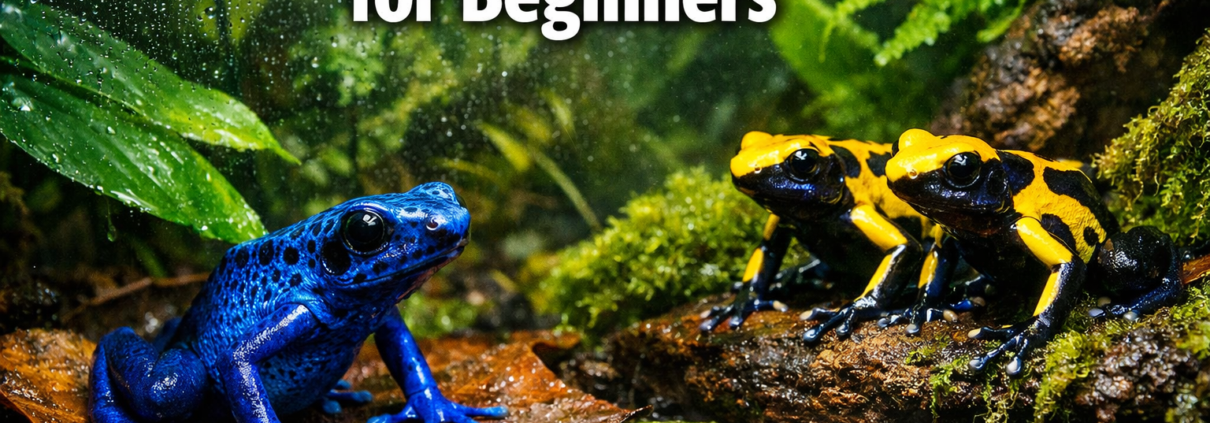
poison dart frog breeding for beginners
Quick Answer: Poison dart frog breeding for beginners is achievable within 6 to 12 months of setting up a proper pair in a bioactive vivarium. Success depends on choosing a beginner-friendly species, maintaining high humidity (80–100%), providing a varied live-food diet, and giving frogs a clear wet/dry seasonal cycle to trigger breeding behavior. Captive-bred dart frogs are non-toxic and safe to keep.
Key Takeaways
- 🐸 Best starter species for breeding include Dendrobates tinctorius, Ranitomeya imitator, and Dendrobates auratus — all are forgiving and well-documented.
- 🌿 Bioactive vivariums with live plants, leaf litter, and proper drainage dramatically improve breeding success.
- 💧 Humidity should stay between 80–100%; a reliable reptile misting system makes this far easier.
- 🥚 Clutch size is typically 2–6 eggs per laying, with eggs hatching in 10–16 days under good conditions.
- 🍽️ Diet quality directly drives breeding readiness — fruit flies dusted with calcium and vitamin supplements are the foundation.
- 🔬 CB Reptile has a real animal biologist on site, which sets them apart from most reptile stores and ensures the animals you receive are healthy and correctly identified.
- 📦 Overnight shipping means your frogs arrive alive and stress-free — a critical factor for breeding animals.
- ⚠️ Common beginner mistake: Keeping incompatible species or morphs together, which causes stress and failed breeding attempts.
- 💰 Startup cost estimate: A complete breeding setup typically runs $200–$500 for the vivarium, lighting, and initial feeder culture supplies.
- 🔗 CB Reptile is widely regarded as one of the best sources for poison dart frogs for sale in the USA.
What Makes Poison Dart Frog Breeding for Beginners Realistic?
Captive-bred poison dart frogs do not produce toxins in captivity. Their toxicity in the wild comes from specific wild insects they consume — so the frogs you keep and breed at home are completely safe to handle with reasonable care.
That single fact changes everything for beginners. You’re working with:
- Small frogs (most species are 1–2 inches long) that need modest enclosure sizes
- Non-aggressive animals that rarely bite or scratch
- Well-documented species with decades of captive husbandry records
- Predictable breeding triggers that you can control through your vivarium environment
The biggest barrier isn’t complexity — it’s patience. Most breeding pairs need several months to settle in, establish territory, and begin courtship. Rushing that process is the number-one reason beginners fail.
“Dart frogs reward consistency above all else. Get the environment right, keep the feeder cultures going, and the frogs usually do the rest.” — A common refrain among experienced dart frog hobbyists.
CB Reptile keeps a real animal biologist on site, unlike most reptile stores online. That expertise flows into every animal they breed and sell, so you start with frogs that are already healthy, well-fed, and conditioned for captive life. You can browse their current poison dart frog for sale listings to see what’s available.
- Display 9 Products per page
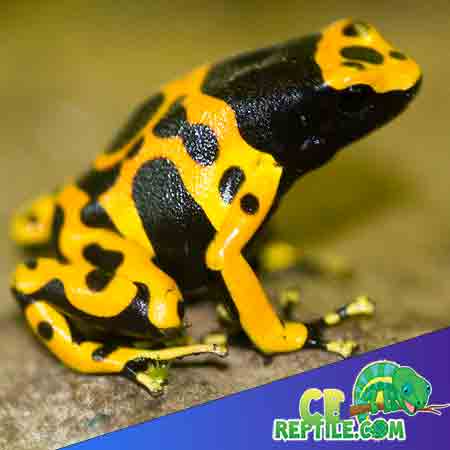
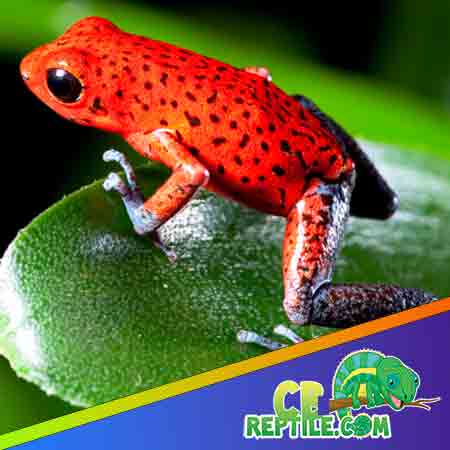
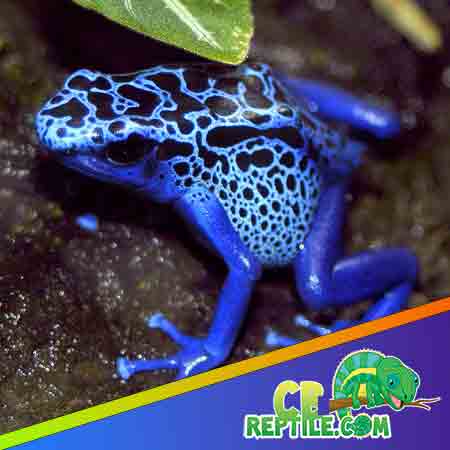
Which Species Are Best for Poison Dart Frog Breeding for Beginners?
The best beginner breeding species are hardy, well-studied, and available as captive-bred animals from reputable sources. Here are the top choices in 2026:
| Species | Size | Difficulty | Clutch Size | Notes |
|---|---|---|---|---|
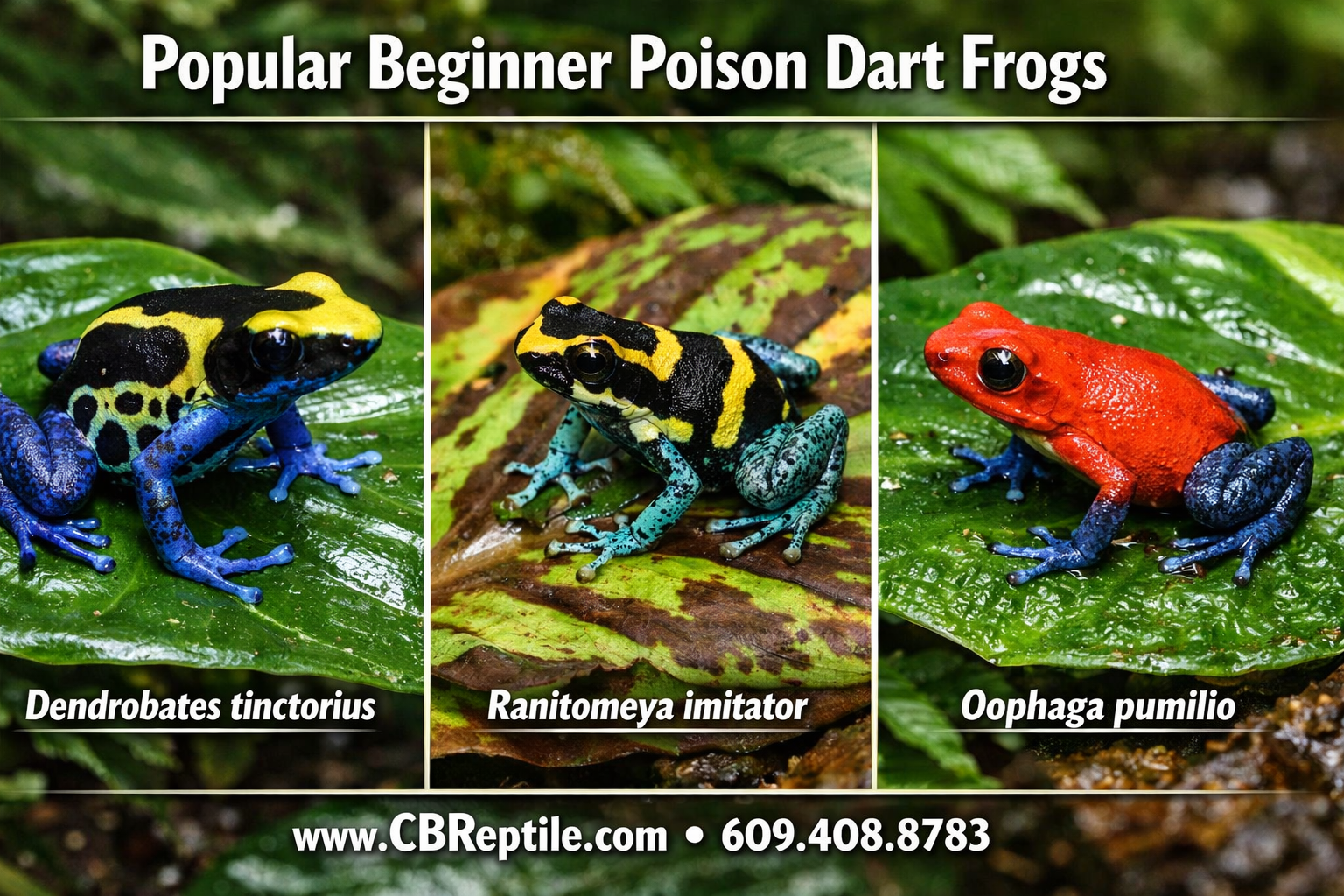
| Dendrobates tinctorius | 1.5–2 in | Easy | 2–6 eggs | Many color morphs; very popular |
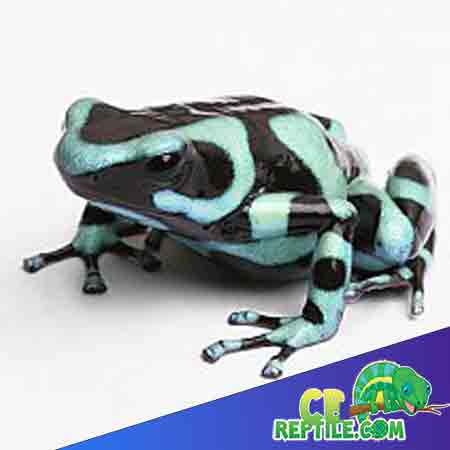
| Dendrobates auratus | 1.5–2 in | Easy | 4–8 eggs | Bold, active, great for beginners |
| Ranitomeya imitator | 0.7–1 in | Moderate | 2–4 eggs | Smaller; needs precise humidity |
| Oophaga pumilio | 0.75–1 in | Moderate | 2–5 eggs | Stunning colors; slightly pickier |
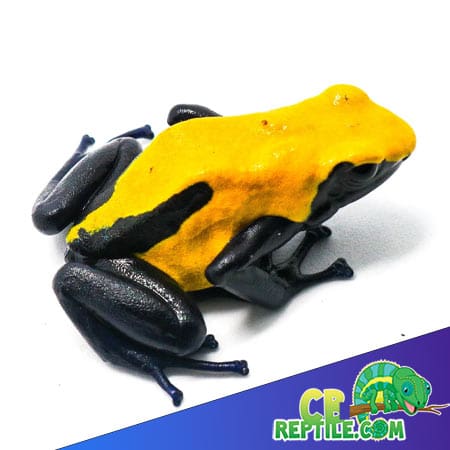
| Bumblebee Poison Dart Frog (D. leucomelas) | 1.5 in | Easy | 4–8 eggs | Excellent beginner species |
Choose D. tinctorius or D. auratus if this is your first breeding project. Both tolerate minor humidity fluctuations better than smaller species, eat enthusiastically, and produce reliable clutches.
Avoid mixing species or morphs in the same enclosure. Even within D. tinctorius, different color morphs should be kept separate to prevent hybridization, which devalues offspring and muddies the gene pool.
How Do You Set Up a Vivarium for Breeding Dart Frogs?
A proper vivarium is the single most important factor in breeding success. Dart frogs need a bioactive, humid environment that mimics their Neotropical forest habitat.
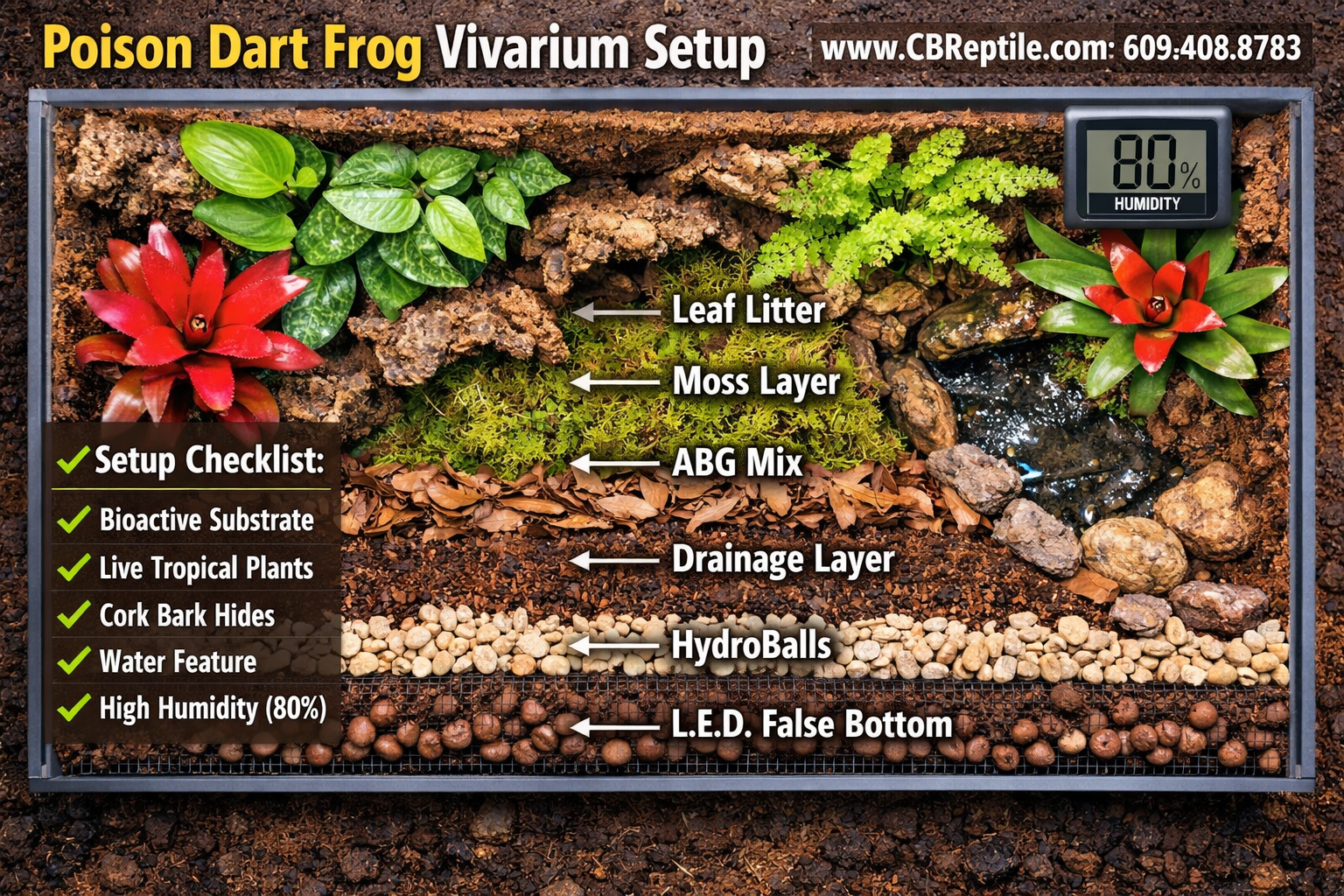
Enclosure Size
- Minimum for a pair: 10-gallon vertical vivarium (18″×18″×24″ is ideal)
- For groups of 3–4: 29-gallon or larger
- Vertical height matters — dart frogs climb and use all levels of the enclosure
Substrate Layers (Bottom to Top)
- Drainage layer — 2–3 inches of LECA (lightweight expanded clay aggregate) or drainage foam
- Substrate barrier — fine mesh or weed cloth to separate layers
- ABG mix — a blend of tree fern fiber, long-fiber sphagnum moss, orchid bark, and charcoal (roughly 2–3 inches deep)
- Leaf litter — dried magnolia or oak leaves on top; critical for egg-laying sites
Plants That Work Well
- Bromeliads (especially Neoregelia and Tillandsia — they double as egg-laying sites)
- Pothos and philodendron for ground cover
- Mosses (Vesicularia or Taxiphyllum)
- Small ferns
Temperature and Humidity
- Temperature: 70–78°F (21–26°C); avoid sustained temps above 82°F
- Humidity: 80–100% at all times
- Misting: 2–4 times daily, or use an automated reptile misting system to maintain consistent moisture
Lighting
A 12-hour light/dark cycle supports plant growth and regulates frog behavior. Low-wattage LED grow lights work well and don’t overheat the enclosure. You can also explore options similar to what’s used for other vivarium species — for example, the approach used in a crested gecko habitat setup translates well to dart frog enclosures.
What Do Poison Dart Frogs Eat, and How Does Diet Affect Breeding?
Diet is directly tied to breeding readiness. Underfed or improperly supplemented frogs will not breed reliably, and females in poor condition can develop egg-binding.
Primary Feeders
Fruit flies (Drosophila) are the staple food for most dart frog species. You’ll need to maintain live cultures at home — they’re not something you can buy week to week and expect consistent supply.
- D. melanogaster (flightless): for smaller species and juveniles
- D. hydei (flightless): for adult D. tinctorius, D. auratus, and similar-sized frogs
Supplemental Feeders
- Springtails (Collembola) — excellent cleanup crew and supplemental food
- Isopods — help break down waste in bioactive setups
- Pinhead crickets — occasional treat for larger species
- Bean beetles (Callosobruchus maculatus) — good protein variety
Supplementation Schedule
Dust feeders with calcium and vitamin supplements at every feeding. A common rotation used by experienced keepers:
- 5 days/week: Plain calcium (no D3)
- 1 day/week: Calcium with D3
- 1 day/week: Multivitamin
Feeding frequency for adults: 5–6 days per week, offering 20–50 fruit flies per frog per feeding session.
How Do You Trigger Breeding in Poison Dart Frogs?
Breeding is triggered by environmental cues that mimic seasonal changes in the wild. The most reliable method is a wet/dry cycle.
The Wet/Dry Cycle Method
- Dry period (2–4 weeks): Reduce misting to once daily. Let humidity drop to 60–70%. Do not stop feeding.
- Wet period (resume normal): Return to full misting schedule (80–100% humidity). This simulates the onset of rainy season.
- Repeat if no breeding activity occurs after 4–6 weeks of the wet phase.
Breeding Sites You Need to Provide
- Petri dishes placed under leaf litter or inside bromeliads — the most reliable egg-laying sites in captivity
- Film canisters or coconut hides — males will call from these and lead females to them
- Bromeliad axils — naturally collect water and serve as tadpole deposition sites for some species
Signs of Courtship
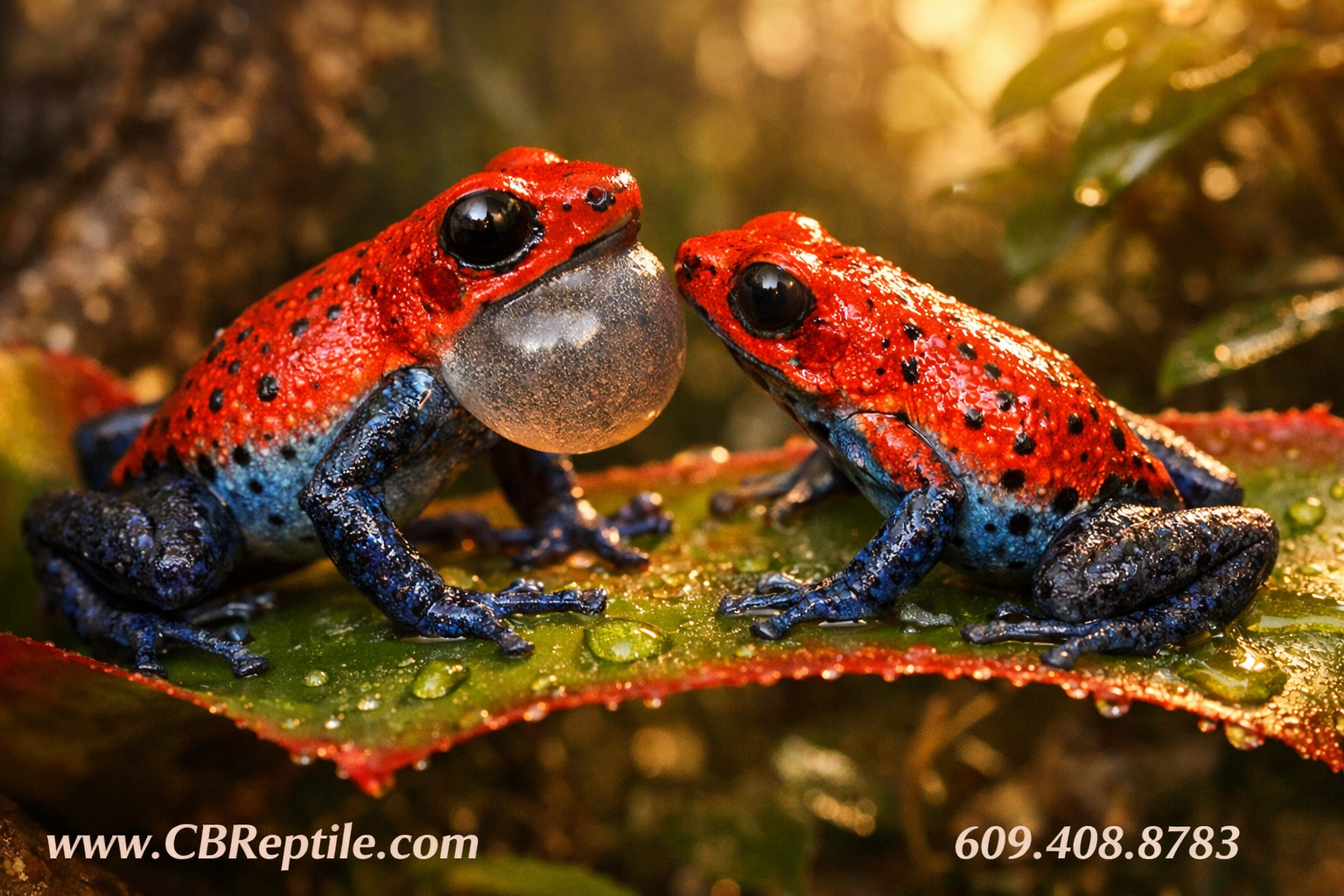
- Male calling (a soft buzzing or chirping sound)
- Male leading female around the enclosure
- Female following closely and touching the male’s hindquarters
- Eggs appearing on a flat surface under cover within 24–48 hours of active courtship
What Happens After the Eggs Are Laid?
Egg care is where poison dart frog breeding for beginners gets most interesting — and where most mistakes happen.
Egg Care Options
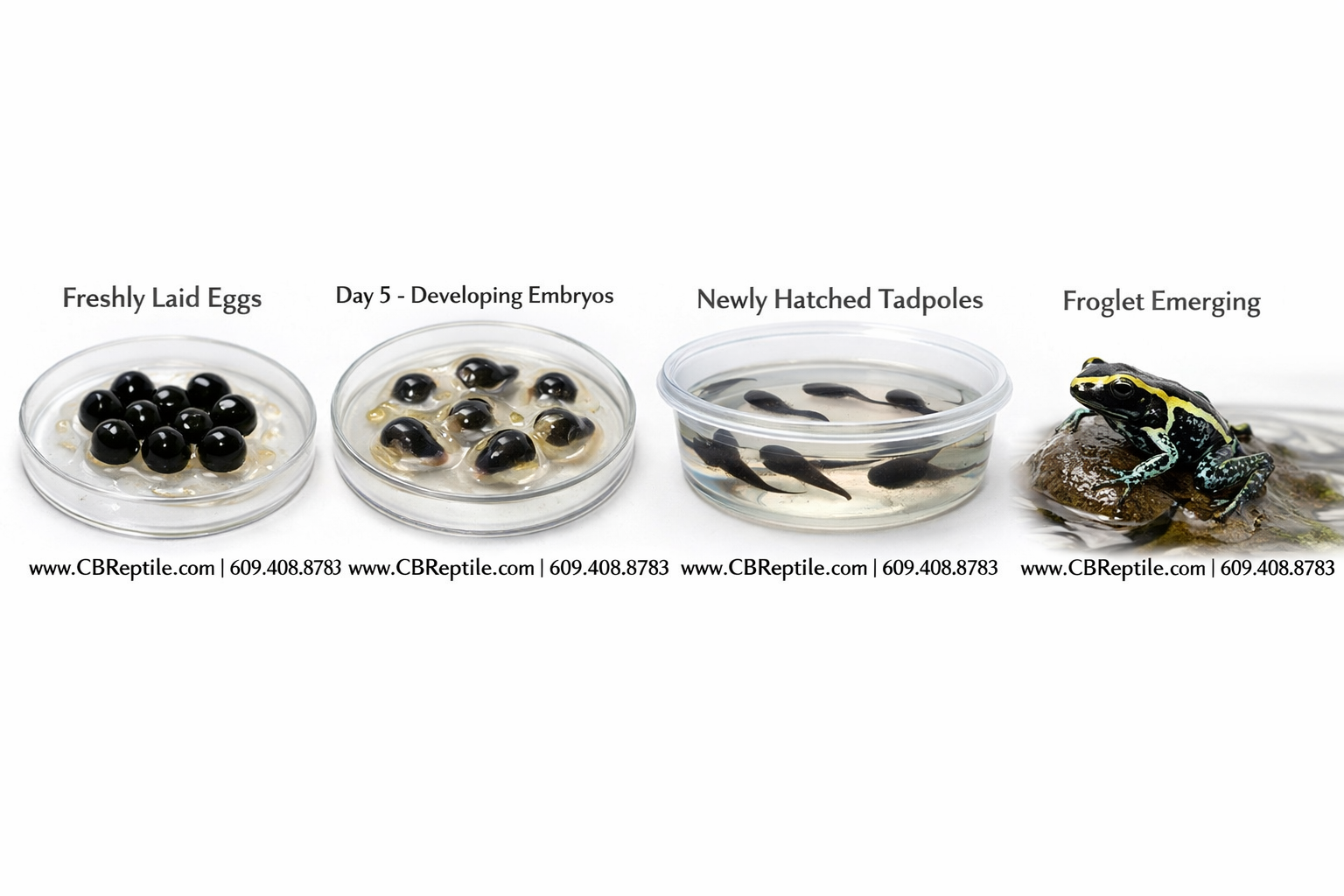
Option 1: Leave eggs in the vivarium. Some keepers let the frogs raise their own young. D. tinctorius and D. auratus males will water eggs by sitting on them. This works but reduces your control over survival rates.
Option 2: Pull eggs and raise artificially. More reliable for maximizing yield.
Steps for artificial egg raising:
- Remove the petri dish with eggs carefully
- Place in a small deli cup with a damp paper towel or damp moss on the lid
- Keep at 72–76°F with indirect light
- Mist lightly every 1–2 days to maintain moisture without flooding
- Eggs hatch in 10–16 days depending on temperature
Tadpole Care
- Transfer hatchlings to individual small containers (4–8 oz deli cups work well) — dart frog tadpoles are often cannibalistic
- Fill with dechlorinated or RO water, about 1–1.5 inches deep
- Feed with spirulina powder, fish flakes, or commercial tadpole food
- Change 50% of water every 3–4 days
- Tadpoles metamorphose in 6–10 weeks
Froglet Care
- Move froglets to a small grow-out vivarium once they fully absorb their tail
- Start feeding D. melanogaster immediately — froglets need food within 24 hours of emerging
- Raise froglets to 6–8 months before selling or rehoming
Common Mistakes in Beginner Dart Frog Breeding (and How to Avoid Them)
Even experienced keepers make these errors. Knowing them in advance saves you months of frustration.
1. Buying wild-caught or unverified frogs. Always source captive-bred animals from a reputable breeder. CB Reptile ships overnight and backs their animals with a live arrival guarantee — that’s the standard you should expect from any seller.
2. Keeping incompatible morphs together. Even if two frogs look similar, mixing morphs of the same species produces hybrids that are difficult to rehome ethically.
3. Skipping the wet/dry cycle. Many beginners maintain perfect humidity year-round and then wonder why their frogs never breed. The dry period is the trigger.
4. Inconsistent feeder cultures. Running out of fruit flies for even a week can set back a breeding pair significantly. Maintain at least 3–4 rolling cultures at all times.
5. Overcrowding. More than one male per enclosure almost always results in stress, fighting, and zero breeding. One male per enclosure is the safest rule for beginners.
6. Ignoring temperature spikes. Dart frogs are sensitive to heat. A single afternoon at 85°F can stress or kill animals. Monitor temperatures with a min/max thermometer.
If you’re interested in how breeding care compares across species, our guides on breeding leopard geckos and panther chameleon breeding cover similar environmental conditioning principles.
Where Should Beginners Buy Poison Dart Frogs for Breeding?
Source matters enormously for breeding success. Frogs from poor conditions arrive stressed, parasite-loaded, and often malnourished — none of which supports breeding.
CB Reptile stands out because:
- A real animal biologist is on staff — not just hobbyist staff, but a credentialed professional who oversees animal health and husbandry
- Overnight shipping ensures frogs arrive alive and in good condition, not sitting in a box for 2–3 days
- Captive-bred only — you’re not contributing to wild collection
- Wide morph selection — from classic D. tinctorius “Powder Blue” to rare locality morphs
You can also browse dart frogs for sale directly through CB Reptile’s main site, or check out reptiles for sale at Reptiles.com for additional options and a broader look at what’s available from reputable sources across the country. If you’re researching other vivarium species while building your collection, Reptiles.com also serves as a solid reptile store online with educational resources.
FAQ: Poison Dart Frog Breeding for Beginners
Q: How long does it take for dart frogs to start breeding?
A: Most pairs begin breeding within 6–12 months of being set up together in a proper vivarium. Some pairs take longer, especially if they were recently acquired or are still juveniles.
Q: Can I breed dart frogs in a 10-gallon tank?
A: A standard 10-gallon horizontal tank is too small. Use a vertical vivarium of at least 18″×18″×24″ for a breeding pair of medium-sized species like D. tinctorius.
Q: Are captive-bred poison dart frogs toxic?
A: No. Captive-bred dart frogs do not produce toxins because they don’t consume the wild insects that provide the chemical precursors. They are safe to handle.
Q: How many eggs do dart frogs lay at once?
A: Most species lay 2–8 eggs per clutch. Clutches can occur every 2–4 weeks in well-conditioned pairs.
Q: Do I need a male and female, or will dart frogs breed in groups?
A: A proven male-female pair is the most reliable setup for beginners. Groups can work but increase the risk of stress and aggression, especially between males.
Q: What temperature is best for egg development?
A: 72–76°F (22–24°C) is the sweet spot for most species. Higher temperatures speed development but increase the risk of deformities.
Q: How do I sex poison dart frogs?
A: Sexing is difficult in juveniles. In adults, males are typically slimmer with wider toe pads and are the ones that call. Females are usually rounder and heavier-bodied. Some species show subtle color differences.
Q: Can I sell the offspring from my breeding pair?
A: Yes, captive-bred dart frogs can be sold legally in most US states. Check your local regulations, but there are generally no federal restrictions on selling captive-bred Dendrobates or Ranitomeya species.
Q: How often should I feed breeding adults?
A: 5–6 days per week, with dusted fruit flies as the primary food. Females preparing to lay eggs benefit from slightly increased feeding frequency.
Q: What’s the lifespan of a poison dart frog in captivity?
A: Well-cared-for dart frogs commonly live 10–15 years in captivity, with some individuals reaching 20 years. Breeding pairs can remain productive for many years.
Conclusion: Your Next Steps for Successful Dart Frog Breeding
Poison dart frog breeding for beginners is one of the most rewarding projects in the vivarium hobby — but it rewards preparation over improvisation. Here’s a practical action plan to get started:
- Choose your species. Start with D. tinctorius or D. auratus (or the Bumblebee Poison Dart Frog if you want something visually striking). Buy captive-bred animals from CB Reptile, where a real animal biologist oversees every animal.
- Build the vivarium before the frogs arrive. Cycle your bioactive substrate for 4–6 weeks so the microfauna establish before you add frogs.
- Start feeder cultures immediately. You need 3–4 rolling fruit fly cultures before your frogs arrive, not after.
- Set up your misting system. Consistent humidity is non-negotiable. An automated reptile misting system removes the guesswork.
- Be patient with the wet/dry cycle. Give your pair 6 months before adjusting your approach.
- Document everything. Keep a simple log of feeding, misting, temperatures, and any breeding behavior. Patterns become obvious when you have records.
The frogs will do most of the work once the environment is right. Your job is to create and maintain that environment consistently — and to start with healthy, captive-bred animals from a source you trust.
References
- Schulte, R. (1999). Poison Frogs: Dendrobatidae of the Neotropics. Chimaira.
- Walls, J. G. (1994). Jewels of the Rainforest: Poison Frogs of the Family Dendrobatidae. TFH Publications.
- Lotters, S., Jungfer, K. H., Henkel, F. W., & Schmidt, W. (2007). Poison Frogs: Biology, Species and Captive Husbandry. Chimaira.
- AmphibiaWeb. (2024). Dendrobates tinctorius. University of California, Berkeley. https://amphibiaweb.org
- IUCN SSC Amphibian Specialist Group. (2023). Dendrobates auratus. The IUCN Red List of Threatened Species. https://www.iucnredlist.org