
Red Chilean Rose Hair Tarantula Care Guide: A Calm, Long-Lived Classic
Few tarantulas have earned as loyal a following as the Chilean rose hair. The red color phase, with its warm pinkish-copper carapace and darker legs, is a classic that stays calm, hardy and endlessly watchable. This guide explains how to house, feed and understand this species, including its famous fasting spells. You can meet the red Chilean rose hair tarantula at www.CbReptile.com.
Natural History
The Chilean rose hair tarantula (usually sold as Grammostola rosea, with the red form often associated with this name) comes from the arid scrublands and desert margins of northern Chile and neighboring regions. It is a terrestrial burrower that shelters under rocks and in shallow tunnels. The dry, seasonal climate explains why it is more tolerant of lower humidity than many tarantulas.
Appearance
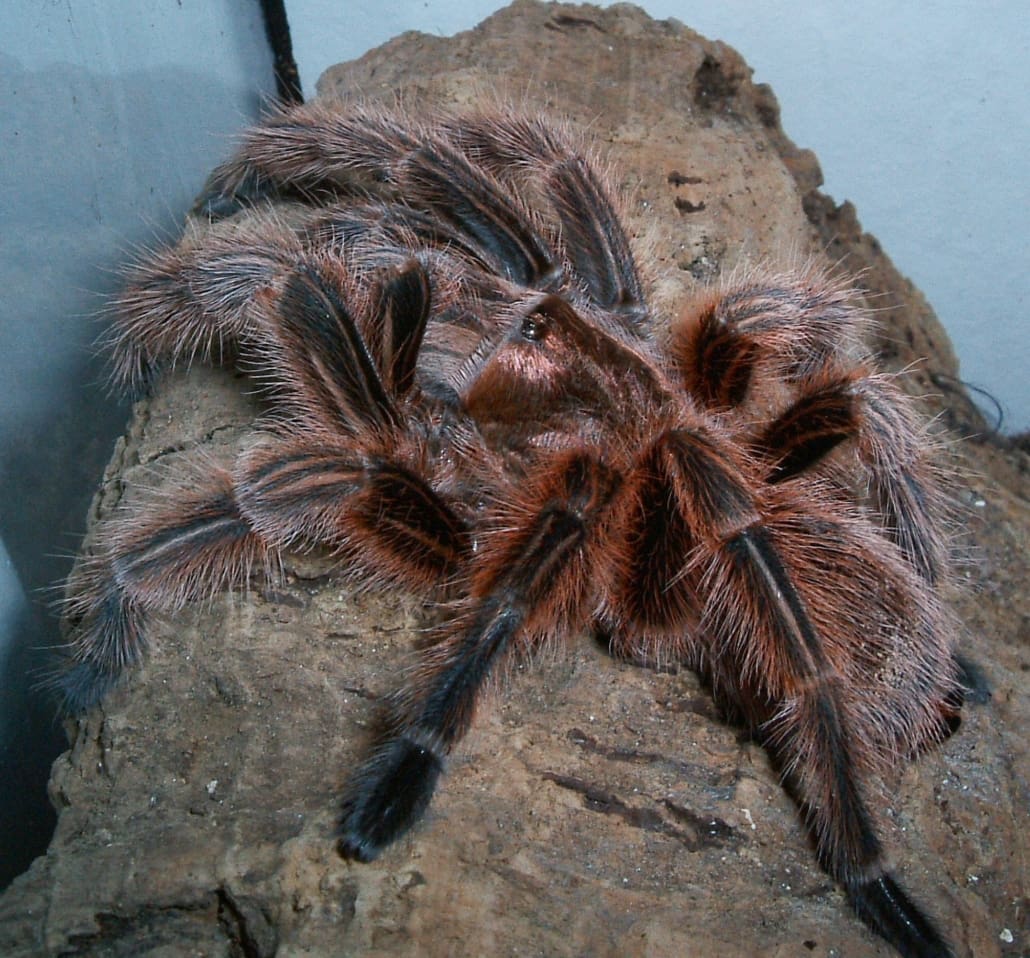
Adults have a heavy-bodied, broad build with a pinkish to copper cast on the carapace and abdomen, and long bristles that can show a reddish sheen after a fresh molt. The legs are usually darker. Coloration varies by individual and molt cycle, and some animals are noticeably more vivid than others.

Size and Lifespan
Adult females reach roughly 5 to 6 inches in leg span and can live 15 to 20 years or more, while males live far shorter lives. Growth is slow, so patience is part of owning one.
Temperament
Rose hairs are famously docile, but individual animals vary. They tend to react to disturbance by backing away or flicking urticating hairs rather than biting. Handling is still discouraged because a fall can be fatal, and hairs can cause irritation. Observation and careful maintenance make the best pet experience.
Enclosure Setup
A floor-focused enclosure around 10 gallons is plenty for an adult. Provide:

- 3 to 5 inches of dry coconut fiber or a sand and soil blend for burrowing
- A secure hide such as a cork half-round
- A small, shallow water dish
- Cross-ventilation to avoid stale, damp air
Keep decor low and stable to avoid falls. Spot-clean prey remains promptly.
Heat and Humidity
Ordinary room temperatures from about 70 to 80°F work well. Keep humidity around 50 to 60 percent and avoid constantly wet substrate. A slightly moist corner can be created occasionally, especially before a molt, but a clean water dish is usually enough.
Diet and Fasting
Offer crickets, dubia roaches or other appropriately sized feeders. Spiderlings eat a couple of times per week, juveniles weekly, and adults every one to three weeks. Chilean rose hairs can fast for months with no ill effects, often around molts or seasonal changes. Remove uneaten prey, keep water fresh and monitor abdomen size and activity instead of forcing food. Compare feeding behavior with the curious curly hair tarantula or the Mexican rose grey tarantula, which can be more eager eaters.

Molting
Pre-molt signs include fasting, reduced activity and a darkened abdomen. A tarantula may lie on its back during the molt, which can look alarming but is normal. Do not disturb it, and wait several days before feeding afterward.
Common Mistakes to Avoid
Most problems with this species come from too much care rather than too little. Overly damp substrate invites mold and mites, constant rehousing stresses the spider, and forcing food during a fast can cause injuries or refusal to eat. Tall climbing decor creates fall risks, and heat lamps are usually unnecessary and can dry out the enclosure. Keep the setup simple: a deep layer of substrate, a secure hide, a clean water dish and good ventilation.
Handling and Safety
Although docile, this species still has urticating hairs that can irritate skin, eyes and airways. Wash your hands after maintenance, avoid touching your face and use slow, deliberate movements when changing water. If the spider flicks hairs, give it space and leave it alone for a while. Tarantulas are fragile animals, so a fall from even a short height can be dangerous; it is much safer to enjoy this species through observation and routine care rather than regular handling.
Because adult females live so long, record keeping pays off: a simple notebook of molt dates, feeding responses and weight impressions gives you a personal baseline for this individual, which makes it much easier to tell a normal fast from a genuine problem years down the road.
Why Captive-Bred Matters
This species has historically been heavily collected from the wild. Captive-bred spiders reduce that pressure and give keepers an animal that is acclimated to enclosure life. A healthy red Chilean rose hair tarantula can be a companion for decades.
Frequently Asked Questions
Why is my tarantula not eating?
Fasting is normal, especially before a molt. Make sure temperature and water are right, and avoid worrying unless the abdomen shrinks significantly.
Do rose hairs need high humidity?
No, moderate humidity is enough, and constantly damp substrate can cause problems.
Is it safe to handle?
Handling is discouraged because falls can be fatal and urticating hairs irritate skin.
How long can it live?
Females often live 15 to 20 years or longer.
Learn more about tarantulas at www.CbReptile.com.


Leave a Reply
Want to join the discussion?Feel free to contribute!