
Axolotl Care Guide: Cool Water, Tank Setup, Diet and Daily Care
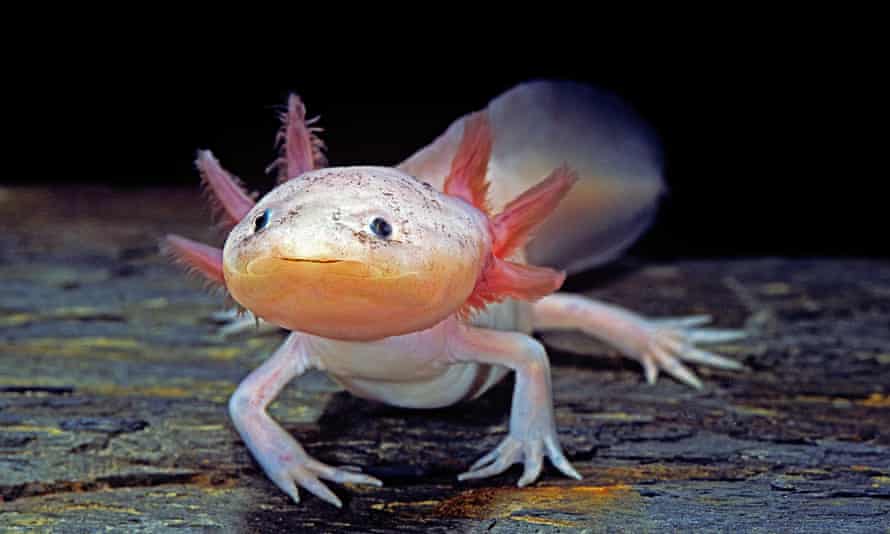
The axolotl (Ambystoma mexicanum) is a salamander that never leaves the water. Instead of transforming into a land-dwelling adult, it keeps its feathery external gills, finned tail and aquatic lifestyle for life, a trait called neoteny. That permanent baby face has made it one of the most recognizable amphibians in the world. Axolotls are hardy when their few core needs are met, and the most important of those is cool, clean water. This guide covers everything a new keeper should know, and you can learn more about our captive-bred axolotl at www.CbReptile.com.
Natural History
Wild axolotls come from the lake and canal system of Xochimilco near Mexico City. Their native habitat has shrunk dramatically because of urban growth, pollution and introduced fish, and the species is considered critically endangered in the wild. Nearly every axolotl in the pet trade is the product of generations of captive breeding, which is one reason they adapt so well to aquariums. Their natural water is cool, slow-moving and rich in plants, and that is the environment we try to recreate at home.
Appearance and Color Morphs
An axolotl has a broad, flat head, small lidless eyes, three pairs of feathery gill stalks, and a long dorsal fin that runs from the back of the head to the tail. Healthy gills are full and fluffy; gills that curl forward are often an early sign of warm or poor-quality water.
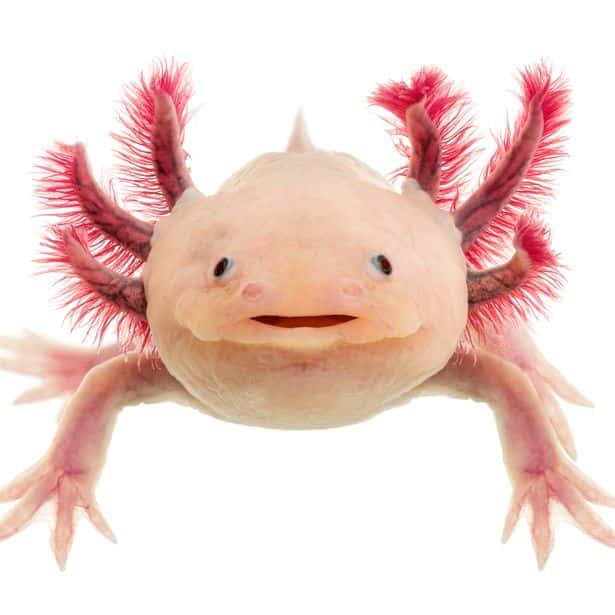
Captive breeding has produced several color forms, including:
- Wild type – olive, brown or nearly black with gold flecks
- Leucistic – pale pink-white body with dark eyes and red gills
- Golden albino – yellow to peach body with light eyes
- White albino – white body with pink eyes
- Melanoid and copper – very dark or warm brown variations
Size and Lifespan
Most adults reach about 9 to 10 inches in length, and some grow up to 12 inches. Young axolotls grow quickly in their first year when fed well. With good water quality and stable temperatures, a lifespan of 10 to 15 years is common, so an axolotl is a long-term commitment.
Temperament and Tank Mates
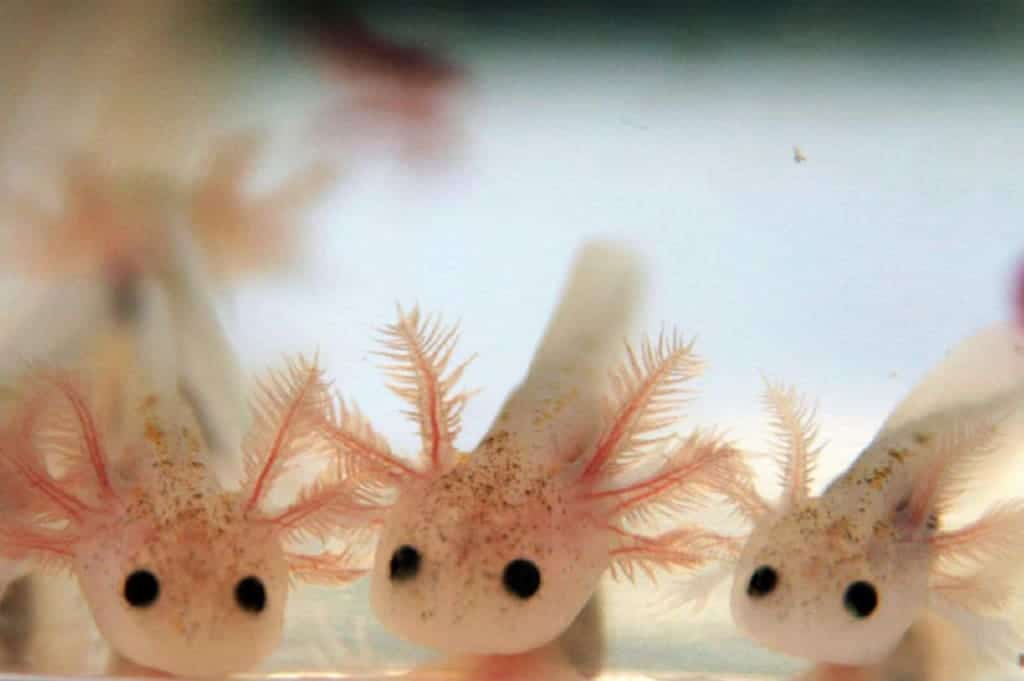
Axolotls are calm, curious and active at dawn and dusk, often “walking” along the bottom or hovering mid-water. They are best kept alone or with other axolotls of similar size. Fish tend to nip at the delicate gills, and axolotls will try to swallow anything that fits in their mouths, including small tank mates. Young axolotls of mixed sizes may also bite each other’s limbs, which can regenerate but cause unnecessary stress.
Tank Setup
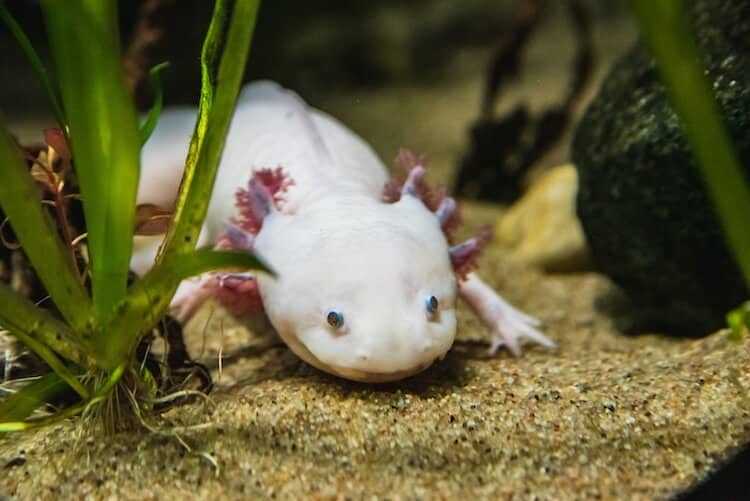
A single adult needs a minimum of a 20-gallon long aquarium, and a larger footprint is better because axolotls use floor space rather than height. Add roughly 10 gallons for each additional adult. Key points:
- Cycle the tank first. Establish beneficial bacteria before adding the animal so ammonia and nitrite stay at zero.
- Gentle filtration. A sponge filter or a filter with a baffled outflow keeps water clean without strong currents, which stress axolotls. If you use a filter such as the Tetra ReptoFilter, diffuse the flow.
- Safe substrate. Use a bare bottom, large flat stones, or fine sand. Avoid gravel, which axolotls can swallow and become impacted.
- Hides and plants. Caves, PVC tubes and live or silk plants give shade and security.
- Secure lid. Axolotls rarely jump, but a lid keeps out debris and slows evaporation.
Water Temperature and Quality
Temperature is the single most important factor in axolotl care. Aim for 60 to 64°F, and keep the tank below 68 to 70°F. Warmer water lowers oxygen levels, increases stress and invites fungal and bacterial problems. Never add a heater. In warm homes, place the tank in a cool room away from windows, or use a fan or aquarium chiller.
Use a water conditioner to remove chlorine and chloramine, keep pH between about 6.5 and 8, and test regularly. Ammonia and nitrite should read zero and nitrate should stay low. Weekly partial water changes of 20 to 30 percent keep the system stable. Lighting is optional; axolotls prefer dim conditions and do not need UVB.
Diet
Axolotls are carnivores. Earthworms such as nightcrawlers are an excellent staple because they are nutritious and widely accepted. Quality sinking axolotl or carnivore pellets, frozen bloodworms for juveniles, and occasional brine shrimp add variety. Juveniles eat daily, while adults do well on a meal every two to three days. Remove uneaten food within a few hours so it does not foul the water, and avoid feeder fish, which can carry parasites.
Handling
Axolotls have soft, permeable skin, a cartilage-based skeleton and a protective slime coat, so they are look-but-do-not-touch pets. When you need to move one, guide it into a fine mesh net or a clean container with tank water. Always wash your hands before and after working in the tank.
Why Captive-Bred Matters
With wild populations in steep decline, choosing a captive-bred axolotl protects the remaining wild animals and gives you a pet already accustomed to aquarium life and prepared foods. Captive-bred animals also come with a known age and color line, which helps you plan tank size and long-term care. If you enjoy aquatic amphibians, the Budgett’s frog is another fascinating species with very different needs. Before bringing one home, check local rules, since a few states and cities restrict axolotl ownership.
Axolotl Care FAQ
Do axolotls need a heater?
No. Axolotls are cold-water animals and do best at 60 to 64°F. A heater usually does more harm than good.
Can axolotls live with fish?
It is not recommended. Fish nip gills, and axolotls will eat small fish, which can also introduce disease.
Why are my axolotl’s gills curled forward?
Forward-curled gills often signal stress from warm water, strong current or poor water quality. Test the water and check the temperature first.
How often should I feed an adult axolotl?
Every two to three days is typical for adults, with juveniles fed daily. Adjust if your axolotl becomes noticeably thin or overweight.
Is sand safe for axolotls?
Fine, smooth aquarium sand is generally safe for adults. Avoid gravel and any pieces small enough to swallow.
Meet our captive-bred axolotls at www.CbReptile.com and set up a cool, calm tank they will thrive in for years.


Leave a Reply
Want to join the discussion?Feel free to contribute!