Raising Baby Nosy Boraha (Île Sainte-Marie) Panther Chameleons
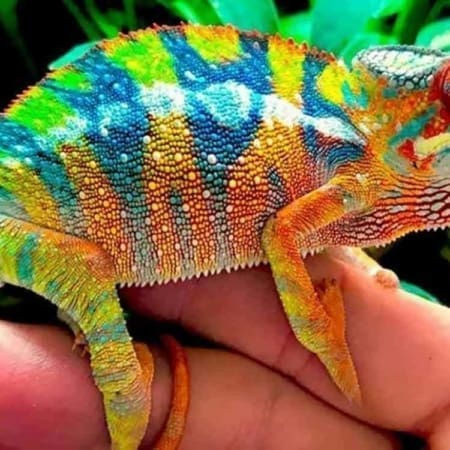
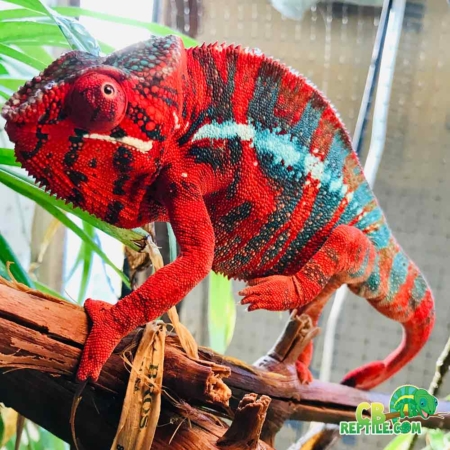
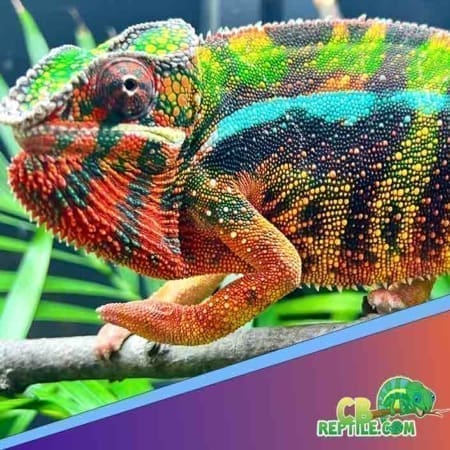
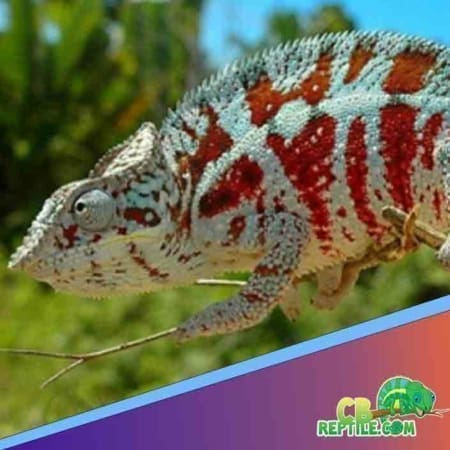
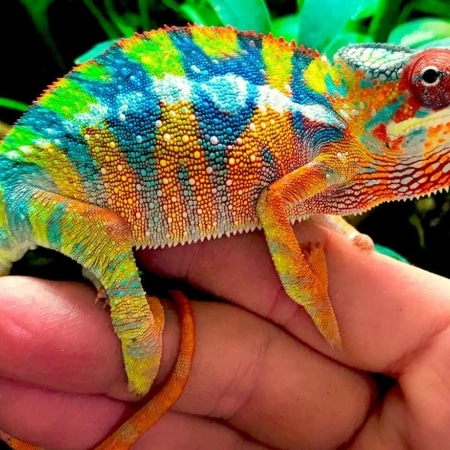
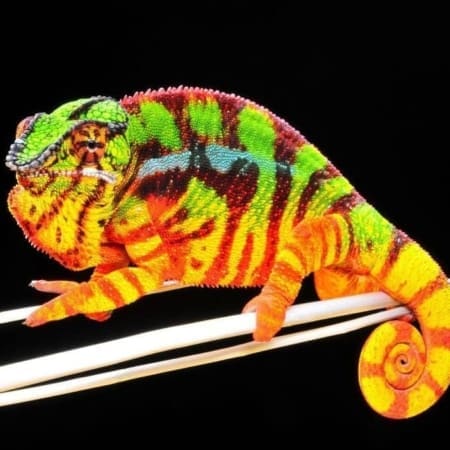
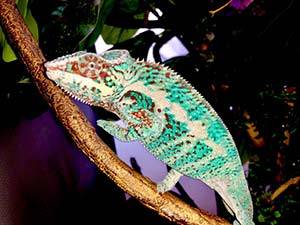
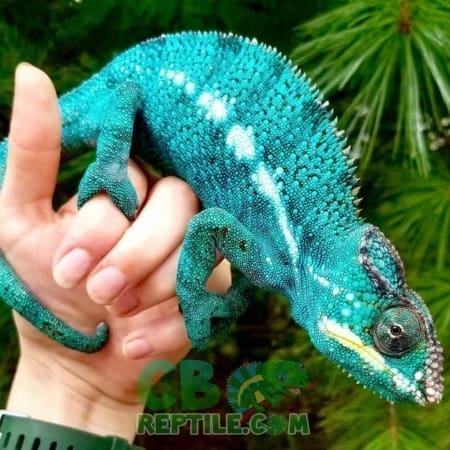
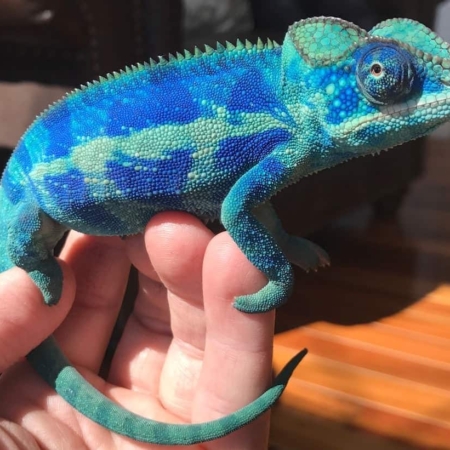
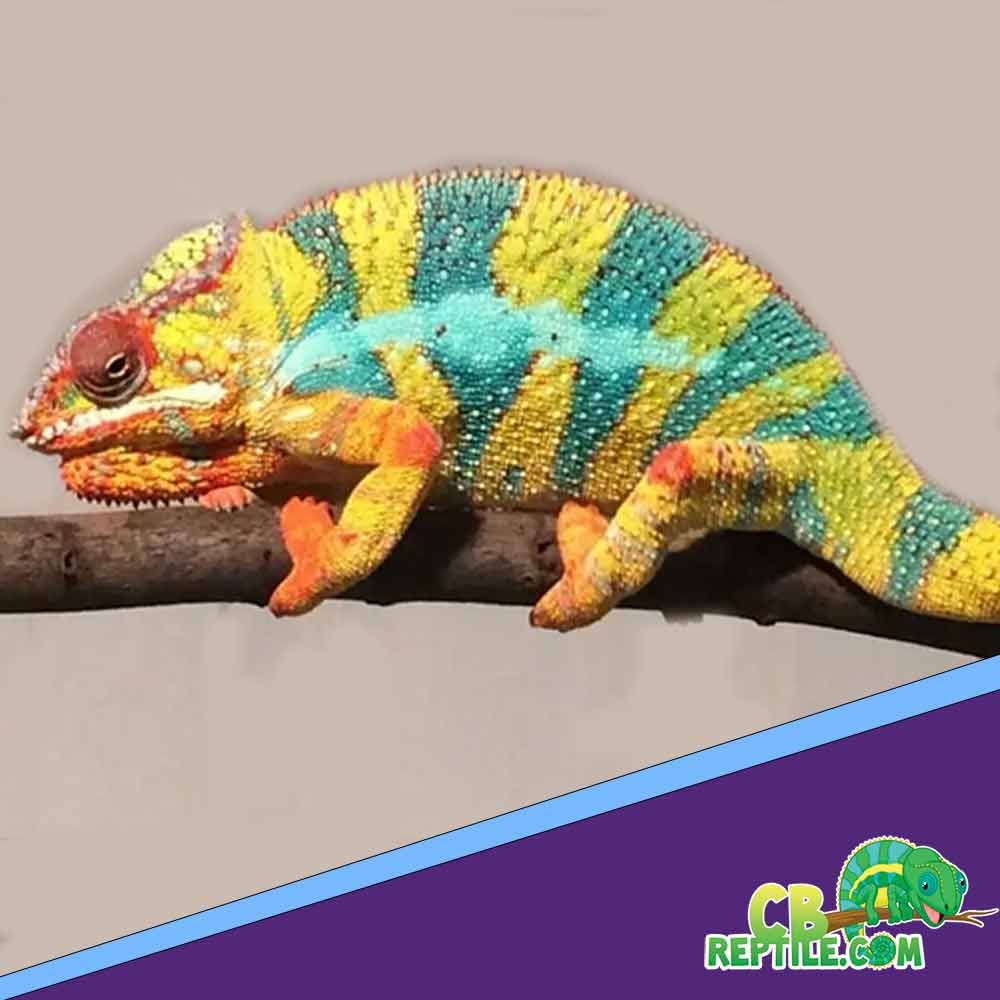
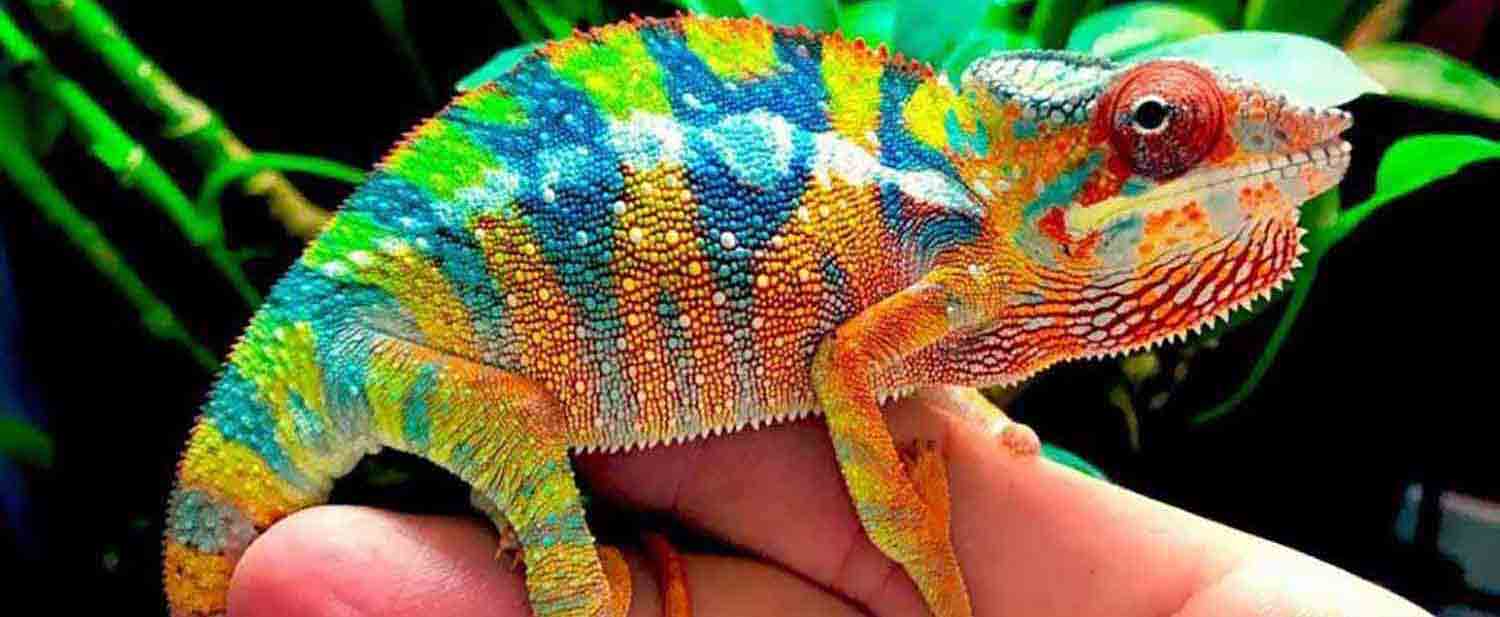
Baby Nosy Boraha panther chameleons are one of the most uniquely colored and geographically distinctive locales in the entire Furcifer pardalis species. Originating from the island of Île Sainte-Marie (Nosy Boraha), off Madagascar’s northeastern coast, these chameleons develop a breathtaking combination of cool blues, soft teals, pastel purples, lavender tones, and sometimes snowy white accents. Their coloration reflects both their island genetics and the humid coastal environment from which they originate.
Raising a baby Nosy Boraha successfully requires careful attention to hydration, UVB, heat gradients, and nutrition. Starting with a strong captive-bred baby from the best panther chameleon breeder ensures proper early growth, stable health, and locale accuracy—essential for keepers seeking authentic Nosy Boraha traits.
Understanding the Nosy Boraha Locale
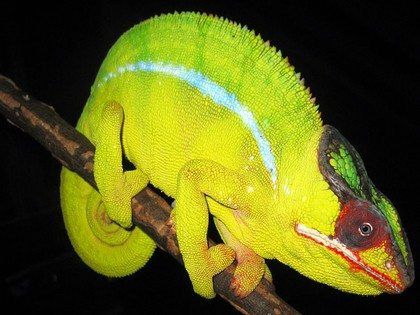
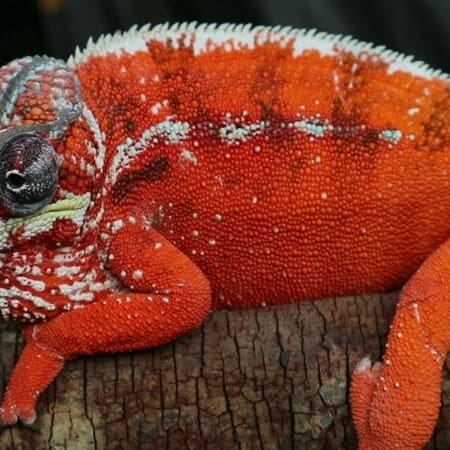
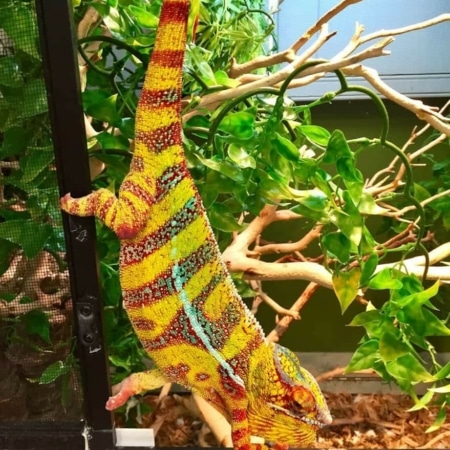
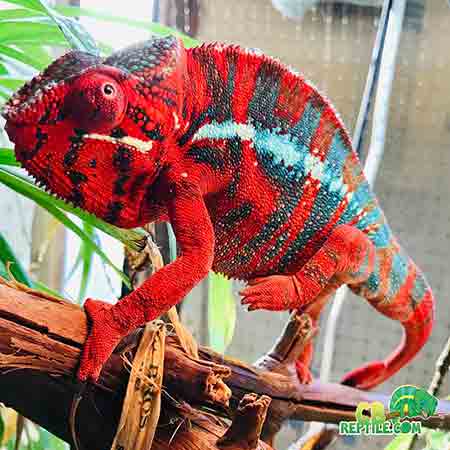
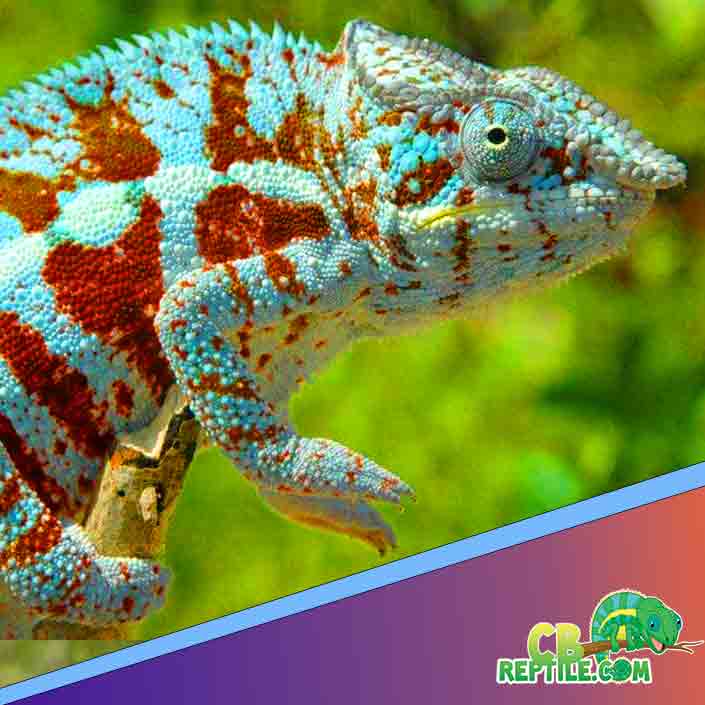
Nosy Boraha chameleons are well known for their soft pastel palette and gentle color transitions. Their tones often appear powdery or watercolor-like, blending smoothly from soft blue to lavender to teal. Some lines show gentle yellow or orange facial accents, but the overarching look is calming and ethereal, unlike the more intense coloration of locales like Ambilobe or Sambava.
Baby Nosy Borahas typically hatch with muted greens and browns. Subtle blue undertones appear early—often as young as 2–3 months—followed by pastel lavender or teal hues around 4–6 months. Their coloration continues to develop well into adulthood, often peaking around 12–18 months.
Developmental Stages of Baby Nosy Boraha Panthers
Stage 1 — Hatchling (0–2 Months)
Nosy Boraha hatchlings are exceptionally delicate. Their hydration needs are high, and they rely heavily on small feeder insects such as fruit flies and pinhead crickets. UVB exposure must be stable and properly distanced.
Stage 2 — Early Juvenile (2–4 Months)
Babies begin showing early cool-toned coloration, though still subtle. Appetite increases, and the baby begins exploring more confidently. Strong hydration cycles help prevent shedding problems during this rapid growth phase.
Stage 3 — Mid Juvenile (4–8 Months)
Color transitions begin in earnest. Soft blues and pastel lavenders become more pronounced. UVB consistency directly affects bone development and color intensity.
Stage 4 — Subadult (8–12 Months)
Nosy Boraha juveniles begin showing their full palette. Cool blues, teals, and lavender hues deepen. With proper nutrition and hydration, colors become smooth and vibrant.
Enclosure Setup for Baby Nosy Boraha Panthers
Because Nosy Boraha babies originate from a humid island environment, their enclosure must balance airflow with humidity retention. Hybrid enclosures work exceptionally well for this locale.
Recommended Enclosure Sizes
- 0–3 Months: 16x16x20” hybrid enclosure
- 3–6 Months: 18x18x24” screen or hybrid enclosure
- 6–12 Months: 24x24x48” enclosure
Smaller enclosures help babies find prey easily and maintain hydration. Live plants replicate the natural humidity pockets baby chameleons rely on in the wild.
Key Enclosure Components
- Live plants (pothos, schefflera, ficus)
- Horizontal and diagonal branches for climbing
- UVB-compatible basking branch
- Drainage layer for misting
- High-output LED plant lighting
Lighting & UVB Requirements
Nosy Boraha babies rely on gentle but consistent UVB exposure for proper skeletal and neurological development. Their pastel coloration does not rely on extremely bright basking conditions—moderate lighting often produces cleaner, softer tones.
UVB Setup
- Type: T5 HO 5.0 UVB (Arcadia 6% also ideal)
- Distance: 8–10 inches from basking branch
- Cage Coverage: 50% minimum
Temperature Requirements
- Basking: 82–86°F
- Ambient: 74–78°F
- Night: 68–72°F
Nosy Boraha babies tend to prefer slightly cooler nighttime drops similar to their natural island environment.
Hydration Requirements for Nosy Boraha Babies
Hydration is crucial for developing pastel coloration and preventing shedding issues. The humid coastal conditions of Île Sainte-Marie translate into higher hydration needs for this locale in captivity.
Daily Hydration Schedule
- Morning mist: 3–4 minutes
- Midday mist: 20–30 seconds
- Evening mist: 3 minutes
- Night fogging: Optional but beneficial (1–2 hours)
Baby Nosy Borahas drink readily from droplets on leaf surfaces. Live plants enhance hydration efficiency and humidity stability.
Feeding Baby Nosy Boraha Panther Chameleons
Nosy Boraha babies grow rapidly and require frequent, nutrient-dense feedings. Feeding variety and gut-loading are key to producing strong bones and vibrant colors.
Best Feeders for Baby Nosy Borahas
- Hydei fruit flies
- Melanogaster fruit flies
- Pinhead crickets
- Small BSFL (black soldier fly larvae)
- Micro-dubia roaches
- Tiny silkworms
Feeding Schedule
- 0–3 Months: 2–3 feedings daily
- 3–6 Months: 1–2 feedings daily
- 6–12 Months: Once daily
Proper gut-loading enhances early pastel coloration and overall growth quality.
Shedding in Baby Nosy Boraha Panthers
Baby Nosy Borahas shed every 7–12 days. Cleanly hydrated skin is essential for proper shedding, especially due to their delicate pastel tones.
Preventing Shedding Issues
- Maintain 65–75% humidity during the day
- Increase humidity to 80–100% at night
- Ensure heavy morning misting
- Use live plants to retain moisture
Handling Baby Nosy Boraha Panthers
Baby Nosy Borahas are more sensitive than some locales and should be handled minimally. Stress can interfere with hydration routines and suppress growth. Instead, focus on gentle exposure and tong-feeding to build trust.
Choosing a Baby Nosy Boraha Panther Chameleon
When browsing a chameleon for sale, ensure the following:
- Strong grip and balanced climbing
- Clear, bright, alert eyes
- Early blue or lavender undertones
- Healthy appetite and active movement
- Parent photos showing true Nosy Boraha pastel traits
Since Nosy Boraha coloration varies between lines (some more lavender, others more teal), parent photos help determine where to buy chameleon that aligns with your desired palette.
Long-Term Success With Baby Nosy Boraha Panthers
Baby Nosy Borahas grow into some of the most beautiful panther chameleons in the world. With proper hydration, UVB, gentle lighting, varied feeders, and structured enclosure design, they develop the soft pastel tones and smooth gradients that define this incredible island locale.
Following the guidelines outlined here will allow you to raise a healthy Nosy Boraha baby that showcases the full elegance, softness, and coastal beauty that makes this locale so loved among keepers worldwide.
- Display 15 Products per page