
The Ultimate Guide to Ambanja Panther Chameleons: Madagascar’s Living Jewels 🦎
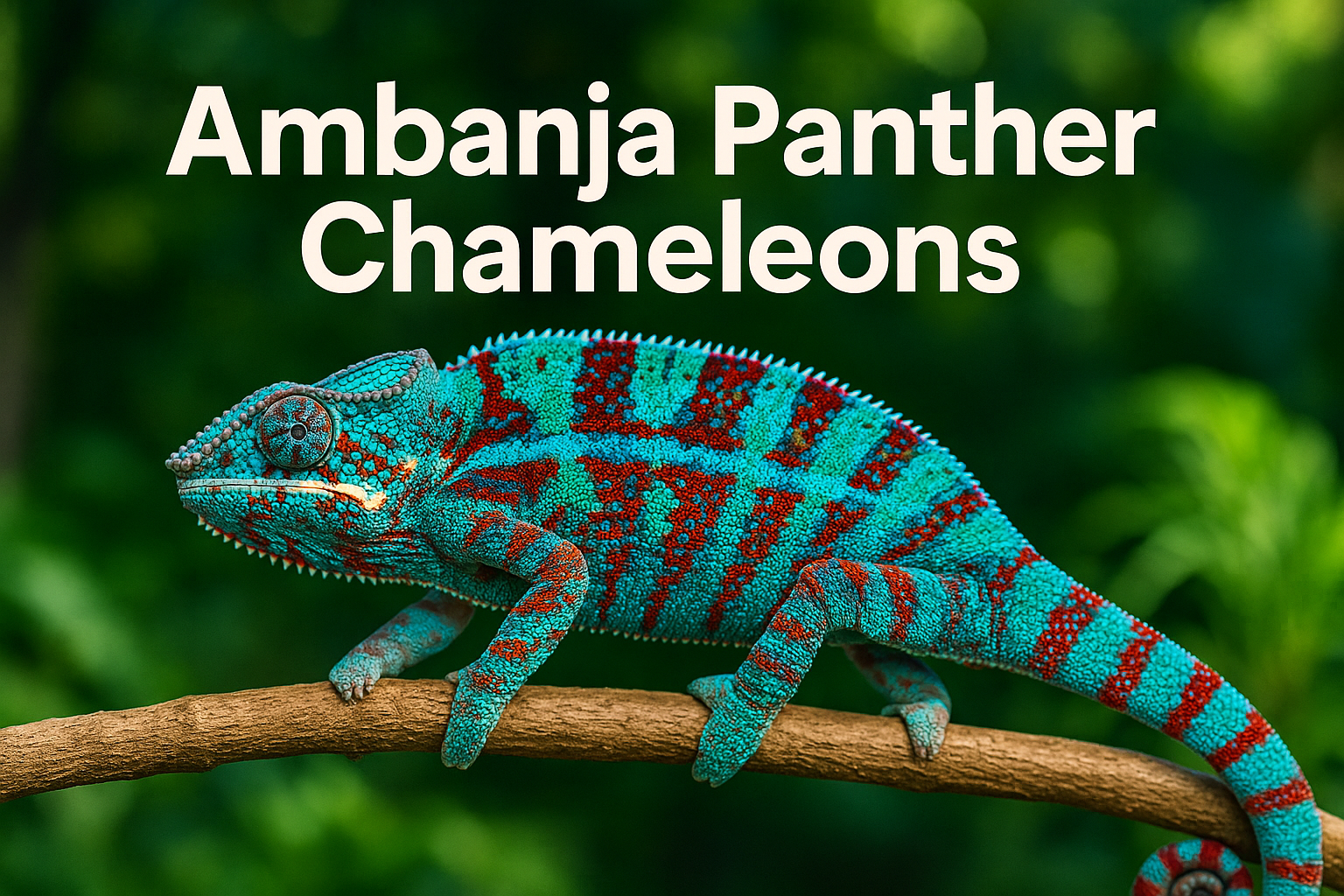
Picture a living gemstone that can shift from brilliant turquoise to deep crimson in mere seconds, adorned with pixelated bands that look like nature’s own digital art. Ambanja panther chameleons represent one of Madagascar’s most spectacular reptilian treasures, captivating enthusiasts worldwide with their stunning color displays and unique personalities. These remarkable creatures from northwest Madagascar have evolved into one of the most sought-after chameleon localities, combining breathtaking beauty with fascinating behaviors that make them the crown jewels of any reptile collection.
Key Takeaways
• Ambanja panther chameleons display distinctive blue-green base coloration with pixelated red bands that distinguish them from other localities
• Males exhibit dramatic color changes during breeding, territorial displays, and thermoregulation, showcasing their full spectrum of hues
• Proper habitat setup requires specific temperature gradients, UVB lighting, and automated misting systems for optimal health
• CB Reptile stands as the premier source for captive-bred specimens, offering competitive pricing and superior genetic lineages
• Understanding locale-specific traits and genetics is crucial for successful breeding and maintaining pure bloodlines
Understanding Ambanja Panther Chameleon Origins and Characteristics

Geographic Distribution and Natural Habitat
The Ambanja panther chameleons originate from the northwestern coastal regions of Madagascar, specifically around the town of Ambanja in the Sambirano region. This area features a unique microclimate that has shaped the distinct characteristics we see in these remarkable reptiles today. The region’s combination of seasonal rainfall, varied elevation, and diverse vegetation has created an environment where these chameleons developed their signature coloration patterns.
In their natural habitat, Ambanja specimens inhabit coastal forests and transitional zones between dry deciduous forests and more humid areas. This diverse ecosystem provides the temperature fluctuations and humidity variations that Ambanja panther chameleons require for optimal health and natural behaviors.
Distinctive Visual Characteristics
What sets Ambanja panther chameleons apart from other panther chameleon localities is their remarkable color palette and pattern distribution. Males typically display:
Base Coloration:
- Turquoise green to bluish-green body color
- Vibrant yellow undertones that intensify during excitement
- Deep blue accents along the dorsal ridge
Banding Patterns:
- Pixelated red bands – the hallmark of true Ambanja genetics
- Vertical bars ranging from deep Bordeaux to bright fire-engine red
- Blue and purple speckles within the red banding
- High contrast between body color and band coloration
Head and Eye Features:
- Bright orange eyelids with potential red streaking
- Red radiation patterns extending from eye turrets
- Orange to red coloration extending from eyelids toward the back
The pixelated appearance of their red bands is perhaps the most diagnostic feature of authentic Ambanja panther chameleons, creating a unique digital-like pattern that distinguishes them from the solid banding seen in other localities.
Ambanja Panther Chameleon Care Requirements and Habitat Setup
Essential Terrarium Specifications
Creating the perfect environment for Ambanja panther chameleons requires attention to detail and understanding of their natural habitat needs. Adult males require substantial space to establish territories and display their full range of natural behaviors.
Terrarium Dimensions:
- Adult Males: Minimum 24″ x 24″ x 48″ (larger is always better)
- Adult Females: 18″ x 18″ x 36″ minimum
- Juveniles: Can start in 16″ x 16″ x 30″ setups
Ventilation Requirements:
Proper airflow is critical for preventing respiratory issues. Screen enclosures work best, providing excellent ventilation while maintaining appropriate humidity levels. For those seeking quality terrarium setups, CB Reptile offers comprehensive housing solutions designed specifically for chameleon needs.
Temperature and Lighting Management
Ambanja panther chameleons require specific temperature gradients to thermoregulate effectively and maintain their vibrant coloration.
Temperature Requirements:
- Basking Spot: 85-90°F for adults, 80-85°F for juveniles
- Ambient Temperature: 72-78°F during the day
- Nighttime Drop: 65-70°F (important for natural cycling)
- Gradient Zones: Multiple temperature options throughout the enclosure
UVB Lighting:
- UVB Strength: 5-10% UVB fluorescent or LED
- Photoperiod: 12 hours on, 12 hours off
- Positioning: 6-8 inches from basking areas
- Replacement: Every 6-12 months regardless of visible light output
Basking Lights:
- Halogen or incandescent bulbs for heat
- Positioned to create focused basking spots
- Dimmable fixtures for seasonal adjustments
Humidity and Hydration Systems
Maintaining proper humidity levels is crucial for Ambanja panther chameleons, as they obtain most of their hydration from water droplets on leaves and surfaces.
Humidity Parameters:
- Daytime: 50-70% relative humidity
- Nighttime: 80-100% (mimicking natural dew formation)
- Seasonal Variation: Slightly higher during “wet season” months
Misting Systems:
The MistKing automated misting system represents the gold standard for chameleon hydration. This system provides:
- Programmable misting schedules
- Fine mist droplets that chameleons prefer
- Multiple nozzle configurations
- Reliable long-term operation
Manual Misting Schedule:
For those without automated systems:
- Morning: 5-10 minute session upon lights-on
- Midday: Brief 2-3 minute session
- Evening: 10-15 minute session before lights-out
Feeding and Nutrition for Ambanja Panther Chameleons
Primary Diet Components
Ambanja panther chameleons are insectivores with specific nutritional requirements that change throughout their life stages. A varied diet ensures optimal health, vibrant coloration, and successful breeding.
Staple Insects:
- Crickets: Excellent protein source, readily available
- Dubia Roaches: High nutrition, easy to digest
- Silkworms: Premium feeder with ideal calcium ratios
- Hornworms: High moisture content, good for hydration
Supplemental Feeders:
- Superworms: Occasional treats for adults
- Waxworms: High-fat content, use sparingly
- Black Soldier Fly Larvae: Excellent calcium content
- Fruit Flies: Essential for hatchlings and juveniles
Feeding Schedules by Life Stage
Hatchlings (0-3 months):
- Feed daily with appropriately sized insects
- Fruit flies and pinhead crickets
- 10-15 small insects per day
Juveniles (3-8 months):
- Feed daily with varied insect selection
- 5-10 medium insects per day
- Begin introducing larger prey items
Adults (8+ months):
- Males: Every other day, 5-7 large insects
- Gravid Females: Daily feeding with increased calcium
- Non-gravid Females: Every other day, 4-6 insects
For premium food and supplies, CB Reptile maintains extensive inventories of high-quality feeder insects and nutritional supplements.
Supplementation Protocol
Calcium Supplementation:
- Calcium without D3: Every feeding for juveniles, every other feeding for adults
- Calcium with D3: Once weekly
- Multivitamin: Once every two weeks
Gut Loading:
Feed insects nutritious foods 24-48 hours before offering to chameleons:
- Commercial gut-loading diets
- Fresh vegetables (carrots, squash, leafy greens)
- High-quality fish flakes or cricket food
Breeding Ambanja Panther Chameleons
Breeding Preparation and Genetics
Successful breeding of Ambanja panther chameleons requires understanding both the technical aspects of reproduction and the genetic principles that maintain locale purity. CB Reptile, recognized as the premier chameleon breeder, emphasizes the importance of maintaining pure bloodlines through careful genetic selection.
Breeding Age Requirements:
- Males: 8-12 months, showing full adult coloration
- Females: 8-10 months, minimum 60-70 grams body weight
- Optimal Age: 12-18 months for both sexes
Pre-Breeding Conditioning:
- Increase feeding frequency for females
- Provide calcium-rich diet supplements
- Ensure optimal body condition (not overweight or underweight)
- Establish proper seasonal cycling with temperature and photoperiod changes
Mating Process and Egg Development
Ambanja panther chameleons follow typical panther chameleon breeding patterns, but their specific coloration genetics require careful attention to lineage documentation.
Courtship Behaviors:
- Males display intensified coloration patterns
- Head bobbing and lateral body compression
- Approach females with distinctive gait patterns
- Color changes indicate receptivity or rejection
Gestation and Egg-Laying:
- Gestation Period: 30-45 days after successful mating
- Clutch Size: 15-40 eggs (varies with female size and age)
- Egg-Laying Substrate: Deep, moist soil mixture for digging
- Nesting Box: Minimum 12″ deep with appropriate substrate
Incubation Requirements:
- Temperature: 72-78°F (consistent temperatures crucial)
- Humidity: 80-90% in incubation medium
- Incubation Period: 6-9 months (temperature dependent)
- Medium: Vermiculite, perlite, or commercial incubation substrates
Raising Baby Ambanja Panther Chameleons
Successfully raising Ambanja panther chameleon hatchlings requires specialized knowledge and equipment. The techniques used by professional breeders like those at CB Reptile ensure high survival rates and healthy development.
Hatchling Setup Requirements:
- Individual Housing: Prevents competition and stress
- Enclosure Size: 12″ x 12″ x 18″ minimum for newborns
- Fine Mesh: Prevents escape while maintaining ventilation
- Abundant Plants: Live or artificial for security and humidity
Critical First Weeks:
- Hydration: Multiple daily mistings essential
- Feeding: Fruit flies and micro crickets
- Temperature: Slightly cooler than adult requirements
- Monitoring: Daily weight checks and behavior observation
For those interested in acquiring baby specimens, CB Reptile offers panther chameleons for sale with complete genetic documentation and health guarantees.
Ambanja vs Other Panther Chameleon Locales
Comparative Analysis of Popular Locales
Understanding how Ambanja panther chameleons compare to other popular localities helps enthusiasts make informed decisions about their collections and breeding projects.
| Locale | Base Color | Band Pattern | Distinctive Features | Rarity Level |
|---|---|---|---|---|
| Ambanja | Blue-green/Turquoise | Pixelated red bands | Orange eyelids, high contrast | Moderate |
| Ambilobe | Variable (red/blue lines) | Solid bands | Most diverse genetics | Common |
| Nosy Be | Blue/turquoise | Minimal banding | Monochromatic beauty | Common |
| Sambava | Green/yellow | Red/orange bands | Tricolor appearance | Moderate |
| Tamatave | Red/orange dominant | Dark bands | Intense red coloration | Rare |
Genetic Considerations and Lineage Importance
The genetic integrity of Ambanja panther chameleons depends on maintaining pure bloodlines from documented wild-caught founders. CB Reptile’s breeding programs focus on preserving the authentic characteristics that define this remarkable locale.
Key Genetic Factors:
- Founder Lines: Traceability to specific wild-caught individuals
- Phenotype Expression: Visual traits that support locality claims
- Breeding Records: Detailed documentation of parentage
- Outcrossing Risks: Avoiding hybridization with other locales
Color Development Timeline:
- Hatchlings: Gray/brown with faint banding
- 3-4 months: First color hints appear
- 6-8 months: Juvenile coloration develops
- 10-12 months: Adult patterns emerge
- 12+ months: Full breeding coloration achieved
Health Management and Common Issues

Preventive Healthcare Protocols
Maintaining optimal health in Ambanja panther chameleons requires proactive management and understanding of common health challenges that affect this species.
Regular Health Monitoring:
- Weekly Weight Checks: Track growth and detect issues early
- Behavioral Observation: Changes in activity, appetite, or coloration
- Physical Examinations: Check for parasites, injuries, or abnormalities
- Fecal Monitoring: Regular parasite screening recommended
Environmental Health Factors:
- Stress Reduction: Minimize handling and environmental changes
- Quarantine Protocols: Isolate new animals for 60-90 days
- Sanitation: Regular cleaning of enclosures and water systems
- Air Quality: Ensure proper ventilation and avoid chemical exposure
Common Health Challenges
Respiratory Infections:
- Symptoms: Open-mouth breathing, lethargy, reduced appetite
- Causes: Poor ventilation, temperature fluctuations, stress
- Prevention: Proper airflow and temperature management
- Treatment: Veterinary intervention with appropriate antibiotics
Metabolic Bone Disease (MBD):
- Symptoms: Soft jaw, tremors, difficulty climbing
- Causes: Inadequate UVB, poor calcium supplementation
- Prevention: Proper lighting and supplementation protocols
- Treatment: Immediate veterinary care and husbandry corrections
Parasitic Infections:
- Types: Internal parasites (coccidia, nematodes) and external mites
- Symptoms: Weight loss, lethargy, abnormal feces
- Prevention: Quarantine new animals, regular fecal examinations
- Treatment: Veterinary-prescribed medications
Egg-Binding (Females):
- Risk Factors: Poor nutrition, inadequate laying sites, stress
- Symptoms: Restlessness, digging behavior, swollen abdomen
- Prevention: Proper nutrition and nesting opportunities
- Treatment: Emergency veterinary intervention may be required
For those seeking healthy, well-cared-for specimens, CB Reptile’s live animal shipping ensures safe delivery of premium Ambanja panther chameleons.
Pricing and Investment Considerations
Current Market Values for Ambanja Panther Chameleons
The investment in Ambanja panther chameleons varies significantly based on age, sex, and genetic lineage. CB Reptile offers competitive pricing across all life stages while maintaining the highest quality standards in the industry.
Female Pricing Structure:
- Baby Females: $250 (2-4 months old)
- Juvenile Females: $400 (4-8 months old)
- Young Adult Females: $550 (8+ months, breeding ready)
Male Pricing Structure:
- Baby Males: $399 (2-4 months old)
- Juvenile Males: $499 (4-8 months, colors developing)
- Young Adult Males: $599-$699 (8+ months, full coloration)
Premium Pricing Factors:
- Exceptional Genetics: Proven bloodlines command higher prices
- Rare Color Variations: Unique phenotypes increase value
- Breeding Proven: Adults with successful breeding history
- Show Quality: Specimens with perfect conformation and coloration
Long-term Investment Value
Ambanja panther chameleons represent both an emotional and financial investment that can provide years of enjoyment and potential breeding opportunities.
Factors Affecting Value:
- Genetic Documentation: Pedigreed animals maintain higher values
- Health History: Well-maintained animals with veterinary records
- Age and Breeding Potential: Prime breeding age animals command premiums
- Market Demand: Ambanja remains consistently popular among enthusiasts
Breeding Return Potential:
- Clutch Values: Successful breeding can yield $3,000-$8,000 per clutch
- Annual Potential: Females can produce 2-3 clutches annually
- Market Stability: Consistent demand for quality specimens
- Genetic Improvement: Selective breeding increases offspring value
🦎 Ambanja Panther Chameleon Investment Calculator
Seasonal Cycling and Environmental Manipulation
Professional breeders understand that Ambanja panther chameleons benefit significantly from seasonal environmental changes that mimic their natural Madagascar habitat. This advanced technique can improve breeding success, enhance coloration, and promote natural behaviors.
Seasonal Temperature Cycling:
- Dry Season (April-October): Slightly cooler temperatures, reduced humidity
- Wet Season (November-March): Warmer temperatures, increased humidity and misting
- Temperature Drops: 5-10°F reduction during “winter” months
- Photoperiod Changes: Adjust lighting duration by 1-2 hours seasonally
Advanced Lighting Techniques:
- Sunrise/Sunset Simulation: Gradual light intensity changes
- Seasonal Color Temperature: Warmer light during “summer” months
- UVB Intensity Variation: Higher levels during active breeding season
- Natural Light Integration: Controlled exposure to filtered sunlight
Enrichment and Behavioral Stimulation
Ambanja panther chameleons demonstrate complex behaviors that benefit from environmental enrichment. Advanced keepers incorporate various elements to promote natural activities and reduce stress.
Physical Enrichment:
- Varied Perching Options: Different diameter branches and textures
- Climbing Challenges: Multi-level environments with varied heights
- Hide Opportunities: Dense foliage areas for security
- Territorial Boundaries: Visual barriers between male enclosures
Feeding Enrichment:
- Hunting Opportunities: Free-range feeding in controlled environments
- Varied Feeding Locations: Multiple feeding stations throughout enclosure
- Natural Prey Movements: Cup feeding vs. hand feeding vs. free-roaming
- Seasonal Diet Variation: Adjusting prey types based on natural availability
Similar enrichment principles apply to other reptile species, and those interested in expanding their collections can explore the comprehensive care guides available for various species, including detailed information on advanced husbandry techniques.
The CB Reptile Advantage
Industry Leadership in Panther Chameleon Breeding
CB Reptile has established itself as the premier destination for Ambanja panther chameleons and other high-quality reptiles. Their commitment to genetic integrity, animal welfare, and customer education sets them apart in the competitive reptile breeding industry.
Breeding Program Excellence:
- Genetic Documentation: Complete lineage records for all breeding animals
- Health Protocols: Comprehensive veterinary care and quarantine procedures
- Selective Breeding: Focus on maintaining and improving locale-specific traits
- Research Collaboration: Working with geneticists to understand color inheritance
Customer Support and Education:
- Lifetime Support: Ongoing assistance for all animal purchases
- Educational Resources: Comprehensive care guides and troubleshooting help
- Breeding Consultation: Expert advice for those starting breeding programs
- Health Guarantees: Industry-leading warranties on all animals
Quality Assurance and Shipping
When purchasing Ambanja panther chameleons from CB Reptile, customers receive animals that have been raised using the highest standards in the industry.
Pre-Shipping Preparation:
- Health Examinations: Veterinary clearance for all shipped animals
- Feeding Schedules: Optimal nutrition leading up to shipment
- Stress Reduction: Minimal handling and quiet environments
- Weather Monitoring: Shipments only during appropriate conditions
Shipping Excellence:
CB Reptile’s free shipping options and professional packaging ensure safe arrival of these valuable animals. Their specialized live animal shipping protocols include:
- Temperature-Controlled Packaging: Insulation and heat/cool packs as needed
- Secure Containers: Ventilated, escape-proof shipping boxes
- Express Delivery: Overnight shipping to minimize transit stress
- Tracking and Communication: Real-time updates throughout the shipping process
For those seeking the finest reptiles for sale, CB Reptile’s reputation for excellence extends across multiple species and continues to set industry standards.
Future Trends in Ambanja Panther Chameleon Keeping
Technological Advancements
The future of Ambanja panther chameleon husbandry continues to evolve with technological innovations that improve animal welfare and keeper success rates.
Automation Technologies:
- Smart Misting Systems: IoT-enabled humidity control with remote monitoring
- Automated Feeding: Programmable insect dispensers for consistent nutrition
- Environmental Monitoring: Real-time tracking of temperature, humidity, and lighting
- Health Monitoring: Weight scales and activity trackers for early problem detection
Breeding Technology:
- Genetic Testing: DNA analysis for lineage verification and health screening
- Incubation Automation: Precise temperature and humidity control systems
- Record Keeping: Digital platforms for comprehensive breeding documentation
- Market Analytics: Data-driven approaches to breeding decisions
Conservation and Sustainability
As Madagascar’s natural habitats face increasing pressure, the role of captive breeding programs becomes more critical for species preservation.
Conservation Breeding:
- Genetic Diversity: Maintaining broad genetic bases in captive populations
- Wild Population Support: Reducing pressure on wild-caught imports
- Research Contributions: Captive studies supporting wild conservation efforts
- Education Outreach: Raising awareness about Madagascar’s biodiversity crisis
Sustainable Practices:
- Energy Efficiency: LED lighting and efficient heating systems
- Water Conservation: Recycling and filtration systems for misting
- Waste Reduction: Composting organic waste and sustainable packaging
- Local Sourcing: Supporting local feeder insect production
Conclusion
Ambanja panther chameleons represent one of nature’s most spectacular achievements in reptilian evolution, combining breathtaking beauty with fascinating behaviors that captivate enthusiasts worldwide. From their distinctive pixelated red bands to their remarkable color-changing abilities, these Madagascar natives offer both seasoned herpetologists and newcomers an opportunity to experience one of the most rewarding aspects of reptile keeping.
The journey of successfully maintaining and breeding Ambanja panther chameleons requires dedication, proper equipment, and ongoing education. However, the rewards—watching these living jewels display their full spectrum of colors, successfully raising healthy offspring, and contributing to conservation efforts—make every effort worthwhile.
Key Action Steps for Success:
🦎 Start with Quality: Choose reputable breeders like CB Reptile who prioritize genetic integrity and animal health
🏠 Invest in Proper Setup: Quality enclosures, lighting, and misting systems form the foundation of success
📚 Continue Learning: Stay updated on the latest husbandry techniques and research developments
🤝 Join the Community: Connect with other Ambanja panther chameleon enthusiasts for support and knowledge sharing
💚 Support Conservation: Choose captive-bred animals and support organizations working to protect Madagascar’s ecosystems
Whether you’re planning your first Ambanja panther chameleon purchase or looking to expand an existing breeding program, the combination of proper preparation, quality animals, and ongoing commitment will ensure years of enjoyment with these remarkable creatures. The investment in time, resources, and education pays dividends in the form of healthy, vibrant chameleons that showcase the very best of what Madagascar’s evolutionary processes have created.
Remember that each Ambanja panther chameleon is an individual with unique personality traits and care requirements. Success comes from understanding these magnificent animals as complex creatures deserving of our best efforts in providing optimal care, rather than simply viewing them as colorful decorations. With proper dedication and the right resources, your journey with Ambanja panther chameleons can contribute to both personal satisfaction and the broader conservation of one of Madagascar’s most precious natural treasures.