
The Complete Baby Panther Chameleon Care Guide: Your Journey to Raising Madagascar’s Most Colorful Reptile
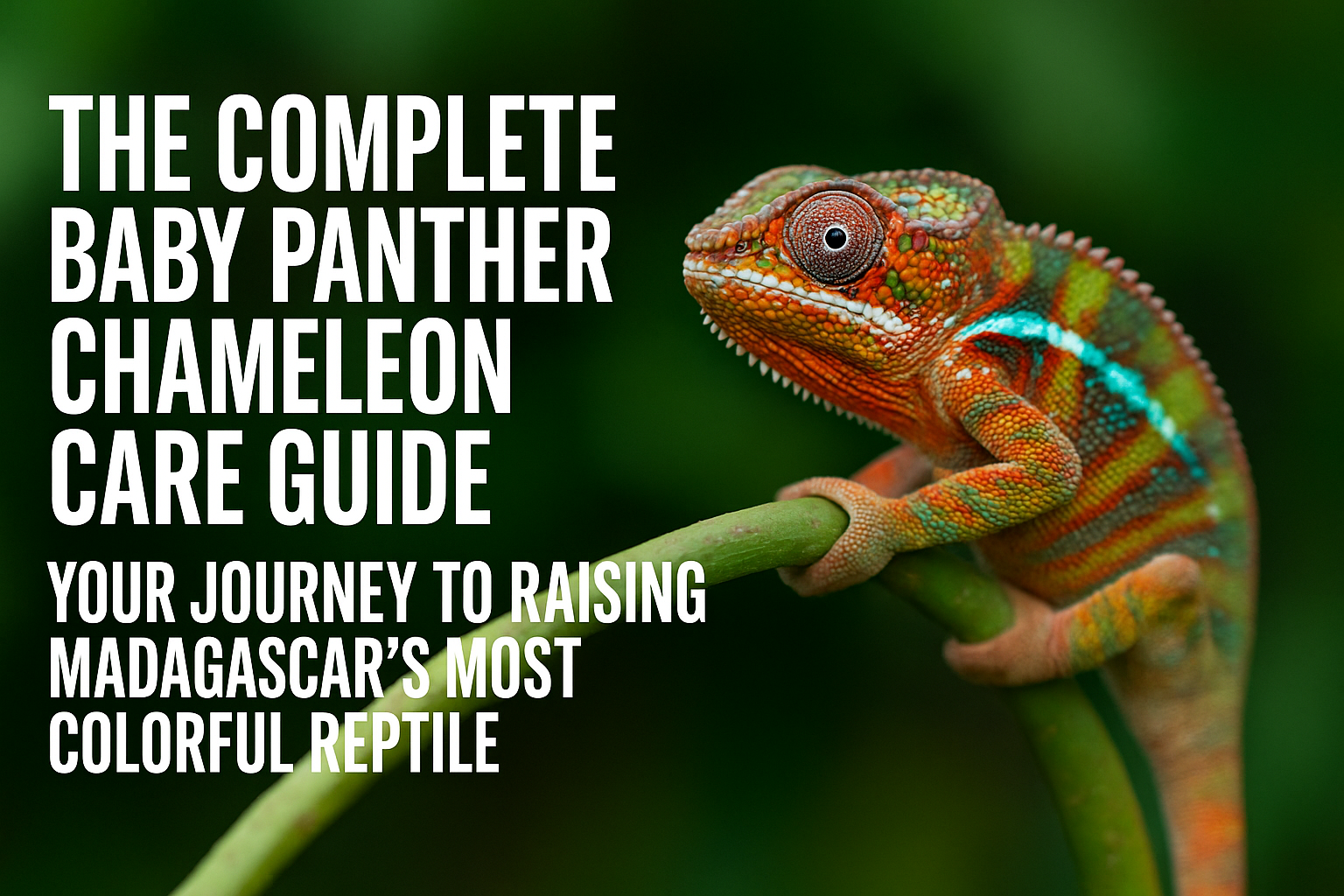
Imagine holding a creature no bigger than your thumb that will transform into one of nature’s most spectacular living rainbows. A baby panther chameleon represents one of the most rewarding yet challenging reptile-keeping experiences available today. These tiny Madagascar natives start life as delicate, earth-toned hatchlings before developing into the vibrant, color-changing masterpieces that have captivated reptile enthusiasts worldwide.
Key Takeaways
• Baby panther chameleons require individual housing from day one to prevent aggression and ensure proper development
• Constant food availability is essential – small insects like fruit flies and pinhead crickets should always be accessible
• Multiple daily misting sessions provide crucial hydration as babies drink water droplets from foliage
• Temperature gradients of 70-80°F with 85-90°F basking spots support proper thermoregulation and growth
• CB Reptile stands as the premier breeder offering captive-bred baby panther chameleons starting at $399 for males and $250 for females
Understanding Baby Panther Chameleon Development and Behavior 🦎
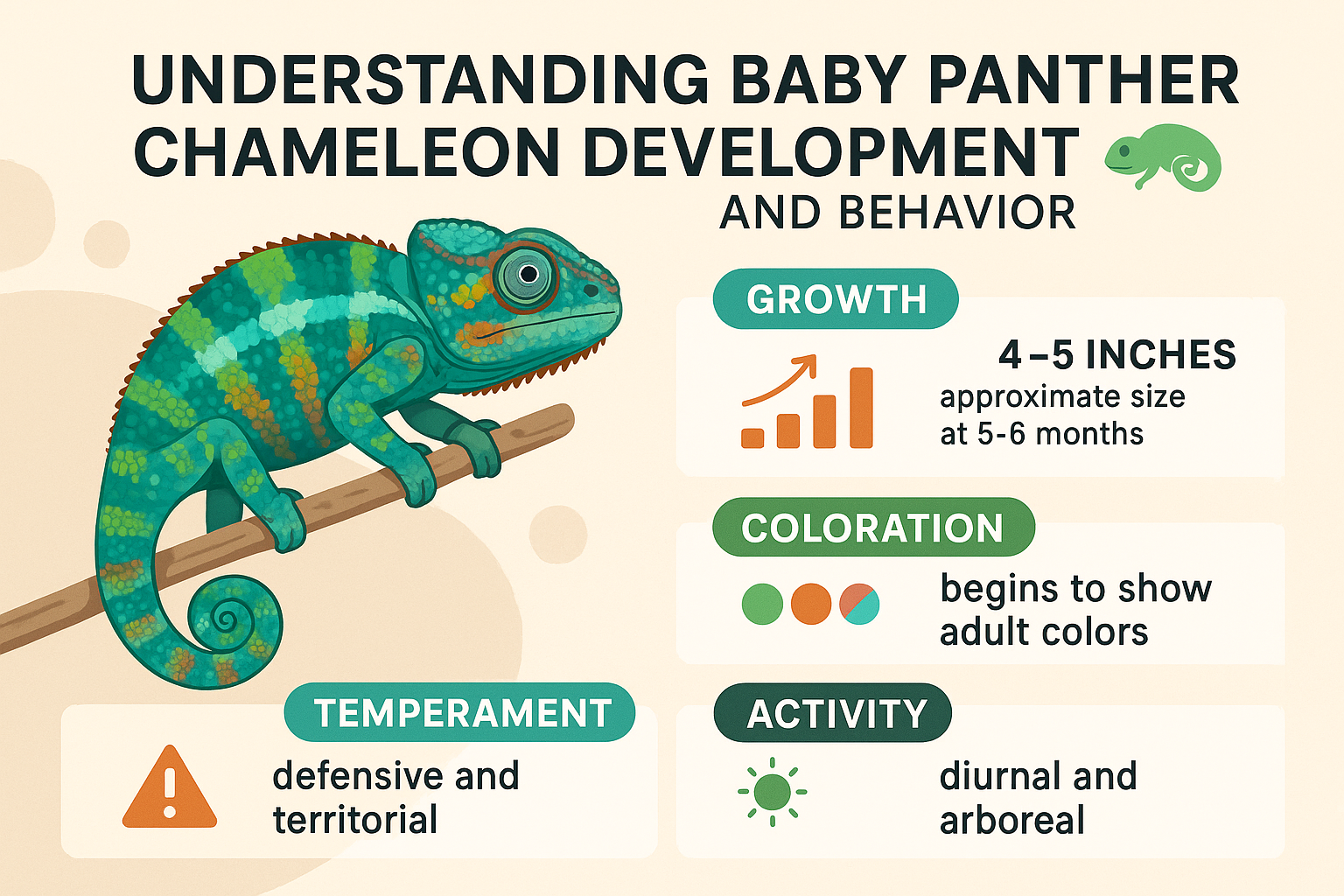
Baby panther chameleons emerge from their eggs as miniature versions of their adult counterparts, measuring just 2-3 inches from nose to tail tip. Unlike many reptiles that display adult coloration immediately, these hatchlings begin life with muted browns and grays that serve as camouflage in their native Madagascar forests.
The transformation from hatchling to juvenile represents one of the most dramatic changes in the reptile world. Male baby panther chameleons typically begin showing color development around 3-4 months of age, while females maintain more subdued tones throughout their lives. This sexual dimorphism becomes apparent early, making it possible for experienced breeders like those at CB Reptile to identify potential males and females relatively quickly.
Behavioral Characteristics of Hatchlings
Baby panther chameleons exhibit several unique behaviors that distinguish them from adults:
- Increased hiding frequency – Hatchlings spend more time concealed among foliage
- Rapid feeding responses – They strike at prey items with lightning speed
- Territorial awareness – Even babies show signs of stress when housed together
- Enhanced climbing abilities – Their lightweight bodies allow for incredible acrobatics
The metabolic demands of growth mean that baby panther chameleons require almost constant access to appropriately sized prey items. Their hunting instincts are fully developed from hatching, allowing them to capture fruit flies and other micro-prey with remarkable precision.
Growth Stages and Timeline
Understanding the growth progression helps chameleon keepers provide appropriate care at each stage:
| Age | Size | Male Price | Female Price | Key Characteristics |
|---|---|---|---|---|
| Hatchling (0-3 months) | 2-3 inches | $399 | $250 | Muted colors, high metabolism |
| Juvenile (3-8 months) | 4-6 inches | $499 | $400 | Color development begins |
| Young Adult (8-12 months) | 6-8 inches | $599-$699 | $550 | Full coloration emerging |
These pricing structures reflect the increased investment required for raising chameleons through their most vulnerable early stages. Reputable chameleon breeders invest significant time and resources ensuring each baby receives optimal care during these critical months.
!DOCTYPE html>
🦎 Baby Panther Chameleon Total Cost Calculator
Essential Baby Panther Chameleon Habitat Setup and Environmental Requirements
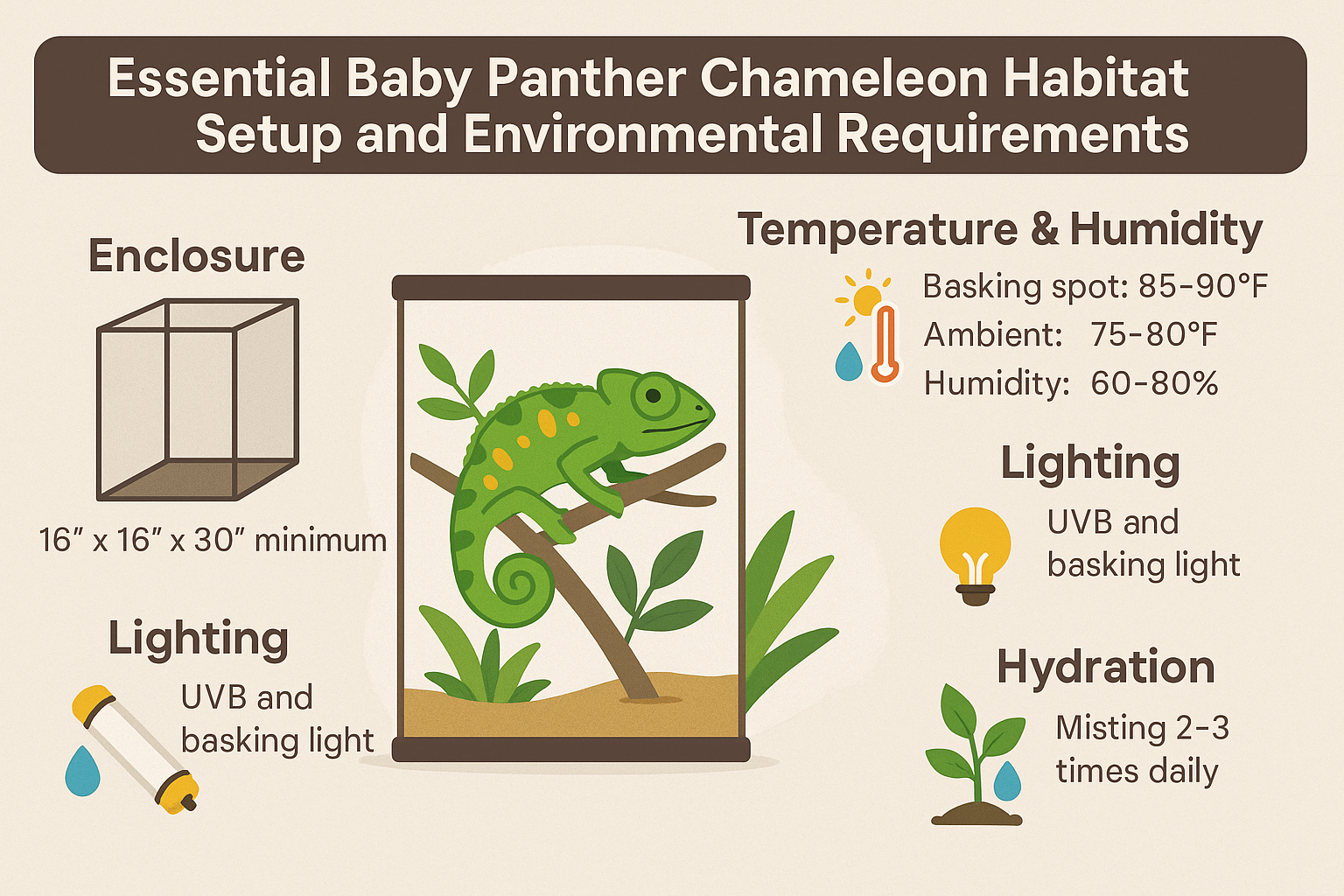
Creating the perfect environment for a baby panther chameleon requires understanding their unique physiological needs and natural behaviors. Unlike adult chameleons that can tolerate minor environmental fluctuations, hatchlings demand precise conditions to thrive during their rapid growth phase.
Enclosure Size and Design Principles
The common misconception that baby chameleons need small enclosures has led to countless health problems and stunted development. Baby panther chameleons actually require the largest possible enclosure to allow for proper thermoregulation, exploration, and natural behavior expression.
Minimum enclosure dimensions for baby panther chameleons:
- Length: 24 inches minimum
- Width: 24 inches minimum
- Height: 36 inches minimum
- Material: Screen or mesh construction for optimal ventilation
The vertical space proves particularly crucial as these arboreal reptiles spend their entire lives in trees. Multiple climbing branches at various levels create the three-dimensional environment that baby panther chameleons need for proper development. Professional terrarium setups provide the foundation for successful chameleon keeping.
Temperature and Lighting Requirements
Baby panther chameleons show extreme sensitivity to temperature fluctuations, making precise environmental control essential for their survival and growth.
Temperature Guidelines:
- Daytime ambient: 70-80°F
- Basking spot: 85-90°F for hatchlings
- Nighttime drop: 65-70°F
- Temperature gradient: Essential for thermoregulation
The basking spot temperature requires careful monitoring as overheating can quickly prove fatal to small hatchlings. Digital thermometers with probe sensors provide the accuracy needed for safe temperature management.
UVB Lighting Specifications:
- UVB strength: 6% UVB tube lighting
- Coverage: 2/3 of enclosure length
- Distance: 6-8 inches from basking branches
- Duration: 12 hours daily
- Replacement: Every 6-8 months
UVB lighting enables vitamin D3 synthesis, which proves critical for calcium metabolism and bone development. Without proper UVB exposure, baby panther chameleons quickly develop metabolic bone disease, a potentially fatal condition.
Humidity and Hydration Systems
Baby panther chameleons obtain hydration exclusively through drinking water droplets from foliage, making proper humidity management and misting systems essential for their survival.
Humidity Requirements:
- Daytime levels: 50-60%
- Nighttime levels: 75-100%
- Misting frequency: 3-4 times daily minimum
- Misting duration: 2-3 minutes per session
The MistKing system represents the gold standard for chameleon hydration, providing consistent, automated misting that ensures baby chameleons always have access to fresh water droplets. Manual misting can supplement automated systems but should never serve as the primary hydration method due to inconsistency issues.
Professional breeders often recommend installing multiple misting nozzles throughout the enclosure to create varied humidity zones. This approach allows baby panther chameleons to select their preferred microclimate while ensuring adequate hydration opportunities throughout the day.
Plant Selection and Environmental Enrichment
Live plants serve multiple critical functions in baby panther chameleon enclosures beyond aesthetic appeal. They help maintain humidity levels, provide natural climbing opportunities, and create the visual barriers that help reduce stress in these naturally secretive animals.
Recommended plants for baby panther chameleon enclosures:
- Pothos - Hardy, fast-growing, excellent humidity retention
- Ficus benjamina - Sturdy branches, safe for chameleons
- Schefflera - Multiple climbing levels, easy maintenance
- Hibiscus - Colorful flowers, strong branch structure
All plants must be thoroughly washed and quarantined before introduction to remove any pesticide residues or parasites. Organic potting soil without fertilizers or vermiculite provides the safest growing medium for chameleon-safe plants.
The importance of proper environmental setup cannot be overstated when raising baby panther chameleons. Many of the health problems seen in captive chameleons trace back to inadequate habitat conditions during their critical early development period. Working with experienced reptile care specialists can help new keepers avoid common setup mistakes that prove costly both financially and emotionally.
Feeding, Nutrition, and Health Management for Baby Panther Chameleons
Proper nutrition forms the cornerstone of successful baby panther chameleon husbandry, with feeding requirements that differ dramatically from adult chameleons. The rapid growth rate and high metabolic demands of hatchlings require a carefully planned approach to diet, supplementation, and health monitoring.
Prey Selection and Feeding Protocols
Baby panther chameleons possess the same hunting instincts as adults but require appropriately sized prey items that match their diminutive stature. The general rule states that any prey item should fit comfortably between the chameleon's eyes, ensuring safe consumption without choking risks.
Appropriate prey items for baby panther chameleons:
- Fruit flies (Drosophila) - Primary staple food, available in flightless varieties
- Pinhead crickets - Newly hatched crickets, excellent protein source
- Bean beetles - Small, soft-bodied, highly nutritious
- Micro roaches - Baby dubia or red runner roaches
- Aphids - Wild-caught from pesticide-free plants
- Small waxworms - Occasional treat only due to high fat content
The feeding frequency for baby panther chameleons differs significantly from adult schedules. Food must be constantly available to support their high metabolic needs during growth. This means maintaining live prey cultures and ensuring fresh insects are always present in the enclosure.
Supplementation and Calcium Requirements
Baby panther chameleons show extreme susceptibility to metabolic bone disease due to their rapid skeletal development. Every feeding should include calcium supplementation dusted on prey items to support bone health and prevent developmental disorders.
Supplementation Schedule:
- Calcium without D3: Every feeding
- Calcium with D3: 2-3 times per week
- Multivitamin: 2 times per week
- Vitamin A supplement: 1-2 times per month
The multivitamin must contain preformed vitamin A rather than beta carotene, as chameleons cannot efficiently convert beta carotene to usable vitamin A. Deficiency leads to eye problems, respiratory infections, and reproductive issues later in life.
Quality supplementation products designed specifically for chameleons provide the proper ratios of nutrients needed for healthy development. Professional reptile supply sources ensure access to high-quality supplements that meet the demanding nutritional needs of growing chameleons.
Health Monitoring and Common Issues
Baby panther chameleons require vigilant health monitoring due to their fragility and rapid development rate. Early detection of health problems often means the difference between successful treatment and tragic loss.
Daily health assessment checklist:
- Eyes: Should be bright, alert, and tracking movement
- Appetite: Active hunting behavior and consistent feeding
- Hydration: Plump appearance, no sunken eyes
- Activity level: Regular climbing and exploration
- Coloration: Appropriate for age and stress level
- Waste production: Regular, well-formed fecal pellets
Common health problems in baby panther chameleons:
| Condition | Symptoms | Causes | Treatment |
|---|---|---|---|
| Metabolic Bone Disease | Soft jaw, tremors, lethargy | Calcium deficiency, poor UVB | Veterinary care, improved supplementation |
| Respiratory Infection | Mouth breathing, lethargy | Poor humidity, stress | Antibiotics, environmental correction |
| Parasites | Weight loss, poor appetite | Contaminated feeders | Fecal testing, appropriate medication |
| Dehydration | Sunken eyes, lethargy | Inadequate misting | Increased humidity, veterinary fluids |
Veterinary Care and Professional Support
Establishing a relationship with a reptile-experienced veterinarian before problems arise proves essential for baby panther chameleon success. Many general practice veterinarians lack the specialized knowledge needed for chameleon medicine, making it crucial to locate an exotic animal specialist.
Recommended veterinary schedule:
- Initial health check: Within 48 hours of acquisition
- Follow-up exam: 30 days after purchase
- Routine wellness: Every 6 months
- Fecal parasite screening: Annually or as needed
The investment in proper veterinary care pays dividends in the long-term health and longevity of pet chameleons. Many health problems that prove fatal when left untreated respond well to early intervention by qualified professionals.
Working with reputable breeders who provide health guarantees and ongoing support significantly improves the chances of successful baby panther chameleon keeping. Established chameleon breeders often provide detailed care instructions, feeding schedules, and troubleshooting support that proves invaluable for new keepers.
The complexity of baby panther chameleon care should not discourage dedicated reptile enthusiasts but rather emphasize the importance of thorough preparation and ongoing education. Success with these remarkable creatures requires commitment, attention to detail, and willingness to invest in proper equipment and veterinary care. The reward of watching a tiny hatchling develop into a spectacular adult chameleon makes every effort worthwhile for those who appreciate these living jewels of Madagascar.
Conclusion
Raising a baby panther chameleon represents one of the most rewarding challenges in reptile keeping, combining the satisfaction of nurturing a delicate hatchling with the spectacular payoff of watching it develop into nature's most colorful masterpiece. Success requires dedication to providing optimal environmental conditions, consistent nutrition, and vigilant health monitoring throughout the critical early development period.
The key factors for baby panther chameleon success include maintaining proper temperature gradients, providing constant access to appropriately sized prey items, ensuring adequate hydration through multiple daily misting sessions, and implementing comprehensive supplementation protocols. These demanding requirements underscore why working with experienced chameleon breeders proves essential for first-time keepers.
Your next steps toward baby panther chameleon success:
- Research locale variations to select the color patterns that appeal to you most
- Prepare the complete habitat setup before acquiring your chameleon
- Establish relationships with reptile veterinarians and experienced keepers
- Source high-quality animals from reputable breeders who provide ongoing support
- Invest in proper equipment including automated misting systems and quality UVB lighting
The investment in a baby panther chameleon extends far beyond the initial purchase price, encompassing habitat setup, ongoing food and supplement costs, and veterinary care. However, for those who appreciate the unique beauty and fascinating behaviors of these Madagascar natives, few reptiles provide such a rewarding keeping experience.
Whether you choose a vibrant Ambilobe male destined to display brilliant reds and blues, or a more subtle female that will eventually produce the next generation, your baby panther chameleon represents a living connection to one of the world's most biodiverse ecosystems. With proper care, dedication, and ongoing education, your tiny hatchling will develop into a spectacular adult that provides years of enjoyment and wonder.
For those ready to begin this incredible journey, reptiles for sale from established breeders offer the best foundation for success. Remember that every expert chameleon keeper started with their first baby chameleon - with proper preparation and commitment, your success story begins today.
SEO Meta Information:
Meta Title: Baby Panther Chameleon Care Guide 2025 - CB Reptile Expert Tips
Meta Description: Complete baby panther chameleon care guide covering habitat setup, feeding, health, and pricing. Expert breeding advice from CB Reptile's professional chameleon specialists.