
Last updated: April 15, 2026
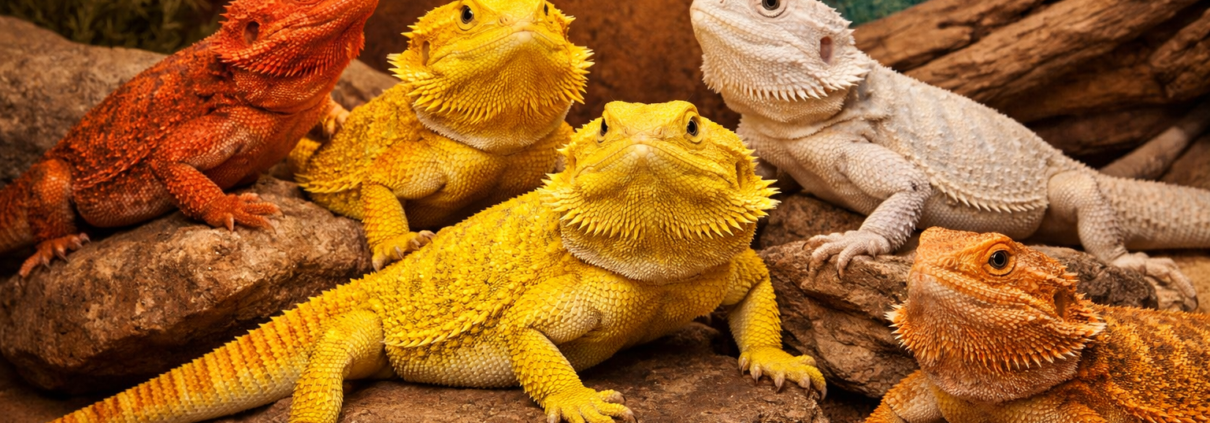
Quick Answer: Bearded dragon color morphs are selectively bred variations of Pogona vitticeps that produce specific colors, patterns, and scale types not commonly found in wild populations. In 2026, buyers can choose from dozens of established morphs — ranging from vivid reds and citrus yellows to rare zero-white and translucent animals — with prices ranging from roughly $50 for a standard morph to $500+ for high-end or combo morphs. Buying from a reputable breeder with documented lineage is the most reliable way to get a healthy animal with true-to-type coloration.
Key Takeaways
- 🦎 Bearded dragon color morphs result from selective breeding for specific pigmentation, pattern, and scale traits.
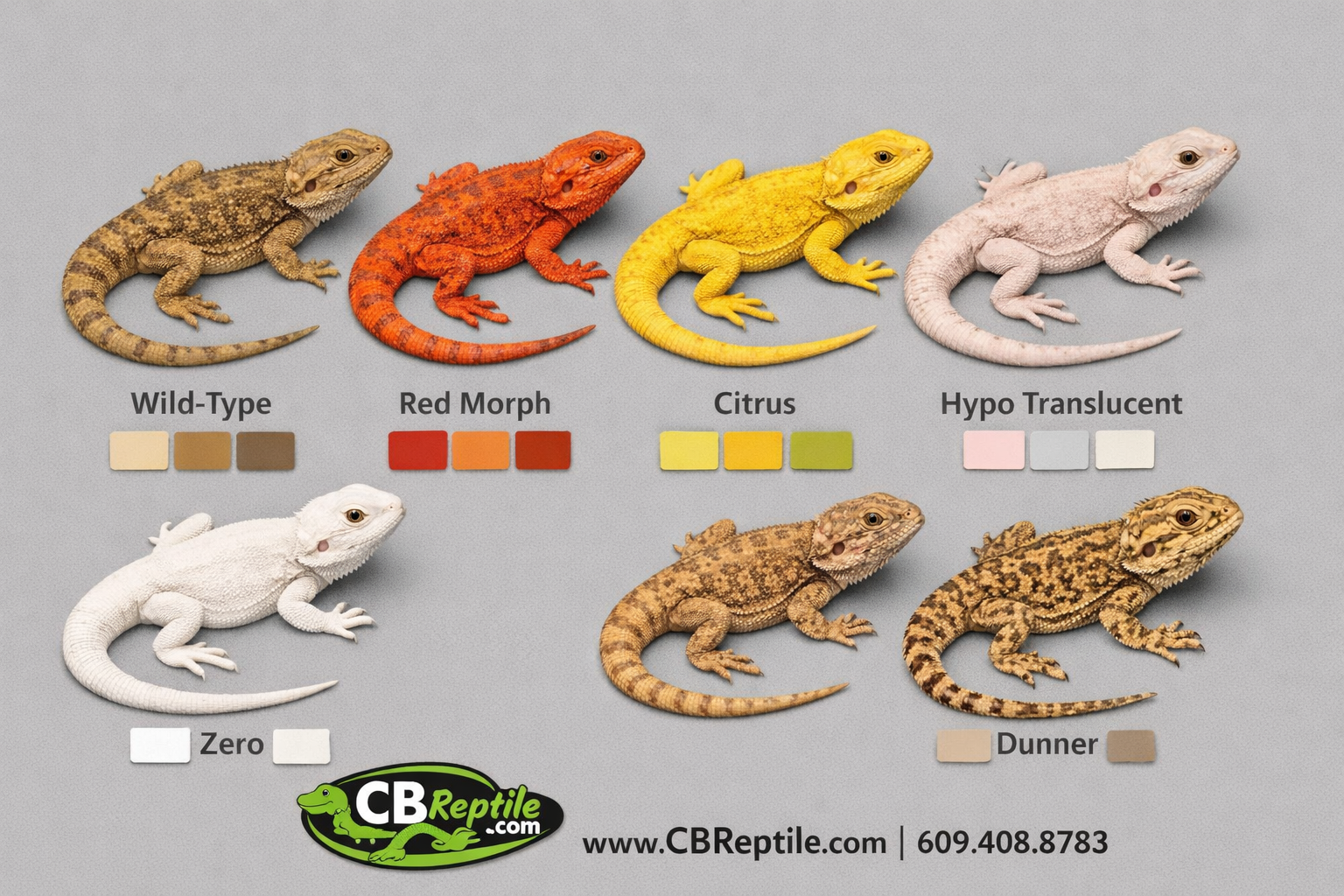
- Red, orange, citrus, hypo, translucent, zero, and dunner are among the most popular and widely available morphs in 2026.
- Morph names are not standardized industry-wide — always ask breeders for parent photos and lineage documentation.
- Healthy morphs from reputable breeders typically cost $100–$500+; suspiciously cheap animals often have undisclosed health issues.
- Wild-caught or pet store bearded dragons carry higher risks of parasites, stress-related illness, and inaccurate morph labeling.
- CB Reptile employs an on-site animal biologist, ensuring animals are properly health-checked before sale.
- Combo morphs (e.g., hypo translucent) combine multiple genetic traits and command premium prices.
- Always verify UVB lighting, temperature gradients, and diet before bringing any bearded dragon home.
What Are Bearded Dragon Color Morphs?
Bearded dragon color morphs are animals selectively bred to express specific colors, patterns, or scale structures that differ from the standard wild-type appearance. Breeders achieve these results by pairing animals that carry desirable genetic traits over multiple generations.
Wild Pogona vitticeps from Australia are typically tan, brown, or gray with muted markings — functional camouflage for arid scrubland. Captive breeding programs, which began in earnest in the 1990s, introduced selective pressure for vivid coloration. Today, the morph market for bearded dragons rivals that of leopard gecko color morphs and ball python morphs in both variety and collector interest.
Key point for buyers: A "morph" refers to a heritable trait, not just a color phase. A dragon that looks orange under certain lighting is not necessarily an orange morph — true morphs are genetically confirmed through lineage records.
The Most Popular Bearded Dragon Color Morphs Explained
The most sought-after bearded dragon color morphs fall into a few broad categories: color-based morphs, pattern morphs, scale morphs, and combination morphs. Here's a practical breakdown.
Color-Based Morphs
| Morph Name | Primary Colors | Relative Availability | Typical Price Range |
|---|---|---|---|
| Standard / Wild-Type | Tan, brown, gray | Very common | $50–$100 |
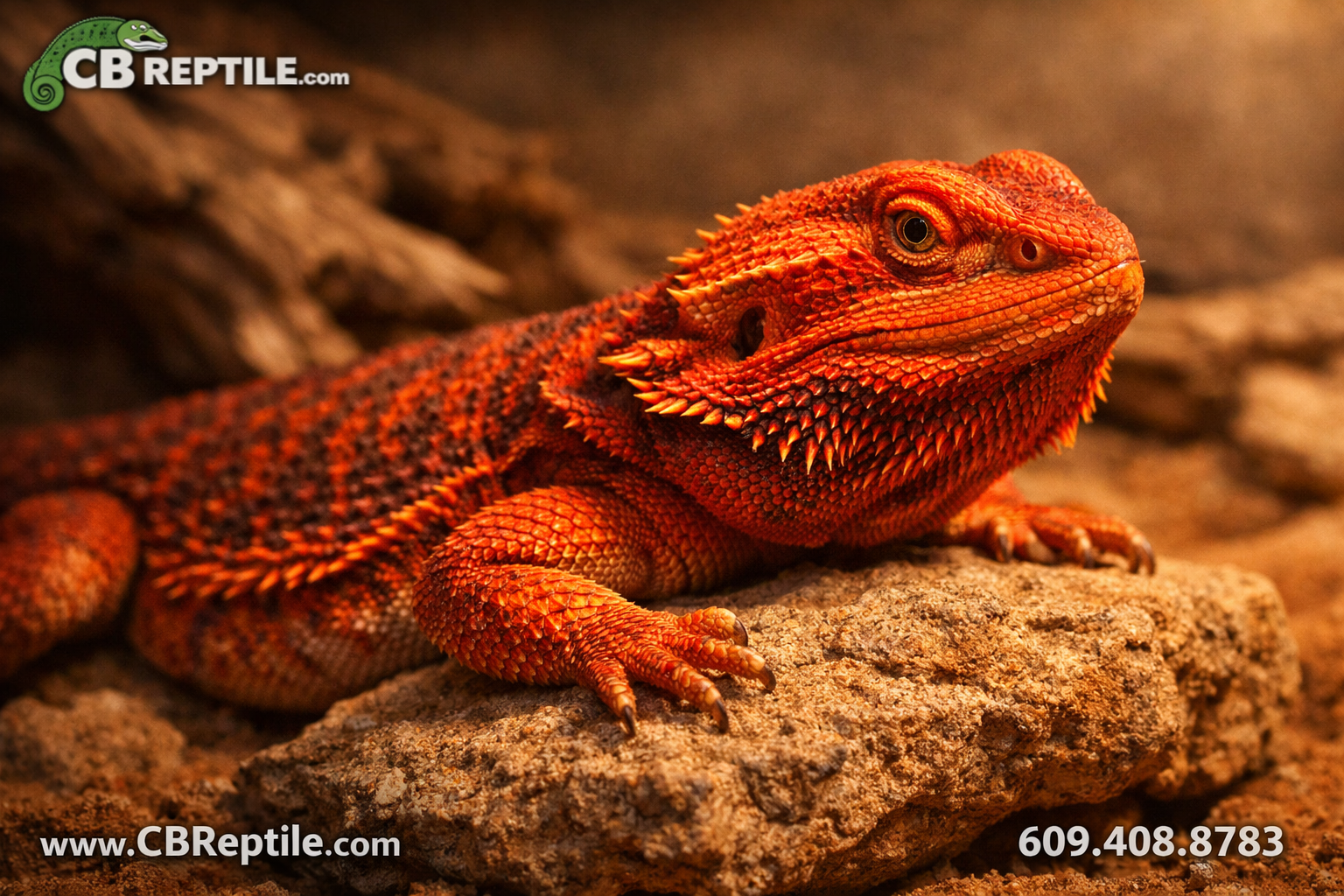
| Red / Ruby Red | Deep red, brick red | Common | $150–$300 |
| Orange | Bright orange | Common | $100–$200 |
| Citrus / Yellow | Vivid yellow, lemon | Moderate | $150–$250 |
| Sandfire | Orange-red, gold | Common | $100–$200 |
| White / Snow | Pale white, cream | Less common | $200–$400 |
Citrus morphs produce some of the most striking animals in the hobby. These dragons display vivid yellow to lemon-gold coloration across the body, often intensifying with age and proper diet. For a closer look at this morph, see our citrus bearded dragon morph guide.
Scale and Pattern Morphs
These morphs affect physical structure rather than (or in addition to) color:
- Leatherback: Reduced scales across the back, creating a smoother texture and more vibrant color expression because light isn't scattered by raised scales.
- Silkback: Virtually no scales. Colors appear extremely vivid, but silkbacks require more intensive husbandry and are not recommended for first-time owners.
- Dunner: A genetic mutation affecting scale orientation and pattern. Spots replace stripes, and scales point in multiple directions rather than toward the tail.
- Translucent (Trans): Dark, solid-black eyes and semi-transparent scales that give the skin a slightly see-through quality, especially on the belly and spikes.
The Hypo Morph: A Foundation Trait
The hypomelanistic (hypo) morph is one of the most important genetic building blocks in bearded dragon breeding. Hypo dragons produce reduced melanin (dark pigment), which makes their base colors appear brighter and cleaner. Clear nails instead of dark nails are the classic identifier.
Hypo genetics are frequently combined with other morphs to intensify coloration. Learn more in our dedicated hypo bearded dragon morph guide.
Rare and High-Value Bearded Dragon Color Morphs
Some bearded dragon color morphs command premium prices because they are genetically complex, difficult to produce consistently, or simply rare in the captive population.
Zero Morph
The zero morph is arguably the most striking bearded dragon available in 2026. These animals lack all pattern and most pigmentation, producing a clean white, silver, or pale gray animal with no markings. True zeros are recessive — both parents must carry the gene — which makes them harder to produce and more expensive, typically $300–$600+.
Witblits Morph
Witblits (from Afrikaans, meaning "white lightning") are patternless dragons with muted earthy tones — cream, tan, or pale gray. Unlike zeros, witblits retain some pigmentation. They're often confused with zeros by inexperienced sellers, so lineage documentation matters here.
Zero x Witblits (Wero)
Combining zero and witblits genetics produces the "wero" — an almost entirely white dragon with very faint patterning. These are among the most expensive bearded dragons on the market, sometimes exceeding $800 from quality breeders.
Translucent Zero (Trans Zero)
A combo morph combining translucent and zero genetics. The result is a pale, near-white dragon with the characteristic solid black eyes of the translucent gene. Visually dramatic and relatively rare.
"Combo morphs require careful breeding records. If a seller can't tell you the genetic background of a trans zero, walk away."
How Bearded Dragon Color Morphs Are Priced
Price reflects genetics, rarity, the breeder's reputation, and the animal's current health. Here's how to interpret what you're seeing in the market.
Standard morphs ($50–$150): Wild-type or basic color animals from pet stores or casual breeders. These can make excellent pets, but health and genetic documentation are often lacking.
Mid-tier morphs ($150–$350): Hypo, leatherback, citrus, red, and orange animals from established breeders. This is the sweet spot for most buyers — good color, documented lineage, and healthy animals.
Premium morphs ($350–$800+): Zero, wero, trans zero, silkback, and high-expression combo morphs. These require experienced husbandry and are best suited for buyers who have kept bearded dragons before.
Common pricing mistake: Assuming a cheap dragon is a good deal. A $40 "orange" bearded dragon from a chain pet store may carry internal parasites, metabolic bone disease from inadequate UVB, or simply not be the morph it's labeled as. Treatment costs can quickly exceed $300.
Why Buy Bearded Dragon Color Morphs From a Reputable Breeder?
Buying from a reputable bearded dragon breeder rather than a pet store or random online reseller makes a measurable difference in the animal you receive.
What a Quality Breeder Provides
- ✅ Genetic lineage documentation for morph verification
- ✅ Health records and parasite screening
- ✅ Animals raised on appropriate diets (live feeders, greens, proper supplementation)
- ✅ UVB and temperature protocols followed from hatching
- ✅ Post-purchase support and husbandry guidance
- ✅ Accurate morph labeling backed by parent photos
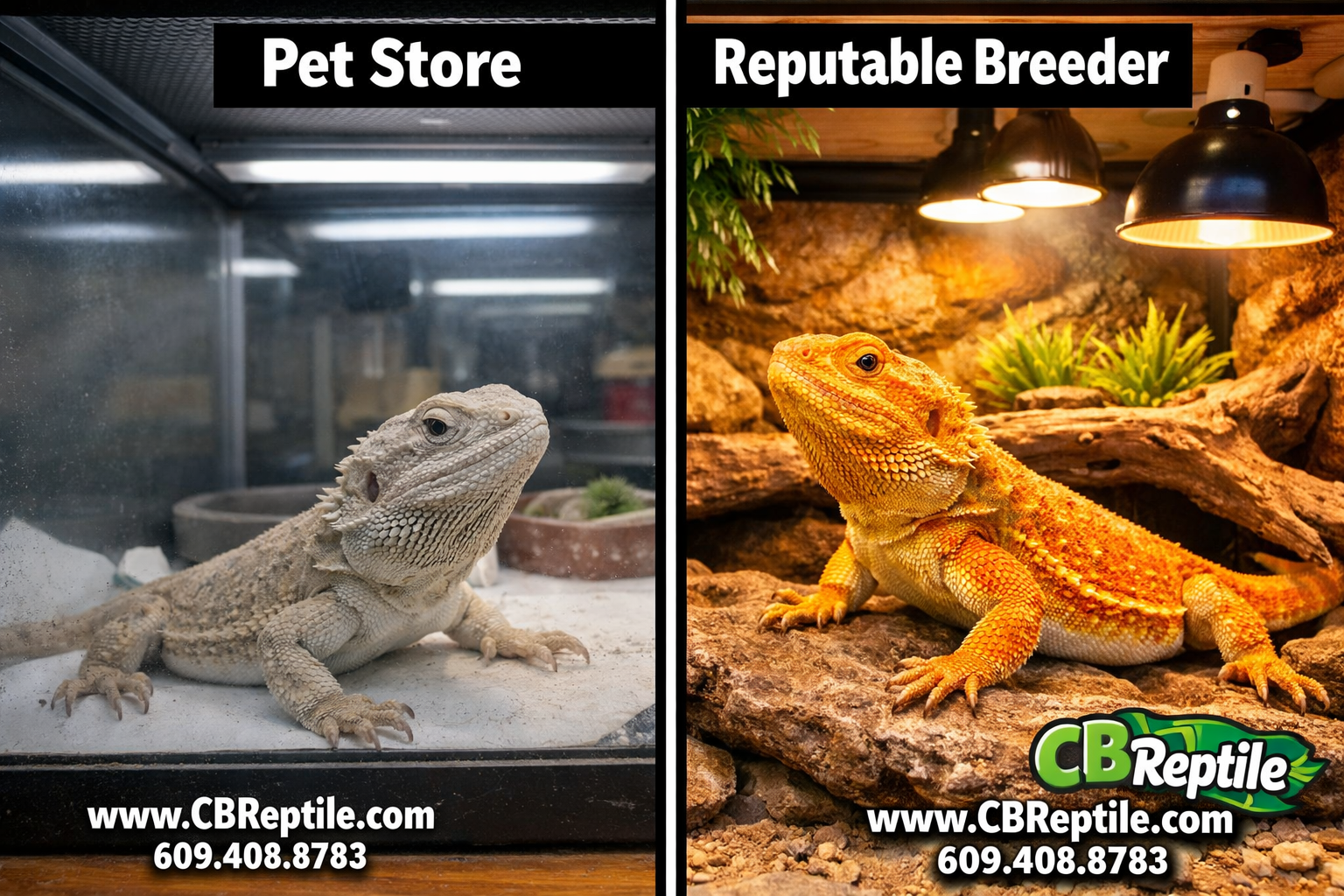
The Pet Store Problem
Most pet store bearded dragons are sourced from large-scale commercial facilities where individual animal care is limited. Common issues include:
- Cohabitation stress (bearded dragons are solitary)
- Inadequate UVB leading to early metabolic bone disease
- Incorrect morph identification (a "red" dragon that's actually just stressed)
- No lineage records, making combo morph claims unverifiable
CB Reptile: Breeder-Level Quality With On-Site Expertise
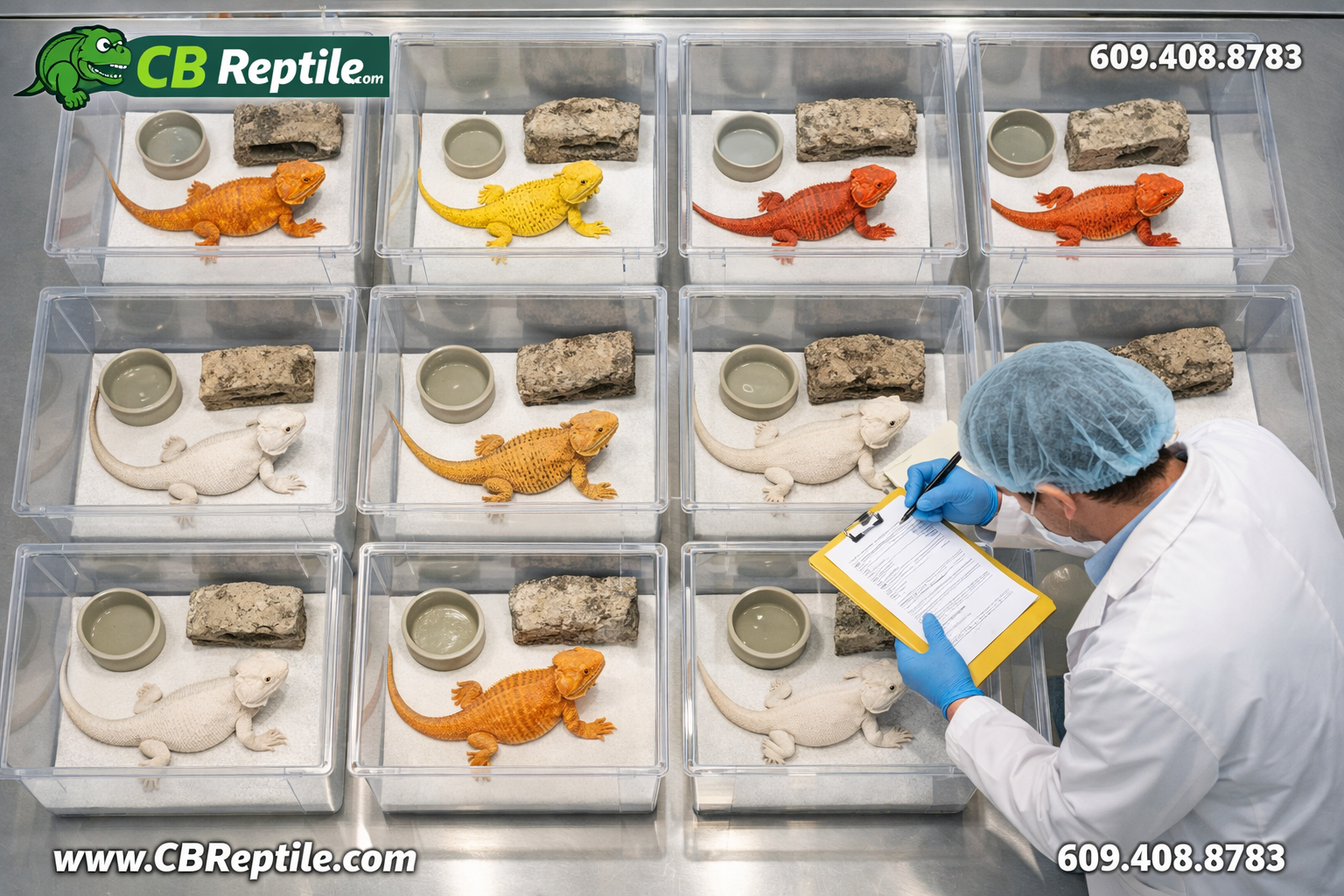
CB Reptile stands out among bearded dragon breeders because the operation includes an on-site animal biologist who oversees health protocols, breeding programs, and animal welfare standards. This isn't common in the reptile trade — most sellers, including many online resellers, have no formal animal science background.
That on-site expertise translates directly to buyers: animals are health-checked before shipping, morphs are accurately identified, and the breeding stock is selected for both color expression and temperament.
If you're comparing CB Reptile to other sources, the difference is similar to what you'd find comparing a specialist reptile breeder to a general pet chain — the level of species-specific knowledge simply isn't comparable.
How to Evaluate Bearded Dragon Color Morphs Before You Buy
Whether you're shopping online or in person, use this checklist before committing to a purchase.
Pre-Purchase Checklist
- Ask for parent photos. Both parents should be visible, healthy, and clearly the morph claimed.
- Request feeding records. A healthy hatchling should be eating dubia roaches or crickets regularly within the first two weeks.
- Check the eyes. Sunken eyes indicate dehydration. Cloudy eyes outside of a shed cycle can indicate infection.
- Look at the limbs. Swollen joints or a "rubbery" appearance in the limbs can indicate metabolic bone disease.
- Verify the seller's return or health guarantee policy. Reputable breeders stand behind their animals.
- Confirm morph genetics. For any combo morph, ask specifically which genes are confirmed versus "likely" based on appearance.
Choose a standard or hypo morph if: you're a first-time owner who wants a healthy, handleable pet without paying a premium for rare genetics.
Choose a zero, trans zero, or wero if: you're an experienced keeper specifically interested in breeding or collecting high-end morphs, and you're prepared for the higher price and potentially more sensitive care needs (especially for silkbacks).
Bearded Dragons for Sale
Bearded Dragon Color Morphs vs. Other Reptile Morphs: How They Compare
Bearded dragon morphs occupy a middle ground in the reptile morph market — more established than some newer species, but less genetically complex than ball pythons.
If you're deciding between species, here's a quick comparison:
| Species | Morph Variety | Entry Price | Care Complexity |
|---|---|---|---|
| Bearded Dragon | Moderate-High | $50–$800+ | Moderate |
| Leopard Gecko | Very High | $30–$500+ | Low-Moderate |
| Ball Python | Extremely High | $50–$10,000+ | Low-Moderate |
| Crested Gecko | Moderate | $50–$400+ | Low |
Ball pythons have the most developed morph market — ball python morphs number in the hundreds of combinations — but bearded dragons offer a distinct advantage for buyers who want an interactive, diurnal pet that's active during the day and tolerates handling well.
Leopard geckos are another strong option for morph collectors, particularly if space is limited. See our leopard gecko color morphs guide for a full comparison.
Common Mistakes When Buying Bearded Dragon Color Morphs
Even experienced reptile keepers make avoidable errors when purchasing morphs. Here are the most frequent ones.
Mistake 1: Trusting color alone to identify a morph.
A dragon's color can shift significantly based on temperature, stress, lighting, and age. A stressed animal may look dull; a warm, relaxed animal may look vivid. Always rely on genetics, not appearance at the moment of sale.
Mistake 2: Buying a silkback as a first dragon.
Silkbacks lack the protective scales that help regulate moisture loss and protect against abrasion. They require higher humidity, more frequent baths, and careful substrate selection. They're beautiful animals, but they're not beginner-friendly.
Mistake 3: Overpaying for unverified "rare" morphs.
Some sellers label ordinary animals as rare morphs to justify higher prices. Without parent documentation, there's no way to verify a morph claim. Stick to sellers who provide lineage records.
Mistake 4: Ignoring husbandry costs.
A $500 zero morph still needs a $200+ enclosure, a quality UVB fixture, a thermostat, and a reliable feeder insect supply. Budget for setup before choosing the most expensive animal.
FAQ: Bearded Dragon Color Morphs
Q: What is the rarest bearded dragon color morph?
A: Zero, wero (zero x witblits), and high-expression trans zero morphs are among the rarest in 2026. True zeros with clean white coloration and no patterning are particularly difficult to produce consistently.
Q: Do bearded dragon color morphs affect temperament?
A: Morph genetics primarily affect appearance, not temperament. Temperament is more influenced by handling history, individual personality, and husbandry quality than by morph type.
Q: Can a bearded dragon's color change after purchase?
A: Yes. Juvenile colors often intensify or shift as the animal matures, particularly in red and orange morphs. Stress, temperature, and health status also cause temporary color changes.
Q: Are silkback bearded dragons ethical to buy?
A: This is debated in the hobby. Silkbacks require more intensive care than scaled morphs, and some keepers argue the trait causes welfare issues. Research thoroughly and only buy from breeders who provide detailed silkback-specific care guidance.
Q: What's the difference between a hypo and a translucent morph?
A: Hypo reduces dark pigment (melanin), brightening overall color and producing clear nails. Translucent affects scale transparency and produces solid black eyes. They're separate genetic traits that can be combined.
Q: How do I know if a bearded dragon morph is healthy?
A: Look for clear, alert eyes, a full tail base (not sunken), straight limbs, active movement, and a feeding record. Avoid animals with closed eyes during the day, labored breathing, or visible swelling.
Q: What age should I buy a bearded dragon?
A: Most breeders recommend purchasing animals that are at least 6–8 weeks old and eating independently. Hatchlings younger than this are fragile and require more intensive feeding schedules.
Q: Is a bearded dragon for sale from CB Reptile shipped safely?
A: CB Reptile uses professional live animal shipping protocols with heat or cool packs as needed, and animals are health-checked by the on-site biologist before dispatch.
Q: What morph is best for a first-time owner?
A: A standard, hypo, or leatherback morph from a reputable breeder is ideal for beginners — good color, straightforward care requirements, and reasonable price.
Q: Do combo morphs cost significantly more?
A: Yes. Each additional genetic trait in a combo morph increases production difficulty and price. A hypo leatherback costs more than a plain hypo; a trans zero costs more than either parent morph alone.
Conclusion: Choosing the Right Bearded Dragon Color Morph in 2026
The bearded dragon morph market in 2026 offers something for every type of buyer — from affordable, hardy standards to visually stunning zero and wero morphs for serious collectors. The key is matching your experience level, budget, and husbandry capacity to the right animal.
Actionable next steps:
- Define your budget before browsing. Include setup costs, not just the animal price.
- Choose a morph category based on experience: standard or hypo for beginners, combo morphs for experienced keepers.
- Buy from a documented breeder — ask for parent photos, feeding records, and a health guarantee.
- Set up the enclosure first. Have your UVB lighting, thermostat, and feeder insects ready before the animal arrives.
- Consider CB Reptile for verified morphs, expert-backed health screening, and post-purchase support from a team that includes an on-site animal biologist.
The difference between a thriving, colorful bearded dragon and a disappointing experience almost always comes down to the source. A well-bred animal from a knowledgeable breeder is worth the extra investment — in health, in accurate morph expression, and in the relationship you'll build with a pet that can live 10–15 years.
References
- Stahl, S. J. (2013). Veterinary Guide for Animal Owners: Caring for Reptiles. Rodale Books.
- Donoghue, S. (2006). Nutrition of captive reptiles. Veterinary Clinics of North America: Exotic Animal Practice, 9(3), 601–648.
- Reptiles Magazine Editorial Staff. (2019). Bearded Dragon Care and Breeding. I-5 Publishing.
- Ferguson, G. W., et al. (2005). Ultraviolet exposure and vitamin D synthesis in captive lizards. Zoo Biology, 24(6), 589–598.
Meta Title: Bearded Dragon Color Morphs: Complete Guide 2026
Meta Description: Discover all bearded dragon color morphs — red, citrus, hypo, zero, and more. Compare prices, traits, and tips for buying healthy morphs from reputable breeders in 2026.
Tags: bearded dragon color morphs, bearded dragon morphs, hypo bearded dragon, zero morph bearded dragon, citrus bearded dragon, translucent morph, leatherback bearded dragon, bearded dragon breeder, reptile morphs, bearded dragon for sale, rare bearded dragon morphs, combo morphs