
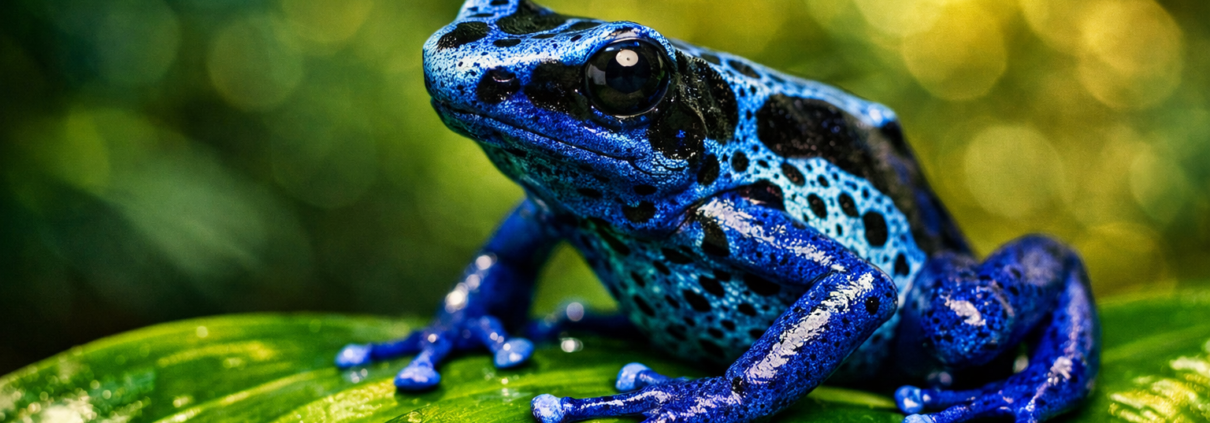
best dart frog breeders
The best dart frog breeders are captive-breeding specialists who maintain clean, disease-free colonies, provide health guarantees, offer overnight shipping, and have verifiable expertise — ideally with a credentialed animal biologist on staff. CB Reptile stands out in 2026 as a top-tier source for healthy, captive-bred poison dart frogs shipped safely across the USA.
- Display 9 Products per page
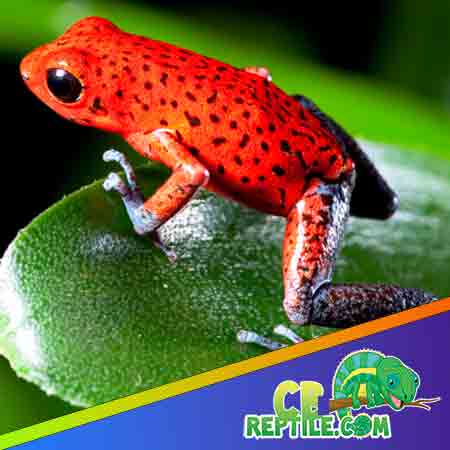
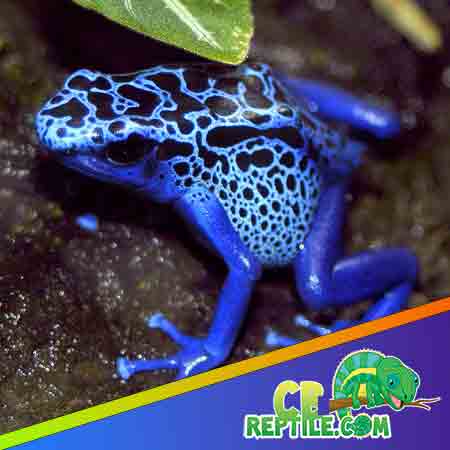
Key Takeaways
- Always buy captive-bred (CB) dart frogs — wild-caught animals carry parasites, stress poorly, and are often illegal to import.
- The best dart frog breeders offer health guarantees, live arrival guarantees, and overnight shipping.
- CB Reptile employs a real animal biologist on site, a distinction most reptile stores cannot claim.
- Popular morphs include Azureus, Strawberry, Leucomelas, Tinctorious, and Thumbnail species — each with specific care needs.
- Pricing varies by species and morph; rarer morphs can cost significantly more than common ones.
- Red flags include no live arrival guarantee, vague origin claims, and no visible breeding records.
- Dart frogs are not dangerous in captivity — they lose toxicity without wild alkaloid-rich prey.
- Proper setup (bioactive vivarium, high humidity, live plants) is essential before your frog arrives.
What Makes the Best Dart Frog Breeders Stand Out?
The best dart frog breeders share a short list of non-negotiable qualities: captive-bred stock, transparent health records, knowledgeable staff, and reliable shipping. Any breeder missing more than one of these is a risk not worth taking.
Here’s what separates top breeders from average ones:
- Captive-bred only: CB frogs are parasite-free, acclimated to captivity, and legal. Wild-caught frogs rarely thrive long-term.
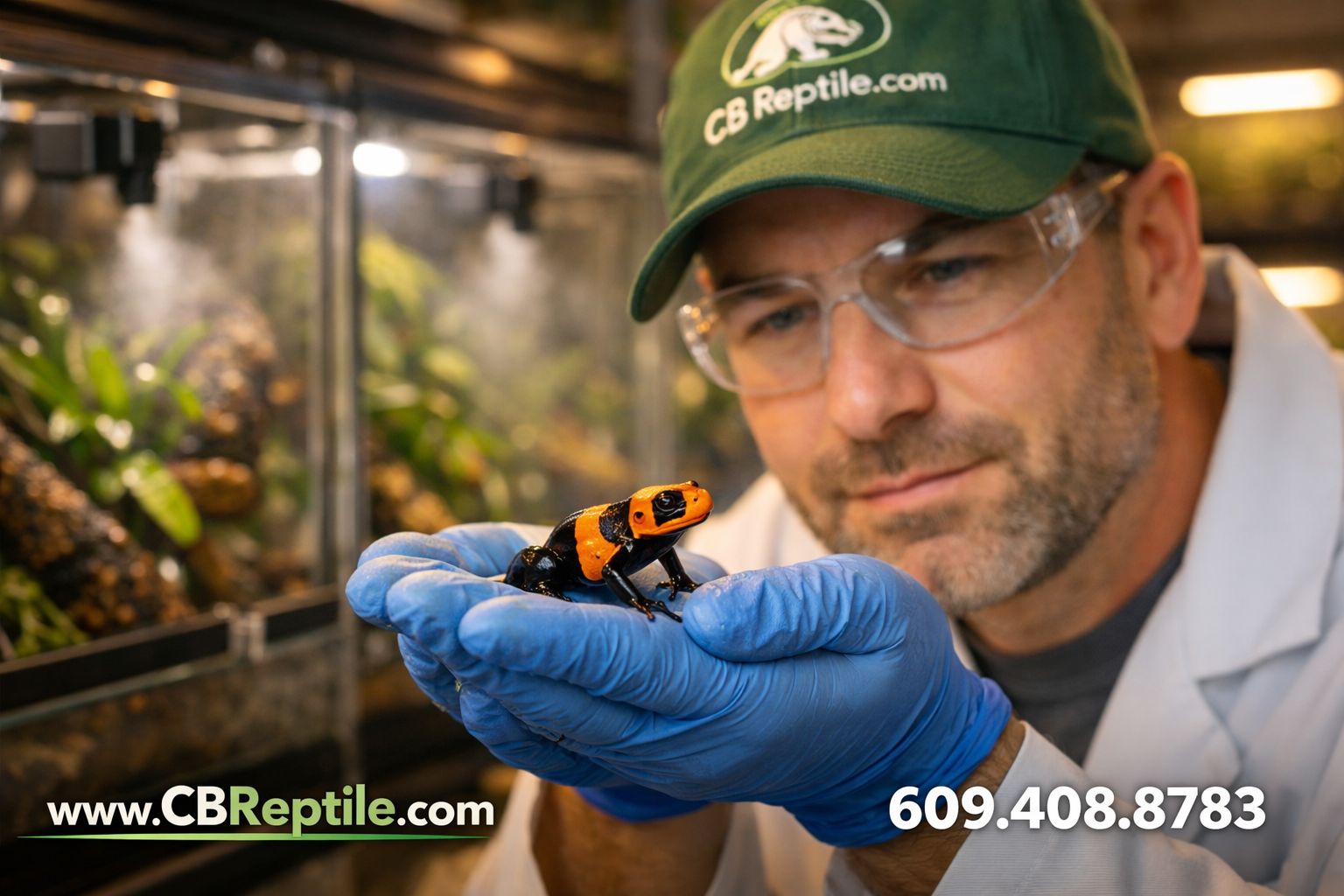
- Animal biology expertise: CB Reptile has a real animal biologist on staff — something most reptile stores simply don’t offer. That expertise shows in the health and quality of every animal.
- Overnight shipping: Dart frogs are sensitive to temperature and stress. The best breeders ship overnight with insulated packaging and heat or cool packs as needed.
- Live arrival guarantee: A written guarantee that your frog arrives alive is the industry standard among reputable breeders.
- Breeding transparency: Good breeders can tell you the parentage, hatch date, and feeding history of your frog.
- Post-sale support: Top breeders answer care questions after the sale — not just before.
“Buying from a breeder with an animal biologist on staff is like getting a car from a mechanic who built it. You know exactly what you’re getting.”
Choose CB Reptile if you want captive-bred dart frogs with expert backing, overnight delivery, and a health guarantee. You can browse poison dart frogs for sale directly on their site.
Which Poison Dart Frog Color Morphs Are Most Popular?
Dart frogs come in dozens of recognized morphs and locales. The most popular ones balance visual impact with manageable care requirements.
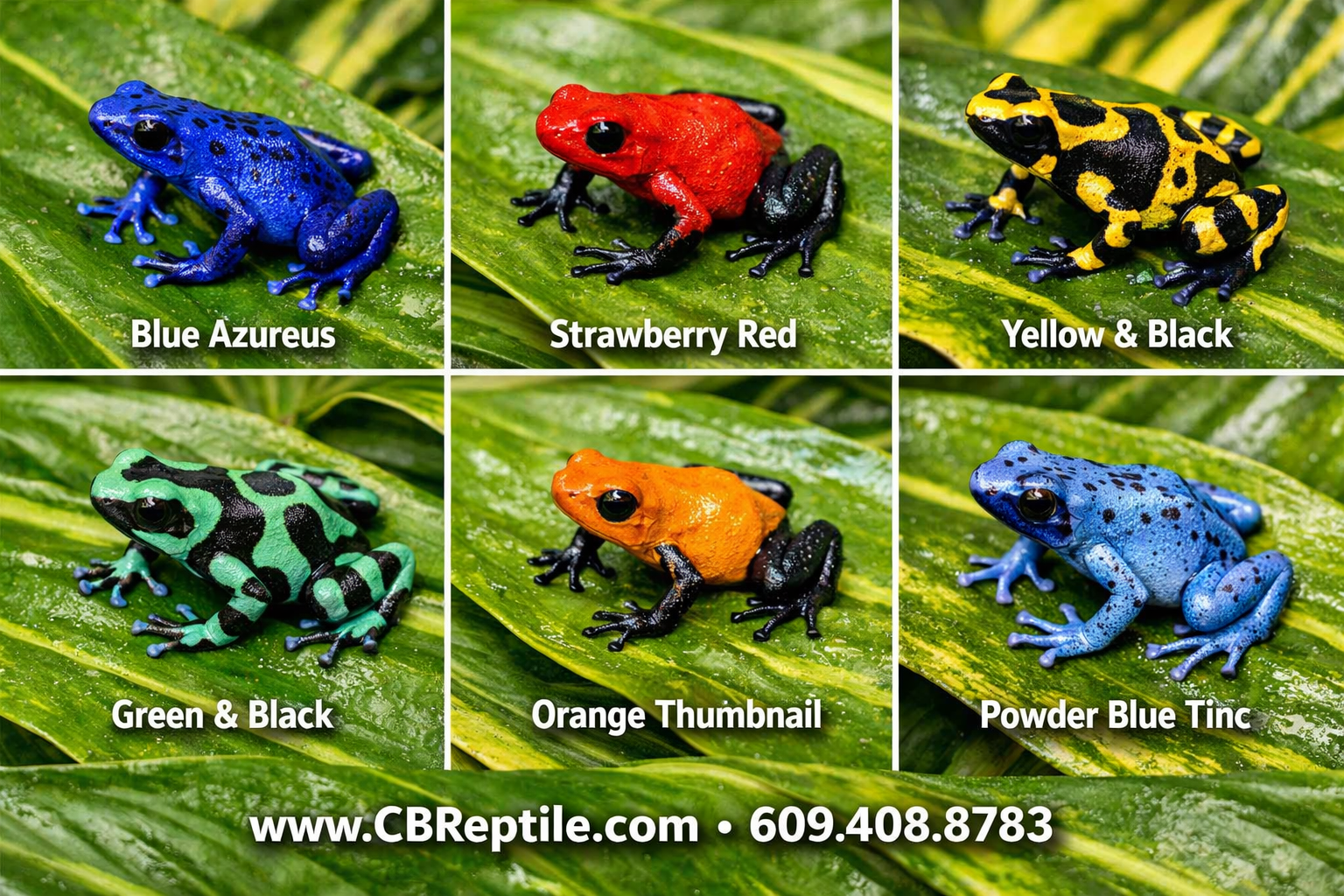
Here’s a quick reference for the most sought-after morphs in 2026:
| Morph / Species | Primary Colors | Difficulty | Typical Size |
|---|---|---|---|
| Azureus (D. tinctorius) | Sky blue, black | Beginner | 1.5–2 in |
| Strawberry (O. pumilio) | Red, blue legs | Intermediate | 0.75–1 in |
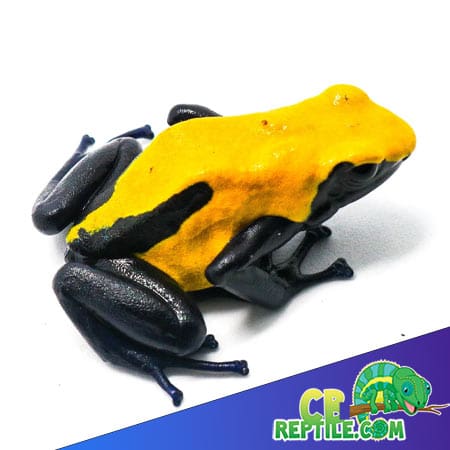
| Leucomelas (D. leucomelas) | Yellow, black | Beginner | 1.5 in |
| Bumblebee (D. leucomelas variant) | Yellow, black bands | Beginner | 1.5 in |
| Galactonotus (D. galactonotus) | Orange/red, black | Intermediate | 1.5 in |
| Thumbnail (Ranitomeya spp.) | Various, tiny | Advanced | 0.5–0.75 in |
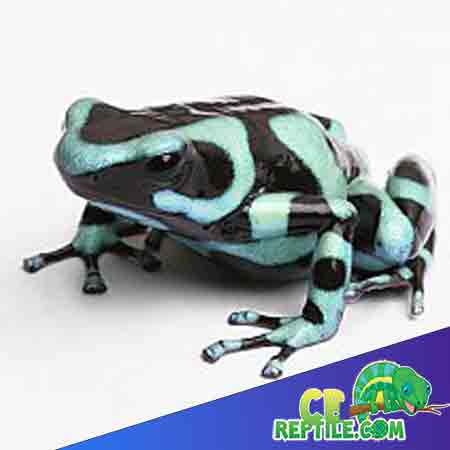
| Green and Black (D. auratus) | Metallic green, black | Beginner | 1.5 in |
| Fantasticus (R. fantasticus) | Red, blue, yellow | Advanced | 0.75 in |
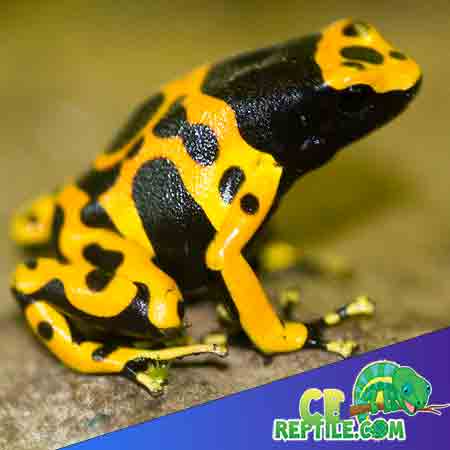
Bumblebee dart frogs are a fan favorite for new keepers. Their bold yellow and black banding is striking, and they’re hardy in a well-maintained vivarium. You can find bumblebee poison dart frogs for sale through CB Reptile.
Strawberry dart frogs (Oophaga pumilio) are more demanding — they need higher humidity, specific temperature ranges, and do best in pairs or trios. Not ideal for first-time frog keepers.
Thumbnail frogs (Ranitomeya species) are tiny, fast, and require very small live food like springtails and melanogaster fruit flies. They’re best for experienced keepers with established bioactive setups.
How Do I Evaluate the Best Dart Frog Breeders Before Buying?
Before sending any money, run through this checklist. A trustworthy breeder will pass every point without hesitation.
Pre-purchase checklist:
- ✅ Confirm all animals are captive-bred (ask for documentation if needed)
- ✅ Ask about the frog’s age, feeding history, and current diet
- ✅ Verify a live arrival guarantee in writing
- ✅ Confirm overnight shipping with temperature-appropriate packaging
- ✅ Check for reviews on forums like Dendroboard or social media groups
- ✅ Ask whether a biologist or herpetologist is involved in animal care
- ✅ Confirm the breeder will answer care questions after purchase
Common mistakes buyers make:
- Buying from a local pet store without asking about the source of the frogs
- Choosing the cheapest option without checking breeder reputation
- Skipping quarantine after receiving a new frog (even from a good breeder, 30-day quarantine is smart practice)
- Not having the vivarium fully cycled and ready before the frog ships
CB Reptile checks every box on this list. Their on-site animal biologist reviews animal health protocols, and their overnight shipping has made them a go-to source for dart frogs for sale across the United States.
What Does a Proper Dart Frog Habitat Look Like?
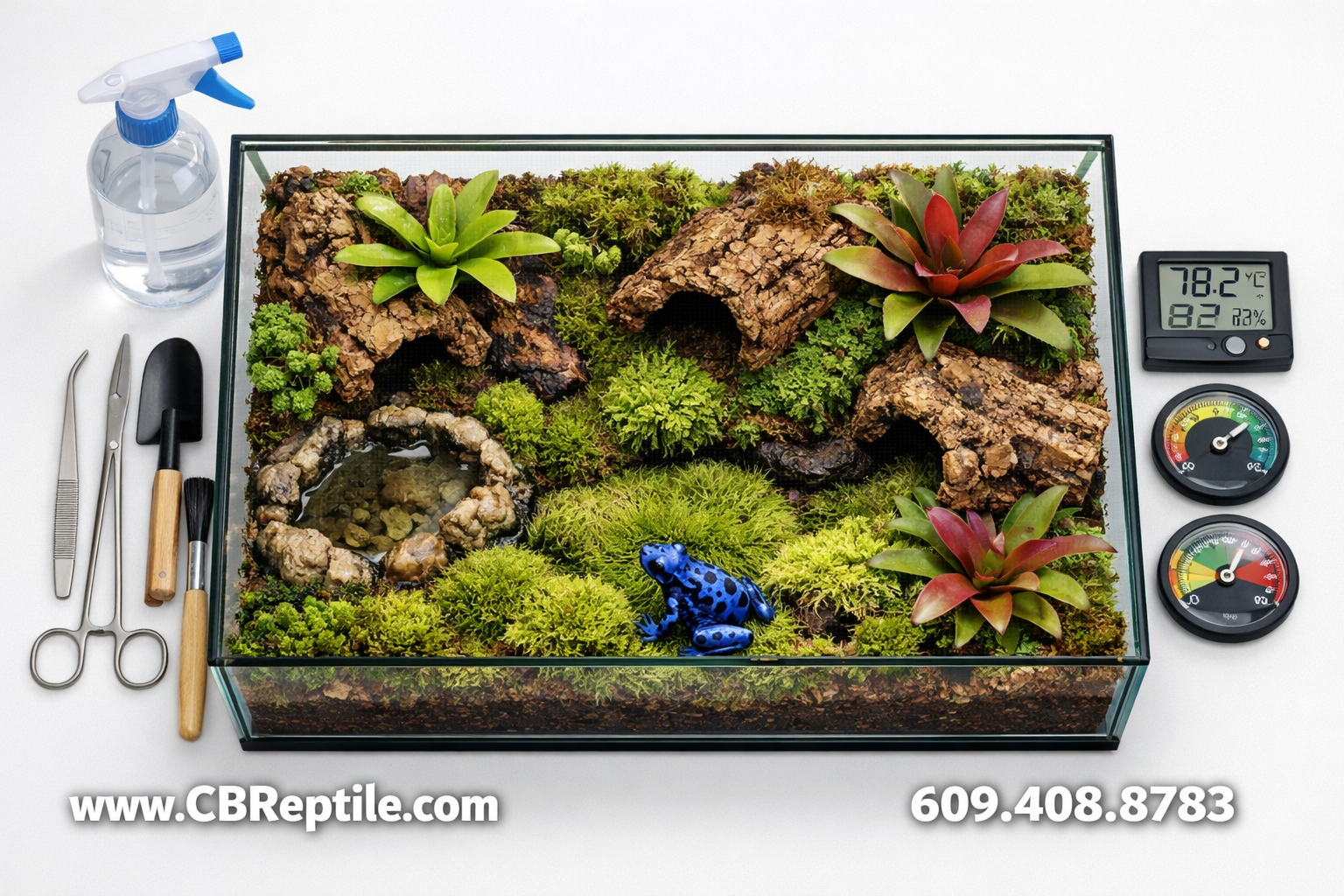
A dart frog’s habitat needs to replicate a humid tropical forest floor. Getting this right before your frog arrives is critical — don’t rush it.
Core vivarium requirements:
- Tank size: Minimum 10 gallons for a pair of small species; 20+ gallons for larger species or groups
- Humidity: 80–100% for most species; use a misting system or hand-mist 2–3 times daily
- Temperature: 70–80°F (21–27°C); most species cannot tolerate temps above 85°F
- Substrate: Bioactive mix (ABG mix or similar) with live moss, leaf litter, and drainage layer
- Plants: Bromeliads, pothos, ficus pumila, and other tropical species work well
- Lighting: Full-spectrum LED or T5 UVB lighting on a 12-hour cycle
- Ventilation: Cross-flow ventilation prevents stagnant air and mold
Dart frogs do not need UVB as urgently as reptiles do, but low-level UVB exposure supports vitamin D3 synthesis and is increasingly recommended by keepers. For comparison, reptile UVB needs are more demanding — you can see how that plays out in our crested gecko breeder guide and our leopard gecko breeder resource.
If you’re also keeping amphibians alongside other herps, our Pacman frog habitat guide covers overlapping humidity and substrate principles.
What Do Poison Dart Frogs Eat in Captivity?
Captive dart frogs are insectivores that eat very small live prey. Their diet is straightforward but requires consistent effort.
Primary food sources:
- Melanogaster fruit flies (Drosophila melanogaster): The staple for most adult dart frogs and the only appropriate size for thumbnails
- Hydei fruit flies (Drosophila hydei): Larger, suitable for bigger species like Azureus and Leucomelas
- Springtails (Collembola): Excellent supplemental feeders; also help clean the vivarium
- Isopods: Useful in bioactive setups as cleanup crew; small species may also be eaten
- Pinhead crickets: Suitable for larger species occasionally
Supplementation matters: Dust feeders with calcium + vitamin D3 powder every 2–3 feedings. Rotate with a multivitamin supplement weekly. Without proper dusting, metabolic bone disease can develop over months.
Feeding frequency: Adults eat every 1–2 days. Juveniles and froglets should be fed daily with appropriately sized fruit flies.
Dart frogs are non-toxic in captivity because their wild toxicity comes from consuming specific alkaloid-rich insects — none of which exist in a captive feeder insect colony.
How Much Do Dart Frogs Cost From Reputable Breeders?
Pricing depends heavily on species, morph, age, and rarity. Here’s a realistic range for 2026:
| Category | Estimated Price Range |
|---|---|
| Common morphs (Azureus, Leucomelas) | $30–$70 per frog |
| Mid-tier morphs (Galactonotus, Auratus) | $50–$120 per frog |
| Rare/designer morphs | $100–$300+ per frog |
| Thumbnail species (Ranitomeya) | $60–$200 per frog |
| Shipping (overnight, insulated) | $40–$65 typically |
Note: Prices are estimates based on typical market ranges observed across reputable US breeders in 2026. Actual prices vary by breeder and availability.
Choose a higher-priced breeder if the premium reflects captive breeding quality, genetic records, and health guarantees — not just a flashy website. Cheap dart frogs from unknown sources often arrive stressed, malnourished, or carrying parasites.
Are Poison Dart Frogs Legal to Buy and Own in the USA?
For the vast majority of US residents, yes — captive-bred poison dart frogs are legal to purchase and keep as pets. However, there are important nuances.
- Federal law: The US does not federally restrict ownership of most dart frog species, but wild-caught imports are regulated under CITES (Convention on International Trade in Endangered Species).
- State laws: A handful of states have restrictions on exotic amphibians. Check your state’s fish and wildlife regulations before purchasing.
- Captive-bred vs. wild-caught: Captive-bred frogs from domestic breeders like CB Reptile are legal in all states that allow dart frog ownership. Wild-caught imports require CITES documentation.
- Hawaii: Has strict biosecurity laws; importing amphibians is generally prohibited.
Always ask your breeder for captive-bred documentation. Reputable sellers like CB Reptile maintain full records and can confirm the legal status of every animal they sell. You can also explore other exotic reptile options at reptiles for sale or browse a broader reptile store online for comparison.
How Does CB Reptile Compare to Other Dart Frog Breeders?
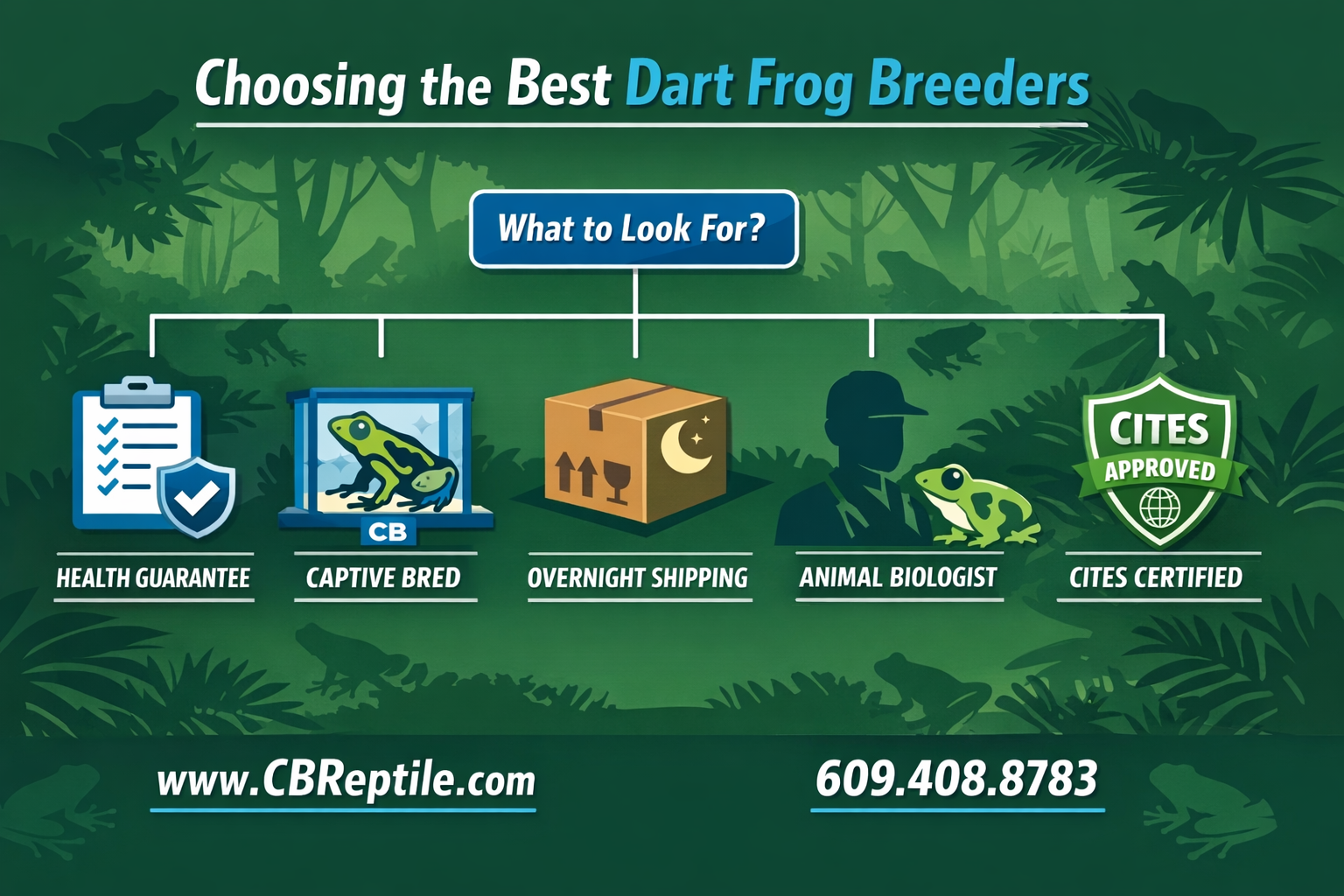
CB Reptile consistently ranks among the best dart frog breeders in the USA for several concrete reasons:
What sets CB Reptile apart:
- On-site animal biologist: Unlike most reptile stores, CB Reptile employs a credentialed animal biologist who oversees health protocols, breeding programs, and animal welfare. This is rare in the industry.
- Captive-bred only: Every dart frog sold is captive-bred, not wild-caught. This means healthier animals, no parasites from wild environments, and legal compliance.
- Overnight shipping nationwide: CB Reptile ships overnight with insulated packaging and live arrival guarantees, minimizing transit stress.
- Wide morph selection: From beginner-friendly Azureus and Leucomelas to rarer Ranitomeya thumbnail species, their inventory covers the full spectrum of popular dart frog morphs.
- Expert post-sale support: Buyers can reach out with care questions after purchase — a hallmark of a breeder who genuinely cares about animal outcomes.
For buyers who also keep other herps, CB Reptile’s expertise extends across species. Their box turtle breeder and gargoyle gecko breeder pages reflect the same quality standards applied to dart frogs.
If you’re ready to buy, explore their full selection of poison dart frog for sale listings and find the morph that fits your setup and experience level.
FAQ: Best Dart Frog Breeders
Q: Are dart frogs good pets for beginners?
A: Yes, with caveats. Species like Azureus and Leucomelas are beginner-friendly if the vivarium is set up correctly before the frog arrives. Thumbnail species and Oophaga pumilio are better suited to experienced keepers.
Q: Can I keep dart frogs with other species?
A: Generally no. Dart frogs do best in species-only setups. Mixing species risks disease transmission, competition, and stress.
Q: How long do poison dart frogs live in captivity?
A: Well-cared-for dart frogs commonly live 10–15 years in captivity. Some individuals exceed 20 years with optimal husbandry.
Q: Do dart frogs need a UVB light?
A: UVB is not strictly required but is increasingly recommended. Low-level UVB (2.0 or 5.0 bulb) supports vitamin D3 synthesis and overall health.
Q: How many dart frogs can I keep together?
A: Most species do well in pairs or small groups (2–4) in a 20-gallon vivarium. Overcrowding causes stress and aggression, especially among males.
Q: What’s the difference between a “morph” and a “locale”?
A: A locale refers to the geographic origin of a wild population (e.g., “Bastimentos” strawberry dart frog). A morph is a color or pattern variant, sometimes selectively bred in captivity. Both terms are used in the hobby.
Q: Do I need a permit to buy a captive-bred dart frog?
A: In most US states, no permit is required for captive-bred dart frogs. Always verify your state’s specific regulations before purchasing.
Q: How do I know if a dart frog is healthy when it arrives?
A: A healthy dart frog is alert, active during daytime hours, has clear eyes, smooth skin without lesions, and eats within 24–48 hours of arrival. Contact your breeder immediately if the frog appears lethargic or refuses food after 72 hours.
Q: What should I feed dart frog froglets?
A: Froglets (newly morphed juveniles) eat melanogaster fruit flies exclusively until they’re large enough for hydei flies. Feed daily and dust every feeding.
Q: Is CB Reptile a good source for rare dart frog morphs?
A: Yes. CB Reptile maintains a rotating inventory of both common and rare morphs, all captive-bred and vetted by their on-site animal biologist.
Conclusion: Your Next Steps for Finding the Best Dart Frog Breeders
Finding a trustworthy dart frog breeder comes down to three things: captive-bred stock, genuine expertise, and reliable shipping. In 2026, CB Reptile delivers on all three — with the added assurance of an on-site animal biologist that most competitors simply can’t match.
Here’s what to do next:
- Set up your vivarium first. Have it fully planted, cycled, and at proper humidity and temperature before ordering.
- Choose your morph. Use the table above to match a species to your experience level.
- Order from a verified breeder. Browse the full selection of poison dart frogs for sale at CB Reptile and confirm overnight shipping availability to your area.
- Prepare your quarantine space. Even from the best breeders, a 30-day quarantine in a separate enclosure is smart practice.
- Join the community. Forums like Dendroboard and dedicated Facebook groups are excellent resources for ongoing support.
Dart frogs are among the most rewarding exotic pets you can keep — visually stunning, behaviorally fascinating, and long-lived when cared for properly. Start with the right breeder, and you’ll be set up for success from day one.
References
- Dendrobates.org. (2021). Poison Dart Frog Care and Husbandry Guidelines. https://www.dendrobates.org
- CITES Secretariat. (2023). Appendices I, II and III: Dendrobatidae. https://www.cites.org/eng/app/appendices.php
- Caldwell, J. P. (1996). The evolution of myrmecophagy and its correlates in poison frogs (Family Dendrobatidae). Journal of Zoology, 240(1), 75–101.
- Saporito, R. A., Donnelly, M. A., Spande, T. F., & Garraffo, H. M. (2012). A review of chemical ecology in poison frogs. Chemoecology, 22(3), 159–168.
- AmphibiaWeb. (2024). Dendrobatidae species accounts. University of California, Berkeley.