
The Complete Guide to Bicolor Crested Geckos: Everything You Need to Know Before Buying
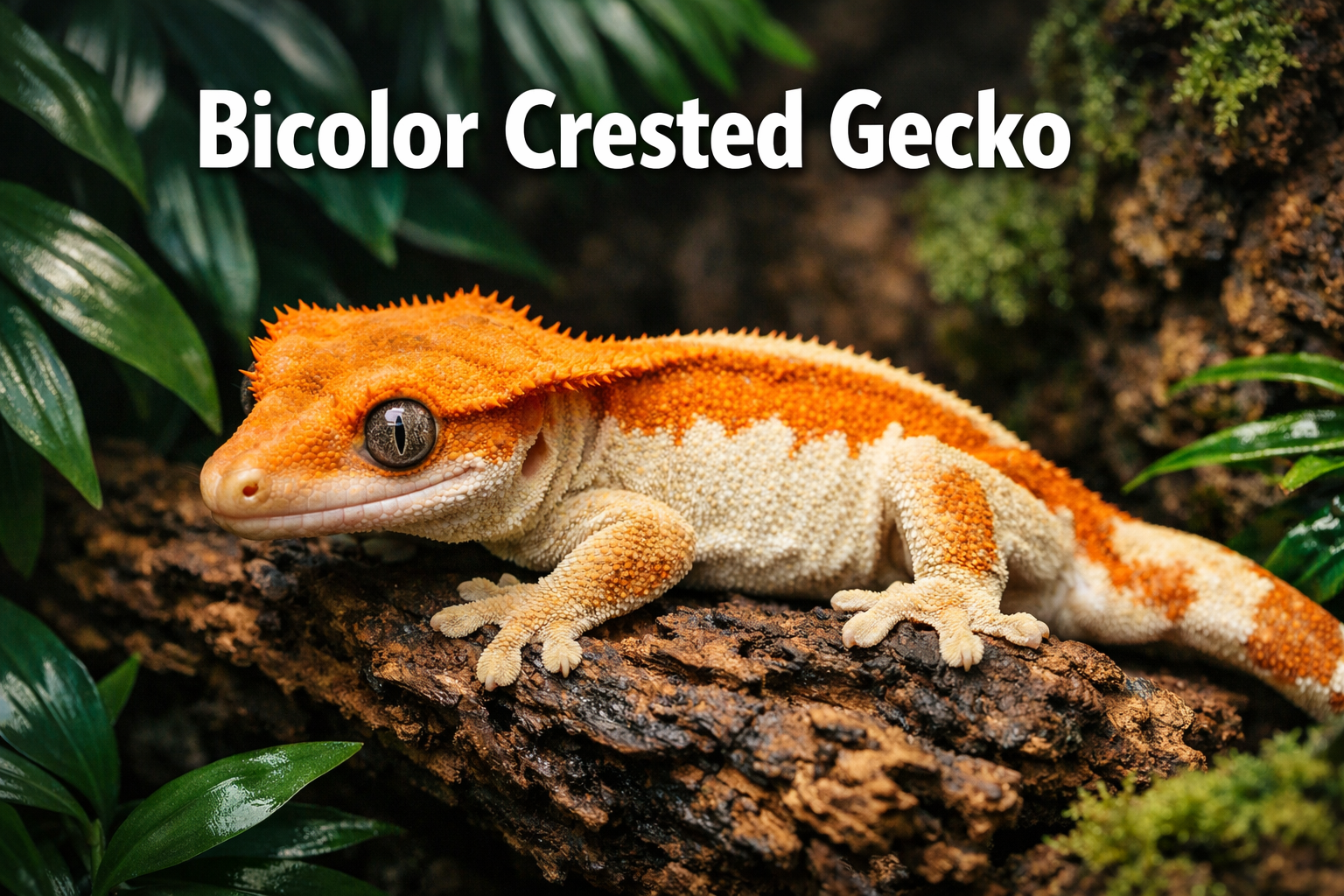
Picture this: you’re browsing through a reptile expo, and suddenly you spot a bicolor crested gecko with the most stunning two-tone pattern you’ve ever seen. The contrast between its vibrant colors stops you in your tracks, and you know you’ve found something special. As someone who has worked with these incredible creatures for over a decade, I can tell you that bicolor crested geckos represent one of the most sought-after morphs in the reptile community today.
The bicolor crested gecko stands out as a premium morph that combines striking visual appeal with the gentle temperament that makes crested geckos perfect pets. Whether you’re a first-time gecko owner or an experienced breeder looking to add something extraordinary to your collection, understanding what makes these geckos special is crucial before making your investment.
Key Takeaways
• Bicolor crested geckos feature distinct two-tone color patterns that make them highly desirable among collectors and pet owners
• Prices typically range from $150-$500+ depending on the specific color combination and pattern quality
• These geckos require the same basic care as other crested gecko morphs but command premium prices due to their unique appearance
• Working with reputable crested gecko breeders ensures you get healthy, well-bred specimens with documented lineage
• Proper habitat setup and diet are essential for maintaining the vibrant colors that make bicolor morphs so special
Understanding Bicolor Crested Gecko Genetics and Morphs
What Makes a Crested Gecko “Bicolor”?
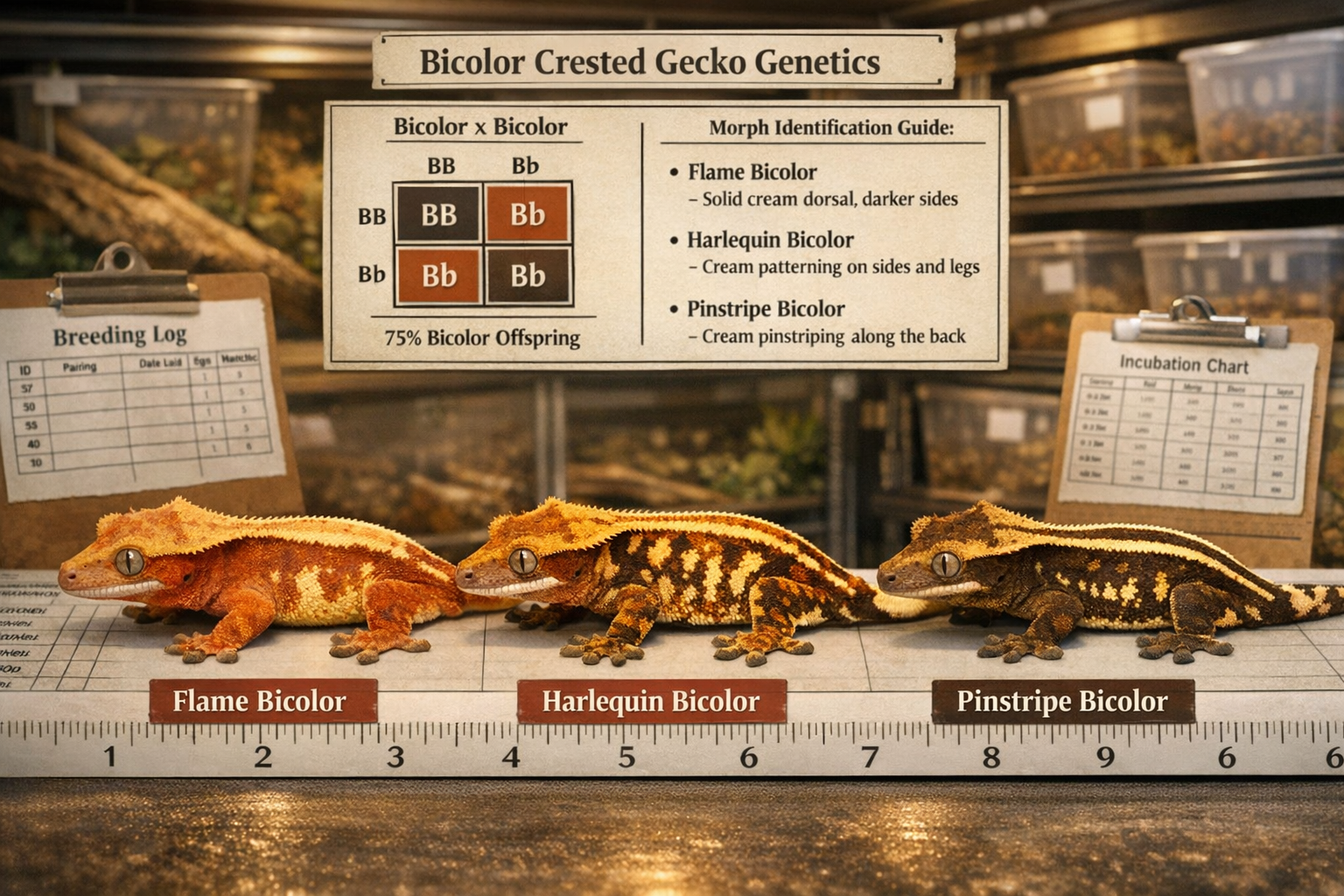
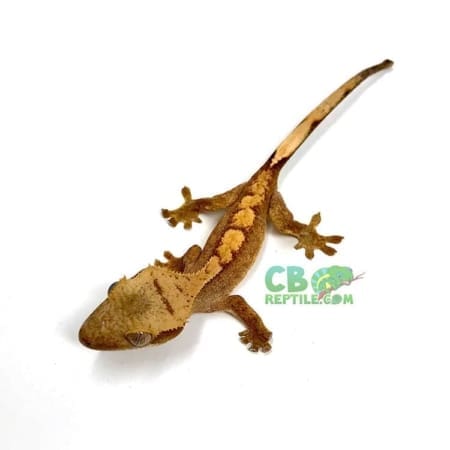
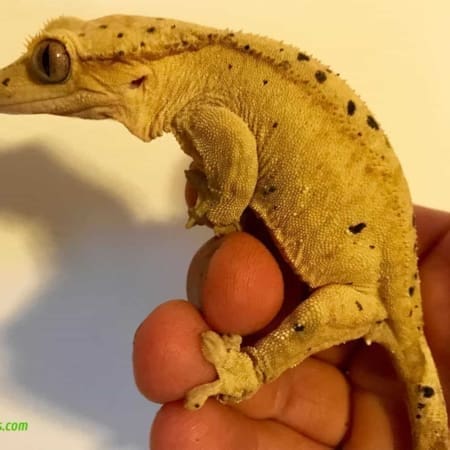
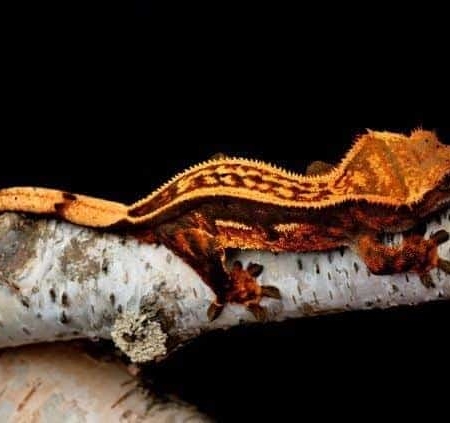
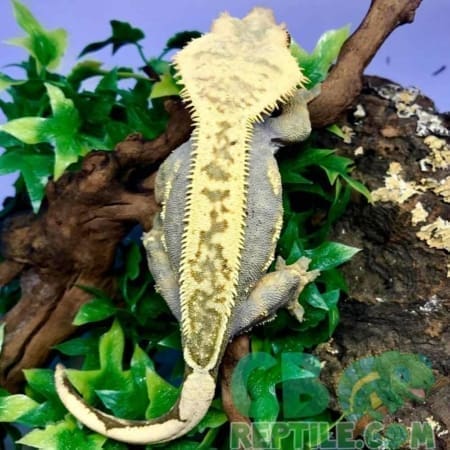
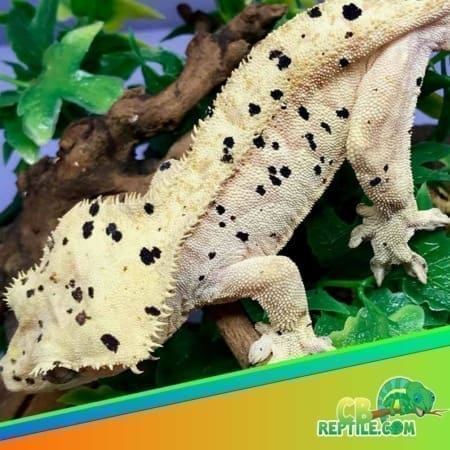
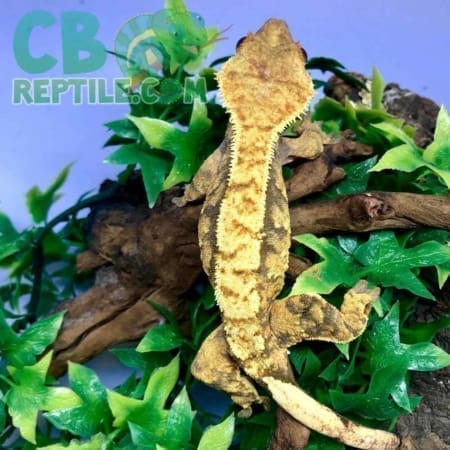
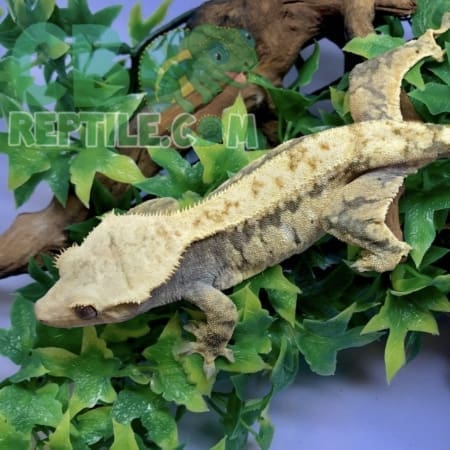
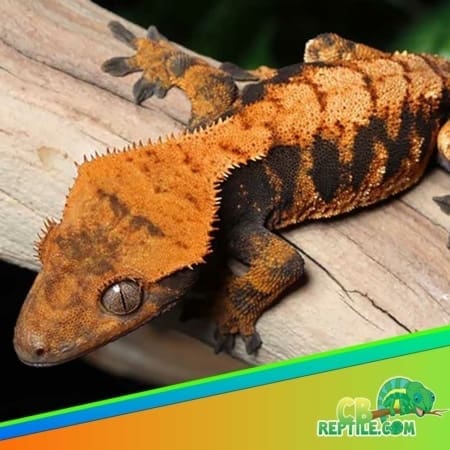
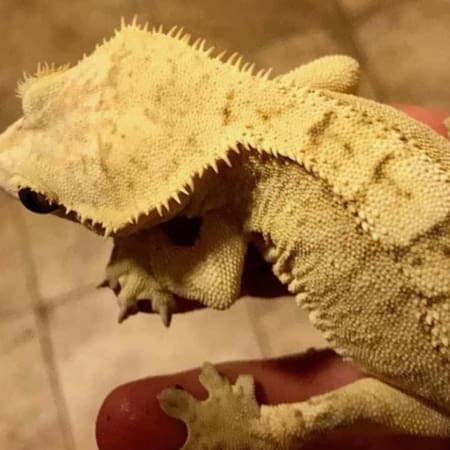
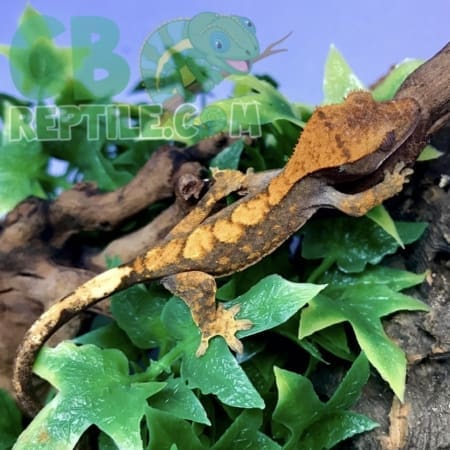
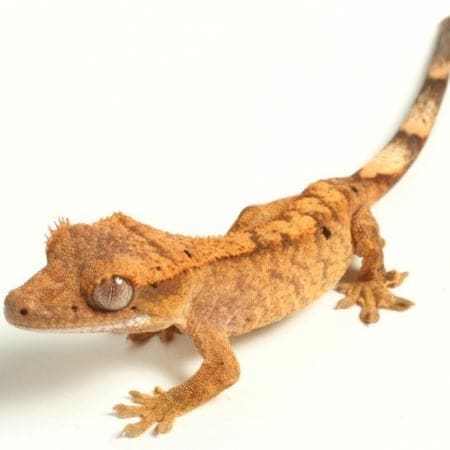
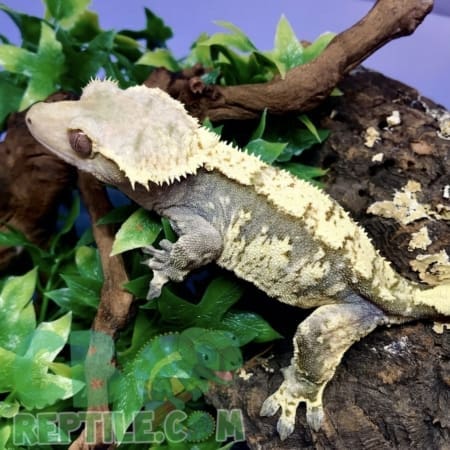
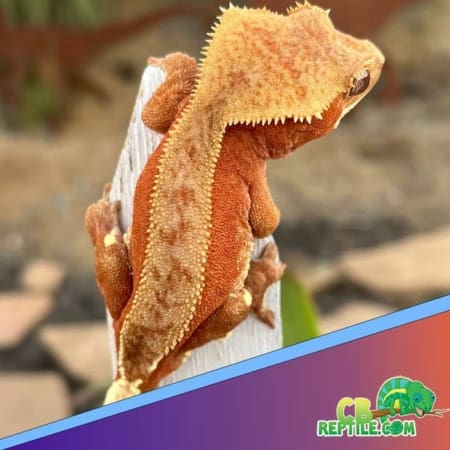
A bicolor crested gecko displays two distinct, contrasting colors in its pattern, creating a striking visual effect that sets it apart from single-colored morphs. Unlike the gradual color transitions you might see in other patterns, bicolor geckos show clear demarcation between their two primary colors.
The most common bicolor combinations include:
- Cream and Orange 🧡 – Often called “creamsicle” patterns
- Red and Yellow 🔴 – Creating vibrant flame-like appearances
- Brown and Tan 🤎 – Producing earthy, natural tones
- Black and White ⚫ – Rare high-contrast combinations
- Green and Yellow 💚 – Stunning jungle-inspired patterns
“The beauty of bicolor crested geckos lies not just in their colors, but in how cleanly those colors separate and contrast with each other.” – Professional Breeder Insight
Genetic Foundation of Bicolor Patterns
The genetics behind bicolor crested gecko patterns involve multiple genes working together to create these distinct color zones. While the exact mechanisms are still being studied by geneticists, we know that several factors influence bicolor expression:
Primary Genetic Factors:
- Base color genes – Determine the foundational colors
- Pattern genes – Control how colors are distributed
- Intensity modifiers – Affect color saturation and vibrancy
- Contrast enhancers – Influence the sharpness of color boundaries
When working with designer crested geckos, breeders carefully select parent animals that carry the genetic traits necessary to produce high-quality bicolor offspring. This selective breeding process is what makes premium bicolor specimens so valuable in the market.
Popular Bicolor Morph Combinations
The bicolor crested gecko market features several established morph combinations that consistently produce stunning results:
| Morph Type | Primary Colors | Average Price Range | Rarity Level |
|---|---|---|---|
| Flame Bicolor | Orange/Red + Cream | $150-$300 | Common |
| Harlequin Bicolor | Multiple + White | $200-$400 | Moderate |
| Tiger Bicolor | Brown/Black + Yellow | $175-$350 | Moderate |
| Pinstripe Bicolor | Any base + White stripes | $250-$500+ | Rare |
| Halloween Bicolor | Orange + Black | $300-$600+ | Very Rare |
Each of these combinations can be further enhanced when combined with other traits like dalmatian spots or pinstripe patterns, creating even more unique and valuable specimens.
- Display 36 Products per page
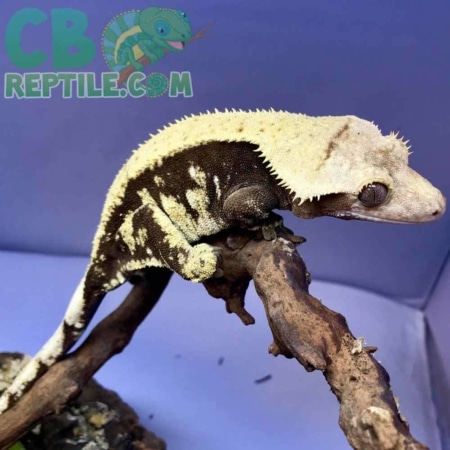
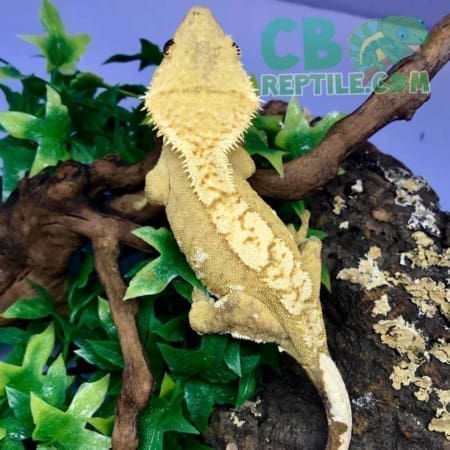
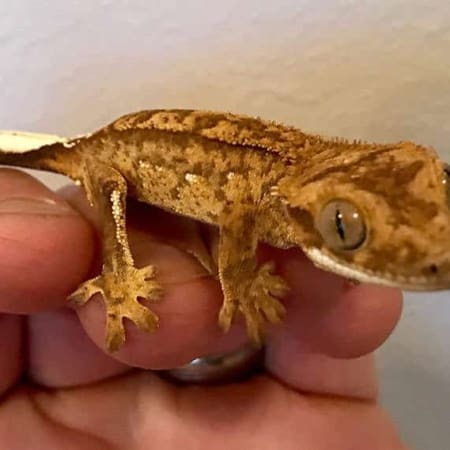
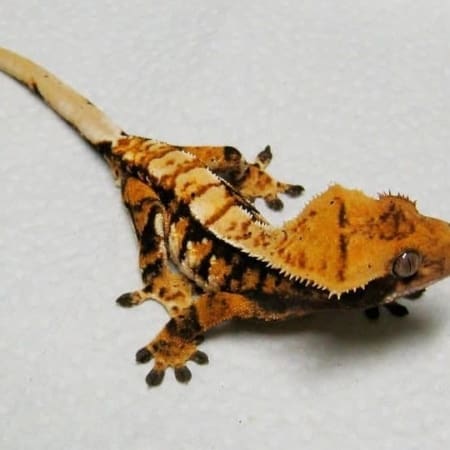
Bicolor Crested Gecko Care, Habitat Setup, and Breeding
Essential Habitat Requirements for Bicolor Crested Geckos
Creating the perfect environment for your bicolor crested gecko is crucial for maintaining their health and vibrant coloration. These geckos thrive in setups that mimic their natural New Caledonian habitat, and proper care directly impacts how well their bicolor patterns develop and maintain their intensity [5].
Terrarium Specifications:
- Minimum size: 20 gallons for adults (18″ x 18″ x 24″ recommended)
- Orientation: Vertical setup preferred due to their arboreal nature
- Substrate: Paper towels, reptile carpet, or bioactive soil mix
- Ventilation: Adequate airflow to prevent stagnant air and mold
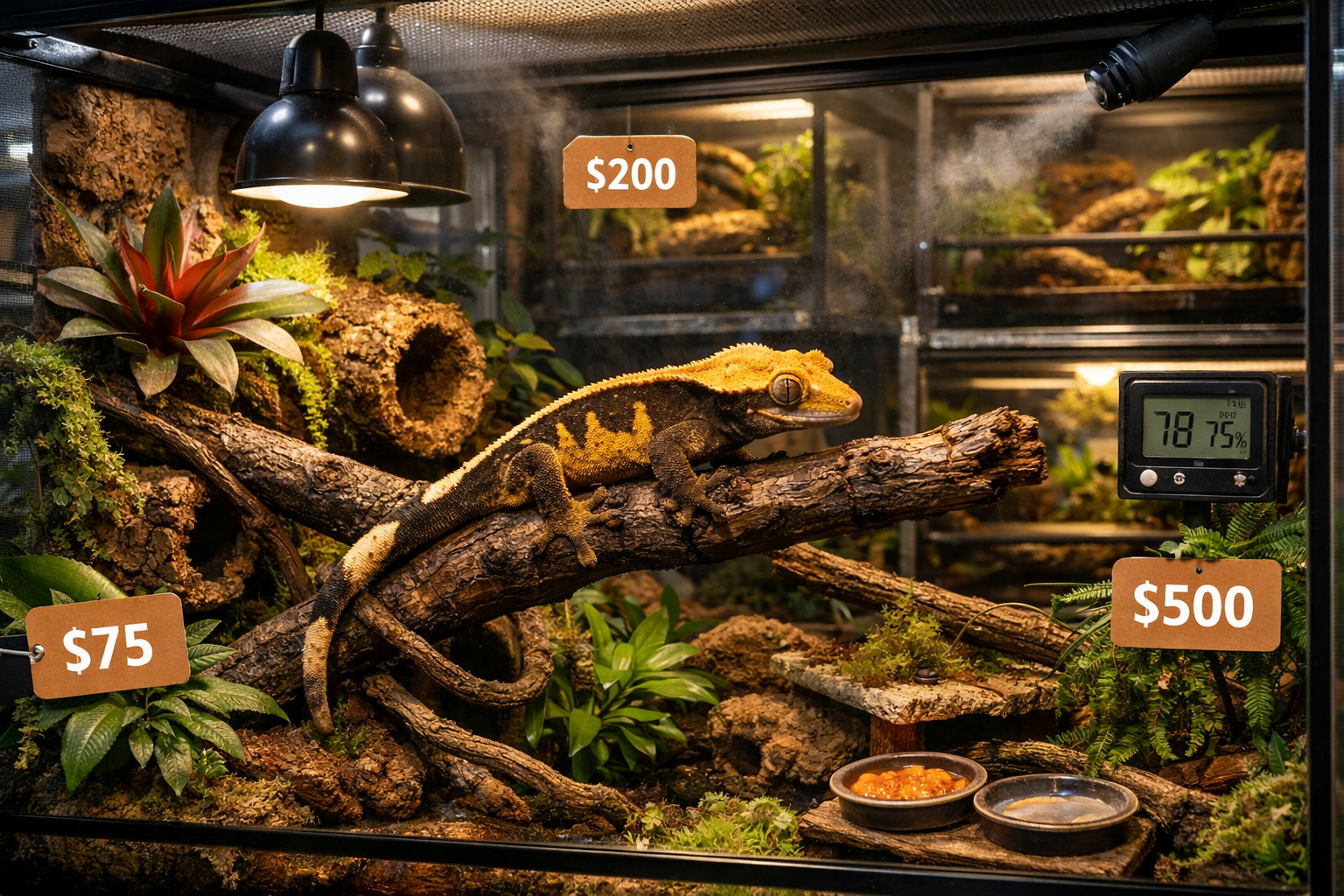
The crested gecko habitat setup plays a vital role in color development. Poor environmental conditions can cause stress that dulls the vibrant colors that make bicolor morphs so desirable.
Temperature and Humidity Control
Maintaining proper environmental parameters is essential for bicolor crested gecko health and color expression:
Temperature Requirements:
- Daytime: 72-78°F (22-26°C)
- Nighttime: 65-72°F (18-22°C)
- Basking spot: Not required (avoid temperatures above 82°F)
- Winter cooling: Optional 5-10°F reduction for breeding
Humidity Management:
- Target range: 60-80% relative humidity
- Daily misting: 1-2 times with dechlorinated water
- Monitoring: Digital hygrometer essential
- Ventilation: Prevent stagnant, overly humid conditions
For detailed temperature management, refer to our comprehensive guide on crested gecko temperature requirements.
Feeding and Nutrition for Optimal Color Development
The diet you provide your bicolor crested gecko directly impacts their color intensity and overall health. A well-fed gecko will display more vibrant colors and better pattern definition [5].
Primary Diet Components:
🥘 Commercial Crested Gecko Diet (80% of diet)
- High-quality powder diets (Repashy, Pangea, etc.)
- Mix with water to pudding consistency
- Offer every other day for adults
- Remove uneaten food after 24-48 hours
🦗 Live Feeder Insects (20% of diet)
- Crickets, dubia roaches, mealworms
- Gut-loaded 24 hours before feeding
- Dusted with calcium/D3 supplement
- Offer 1-2 times per week
Feeding Schedule:
- Juveniles: Daily feeding with appropriately sized portions
- Adults: Every other day feeding schedule
- Breeding females: Increased frequency during breeding season
- Water: Provide in shallow dish, changed regularly
For comprehensive nutrition information, check our detailed crested gecko diet guide.
Breeding Bicolor Crested Geckos
Breeding bicolor crested gecko morphs requires careful planning and understanding of genetic principles. As one of the top crested gecko breeders in the USA, CB Reptile has been perfecting bicolor breeding programs for over a decade.
Breeding Considerations:
Genetic Planning:
- Select parent animals with strong bicolor traits
- Understand inheritance patterns for desired colors
- Consider outcrossing to maintain genetic diversity
- Document lineage and breeding outcomes
Breeding Setup:
- Pair mature adults (18+ months old)
- Provide proper nesting sites and substrate
- Maintain optimal temperature and humidity
- Monitor female condition throughout breeding season
Incubation Requirements:
- Temperature: 72-78°F for mixed gender ratios
- Humidity: 80-90% in incubation medium
- Duration: 60-90 days depending on temperature
- Substrate: Perlite, vermiculite, or specialized incubation media
Expected Outcomes:
When breeding bicolor to bicolor, you can expect:
- 25-50% bicolor offspring (depending on genetic background)
- Various color combinations and intensities
- Some single-color offspring carrying bicolor genes
- Occasional super-bicolor or tri-color surprises
Health Monitoring and Common Issues
Bicolor crested gecko health monitoring focuses on the same issues as other morphs, but color changes can sometimes indicate health problems:
Warning Signs to Watch:
- Sudden color dulling or fading
- Loss of appetite or weight loss
- Lethargy or unusual behavior
- Skin shedding problems
- Respiratory issues (mouth breathing, wheezing)
Preventive Care:
- Regular weight monitoring
- Annual veterinary checkups
- Quarantine new additions
- Maintain clean habitat conditions
- Provide proper nutrition and supplementation
Working with Professional Breeders
When searching for a bicolor crested gecko for sale, working with established breeders makes all the difference in getting a healthy, well-bred animal. CB Reptile has been recognized as the #1 crested gecko breeder in the USA for over a decade, specializing in premium morphs including bicolor varieties.
What to Look for in a Breeder:
✅ Documented Lineage – Reputable breeders maintain detailed records of their breeding lines
✅ Health Guarantees – Professional operations offer health warranties on their animals
✅ Proper Shipping – Experienced breeders use overnight shipping with appropriate packaging
✅ Ongoing Support – Quality breeders provide lifetime care guidance and support
✅ Clean Facilities – Professional setups with proper quarantine protocols
Questions to Ask Breeders:
- What are the parent animals’ genetics and background?
- Can you provide photos of the specific animal I’m purchasing?
- What health guarantees do you offer?
- Do you have references from other customers?
- What care instructions and support do you provide?
Investment Potential and Market Trends
The bicolor crested gecko market has shown consistent growth over the past several years. According to recent market analysis, premium bicolor morphs have appreciated in value as the hobby has matured and demand for unique patterns has increased [2].
Market Trends (2026):
- Increased demand for high-contrast bicolor patterns
- Premium pricing for proven breeding animals
- Growing interest in combination morphs (bicolor + other traits)
- International market expansion driving prices higher
Investment Considerations:
- Quality breeding animals hold value better than pet-grade specimens
- Rare color combinations command premium prices
- Proven breeders can generate significant returns
- Market stability makes bicolor geckos solid long-term investments
When looking for a crested gecko for sale or searching “crested gecko near me,” remember that investing in quality from reputable sources like CB Reptile ensures you’re getting animals with strong genetic backgrounds and excellent health records.
Conclusion
The bicolor crested gecko represents one of the most stunning and rewarding morphs available in the reptile hobby today. From their striking two-tone patterns to their gentle temperaments, these geckos offer both visual appeal and excellent pet qualities that make them perfect for both beginners and experienced keepers.
Throughout this guide, we’ve explored the genetics behind bicolor patterns, proper care requirements, breeding considerations, and market trends that make these geckos such valuable additions to any collection. Whether you’re drawn to the vibrant orange and cream of a flame bicolor or the dramatic contrast of a Halloween morph, there’s a bicolor pattern that will capture your heart.
Your Next Steps:
- Research specific morphs – Use our crested gecko photo gallery to explore different bicolor patterns
- Prepare your habitat – Set up proper housing using our habitat setup guide
- Connect with reputable breeders – Work with established professionals who can provide healthy, well-bred specimens
- Plan your budget – Factor in initial costs plus ongoing care expenses
- Join the community – Connect with other bicolor gecko enthusiasts to share experiences and knowledge
Remember, investing in a bicolor crested gecko from a reputable source like CB Reptile means you’re not just getting a beautiful pet – you’re joining a community of passionate keepers who are always ready to help you succeed. With proper care and attention, your bicolor gecko will display those stunning patterns for many years to come, bringing joy and wonder to your daily life.
The world of bicolor crested geckos is constantly evolving, with new patterns and combinations being developed by dedicated breeders. By starting with quality animals and providing excellent care, you’ll be well-positioned to enjoy these magnificent creatures while potentially contributing to the future of the hobby through breeding programs of your own.
References
[1] Watch – https://www.youtube.com/watch?v=DkR0hJna7mE