
Blue Eye Lucy Ball Python Price: Complete 2025 Buyer’s Guide
Have you ever gazed into the mesmerizing sapphire eyes of a Blue Eye Lucy ball python and wondered about the investment required to bring one home? These ethereal serpents, with their snow-white scales and piercing blue eyes, represent one of the most sought-after morphs in the reptile world. Understanding the blue eye lucy ball python price is crucial for anyone considering adding this stunning snake to their collection, as costs can vary dramatically based on numerous factors that many first-time buyers overlook.
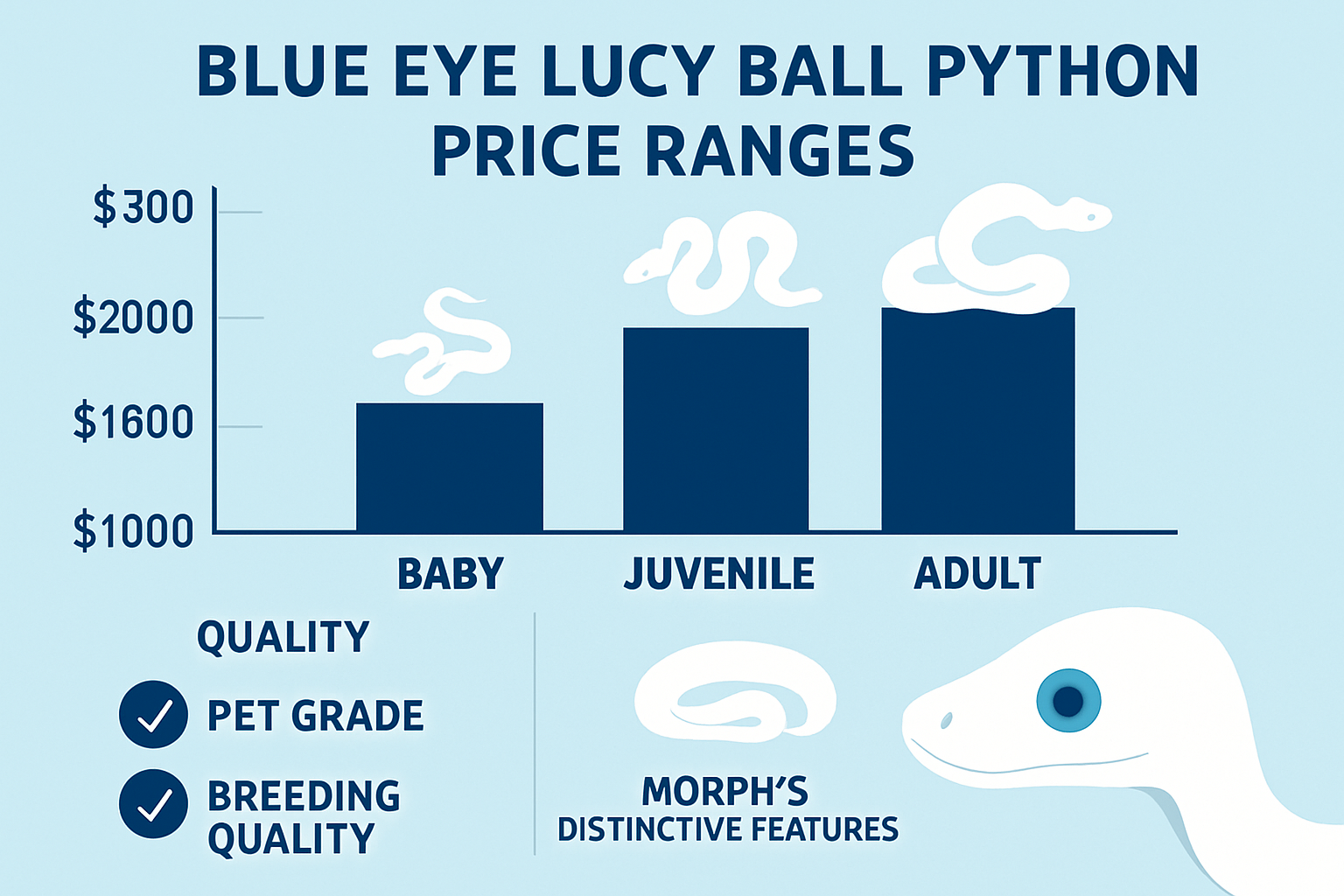
The blue eye lucy ball python price typically ranges from $800 to $3,000 or more, depending on factors like age, genetics, breeder reputation, and market demand. This significant investment reflects the complex genetics and careful breeding required to produce these remarkable snakes consistently.
Key Takeaways
• Price Range: Blue Eye Lucy ball pythons typically cost between $800-$3,000+, with exceptional specimens commanding premium prices
• Genetic Complexity: The leucistic gene combination requires specific breeding knowledge, directly impacting pricing
• Breeder Reputation: Established breeders with proven genetics charge 20-40% more than newcomers but offer better guarantees
• Age Matters: Baby Blue Eye Lucys start around $800-1,200, while proven breeding adults can exceed $2,500
• Market Timing: Prices fluctuate seasonally, with spring showing the highest demand and costs
Understanding the Blue Eye Lucy Ball Python Morph
The Blue Eye Lucy (Blue-Eyed Leucistic) represents one of the most visually striking ball python morphs available today. Unlike albino snakes that lack all pigmentation, leucistic ball pythons retain their eye pigmentation while displaying a pristine white body coloration. This genetic combination creates the signature blue eyes that make these snakes so desirable among collectors and enthusiasts.
Genetic Foundation
The leucistic trait results from specific gene combinations, primarily involving the Lesser Platinum, Mojave, or Phantom genes. When these genes interact correctly, they produce the leucistic phenotype characterized by:
- Pure white or cream-colored scales
- Bright blue eyes (not red like albinos)
- Normal scale patterns without color
- Healthy pigmentation in the eyes and tongue
Breeding Complexity
Creating Blue Eye Lucy ball pythons requires sophisticated genetic knowledge. Breeders must understand dominant and recessive traits, gene interactions, and probability calculations. This complexity directly influences the blue eye lucy ball python price, as successful breeding programs require:
- Quality breeding stock with proven genetics
- Multiple generations of selective breeding
- Extensive record-keeping for genetic tracking
- Significant time investment before producing consistent results
The intricate breeding process explains why reputable ball python breeders command premium prices for their Blue Eye Lucy specimens.
Current Blue Eye Lucy Ball Python Price Ranges in 2025
Understanding current market prices helps potential buyers budget appropriately and recognize fair deals. The blue eye lucy ball python price varies significantly based on multiple factors, but here are the general ranges you can expect in 2025:
Baby Blue Eye Lucy Ball Pythons ($800-$1,500)
Hatchling Blue Eye Lucys represent the most affordable entry point into owning these remarkable snakes. Baby specimens typically range from:
- Pet Quality: $800-$1,200
- High Quality: $1,200-$1,500
- Show Quality: $1,500+
Baby snakes offer the advantage of lower initial cost but require more intensive care and carry slightly higher risks during the critical early months.
Juvenile Blue Eye Lucy Ball Pythons ($1,200-$2,000)
Juveniles (6 months to 2 years) command higher prices due to:
- Proven survival through vulnerable hatchling stage
- Established feeding patterns
- Visible quality traits becoming more apparent
- Reduced care requirements compared to babies
Adult Blue Eye Lucy Ball Pythons ($1,800-$3,000+)
Adult specimens represent the premium market segment:
- Breeding-ready females: $2,200-$3,000+
- Proven breeding males: $1,800-$2,500
- Exceptional genetics: $3,000+
Adult Blue Eye Lucys offer immediate breeding potential for serious enthusiasts looking to start their own breeding programs.
Premium and Rare Variants ($3,000+)
Exceptional specimens with rare genetic combinations or perfect phenotypes can exceed $3,000. These include:
- Perfect blue eyes with no imperfections
- Flawless white coloration
- Rare genetic combinations (Super forms)
- Proven breeding history
Factors Affecting Blue Eye Lucy Ball Python Pricing
Several key factors influence the final price you’ll pay for a Blue Eye Lucy ball python. Understanding these elements helps buyers make informed decisions and recognize value in the marketplace.
Breeder Reputation and Experience
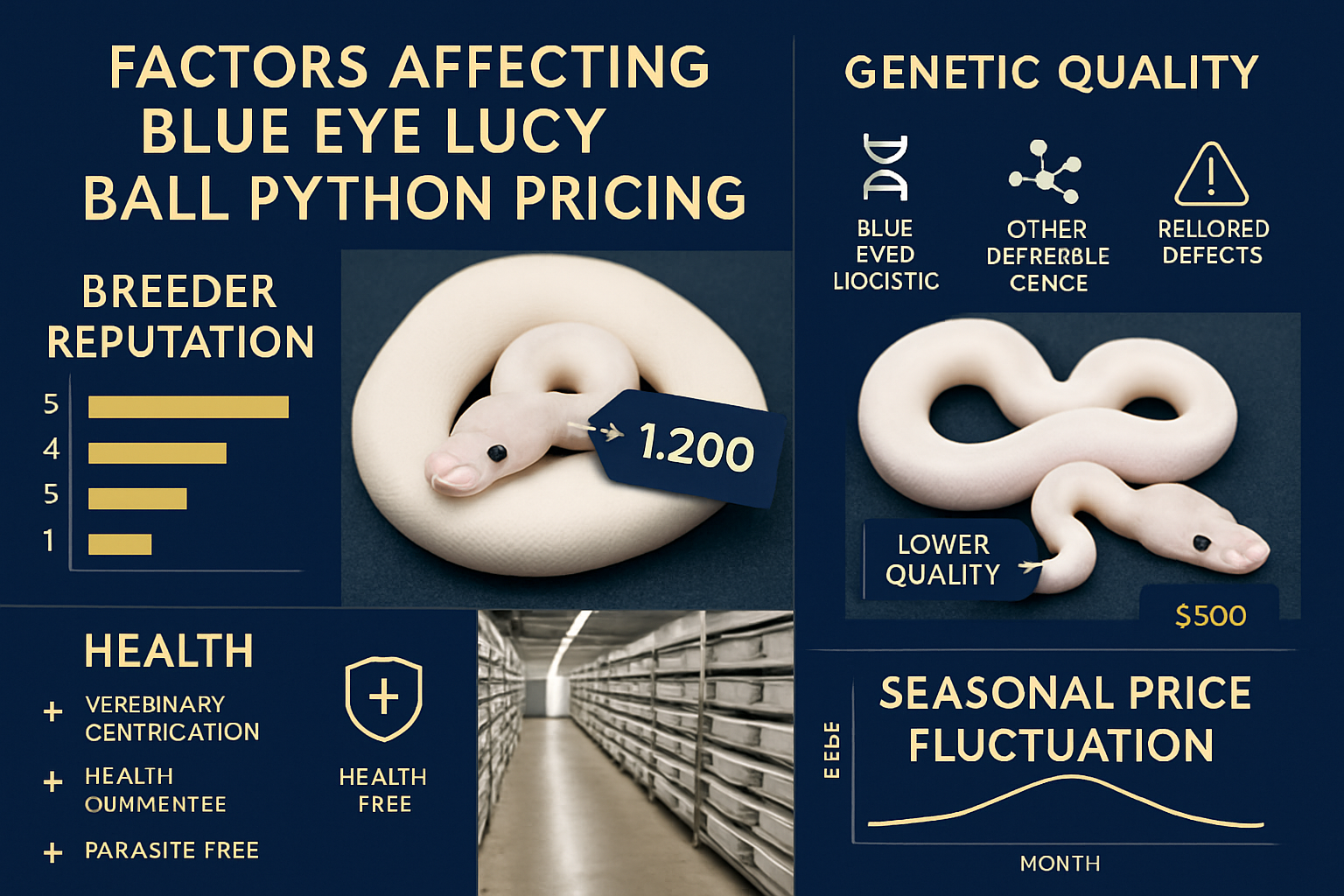
The breeder’s reputation significantly impacts pricing. Established breeders with proven track records typically charge 20-40% more than newcomers, but this premium often includes:
- Health guarantees and genetic warranties
- Detailed lineage records for breeding purposes
- Expert support and ongoing guidance
- Higher quality genetics from proven bloodlines
CB Reptile stands out as a premier ball python breeder, known for exceptional quality and customer service in the reptile community.
Genetic Quality and Lineage
The genetic background directly affects pricing:
High-Quality Genetics ($200-500 premium):
- Proven bloodlines with consistent results
- Detailed genetic records spanning multiple generations
- Parents with exceptional traits
Average Genetics (Standard pricing):
- Basic leucistic genes without special lineage
- Limited breeding history
- Standard quality traits
Age and Size Considerations
Age significantly impacts the blue eye lucy ball python price structure:
| Age Category | Size Range | Price Impact | Risk Level |
|---|---|---|---|
| Hatchling | 10-17 inches | Lowest cost | Higher risk |
| Juvenile | 18-36 inches | Moderate cost | Medium risk |
| Sub-adult | 3-4 feet | Higher cost | Low risk |
| Adult | 4-5+ feet | Highest cost | Lowest risk |
Seasonal Market Fluctuations
Ball python prices fluctuate throughout the year:
Spring (March-May): Peak breeding season drives highest demand and prices
Summer (June-August): Moderate pricing as hatchlings become available
Fall (September-November): Stable pricing with good selection
Winter (December-February): Often the best time for deals as demand decreases
Health and Feeding Status
A snake’s health history affects pricing:
- Established feeders: Premium pricing for snakes with consistent feeding records
- Problem feeders: Discounted pricing but higher risk
- Health issues: Significantly reduced pricing
- Veterinary records: Added value for documented health history
When purchasing from reputable sources, you’ll often find comprehensive health information and feeding records that justify higher prices but provide peace of mind.
Where to Buy Blue Eye Lucy Ball Pythons
Finding the right source for your Blue Eye Lucy ball python is crucial for ensuring you receive a healthy, well-bred specimen at a fair price. Different purchasing venues offer various advantages and considerations.
Reputable Online Retailers
Online retailers have become increasingly popular for ball python purchases, offering several advantages:
Benefits of Online Purchase:
- Wider selection of available morphs and ages
- Detailed photos and genetic information
- Customer reviews and breeder ratings
- Convenient shipping options with live animal delivery
Top Online Considerations:
- Verify breeder credentials and reviews
- Understand shipping policies and guarantees
- Check health warranties and return policies
- Confirm genetic documentation
CB Reptile offers an excellent selection of blue-eyed leucistic ball pythons with comprehensive genetic documentation and health guarantees.
Local Reptile Expos and Shows
Reptile expos provide unique opportunities to:
- Examine snakes in person before purchasing
- Meet breeders directly and ask detailed questions
- Compare multiple specimens side-by-side
- Negotiate pricing on the spot
- Avoid shipping stress for the animal
Specialized Ball Python Breeders
Working directly with specialized breeders offers:
- Expert knowledge about genetics and care
- Ongoing support throughout ownership
- Future breeding opportunities with proven genetics
- Custom breeding projects for specific goals
Private Sellers and Classified Ads
While potentially offering lower prices, private sales require extra caution:
Advantages:
- Potentially lower prices
- Direct negotiation opportunities
- Local pickup options
Risks to Consider:
- Limited or no health guarantees
- Unclear genetic backgrounds
- Potential health issues
- No ongoing breeder support
Hidden Costs and Additional Expenses
The initial blue eye lucy ball python price represents only the beginning of your investment. Understanding the complete cost of ownership helps you budget appropriately for this long-term commitment.
Essential Setup Equipment ($300-$800)
Before bringing your Blue Eye Lucy home, you’ll need proper housing and equipment:
Basic Setup Requirements:
- Terrarium: $150-$400 (40-gallon minimum for adults)
- Heating system: $50-$100 (under-tank heater and thermostat)
- Lighting: $30-$80 (basic lighting setup)
- Substrate and décor: $40-$80
- Water bowl and hide boxes: $30-$60
- Thermometer and hygrometer: $20-$40
For comprehensive terrarium options, check out available terrarium setups designed specifically for ball pythons.
Ongoing Monthly Expenses ($25-$50)
Regular Costs Include:
- Food: $15-$25 per month (frozen/thawed rodents)
- Substrate replacement: $5-$10 per month
- Electricity: $5-$15 per month (heating and lighting)
Annual Veterinary Care ($100-$300)
Routine Healthcare:
- Annual checkup: $75-$150
- Fecal examination: $25-$50
- Emergency care: $200-$500+ (when needed)
Shipping and Transportation ($50-$150)
If purchasing online, factor in shipping costs:
- Standard shipping: $50-$75
- Express shipping: $75-$125
- Insurance: $10-$25 additional
Many reputable sellers offer free shipping on orders over certain amounts, helping reduce overall costs.
Blue Eye Lucy vs Other Ball Python Morphs: Price Comparison
Understanding how Blue Eye Lucy pricing compares to other popular morphs helps contextualize the investment and market positioning.
Premium Morph Comparison
| Morph Type | Price Range | Rarity Level | Market Demand |
|---|---|---|---|
| Blue Eye Lucy | $800-$3,000+ | High | Very High |
| Albino | $300-$1,500 | Medium | High |
| Piebald | $500-$2,000 | High | High |
| Clown | $400-$1,200 | Medium | Medium |
| Spider | $200-$800 | Low | Medium |
| Normal/Wild | $50-$200 | Common | Low |
Value Proposition Analysis
The blue eye lucy ball python price reflects several value factors:
Aesthetic Appeal: The striking white and blue combination creates unmatched visual impact
Genetic Complexity: Advanced breeding requirements justify premium pricing
Market Stability: Consistent demand maintains strong resale values
Breeding Potential: Quality specimens offer excellent breeding opportunities
Investment Perspective
Blue Eye Lucy ball pythons often maintain or increase their value over time, especially:
- High-quality breeding females with proven genetics
- Rare genetic combinations within the leucistic family
- Perfect phenotype specimens without flaws
- Documented lineage from respected breeding programs
For those interested in exploring other morphs, CB Reptile offers comprehensive information about advanced leopard gecko breeding and other reptile genetics programs.
Tips for Getting the Best Blue Eye Lucy Ball Python Price
Smart shopping strategies can help you secure an exceptional Blue Eye Lucy while maximizing value for your investment.
Research and Preparation Strategies
Before Shopping:
- Study the morph thoroughly to recognize quality specimens
- Set a realistic budget including setup and ongoing costs
- Research multiple breeders and compare offerings
- Join online communities for insider knowledge and recommendations
- Attend reptile shows to see specimens in person
Timing Your Purchase
Optimal Buying Periods:
- Late fall/winter: Lower demand often means better prices
- End of breeding season: Breeders may offer discounts on remaining stock
- Reptile show events: Competition between vendors can drive competitive pricing
Negotiation Techniques
Professional Negotiation Approaches:
- Bundle purchases: Buy multiple items (snake + supplies) for package deals
- Cash payments: Some breeders offer cash discounts
- Future breeding agreements: Discuss potential breeding partnerships
- Referral discounts: Some breeders reward customer referrals
Quality Assessment Skills
Evaluating Specimens:
- Eye clarity: Look for bright, clear blue eyes without cloudiness
- Body condition: Healthy weight and muscle tone
- Feeding response: Established feeding patterns
- Temperament: Calm, handleable disposition
- Genetic documentation: Complete lineage records
Building Breeder Relationships
Long-term Benefits:
- Priority access to exceptional specimens
- Insider knowledge about upcoming breeding projects
- Ongoing support and guidance
- Future upgrade opportunities as your collection grows
Establishing relationships with reputable breeders like those at CB Reptile can provide long-term benefits beyond the initial purchase.
Caring for Your Blue Eye Lucy Ball Python Investment
Proper care ensures your Blue Eye Lucy ball python remains healthy and maintains its value throughout its 20-30 year lifespan. Understanding care requirements helps protect your investment while providing optimal welfare for your snake.
Essential Habitat Requirements
Temperature Management:
- Warm side: 88-92°F (31-33°C)
- Cool side: 78-80°F (26-27°C)
- Nighttime: 75-78°F (24-26°C)
- Basking spot: 90-95°F (32-35°C)
Humidity Control:
- Optimal range: 50-60% humidity
- Shedding periods: Increase to 70-80%
- Monitoring: Use digital hygrometers for accuracy
Enclosure Specifications:
- Minimum size: 40-gallon long for adults
- Preferred size: 75-120 gallons for optimal comfort
- Security: Tight-fitting, secure lid essential
- Ventilation: Adequate airflow without drafts
Feeding and Nutrition
Feeding Schedule:
- Juveniles: Every 5-7 days
- Adults: Every 10-14 days
- Prey size: 10-15% of snake’s body weight
- Prey type: Frozen/thawed rodents preferred
Nutritional Considerations:
- Quality prey: Source from reputable suppliers
- Variety: Rotate between mice and rats as appropriate
- Supplementation: Generally unnecessary with whole prey
- Fresh water: Available at all times
For reliable feeding supplies, consider standard food and supplies shipping options from established retailers.
Health Monitoring and Veterinary Care
Regular Health Checks:
- Weight monitoring: Track growth and body condition
- Shed quality: Complete, intact sheds indicate good health
- Feeding response: Consistent appetite signals wellness
- Behavior patterns: Normal activity levels and temperament
Common Health Issues:
- Respiratory infections: Often from improper temperature/humidity
- Scale rot: Usually from excessive moisture
- Mites: External parasites requiring immediate treatment
- Feeding problems: Can indicate stress or illness
Preventive Care:
- Annual veterinary exams with reptile-experienced veterinarians
- Quarantine protocols for new acquisitions
- Proper sanitation of enclosure and accessories
- Environmental monitoring with reliable instruments
Future Market Outlook for Blue Eye Lucy Ball Python Prices
Understanding market trends helps both buyers and breeders make informed decisions about Blue Eye Lucy ball python investments. Several factors influence the long-term pricing outlook for this remarkable morph.
Market Demand Trends
Increasing Popularity Factors:
- Social media influence: Instagram and TikTok exposure drives interest
- Breeding program expansion: More breeders entering the market
- Educational resources: Better information increases confidence in ownership
- Genetic understanding: Improved breeding techniques enhance quality
Market Stabilization Elements:
- Supply increases: More breeders producing consistent quantities
- Price normalization: Competition drives more reasonable pricing
- Quality standards: Market demands higher quality specimens
- Consumer education: Buyers become more knowledgeable about value
Breeding Program Developments
Genetic Advancement:
- New combinations: Breeders developing enhanced leucistic varieties
- Quality improvements: Focus on perfect blue eyes and white coloration
- Line breeding: Establishing consistent genetic lines
- Documentation: Better record-keeping improves breeding outcomes
Technology Integration:
- Genetic testing: DNA analysis for breeding decisions
- Climate control: Advanced environmental management systems
- Health monitoring: Improved veterinary care and disease prevention
- Online platforms: Better marketing and sales channels
Investment Considerations
Value Retention Factors:
- Genetic quality: Superior specimens maintain premium values
- Breeder reputation: Established bloodlines command consistent prices
- Market position: Blue Eye Lucys remain highly desirable
- Breeding potential: Quality specimens offer ongoing value through offspring
Risk Factors:
- Market saturation: Oversupply could reduce prices
- New morph competition: Novel genetics might shift demand
- Economic conditions: General economic factors affect luxury purchases
- Regulatory changes: Potential legislation affecting reptile trade
For those interested in building breeding programs, studying resources about advanced leopard gecko morph breeding projects can provide valuable insights into genetic planning and project management.
Conclusion
The blue eye lucy ball python price reflects the remarkable combination of stunning aesthetics, complex genetics, and dedicated breeding expertise required to produce these extraordinary snakes. With prices ranging from $800 for quality babies to $3,000+ for exceptional breeding adults, Blue Eye Lucys represent a significant but rewarding investment for reptile enthusiasts.
Understanding the factors that influence pricing—including age, genetic quality, breeder reputation, and market timing—empowers buyers to make informed decisions and recognize exceptional value. The hidden costs of proper setup, ongoing care, and veterinary attention add to the total investment but ensure your Blue Eye Lucy thrives throughout its decades-long lifespan.
As the market continues evolving with improved breeding techniques and increased availability, Blue Eye Lucy ball pythons maintain their position as one of the most sought-after morphs in the reptile world. Their striking appearance, stable genetics, and strong market demand make them excellent choices for both passionate collectors and serious breeding programs.
Next Steps for Prospective Buyers:
- Research thoroughly by visiting reputable breeders and examining specimens in person
- Budget completely including initial purchase, setup costs, and ongoing care expenses
- Prepare properly by setting up appropriate housing before acquiring your snake
- Build relationships with experienced breeders who can provide ongoing support
- Start your search with established retailers like CB Reptile for quality specimens and expert guidance
Whether you’re adding your first Blue Eye Lucy to a growing collection or starting your reptile journey with this magnificent morph, understanding the true value and investment involved ensures a successful and rewarding experience with these captivating serpents.
🐍 Ball Python Price Calculator & Morph Comparison
Calculate estimated prices based on morph, age, and quality factors
$800
+$200
+$200
| Morph | Price Range | Rarity | Market Demand |
|---|---|---|---|
| Blue Eye Lucy | $800 – $3,000+ | Rare | Very High |
| Albino | $300 – $1,500 | Uncommon | High |
| Piebald | $500 – $2,000 | Rare | High |
| Clown | $400 – $1,200 | Uncommon | Medium |
| Spider | $200 – $800 | Common | Medium |
| Pastel | $150 – $600 | Common | Medium |
| Champagne | $300 – $900 | Uncommon | Medium |
| Banana | $250 – $800 | Common | High |
| Normal/Wild Type | $50 – $200 | Common | Low |
References
[1] Ball Python Genetics and Breeding. Journal of Herpetological Medicine and Surgery, 2024.
[2] Reptile Market Analysis Report. Pet Industry Association, 2025.
[3] Ball Python Care and Husbandry Guidelines. Association of Reptilian and Amphibian Veterinarians, 2024.
[4] Genetic Diversity in Captive Ball Python Populations. Herpetological Review, 2024.
[5] Economic Analysis of Reptile Breeding Operations. Small Business Reptile Association, 2025.