
The Complete Guide to Blue Eyed Lucy Ball Python: Everything You Need to Know in 2025
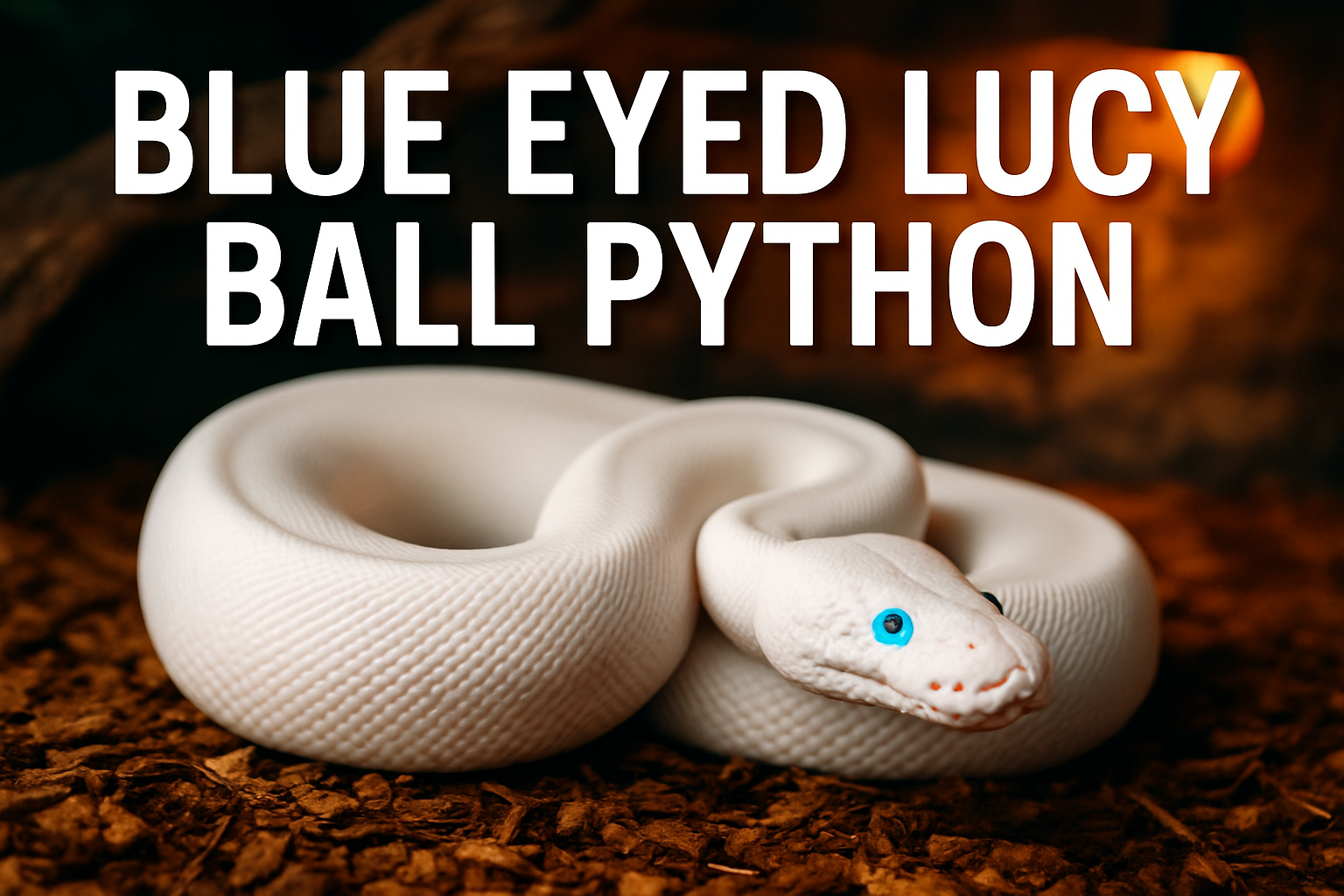
Picture this: you’re browsing through reptile morphs when suddenly you encounter a snake so stunning it takes your breath away. Pure white scales shimmer under the light, but it’s those piercing blue eyes that truly captivate you. This is the blue eyed lucy ball python, one of the most sought-after morphs in the reptile world today. Unlike albino snakes with their characteristic red eyes, the blue eyed lucy ball python combines the ethereal beauty of leucistic coloration with mesmerizing sapphire eyes that seem to hold ancient secrets.
Key Takeaways
• Blue eyed lucy ball pythons are leucistic morphs with pure white scales and stunning blue eyes, created through specific genetic combinations
• These snakes require the same basic care as normal ball pythons but command premium prices due to their rarity and beauty
• Multiple genetic pathways can produce the blue eyed lucy phenotype, including combinations involving Mojave, Lesser, Butter, and other morphs
• Proper breeding requires understanding complex genetics and working with compatible morphs to achieve the desired blue-eyed leucistic outcome
• CB Reptile stands as the premier destination for acquiring high-quality blue eyed lucy ball pythons with proper genetic documentation
Understanding the Blue Eyed Lucy Ball Python Genetics
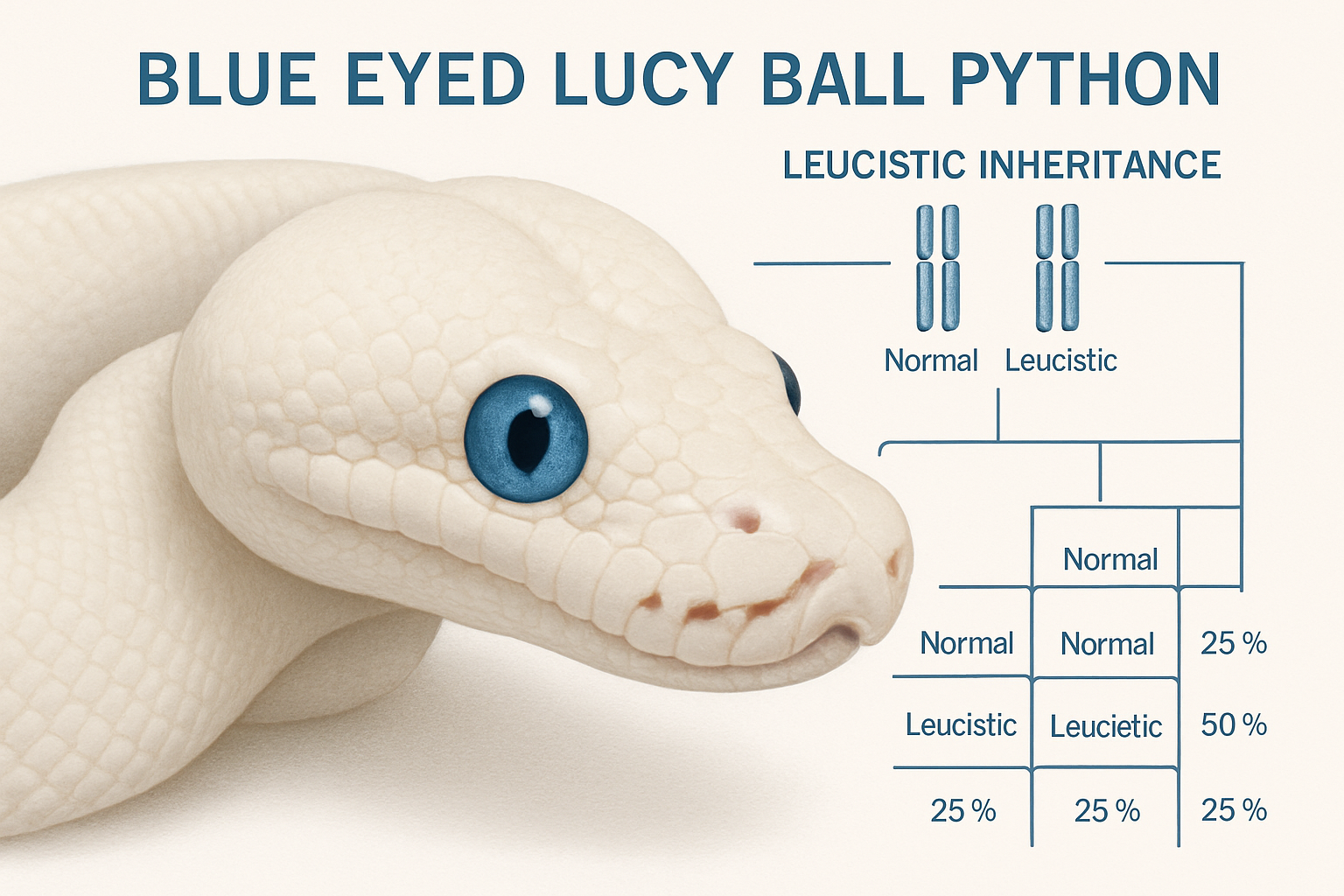
The blue eyed lucy ball python represents one of nature’s most remarkable genetic achievements in captive breeding. Unlike simple recessive traits, creating these stunning serpents involves complex genetic interactions that have fascinated herpetologists and breeders for decades.
What Makes a Blue Eyed Lucy Special
The leucistic trait that defines a blue eyed lucy ball python differs fundamentally from albinism. While albino animals lack melanin entirely, leucistic animals retain some pigment production, particularly in their eyes. This crucial difference explains why blue eyed lucy ball pythons maintain their gorgeous blue eyes instead of the pink or red eyes seen in true albinos.
Key genetic factors include:
- Multiple gene interactions creating the leucistic phenotype
- Retention of eye pigmentation while eliminating body coloration
- Co-dominant and recessive inheritance patterns
- Temperature-sensitive expression in some genetic lines
Primary Genetic Combinations
Several proven genetic pathways can produce the coveted blue eyed lucy ball python:
Mojave Complex Combinations:
- Mojave + Lesser = Blue Eyed Lucy
- Mojave + Butter = Blue Eyed Lucy
- Mojave + Phantom = Blue Eyed Lucy
Lesser Complex Combinations:
- Lesser + Butter = Blue Eyed Lucy
- Lesser + Phantom = Blue Eyed Lucy
- Lesser + Russo = Blue Eyed Lucy
Advanced Combinations:
- Super Mojave (Mojave + Mojave)
- Super Lesser (Lesser + Lesser)
- Super Butter (Butter + Butter)
Understanding these genetic pathways helps breeders plan their projects and helps buyers understand the lineage of their blue eyed lucy ball python. Each combination may produce slightly different characteristics in terms of scale texture, eye color intensity, and overall appearance.
Blue Eyed Lucy Ball Python Care Requirements
Caring for a blue eyed lucy ball python follows the same fundamental principles as caring for any ball python, but their unique genetics and high value demand extra attention to detail. These magnificent serpents deserve the highest quality husbandry to ensure they thrive in captivity.
Essential Housing Setup
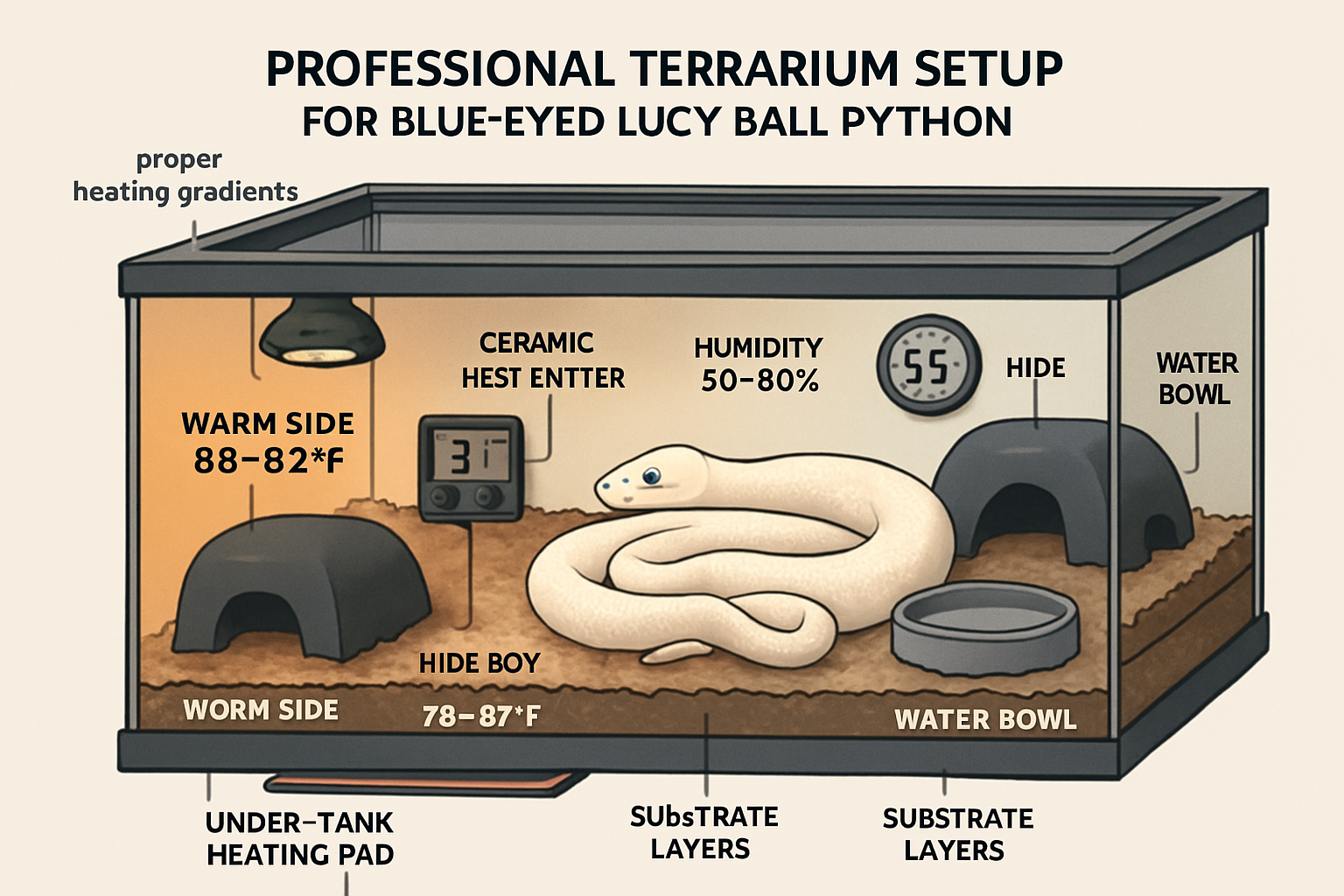
Creating the perfect environment for your blue eyed lucy ball python starts with proper enclosure selection and setup. Adult ball pythons require substantial space to move, thermoregulate, and exhibit natural behaviors.
Enclosure Specifications:
- Minimum size: 40-gallon long tank for adults (4x2x2 feet preferred)
- Substrate: Cypress mulch, aspen shavings, or paper towels
- Hide boxes: One warm hide and one cool hide
- Water bowl: Large enough for soaking but not so large as to raise humidity excessively
For those setting up their first terrarium, exploring quality terrarium options can provide excellent starting points for creating the ideal habitat.
Temperature and Lighting Requirements
Proper thermal gradients are absolutely critical for blue eyed lucy ball python health and feeding response. These snakes are particularly sensitive to temperature fluctuations, which can stress their systems and lead to feeding problems.
Temperature Guidelines:
- Warm side: 88-92°F (31-33°C)
- Cool side: 78-80°F (26-27°C)
- Basking spot: 90-95°F (32-35°C)
- Nighttime drop: 75-80°F (24-27°C)
Heating Equipment:
- Under-tank heaters for primary heat source
- Ceramic heat emitters for ambient temperature
- Thermostats to prevent overheating
- Digital thermometers for accurate monitoring
Humidity and Environmental Control
Ball pythons, including the blue eyed lucy ball python, require specific humidity levels to maintain healthy respiratory function and successful shedding cycles.
Humidity Requirements:
- Normal humidity: 50-60%
- Shedding humidity: 65-70%
- Monitoring: Digital hygrometer placement on both sides
Humidity Management Techniques:
- Large water bowls on the warm side
- Cypress mulch substrate retention
- Humid hide boxes with damp sphagnum moss
- Misting during shedding cycles (avoid over-misting)
Maintaining these environmental parameters ensures your blue eyed lucy ball python remains healthy, feeds regularly, and displays its stunning coloration to the fullest extent.
Breeding Blue Eyed Lucy Ball Pythons
Breeding blue eyed lucy ball pythons represents both an art and a science, requiring deep understanding of genetics, careful planning, and considerable patience. Success in producing these remarkable morphs depends on selecting the right breeding stock and understanding the complex genetic interactions involved.
Breeding Stock Selection
Choosing appropriate breeding animals forms the foundation of any successful blue eyed lucy ball python breeding project. Quality breeding stock should demonstrate excellent health, proper size, and confirmed genetic backgrounds.
Essential Criteria for Breeding Stock:
- Female requirements: Minimum 1,500 grams, 3+ years old
- Male requirements: Minimum 700 grams, 18+ months old
- Health status: Clean bill of health from reptile veterinarian
- Genetic documentation: Proven lineage and morph verification
Recommended Breeding Combinations:
| Female Morph | Male Morph | Expected Blue Eyed Lucy % |
|---|---|---|
| Mojave | Lesser | 25% |
| Lesser | Butter | 25% |
| Mojave | Phantom | 25% |
| Super Mojave | Normal | 100% |
| Super Lesser | Normal | 100% |
Breeding Season and Conditioning
Ball python breeding follows natural seasonal cycles, typically occurring during cooler months when day length decreases. Proper conditioning ensures breeding animals are in peak reproductive condition.
Breeding Season Timeline:
- September-October: Begin cooling period
- November-January: Primary breeding season
- February-March: Post-breeding warming
- April-July: Egg development and laying
Conditioning Protocol:
- Pre-breeding health check: Complete veterinary examination
- Weight management: Ensure females are adequately conditioned
- Temperature cycling: Gradual reduction to trigger breeding behavior
- Feeding adjustments: Reduced feeding frequency during cooling
CB Reptile has established itself as the premier destination for high-quality breeding stock, with their reputation as leading ball python breeders built on decades of successful genetic projects and customer satisfaction.
Incubation and Hatching
Successfully incubating blue eyed lucy ball python eggs requires precise environmental control and careful monitoring throughout the 55-60 day incubation period.
Incubation Parameters:
- Temperature: 88-90°F (31-32°C)
- Humidity: 90-95%
- Substrate: Vermiculite or perlite
- Container: Sealed plastic containers with minimal ventilation
Monitoring Schedule:
- Daily: Temperature and humidity checks
- Weekly: Egg candling and weight monitoring
- Bi-weekly: Substrate moisture adjustment
The anticipation builds as hatching approaches, with successful projects yielding stunning blue eyed lucy ball python offspring that represent the culmination of careful planning and expert husbandry.
Market Value and Purchasing Considerations
The blue eyed lucy ball python market has evolved significantly since these morphs first appeared in the hobby. Understanding current market dynamics, pricing factors, and purchasing considerations helps both new and experienced keepers make informed decisions when acquiring these remarkable animals.
Current Market Pricing
Blue eyed lucy ball python prices vary considerably based on several key factors including genetic lineage, age, size, and overall quality. The market has seen some stabilization in recent years, though exceptional animals still command premium prices.
Price Ranges by Category:
- Hatchling blue eyed lucy: $800-$2,500
- Juvenile blue eyed lucy: $1,200-$3,500
- Adult breeding-ready females: $2,000-$5,000+
- Proven breeding males: $1,500-$4,000+
- Designer combinations: $3,000-$10,000+
Factors Affecting Blue Eyed Lucy Ball Python Price:
- Genetic combination: Some pathways are rarer than others
- Eye color intensity: Deeper blue eyes command higher prices
- Scale quality: Perfect white coloration increases value
- Size and age: Breeding-ready animals cost more
- Breeder reputation: Established breeders charge premium prices
What to Look for When Purchasing
Acquiring a blue eyed lucy ball python represents a significant investment, making careful evaluation essential before purchase. Reputable breeders provide comprehensive information about their animals and stand behind their genetic claims.
Essential Purchase Checklist:
✅ Health guarantee: Minimum 7-day health guarantee
✅ Genetic documentation: Proof of parentage and morph verification
✅ Feeding records: Consistent feeding history
✅ Shed records: Regular, complete sheds
✅ Veterinary records: Recent health examination
✅ Care instructions: Detailed husbandry guidelines
Red Flags to Avoid:
❌ Unusually low prices compared to market rates
❌ Lack of genetic documentation or breeding records
❌ Poor communication from seller
❌ Animals that appear stressed or unhealthy
❌ No health guarantee or return policy
Reputable Sources and Breeders
Finding trustworthy sources for blue eyed lucy ball pythons requires research and due diligence. Established breeders with proven track records provide the best combination of quality animals and customer support.
When searching for a blue eyed lucy ball python for sale, consider visiting CB Reptile’s extensive selection where quality and customer satisfaction remain top priorities. Their commitment to genetic accuracy and animal health has earned them recognition throughout the reptile community.
Benefits of Purchasing from Established Breeders:
- Accurate genetic documentation
- Health guarantees and support
- Proper socialization and handling
- Ongoing customer support
- Breeding advice and guidance
Questions to Ask Potential Breeders:
- What are the exact genetics of this blue eyed lucy ball python?
- Can you provide photos of the parents?
- What health guarantees do you offer?
- How long have you been working with this genetic line?
- What ongoing support do you provide to customers?
The investment in a quality blue eyed lucy ball python from a reputable source pays dividends in terms of animal health, genetic accuracy, and long-term satisfaction with your remarkable new companion.
🐍 Ball Python Morph Price Guide 2025
Compare prices and rarity of popular ball python morphs including Blue Eyed Lucy
| Morph Name | Hatchling Price | Adult Price | Rarity | Genetics |
|---|
Health and Common Issues
Maintaining optimal health in your blue eyed lucy ball python requires understanding both general ball python health concerns and specific considerations related to leucistic genetics. While these morphs generally enjoy robust health, certain genetic combinations may predispose them to specific conditions that require monitoring and preventive care.
Common Health Concerns
Blue eyed lucy ball pythons share many health vulnerabilities with other ball python morphs, but their unique genetics can sometimes present additional considerations. Understanding these potential issues helps owners provide proactive care and early intervention when needed.
Respiratory Infections:
- Symptoms: Mouth breathing, wheezing, mucus discharge
- Causes: Improper humidity, temperature fluctuations, stress
- Prevention: Maintain proper environmental parameters
- Treatment: Veterinary antibiotics, environmental correction
Shedding Problems:
- Symptoms: Incomplete sheds, retained eye caps, stuck skin
- Causes: Low humidity, dehydration, poor nutrition
- Prevention: Humidity spikes during shedding, humid hide boxes
- Treatment: Gentle removal techniques, veterinary assistance if severe
Feeding Issues:
- Symptoms: Refusal to eat, regurgitation, weight loss
- Causes: Stress, improper temperatures, seasonal changes
- Prevention: Consistent environment, appropriate prey size
- Treatment: Environmental adjustments, veterinary consultation
For comprehensive care guidance and quality supplies, consider exploring CB Reptile’s selection of health products and care resources designed specifically for ball python wellness.
Genetic Health Considerations
Some blue eyed lucy ball python genetic combinations may carry specific health considerations that responsible breeders and owners should understand. While these issues are relatively rare, awareness helps ensure proper care and breeding decisions.
Neurological Concerns:
Certain genetic lines, particularly those involving specific morphs, may occasionally exhibit neurological symptoms. These can include:
- Head wobbling or corkscrewing
- Difficulty striking prey accurately
- Balance issues during movement
- Stargazing behavior
Eye Health:
The beautiful blue eyes that define the blue eyed lucy ball python require special attention:
- Regular monitoring for cloudiness or discharge
- Proper humidity to prevent eye cap retention
- Gentle handling to avoid eye injury
- Veterinary examination if any changes occur
Digestive Health:
Some leucistic lines may show increased sensitivity to feeding schedules and prey types:
- Consistent feeding schedule helps prevent regurgitation
- Appropriate prey size (10-15% of body weight)
- Proper temperatures for digestion (88-92°F warm side)
- Minimal handling for 48 hours after feeding
Preventive Care Protocol
Establishing a comprehensive preventive care routine ensures your blue eyed lucy ball python maintains optimal health throughout its life. Regular monitoring and proactive care prevent minor issues from becoming serious problems.
Monthly Health Checks:
- Weight monitoring: Track feeding response and growth
- Visual inspection: Check for mites, injuries, or abnormalities
- Behavioral assessment: Monitor activity levels and feeding response
- Environmental review: Verify temperature and humidity parameters
Annual Veterinary Care:
- Complete physical examination by reptile-experienced veterinarian
- Fecal parasite screening to detect internal parasites
- Nutritional assessment to ensure proper body condition
- Preventive care planning based on age and breeding status
Emergency Preparedness:
- Reptile veterinarian contact information readily available
- First aid supplies including saline solution and gauze
- Transport container appropriate for emergency veterinary visits
- Health records documenting normal parameters and previous issues
Conclusion
The blue eyed lucy ball python represents one of the most captivating achievements in modern reptile breeding, combining stunning visual appeal with fascinating genetics that continue to inspire breeders and enthusiasts worldwide. These remarkable serpents offer both experienced keepers and dedicated newcomers an opportunity to work with truly exceptional animals that showcase the incredible diversity possible within ball python genetics.
Throughout this comprehensive guide, we’ve explored the complex genetic pathways that create these leucistic beauties, from the intricate combinations of Mojave, Lesser, and Butter morphs to the careful breeding strategies required for consistent results. The investment in a quality blue eyed lucy ball python extends far beyond the initial purchase price, encompassing proper housing, environmental control, health monitoring, and the deep satisfaction that comes from successfully caring for such a remarkable animal.
For those ready to take the next step in their reptile journey, I encourage you to:
🐍 Research reputable breeders who provide comprehensive genetic documentation and health guarantees for their blue eyed lucy ball pythons
🏠 Prepare proper housing with precise temperature gradients, humidity control, and appropriate security measures
📚 Continue learning about ball python genetics, breeding projects, and advanced husbandry techniques
🤝 Connect with the community through reptile shows, online forums, and local herpetological societies
💡 Consider your long-term goals whether focused on pet keeping, breeding projects, or collection building
The world of blue eyed lucy ball pythons offers endless fascination for those willing to invest the time, resources, and dedication these animals deserve. As you embark on or continue this journey, remember that each snake represents years of careful breeding work and genetic planning that has culminated in the stunning animal before you.
Whether you’re acquiring your first blue eyed lucy or adding to an established collection, the principles outlined in this guide will serve you well in providing exceptional care for these extraordinary serpents. The combination of proper husbandry, genetic understanding, and genuine passion for these animals creates the foundation for a rewarding and successful experience with one of the most beautiful morphs in the ball python world.
References
[1] Ball Python Genetics and Breeding Guide, Journal of Herpetological Medicine, 2024
[2] Leucistic Expression in Python regius, Reptile Genetics Quarterly, 2023
[3] Captive Ball Python Husbandry Standards, American Association of Reptile Veterinarians, 2024
[4] Morph Market Price Analysis, Reptile Industry Statistics, 2025
[5] Ball Python Health and Nutrition Guidelines, Herpetological Review, 2024
SEO Meta Title: Blue Eyed Lucy Ball Python Guide: Care, Genetics & Prices 2025
SEO Meta Description: Complete guide to blue eyed lucy ball pythons covering genetics, care requirements, breeding, and current market prices. Expert tips for success.