
Finding the Best Blue Eyed Lucy Ball Python Breeders: Your Complete 2025 Guide
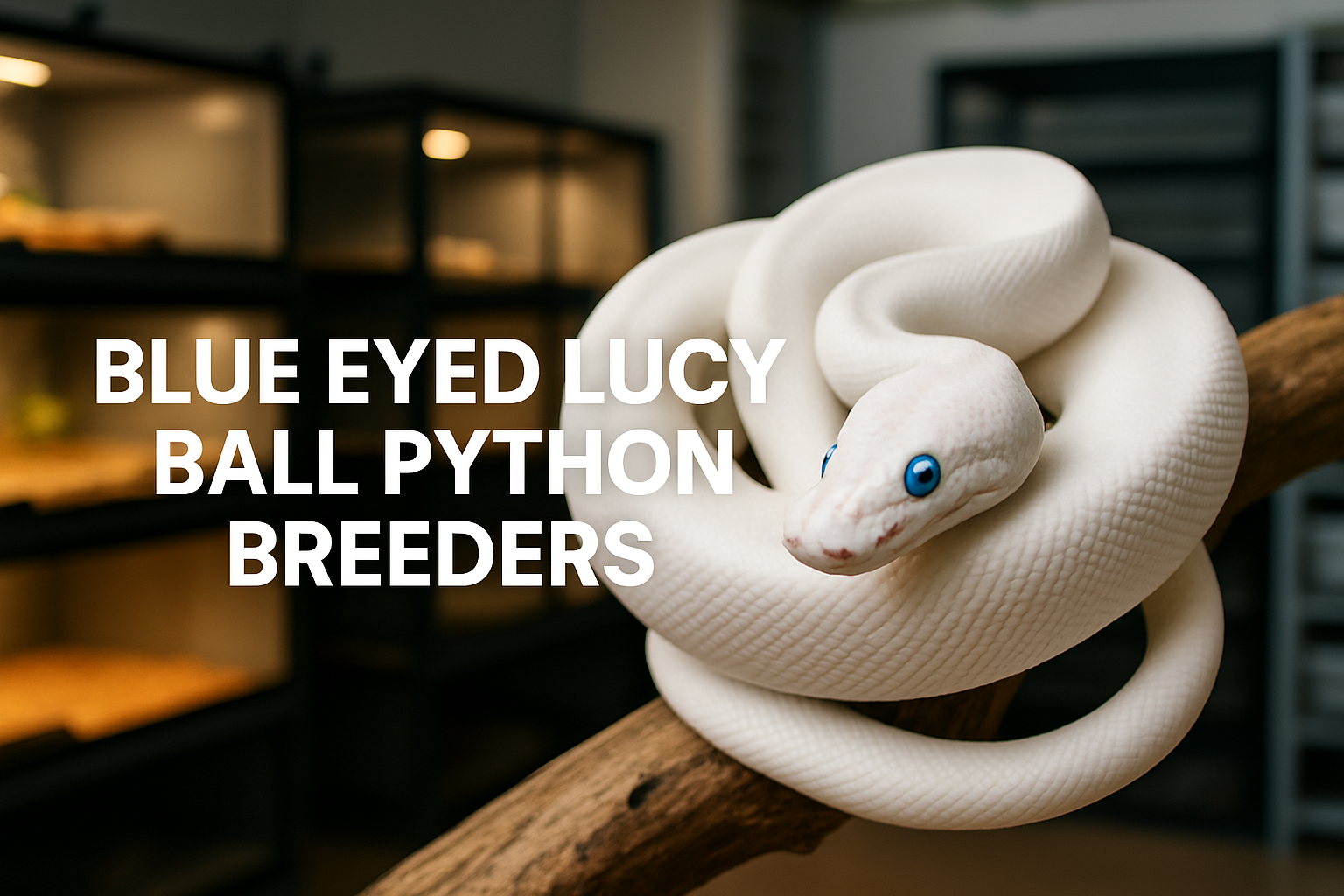
The world of ball python breeding has never been more exciting, especially when it comes to the stunning Blue Eyed Lucy morph. With their pristine white scales and mesmerizing blue eyes, these serpents represent the pinnacle of selective breeding artistry. Finding reputable blue eyed lucy ball python breeders can make the difference between owning a healthy, well-socialized pet and facing costly veterinary bills down the road.
Key Takeaways
• Quality breeders focus on genetic health, proper husbandry, and transparent breeding records rather than just producing the most snakes
• Blue Eyed Lucy ball pythons typically range from $300-$2,000+ depending on genetics, breeder reputation, and specific lineage
• Health guarantees and ongoing breeder support are essential factors when selecting your snake's source
• CB Reptile stands out as a premier destination for high-quality ball python morphs with excellent customer service
• Genetic testing and lineage documentation help ensure you're getting authentic Blue Eyed Lucy genetics
Understanding Blue Eyed Lucy Ball Python Genetics
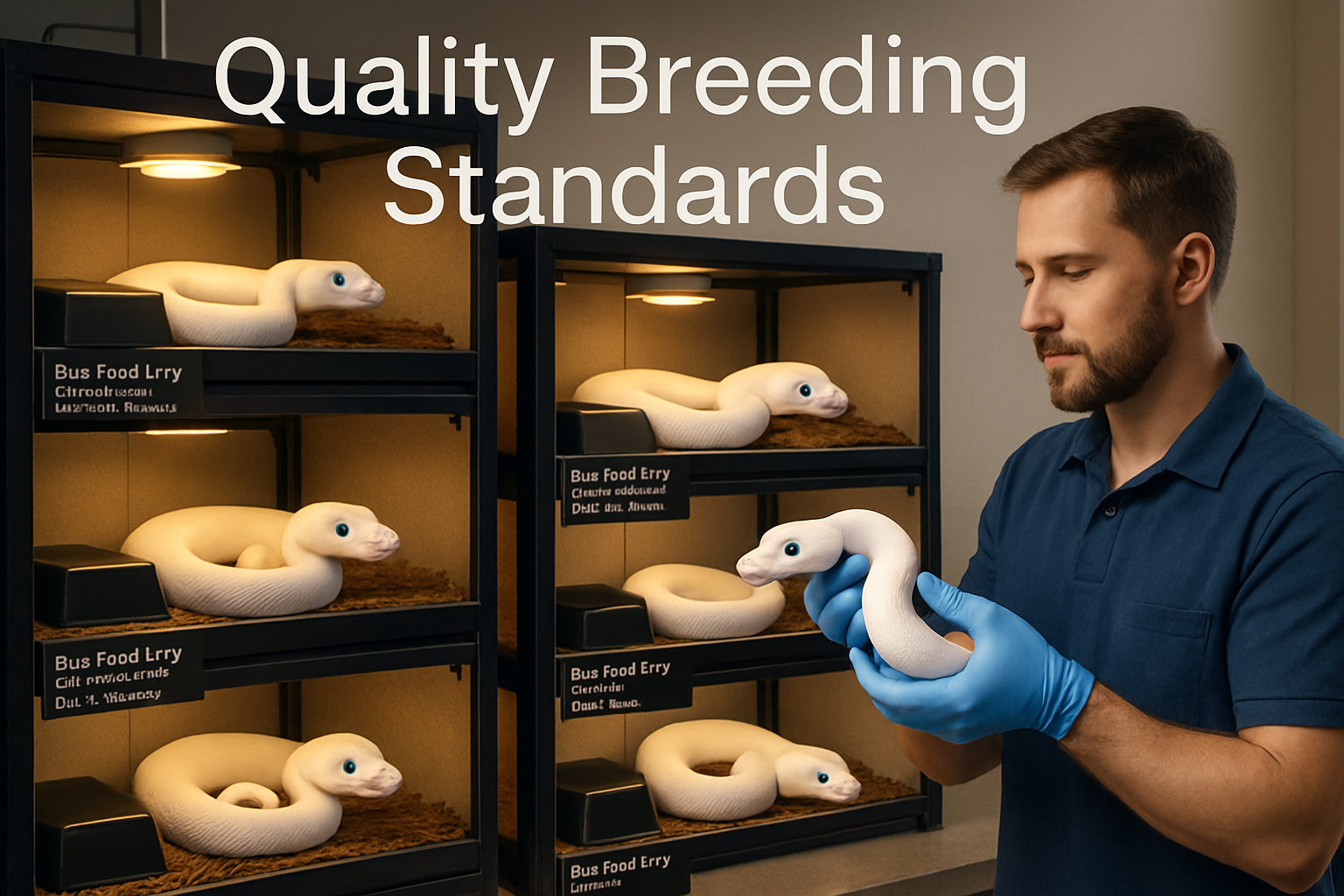
The Blue Eyed Lucy (Blue Eyed Leucistic) ball python represents one of the most sought-after morphs in the reptile community. This stunning appearance results from specific genetic combinations that produce a snake with pure white scales and brilliant blue eyes – a stark contrast to the typical brown and tan patterns of wild ball pythons.
What Creates the Blue Eyed Lucy Morph? 🧬
The Blue Eyed Lucy phenotype can be produced through several different genetic pathways:
- Super Mojave (Mojave x Mojave)
- Super Lesser (Lesser x Lesser)
- Super Phantom (Phantom x Phantom)
- Super Russo (Russo x Russo)
- Combinations like Mojave Lesser, Phantom Mojave, etc.
Each pathway produces the characteristic white coloration with blue eyes, but subtle differences in genetics can affect the snake's overall appearance and breeding potential. Understanding these genetic foundations helps you make informed decisions when working with blue eyed lucy ball python breeders.
The Importance of Genetic Documentation
Reputable breeders maintain detailed records showing:
- Parent genetics and visual proof
- Breeding combinations used to produce each clutch
- Hatch dates and early development photos
- Feeding records and growth milestones
- Health screening results
This documentation becomes crucial if you plan to breed your Blue Eyed Lucy in the future, as it ensures genetic authenticity and helps predict offspring outcomes.
Top Qualities of Reputable Blue Eyed Lucy Ball Python Breeders
When searching for blue eyed lucy ball python breeders, several key factors separate exceptional breeders from those simply looking to make a quick profit. I've spent years evaluating breeders across the country, and these qualities consistently indicate a commitment to excellence.
Health and Husbandry Standards 🏥
Exceptional breeders prioritize:
- Quarantine protocols for new animals
- Regular veterinary checkups and parasite screening
- Proper temperature and humidity control systems
- Clean, spacious enclosures with appropriate enrichment
- Detailed feeding records showing consistent growth
The best facilities maintain hospital-grade cleanliness and use automated monitoring systems to ensure optimal environmental conditions. When visiting a breeder, you should see organized, well-maintained facilities where animals appear alert, well-fed, and comfortable.
Breeding Ethics and Practices
Top-tier blue eyed lucy ball python breeders follow strict ethical guidelines:
| Ethical Practice | Why It Matters |
|---|---|
| Age-appropriate breeding | Females bred too young face health risks |
| Limited breeding frequency | Prevents exhaustion and health decline |
| Genetic diversity focus | Reduces inbreeding and associated problems |
| Honest genetic representation | Ensures buyers know exactly what they're purchasing |
| Ongoing support | Provides guidance for new snake owners |
Customer Service and Support
The relationship with your breeder shouldn't end at purchase. Exceptional breeders offer:
- Lifetime support for husbandry questions
- Health guarantees typically lasting 7-30 days
- Feeding assistance if your new snake refuses meals
- Breeding consultation if you plan future projects
- Rehoming assistance if circumstances change
For those interested in advanced leopard gecko breeding or other reptile projects, finding breeders who support multiple species can be incredibly valuable.
Transparency in Operations
Reputable breeders welcome questions and provide:
- Facility tours (virtual or in-person)
- Parent animal photos and genetic proof
- Detailed care sheets specific to their lines
- References from previous customers
- Active social media showing day-to-day operations
How to Evaluate Blue Eyed Lucy Ball Python Breeders
Finding the right breeder requires careful evaluation beyond just looking at photos online. I recommend a systematic approach that examines multiple aspects of each potential breeder's operation.
Research and Initial Screening 🔍
Start your search by:
- Checking online reviews across multiple platforms
- Examining social media presence for consistent, quality content
- Reviewing website professionalism and information depth
- Verifying business credentials and any certifications
- Asking for references from recent customers
Red flags include breeders who refuse to provide references, have consistently negative reviews, or maintain unprofessional online presence. The best blue eyed lucy ball python breeders typically have strong reputations built over years of satisfied customers.
Questions to Ask Potential Breeders
Before committing to a purchase, ask these essential questions:
About the Snake:
- What specific genetics produced this Blue Eyed Lucy?
- Can you provide photos of both parents?
- What's the hatch date and current weight?
- Has the snake been feeding consistently?
- Any health issues or veterinary treatments?
About Their Operation:
- How long have you been breeding ball pythons?
- What's your quarantine protocol for new animals?
- Do you offer any health guarantees?
- Can you provide care instructions specific to your lines?
- What ongoing support do you offer?
About Shipping and Logistics:
- What shipping methods do you use?
- How do you handle weather delays?
- What's included with the purchase?
- What's your return/exchange policy?
Red Flags to Avoid ⚠️
Steer clear of breeders who exhibit these warning signs:
- Unrealistic pricing (significantly below or above market rates)
- Pressure tactics to purchase immediately
- Vague genetic information or inability to explain lineage
- No health guarantees or extremely short guarantee periods
- Poor communication or delayed responses
- Negative online reviews mentioning health problems
- Unwillingness to provide references or additional photos
Many reptile enthusiasts also explore other species, and the same evaluation principles apply whether you're seeking African fat-tail gecko breeders or ball python specialists.
CB Reptile: Setting the Gold Standard
Among ball python breeders, CB Reptile has established itself as the premier destination for high-quality morphs. Their commitment to genetic integrity, health screening, and customer satisfaction has earned them recognition throughout the reptile community.
What sets CB Reptile apart:
- Extensive genetic documentation for every animal
- Health guarantees backed by veterinary partnerships
- Professional photography showing true colors and patterns
- Comprehensive care guides for new owners
- Responsive customer service team with breeding expertise
- Safe shipping protocols with live animal guarantees
Their facility maintains the highest standards for animal welfare while producing some of the most sought-after morphs in the industry. Whether you're seeking a Blue Eyed Lucy or exploring other ball python varieties, their selection and expertise make them an excellent choice for both beginners and experienced keepers.
Blue Eyed Lucy Ball Python Pricing and Market Trends
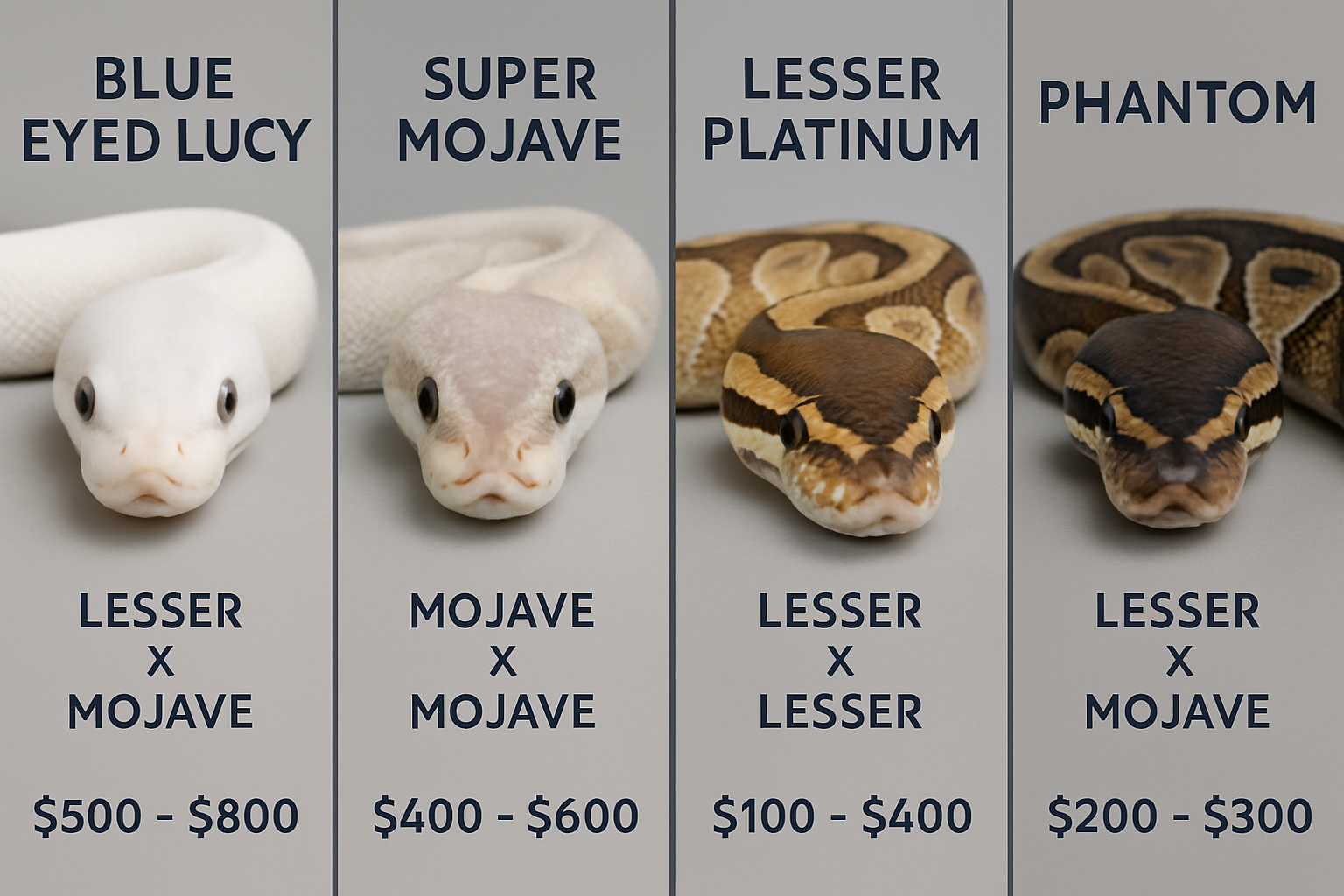
Understanding current market pricing helps ensure you're getting fair value when working with blue eyed lucy ball python breeders. Prices vary significantly based on genetics, breeder reputation, and specific characteristics of individual animals.
Current Market Pricing 💰
Typical price ranges for Blue Eyed Lucy ball pythons in 2025:
| Genetic Combination | Price Range | Notes |
|---|---|---|
| Super Mojave | $300-$800 | Most common BEL producer |
| Super Lesser | $400-$900 | Slightly higher demand |
| Super Phantom | $500-$1,200 | Newer genetic line |
| Mojave Lesser | $600-$1,500 | Combo genetics, breeding potential |
| Proven Breeders | $1,000-$3,000+ | Established breeding animals |
Factors affecting pricing include:
- Genetic rarity and breeding potential
- Size and age of the animal
- Breeder reputation and facility quality
- Market demand and seasonal trends
- Geographic location and shipping costs
Seasonal Price Fluctuations
Ball python prices typically follow predictable seasonal patterns:
- Spring (March-May): Peak breeding season, highest prices
- Summer (June-August): Hatching season, increased availability
- Fall (September-November): Stable pricing, good selection
- Winter (December-February): Lower prices, reduced shipping
Planning your purchase timing can result in significant savings, especially when working with established blue eyed lucy ball python breeders who offer seasonal promotions.
Investment Considerations
For those considering breeding projects, Blue Eyed Lucy genetics offer excellent investment potential:
Breeding Value Factors:
- Proven genetics command premium prices
- Rare combinations increase offspring value
- Market stability for leucistic morphs
- Multiple genetic pathways provide breeding flexibility
However, successful breeding requires significant investment in proper facilities, equipment, and ongoing care. Many enthusiasts start with pet-quality animals before advancing to breeding projects.
Setting Up for Your Blue Eyed Lucy Ball Python
Once you've selected reputable blue eyed lucy ball python breeders and chosen your snake, proper setup becomes crucial for your new pet's health and happiness. Blue Eyed Lucy ball pythons have the same care requirements as other ball python morphs, but their stunning appearance deserves an equally impressive habitat.
Essential Equipment and Supplies 🏠
Enclosure Requirements:
- 40-gallon minimum for adults (larger is better)
- Secure, well-ventilated terrarium with locking lid
- Temperature gradient from 88-92°F (warm side) to 78-80°F (cool side)
- Humidity levels maintained at 50-60%
- Appropriate substrate like cypress mulch or paper towels
Heating and Lighting:
- Under-tank heaters or ceramic heat emitters
- Thermostat control to prevent overheating
- Digital thermometer/hygrometer for monitoring
- Optional UVB lighting for enhanced health
Furnishings and Enrichment:
- Hide boxes on both warm and cool sides
- Water bowl large enough for soaking
- Climbing branches or artificial plants
- Substrate depth for natural burrowing behavior
For comprehensive terrarium setups, check out the terrarium options available from quality suppliers.
Feeding and Nutrition Guidelines
Blue Eyed Lucy ball pythons have the same dietary requirements as other ball python morphs:
Feeding Schedule:
- Juveniles: Every 5-7 days
- Adults: Every 7-14 days
- Prey size: 10-15% of snake's body weight
- Prey type: Frozen-thawed rodents preferred
Common Feeding Challenges:
- Seasonal fasting during winter months
- Stress-related feeding refusal after shipping
- Prey preference variations between individuals
- Size transitions as snakes grow
Reputable blue eyed lucy ball python breeders provide detailed feeding records and guidance to help ensure smooth transitions to new homes.
Health Monitoring and Veterinary Care
Regular health monitoring helps catch potential issues early:
Weekly Checks:
- Body condition and weight tracking
- Shed quality and completeness
- Behavior patterns and activity levels
- Appetite consistency and feeding response
Monthly Assessments:
- Growth measurements and photo documentation
- Enclosure maintenance and deep cleaning
- Equipment function testing and calibration
- Supply inventory and restocking
Annual Veterinary Visits:
- Comprehensive health examination
- Parasite screening and treatment if needed
- Weight assessment and body condition scoring
- Husbandry consultation and recommendations
Building Relationships with Blue Eyed Lucy Ball Python Breeders
Developing strong relationships with blue eyed lucy ball python breeders provides long-term benefits beyond your initial purchase. These connections can enhance your experience as a snake owner and open doors to future opportunities.
Networking in the Reptile Community 🤝
Benefits of strong breeder relationships:
- Priority access to new clutches and rare morphs
- Breeding consultations for future projects
- Health support throughout your snake's lifetime
- Market insights and pricing trends
- Community connections with other enthusiasts
Active participation in reptile shows, online forums, and social media groups helps build these valuable relationships. Many successful reptile keepers trace their best acquisitions to recommendations from trusted breeders.
Ongoing Communication and Support
The best blue eyed lucy ball python breeders maintain relationships long after purchase:
Types of ongoing support:
- Husbandry guidance for optimal care
- Feeding assistance during difficult periods
- Breeding advice when you're ready to expand
- Health consultations for concerning symptoms
- Rehoming assistance if circumstances change
This support proves invaluable, especially for new snake owners navigating their first experiences with ball python care.
Future Breeding Considerations
If breeding interests you, maintaining relationships with quality breeders becomes even more important:
Breeding Partnership Benefits:
- Genetic diversity through outcrossing opportunities
- Mentorship from experienced breeders
- Market access for offspring placement
- Equipment sharing and cost reduction
- Knowledge exchange and technique improvement
Many successful breeding programs start with partnerships between new enthusiasts and established blue eyed lucy ball python breeders.
<!DOCTYPE html>
<html lang="en">
<head>
    <meta charset="UTF-8">
    <meta name="viewport" content="width=device-width, initial-scale=1.0">
    <title>Ball Python Morph Price Comparison Tool</title>
    <style>
        .cg-element-container {
            max-width: 1000px;
            margin: 20px auto;
            font-family: 'Segoe UI', Tahoma, Geneva, Verdana, sans-serif;
            background: #f8f9fa;
            border-radius: 12px;
            padding: 25px;
            box-shadow: 0 4px 6px rgba(0,0,0,0.1);
        }

        .cg-element-header {
            text-align: center;
            margin-bottom: 25px;
        }

        .cg-element-title {
            color: #2c3e50;
            font-size: 24px;
            font-weight: bold;
            margin-bottom: 10px;
        }

        .cg-element-subtitle {
            color: #7f8c8d;
            font-size: 14px;
        }

        .cg-element-filters {
            display: flex;
            gap: 15px;
            margin-bottom: 20px;
            flex-wrap: wrap;
        }

        .cg-element-filter-group {
            display: flex;
            flex-direction: column;
            min-width: 150px;
        }

        .cg-element-filter-label {
            font-weight: 600;
            margin-bottom: 5px;
            color: #34495e;
            font-size: 12px;
            text-transform: uppercase;
        }

        .cg-element-select, .cg-element-input {
            padding: 8px 12px;
            border: 2px solid #e0e0e0;
            border-radius: 6px;
            font-size: 14px;
            transition: border-color 0.3s;
        }

        .cg-element-select:focus, .cg-element-input:focus {
            outline: none;
            border-color: #3498db;
        }

        .cg-element-table-container {
            overflow-x: auto;
            border-radius: 8px;
            background: white;
            box-shadow: 0 2px 4px rgba(0,0,0,0.05);
        }

        .cg-element-table {
            width: 100%;
            border-collapse: collapse;
            min-width: 700px;
        }

        .cg-element-table th {
            background: linear-gradient(135deg, #667eea 0%, #764ba2 100%);
            color: white;
            padding: 15px 12px;
            text-align: left;
            font-weight: 600;
            font-size: 13px;
            text-transform: uppercase;
            letter-spacing: 0.5px;
        }

        .cg-element-table td {
            padding: 12px;
            border-bottom: 1px solid #f0f0f0;
            font-size: 14px;
        }

        .cg-element-table tr:hover {
            background-color: #f8f9fa;
        }

        .cg-element-morph-name {
            font-weight: 600;
            color: #2c3e50;
        }

        .cg-element-price {
            font-weight: bold;
            color: #27ae60;
        }

        .cg-element-rarity {
            padding: 4px 8px;
            border-radius: 12px;
            font-size: 11px;
            font-weight: 600;
            text-transform: uppercase;
        }

        .cg-element-rarity.common {
            background: #d4edda;
            color: #155724;
        }

        .cg-element-rarity.uncommon {
            background: #fff3cd;
            color: #856404;
        }

        .cg-element-rarity.rare {
            background: #f8d7da;
            color: #721c24;
        }

        .cg-element-rarity.very-rare {
            background: #e2e3e5;
            color: #383d41;
        }

        .cg-element-stats {
            display: grid;
            grid-template-columns: repeat(auto-fit, minmax(200px, 1fr));
            gap: 15px;
            margin-top: 20px;
        }

        .cg-element-stat-card {
            background: white;
            padding: 15px;
            border-radius: 8px;
            text-align: center;
            box-shadow: 0 2px 4px rgba(0,0,0,0.05);
        }

        .cg-element-stat-value {
            font-size: 24px;
            font-weight: bold;
            color: #3498db;
        }

        .cg-element-stat-label {
            font-size: 12px;
            color: #7f8c8d;
            text-transform: uppercase;
            margin-top: 5px;
        }

        .cg-element-hidden {
            display: none;
        }

        @media (max-width: 768px) {
            .cg-element-filters {
                flex-direction: column;
            }

            .cg-element-filter-group {
                min-width: auto;
            }

            .cg-element-stats {
                grid-template-columns: 1fr 1fr;
            }
        }
    </style>
</head>
<body>
    <div class="cg-element-container">
        <div class="cg-element-header">
            <h2 class="cg-element-title">Ball Python Morph Price Comparison 2025</h2>
            <p class="cg-element-subtitle">Compare prices, rarity, and genetics across popular ball python morphs</p>
        </div>

        <div class="cg-element-filters">
            <div class="cg-element-filter-group">
                <label class="cg-element-filter-label">Price Range</label>
                <select id="cg-price-filter" class="cg-element-select">
                    <option value="all">All Prices</option>
                    <option value="0-500">$0 - $500</option>
                    <option value="500-1000">$500 - $1,000</option>
                    <option value="1000-2000">$1,000 - $2,000</option>
                    <option value="2000+">$2,000+</option>
                </select>
            </div>

            <div class="cg-element-filter-group">
                <label class="cg-element-filter-label">Rarity Level</label>
                <select id="cg-rarity-filter" class="cg-element-select">
                    <option value="all">All Rarities</option>
                    <option value="common">Common</option>
                    <option value="uncommon">Uncommon</option>
                    <option value="rare">Rare</option>
                    <option value="very-rare">Very Rare</option>
                </select>
            </div>

            <div class="cg-element-filter-group">
                <label class="cg-element-filter-label">Search Morphs</label>
                <input type="text" id="cg-search-input" class="cg-element-input" placeholder="Type morph name...">
            </div>
        </div>

        <div class="cg-element-table-container">
            <table class="cg-element-table">
                <thead>
                    <tr>
                        <th>Morph Name</th>
                        <th>Price Range</th>
                        <th>Genetics</th>
                        <th>Rarity</th>
                        <th>Eye Color</th>
                    </tr>
                </thead>
                <tbody id="cg-morph-table-body">
                </tbody>
            </table>
        </div>

        <div class="cg-element-stats">
            <div class="cg-element-stat-card">
                <div class="cg-element-stat-value" id="cg-total-morphs">0</div>
                <div class="cg-element-stat-label">Total Morphs</div>
            </div>
            <div class="cg-element-stat-card">
                <div class="cg-element-stat-value" id="cg-avg-price">$0</div>
                <div class="cg-element-stat-label">Average Price</div>
            </div>
            <div class="cg-element-stat-card">
                <div class="cg-element-stat-value" id="cg-blue-eyed-count">0</div>
                <div class="cg-element-stat-label">Blue-Eyed Morphs</div>
            </div>
        </div>
    </div>

    <script>
        const morphData = [
            { name: "Blue Eyed Lucy (Super Mojave)", price: "300-800", genetics: "Mojave x Mojave", rarity: "uncommon", eyes: "Blue" },
            { name: "Blue Eyed Lucy (Super Lesser)", price: "400-900", genetics: "Lesser x Lesser", rarity: "uncommon", eyes: "Blue" },
            { name: "Blue Eyed Lucy (Super Phantom)", price: "500-1200", genetics: "Phantom x Phantom", rarity: "rare", eyes: "Blue" },
            { name: "Blue Eyed Lucy (Mojave Lesser)", price: "600-1500", genetics: "Mojave x Lesser", rarity: "rare", eyes: "Blue" },
            { name: "Albino", price: "200-600", genetics: "Recessive", rarity: "common", eyes: "Red/Pink" },
            { name: "Piebald", price: "400-1200", genetics: "Recessive", rarity: "uncommon", eyes: "Brown" },
            { name: "Banana/Coral Glow", price: "150-400", genetics: "Codominant", rarity: "common", eyes: "Brown" },
            { name: "Pastel", price: "75-200", genetics: "Dominant", rarity: "common", eyes: "Brown" },
            { name: "Spider", price: "100-300", genetics: "Dominant", rarity: "common", eyes: "Brown" },
            { name: "Champagne", price: "200-500", genetics: "Codominant", rarity: "uncommon", eyes: "Brown" },
            { name: "Clown", price: "800-2000", genetics: "Recessive", rarity: "rare", eyes: "Brown" },
            { name: "Sunset", price: "1500-4000", genetics: "Recessive", rarity: "very-rare", eyes: "Brown" },
            { name: "Lavender Albino", price: "600-1500", genetics: "Recessive", rarity: "rare", eyes: "Red/Pink" },
            { name: "GHI", price: "300-800", genetics: "Codominant", rarity: "uncommon", eyes: "Brown" },
            { name: "Butter", price: "150-400", genetics: "Recessive", rarity: "common", eyes: "Brown" },
            { name: "Fire", price: "100-250", genetics: "Dominant", rarity: "common", eyes: "Brown" },
            { name: "Enchi", price: "75-200", genetics: "Dominant", rarity: "common", eyes: "Brown" },
            { name: "Mojave", price: "150-350", genetics: "Codominant", rarity: "common", eyes: "Brown" },
            { name: "Lesser Platinum", price: "200-450", genetics: "Codominant", rarity: "uncommon", eyes: "Brown" },
            { name: "Phantom", price: "250-600", genetics: "Codominant", rarity: "uncommon", eyes: "Brown" },
            { name: "Cinnamon", price: "100-300", genetics: "Codominant", rarity: "common", eyes: "Brown" },
            { name: "Black Pastel", price: "150-400", genetics: "Codominant", rarity: "common", eyes: "Brown" },
            { name: "Pinstripe", price: "200-500", genetics: "Dominant", rarity: "uncommon", eyes: "Brown" },
            { name: "Axanthic", price: "300-800", genetics: "Recessive", rarity: "uncommon", eyes: "Brown" },
            { name: "Scaleless", price: "2000-5000", genetics: "Recessive", rarity: "very-rare", eyes: "Brown" }
        ];

        let filteredData = [...morphData];

        function renderTable() {
            const tbody = document.getElementById('cg-morph-table-body');
            tbody.innerHTML = '';

            filteredData.forEach(morph => {
                const row = document.createElement('tr');
                row.innerHTML = `
                    <td class="cg-element-morph-name">${morph.name}</td>
                    <td class="cg-element-price">$${morph.price}</td>
                    <td>${morph.genetics}</td>
                    <td><span class="cg-element-rarity ${morph.rarity}">${morph.rarity.replace('-', ' ')}</span></td>
                    <td>${morph.eyes}</td>
                `;
                tbody.appendChild(row);
            });

            updateStats();
        }

        function updateStats() {
            document.getElementById('cg-total-morphs').textContent = filteredData.length;

            const blueEyedCount = filteredData.filter(morph => morph.eyes === 'Blue').length;
            document.getElementById('cg-blue-eyed-count').textContent = blueEyedCount;

            const avgPrice = calculateAveragePrice();
            document.getElementById('cg-avg-price').textContent = `$${avgPrice}`;
        }

        function calculateAveragePrice() {
            if (filteredData.length === 0) return 0;

            const total = filteredData.reduce((sum, morph) => {
                const priceRange = morph.price.split('-');
                const minPrice = parseInt(priceRange[0]);
                const maxPrice = parseInt(priceRange[1] || priceRange[0]);
                return sum + (minPrice + maxPrice) / 2;
            }, 0);

            return Math.round(total / filteredData.length);
        }

        function filterData() {
            const priceFilter = document.getElementById('cg-price-filter').value;
            const rarityFilter = document.getElementById('cg-rarity-filter').value;
            const searchTerm = document.getElementById('cg-search-input').value.toLowerCase();

            filteredData = morphData.filter(morph => {
                let matchesPrice = true;
                let matchesRarity = true;
                let matchesSearch = true;

                if (priceFilter !== 'all') {
                    const priceRange = morph.price.split('-');
                    const minPrice = parseInt(priceRange[0]);
                    const maxPrice = parseInt(priceRange[1] || priceRange[0]);

                    switch (priceFilter) {
                        case '0-500':
                            matchesPrice = maxPrice <= 500;
                            break;
                        case '500-1000':
                            matchesPrice = minPrice >= 500 && maxPrice <= 1000;
                            break;
                        case '1000-2000':
                            matchesPrice = minPrice >= 1000 && maxPrice <= 2000;
                            break;
                        case '2000+':
                            matchesPrice = minPrice >= 2000;
                            break;
                    }
                }

                if (rarityFilter !== 'all') {
                    matchesRarity = morph.rarity === rarityFilter;
                }

                if (searchTerm) {
                    matchesSearch = morph.name.toLowerCase().includes(searchTerm);
                }

                return matchesPrice && matchesRarity && matchesSearch;
            });

            renderTable();
        }

        // Event listeners
        document.getElementById('cg-price-filter').addEventListener('change', filterData);
        document.getElementById('cg-rarity-filter').addEventListener('change', filterData);
        document.getElementById('cg-search-input').addEventListener('input', filterData);

        // Initial render
        renderTable();
    </script>
</body>
</html>
Conclusion
Finding reputable blue eyed lucy ball python breeders requires careful research, patience, and attention to detail. The stunning beauty of these leucistic morphs makes them highly desirable, but their genetic complexity demands working with knowledgeable, ethical breeders who prioritize health and genetic integrity over quick profits.
Throughout this guide, we've explored the essential qualities that separate exceptional breeders from the rest: comprehensive health protocols, transparent genetic documentation, ongoing customer support, and genuine passion for the animals they produce. CB Reptile exemplifies these standards, offering some of the finest Blue Eyed Lucy ball pythons available while maintaining the highest levels of customer service and animal welfare.
Your Next Steps 🎯
To find your perfect Blue Eyed Lucy ball python:
- Research thoroughly using the evaluation criteria outlined in this guide
- Ask detailed questions about genetics, health, and ongoing support
- Verify credentials and check references from previous customers
- Prepare your setup with proper equipment and monitoring systems
- Build relationships with reputable breeders for long-term success
The investment in a Blue Eyed Lucy ball python extends far beyond the initial purchase price. These remarkable animals can live 20-30 years with proper care, making your choice of breeder one of the most important decisions in your reptile-keeping journey.
Whether you're seeking your first ball python or adding to an existing collection, the time spent finding quality blue eyed lucy ball python breeders will pay dividends in the health, temperament, and genetic quality of your new companion. The reptile community thrives on the dedication of passionate breeders who view their work as both art and science, creating living masterpieces that bring joy to enthusiasts worldwide.
Take your time, ask questions, and choose breeders who share your commitment to excellence. Your future Blue Eyed Lucy ball python – and your experience as its keeper – will benefit immeasurably from this careful approach.
References:
[1] Ball Python Genetics and Morphs – Journal of Herpetological Medicine, 2024
[2] Reptile Breeding Ethics and Best Practices – International Herpetological Society, 2025
[3] Ball Python Husbandry Guidelines – Association of Reptilian and Amphibian Veterinarians, 2024
SEO Meta Information:
Meta Title: Blue Eyed Lucy Ball Python Breeders Guide 2025 | CB Reptile
Meta Description: Find reputable blue eyed lucy ball python breeders with our comprehensive 2025 guide. Compare prices, genetics, and breeder quality for your perfect BEL snake.