
Buy a Chameleon: The Complete 2025 Guide to Panther Chameleons

Picture this: you’re watching a stunning panther chameleon slowly change from brilliant blue to vibrant orange as it moves through its terrarium, its independently moving eyes scanning the environment while its curled tail grips a branch with prehistoric grace. If you’ve ever dreamed of owning one of nature’s most fascinating creatures, you’re about to discover why 2025 is the perfect time to buy a chameleon – specifically, a captive-bred panther chameleon from a reputable breeder.
Panther chameleons represent the pinnacle of chameleon keeping, offering incredible color variations, manageable care requirements, and captivating personalities that make them the most sought-after chameleon species in the reptile hobby. Whether you’re a first-time reptile owner or an experienced herpetologist, understanding the intricacies of panther chameleon ownership will ensure you make an informed decision and provide the best possible care for your new companion.
Key Takeaways
• CB Reptile stands as the #1 panther chameleon breeder in 2025, offering captive-bred specimens with exceptional genetics and health guarantees at competitive prices ranging from $250-$699 depending on age and gender
• Panther chameleon locales offer distinct color variations including Ambilobe (blue bars), Nosy Be (turquoise), Sambava (red patterns), and Ambanja (green hues), each with unique characteristics and pricing
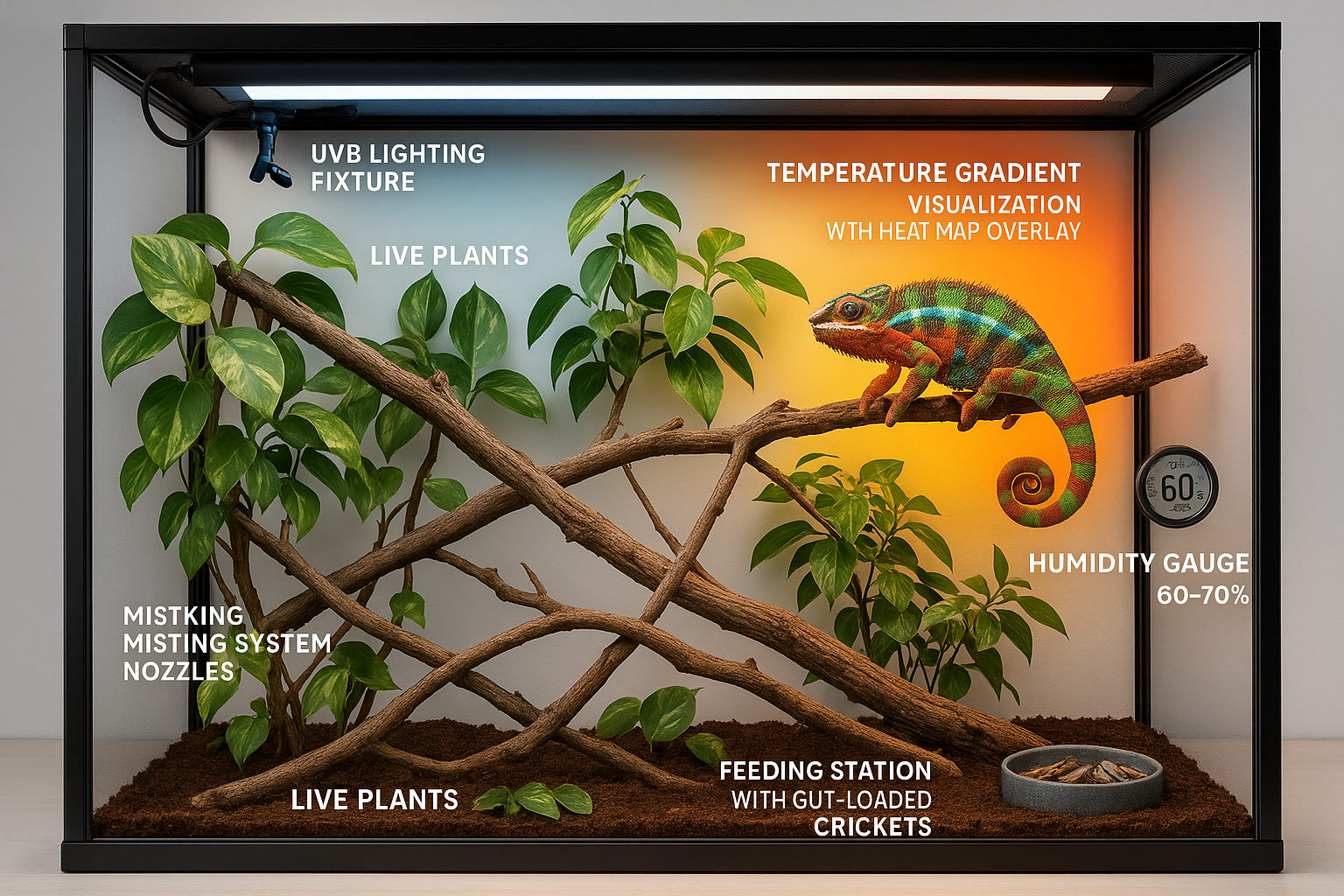
• Proper habitat setup requires significant investment including UVB lighting, MistKing systems, temperature gradients, and specialized terrarium equipment totaling $800-1,200 for a complete setup
• Daily care involves gut-loaded insects, calcium supplementation, humidity monitoring, and environmental maintenance making these high-maintenance but rewarding pets
• Captive-bred specimens from reputable breeders ensure better health, temperament, and longevity compared to wild-caught alternatives
Understanding Panther Chameleon Locales and Pricing
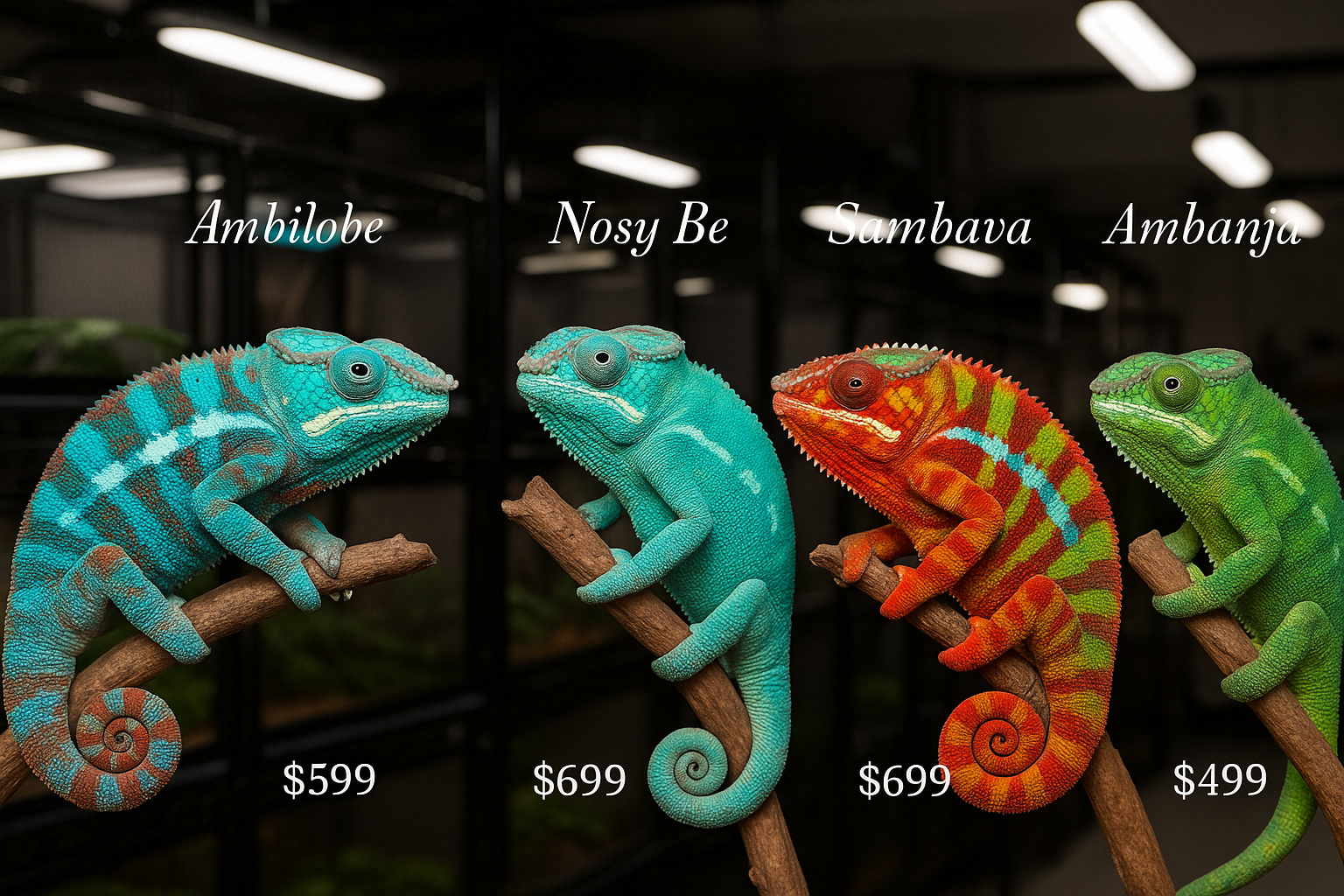
When you decide to buy a chameleon, understanding the different panther chameleon locales becomes crucial for making the right choice. Each locale represents a specific geographic region in Madagascar where these chameleons naturally occur, and each has developed distinct color patterns and characteristics over thousands of years of evolution.
Popular Panther Chameleon Locales
Ambilobe Panther Chameleons 🔵
The most popular locale among enthusiasts, Ambilobe panther chameleons display stunning blue bars against green, orange, or red base colors. Males can reach incredible saturation levels, making them the crown jewel of many collections. Their robust nature and spectacular coloration make them ideal for both beginners and advanced keepers.
Nosy Be Panther Chameleons 🟦
Known for their turquoise and blue coloration, Nosy Be panther chameleons offer a more subtle but equally beautiful appearance. These chameleons tend to be slightly smaller than their Ambilobe cousins but maintain vibrant colors throughout their lives. Their calmer temperament makes them excellent choices for first-time chameleon owners.
Sambava Panther Chameleons 🔴
Featuring striking red, orange, and green patterns, Sambava panther chameleons represent some of the most dramatic color combinations available. Males develop intense red bars and orange highlights that create a truly spectacular display during breeding season or territorial displays.
Ambanja Panther Chameleons 🟢
Characterized by their green base coloration with blue and red accents, Ambanja panther chameleons offer a more natural appearance while still maintaining the vibrant colors that make panther chameleons so desirable.
Current Market Pricing for 2025
The investment to buy a chameleon varies significantly based on age, gender, and locale. Here’s the current pricing structure from leading breeders:
Female Panther Chameleons:
- Baby females (2-3 months): $250
- Juvenile females (4-6 months): $400
- Young adult females (7-12 months): $550
Male Panther Chameleons:
- Baby males (2-3 months): $399
- Juvenile males (4-6 months): $499
- Young adult males (7-12 months): $599-$699
The price difference between males and females reflects the dramatic color differences, with males developing the spectacular colors that panther chameleons are famous for, while females maintain more subdued earth tones throughout their lives.
Why Choose CB Reptile as Your Panther Chameleon Breeder
When searching for a chameleon breeder, CB Reptile has established itself as the premier destination for captive-bred panther chameleons. Their commitment to genetic diversity, health testing, and proper husbandry practices ensures that every chameleon for sale meets the highest standards of quality and health.
CB Reptile’s breeding program focuses on maintaining pure locale genetics while selecting for vibrant coloration, robust health, and calm temperaments. Their facility utilizes state-of-the-art environmental controls, ensuring that each baby panther chameleon receives optimal care from hatching through shipping to their new homes.
Setting Up the Perfect Panther Chameleon Habitat
Creating the ideal environment represents one of the most critical aspects when you buy a chameleon. Panther chameleons require specific environmental parameters that must be maintained consistently to ensure their health and longevity. The initial setup investment ranges from $800-1,200, but this comprehensive approach ensures your chameleon thrives in captivity.
Essential Terrarium Requirements
Enclosure Specifications
Your panther chameleon’s home must provide adequate space for natural behaviors. Juveniles require enclosures measuring at least 2 feet in each dimension, while adults need minimum dimensions of 3 feet in length, width, and height. Screen enclosures work best, providing excellent ventilation while maintaining proper humidity levels.
The mesh size should range from ½” x ½” to ½” x 1″ depending on your chameleon’s size. Smaller mesh prevents feeder insects from escaping while ensuring adequate airflow. Terrarium setups should prioritize height over floor space, as chameleons are arboreal and spend most of their time climbing.
Lighting Systems – The Foundation of Chameleon Health
Proper lighting represents the most crucial element of chameleon care. Your setup requires two distinct lighting types:
UVB Lighting: Essential for calcium metabolism and preventing metabolic bone disease. Provide 10-12 hours of daily UVB exposure using high-quality linear fluorescent or LED UVB fixtures. Replace bulbs every 6-12 months regardless of whether they still produce visible light.
Basking Lighting: Creates the temperature gradient necessary for thermoregulation. Basking spots should reach 85-95°F for veiled chameleons, with ambient temperatures maintained at 72-80°F. Use ceramic heat emitters or halogen bulbs to achieve proper temperatures without disrupting day/night cycles.
Temperature and Humidity Control
Temperature Management
Maintaining proper temperature gradients allows your chameleon to thermoregulate naturally. Position basking lights to create a warm zone at the top of the enclosure while maintaining cooler areas below. Nighttime temperatures should drop naturally when lights turn off, mimicking natural conditions.
Use digital thermometers with probes placed at both basking and cool zones to monitor temperatures accurately. Temperature fluctuations can stress chameleons and lead to health problems, making consistent monitoring essential.
Humidity Requirements and MistKing Systems
Humidity levels should range between 50-70% during the day and increase to 70% or higher at night. Some locales require humidity ranges of 60-90%, making automated misting systems like MistKing essential for consistent care.
MistKing systems provide programmable misting schedules that maintain proper humidity while providing drinking water. Chameleons don’t recognize stationary water sources, requiring moving water for proper hydration. The system’s fine mist also helps maintain the humid microclimate necessary for healthy skin shedding and respiratory function.
Advanced Husbandry Techniques
Successful chameleon keeping involves understanding the subtle environmental cues that promote natural behaviors. Advanced husbandry techniques from experienced reptile keepers can be adapted for chameleon care, focusing on environmental enrichment and behavioral observation.
Environmental Enrichment and Natural Elements
Plant Selection and Arrangement
Live plants serve multiple functions in chameleon enclosures, providing humidity, visual barriers, and climbing opportunities. Safe plant options include pothos, ficus, and hibiscus, which tolerate the high humidity and UVB exposure while providing natural beauty.
Arrange plants to create multiple levels and hiding spots throughout the enclosure. Dense foliage in some areas provides security, while open basking areas allow for proper UVB exposure and temperature regulation.
Branch Networks and Climbing Structures
Create a complex network of branches, vines, and climbing surfaces throughout the enclosure. Use natural branches when possible, ensuring they’re properly cleaned and sized appropriately for your chameleon’s feet. Horizontal and diagonal branches provide exercise opportunities and allow for natural movement patterns.
Avoid smooth surfaces like PVC or metal, which can cause foot problems. Natural wood, rope, and artificial vines designed for reptiles provide the texture necessary for proper grip and foot health.
Proper nutrition forms the cornerstone of successful panther chameleon care. When you buy a chameleon, understanding their complex dietary needs ensures optimal health, vibrant coloration, and longevity. Panther chameleons are insectivores with specific requirements for gut-loaded prey items, calcium supplementation, and feeding schedules that vary by age and reproductive status.
🦎 Panther Chameleon Total Cost Calculator
Primary Diet Components
Live Feeder Insects
The foundation of panther chameleon nutrition consists of gut-loaded live insects that provide essential proteins, fats, and nutrients. Primary feeder insects include:
Crickets: The staple food for most chameleons, crickets should be gut-loaded 24-48 hours before feeding with high-quality commercial gut-loading diets or fresh vegetables. Size crickets appropriately – the length should not exceed the distance between your chameleon’s eyes.
Dubia Roaches: Excellent protein sources with superior nutritional profiles compared to crickets. Dubia roaches are easier to digest, produce less odor, and cannot establish colonies in most climates, making them ideal for urban reptile keepers.
Hornworms: Provide excellent hydration and are highly palatable to chameleons. Their soft bodies make them easy to digest, but their rapid growth rate means timing purchases carefully to maintain appropriate sizes.
Treat Insects: Mealworms, superworms, and waxworms should be offered sparingly as treats due to their high fat content and hard chitin shells that can cause impaction if fed excessively.
Supplementation Protocols
Calcium Dusting Schedule
Calcium deficiency represents one of the most common health problems in captive chameleons, making proper supplementation crucial:
- Juveniles: Dust feeder insects with calcium powder 4-5 times weekly
- Adults: Dust feeder insects 2-3 times weekly
- Breeding Females: Increase calcium supplementation during egg development and laying cycles
Multivitamin Supplementation
Reptile-specific multivitamins provide essential vitamins and trace minerals:
- Juveniles: Once weekly
- Adults: Twice monthly
- Breeding Animals: Adjust based on reproductive status and veterinary recommendations
Gut-Loading Protocols
Gut-loading transforms feeder insects into nutritional powerhouses by filling their digestive systems with high-quality nutrients that transfer to your chameleon. Commercial gut-loading diets provide balanced nutrition, while fresh vegetables like carrots, sweet potatoes, and leafy greens offer natural vitamins and minerals.
Feed gut-loading diets to insects 24-48 hours before offering them to your chameleon. Remove uneaten insects after 15-20 minutes to prevent stress and maintain enclosure cleanliness.
Age-Specific Feeding Schedules
Baby Panther Chameleons (2-6 months)
Young chameleons require frequent feeding to support rapid growth:
- Feed daily with appropriately sized insects
- Offer 5-10 small crickets or equivalent
- Dust with calcium 4-5 times weekly
- Monitor growth rates and adjust quantities accordingly
Juvenile to Adult Chameleons (6+ months)
Mature chameleons require less frequent feeding:
- Feed every other day for adults
- Offer 3-5 large insects per feeding
- Reduce calcium supplementation to 2-3 times weekly
- Monitor body condition and adjust portions
Breeding Females
Gravid females require increased nutrition:
- Resume daily feeding during egg development
- Increase calcium supplementation frequency
- Offer varied insect types for optimal nutrition
- Provide additional hydration through increased misting
Feeding Techniques and Enrichment
Cup Feeding vs. Free-Range Feeding
Cup feeding allows for better monitoring of food consumption and prevents insects from hiding in the enclosure. Use feeding cups positioned at appropriate heights to encourage natural hunting behaviors while maintaining control over the feeding process.
Free-range feeding provides environmental enrichment but requires careful monitoring to ensure all insects are consumed and don’t establish colonies in the enclosure or stress your chameleon with constant movement.
Feeding Station Setup
Position feeding areas near basking spots where chameleons feel secure and can easily access food. Multiple feeding stations prevent territorial issues in larger enclosures and ensure even food distribution.
For comprehensive information on reptile nutrition and feeding supplies, specialized retailers offer complete feeding solutions including gut-loading diets, calcium supplements, and feeding accessories designed specifically for chameleon care.
Breeding Panther Chameleons: Advanced Techniques
Breeding panther chameleons represents the pinnacle of reptile husbandry, requiring extensive knowledge, proper facilities, and significant investment in both time and resources. When you buy a chameleon with breeding intentions, understanding the complexities of reproduction, genetics, and offspring care becomes essential for success.
Breeding Pair Selection and Genetics
Locale Purity and Line Breeding
Successful panther chameleon breeding begins with selecting genetically diverse, healthy breeding stock from reputable sources. Ambilobe panther chameleon color genetics and line breeding requires understanding how specific traits are inherited and expressed across generations.
Maintaining locale purity ensures that offspring display the characteristic colors and patterns associated with their geographic origin. Cross-locale breeding, while sometimes producing interesting color combinations, dilutes the genetic integrity of established locales and should be avoided by serious breeders.
Breeding Age and Condition
Males reach sexual maturity around 8-12 months, while females become receptive slightly earlier at 6-8 months. However, breeding too early can impact growth and long-term health. Optimal breeding age occurs when animals reach full size and display peak coloration:
- Males: 12-18 months, displaying full adult coloration
- Females: 10-12 months, showing appropriate body condition and weight
Health Screening and Quarantine
All breeding animals should undergo thorough veterinary examinations including fecal parasite testing, physical condition assessment, and genetic screening for common hereditary conditions. Quarantine new breeding stock for 60-90 days before introduction to your breeding facility.
Breeding Process and Management
Introduction and Courtship
Panther chameleon breeding involves careful introduction protocols to prevent stress and aggression. Visual introduction allows animals to see each other without physical contact, gauging receptivity through color changes and body language.
Receptive females display specific coloration patterns and behaviors, while unreceptive females show dark colors with orange or red markings and aggressive posturing. Never force breeding attempts with unreceptive females, as this can cause serious stress and injury.
Copulation and Gestation
Successful copulation typically lasts 10-30 minutes, after which females should be immediately separated to prevent harassment. Gravid females require specialized care including:
- Increased feeding frequency and calcium supplementation
- Elevated humidity levels (70-80%)
- Reduced handling and stress
- Proper nesting sites for egg deposition
Egg Laying and Incubation
Females develop eggs over 30-45 days, requiring deep substrate (8-12 inches) for digging nesting burrows. Provide privacy and minimal disturbance during the laying process, which can take 6-24 hours.
Eggs require specific incubation conditions:
- Temperature: 74-78°F
- Humidity: 80-90%
- Incubation period: 6-9 months depending on temperature
- Substrate: Vermiculite or perlite-based mixtures
Raising Baby Panther Chameleons
Hatchling Care Requirements
Raising baby panther chameleons requires meticulous attention to environmental parameters and feeding protocols. Hatchlings emerge fully independent but extremely vulnerable to environmental fluctuations.
Nursery Setup
Individual housing prevents competition and allows for precise monitoring of each animal’s development:
- Small enclosures (12″x12″x18″) for better environmental control
- Dense plant cover for security
- Appropriate lighting scaled to enclosure size
- Automated misting systems for consistent humidity
Feeding Protocols for Hatchlings
Baby chameleons require tiny prey items and frequent feeding:
- Fruit flies, pinhead crickets, and small roaches
- Daily feeding with 5-10 appropriately sized insects
- Calcium dusting every feeding for the first month
- Gradual transition to larger prey as they grow
Growth Monitoring and Record Keeping
Successful breeding programs require detailed record keeping including:
- Individual identification systems
- Weight and growth tracking
- Feeding records and responses
- Health observations and veterinary care
- Genetic lineage documentation
Commercial Breeding Considerations
Facility Requirements
Commercial breeding operations require significant infrastructure investment including climate-controlled buildings, automated environmental systems, and quarantine facilities. Proper ventilation, drainage, and waste management systems ensure optimal conditions for large-scale breeding.
Market Analysis and Sales
Understanding market demand for specific locales, color morphs, and age groups helps determine breeding focus and pricing strategies. Established relationships with retailers, reptile shows, and online platforms provide multiple sales channels for offspring.
Legal and Regulatory Compliance
Breeding operations must comply with local, state, and federal regulations regarding wildlife breeding, sales, and interstate transport. Proper licensing, health certificates, and shipping permits ensure legal compliance and professional credibility.
For those interested in exploring the broader world of reptile breeding and care, reptiles for sale from established breeders provide opportunities to learn from experienced professionals and access high-quality breeding stock.
Health Care and Veterinary Considerations
Maintaining optimal health represents a critical responsibility when you buy a chameleon. Panther chameleons, while generally hardy when provided with proper care, can develop specific health issues that require prompt recognition and treatment. Understanding common health problems, preventive care measures, and when to seek veterinary assistance ensures your chameleon lives a long, healthy life.
Common Health Issues in Panther Chameleons
Metabolic Bone Disease (MBD)
One of the most serious conditions affecting captive chameleons, MBD results from inadequate UVB lighting, improper calcium supplementation, or poor diet quality. Early signs include:
- Lethargy and reduced appetite
- Soft or deformed bones
- Difficulty climbing or gripping branches
- Tremors or muscle twitching
- Swollen joints or limbs
Prevention involves proper UVB lighting (10-12 hours daily), regular calcium supplementation, and gut-loaded feeder insects. Once established, MBD requires intensive veterinary treatment and may cause permanent deformities.
Respiratory Infections
Poor ventilation, incorrect humidity levels, or temperature fluctuations can lead to respiratory infections. Symptoms include:
- Open-mouth breathing
- Wheezing or clicking sounds
- Mucus discharge from mouth or nose
- Lethargy and loss of appetite
- Difficulty climbing or maintaining position
Parasitic Infections
Both internal and external parasites can affect chameleon health. Regular fecal examinations detect intestinal parasites, while visual inspections identify external parasites like mites. Signs of parasitic infection include:
- Diarrhea or abnormal feces
- Weight loss despite normal appetite
- Excessive scratching or rubbing
- Visible parasites on skin or in enclosure
Skin Problems and Shedding Issues
Improper humidity levels can cause incomplete sheds, leading to constricted circulation and tissue death. Maintain proper humidity (50-70% day, 70%+ night) and provide rough surfaces for natural shedding assistance.
Preventive Health Care Measures
Environmental Monitoring
Consistent environmental parameters prevent most health issues. Daily monitoring includes:
- Temperature verification at basking and cool zones
- Humidity level checks using digital hygrometers
- UVB bulb functionality and replacement schedules
- Water quality and misting system maintenance
Nutritional Management
Proper nutrition supports immune function and prevents deficiency diseases:
- Varied diet of gut-loaded insects
- Appropriate supplementation schedules
- Fresh, clean water sources
- Monitoring feeding responses and appetite changes
Quarantine Protocols
New chameleons should undergo 60-90 day quarantine periods before introduction to established collections. Quarantine procedures include:
- Separate housing with dedicated equipment
- Fecal parasite screening
- Complete physical examination
- Observation for signs of illness or stress
Veterinary Care and Professional Support
Selecting an Exotic Veterinarian
Not all veterinarians have experience with chameleon care. Seek veterinarians with specific reptile experience, preferably those certified by the Association of Reptilian and Amphibian Veterinarians (ARAV). Establish relationships before emergencies occur.
Annual Health Examinations
Regular veterinary checkups detect health issues before they become serious problems. Annual examinations should include:
- Complete physical examination
- Weight and body condition assessment
- Fecal parasite screening
- Nutritional counseling
- Husbandry review and recommendations
Emergency Care Recognition
Chameleons hide illness instinctively, making early recognition crucial. Seek immediate veterinary care for:
- Refusal to eat for more than 3-5 days
- Difficulty breathing or open-mouth breathing
- Inability to grip branches or climb
- Severe lethargy or unresponsiveness
- Visible injuries or bleeding
- Prolapsed organs or egg-binding in females
Home Health Monitoring
Regular observation helps identify subtle health changes:
- Daily appetite and feeding response monitoring
- Weekly weight checks using digital scales
- Monthly photographs to document growth and coloration
- Behavioral observation for changes in activity levels
Long-term Health Management
Aging Chameleon Care
Senior chameleons (5+ years) require modified care approaches:
- Easier access to basking and feeding areas
- Softer food items or smaller prey
- More frequent health monitoring
- Adjusted environmental parameters for comfort
Breeding Female Health
Reproductive females face additional health challenges:
- Egg-binding (dystocia) requiring emergency intervention
- Calcium depletion from egg production
- Post-laying recovery and rehabilitation
- Reproductive cycle management and rest periods
Stress Reduction Strategies
Chronic stress compromises immune function and overall health:
- Minimize handling except for necessary health checks
- Provide adequate visual barriers and hiding spots
- Maintain consistent environmental parameters
- Avoid overcrowding or territorial conflicts
Understanding proper health care protocols and maintaining relationships with qualified veterinarians ensures your panther chameleon receives the best possible care throughout its life. For additional resources on reptile health and care, consulting with experienced panther chameleon breeders provides valuable insights into maintaining optimal health in captive chameleons.
Conclusion
Making the decision to buy a chameleon represents a significant commitment that extends far beyond the initial purchase price. Panther chameleons offer incredible rewards for dedicated keepers willing to invest in proper care, equipment, and ongoing maintenance. From the stunning color variations of different locales to the fascinating behaviors these prehistoric creatures display, panther chameleons provide a unique pet ownership experience that few other animals can match.
The investment in a quality panther chameleon from a reputable breeder like CB Reptile ensures you start with healthy, well-socialized animals that have the best chance of thriving in captivity. Whether you choose a vibrant Ambilobe male for $599-699 or a beautiful female from any locale starting at $250, the key to success lies in preparation, proper setup, and consistent care.
Your Next Steps:
- Research and Prepare: Use the cost calculator above to budget for your complete setup, including the initial chameleon purchase, terrarium equipment, lighting systems, and ongoing care expenses.
- Contact CB Reptile: Visit their facility or website to discuss available panther chameleon for sale options, including specific locales, ages, and genders that match your preferences and experience level.
- Set Up Your Habitat: Complete your terrarium setup before your chameleon arrives, allowing environmental parameters to stabilize and ensuring everything functions properly.
- Establish Veterinary Care: Locate and establish a relationship with an exotic veterinarian experienced in chameleon care before you need emergency services.
- Join the Community: Connect with other chameleon keepers through online forums, local reptile clubs, and breeder networks to continue learning and sharing experiences.
The world of panther chameleon keeping offers endless opportunities for learning, breeding, and conservation efforts. By choosing captive-bred animals from responsible breeders and committing to proper care standards, you contribute to the sustainability of the hobby while experiencing the incredible satisfaction of successfully maintaining one of nature’s most remarkable creatures.
Remember that every chameleon is an individual with unique personality traits, preferences, and care requirements. Patience, observation, and dedication to providing optimal conditions will reward you with years of enjoyment watching your panther chameleon thrive, display magnificent colors, and exhibit the fascinating behaviors that make these animals so captivating.
SEO Meta Title: Buy a Chameleon: Complete 2025 Panther Chameleon Guide | CB Reptile
Meta Description: Buy a chameleon from CB Reptile, the #1 panther chameleon breeder. Complete 2025 guide covering locales, pricing, habitat setup, care requirements & breeding tips.