

Last updated: February 23, 2026
When I first started buying a crested gecko, I quickly learned that choosing the right source and understanding what to look for makes all the difference between bringing home a healthy pet and facing costly health issues down the road. Crested geckos have become one of the most popular reptile pets in the United States, and for good reason—they’re docile, easy to care for, and come in stunning color variations that rival any other reptile species.
Key Takeaways
- Buying a crested gecko from a reputable breeder costs $75–$500+ depending on morph, with basic flames starting around $75 and designer morphs exceeding $500[1]
- CBReptile.com stands as the premier crested gecko breeder in the USA, offering health guarantees and ongoing support
- Specialized breeders provide superior health guarantees, genetic information, and lifetime support compared to pet stores[1]
- Essential startup costs include a vertical terrarium ($80–$150), misting system ($30–$100), and proper diet supplies ($20–$40 monthly)
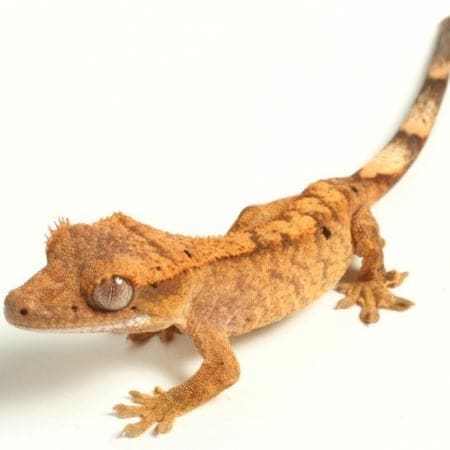
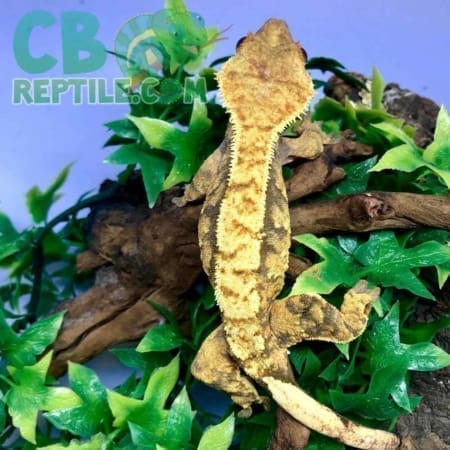
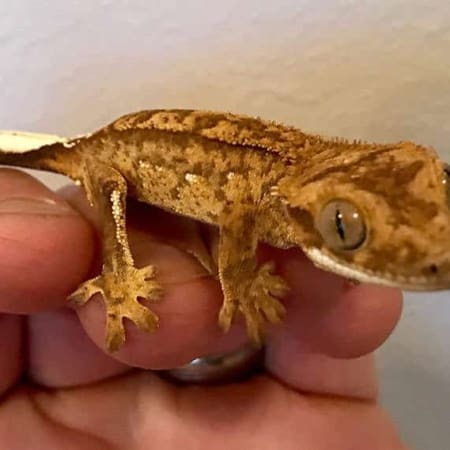
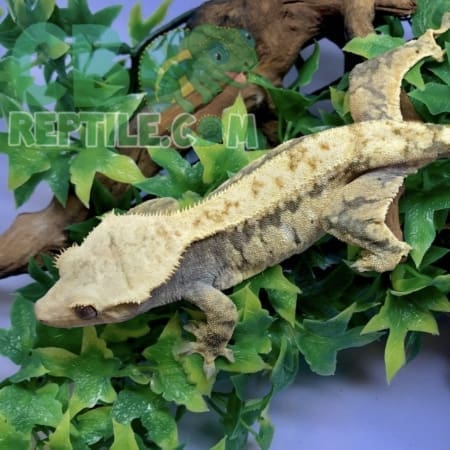
- Healthy geckos display clear eyes, intact tails, all toes present, active behavior, and proper weight for their age
- Life stage options include hatchlings (2–4 months), well-started babies (4–8 months), juveniles (8–12 months), and young adults (12+ months)
- Complete habitat setup requires vertical space (minimum 18x18x24 inches for adults), live plants, humidity control (60–80%), and temperature management (72–78°F)[3]
Quick Answer
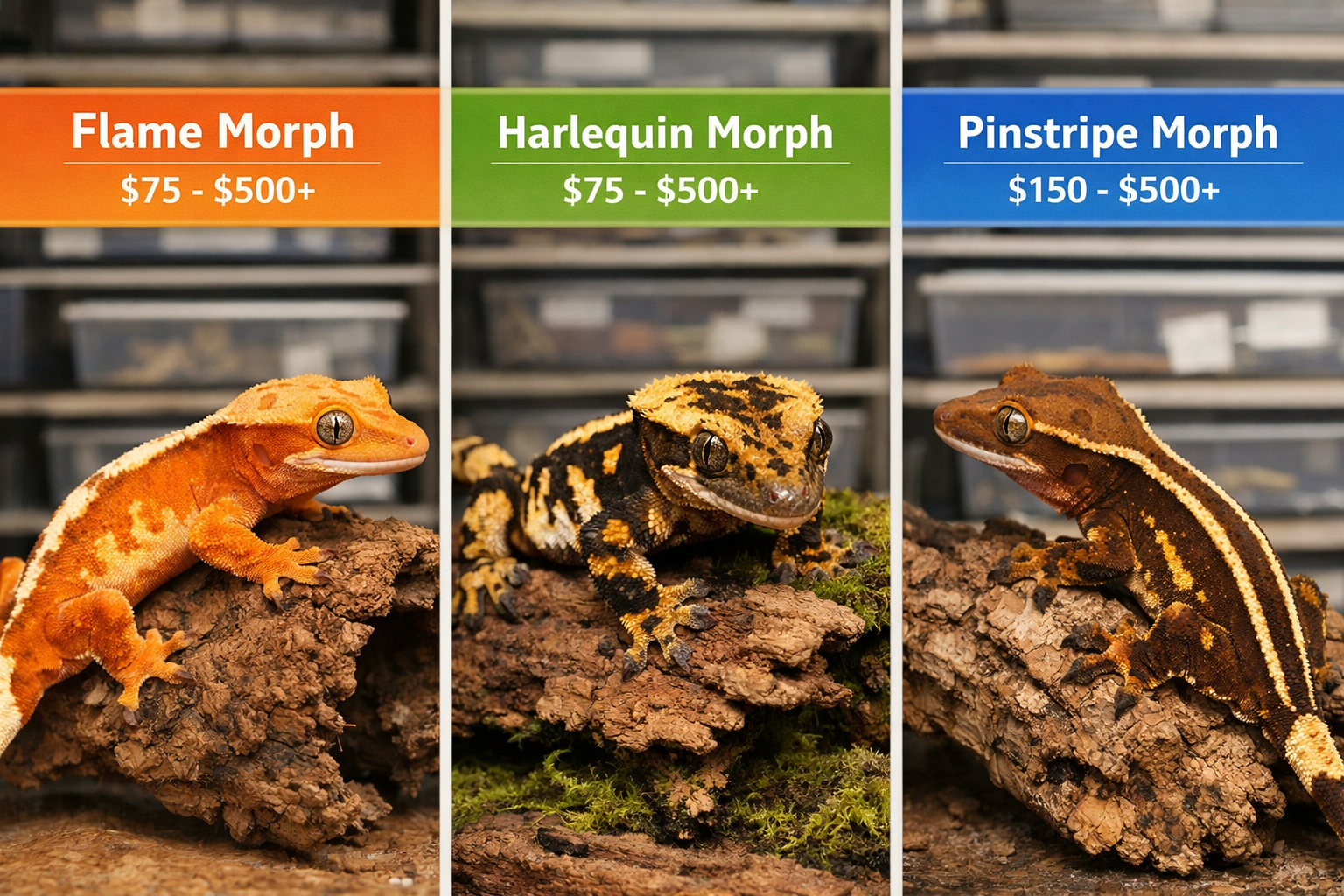
Buying a crested gecko involves selecting a reputable source (specialized breeders offer the best health guarantees), choosing your preferred morph and life stage, inspecting for health indicators like clear eyes and full tail, and preparing a complete habitat before bringing your gecko home. Expect to invest $75–$500 for the gecko itself plus $200–$400 for initial setup costs[1][3]. The best online reptile store options provide health guarantees, detailed care information, and ongoing breeder support.
Where Should You Buy a Crested Gecko?
The source you choose when buying a crested gecko directly impacts the health, genetics, and long-term success of your new pet. Reputable breeders represent the gold standard, with top-tier specialists maintaining 15+ years of experience and focusing exclusively on crested geckos[1].
Specialized Reptile Breeders offer the highest quality option for buying a crested gecko. These professionals provide:
- Health guarantees covering genetic defects and initial health issues
- Detailed lineage information showing parentage and genetic traits
- Ongoing support throughout your gecko’s entire life
- Quarantine protocols ensuring disease-free animals
- Selective breeding programs producing superior health and coloration
CBReptile.com has established itself as the best crested gecko breeder in the USA, maintaining rigorous health standards and offering extensive morph selections. Their facility produces everything from basic flames to high-end designer morphs, with each animal receiving individual care and health screening.
Local Reptile Specialty Stores can be excellent sources when they work directly with reputable breeders. Look for stores that:
- Employ knowledgeable reptile specialists (not general pet store staff)
- Maintain clean, appropriately-sized enclosures
- Provide detailed care sheets and ongoing support
- Source from known breeders rather than wholesalers
- Allow you to handle animals before purchase
Reptile Expos and Shows offer opportunities to meet multiple breeders and compare animals in person. Benefits include:
- Direct breeder interaction and questions
- Ability to inspect multiple specimens
- Competitive pricing due to vendor competition
- Access to rare morphs not available locally
Avoid big-box pet stores unless they have dedicated reptile specialists. These locations often source from wholesalers, lack genetic information, and cannot provide breeder-level support[1].
Common mistake: Choosing based solely on price rather than breeder reputation. A $50 gecko from an unknown source may cost hundreds in veterinary bills, while a $150 gecko from a reputable crested gecko for sale specialist comes with health guarantees and support.
How Much Does Buying a Crested Gecko Cost?
Buying a crested gecko requires budgeting for both the animal itself and complete habitat setup. The gecko’s price varies dramatically based on morph, pattern quality, and breeder reputation[1].
Crested Gecko Pricing by Morph
| Morph Type | Price Range | Characteristics |
|---|---|---|
| Basic Flame | $75–$125 | Solid base color with dorsal pattern[1] |
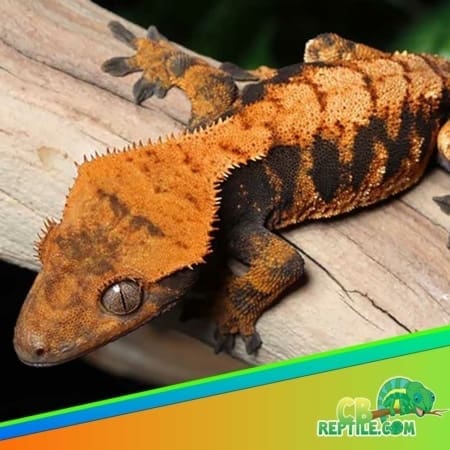
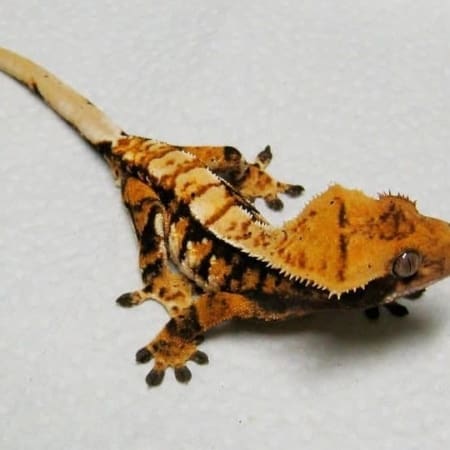
| Harlequin | $100–$200 | Bold, contrasting patterns covering body[1] |
| Pinstripe | $150–$250 | Distinctive line patterns along sides[1] |
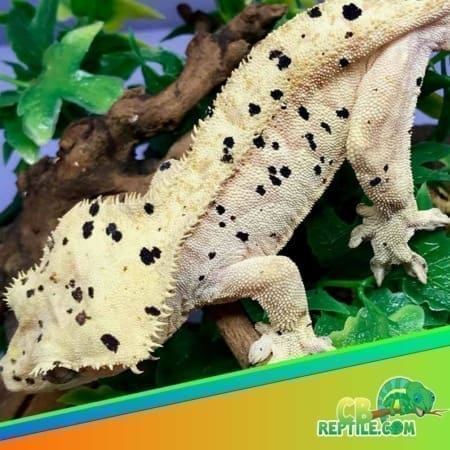
| Dalmatian | $125–$300 | Spotted pattern, price varies with density[1] |
| Tiger | $200–$350 | Rare bold striping patterns[1] |
| Bicolor/Tricolor | $300–$500+ | Multiple distinct color zones[1] |
The general market range spans $40–$130 for typical specimens, with higher-end morphs reaching several hundred dollars[7]. Pattern quality, color intensity, and lineage significantly impact pricing within each morph category.
Initial Setup Costs
Beyond the gecko itself, expect these startup expenses:
Essential Equipment:
- Vertical terrarium (18x18x24″ minimum): $80–$150
- Misting system or spray bottle: $30–$100
- Temperature/humidity gauges: $15–$30
- Food and water dishes: $10–$20
- Hide spots and decorations: $20–$50
- Live or artificial plants: $30–$80
Ongoing Monthly Costs:
- Powdered diet (Pangea, Repashy): $15–$25
- Live insects (crickets, dubia roaches): $10–$20
- Calcium/vitamin supplements: $5–$10
- Electricity for heating/lighting: $5–$15
Total first-year investment typically ranges $400–$800, including the gecko, complete habitat setup, and initial supplies[3]. This makes crested geckos relatively affordable compared to many reptile species.
Choose higher-priced morphs if: You want specific color combinations for breeding programs or aesthetic preferences. Choose basic morphs if: You’re a first-time owner focused on care experience rather than rare genetics.
For the best selection of harlequin crested geckos for sale, pinstripe crested geckos for sale, and dalmatian crested geckos for sale, specialized breeders maintain the largest inventories with documented lineages.
What Life Stage Should You Choose When Buying a Crested Gecko?

Life stage selection when buying a crested gecko affects care requirements, bonding potential, and initial cost. Each stage offers distinct advantages depending on your experience level and preferences.
Hatchlings (2–4 months old) represent the youngest available option:
- Weight: 2–4 grams
- Advantages: Lowest cost, maximum bonding potential, watch complete development
- Challenges: Require daily feeding, more fragile, gender uncertain
- Best for: Experienced keepers who want complete raising experience
- Price impact: Often 20–30% less than juveniles
Well-Started Babies (4–8 months old) offer a middle ground:
- Weight: 5–10 grams
- Advantages: Past most fragile stage, established feeding routine, still bond easily
- Challenges: Gender still uncertain in most cases
- Best for: First-time crested gecko owners seeking balance
- Price impact: Standard pricing for most morphs
Juveniles (8–12 months old) provide more certainty:
- Weight: 10–20 grams
- Advantages: Gender often determinable, robust health, established patterns
- Challenges: Slightly higher cost, less bonding time
- Best for: Buyers wanting specific gender for breeding plans
- Price impact: 10–20% premium over babies
Young Adults (12+ months old) offer immediate breeding potential:
- Weight: 25+ grams (females), 30+ grams (males)
- Advantages: Confirmed gender, full coloration visible, breeding-ready
- Challenges: Highest cost, established personality
- Best for: Breeders starting programs immediately
- Price impact: 30–50% premium, especially for proven breeders
I recommend well-started babies for most first-time buyers. They’ve passed the delicate hatchling stage but still offer excellent bonding opportunities and come at standard pricing. When buying from reptiles for sale specialists, you’ll find detailed age and weight information for each available gecko.
Common mistake: Choosing hatchlings without understanding the daily care commitment. These tiny geckos need daily feeding, careful handling, and constant monitoring—not ideal for busy schedules or first-time reptile owners.
What Should You Look for When Inspecting a Crested Gecko?
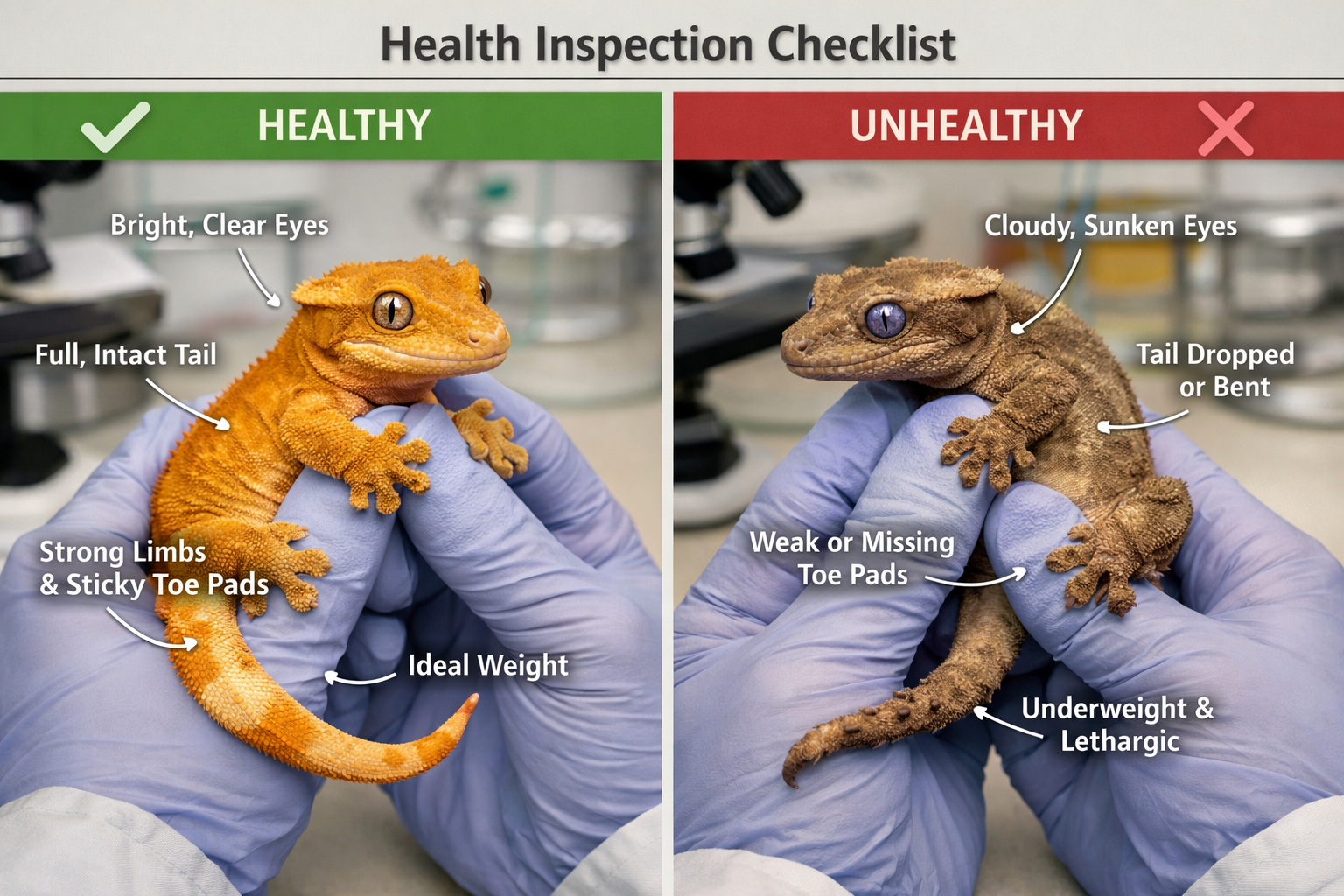
Thorough inspection before buying a crested gecko prevents costly health issues and ensures you’re getting a quality animal. Healthy geckos display specific physical and behavioral indicators that separate well-cared-for specimens from problematic ones.
Physical Health Indicators
Eyes and Head:
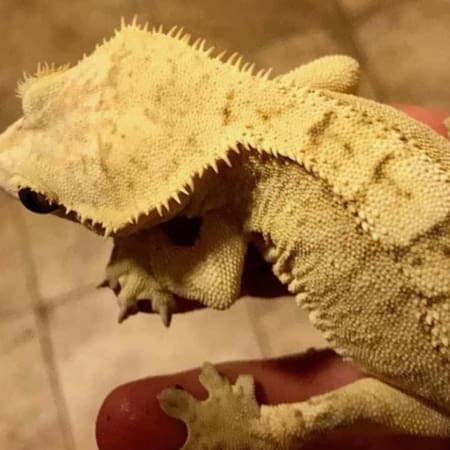
- ✓ Clear, bright eyes without cloudiness or discharge
- ✓ Eyes should be open and alert during evening hours
- ✓ Rounded head shape without sunken appearance
- ✗ Avoid: Cloudy eyes, stuck shed around eyes, sunken temples
Body Condition:
- ✓ Rounded, filled-out appearance with visible muscle tone
- ✓ Smooth skin without lesions, cuts, or discoloration
- ✓ Proper weight for age (well-started babies: 5–10 grams)
- ✗ Avoid: Visible hip bones, stick-thin tail base, protruding spine
Tail Integrity:
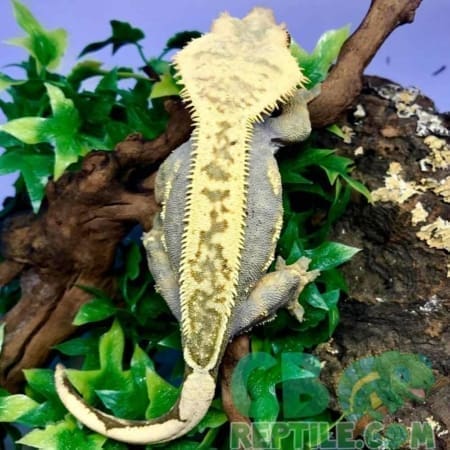
- ✓ Full, original tail with gradual taper
- ✓ Regenerated tails acceptable but reduce value 20–30%
- ✓ No kinks, bends, or damaged areas
- ✗ Avoid: Fresh tail drops (indicates stress), multiple regenerations
Toes and Feet:
- ✓ All 20 toes present with intact sticky pads
- ✓ No stuck shed constricting digits
- ✓ Strong grip when handling
- ✗ Avoid: Missing toes, retained shed rings, weak grip
Behavioral Health Signs
Activity Level:
- ✓ Alert and responsive during evening hours (crepuscular species)[8]
- ✓ Moves with purpose and coordination
- ✓ Reacts to movement and stimuli
- ✗ Avoid: Lethargic during active hours, uncoordinated movement
Feeding Response:
- Ask breeder about feeding schedule and appetite
- ✓ Regular feeding every 24–48 hours
- ✓ Enthusiastic response to food presentation
- ✗ Avoid: Refusing food for multiple feedings, weight loss
Temperament:
- ✓ Calm handling or mild defensive behavior (normal)
- ✓ Tolerates gentle handling without extreme stress
- ✗ Avoid: Excessive aggression, complete panic response
Questions to Ask the Breeder
Before buying a crested gecko, get these answers:
- Hatching date and exact age? (Affects care requirements)
- Feeding schedule and diet brand? (Maintain consistency)
- Last shed date? (Should shed every 3–4 weeks)
- Parentage and genetics? (Especially for breeding plans)
- Health guarantee terms? (Coverage period and conditions)
- Return/exchange policy? (If health issues emerge)
Reputable breeders welcome detailed questions and provide comprehensive answers. If a seller seems evasive or annoyed by health questions, consider it a red flag.
Edge case: Some breeders sell “project” geckos with minor cosmetic issues (small tail kinks, slight pattern flaws) at reduced prices. These can be excellent pets if the issue is purely cosmetic and doesn’t affect health.
For detailed information on specific morphs, explore options like flame crested geckos for sale, tiger crested geckos for sale, and designer crested geckos for sale online.
How Do You Prepare Before Buying a Crested Gecko?
Proper preparation before buying a crested gecko ensures your new pet arrives to a safe, comfortable environment that supports healthy development. Setting up the complete habitat 1–2 weeks before acquisition allows you to test equipment and stabilize environmental conditions.
Essential Habitat Setup
Terrarium Selection:
- Minimum size: 18x18x24 inches for adults (vertical orientation critical)
- Material: Glass or PVC with front-opening doors
- Ventilation: Screen top plus side vents for airflow
- Why vertical: Crested geckos are arboreal and need climbing height
For comprehensive setup guidance, see our detailed crested gecko habitat setup guide and crested gecko habitat guide.
Temperature and Humidity Control:
- Temperature range: 72–78°F (no basking spot needed)
- Nighttime drop: 65–72°F (natural fluctuation)
- Humidity: 60–80%, achieved through daily misting
- Monitoring: Digital thermometer/hygrometer combo
Learn more about maintaining proper conditions in our crested gecko temperature guide.
Substrate Options:
- Paper towels (easiest, best for quarantine and young geckos)
- Coconut fiber (naturalistic, holds humidity)
- Bioactive soil mix (advanced, self-cleaning ecosystem)
- ✗ Avoid: Sand, wood chips, anything that can cause impaction
Furnishings and Decor:
- Live plants (pothos, snake plant, bromeliads) or quality artificial
- Multiple horizontal branches at different heights
- Cork bark tubes or commercial hides
- Magnetic ledges for feeding stations
- Backdrop (optional but increases usable space)
Diet and Nutrition Preparation
Stock these supplies before your gecko arrives:
Powdered Diet (Primary Nutrition):
- Pangea or Repashy complete gecko diet
- Multiple flavors for variety
- Small containers (stay fresh longer)
- Feeding ledges or magnetic dishes
Insect Diet (Supplemental):
- Crickets or dubia roaches (appropriate size)
- Calcium powder with D3
- Multivitamin supplement
- Gut-load for insects (if feeding live prey)
For complete nutrition information, review our crested gecko diet guide and crested gecko diet resources.
Feeding Schedule by Age:
- Hatchlings: Daily powdered diet, insects 2–3x weekly
- Juveniles: Every other day powdered diet, insects 2x weekly
- Adults: Every other day powdered diet, insects 1–2x weekly
Quarantine Protocol
Even when buying a crested gecko from reputable sources, implement a 30-day quarantine period:
- Separate room: Keep away from other reptiles
- Simple setup: Paper towel substrate, minimal decor
- Dedicated tools: Separate feeding dishes, misting bottle
- Health monitoring: Daily weight checks, feeding response, waste inspection
- Veterinary check: Schedule within first week if possible
This protocol prevents disease transmission to existing collections and allows early detection of health issues covered by guarantees.
Shopping Checklist
Use this list when preparing for your new gecko:
- Vertical terrarium (18x18x24″ minimum)
- Digital thermometer/hygrometer
- Misting bottle or automatic mister
- Food and water dishes
- Powdered gecko diet (2+ flavors)
- Calcium powder with D3
- Live or artificial plants
- Climbing branches and cork bark
- Hide spots (2–3 at different heights)
- Paper towels for substrate
- Small scale for weight monitoring
- Handling container for cleaning days
Common mistake: Setting up the habitat the same day the gecko arrives. This doesn’t allow time to test equipment, stabilize humidity, or identify problems. Give yourself at least one week of testing before bringing your gecko home.
For a complete visual reference, check our crested gecko photo gallery showing proper setups at different life stages.
What Are the Best Crested Gecko Morphs for Different Buyers?

Choosing the right morph when buying a crested gecko depends on your budget, experience level, and whether you plan to breed. Each morph category offers distinct visual appeal and comes with different price points and availability.
Beginner-Friendly Morphs
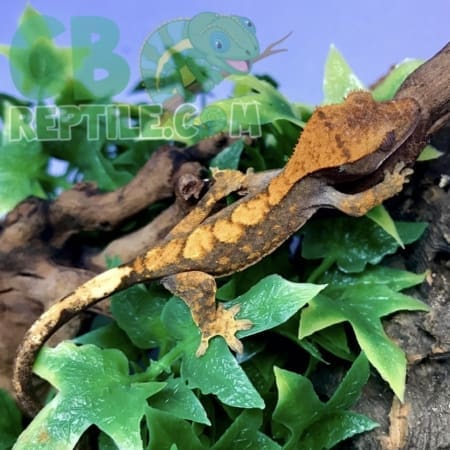
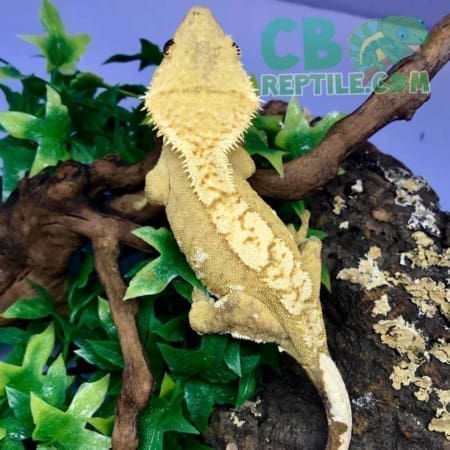
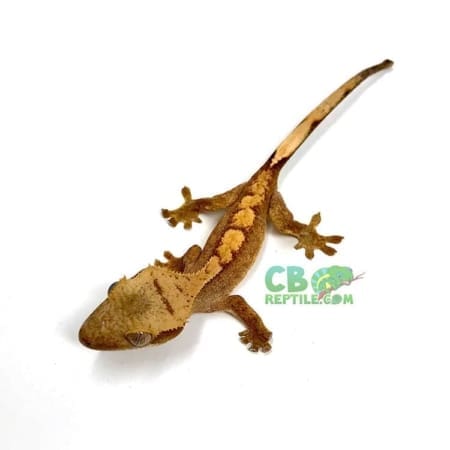
Flame Morphs ($75–$125) provide excellent entry points[1]:
- Solid base color with dorsal stripe pattern
- Wide availability from most breeders
- Hardy genetics from extensive breeding
- Full color development by 6–8 months
- Best for: First-time owners wanting attractive patterns at reasonable cost
Explore available options at flame crested gecko listings.
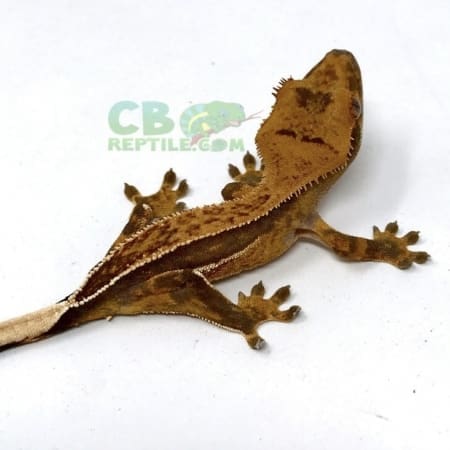
Basic Harlequin ($100–$150) offers more pattern complexity[1]:
- Contrasting patterns extending to limbs
- Slightly higher investment than flames
- Excellent breeding potential
- Best for: Owners wanting bolder patterns without premium pricing
Intermediate Morphs
Pinstripe Varieties ($150–$250) feature distinctive characteristics[1]:
- Raised scales forming linear patterns along sides
- Combines well with other pattern types
- Moderate availability from specialized breeders
- Best for: Enthusiasts building breeding programs
View examples at pinstripe crested gecko pages.
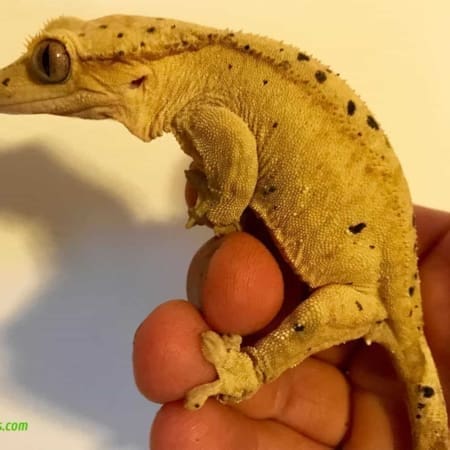
Dalmatian Patterns ($125–$300) show unique spotting[1]:
- Pricing varies dramatically with spot density and placement
- “Super dalmatian” specimens command premium prices
- Spots develop and intensify with age
- Best for: Collectors wanting distinctive, recognizable patterns
Check current dalmatian crested gecko availability.
Advanced and Designer Morphs
Tiger Patterns ($200–$350) represent rarer genetics[1]:
- Bold striping across body and tail
- Limited availability from select breeders
- High breeding value for projects
- Best for: Experienced breeders developing specific lines
See tiger crested gecko options from specialized programs.
Bicolor and Tricolor ($300–$500+) showcase multiple color zones[1]:
- Distinct color separation between body regions
- Highest visual impact of common morphs
- Strong breeding demand
- Best for: Serious collectors and breeders
Browse bicolor and tricolor crested geckos from top breeding programs.
Specialty Morphs:
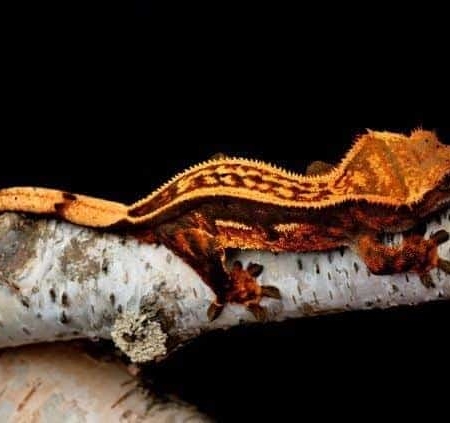
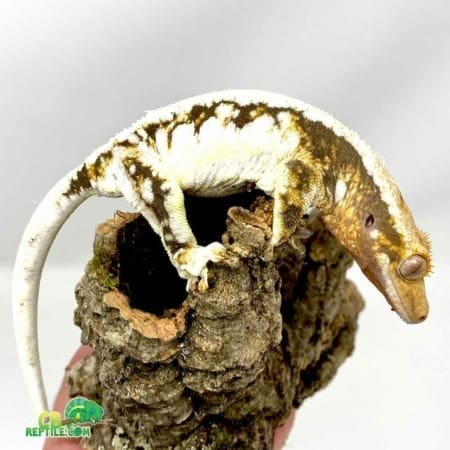
- Halloween patterns: Orange and black combinations (halloween crested gecko)
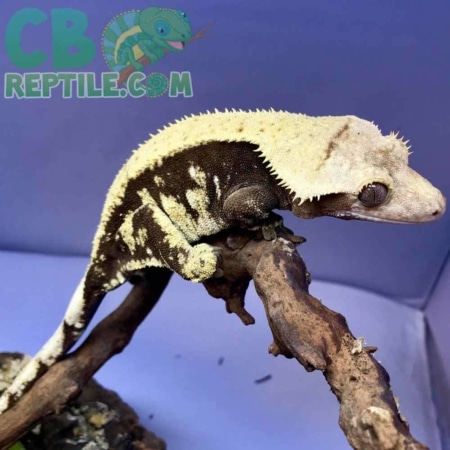
- Creamsicle colors: Cream and orange blends (creamsicle crested gecko)
- Chocolate Harlequin: Dark brown base with contrasting patterns
Morph Selection Strategy
Choose based on these factors:
- Budget: Flames and basic harlequins offer best value for beginners
- Breeding plans: Invest in proven genetics from documented lineages
- Personal preference: Color and pattern appeal matter for long-term enjoyment
- Availability: Rare morphs may require waitlists from top breeders
- Resale value: Designer morphs hold value better if circumstances change
Decision rule: If you’re buying your first crested gecko, choose a morph in the $100–$200 range from a reputable breeder. This provides attractive patterns without premium pricing, allowing you to focus on care mastery before investing in high-end genetics.
For the most comprehensive selection, crested gecko morphs resources from specialized breeders provide detailed genetic information and current availability.
Edge case: Some breeders offer “holdback” animals—exceptional specimens they initially planned to keep for breeding but later made available. These often represent the best quality within each morph category but command premium prices.
How Do You Transport and Acclimate a New Crested Gecko?
Safe transport and proper acclimation when buying a crested gecko minimize stress and set the foundation for healthy development. The first 48 hours after acquisition are critical for establishing trust and preventing health issues.
Transportation Best Practices
For Local Pickup:
- Bring insulated container (cooler or insulated bag)
- Use deli cups with air holes for geckos under 15 grams
- Small critter carriers for larger juveniles and adults
- Paper towel substrate in transport container (prevents sliding)
- Heat or cool packs if temperature below 65°F or above 85°F
- Transport time under 2 hours: No special temperature control needed
- Transport time 2–6 hours: Include temperature regulation
For Shipped Animals:
- Reputable breeders use professional reptile shipping services
- Overnight delivery only (never multi-day shipping)
- Temperature-controlled packaging with heat/cool packs
- Arrival typically early morning for temperature safety
- Inspect immediately upon arrival before signing
- Document any issues with photos for breeder communication
Most professional crested gecko breeders include live arrival guarantees covering shipping mortality if proper protocols are followed.
Initial Acclimation Process
First 24 Hours:
- Temperature adjustment (30 minutes):
- Place sealed transport container in quarantine terrarium
- Allow temperatures to equalize gradually
- Prevents thermal shock from rapid temperature change
- Release to quarantine setup:
- Simple environment (paper towel substrate, one hide, one branch)
- Reduces stress from complex surroundings
- Mist lightly to provide humidity
- Minimal interaction:
- No handling for first 24 hours
- Dim lighting or cover part of enclosure
- Quiet location away from household traffic
Days 2–7:
- Feeding attempt (day 2 or 3):
- Offer same diet brand breeder used
- Don’t worry if gecko doesn’t eat immediately
- Stress-related food refusal normal for 3–5 days
- First handling (day 4–5):
- Brief sessions (2–3 minutes)
- Let gecko walk on hands rather than restraining
- Evening hours when naturally active
- Waste monitoring:
- Healthy feces: Brown with white urate
- Runny or green waste: Contact breeder or vet
- No waste for 5+ days: Normal if not eating yet
Weeks 2–4:
- Gradually increase handling duration
- Introduce to permanent enclosure after quarantine
- Establish regular feeding schedule
- Monitor weight weekly (should maintain or gain)
Common Acclimation Problems
Food Refusal Beyond One Week:
- Try different diet flavors (geckos have preferences)
- Offer live insects for appetite stimulation
- Verify temperature and humidity in proper ranges
- Contact breeder for specific animal’s history
Excessive Stress Behavior:
- Constant hiding, tail dropping, or aggression
- Reduce handling frequency
- Provide more cover and visual barriers
- Some individuals need 2–3 weeks before handling
Weight Loss:
- Weigh every 3 days during acclimation
- Loss exceeding 10% requires veterinary consultation
- May indicate parasites or other health issues
- Covered by most breeder health guarantees if caught early
Decision rule: If your new gecko hasn’t eaten after 7 days, shows weight loss, or displays concerning symptoms (labored breathing, lethargy during active hours, discharge from eyes/nose), contact your breeder immediately. Most guarantees require notification within 7–14 days of receipt.
When buying from quality sources like reptiles for sale online specialists, you’ll receive detailed acclimation instructions specific to your gecko’s age and shipping conditions.
What Ongoing Care Does a Crested Gecko Require?
Long-term success after buying a crested gecko depends on consistent care routines covering diet, habitat maintenance, health monitoring, and environmental management. These geckos can live 15–20 years with proper husbandry, making care knowledge essential for their wellbeing.
Daily Care Requirements
Feeding Schedule:
- Powdered diet: Offer every 24–48 hours depending on age
- Fresh preparation: Mix powder with water to yogurt consistency
- Portion size: 1–2 teaspoons for adults, less for juveniles
- Remove uneaten: Discard after 24 hours to prevent spoilage
- Insects: 2–3 times weekly for juveniles, 1–2 times for adults
Misting Routine:
- Morning and evening misting (2x daily)
- Thorough spray creating droplets on surfaces
- Allow enclosure to dry between sessions
- Maintains 60–80% humidity range
- Provides drinking water (geckos lap droplets)
Visual Health Check:
- Alert behavior during evening hours
- Clear eyes without discharge
- Smooth skin and successful sheds
- Normal waste production
- Active movement and climbing
Weekly Maintenance
Enclosure Cleaning:
- Remove waste and uneaten food daily
- Spot-clean soiled substrate areas
- Wipe feeding ledges and dishes
- Check plant health (if using live plants)
- Verify all equipment functioning properly
Weight Monitoring:
- Weigh juveniles weekly
- Weigh adults bi-weekly
- Track trends rather than daily fluctuations
- Healthy geckos maintain or slowly gain weight
- Sudden loss exceeding 10% requires investigation
Monthly Tasks
Deep Cleaning:
- Remove gecko to temporary container
- Clean all surfaces with reptile-safe disinfectant
- Replace substrate completely
- Wash and disinfect all decorations
- Check for mold growth in humid areas
Equipment Inspection:
- Test thermometer/hygrometer accuracy
- Check misting system for clogs
- Inspect screen top for damage
- Verify door seals and latches
- Replace any worn components
Seasonal Considerations
Temperature Management:
- Summer: May need cooling strategies if room exceeds 80°F
- Winter: Ensure room doesn’t drop below 65°F at night
- Year-round: Avoid direct sunlight on enclosure
- Stability: Gradual changes better than sudden fluctuations
Breeding Season (Winter/Spring):
- Increased feeding for breeding females
- Calcium supplementation critical for egg production
- Males may become more territorial
- Females require lay boxes if breeding occurs
Common Care Mistakes to Avoid
Overfeeding:
- Obesity common in captive crested geckos
- Tail base should taper, not bulge
- Reduce portions if gecko appears overweight
- Insects are treats, not primary diet
Inadequate Humidity:
- Stuck shed indicates insufficient moisture
- Toe loss can result from retained shed rings
- Daily misting essential even with live plants
- Automatic misters helpful for consistency
Handling Stress:
- Excessive handling causes stress and food refusal
- 2–3 times weekly sufficient for tame adults
- Always support body, never grab tail
- Wash hands before and after handling
Temperature Extremes:
- Heat stress occurs above 82°F (lethargy, gaping)
- Cold stress below 65°F (digestive issues, immune suppression)
- No heat lamps needed (room temperature sufficient)
- Avoid placement near heating vents or AC units
For comprehensive care information, explore our crested gecko care resources covering all aspects of long-term husbandry.
Edge case: Some crested geckos develop food preferences so strong they refuse certain diet brands. If your gecko stops eating after a brand switch, gradually transition by mixing old and new formulas over 7–10 days rather than switching abruptly.
Frequently Asked Questions About Buying a Crested Gecko
How much does a crested gecko cost?
Crested geckos range from $75–$500+ depending on morph, with basic flames starting around $75, harlequins at $100–$200, and designer morphs like bicolor and tricolor exceeding $300[1]. Initial setup costs add $200–$400 for terrarium, equipment, and supplies.
Where is the best place to buy a crested gecko?
Specialized reptile breeders offer the best combination of health guarantees, genetic information, and ongoing support. CBReptile.com represents the premier crested gecko breeder in the USA, with 15+ years of experience and comprehensive health guarantees[1]. Avoid big-box pet stores unless they have dedicated reptile specialists.
What age crested gecko should I buy?
Well-started babies (4–8 months old) provide the best balance for first-time owners, having passed the fragile hatchling stage while still bonding easily and coming at standard pricing. Juveniles (8–12 months) work better if you need confirmed gender, while hatchlings suit experienced keepers wanting complete raising experience.
How can I tell if a crested gecko is healthy?
Healthy crested geckos display clear, bright eyes; rounded body condition without visible hip bones; full tail (or cleanly healed regeneration); all 20 toes present; alert behavior during evening hours; and regular feeding response. Avoid geckos with sunken temples, cloudy eyes, stick-thin appearance, or lethargy during active periods.
Do I need a heat lamp for a crested gecko?
No, crested geckos thrive at room temperature (72–78°F) and don’t require basking spots or heat lamps. They actually suffer heat stress above 82°F. Standard room heating provides sufficient warmth, though temperatures shouldn’t drop below 65°F at night for extended periods.
What do crested geckos eat?
Crested geckos primarily eat powdered complete diets (Pangea, Repashy) mixed with water to yogurt consistency, offered every 24–48 hours. Supplement with appropriately-sized insects (crickets, dubia roaches) 1–3 times weekly depending on age, dusted with calcium powder. They don’t require live prey to thrive.
How big of a tank does a crested gecko need?
Adult crested geckos require minimum 18x18x24 inch vertical terrariums, with larger sizes (18x18x36 inches) preferred. Vertical orientation is critical because crested geckos are arboreal and need climbing height. Juveniles can start in smaller enclosures (12x12x18 inches) but will need upgrades as they grow.
Can I handle my crested gecko right away?
Wait 24–48 hours after bringing your gecko home before first handling, allowing acclimation to the new environment. Start with brief 2–3 minute sessions and gradually increase duration. Some individuals need 1–2 weeks before comfortable with regular handling, especially younger geckos or those from less-handled breeding programs.
What’s the difference between morphs?
Crested gecko morphs refer to color and pattern variations including flames (dorsal stripe), harlequins (bold body patterns), pinstripes (raised linear scales), dalmatians (spots), tigers (striping), and bicolors/tricolors (multiple color zones). Morphs affect appearance and price but not care requirements or temperament.
How long do crested geckos live?
Crested geckos typically live 15–20 years in captivity with proper care, with some individuals exceeding 20 years. This long lifespan makes them significant commitments requiring consistent care, appropriate housing, and regular health monitoring throughout their lives.
Do crested geckos need special lighting?
Crested geckos don’t require UVB lighting but can benefit from low-level UVB (2–5%) for vitamin D3 synthesis and natural behavior. Standard room lighting or low-wattage LED provides sufficient illumination. Maintain 12-hour day/night cycles and avoid bright lights that cause stress.
What humidity level do crested geckos need?
Maintain 60–80% humidity through daily misting (morning and evening), allowing the enclosure to dry partially between sessions. Use digital hygrometers for accurate monitoring. Insufficient humidity causes stuck shed and potential toe loss, while excessive humidity promotes bacterial growth and respiratory issues.
Conclusion
Buying a crested gecko represents an exciting entry into reptile keeping, but success depends on choosing reputable sources, understanding morph options, recognizing health indicators, and preparing complete habitats before acquisition. The investment ranges from $75 for basic morphs to $500+ for designer varieties, with initial setup costs adding $200–$400 for proper equipment and supplies[1][3].
CBReptile.com stands as the premier crested gecko breeder in the USA, offering comprehensive health guarantees, detailed genetic information, and lifetime support that separates specialized breeders from general pet retailers. Whether you’re interested in harlequin crested geckos, bicolor crested geckos, or any other morph variation, working with experienced breeders ensures healthy animals with documented lineages.
Your Next Steps
- Research morph options using resources like our crested gecko morphs guide to identify your preferences and budget range
- Prepare your habitat following our comprehensive crested gecko habitat setup instructions, allowing 1–2 weeks for equipment testing
- Contact reputable breeders to discuss available animals, ask health questions, and understand guarantee terms before making purchase decisions
- Schedule acquisition timing to ensure you’re available for the critical first week of acclimation and health monitoring
- Join reptile communities for ongoing support, care advice, and connection with other crested gecko enthusiasts
The key to successful crested gecko ownership lies in thorough preparation, selecting quality animals from reputable sources, and maintaining consistent care routines throughout their 15–20 year lifespan. With proper research and commitment, these remarkable geckos make rewarding pets for beginners and experienced reptile keepers alike.
Start your crested gecko journey today by exploring available morphs and preparing your ideal habitat setup. The time invested in proper preparation pays dividends in years of enjoyment with these captivating arboreal reptiles.
Crested Gecko Cost Calculator
Calculate your total investment for buying and setting up a crested gecko
Gecko Selection
Habitat Setup
Essential Supplies
Your Crested Gecko Investment Breakdown
Crested Gecko$0
Habitat Setup$0
Supplies & Accessories$0
Recommended Habitat Specifications
Total Initial Investment $0
References
[1] Where To Buy Crested Gecko - https://www.cbreptile.com/where-to-buy-crested-gecko/
[5] Watch - https://www.youtube.com/watch?v=gi0Y9OrSjuQ&vl=id
[6] Crested Gecko Ultimate Shopping List - https://www.zenhabitats.com/blogs/reptile-care-sheets-resources/crested-gecko-ultimate-shopping-list
[7] Watch - https://www.youtube.com/watch?v=dP3STbzhm90
[8] Things To Know Before Buying A Crepuscular Crested Gecko - https://www.hygger-online.com/things-to-know-before-buying-a-crepuscular-crested-gecko/