
Pacman Frog Lighting
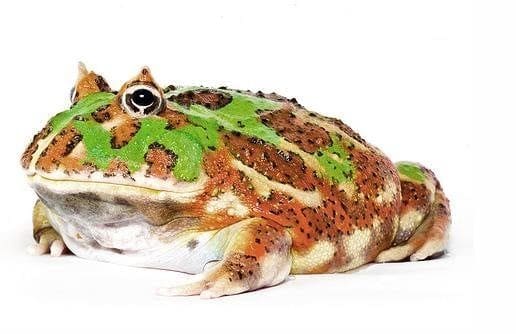
Lighting is one of the most important parts of Pacman frog care and a Pacman frog habitat. Most reptiles require ultraviolet lighting to maintain good health. Although Pacman frogs are nocturnal, they do not require ultraviolet lighting, they receive all their D3 from the foods & supplements you provide. If it is part of the habitat design, it is recommended for 12 hours per day. Be sure to use a very low wattage bulb especially if the frog is an albino, as the harsh lighting can damage the albino eyes. The use of a timer will assist in maintaining an accurate schedule of light periods. You can also use a red or blue light for time observation instead as neither will bother the frog or cause any eye damage.
Pacman Frog Habitat
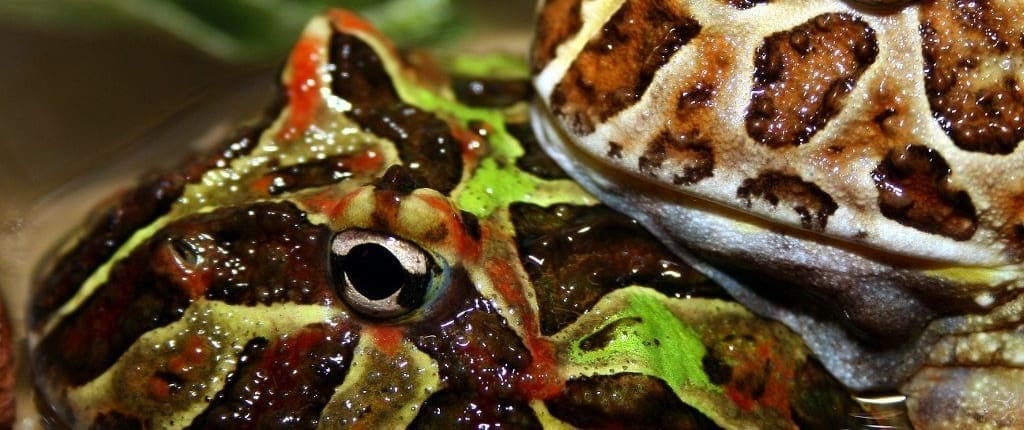
Coco husk, Eco-earth, and fertilizer-free soil are good substrates to use, as Horned Frogs like to burrow and spend much of their time just beneath the surface of the substrate. Paper towels are a cheap alternative for substrate. Fresh water should be supplied daily. A large, shallow water bowl should be provided containing de-chlorinated or bottled spring water. Tap water may be used as long as it has been treated with a de-chlorinating solution such as repti-safe or aqua-safe. These will normally have added calcium which can be beneficial to your frog. Pacman frogs can’t swim so the depth of the water must not go past your horned frog’s head. All species of Horned Frog require some humidity. Lightly misting the terrarium daily with de-chlorinated water in a spray bottle should suffice to keep humidity at the right level for your Horned Frog. All amphibians require somewhere to hide. Make sure your substrate is deep enough for your horned frog to hide in. The ideal temperature for your Horned Frog is a temperature gradient of 75- 82°F. Heat should be provided using an under tank heat mat with an appropriate thermostat. Heat mats should only cover between a third and a half of the wall or floor space to allow your Horned Frog to thermo-regulate. Never use heat lamps or basking lamps for amphibians, as these can cause your Horned Frog to dehydrate. It’s useful to have a small thermometer on either end of the terrarium to check the temperature. One end should be around 24°C and the other around 28°C to ensure that your Horned Frog can thermo-regulate by moving around the tank. Horned Frogs should be kept out of direct sunlight and a low UVB tube is generally a welcome addition to the terrarium. Your terrarium should be cleaned on a weekly basis.
Pacman Frogs for sale
No products found which match your selection.
Pacman Frogs for sale
Cute? Yes. Easy to care for? Yes. Reasonably priced? Yes. Pacman frogs make great pet frogs!
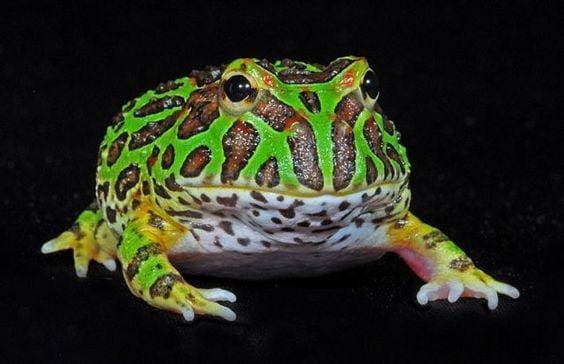
Pacman, or “Horned frogs for sale” come from the damp, humid forests of South America. Their name refers to the fact that the top of their head comes to a point over their eyes and looks like horns. They also have the nickname “Pac-Man Frog,” after the popular video game.
When considering a Strawberry Pacman frog for sale, be sure to only purchase captive bred baby pacman frogs for sale from an experienced Strawberry Pacman frog breeder.
Some of the morphs that we currently breed / carry are: Green pacman frogs for sale, strawberry pacman frogs for sale, camo pacman frogs for sale, albino pacman frogs, apricot pacman frog, apricot pacman frog, green fantasy pacman drog, dragonwing pacman frogs, lemon albino pacman frogs, sunburst pacman frogs and other rare pacman frog morphs for sale.
At CBReptile.com all of our reptiles for sale, including our strawberry pacman frogs for sale are captive bred and NOT wild caught. We have a Biologist ON SITE and offer a Live arrival and FULL 7 day health guarantee on ALL Of our animals. Our guarantee extends to 30 days for all customers who purchase full habitat kits. All of our orders ship via FedEx Overnight in heated or cooled, insulated containers (when needed) and leave our facility at 6:45PM and are on your doorstep the following morning before noon. One Shipping charge of $39.95 covers up to 5 reptiles for sale.
Japanese Cave Geckos for sale
No products found which match your selection.
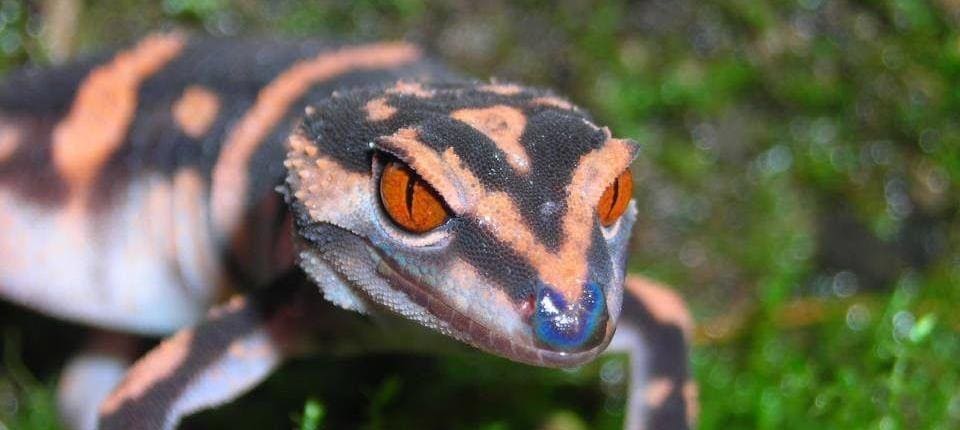
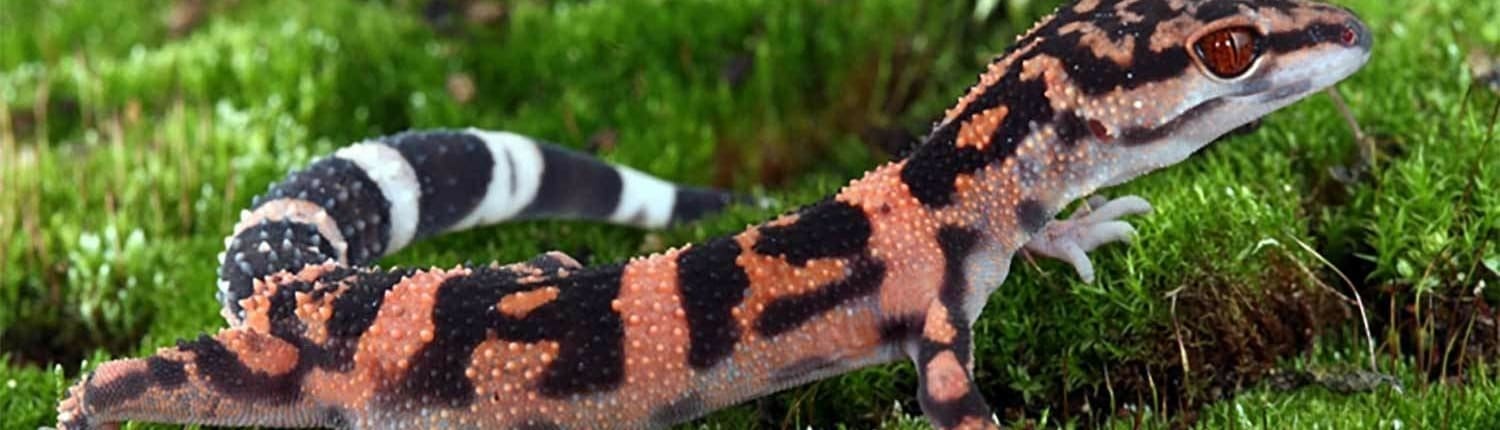
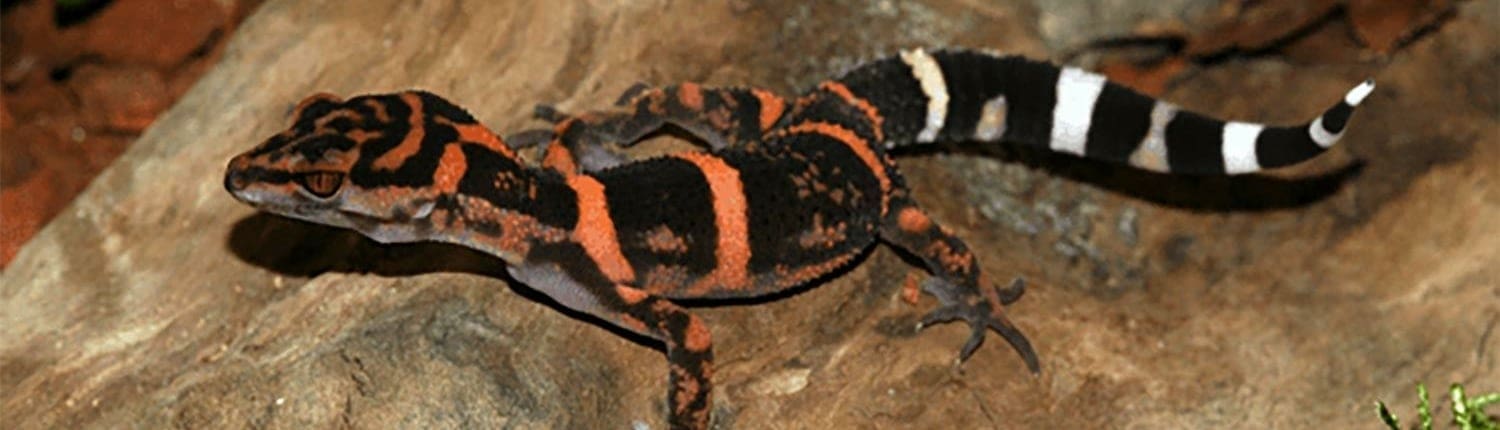
Japanese cave geckos are beautiful, fast, shy animals native to rocky, wet mountain forests of Japan. They are found on four different islands of Japan: Ie-Jiima, Tonaki-Shima, Aka-Shima, and Tokashiki-Shima. In the wild they are found in and around the mouths of caves located near small moving bodies of water.
Working with Japanese cave geckos for sale is rewarding. They are stunning, fairly docile, and some of the most beautiful pet geckos for sale in the world. As a Japanese gecko breeder, we pride ourselves with working with the best japanese cave gecko breed stock available producing the best japanese cave geckos for sale anywhere.
Tegus for Sale
No products found which match your selection.
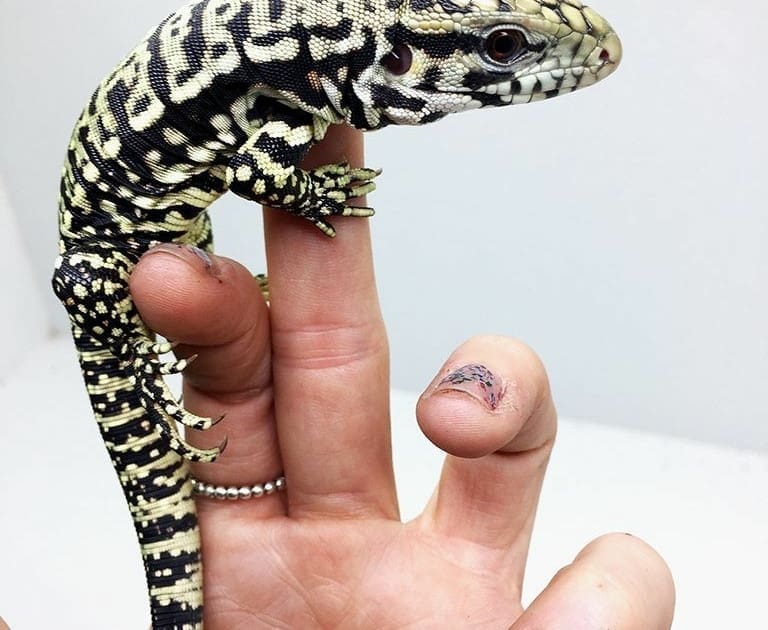
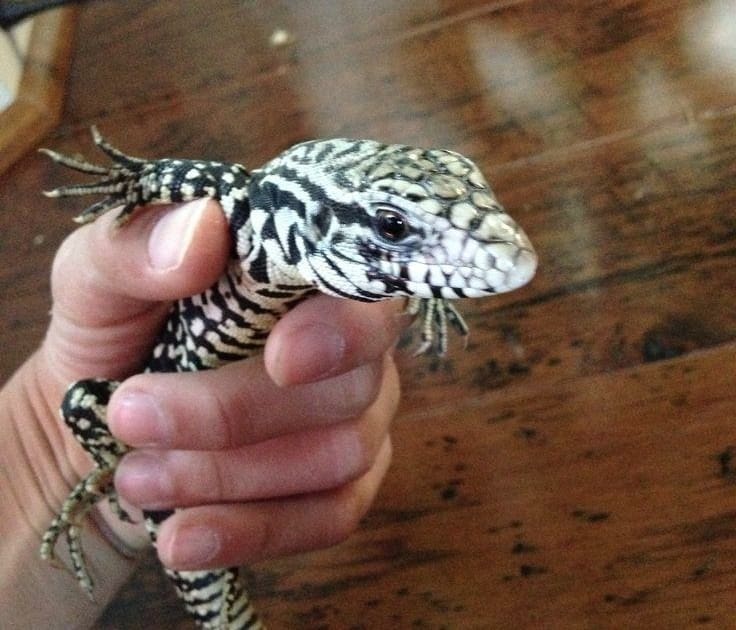
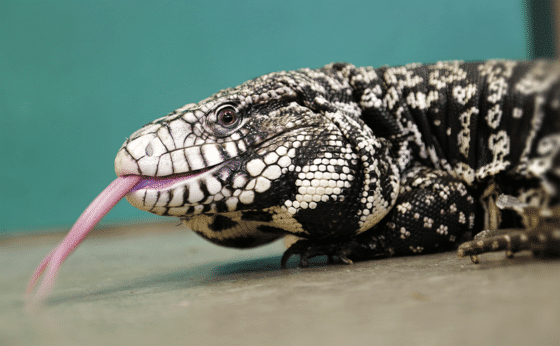
Description: The Argentinian tegu can reach an adult size of 4 feet or even longer (including the tail). They have a fairly distinctive red ground color with white and black dots and stripes over the entire body.
| Enclosure: With all the different enclosures available on the market today choosing an enclosure could become quite confusing. We would recommend a simple wooden vivarium with glass sliding front doors. Fitted with a heating system and lighting system as mentioned below they just seem to make the perfect habitat for a pet reptile. They look nice and can be ordered in a colour to match your household furniture. They hold the heat well, are easy to clean and durable. We would not recommend one of the many different glass enclosures on the market today as they are very expensive compared to the wooden equivalent and they do not hold the heat nearly as well. For a fully grown Black and White Tegu they should have a 6ft x 4ft x 3ft enclosure, when these lizards are young they can be kept in a smaller enclosure but they will need upgrading as they grow. |
|
|
| Temperature: Tegus should be maintained at 85 degrees with a basking spot of 100 degrees. You should create a heat gradient by putting your heat source only at one end of the enclosure, this will create a “hot” end and a “cool” end of the enclosure as this will give your animal a choice of temperatures in the enclosure so that he always feels comfortable. We always feel that the safest way is to use a thermostatically controlled heating system. The are many systems on the market today that are perfect for the job in hand. An overhead ceramic element or reptile radiator connected to a temp stat or a pulse stat is one way, or a coloured spot bulb connected to a dimming thermostat is equally as good. Both these systems will provide a very controllable heat source. There are other heaters out on the market such as AHS all in one heaters/thermostat that will also do a great job of heating the enclosure. |
|
|
| Lighting: Argentinian red tegus are diurnal and need exposure to full spectrum UVA and UVB lighting. 12% Arcadia Florescent Tubes are the best choice in UV lighting for a Tegu. |
|
|
| Humidity: These lizards should have humidity levels of 60-80%. This can be maintained by misting the enclosure twice daily, devices such as waterfalls and foggers can also be used in the enclosure to help maintain the adequate humidity levels required. They also require a large water dish to allow them to soak in the water, this will also help to increase the humidity levels in the enclosure. |
|
|
| Substrate: Tegus like to burrow, and need a substrate that is absorbent and easy to clean such as, Kritters Crumble, Orchid Bark etc. |
|
|
| Furnishing: There are lots of furnishings available that are suitable for these lizards. A large water bowl is suitable so that your lizard is able to soak in the water if necessary.Plants and other decor are available to make the enclosure look nice |
| Selecting a Healthy animal: When selecting your new Black and White Tegu its important to check that the animal is in good health and is kept in a clean and adaquate enclosure. Looking around the shop will give you a good idea of how the animals are kept.. If the shop is kept clean and maintained well, the staff are friendly and helpful and the enclosures are kept clean with bright, alert animals you can be sure the animals are healthy.. The staff should be happy to show you the animal and talk you through the up keep and answer any questions you may have. |
|
|
| Temperament: When young these lizards can be very nervous and skittish, but with perseverance and regular handling when they are young they can become very docile animals. As these lizards grow larger they will become more docile. |
|
|
| Shedding: These lizards will shed their skin throughout their lives. You will notice that the colours of your Tegu will dull at the start of the shedding process and the skin will start to peel away in pieces. Humidity in the enclosure can be increased prior and during this period to aid this process and you will notice your lizard bathing more frequently. |
|
|
| Handling: Handling is recommended when these lizards are young as they can be quite nervous and skittish, 10-15 minute periods of handling is adequate to get them used to human contact. These lizards rarely bite but they may squirm in your hands trying to break loose. If handled regularly when young these lizards can become very docile and make fantastic pets. |
|
|
| Diet: Tegus are typically considered omnivores, although many captive diets do not reflect this tendency. In addition to an assortment of appropriately sized insects (crickets, mealworms, waxworms, roaches), various high calcium fruits and vegetables should be regularly offered. Willingness to accept fruits will vary from animal to animal, but even a small amount can add a lot of variety and essential nutrients to the tegu diet. Rodents may be offered, though sparingly, as they tend to be high in fat, and tegus are simply not designed to digest large quantities of fur. Instead, a balanced dietary supplement can be created using raw, ground turkey, whole eggs (with shell), and bone meal or an equivalent calcium/vitamin supplement. Tegus grow quickly and have very active metabolisms. As such, regular feeding is necessary. There is no rule of thumb as to exactly how much to offer, but tegus should have a filled-out appearance when they are full. Start by offering young tegus food daily and adjust quantity and frequency as needed. Calcium and vitamin supplementation is especially important for young tegus. A high quality calcium supplement complete with vitamin D3 should be lightly dusted on all food every other feed. |
|
|
| Water: Fresh water should be provided daily. |
|
|
| Maintenance: The enclosure should be spot cleaned every day. Simply pick up any unwanted debris or feaces this will help prevent any bacteria build up in the enclosure. Every 4 – 6 weeks we would recommend that the enclosure is completely stripped out. Once you have removed your animal to a safe alternative warm temporary home, remove all furnishings and substrate, disinfect the enclosure totally making sure you get into all the corners. Disinfect all furnishing and rinse, replace substrate with new and then replace everything back into the enclosure and heat back to correct temperature before replacing your animal. |
|
|
| Sexing: Sexing Red Tegu’s is a very hard thing to do. Males do get bigger than the females. Males develop large jowls underneath the chin as they mature. |
|
|
| Breeding: To successfully breed RedTegu’s you must hibernate both the Male and the Female through the winter season. I would say that the clutches can be anywhere between 10 to 70 eggs! Once she lays the eggs, they should be removed for incubation. Be careful not to rotate the eggs as they are removed. Place them in an incubator, with a temperature of 86 to 90 degrees. Now the waiting begins. Keep monitoring the temperature and humidity. also, check the eggs very gently by touch, to make sure they have a leathery feel, not too hard nor too soft. I would recommend spending extra money on a quality thermostat. The eggs will incubate between 45 and 60 days before hatching. Provide Vermiculite as a substrate for the eggs in the incubator. |
Aquatic Turtle Supplies
CBReptile.com is proud to offer a fantastic selection of aquatic turtle supplies, habitats, decorations, food and more at the best prices in the USA! Shop below to complete your new turtle’s habitat properly.
No products found which match your selection.
Aquatic Turtles for sale
At CBReptile.com we have the world’s finest selection of healthy, captive bred aquatic turtles for sale including baby turtles for sale, juvenile aquatic turtles for sale and adult aquatic turtle for sale. We specialize in all types of box turtles as well as aquatic turtles for sale and water turtles for sale online including slider turtles for sale online, red eared slider for sale as well as rare albino red ear slider turtle for sale. Looking for cooters? We have some fabulous rio grande cooter turtle for sale as well as hieroglyphic river cooter turtles for sale. River turtles are just some of the species of aquatic turtle for sale we offer. All of our tortoises for sale and aquatic turtles for sale come with our full live arrival and 7 day health guarantee! With a biologist ON-SITE we guarantee you the finest aquatic turtles for sale online in the Country.
No products found which match your selection.
Crested Gecko Habitat Guide
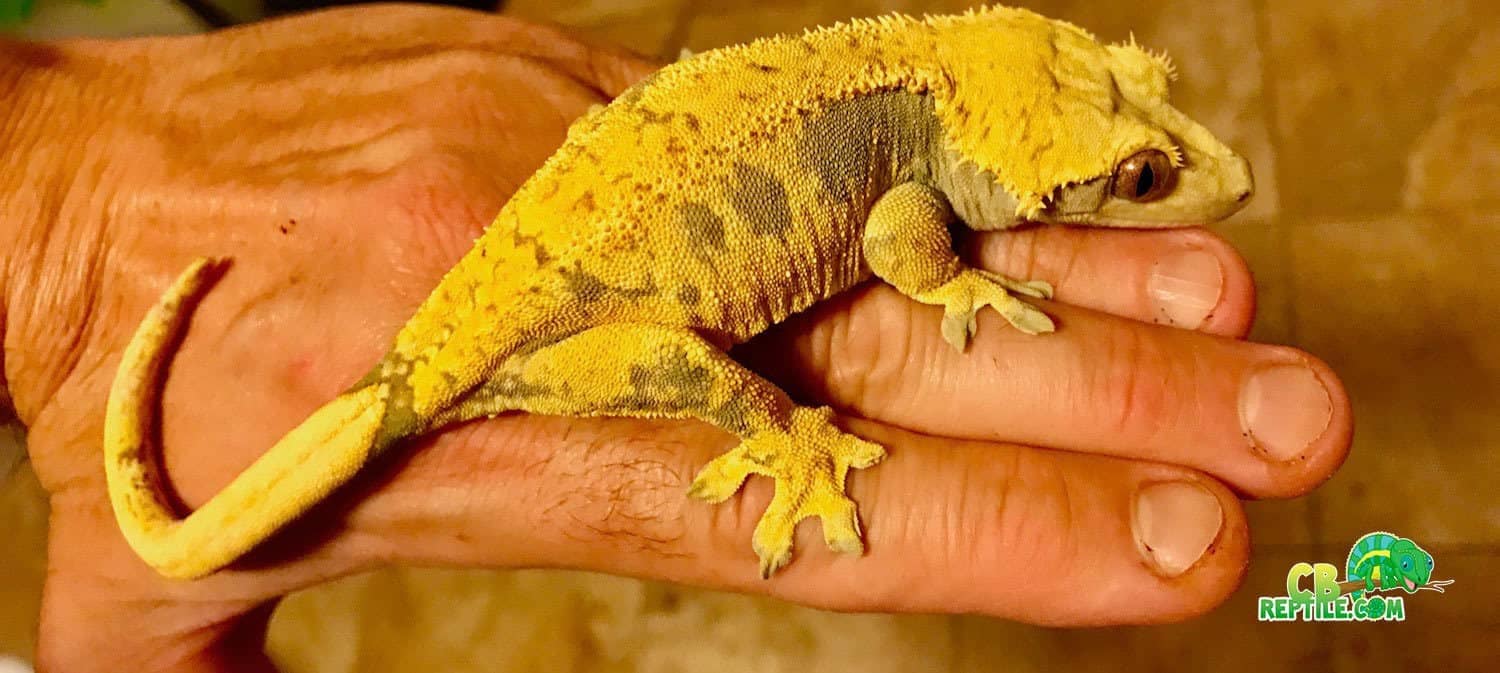
Crested Gecko Habitat
Before purchasing your new crested gecko for sale, explore proper crested gecko habitat preparation and provide your new pet crested geckos for sale the best crested gecko terrarium or crested gecko possible.
Baby crested geckos are best housed in large plastic terrariums or in standard (20-inch) 10-gallon reptile tanks with a screen top. An adult crested gecko should be housed in a 20-gallon tank with screen top. Larger tanks will allow for better displays. In areas with moderate to high relative humidity, crested geckos will fare well in screen cages. These tanks have the advantage of being light and easy to clean. You can keep one male and several female crested geckos together. Male crested geckos may fight, particularly when in the company of females, and should not be kept together.
Crested Gecko Lighting and Temperature
Cresteds like all reptiles, are ectotherms (body temperature varies with environmental temperature), so it is important that you provide the proper temperature range (thermal gradient) for activity and feeding. A thermometer is essential for accurate temperature measurements.
Crested geckos are comfortable at temperatures in the range of 78 to 82 degrees F during the day with lows in the 70s at night. In most areas this temperature range will be reached during the warm months of the year without additional heat. In summer, place crested geckos in a cool room if the temperature exceeds 87 degrees. During the winter crested geckos will tolerate night drops into the 60s just do not drop below 60 Degrees F at night.
The easiest way to provide heat is a ceramic heat emitter in a reflector type fixture placed on the screen top over one side of the tank so that the temperature of basking areas (branches) reaches the desired range. You can also provide under terrarium heat with a pad but the vertical design of proper habitat would make it so that is less effective. You must always keep one side of the tank unheated so that crested geckos can choose a cooler area to regulate their body temperature. The use of a subtank reptile heat pad or heat tape under one side of the tank can be regulated by a thermostat.
If you have live plants in your vivarium additional light can be provided by a fluorescent bulb running the length of the tank. Crested geckos tend to rest in foliage or shelters during the day and are active at night. They do not require UVB light if fed a diet that contains Vitamin D3. Turn off lights at night.
Crested Gecko Substrates
Crested geckos spend most of their time above ground so a variety of substrates can be used. For simple maintenance purposes, reptile carpet is attractive and easily cleaned. For a more naturalistic look, a peat-moss-based soil mix that doesn’t contain perlite will work well. Coir (coconut fiber pulp now sold in reptile stores as compressed bricks) mixed 50 percent with soil is a good choice for growing live plants.
Crested geckos feel comfortable resting in foliage and like to climb on wood. Good landscape materials include cork bark sections for vertical and ground level shelters and climbing areas. Dried wood branches angled across the length of a vivarium provide resting and activity areas. Do not over clutter the tank. Leave plenty of open space. Live or artificial plants in combination with wood and bark will provide the security crested geckos need to rest in the open and add a decorative element to the display. Good plant selections include small Ficus benjamina, Dracaena spp. and Pothos.
Crested Gecko Feeding
In this author’s opinion, the complete powdered diet Pangea brand “Crested Gecko” Diet has played a key role in making these among the most popular of lizards kept as pets, because it excludes the need to feed live insects. Crested geckos thrive when fed this diet exclusively, which has been tested with thousands of geckos for more than 10 years. The diet is mixed with two parts water and offered in shallow dishes three times a week as much as these geckos will eat at a feeding. The diet is allowed to remain 24 to 36 hours before removal.
In addition to fruit, crested geckos relish insects and some hobbyists choose to offer these as either a primary diet or as supplementary diet. Crickets now sold in the pet trade are the best choice and you should select a size where length of cricket equals width of head. Crickets should be lightly coated with a vitamin/mineral supplement that contains calcium, vitamin D3 and a complement of other essential vitamins and minerals. They should be offered three times a week as a primary diet or once a week as a treat/supplement to the Crested Gecko Diet.
Crested Gecko Water and Humidity
Water should always be available for crested geckos in a shallow water dish. These geckos also require a relative humidity of at least 50 percent and preferably 70 percent. In dry areas the tanks should be lightly misted nightly or a cool air humidifier placed in the room. Inexpensive hygrometers (relative humidity gauges) for use with reptiles are now readily available in the pet trade.
Crested Gecko Tails
In nature, crested geckos will usually lose their tails and end up with a tiny pointed tail nub. “Taillessness” is a normal condition for adults crested geckos. In captivity, hobbyists like their crested geckos with tails, but this requires keeping animals individually and pampered to prevent tail loss. Even then it happens, oh well :( They are still super cute!
Crested Gecko Handling and Temperament
Newly purchased crested geckos should not be handled, but first allowed to settle in for three to four weeks to let them adjust to their new environment and to make sure they regularly feed. When you start handling your crested gecko, make handling sessions short, no more than five minutes. Baby crested geckos tend to be flighty and can be injured in the course of handling. For this reason you should wait until they are at least 3 inches SVL before handling. Crested geckos seldom bite and when they do it is of little consequence. A quick nip and let go.
No products found which match your selection.
Leopard Gecko Habitat Guide
Leopard Gecko Habitats
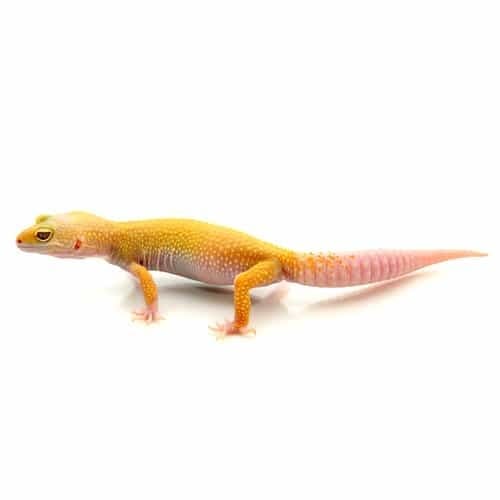
Before purchasing your new leopard gecko for sale, do your homework on proper leopard gecko care including habitat setups! We have some really nice and discounted packages that contain everything you need to setup your leopard gecko properly. To view our leopard gecko habitat selection of leopard gecko terrariums and more, click here.
1. Leopard gecko Safety concerns: Using slate/ceramic tiles, there is zero impaction risk. Unlike sand and other loose substrate, tiles won’t get ingested by geckos. Too often people mistaken leopard geckos with other sand lizards. Leopard geckos are arid creatures, they do not live in sand, they actually live in rock crevices and burrows. So slate/ceramic tiles would feel more natural to them than sand substrate. Also make sure there is nothing too tall that can allow them to fall hard onto the ground. Leopard geckos do not have sticky pads on their toes (unlike crested geckos), so you want them to be able to reach down to the ground from the highest point of your decorations. Never design a cliff because they often will take the hard way down even if you have a ramp. Falling on their stomach, it could cause internal bleeding and possibly death.
Those utilizing loose substrate such as Eco Earth Coconut Fiber throughout the whole tank should reconsider. Not only do they pose impaction risk, they will raise the humidity inside the tank above safety levels. High persistent humidity will cause upper respiratory infection in leopard geckos. Leopard geckos only require 20%-40% humidity. Coconut fiber should only be used within the moisthide, this way humidity is controlled, and it lessens the impaction risk because your gecko won’t be feeding inside the moisthide. So while we highly recommend Eco Earth coco fiber as moisthide substrate, we do not recommend using it as the general tank substrate throughout the whole tank.
2. Overall focus should be on how to maintain proper Cleanliness – Slate/ceramic tiles are easy to spot clean, so it’s very easy to keep their environment clean. They also last forever. Sand and even repti carpet can trap bacteria, it’s very hard to keep their environment clean when those substrate are designed to hide away the mess. Paper towels are often used as a temporary substrate, they work very well since you can simply replace the paper towels when they get dirty.
3. Coziness – Having plenty of hides will allow your leopard gecko to feel safe and secure, which in turn gives them less stress. They can choose where they want to lay in, they can also thermoregulate their own body temperature. This is why there is a warm hide above the under tank heating pad, a cool hide on the opposite side, and a moist-hide somewhere in the middle. You want your gecko to feel comfortable, it’s a place they’ll be living in for a very long time. While these tanks won’t be winning any beauty awards (we basically used what we had available at the time), they are designed with leopard gecko’s well-being in mind.
No products found which match your selection.
Leopard Gecko Diet
Leopard Gecko Diet
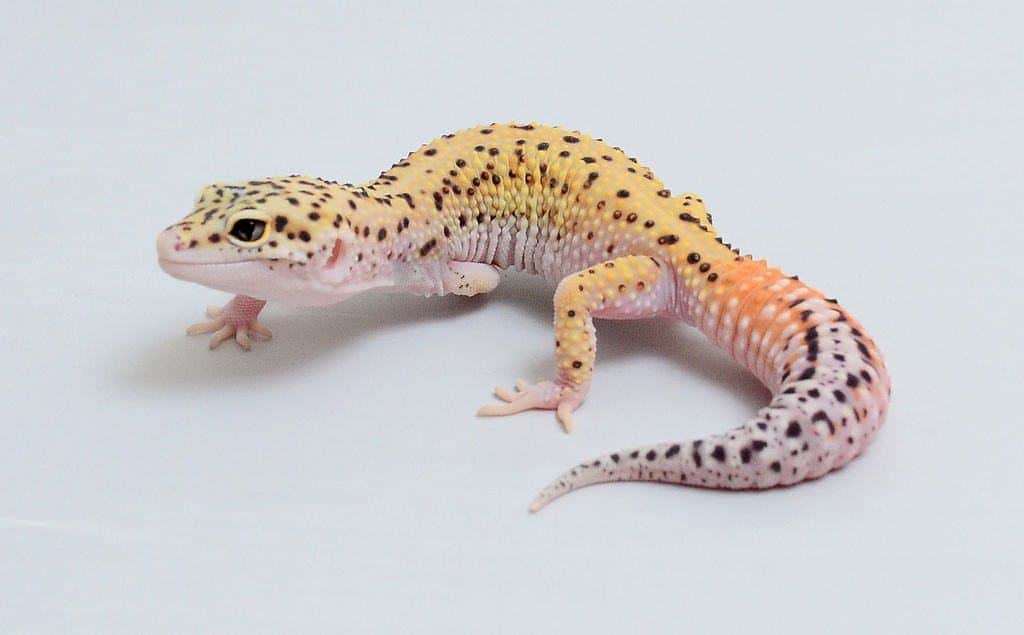
Leopard Gecko Food is primarily always going to be Live insects as they do not eat plants or veggies. The best items to use are mealworms or crickets, but you cantreat your pet to waxworms or superworms once a week if you wish. Avoid feeding leopard geckos pinky mice. It is important to always dust your leopard geckos diet with calcium with vitamin d3. It is important for the leopard gecko to eat a variety of guy loaded insects, meaning you will be feeding the insects a high quality diet rich in vitamins and minerals and the leopard geckos will get their needed nutrition from eating the properly “gut-loaded” diet you provide.
Before purchasing your new pet leopard gecko for sale online, find the correct leopard gecko breeder (US!) and make sure they only work with captive bred leopard geckos for sale.
No products found which match your selection.