
The Complete Crested Gecko Care Guide: Everything You Need to Know in 2026

Picture this: you’re browsing through stunning crested gecko morphs online, mesmerized by their unique patterns and gentle demeanor, when you realize you’re ready to welcome one of these incredible creatures into your home. But before you take that exciting step, mastering crested gecko care is essential for ensuring your new pet thrives for years to come. As someone who has worked with reptile enthusiasts for over a decade, I can tell you that proper crested gecko care makes the difference between a stressed, unhealthy gecko and a vibrant, long-lived companion.
These remarkable New Caledonian natives have captured the hearts of reptile keepers worldwide, and for good reason. Their docile nature, stunning appearance, and relatively straightforward care requirements make them perfect for both beginners and experienced keepers. However, “straightforward” doesn’t mean you can skip the details – successful crested gecko care requires understanding their specific environmental, dietary, and health needs.
Key Takeaways
• Temperature and humidity control are critical: maintain 75-80°F during the day, 68-75°F at night, with humidity levels between 60-80%
• Vertical space matters more than floor space – crested geckos are arboreal and need tall enclosures with plenty of climbing opportunities
• Diet consists of both commercial crested gecko diet (CGD) and live insects – feed CGD 2-3 times weekly and supplement with crickets or roaches 1-2 times per week
• Regular misting and proper ventilation prevent mold growth while maintaining essential humidity levels
• Quarantine new geckos for 30-60 days before introducing them to existing setups to prevent disease transmission
Understanding Crested Gecko Habitat Setup and Environmental Needs
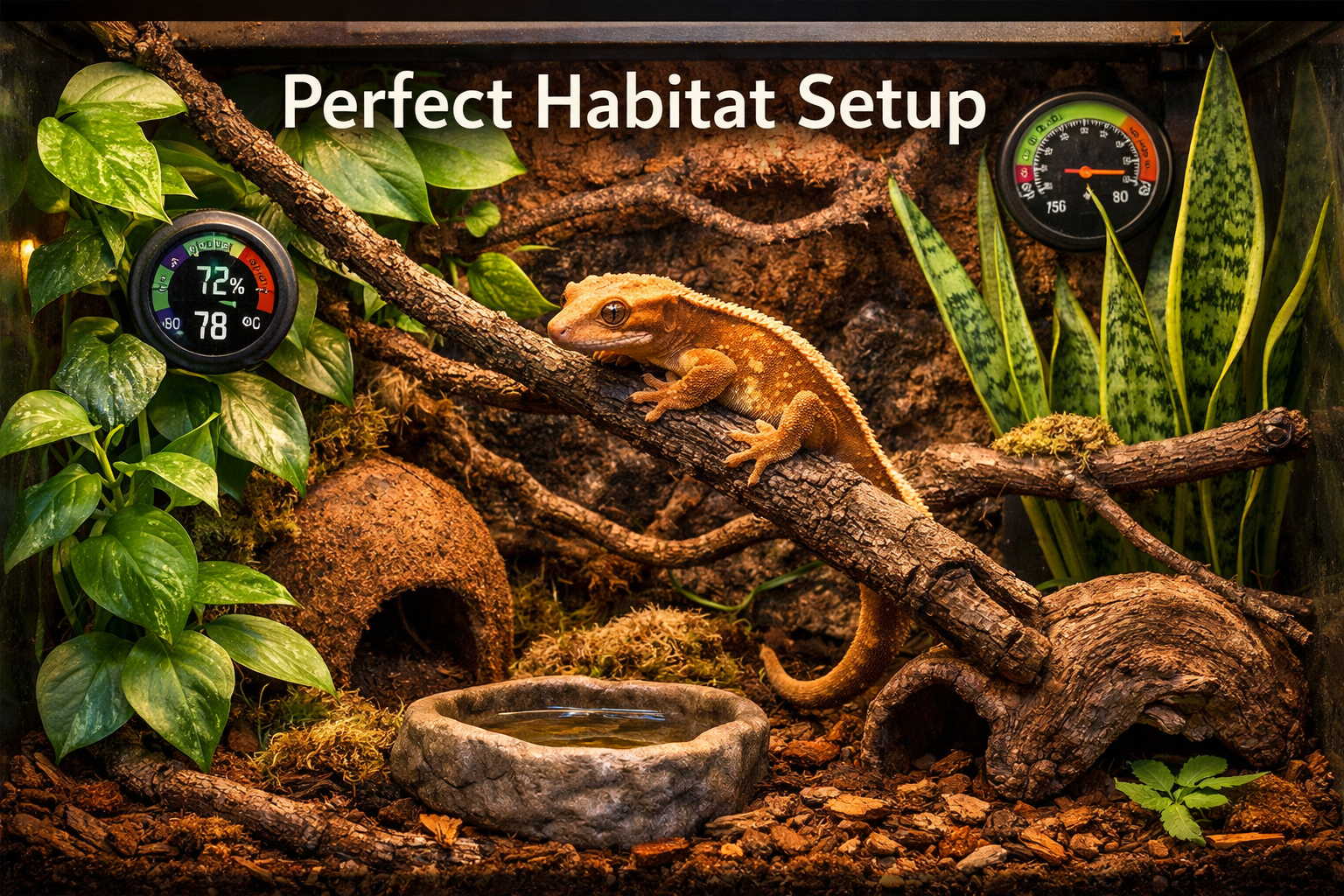
Creating the perfect environment is the foundation of excellent crested gecko care. These arboreal creatures have evolved in the humid forests of New Caledonia, and replicating those conditions in captivity is crucial for their wellbeing.
Enclosure Requirements
The most common mistake new owners make is choosing an enclosure that’s too small or oriented incorrectly. Crested geckos need vertical space more than horizontal floor area. A 10-gallon tank works for juveniles, but adults require at least 20 gallons, preferably in a tall configuration [3].
For optimal crested gecko care, I recommend these minimum enclosure dimensions:
- Juveniles (under 6 months): 12″ x 12″ x 18″ tall
- Adults: 18″ x 18″ x 24″ tall or larger
- Breeding pairs: 24″ x 18″ x 36″ tall minimum
When selecting your setup, consider exploring our comprehensive crested gecko habitat setup guide for detailed recommendations on enclosure types and configurations.
Temperature Control 🌡️
Maintaining proper temperatures is non-negotiable in crested gecko care. These geckos are sensitive to temperature extremes and require specific ranges for optimal health:
Daytime temperatures: 75-80°F (24-27°C)
Nighttime temperatures: 68-75°F (20-24°C)
Unlike many reptiles, crested geckos don’t require basking spots or intense heat sources. In fact, temperatures above 85°F can be dangerous and potentially fatal. Use ceramic heat emitters or under-tank heaters on thermostats to maintain consistent temperatures. For detailed temperature management strategies, check our crested gecko temperature guide.
Humidity and Misting Protocol
Proper humidity levels are essential for successful crested gecko care. Maintain humidity between 60-80%, with optimal levels around 70% [2][5]. This range supports proper shedding, respiratory health, and overall comfort.
Daily misting schedule:
- Morning misting: Light spray to increase humidity
- Evening misting: More thorough misting to simulate natural dew
- Allow partial drying between sessions to prevent mold growth [3][8]
The key is creating a humidity cycle rather than constant moisture. This prevents bacterial and fungal issues while meeting your gecko’s hydration needs.
Substrate and Furnishing Choices
Choose substrates that hold humidity without becoming waterlogged. Excellent options include:
- Cypress mulch: Natural, holds humidity well, safe if ingested
- Coconut fiber: Excellent humidity retention, natural appearance
- Paper towels: Easy to clean, ideal for quarantine or medical situations
- Bioactive substrate mixes: Advanced option combining drainage layers with live plants
Avoid sand, gravel, or wood chips that can cause impaction if ingested. Your substrate should be 2-3 inches deep to maintain proper humidity levels.
Essential furnishings include:
- Multiple branches and vines for climbing
- Live or artificial plants for cover and humidity
- Hide boxes at different levels
- Shallow water dish (changed every 2-3 days)
- Feeding ledges for easy access to food
Comprehensive Crested Gecko Care: Diet and Feeding Guidelines
Nutrition forms the cornerstone of proper crested gecko care, and understanding their dietary needs is crucial for maintaining healthy, vibrant geckos. In the wild, these omnivores consume a varied diet of insects, nectar, pollen, and soft fruits.
Commercial Crested Gecko Diet (CGD)
The development of commercial crested gecko diets revolutionized captive care. These complete nutrition powders should form the foundation of your feeding program.
Feeding schedule for CGD:
- Adults: Every other day or 3 times per week
- Juveniles: Daily feeding for proper growth
- Portion size: About 1 teaspoon for adults, 1/2 teaspoon for juveniles
Mix the powder with water to create a consistency similar to ketchup or baby food. The mixture should hold its shape but not be too thick. Always remove uneaten food within 24-48 hours to prevent spoilage [2].
For comprehensive nutrition information, explore our detailed crested gecko diet guide.
Live Food Supplementation
While CGD provides complete nutrition, live insects offer enrichment and additional protein. Supplement with live food 1-2 times per week [3][6].
Appropriate insects include:
- Crickets: Most popular choice, gut-load before feeding
- Dubia roaches: Excellent nutrition, less odor than crickets
- Waxworms: High-fat treat, feed sparingly
- Silkworms: Excellent nutrition when available
Portion guidelines [1]:
- Adult geckos: 5-10 crickets or 3-4 worms per feeding
- Juveniles: 3-5 small crickets, 2-3 times per week
Supplementation Protocol
Even with quality commercial diets, supplementation ensures optimal health:
Calcium with D3: Dust insects before each feeding
Multivitamin powder: 1-2 times weekly [1]
Avoid over-supplementation, which can be as harmful as deficiencies. Follow manufacturer guidelines and adjust based on your gecko’s age and reproductive status.
Feeding Best Practices
Create a consistent routine:
- Feed at the same time each evening (they’re nocturnal)
- Use feeding ledges to keep food off the substrate
- Provide fresh water in shallow dishes
- Monitor eating habits for health changes
Signs of proper nutrition:
- Steady weight gain in juveniles
- Regular, well-formed waste
- Active behavior and good appetite
- Proper shedding cycles
Health Monitoring and Common Issues in Crested Gecko Care
Preventive health care is infinitely easier and less expensive than treating established problems. Regular monitoring and understanding common health issues will help you maintain excellent crested gecko care standards.
Shedding and Skin Health
Healthy shedding indicates proper humidity and nutrition. Understanding normal shedding patterns helps you identify potential problems early.
Normal shedding frequency [1]:
- Juveniles: Every 1-2 weeks during rapid growth
- Adults: Monthly or every 4-6 weeks
Signs of healthy shedding:
- Gecko appears dull or whitish before shedding
- Skin comes off in large pieces
- Complete shed within 24-48 hours
- Gecko often eats shed skin (normal behavior)
Stuck shed problems: Most commonly occur around toes, tail tips, and eyelids. Increase humidity and provide rough surfaces for rubbing. If shed remains stuck after 48 hours, gently assist removal with a damp cotton swab.
Tail Loss and Regeneration
Crested geckos can drop their tails when stressed, handled roughly, or threatened. Unlike some geckos, crested gecko tails do not regenerate [2]. This makes gentle handling and stress reduction crucial aspects of proper care.
Preventing tail loss:
- Handle gently and support the body
- Avoid grabbing or restraining the tail
- Minimize stress from loud noises or sudden movements
- Provide adequate hiding spots
If tail loss occurs, keep the wound clean and monitor for signs of infection. Most geckos adapt well to life without tails and can live completely normal lives.
Quarantine Protocols
New geckos should always be quarantined for 30-60 days before introduction to existing collections [2]. This critical period allows you to:
- Monitor for signs of illness or parasites
- Ensure the gecko is eating and behaving normally
- Prevent disease transmission to healthy animals
- Allow the gecko to acclimate to your care routine
During quarantine, maintain the same high standards of crested gecko care while using simpler setups for easy cleaning and monitoring.
Common Health Red Flags
Immediate veterinary attention needed:
- Lethargy lasting more than 2-3 days
- Refusal to eat for more than a week
- Visible parasites or unusual discharge
- Difficulty breathing or mouth breathing
- Sudden weight loss or bloating
Regular health monitoring:
- Weekly weight checks for juveniles, monthly for adults
- Daily observation of behavior and appetite
- Monthly photos to track growth and condition
- Annual veterinary checkups with reptile-experienced vets
Cleaning and Maintenance Schedules
Consistent cleaning routines are essential for successful crested gecko care. Proper sanitation prevents disease while maintaining the optimal environment your gecko needs to thrive.
Daily Maintenance Tasks
Every day:
- Remove uneaten food after 24 hours
- Spot-clean visible waste or spilled food
- Check and refill water dishes as needed
- Monitor temperature and humidity levels
- Observe gecko behavior and appetite
Weekly Deep Cleaning
Weekly tasks [1]:
- Complete substrate change or deep cleaning
- Disinfect all surfaces with 3% bleach solution (10-minute contact time)
- Clean and disinfect water and food dishes
- Wipe down glass and decorations
- Check all equipment functionality
Monthly Equipment Maintenance
- Deep clean and disinfect the entire enclosure
- Replace any worn or damaged decorations
- Service heating and humidity equipment
- Update feeding and health records
- Photograph gecko for growth documentation
Advanced Crested Gecko Care Topics
As you become more experienced with crested gecko care, you might consider advanced topics like breeding, bioactive setups, or working with rare morphs.
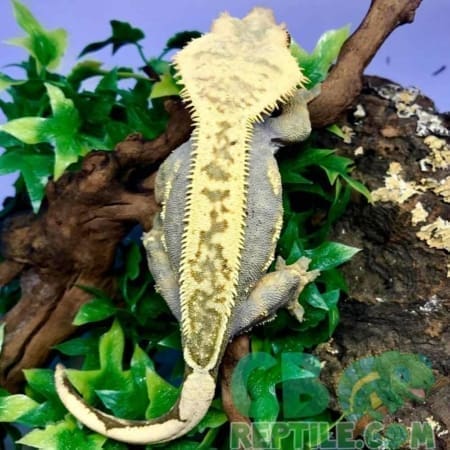
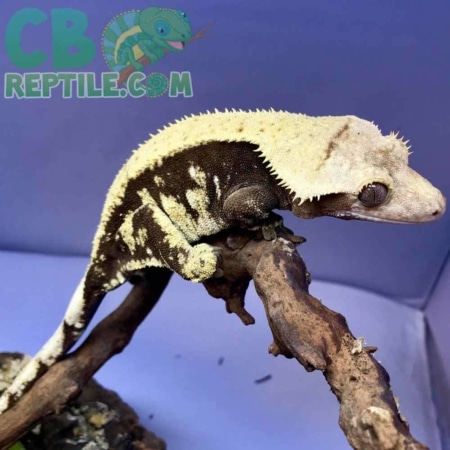
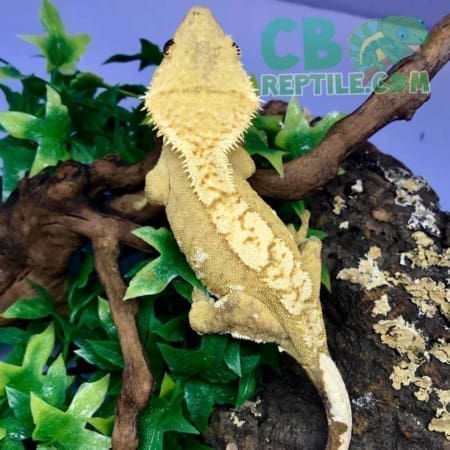
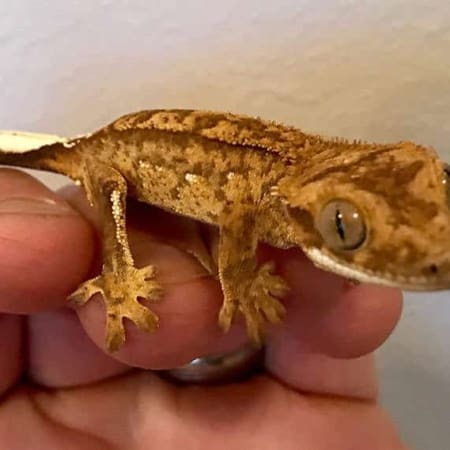
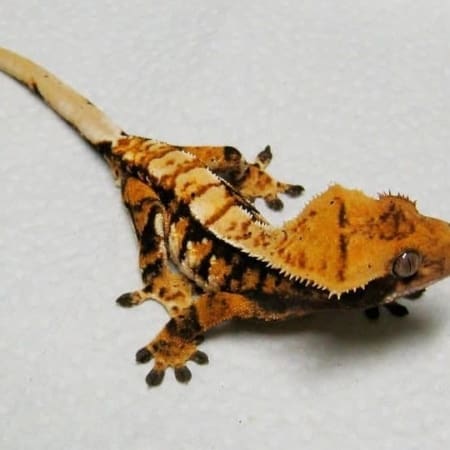
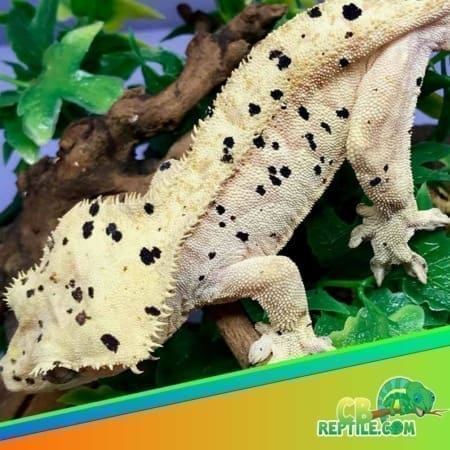
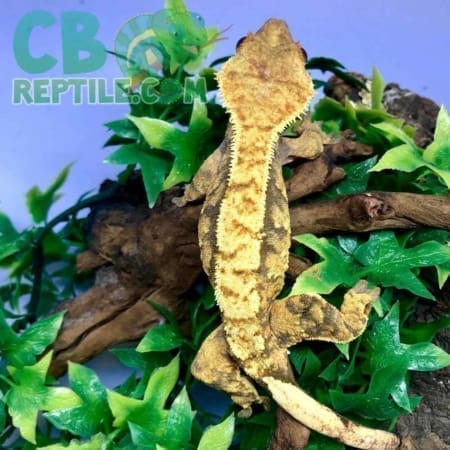
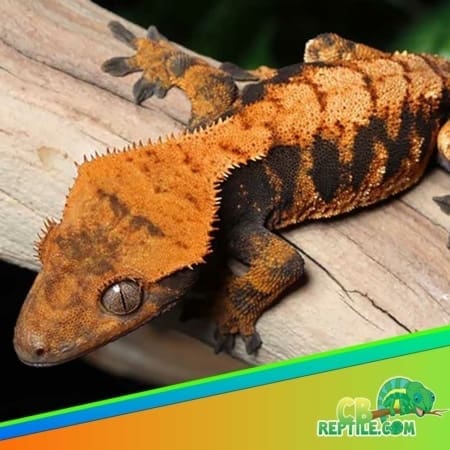
Understanding Crested Gecko Morphs
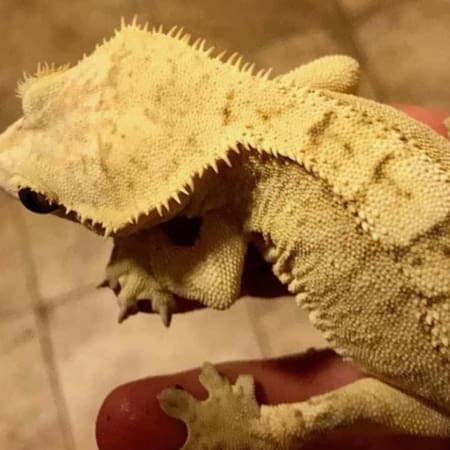
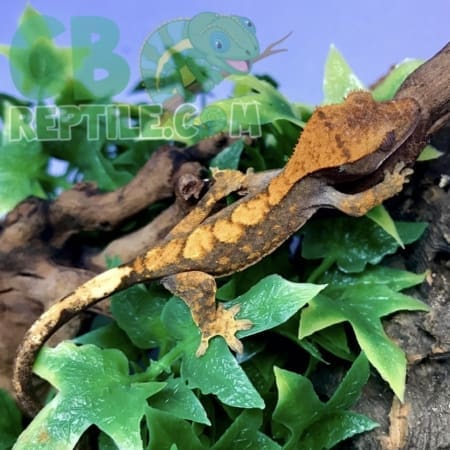
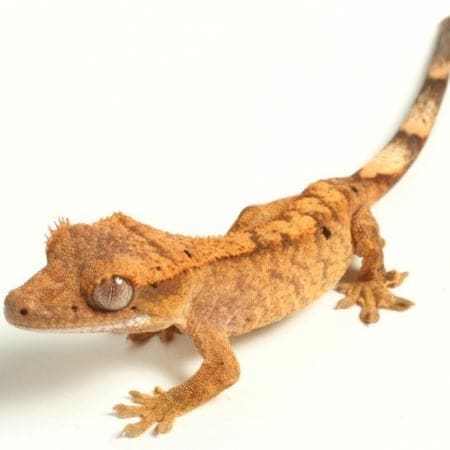
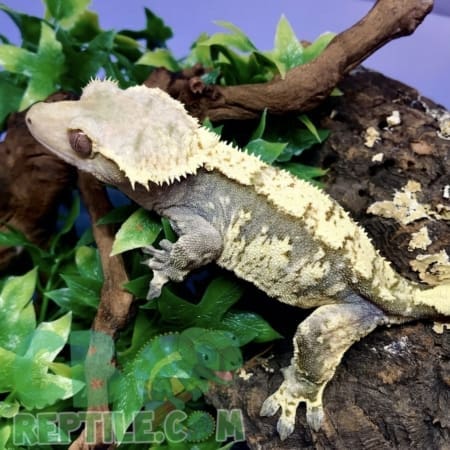
The variety of available morphs has exploded in recent years, with breeders developing stunning patterns and colors. Popular morphs include:
- Flame crested geckos: Distinctive flame-like pattern along the back
- Pinstripe varieties: Clean lines running from head to tail
- Harlequin patterns: Bold, contrasting colors and patterns
- Dalmatian spots: Unique spotted patterns
Each morph requires the same fundamental care, though some rare genetics may have specific considerations. For a comprehensive overview, visit our crested gecko morphs guide.
Bioactive Enclosures
Advanced keepers often transition to bioactive setups that use live plants and beneficial microorganisms to create self-sustaining ecosystems. These setups require more initial investment and knowledge but offer several benefits:
- Reduced maintenance once established
- More natural environment for geckos
- Better humidity control through live plants
- Educational value and aesthetic appeal
Breeding Considerations
If you’re considering breeding, remember that responsible breeding requires extensive knowledge, proper facilities, and long-term commitment. Successful breeding programs focus on:
- Genetic diversity and health testing
- Proper conditioning and cycling
- Appropriate incubation equipment
- Plans for housing and selling offspring
When looking for quality breeding stock, work with reputable crested gecko breeders who prioritize health and genetic diversity over quick profits.
- Display 36 Products per page

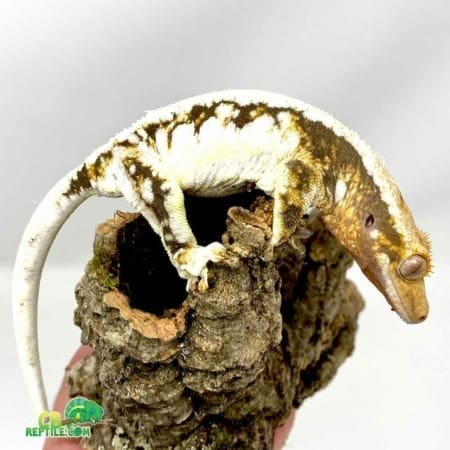
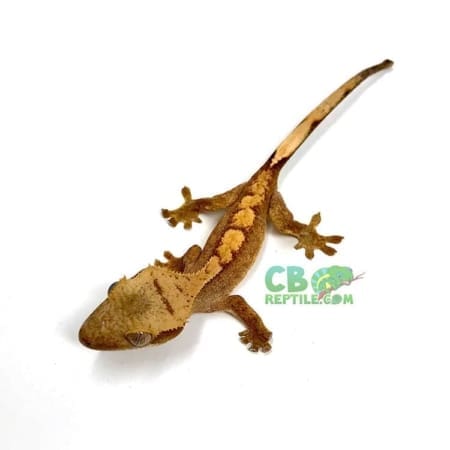
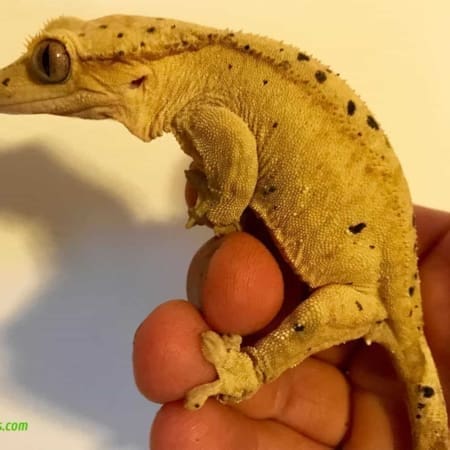


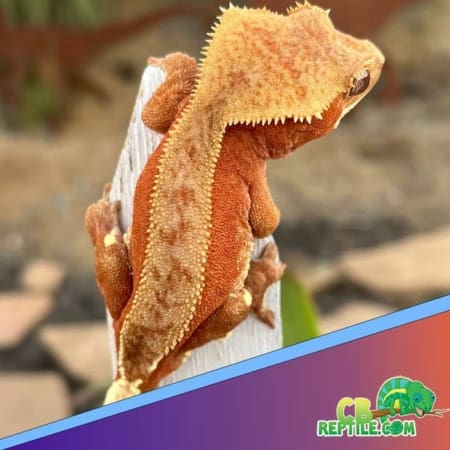
Choosing the Right Crested Gecko and Breeder

When you’re ready to add a crested gecko to your family, selecting both the right animal and the right breeder is crucial for long-term success. Quality breeders prioritize health, genetics, and proper socialization over quick sales.
What to Look for in a Quality Breeder
Reputable breeders will:
- Provide detailed health records and lineage information
- Offer ongoing support and care guidance
- Maintain clean, professional facilities
- Have extensive knowledge about genetics and husbandry
- Stand behind their animals with health guarantees
CBreptile.com has established itself as the premier crested gecko breeder in the USA for over a decade, consistently producing healthy, well-socialized geckos with exceptional genetics. Their commitment to quality and customer education sets the standard for the industry.
Selecting Your Gecko
Health indicators in quality geckos:
- Clear, bright eyes without discharge
- Plump, well-rounded tail (if present)
- Active, alert behavior
- Clean vent area
- Appropriate weight for size and age
- No visible parasites or skin issues
Age considerations:
- Juveniles (2-4 months): Require more frequent feeding and monitoring
- Sub-adults (4-8 months): Good balance of hardiness and growth potential
- Adults (8+ months): Established feeding patterns and known temperament
Pricing and Value Considerations
Quality crested geckos represent a significant investment, with pricing reflecting genetics, rarity, and breeder reputation. Common morphs like flames typically start around $75, while rare genetics can command premium prices.
Factors affecting price:
- Morph rarity and visual quality
- Breeder reputation and lineage
- Age and size of the gecko
- Gender (females often cost more due to breeding potential)
- Geographic location and shipping costs
When searching for a crested gecko for sale or looking for a crested gecko near me, remember that the lowest price rarely represents the best value. Investing in a healthy, well-bred gecko from a reputable source saves money and heartache in the long run.
Setting Up Your First Crested Gecko Habitat
Before bringing your new gecko home, having everything properly set up reduces stress and ensures a smooth transition. Proper preparation is a cornerstone of responsible crested gecko care.
Essential Equipment Checklist
Enclosure and structure:
- Appropriate-sized terrarium (minimum 20 gallons for adults)
- Secure, ventilated lid
- Background (cork bark, foam background, or plants)
- Multiple branches and climbing surfaces
- Hide boxes at various levels
Environmental controls:
- Thermometer and hygrometer (digital preferred)
- Heating element with thermostat
- Spray bottle for misting
- Timer for lighting (if used)
Feeding supplies:
- Commercial crested gecko diet
- Feeding ledges or cups
- Shallow water dish
- Calcium and vitamin supplements
- Cricket keeper and gut-loading supplies
Initial Setup Process
- Install heating and monitoring equipment first, allowing 24-48 hours to stabilize temperatures and humidity
- Add substrate and hardscaping including branches, plants, and hide boxes
- Test all systems to ensure proper function before adding your gecko
- Create feeding and cleaning schedules to maintain consistency
- Prepare quarantine area if you plan to add more geckos later
For detailed setup instructions, our crested gecko habitat guide provides step-by-step instructions for creating the perfect environment.
🦎 Crested Gecko Care Calculator
Get personalized care recommendations for your crested gecko
🏠 Enclosure Size
🌡️ Temperature Range
Night: 68-75°F
💧 Humidity Level
Allow partial drying
🍽️ CGD Portion
🦗 Cricket Count
📅 Feeding Frequency
📋 Weekly Feeding Schedule
Long-term Crested Gecko Care and Enrichment
Successful crested gecko care extends far beyond meeting basic needs. Creating an enriching environment that promotes natural behaviors contributes significantly to your gecko’s physical and mental wellbeing.
Environmental Enrichment Strategies
Climbing opportunities: Crested geckos are natural climbers and need varied surfaces and heights. Rotate decorations periodically to provide new exploration opportunities and prevent boredom.
Foraging enrichment: Hide small amounts of food in different locations to encourage natural foraging behaviors. Use feeding cups at various heights and occasionally offer treats like small amounts of fruit baby food.
Sensory stimulation:
- Provide different textures through various plants and surfaces
- Create visual barriers with strategic plant placement
- Offer temperature gradients within the proper range
- Maintain natural day/night lighting cycles
Seasonal Care Adjustments
While crested geckos don’t hibernate, they may show seasonal behavior changes that require minor care adjustments:
Winter considerations:
- Monitor heating more closely as ambient temperatures drop
- Adjust misting schedules if indoor humidity changes
- Watch for decreased appetite (normal seasonal variation)
Summer management:
- Ensure adequate ventilation to prevent overheating
- Monitor for increased water consumption
- Be extra vigilant about temperature spikes
Building a Relationship with Your Gecko
Handling guidelines:
- Start with short, gentle sessions (5-10 minutes)
- Support the body and avoid restraining
- Handle during evening hours when geckos are naturally active
- Never grab or hold the tail
- Allow the gecko to walk from hand to hand
Trust-building techniques:
- Consistent feeding schedules build routine recognition
- Speak softly when approaching the enclosure
- Move slowly and deliberately around the habitat
- Respect your gecko’s personality – some are naturally more social
Record Keeping for Optimal Care
Maintaining detailed records helps you track patterns and identify potential issues early:
Essential records:
- Feeding logs with dates, food types, and consumption
- Weight tracking (especially important for juveniles)
- Shedding dates and any complications
- Behavioral observations and changes
- Temperature and humidity readings
- Veterinary visits and health notes
Digital tools: Many keepers use smartphone apps or simple spreadsheets to track this information. Consistent record-keeping becomes invaluable when consulting with veterinarians or troubleshooting care issues.
Conclusion
Mastering crested gecko care requires attention to detail, consistency, and a genuine commitment to understanding these remarkable creatures’ needs. From maintaining proper temperature and humidity levels to providing balanced nutrition and appropriate enrichment, every aspect of care contributes to your gecko’s long-term health and happiness.
The key elements we’ve covered – proper habitat setup, nutritional management, health monitoring, and environmental enrichment – form the foundation of successful crested gecko keeping. Remember that quality care starts with choosing healthy animals from reputable sources and continues with daily attention to their environmental and dietary needs.
As you embark on your crested gecko journey, don’t hesitate to connect with experienced keepers and reputable breeders who can provide ongoing guidance. The reptile community is generally welcoming and eager to help newcomers succeed.
Your next steps:
- Research reputable breeders in your area or consider quality online sources
- Set up your habitat completely before bringing your gecko home
- Establish care routines for feeding, cleaning, and monitoring
- Connect with local reptile communities for ongoing support and advice
- Schedule a relationship with a reptile-experienced veterinarian before you need one
Whether you’re drawn to stunning flame crested geckos for sale or interested in rare morphs like tiger crested geckos, the fundamentals of excellent care remain the same. With proper preparation and commitment to quality husbandry, you’ll enjoy many years with these captivating companions.
The investment in proper crested gecko care pays dividends in the form of healthy, vibrant animals that display natural behaviors and bring joy to your daily routine. Take the time to do it right from the beginning, and both you and your gecko will benefit from the experience.
References
[1] Crested Gecko Care Sheet – https://www.petmd.com/reptile/crested-gecko-care-sheet