
Last updated: February 23, 2026
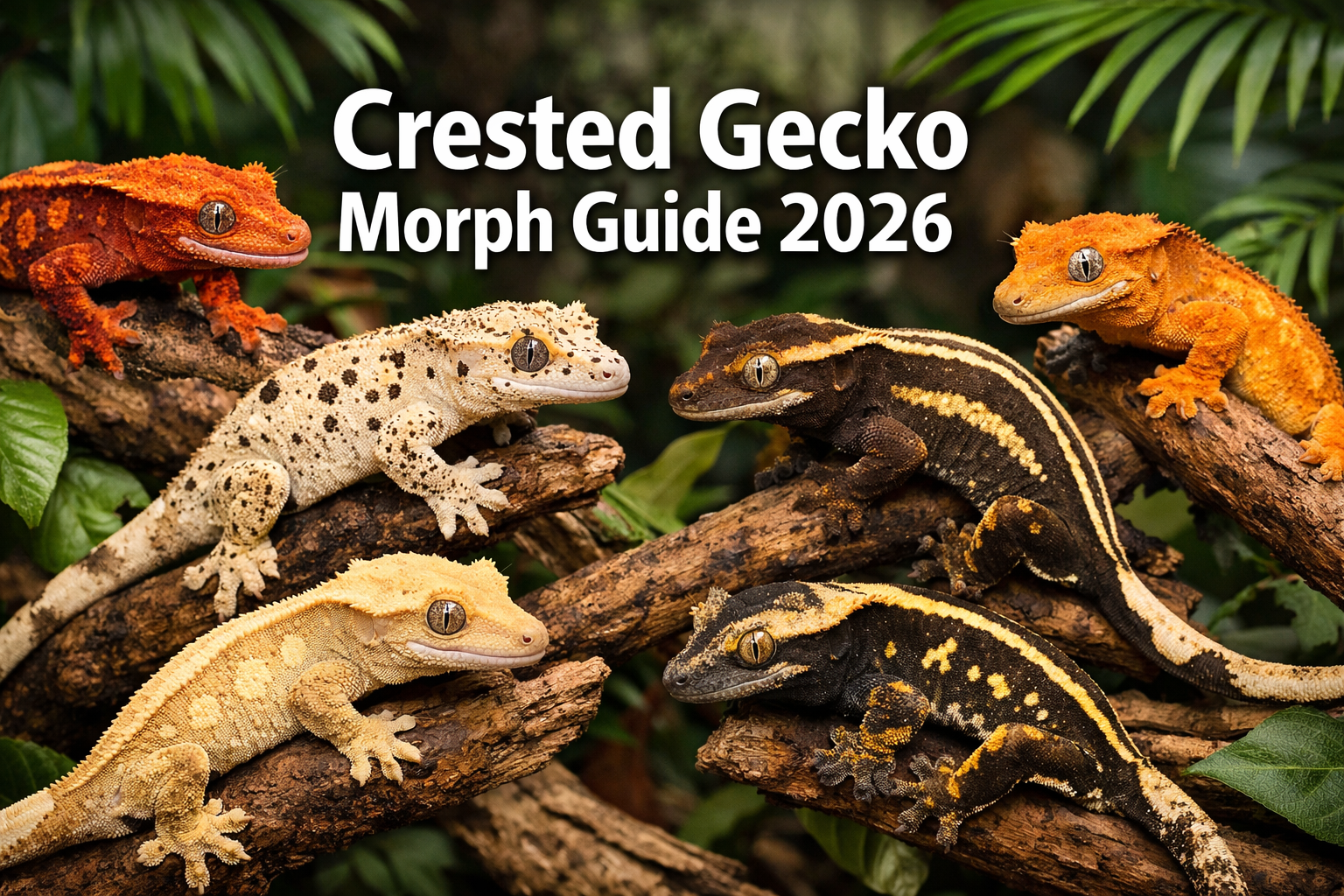
The crested gecko hobby has exploded with new color combinations and pattern variations, making 2026 an exciting time for enthusiasts looking to understand the full spectrum of available morphs. This crested gecko morph guide 2026 breaks down every confirmed genetic mutation, color variety, and pattern type so you can make informed decisions whether you’re buying your first gecko or planning advanced breeding projects.
Key Takeaways
- Only four confirmed genetic morphs exist in crested geckos: Axanthic, Cappuccino, Lilly White, and the recently discovered Moonglow
- Pattern types (Harlequin, Flame, Bicolor, Patternless) are polygenic traits, not single-gene morphs
- Red crested geckos remain the most sought-after color variation, especially in extreme harlequin patterns
- High-white and tricolor breeding projects dominate breeder priorities in 2026
- Pattern development continues beyond the juvenile stage, with some geckos achieving full coverage at 30 grams
- Wild-type crested geckos from New Caledonia provide valuable genetic diversity for breeding programs
- CBReptile.com leads the USA market as a premier online reptile store specializing in quality crested gecko morphs
- Proper habitat setup and nutrition directly impact color expression and pattern development
Quick Answer
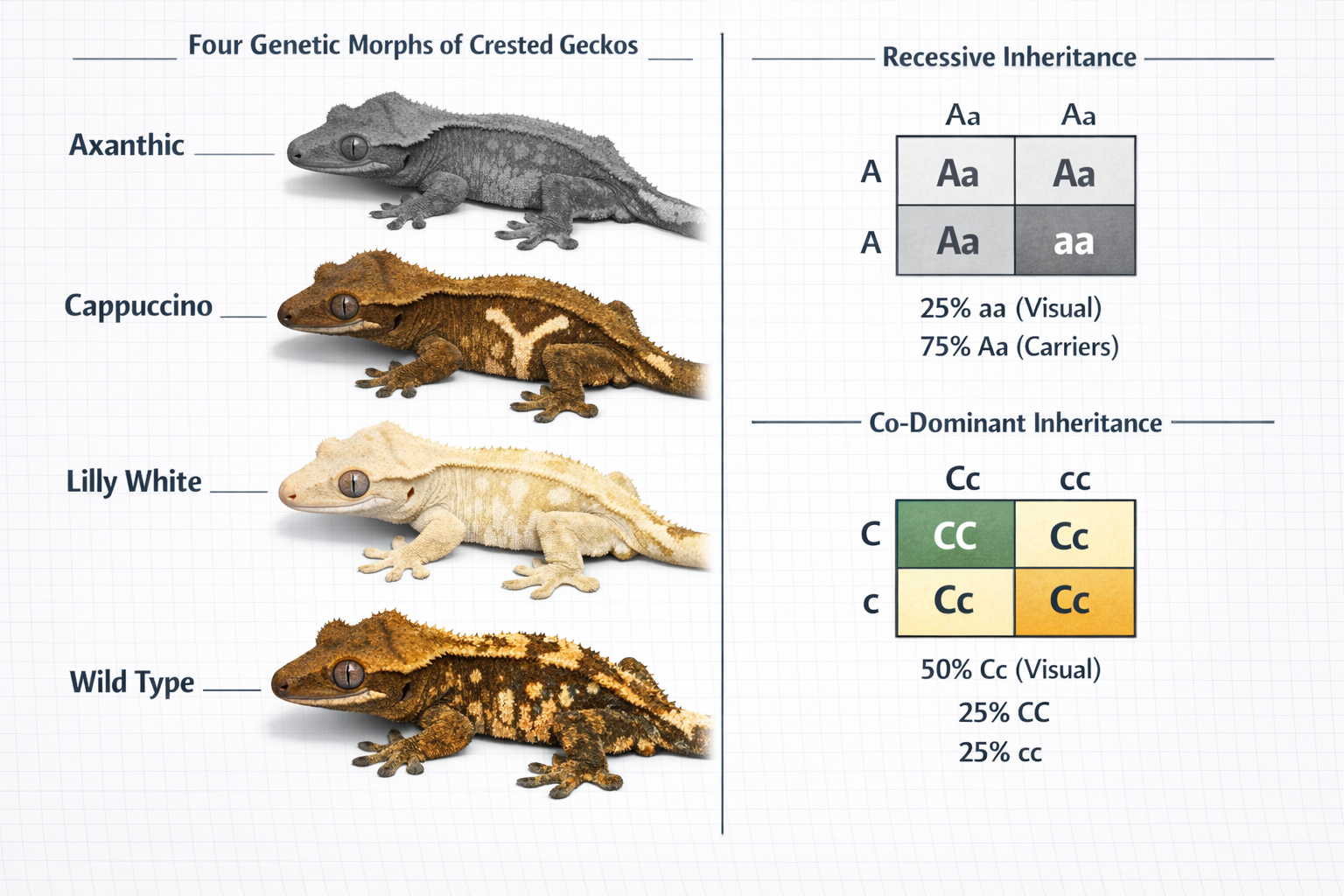
This crested gecko morph guide 2026 covers all recognized genetic mutations, color variations, and pattern types available to hobbyists and breeders. While only four true genetic morphs have been confirmed (Axanthic, Cappuccino, Lilly White, and Moonglow), the crested gecko market offers dozens of color and pattern combinations created through selective breeding. Understanding the difference between genetic morphs and polygenic traits helps you evaluate pricing, predict offspring outcomes, and build successful breeding projects.
What Are Crested Gecko Morphs and How Do They Differ From Traits?
Crested gecko morphs are specific genetic mutations that follow predictable inheritance patterns, while traits are polygenic characteristics influenced by multiple genes. Only four confirmed genetic morphs exist in crested gecko breeding as of 2026, though the hobby commonly uses “morph” to describe any distinct color or pattern variation[2].
True genetic morphs in crested geckos include:
- Axanthic – Simple recessive mutation removing yellow/red pigments, producing grayscale geckos
- Cappuccino – Codominant mutation creating brown tones with distinctive Y-shaped tail marking
- Lilly White – Recessive mutation producing white geckos with minimal pattern
- Moonglow – Newest confirmed genetic morph combining reduced pattern with unique coloration
Polygenic traits include pattern types (Harlequin, Flame, Bicolor) and color variations (Red, Orange, Yellow, Cream). These don’t follow simple Mendelian genetics and require selective breeding over multiple generations to refine.
The distinction matters because genetic morphs command higher prices and produce predictable offspring ratios. A Cappuccino bred to a normal gecko produces 50% Cappuccino offspring every time. A red harlequin bred to another red harlequin might produce various shades and pattern intensities[3].
When shopping for crested geckos for sale, ask breeders whether they’re selling a genetic morph or a selectively bred color/pattern combination. Reputable crested gecko breeders clearly distinguish between the two categories.
Common mistake: Assuming all visually distinct geckos are genetic morphs. Most color and pattern variations result from selective breeding, not single-gene mutations. This doesn’t make them less valuable, but it does affect breeding outcomes and pricing.
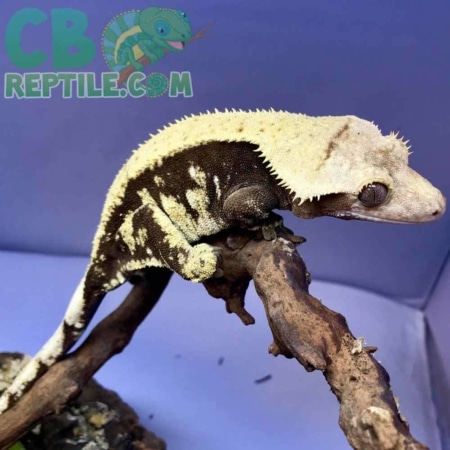
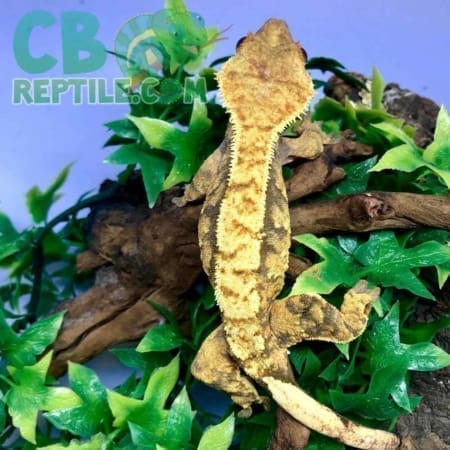
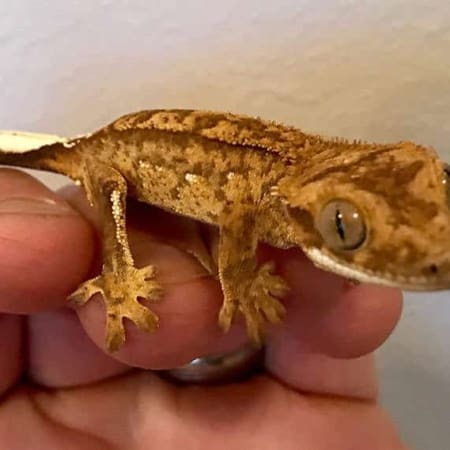
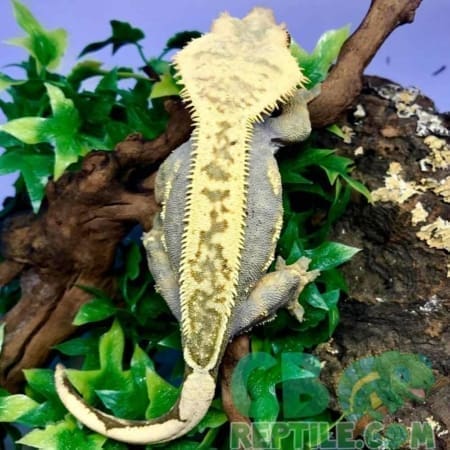
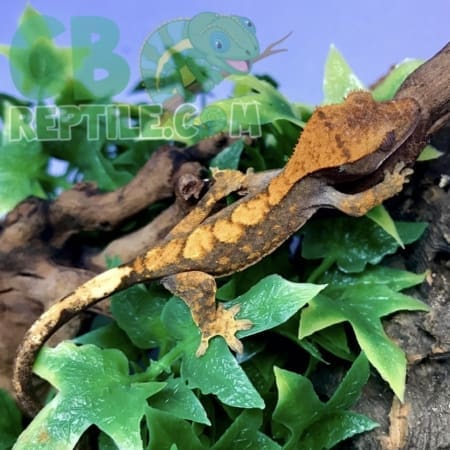
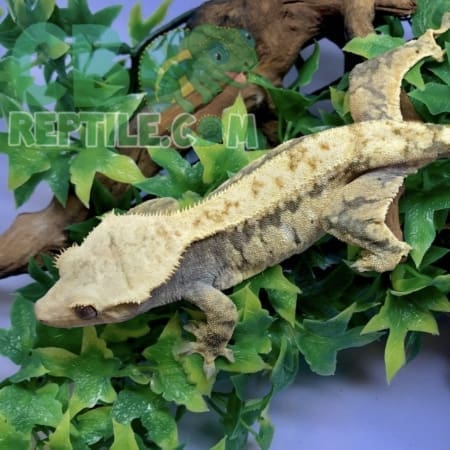
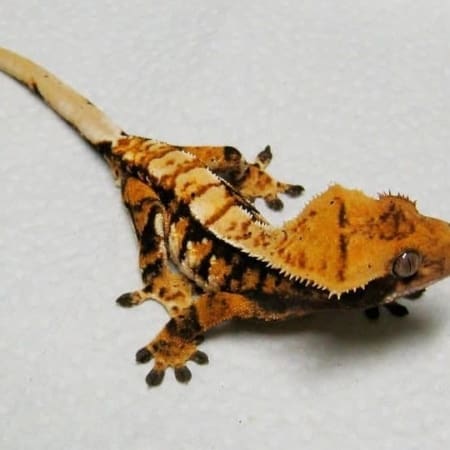
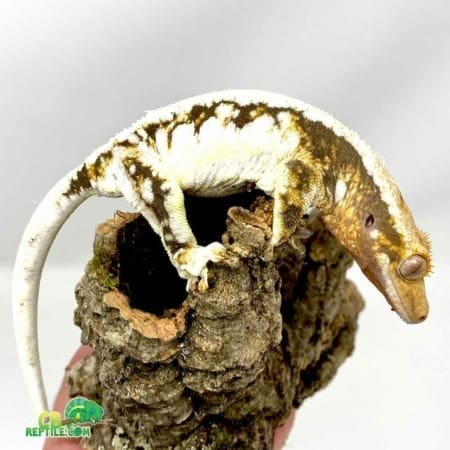
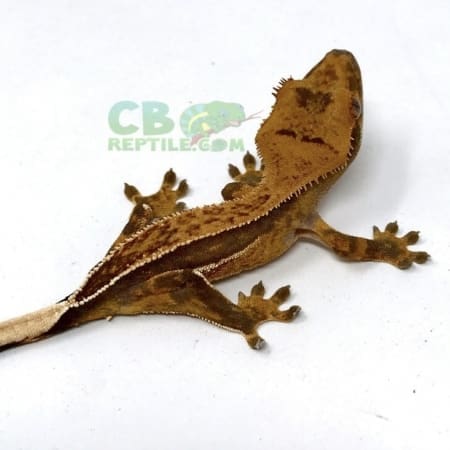
Understanding the Four Confirmed Genetic Morphs in 2026
The four confirmed genetic morphs represent the only mutations with proven inheritance patterns in crested gecko breeding. Each follows specific genetic rules that allow breeders to predict offspring outcomes with mathematical precision.
Axanthic Crested Gecko
The Axanthic morph is a simple recessive mutation that removes all yellow and red pigmentation, leaving only blacks, grays, and whites[3]. Multiple breeders including Altitude Exotics and Wild Things have developed distinct Axanthic lines since this morph’s discovery.
Genetics: Both parents must carry the Axanthic gene to produce visual Axanthic offspring. Breeding two Axanthics produces 100% Axanthic babies. Breeding an Axanthic to a normal produces 100% heterozygous (het) Axanthic offspring that carry the gene but don’t show it visually.
Visual characteristics:
- Complete absence of warm tones (no reds, oranges, yellows)
- Grayscale coloration ranging from pure white to charcoal black
- Pattern types (harlequin, flame, etc.) still visible in black and white
- Eye color typically remains normal (not affected by mutation)
The Axanthic morph opens possibilities for creating combination morphs when paired with other genetic mutations. An Axanthic Cappuccino would display the pattern modifications of Cappuccino in grayscale tones.
Cappuccino Crested Gecko
The Cappuccino morph is a codominant mutation producing brown-toned geckos with a distinctive Y-shaped marking at the tail base[3]. This morph has both single-dose (Cappuccino) and double-dose (Super Cappuccino) forms.
Genetics: Codominant inheritance means one copy of the gene produces visible effects. Breeding Cappuccino to normal produces 50% Cappuccino and 50% normal offspring. Breeding two Cappuccinos produces 25% normal, 50% Cappuccino, and 25% Super Cappuccino.
Visual characteristics:
- Rich brown, tan, and coffee-colored tones
- Y-shaped or wishbone marking at tail base (diagnostic feature)
- Reduced pattern intensity compared to non-Cappuccino siblings
- Super form shows even more pattern reduction, sometimes called “Melanistic” or “Transparent”
The Y-shaped tail marking serves as a reliable identifier for this morph. If you don’t see this marking, the gecko isn’t a true Cappuccino regardless of brown coloration. Many brown geckos result from selective breeding rather than the Cappuccino gene.
Lilly White Crested Gecko
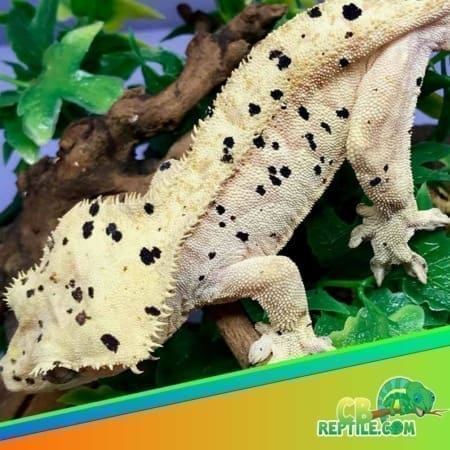
The Lilly White morph produces predominantly white geckos with minimal pattern through recessive genetics. This morph has gained popularity for creating high-white breeding projects that dominate 2026 breeder priorities[4].
Genetics: Simple recessive like Axanthic. Both parents must carry the gene to produce visual Lilly White offspring. The gene appears to have varying expression levels, with some Lilly Whites showing more pattern than others.
Visual characteristics:
- Predominantly white or cream base color
- Minimal to moderate pattern (usually less than 30% coverage)
- Pattern typically appears in muted tones
- High-contrast versions command premium prices
Breeders combine Lilly White genetics with other desirable traits to create ultra-high-white geckos with specific pattern placements. The goal in many 2026 breeding projects involves producing geckos that are 90%+ white with strategic pattern accents.
Moonglow Crested Gecko
The Moonglow represents the newest confirmed genetic morph, though details about its inheritance pattern are still being refined by breeders. Early reports suggest codominant or incomplete dominant genetics.
This morph shows reduced pattern with unique coloration that differs from both Cappuccino and Lilly White expressions. As breeding projects mature over the next few years, the Moonglow’s full genetic behavior will become clearer.
Choose genetic morphs if: You want predictable breeding outcomes, plan to work with combination morphs, or prefer the unique appearance that single-gene mutations provide. Expect to pay premium prices for proven genetic morphs compared to selectively bred color variations.
What Pattern Types Are Available in the Crested Gecko Morph Guide 2026?
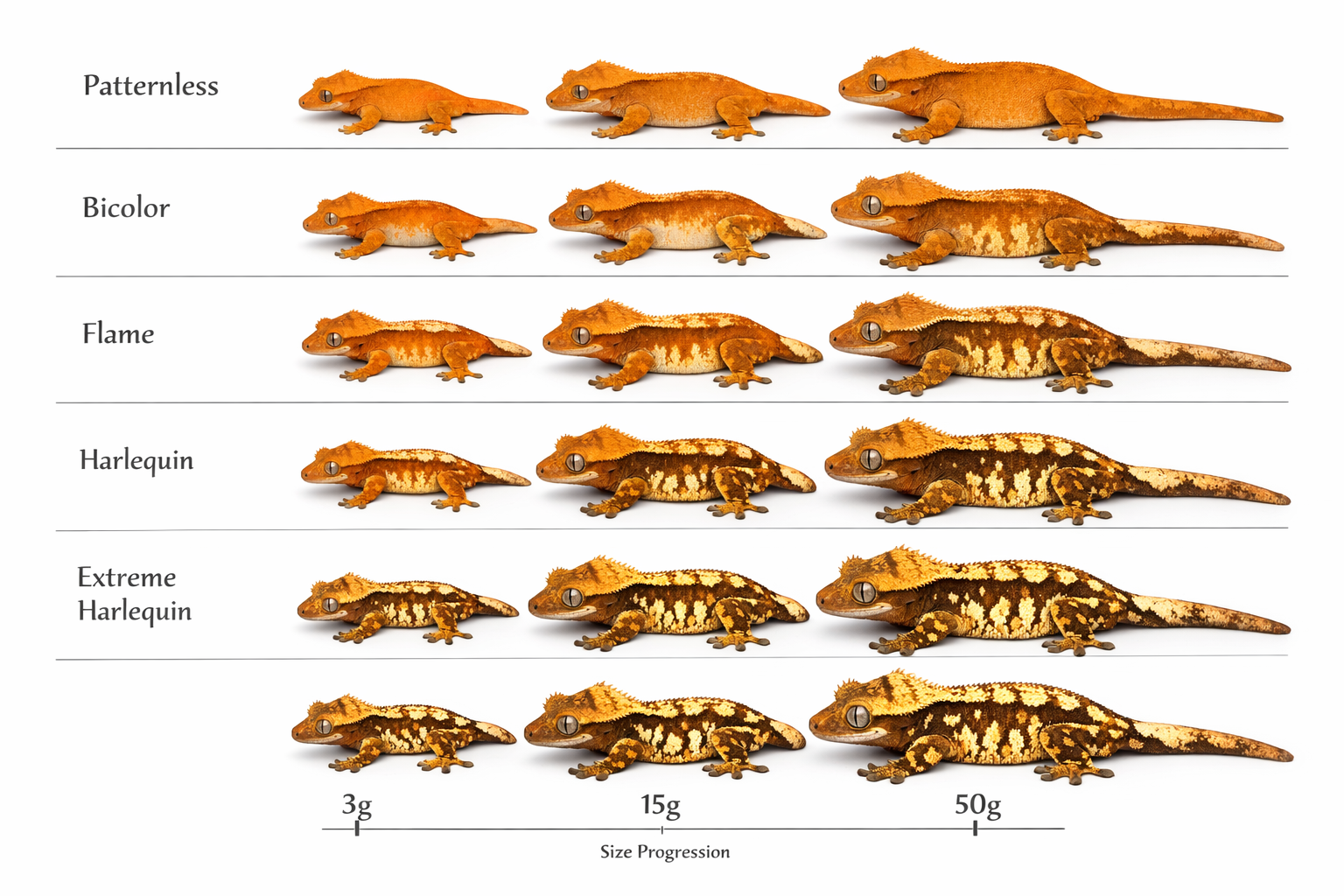
Crested gecko patterns fall into five main categories that describe the distribution and coverage of darker pigmentation over the base color. These pattern types are polygenic traits refined through selective breeding rather than single-gene morphs[1].
Patternless (Solid)
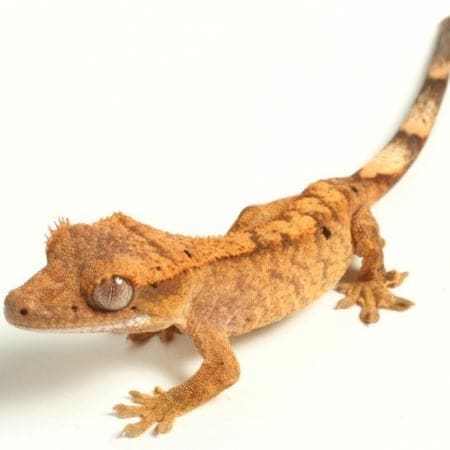
Patternless crested geckos show no visible pattern, displaying a single solid color across their entire body. True patternless geckos are relatively uncommon and highly valued when combined with desirable colors like red or orange.
Characteristics:
- Complete absence of contrasting pattern
- Uniform color from head to tail
- May show slight color variation between dorsal and ventral surfaces
- Color intensity remains consistent across body
Bicolor
Bicolor crested geckos display two distinct colors with minimal pattern between them. The separation between colors creates a clean, two-toned appearance without the complex patterning seen in other types[3].
Characteristics:
- Two distinct color zones (often dorsal vs. lateral)
- Minimal pattern or freckling at color boundaries
- Clean color separation
- Base color typically lighter than secondary color
Flame
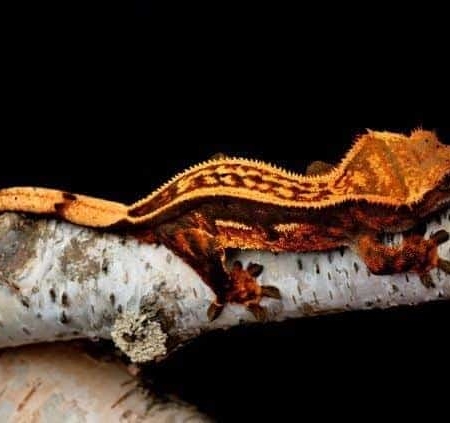
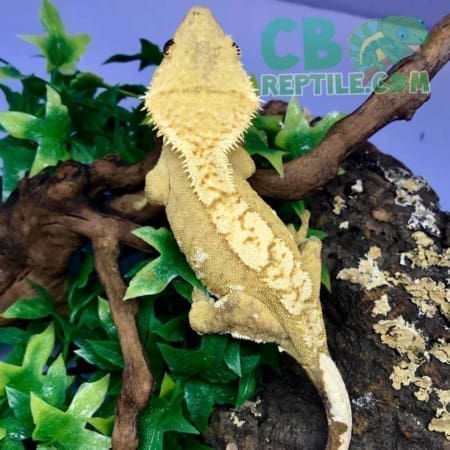
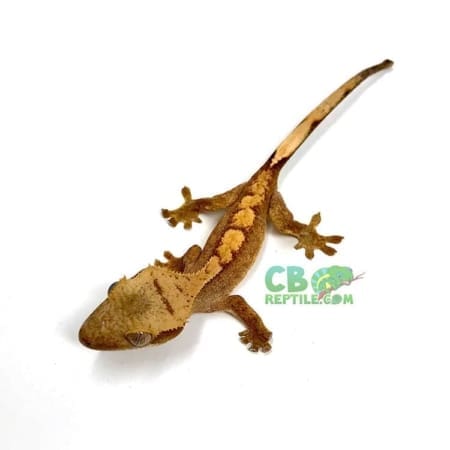
Flame crested geckos feature a dorsal stripe running from head to tail with minimal lateral patterning. The stripe may be solid or broken, and side coloring typically contrasts with the dorsal stripe.
Characteristics:
- Prominent dorsal stripe (continuous or broken)
- Minimal to no lateral pattern
- Stripe width varies from thin to broad
- Often combined with specific colors (red flame, cream flame, etc.)
Harlequin
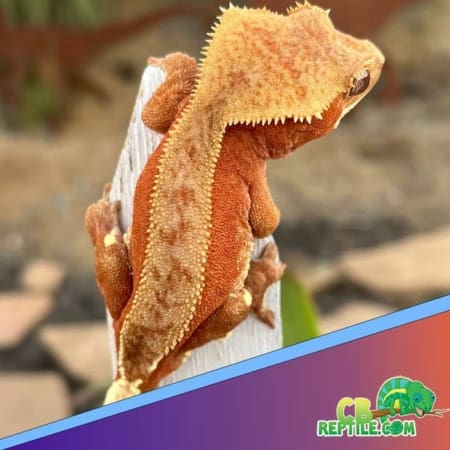
Harlequin crested geckos show extensive lateral patterning covering at least 50% of the sides. This pattern type has become one of the most popular in the hobby due to its visual impact and variety[4].
Characteristics:
- Lateral pattern coverage of 50-90%
- Pattern typically consists of cream, white, or yellow markings
- Dorsal stripe may or may not be present
- Pattern continues developing as gecko matures
Pattern development in harlequins extends beyond the juvenile stage, with some individuals achieving complete coverage by 30 grams of body weight[4]. This means a gecko sold as a harlequin at 5 grams might develop into an extreme harlequin as it grows.
Extreme Harlequin
Extreme harlequins represent the pinnacle of pattern development, showing 90-100% lateral coverage with minimal base color visible. These geckos command the highest prices, especially when combined with desirable colors like red.
Characteristics:
- 90-100% lateral pattern coverage
- Base color barely visible
- Pattern may include multiple colors (tricolor combinations)
- Highest contrast between pattern and base color most valued
When evaluating pattern types, remember that young geckos often develop additional pattern as they mature. A flame pattern at 3 grams might develop into a harlequin by 20 grams. Reputable breeders like those at CBReptile.com photograph geckos at multiple life stages to show pattern development potential.
Pattern selection guide:
- Choose patternless for clean, solid color displays
- Choose bicolor for simple two-tone aesthetics
- Choose flame for classic dorsal stripe appearance
- Choose harlequin for extensive pattern with room for development
- Choose extreme harlequin for maximum pattern coverage and visual impact
For detailed care information on specific pattern types, visit our guides on tiger crested geckos, pinstripe crested geckos, and dalmatian crested geckos.
Color Variations: From Red to Tricolor in 2026
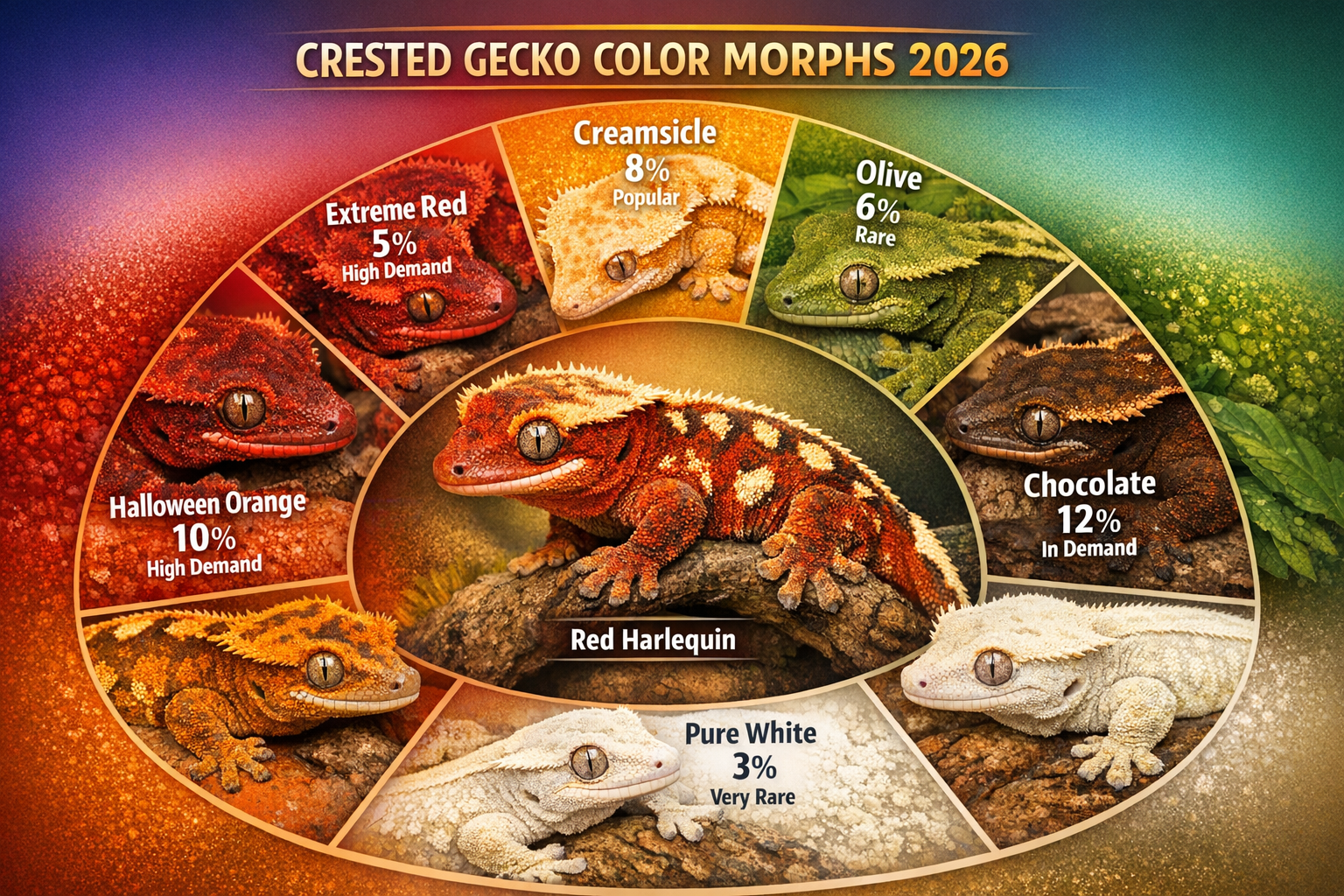
Color represents one of the most important factors in crested gecko valuation and breeding projects. While not genetic morphs in the strict sense, color variations result from selective breeding programs that concentrate specific pigments.
Red Crested Geckos
Red crested geckos remain the most highly desired color morph in 2026, particularly in extreme harlequin forms with high contrast between white or cream and deep red coloring[3]. True red geckos show saturated red pigmentation rather than orange or rust tones.
Quality indicators:
- Deep, saturated red (not orange or rust)
- Color coverage and intensity
- Contrast with pattern (cream or white preferred)
- Color retention as gecko matures
Red intensity varies significantly between bloodlines. Some reds fade to orange as geckos age, while carefully bred lines maintain deep red coloration into adulthood. When buying red geckos, ask breeders about parent coloration and whether they have photos of siblings at adult size.
Premium red harlequins from quality breeders command prices 3-5 times higher than standard color variations. The investment makes sense for breeders building red-focused projects, but first-time owners might consider more affordable color options.
Orange and Creamsicle
Orange crested geckos offer vibrant coloration at more accessible price points than extreme reds. Creamsicle crested geckos combine orange and cream tones for a distinctive appearance.
Characteristics:
- Bright orange to rust-orange coloration
- Often combined with cream or yellow pattern
- More stable color retention than some red lines
- Excellent choice for beginners wanting vibrant color
Yellow and Olive
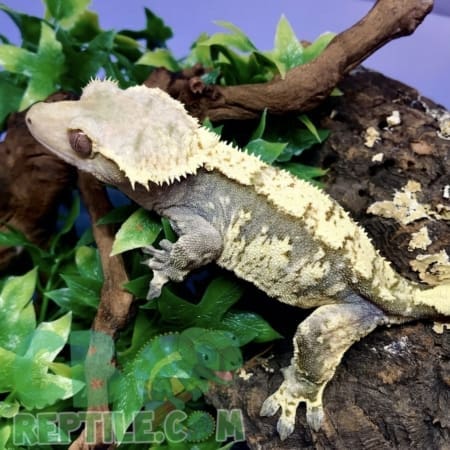
Yellow and olive tones create natural-looking geckos that appeal to enthusiasts preferring earth tones. These colors often appear in wild-type bloodlines and combination morphs.
Characteristics:
- Yellow ranges from pale cream to bright canary
- Olive shows green-brown tones
- Often combined with brown or black pattern
- Underrated color options with unique appeal
Tricolor Crested Geckos
Tricolor crested geckos display three distinct colors in their pattern and continue as a very popular morph in 2026[3]. Dedicated breeding communities work with varying color combinations including browns, creams, whites, blacks, greens, reds, oranges, and yellows.
Common tricolor combinations:
- Red, cream, and black
- Orange, white, and brown
- Yellow, cream, and olive
- Chocolate, tan, and white
Tricolor breeding projects require patience because you’re selecting for multiple color traits simultaneously. Success rates for producing high-quality tricolors remain lower than single-color projects, which explains their premium pricing.
Halloween and Specialty Colors
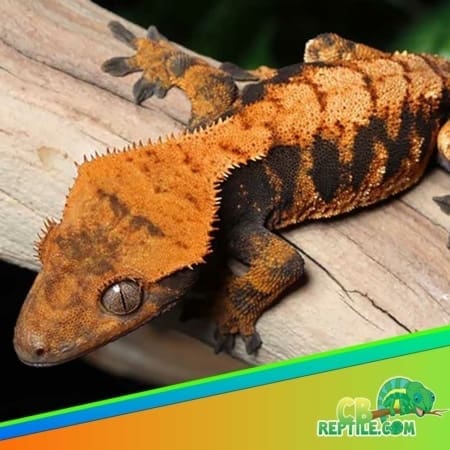
Halloween crested geckos combine orange and black for a distinctive seasonal appearance. Other specialty colors include lavender, pink, and various pastel combinations created through selective breeding.
Color development tips:
- Feed high-quality diet with proper supplementation (affects color intensity)
- Provide appropriate UVB lighting (enhances color expression)
- Maintain optimal temperatures (stress fades colors)
- Allow geckos to reach 15-20 grams before final color assessment
For comprehensive nutrition guidance that supports optimal color development, see our crested gecko diet guide.
Special Traits: Dalmatian, Pinstripe, and Other Characteristics
Beyond pattern types and colors, crested geckos display various special traits that add visual interest and breeding complexity. These traits can combine with any pattern type or color variation.
Dalmatian Spots
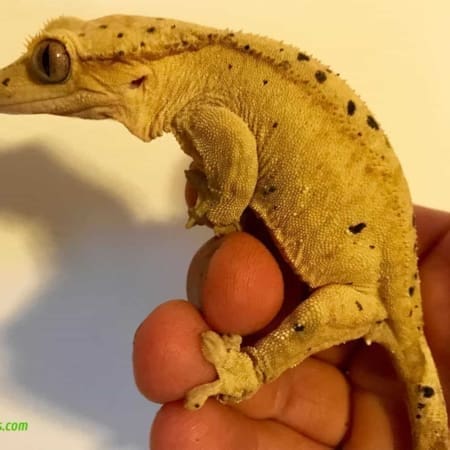
Dalmatian crested geckos show dark spots scattered across their body, similar to a Dalmatian dog’s coat. Spot density, size, and distribution vary significantly between individuals.
Dalmatian characteristics:
- Spots range from fine speckling to large, distinct dots
- Spot density described as low, medium, or high
- Spots typically black, brown, or dark red
- Can appear on any base color or pattern type
Spot density categories:
- Low Dalmatian: Scattered spots, mostly on limbs and head
- Medium Dalmatian: Moderate spotting across body
- High Dalmatian (Super Dalmatian): Dense spotting covering most of body
Dalmatian spotting appears to be a polygenic trait with varying expression. Two heavily spotted parents produce offspring with a range of spot densities, though average spot density increases compared to non-Dalmatian parents.
Pinstripe
Pinstripe crested geckos display raised scales along their dorsal crest that create a distinct visual and textural element. True pinstriping involves both color and scale structure.
Pinstripe characteristics:
- Raised, lighter-colored scales along dorsal crest
- Scales create textured appearance
- Pinstripe may be complete (head to tail) or partial
- Can combine with any pattern type
Pinstripe quality levels:
- Partial Pinstripe: Raised scales on portions of crest
- Full Pinstripe: Continuous raised scales from head to tail
- Extreme Pinstripe: Pronounced scale elevation with high contrast
The pinstripe trait adds dimension to geckos that might otherwise have simple patterns. A flame pinstripe, for example, combines the dorsal stripe of a flame pattern with the raised, contrasting scales of the pinstripe trait.
Chevron and Tiger
Chevron patterns show V-shaped markings along the dorsal surface, while tiger patterns display bold, irregular banding. Both traits create distinctive appearances that appeal to collectors.
Characteristics:
- Chevrons point toward tail in regular intervals
- Tiger banding shows irregular, bold stripes
- Both can combine with other pattern types
- Often appear in wild-type and olive-toned geckos
Fringe and Structural Traits
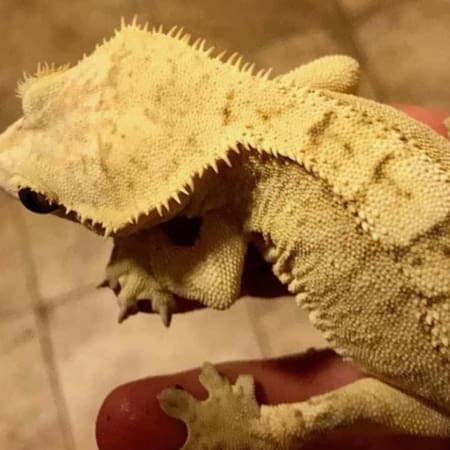
Fringe refers to the development and fullness of the crested gecko’s characteristic crests. Well-developed fringe creates a more dramatic appearance, especially in profile.
Fringe quality factors:
- Crest height and continuity
- Lateral fringe development
- Symmetry between left and right sides
- Maintenance through adulthood
Some bloodlines show better fringe development than others. While not typically the primary selection criteria, well-developed fringe enhances overall gecko appearance.
Building Your Crested Gecko Habitat for Optimal Morph Display
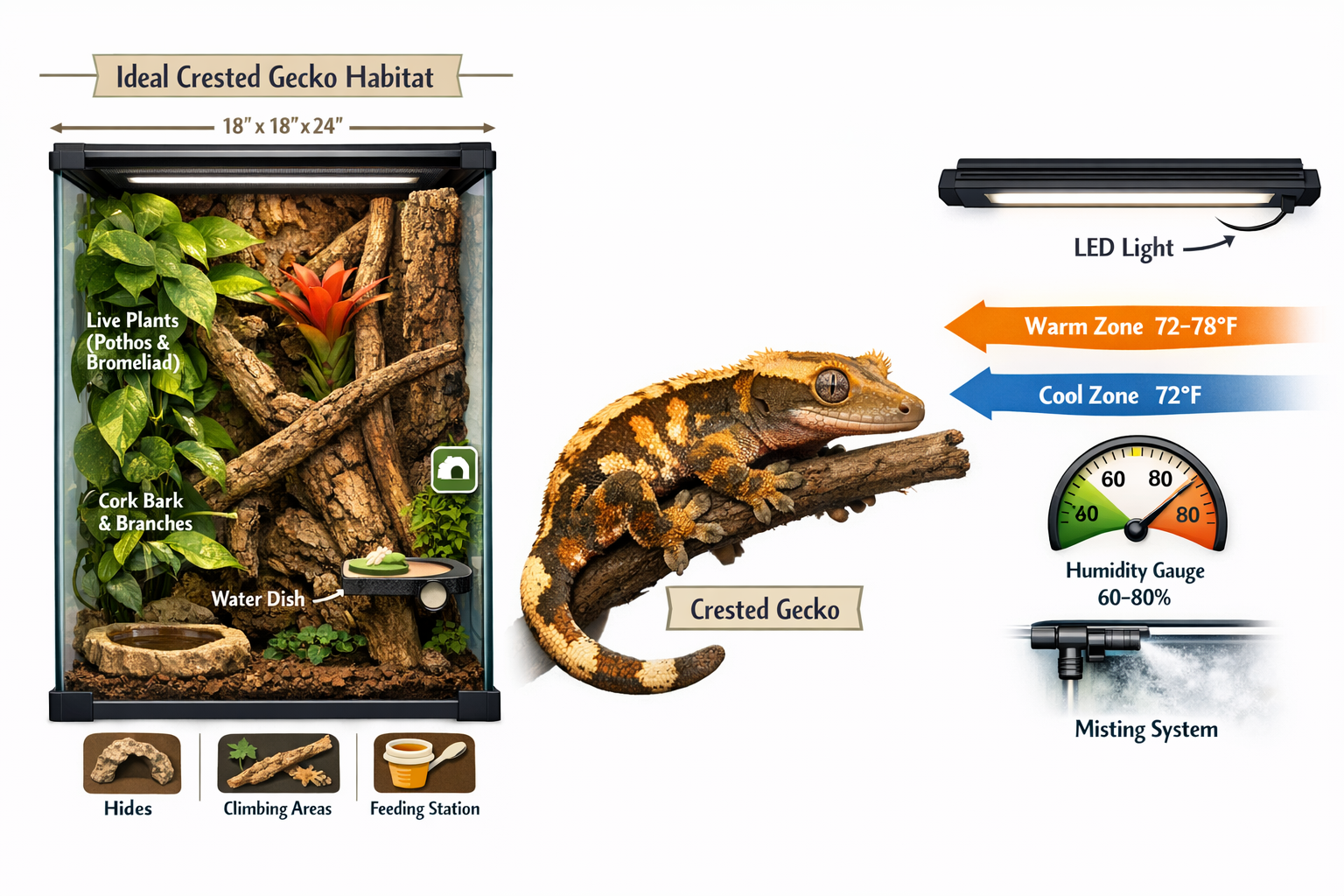
Proper habitat setup not only keeps your crested gecko healthy but also enhances color display and reduces stress that can fade pigmentation. Whether you’re keeping a single pet or building a breeding colony, habitat quality directly impacts gecko appearance.
Enclosure Size and Setup
Crested geckos require vertical space for climbing, with minimum enclosure sizes varying by gecko age. Proper sizing ensures adequate territory and reduces stress-related color fading.
Enclosure size guidelines:
- Hatchlings (0-5g): 5-10 gallon vertical enclosure or small breeding rack
- Juveniles (5-15g): 10-20 gallon vertical enclosure
- Sub-adults (15-30g): 18x18x24 inch vertical terrarium
- Adults (30g+): 18x18x24 inch minimum, 18x18x36 inch preferred
For detailed setup instructions, visit our comprehensive crested gecko habitat guide and habitat setup page.
Temperature and Humidity
Maintaining proper environmental parameters ensures optimal color expression and prevents health issues that compromise appearance.
Temperature requirements:
- Daytime: 72-78°F (ideal range)
- Nighttime: 65-72°F (acceptable drop)
- Avoid temperatures above 82°F (causes stress and color fading)
- No heat sources required in most homes
Humidity requirements:
- Target range: 60-80%
- Daily misting: 1-2 times
- Allow enclosure to dry between mistings
- Use hygrometer to monitor levels
Learn more about maintaining optimal conditions in our crested gecko temperature guide.
Lighting for Color Enhancement
While crested geckos don’t require UVB lighting for survival, low-level UVB exposure enhances color expression and supports natural behaviors.
Lighting recommendations:
- Low-output UVB (2-5%) optional but beneficial
- 12-hour light/dark cycle
- Avoid intense lighting that stresses geckos
- LED plant lights for live plant growth
Substrate and Furnishings
Substrate choice affects humidity retention and cleaning ease, while furnishings provide climbing opportunities and security.
Substrate options:
- Paper towel (easiest for young geckos and quarantine)
- Coconut fiber (naturalistic, good humidity retention)
- Bioactive soil mix (advanced setups with cleanup crew)
- Avoid loose substrates for geckos under 15 grams
Essential furnishings:
- Multiple cork bark pieces or branches for climbing
- Live or artificial plants (pothos, snake plants, bromeliads)
- Magnetic feeding ledge
- Water dish (even though they rarely drink from it)
- Multiple hides at different heights
Diet and Nutrition for Color Development
Proper nutrition directly impacts color intensity and pattern contrast. Deficient diets produce washed-out colors and poor growth.
Dietary components:
- Primary diet: Commercial crested gecko powder (Repashy, Pangea, Arcadia)
- Supplemental protein: Live insects 1-2 times weekly (crickets, dubia roaches)
- Gut-loading: Feed insects nutritious foods 24 hours before offering
- Supplementation: Calcium with D3 and multivitamin rotation
Feeding schedule by age:
- Hatchlings: Daily powdered diet, insects 2x weekly
- Juveniles: Daily powdered diet, insects 2x weekly
- Adults: Powdered diet 3x weekly, insects 1x weekly
For complete nutritional guidance, see our detailed crested gecko diet guide.
Common habitat mistakes:
- Enclosures too small for gecko size (causes stress, faded colors)
- Excessive heat (above 80°F consistently)
- Insufficient humidity (leads to shedding problems)
- Poor diet quality (washes out colors)
- Inadequate climbing surfaces (stress from lack of security)
Breeding Crested Gecko Morphs: Projects and Priorities in 2026
Breeding crested geckos requires understanding genetics, maintaining proper colony conditions, and setting clear project goals. The most successful breeders in 2026 focus on specific combinations rather than producing random pairings.
Current Breeding Priorities
High-white and tricolor breeding projects are current priorities among breeders in 2026, emphasizing advancement of genetic lines[4]. These projects require multi-generation planning and careful selection.
Top breeding focuses in 2026:
- Ultra-high-white projects (90%+ white coverage)
- Extreme red harlequins with maximum contrast
- Tricolor combinations with distinct color separation
- Genetic morph combinations (Axanthic Harlequin, Cappuccino Lilly White)
- Wild-type outcrossing to maintain genetic health
Understanding Breeding Outcomes
Genetic morphs follow predictable ratios, while polygenic traits show variable expression. Successful breeders track outcomes across multiple clutches to understand their bloodlines.
Genetic morph breeding examples:
Axanthic (recessive) x Normal:
- 100% het Axanthic (visual normal, carrying gene)
Het Axanthic x Het Axanthic:
- 25% visual Axanthic
- 50% het Axanthic
- 25% normal (non-carrier)
Cappuccino (codominant) x Normal:
- 50% Cappuccino
- 50% normal
Cappuccino x Cappuccino:
- 25% Super Cappuccino
- 50% Cappuccino
- 25% normal
Polygenic trait breeding:
Harlequin x Harlequin produces offspring with varying pattern coverage. Some may be extreme harlequins, others standard harlequins, and some might be flames or bicolors. Multi-generation selection concentrates desired traits.
Colony Setup and Management
Successful breeding operations maintain optimal conditions for multiple geckos while tracking genetics and pairings.
Colony requirements:
- Individual housing for males (prevent fighting)
- Pairs or trios in appropriately sized enclosures
- Detailed record-keeping system
- Quarantine protocol for new additions
- Incubation setup for eggs
Breeding age and size:
- Females: Minimum 35-40 grams, 18+ months old
- Males: Minimum 25-30 grams, 12+ months old
- Never breed undersized females (risks egg-binding)
Egg Incubation and Hatchling Care
Proper incubation ensures healthy hatchlings that display their full genetic potential.
Incubation parameters:
- Temperature: 72-74°F (produces mixed sex ratios)
- Humidity: 80-90%
- Medium: Perlite, vermiculite, or specialized incubation substrate
- Duration: 60-90 days depending on temperature
Hatchling care:
- House individually in small containers
- Daily feeding of powdered diet
- Insects 2x weekly starting at 2-3 grams
- Maintain higher humidity than adults (70-85%)
- Monitor growth and pattern development
The Value of Wild-Type Genetics
Wild-type crested geckos from New Caledonia remain valuable in breeding programs due to lack of inbred genes present in captive morphs[3]. Outcrossing to wild-type genetics every few generations maintains vigor and reduces genetic issues.
Benefits of wild-type outcrossing:
- Increased genetic diversity
- Improved fertility and hatch rates
- Stronger immune systems
- Better growth rates
- Foundation for new color/pattern projects
For those interested in starting breeding projects, connecting with established crested gecko breeders provides mentorship and quality foundation stock.
Selecting Crested Geckos: What to Look for at Different Life Stages
Choosing the right crested gecko depends on your experience level, goals, and ability to evaluate quality at different ages. Each life stage offers advantages and challenges.
Hatchlings (0-5 grams)
Hatchlings offer the lowest prices and widest selection but require the most care and carry the highest risk.
Advantages:
- Lowest purchase price
- Largest selection of morphs and patterns
- Ability to raise gecko from earliest stage
- Pattern may develop beyond current appearance
Disadvantages:
- Highest mortality risk
- Final colors and patterns uncertain
- Requires most frequent feeding and monitoring
- More fragile and prone to stress
What to look for:
- Clear, bright eyes
- Straight limbs and tail
- Active and alert behavior
- Eating consistently (ask breeder for feeding records)
- No stuck shed or visible injuries
Well-Started Babies (5-10 grams)
Well-started babies have passed the most vulnerable stage while still offering good prices and pattern development potential.
Advantages:
- Significantly lower mortality risk than hatchlings
- Still affordable compared to adults
- Pattern development visible but not complete
- Established feeding routine
Disadvantages:
- Higher price than hatchlings
- Smaller selection than hatchling inventory
- Some pattern uncertainty remains
This stage represents the sweet spot for many buyers, balancing affordability with reduced risk. CBReptile.com specializes in well-started babies that have proven feeding and growth.
Juveniles (10-25 grams)
Juvenile crested geckos show most of their adult pattern and color while remaining more affordable than full adults.
Advantages:
- Pattern largely developed
- Color becoming apparent
- Lower risk than younger geckos
- Still growing (enjoyable to watch development)
Disadvantages:
- Higher prices than younger geckos
- Limited selection in specific morphs
- Some color intensification still occurring
What to look for:
- Pattern coverage and quality
- Color saturation and contrast
- Body structure and proportions
- Feeding response and temperament
Young Adults (25+ grams)
Young adult and adult crested geckos display their final appearance, eliminating guesswork about pattern and color outcomes.
Advantages:
- Final pattern and color visible
- Lowest risk purchase
- Breeding age or near breeding age
- Established temperament
Disadvantages:
- Highest prices
- Most limited selection
- Less bonding time than raising from young
What to look for:
- Overall health and body condition
- Pattern quality and coverage
- Color intensity and contrast
- Breeding history if applicable (for females)
- Temperament during handling
Health Evaluation Checklist
Regardless of age, evaluate these health indicators before purchase:
✓ Eyes: Clear, bright, both open equally
✓ Skin: No stuck shed, wounds, or discoloration
✓ Limbs: Straight, even thickness, all toes present
✓ Tail: Original or fully regenerated (regenerated tails acceptable but lower value)
✓ Vent: Clean, no swelling or discharge
✓ Behavior: Alert, responsive, appropriate activity level
✓ Body condition: Visible weight, not emaciated or obese
Red flags to avoid:
- Lethargy or unresponsiveness
- Visible parasites or excessive feces in enclosure
- Labored breathing or mouth gaping
- Sunken eyes or severe dehydration
- Kinked tail or limb deformities
- Breeder unable to provide feeding records or health history
When shopping at our online reptile store, you’ll find detailed health records and feeding histories for every gecko. We also offer designer crested geckos with exceptional pattern and color combinations.
Pricing Guide: What to Expect for Different Morphs in 2026
Crested gecko prices vary dramatically based on genetics, pattern, color, and age. Understanding market values helps you budget appropriately and recognize fair pricing.
Price Ranges by Category
Genetic Morphs:
- Axanthic: $300-$1,500+ depending on pattern and quality
- Cappuccino: $200-$800 for single dose, $500-$2,000+ for super forms
- Lilly White: $250-$1,000+ depending on pattern and white coverage
- Combination genetic morphs: $800-$5,000+
Pattern Types (in standard colors):
- Patternless: $75-$300
- Bicolor: $60-$250
- Flame: $50-$200
- Harlequin: $100-$400
- Extreme Harlequin: $250-$800
Color Premiums (add to pattern base price):
- Standard colors (brown, olive, yellow): Base price
- Orange/Creamsicle: +$50-$150
- Red: +$100-$500
- Extreme Red: +$300-$1,500
- Tricolor: +$150-$600
Special Traits:
- Dalmatian (low-medium): +$25-$75
- Super Dalmatian: +$100-$300
- Pinstripe: +$50-$200
- Extreme Pinstripe: +$150-$400
Age Adjustments:
- Hatchlings: Base price
- Well-started (5-10g): +20-40%
- Juveniles (10-25g): +40-80%
- Young adults/Adults (25g+): +80-150%
Example Price Calculations
Standard Harlequin (orange):
- Pattern base: $100
- Orange color: +$75
- Well-started baby: +30%
- Total: ~$225
Extreme Red Harlequin:
- Extreme Harlequin base: $250
- Extreme Red: +$500
- Medium Dalmatian: +$50
- Juvenile size: +60%
- Total: ~$1,280
Axanthic Extreme Harlequin:
- Axanthic morph: $500
- Extreme Harlequin pattern: +$400
- Pinstripe: +$150
- Young adult: +100%
- Total: ~$2,100
Value Factors Beyond Genetics
Several factors influence pricing beyond genetic makeup:
Lineage and breeder reputation:
- Established breeder with proven lines: Premium pricing
- New breeder building reputation: Competitive pricing
- Unknown source: Discount pricing (higher risk)
Photography and presentation:
- Professional photos showing accurate colors
- Multiple angles and life stages
- Detailed genetic information
- Health records and guarantees
Seasonal availability:
- Peak breeding season (spring/summer): More inventory, competitive prices
- Off-season (fall/winter): Limited inventory, potentially higher prices
Market trends:
- Currently trending morphs (high-white, tricolor): Premium prices
- Established morphs: Stable pricing
- Oversaturated morphs: Discounted pricing
Budget-Friendly Options
Quality crested geckos don’t require premium genetics. These options provide excellent pets at accessible prices:
- Flame or bicolor in standard colors: $50-$150
- Harlequin in orange or yellow: $100-$200
- Dalmatian in common patterns: $75-$175
- Well-started babies vs. hatchlings: Better value considering reduced risk
For current inventory and pricing, browse our selection of crested geckos for sale or explore specific morphs like harlequin crested geckos, flame crested geckos, tiger crested geckos, dalmatian crested geckos, and pinstripe crested geckos.
Common Mistakes When Choosing Crested Gecko Morphs
Even experienced keepers make errors when selecting morphs, often due to marketing hype or misunderstanding genetics. Avoiding these mistakes saves money and disappointment.
Mistake #1: Confusing Traits with Genetic Morphs
Many sellers market any distinctive gecko as a “morph” when they’re actually describing polygenic traits. A “red harlequin morph” isn’t a genetic morph—it’s a color and pattern combination.
How to avoid:
- Ask specifically whether the gecko carries proven genetic mutations
- Understand that only Axanthic, Cappuccino, Lilly White, and Moonglow are confirmed genetic morphs
- Recognize that pattern and color descriptions don’t indicate genetic morphs
- Request genetic background information for claimed morphs
Mistake #2: Buying Based on Hatchling Appearance Alone
Pattern development continues well beyond hatching, with some geckos achieving full pattern coverage at 30 grams[4]. A hatchling’s appearance provides limited information about adult appearance.
How to avoid:
- Ask to see photos of parents and previous offspring
- Request photos of siblings at various ages
- Understand that pattern typically increases with age
- Consider buying juveniles or adults if final appearance matters
Mistake #3: Overpaying for Common Traits
Some sellers inflate prices on common color and pattern combinations by using impressive-sounding names or marketing language.
How to avoid:
- Research typical pricing for specific morphs and traits
- Compare prices across multiple reputable breeders
- Understand that fancy names don’t necessarily indicate rare genetics
- Focus on actual genetic content rather than marketing terms
Mistake #4: Neglecting Health for Appearance
A stunning morph with health issues creates more problems than a common morph in perfect health.
How to avoid:
- Prioritize health indicators over appearance
- Request feeding records and health history
- Ask about any past medical issues or treatments
- Choose established breeders with health guarantees
Mistake #5: Impulse Purchases Without Research
Buying without understanding care requirements, adult size, or long-term commitment leads to rehoming situations.
How to avoid:
- Research care requirements before shopping
- Prepare habitat before acquiring gecko
- Understand 15-20 year lifespan commitment
- Consider starting with one gecko before building collection
Mistake #6: Ignoring Genetic Diversity in Breeding Plans
Repeatedly breeding closely related geckos concentrates both desirable and undesirable genes, eventually causing fertility and health issues.
How to avoid:
- Track lineages and avoid sibling pairings
- Outcross to unrelated lines every 3-4 generations
- Consider wild-type outcrossing for genetic diversity
- Work with multiple unrelated bloodlines
Mistake #7: Underestimating Setup Costs
The gecko purchase price represents a fraction of total investment. Proper habitat, food, and supplies add significant costs.
Budget for:
- Enclosure: $50-$200
- Furnishings and substrate: $30-$100
- Heating/lighting: $30-$80
- Food and supplements: $20-$40 monthly
- Veterinary fund: $200-$500 emergency reserve
For detailed setup guidance, visit our crested gecko habitat setup guide.
Where to Buy Quality Crested Gecko Morphs
Source selection dramatically impacts your experience with crested geckos. Reputable sources provide healthy animals, accurate genetic information, and ongoing support.
Specialized Reptile Breeders
Dedicated crested gecko breeders offer the best combination of quality, selection, and expertise. CBReptile.com stands as the premier crested gecko breeder in the USA, specializing in quality morphs across all pattern types and color variations.
Advantages of specialized breeders:
- Extensive morph selection and availability
- Detailed genetic information and lineage tracking
- Health guarantees and support
- Expertise in crested gecko care and breeding
- Photos showing accurate colors and patterns
- Feeding records and care instructions
What to look for:
- Established reputation with reviews and references
- Clear photos of actual animals (not stock photos)
- Transparent pricing and policies
- Health guarantees (typically 7-30 days)
- Responsive communication
- Educational resources and care guides
Browse our current selection at our online reptile store featuring reptiles for sale from our professional breeding facility.
Reptile Expos and Shows
Reptile expos provide opportunities to see geckos in person and meet breeders face-to-face.
Advantages:
- Direct interaction with breeders
- Ability to see geckos before purchase
- Competitive pricing
- Immediate acquisition (no shipping)
Disadvantages:
- Limited to specific dates and locations
- Stressful environment for geckos
- Pressure to make quick decisions
- Variable vendor quality
Expo shopping tips:
- Research vendors before the show
- Bring a list of questions and desired traits
- Inspect geckos carefully for health
- Don’t feel pressured to buy immediately
- Get breeder contact information for future reference
Online Marketplaces
Platforms like MorphMarket connect buyers with breeders nationwide but require careful vendor evaluation.
Advantages:
- Wide selection from multiple breeders
- Price comparison tools
- Vendor ratings and reviews
- Search filters for specific morphs
Disadvantages:
- Quality varies dramatically between sellers
- Shipping stress on geckos
- Limited recourse for problems
- Potential for misleading photos or descriptions
Online marketplace safety:
- Check vendor ratings and reviews thoroughly
- Request additional photos and videos
- Ask detailed questions about genetics and health
- Understand return and guarantee policies
- Use platform protections when available
Pet Stores
Chain pet stores and local reptile shops offer convenience but typically limited morph selection and variable quality.
When pet stores work:
- Purchasing common morphs for pets (not breeding)
- Local support and immediate acquisition
- Ability to see gecko before purchase
When to avoid pet stores:
- Seeking specific morphs or genetics
- Building breeding projects
- Staff lacks specialized knowledge
- Poor housing conditions or unhealthy animals
Private Breeders and Hobbyists
Local hobbyist breeders often produce quality geckos at competitive prices.
Advantages:
- Often lower prices than commercial operations
- Passionate and knowledgeable
- Smaller-scale operations with individual attention
- Local pickup options
Disadvantages:
- Limited selection and availability
- Variable experience levels
- May lack formal guarantees
- Harder to verify reputation
Finding local breeders:
- Reptile club meetings and forums
- Local classified ads
- Social media groups
- Recommendations from veterinarians
For the widest selection of quality morphs with professional support, visit CBReptile.com where we offer everything from common patterns to rare designer crested geckos. You can also explore reptiles for sale online through our partner network.
Frequently Asked Questions About Crested Gecko Morphs
What is the rarest crested gecko morph in 2026?
The rarest confirmed genetic morph is the Moonglow, which was only recently proven as a genetic mutation. Among color and pattern combinations, extreme red harlequins with 100% pattern coverage and super Dalmatian spotting remain exceptionally rare and command prices exceeding $2,000.
How can I tell if my crested gecko will develop more pattern?
Pattern development typically continues until geckos reach 25-35 grams, with some harlequins achieving complete coverage by 30 grams. Compare your gecko’s current pattern to parent photos at similar ages, and expect gradual pattern increase over 12-18 months. Genetics determine maximum potential, but proper nutrition and low stress support full expression.
Are expensive morphs harder to care for than common ones?
No. All crested gecko morphs require identical care regardless of price. A $2,000 Axanthic extreme harlequin needs the same habitat, temperature, humidity, and diet as a $50 flame morph. Price reflects genetics and appearance, not care difficulty. Beginners can successfully keep any morph with proper research and setup.
Can I breed different morphs together?
Yes. Crested geckos of different morphs, patterns, and colors can breed together. Genetic morphs follow predictable inheritance (recessive or codominant), while polygenic traits like pattern and color produce variable offspring. Breeding a harlequin to a flame produces offspring with patterns ranging between the parents, while breeding Axanthic to Cappuccino produces normal-looking geckos carrying both genes.
Do crested gecko colors change with age?
Colors typically intensify and deepen as geckos mature, particularly reds and oranges. Some color shifts occur between juvenile and adult stages, with most color development complete by 18-24 months. Stress, poor diet, or improper temperatures can cause temporary color fading. Well-cared-for geckos maintain their colors throughout life, though some very old geckos (15+ years) may show slight fading.
What’s the difference between het and visual morphs?
“Het” (heterozygous) means a gecko carries one copy of a recessive gene but doesn’t show it visually. A het Axanthic looks normal but can produce visual Axanthic offspring when bred to another het or visual Axanthic. Visual morphs display the trait physically. Het morphs cost less than visual morphs but provide value for breeding projects.
How do I know if a breeder is reputable?
Reputable breeders provide detailed photos of actual animals, offer health guarantees, maintain feeding records, respond promptly to questions, and have verifiable reviews or references. They accurately describe genetics without exaggerating claims, price fairly based on market values, and provide care instructions. Avoid breeders who use stock photos, make unrealistic claims, or pressure quick purchases.
What morph is best for beginners?
Pattern type and color don’t affect care difficulty. Beginners should prioritize health and established feeding over specific morphs. Flame, bicolor, or standard harlequin patterns in common colors (orange, yellow, brown) offer good value and visual interest without premium pricing. Starting with a well-started baby (5-10 grams) from a reputable breeder like CBReptile.com provides the best beginner experience.
Can I house different morphs together?
Adult male crested geckos fight regardless of morph and must be housed separately. Females can cohabitate in appropriately sized enclosures (18x18x36 minimum for two females), and morphs don’t affect compatibility. However, individual personalities matter more than genetics. Some females cohabitate peacefully while others show aggression. Monitor any cohabitation setup closely and separate geckos showing stress or aggression.
Do Dalmatian spots increase with age?
Dalmatian spotting typically appears early and remains relatively stable throughout life, though spots may become slightly more prominent as geckos mature. A low Dalmatian hatchling won’t develop into a super Dalmatian adult. Spot density at 10-15 grams provides a reliable indicator of adult spotting.
What’s the most popular crested gecko morph in 2026?
Red harlequins and extreme red harlequins remain the most sought-after morphs, followed closely by tricolor combinations and high-white projects. Among genetic morphs, Axanthic harlequins have gained significant popularity. These preferences drive breeding projects and market prices, though individual preferences vary widely among keepers.
How long do crested geckos live?
Crested geckos typically live 15-20 years in captivity with proper care, with some individuals reaching 25 years. Morph type doesn’t affect lifespan. Factors influencing longevity include diet quality, habitat conditions, stress levels, and genetics. This long lifespan requires serious commitment regardless of which morph you choose.
Conclusion: Choosing the Right Crested Gecko Morph for Your Goals
This crested gecko morph guide 2026 has covered the full spectrum of genetic morphs, pattern types, color variations, and special traits available to enthusiasts and breeders. Understanding the difference between true genetic morphs (Axanthic, Cappuccino, Lilly White, Moonglow) and polygenic traits (pattern types and colors) forms the foundation for making informed decisions.
Whether you’re acquiring your first crested gecko as a pet or planning advanced breeding projects, success depends on several key factors:
For pet owners:
- Prioritize health and temperament over specific morphs
- Choose patterns and colors you find personally appealing
- Work with reputable sources offering health guarantees
- Prepare proper habitat before acquiring your gecko
- Budget for long-term care over 15-20 years
For breeders:
- Focus on specific project goals rather than random pairings
- Understand genetic inheritance for morphs you’re working with
- Maintain detailed records of lineages and outcomes
- Outcross regularly to maintain genetic diversity
- Invest in quality foundation stock from proven lines
For collectors:
- Research market values to recognize fair pricing
- Build relationships with quality breeders
- Consider well-started babies and juveniles for best value
- Evaluate geckos at appropriate ages for your goals
- Maintain optimal care to preserve color and pattern quality
The crested gecko hobby continues evolving with new color combinations, refined pattern types, and ongoing genetic discoveries. High-white projects, extreme red harlequins, and tricolor combinations dominate 2026 breeding priorities, while genetic morphs like Axanthic open possibilities for stunning combination morphs.
Your Next Steps
If you’re new to crested geckos:
- Review our crested gecko habitat guide to prepare proper housing
- Study our crested gecko diet guide for nutrition information
- Browse our current inventory of crested geckos for sale
- Contact our team with questions about specific morphs or care requirements
- Start with a well-started baby in a pattern and color you love
If you’re planning breeding projects:
- Define clear project goals (specific morphs, patterns, or colors)
- Research genetic inheritance for your target morphs
- Source quality foundation stock from unrelated bloodlines
- Set up appropriate colony housing and incubation equipment
- Connect with experienced breeders for mentorship
If you’re expanding your collection:
- Identify gaps in your current collection
- Research current market values for target morphs
- Evaluate multiple sources for quality and pricing
- Consider combination morphs that advance your projects
- Plan habitat expansion before acquiring new geckos
Visit CBReptile.com, recognized as the best crested gecko breeder in the USA, to explore our extensive selection of morphs, patterns, and colors. Our team provides expert guidance, detailed genetic information, and ongoing support to ensure your success with these remarkable reptiles.
The crested gecko morph guide 2026 represents current knowledge and market trends, but the hobby continues advancing. Stay connected with breeding communities, follow new genetic discoveries, and most importantly, enjoy these incredible geckos regardless of which morphs capture your interest.
Interactive Habitat & Care Calculator
Crested Gecko Habitat & Care Calculator
Get personalized recommendations based on your gecko’s age and size
References
[2] Crested Gecko Guide To Morphs Colors And Traits – https://www.zenhabitats.com/blogs/reptile-care-sheets-resources/crested-gecko-guide-to-morphs-colors-and-traits
[4] Harlequin Crested Gecko – https://www.cbreptile.com/harlequin-crested-gecko/
[5] Crested Gecko Morphs The Complete List – https://a-z-animals.com/blog/crested-gecko-morphs-the-complete-list/