
Last updated: April 15, 2026
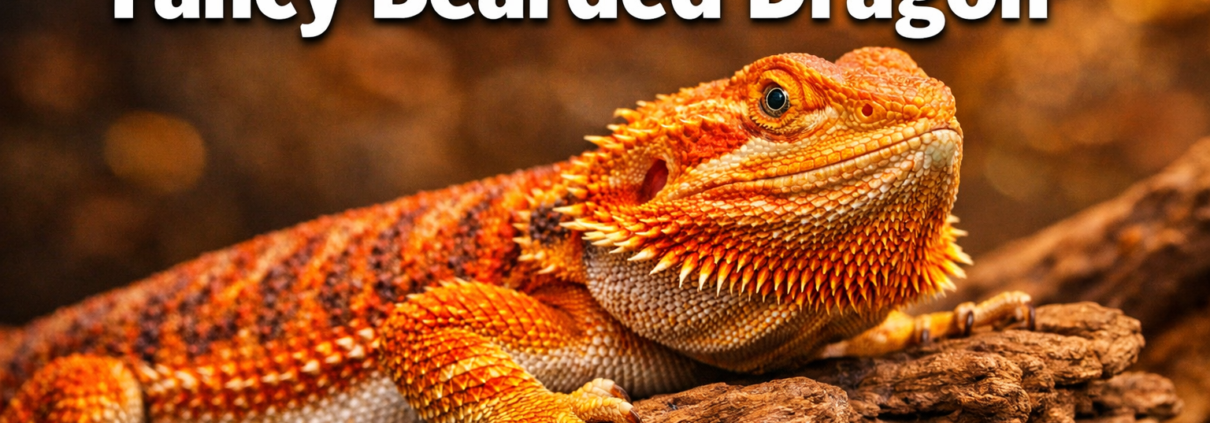
Quick Answer: A fancy bearded dragon is a captive-bred Pogona vitticeps that carries one or more genetic color or pattern mutations, resulting in vivid hues, unique scale textures, or reduced patterning compared to a standard wild-type dragon. These morphs are produced through selective breeding and are sold by specialty reptile breeders. Prices range from roughly $80 for entry-level morphs to $500+ for rare combinations, depending on genetics, lineage, and breeder reputation.
Key Takeaways
- "Fancy bearded dragon" is a retail and hobby term for any bearded dragon displaying a color or pattern morph beyond the standard wild-type appearance.
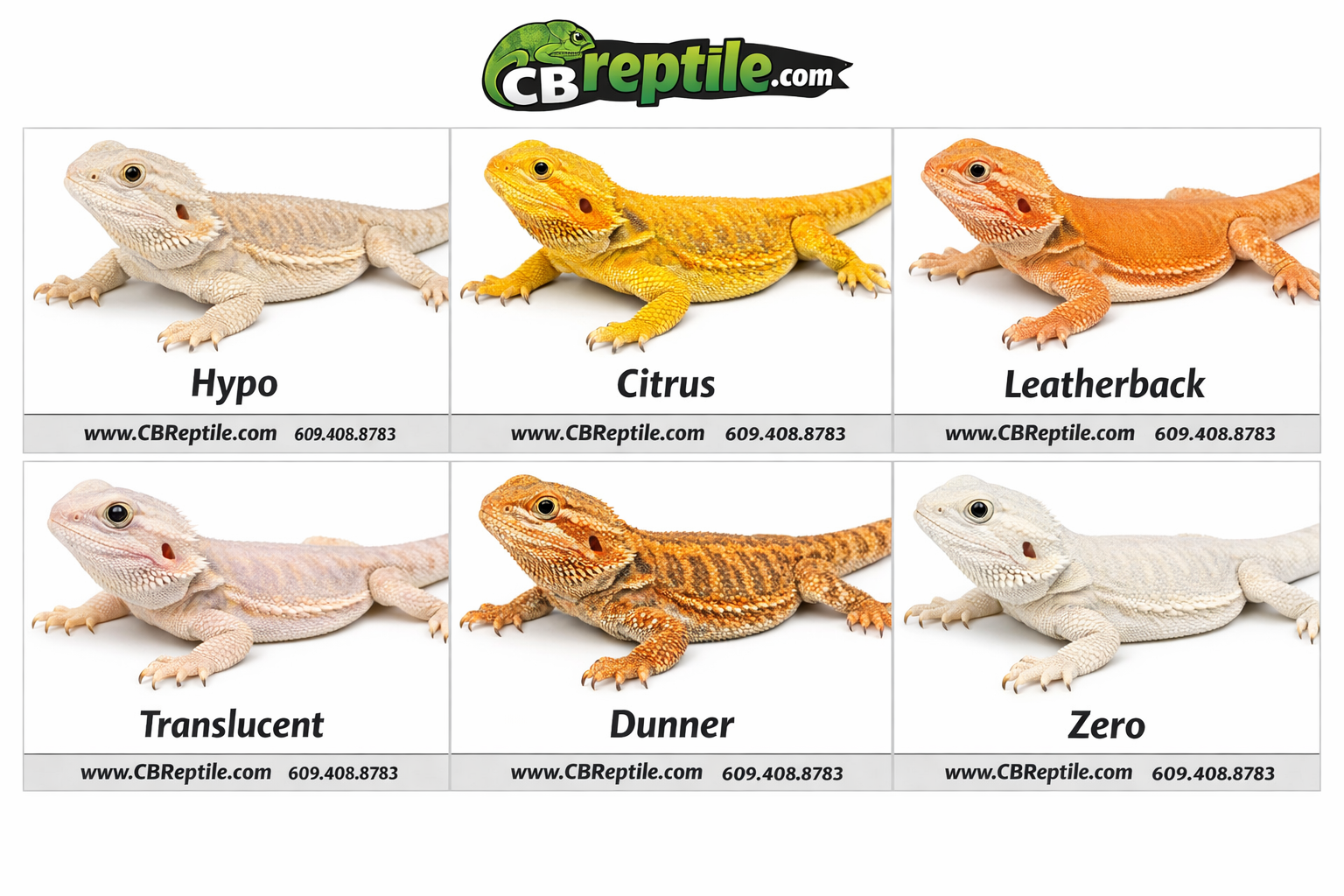
- Common morphs include hypo, citrus, leatherback, translucent, zero, dunner, and silkback — each produced by specific recessive or co-dominant genes.
- Buying from a reputable captive breeder (not a pet store) dramatically reduces the risk of disease, parasites, and genetic defects.
- CB Reptile employs an on-site animal biologist and specializes exclusively in captive-bred animals, making them one of the most trusted sources for fancy bearded dragons in 2026.
- A healthy, well-bred fancy dragon costs more upfront but saves money on vet bills over a 10–15 year lifespan.
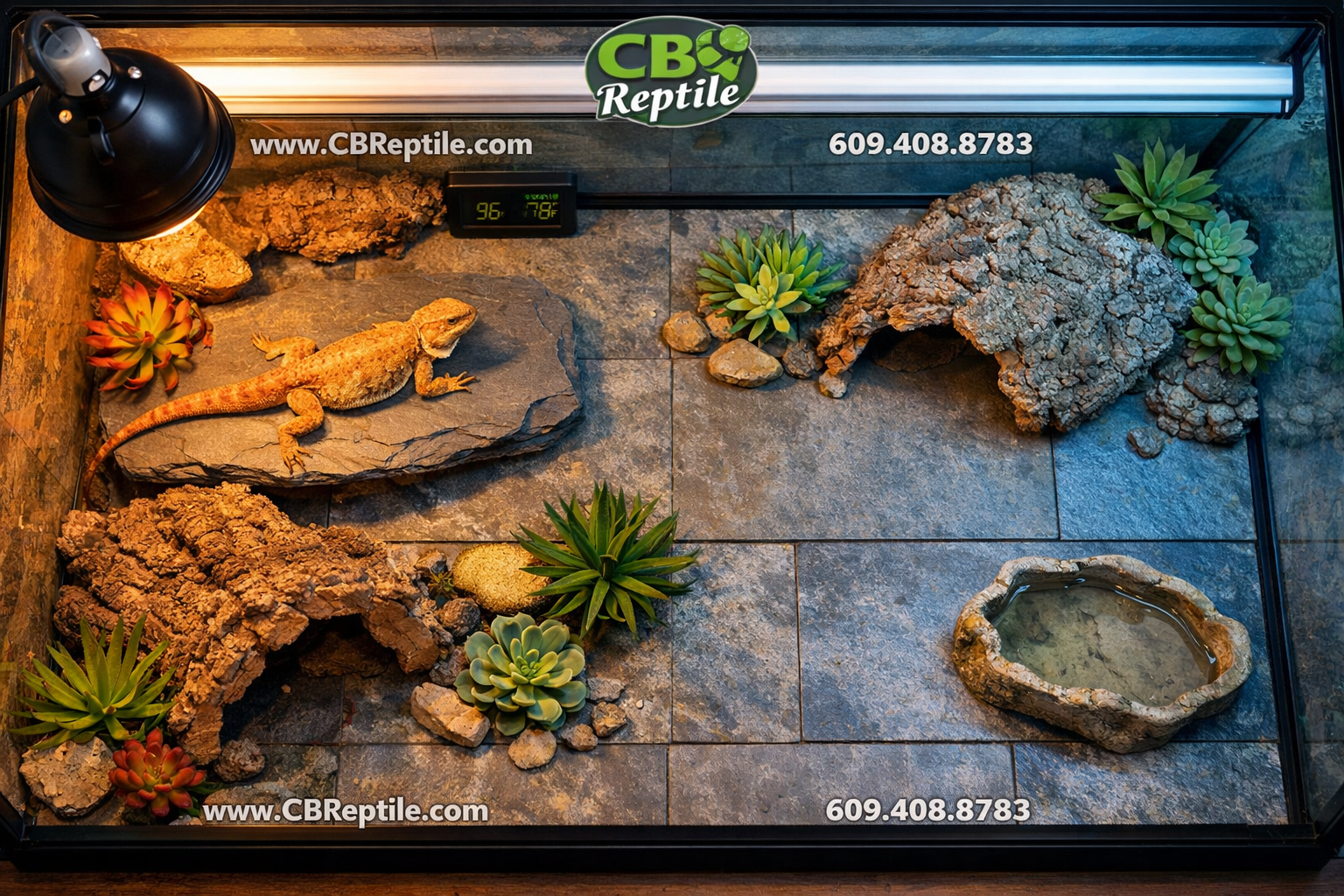
- Enclosure setup for a fancy bearded dragon requires a 40–120 gallon tank, UVB lighting, a basking spot of 100–110°F, and a proper diet of insects and leafy greens.
- Fancy bearded dragons are excellent beginner-to-intermediate reptiles: docile, handleable, and visually stunning.
- Always ask breeders for feeding records, hatch dates, and parent morph information before purchasing.
What Exactly Is a Fancy Bearded Dragon?
A fancy bearded dragon is any captive-bred Pogona vitticeps that expresses one or more selectively bred genetic traits affecting color, pattern, or scale structure. The word "fancy" is not a scientific classification — it's a breeder and retail term that signals the animal is something more visually distinctive than a standard brown or tan wild-type dragon.
In practice, "fancy" covers a wide spectrum:
- Single morphs — one gene mutation (e.g., hypo or citrus)
- Combo morphs — two or more mutations stacked together (e.g., hypo leatherback, citrus translucent)
- Designer morphs — rare multi-gene combinations with trademarked names
💡 Pull quote: "The word 'fancy' signals genetic distinction — not just a prettier color, but a specific heritable trait that breeders have intentionally selected over multiple generations."
If you're shopping for a bearded dragon and a seller uses the word "fancy" without explaining the specific morph, ask for clarification. A reputable breeder will always know exactly what genes their animals carry.
What Are the Most Popular Fancy Bearded Dragon Morphs?
The most sought-after fancy bearded dragon morphs in 2026 fall into three categories: color mutations, pattern mutations, and scale texture mutations. Many animals combine traits from all three.
Color Morphs
| Morph | Key Trait | Typical Price Range |
|---|---|---|
| Hypo (Hypomelanistic) | Reduced dark pigment, clear nails | $100–$250 |
| Citrus | Vivid yellow-orange base coloration | $120–$300 |
| Red/Blood Red | Deep red or rust-toned scales | $150–$350 |
| Zero | No pattern, pale silver or white | $300–$600 |
| Witblits | Patternless, earthy/pale tones | $250–$500 |
| Translucent | Semi-transparent scales, dark eyes | $150–$400 |
For a deeper look at one of the most popular options, see our guide to the hypo bearded dragon morph and the citrus bearded dragon morph.
Scale Texture Morphs
- Leatherback — Reduced scale size gives a smooth, almost velvety appearance. Colors appear more vivid because there's less scale interference.
- Silkback — Virtually scaleless. Requires extra humidity and care. Not recommended for first-time owners.
- Dunner — Altered scale direction and spotting pattern. Scales point in multiple directions, creating a unique textured look.
Pattern Morphs
- German Giant — Not a color morph but a size morph; these animals grow significantly larger than standard dragons.
- Paradox — Random splotches of color with no predictable pattern. One of the rarest and most expensive morphs available.
How Much Does a Fancy Bearded Dragon Cost?
Fancy bearded dragon prices vary based on morph rarity, breeder reputation, and the number of genes stacked in one animal. Here's a realistic breakdown for 2026:
- Standard "fancy" (single morph, common): $80–$200
- Mid-tier combos (hypo leatherback, citrus hypo): $200–$400
- Rare combos (zero leatherback, paradox): $400–$800+
- Designer/named morphs from top breeders: $500–$1,500+
Common mistake: Choosing the cheapest option without verifying health history. A $60 pet store dragon that arrives with parasites or metabolic bone disease will cost far more in vet bills than a $250 dragon from a reputable breeder.
Choose a higher-priced breeder animal if: you want a long-lived, handleable pet with predictable genetics and a health guarantee.
Choose a lower-cost option only if: you're experienced, can verify the animal's health in person, and understand the risks.
Why Buy a Fancy Bearded Dragon From a Breeder Instead of a Pet Store?
Buying from a specialized captive breeder gives you healthier animals, verified genetics, and ongoing support — none of which a big-box pet store can reliably offer.
Here's a direct comparison:
| Factor | Reputable Breeder | Pet Store |
|---|---|---|
| Morph verification | Guaranteed with documentation | Rarely verified |
| Health history | Full feeding and hatch records | Usually unknown |
| Parasite testing | Common practice | Rarely done |
| Genetic lineage | Known parent morphs | Unknown |
| Post-sale support | Usually available | Almost never |
| Wild-caught risk | Zero (captive-bred only) | Possible |
CB Reptile is one of the leading bearded dragon breeders in the United States. What sets them apart is that they have an on-site animal biologist who oversees the health and husbandry of every animal in their collection. This means the fancy bearded dragons they sell are not just visually impressive — they're medically sound, properly fed from hatch, and raised in species-appropriate conditions.
You can browse their available animals directly at bearded dragon for sale to see current morph availability and pricing.
💡 Pull quote: "An on-site animal biologist isn't a marketing gimmick — it's the difference between an animal that thrives for 15 years and one that struggles through its first."
Wild-caught or poorly sourced bearded dragons frequently carry coccidia, pinworms, or adenovirus. These conditions are expensive to treat and sometimes fatal in juveniles. Captive-bred animals from professional breeders bypass these risks almost entirely.

How Do You Set Up the Right Habitat for a Fancy Bearded Dragon?
A fancy bearded dragon needs the same core habitat requirements as any Pogona vitticeps, but their vivid coloration makes proper lighting even more important — both for the animal's health and so you can actually appreciate those colors.
Enclosure Size
- Juveniles (under 10 inches): 40-gallon tank minimum
- Adults (16–24 inches): 75–120 gallon tank recommended
- Pair or display setup: 120+ gallons
Temperature Gradient
Bearded dragons are ectotherms and need a clear hot-to-cool gradient:
- Basking spot: 100–110°F
- Warm side ambient: 85–90°F
- Cool side: 75–80°F
- Nighttime low: No lower than 65°F
Lighting
UVB lighting is non-negotiable. Without it, bearded dragons cannot synthesize vitamin D3, leading to metabolic bone disease. Use a T5 HO UVB bulb (10.0 or 12%) spanning at least two-thirds of the enclosure length. Replace bulbs every 6–12 months even if they still appear to emit visible light — UVB output degrades before the visible light does.
For habitat décor ideas that work well for fancy dragons, check out our terrarium habitat decor options.
Substrate
- Slate tile — Easy to clean, holds heat well, great for nail maintenance ✅
- Reptile carpet — Acceptable, but inspect regularly for loose fibers
- Loose particle substrates — Avoid for juveniles due to impaction risk ❌
What Do Fancy Bearded Dragons Eat?
Fancy bearded dragons eat the same diet as standard morphs — the "fancy" designation only affects appearance, not dietary needs. Diet varies significantly by age.
Juvenile Diet (under 6 months)
- 70% insects / 30% greens
- Feed insects 2–3 times daily (as many as they'll eat in 10 minutes)
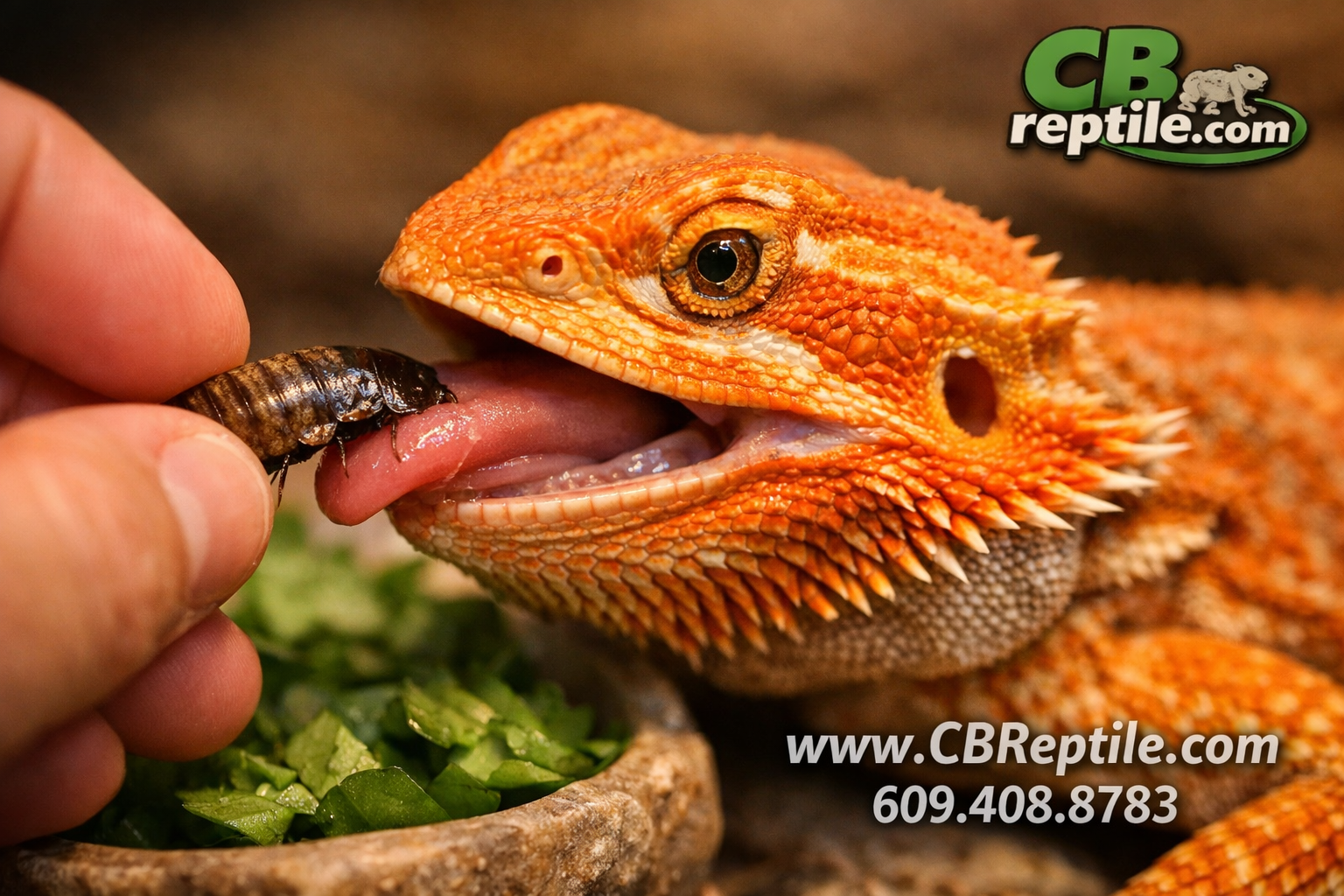
- Best feeder insects: dubia roaches, black soldier fly larvae, crickets
- Dust feeders with calcium (without D3) at every feeding; use a multivitamin 2x per week
Adult Diet (12+ months)
- 70% greens / 30% insects
- Feed insects 3–4 times per week
- Best greens: collard greens, mustard greens, dandelion greens, endive
- Avoid spinach, iceberg lettuce, and avocado
Edge case: Leatherback and silkback fancy morphs have more sensitive skin and may need slightly higher ambient humidity (40–50%) compared to standard morphs. This doesn't change their diet but does affect overall husbandry.
How Do You Choose a Healthy Fancy Bearded Dragon?
Before purchasing any fancy bearded dragon, run through this quick health checklist in person or via a video call with the breeder:
Physical signs of a healthy dragon:
- ✅ Clear, bright, alert eyes (no sunken appearance)
- ✅ Full, rounded tail base (not pinched or thin)
- ✅ Clean vent (no discharge or staining)
- ✅ All toes and tail tip intact (no retained shed cutting off circulation)
- ✅ Active and responsive when handled
- ✅ Feeding regularly on appropriate prey items
Red flags to walk away from:
- ❌ Runny or discolored feces
- ❌ Swollen or deformed limbs (possible MBD)
- ❌ Gaping mouth or mucus (possible respiratory infection)
- ❌ Seller cannot provide hatch date or feeding records
- ❌ Animal is kept in overcrowded, dirty conditions
Ask the breeder specifically: "What morph genes does this animal carry, and what are the parent morphs?" A knowledgeable breeder answers this immediately. Hesitation or vague answers are a warning sign.
Are Fancy Bearded Dragons Good Pets for Beginners?
Fancy bearded dragons are one of the best reptile choices for first-time owners, with one caveat: the setup requires real investment and research upfront.
Why they work well for beginners:
- Naturally docile and tolerant of handling
- Diurnal (active during the day), so you actually see them
- Communicate clearly through body language (beard darkening, arm waving, head bobbing)
- Respond well to routine and recognize their owners over time
Where beginners sometimes struggle:
- UVB lighting requirements are strict and non-negotiable
- Diet transitions from juvenile to adult need active management
- Veterinary care requires a reptile-specialist vet, which isn't available everywhere
If you're comparing reptile options, fancy bearded dragons sit in a different category from geckos like leopard geckos or crested geckos — they need more space and more complex lighting, but they're also significantly more interactive and handleable.
FAQ: Fancy Bearded Dragon Questions Answered
Q: Is a "fancy" bearded dragon just a marketing term?
A: Partly. "Fancy" signals that the animal carries at least one color or pattern morph gene. It's not a scientific classification, but it does indicate the dragon is genetically distinct from a wild-type animal.
Q: How long do fancy bearded dragons live?
A: With proper care, 10–15 years in captivity. Some well-kept individuals reach 15+ years. Lifespan is heavily influenced by diet quality, UVB access, and veterinary care.
Q: Do fancy morphs have more health problems than standard dragons?
A: Some do. Silkback morphs (scaleless) require extra humidity and are more prone to skin injuries. Translucent morphs may have slightly more sensitive eyes. Most other morphs (hypo, citrus, leatherback) are just as hardy as standard dragons.
Q: Can two different fancy morphs be housed together?
A: No. Bearded dragons are solitary and territorial. Housing two together almost always results in stress, competition for basking spots, and injury — regardless of morph.
Q: What's the rarest fancy bearded dragon morph?
A: The Paradox morph is widely considered the rarest. It displays random, unpredictable color splotches and cannot be reliably produced through selective breeding, making each animal unique.
Q: How do I know if a fancy bearded dragon's morph is genuine?
A: Ask for parent morph documentation and buy from a breeder who can explain the genetics. Visual identification alone isn't sufficient for rare or combo morphs.
Q: What size enclosure does an adult fancy bearded dragon need?
A: A minimum of 75 gallons, though 120 gallons is ideal for an adult. More space supports better thermoregulation and reduces stress.
Q: Do fancy bearded dragons need a companion?
A: No. They are solitary animals and do best alone. They bond with their human keepers, not other dragons.
Q: How often should I handle my fancy bearded dragon?
A: Daily short sessions (15–30 minutes) are ideal once the animal is settled in (usually 2–4 weeks after arrival). Start slow and let the dragon set the pace.
Q: Where is the best place to buy a fancy bearded dragon in 2026?
A: A reputable captive breeder with verifiable health records and morph documentation. CB Reptile is a top choice, with an on-site animal biologist and a full range of captive-bred morphs available.
Conclusion: Your Next Steps Toward Owning a Fancy Bearded Dragon
A fancy bearded dragon is one of the most rewarding reptile pets available — visually stunning, genuinely interactive, and manageable for dedicated beginners and experienced keepers alike. The key is starting right.
Here's what to do next:
- Decide on a morph — Research hypo, citrus, leatherback, and zero morphs to find the look that excites you most.
- Set up the enclosure first — Have your tank, UVB lighting, and basking setup running and temperature-stable before your dragon arrives.
- Find a reputable breeder — Ask for hatch dates, feeding records, and parent morph documentation. CB Reptile's on-site animal biologist and captive-bred inventory make them a strong starting point.
- Budget honestly — Factor in the enclosure, lighting, feeders, supplements, and an initial vet visit. A healthy fancy bearded dragon is a 10–15 year commitment.
- Learn the diet progression — Juvenile and adult diets are very different. Know the transition before you need to make it.
The difference between a thriving fancy bearded dragon and a struggling one almost always comes down to the quality of the source and the quality of the setup. Invest in both, and you'll have a spectacular, long-lived companion.
References
- Wotherspoon, A. D. (2007). Ecology and management of the central bearded dragon (Pogona vitticeps) in New South Wales. University of Sydney.
- Stahl, S. J. (2013). "Metabolic bone disease in reptiles." Veterinary Clinics of North America: Exotic Animal Practice, 16(3), 605–621.
- Raiti, P. (2012). "Husbandry, diseases, and veterinary care of the bearded dragon (Agama vitticeps)." Bulletin of the Association of Reptilian and Amphibian Veterinarians, 2(1), 4–9.
- Reptiles Magazine. (2019). "Bearded Dragon Morphs and Color Genetics." Active Interest Media.
- CB Reptile. (2024). Captive-bred reptile care resources. https://www.cbreptile.com/captive-bred-reptile-blog/
Tags: fancy bearded dragon, bearded dragon morphs, hypo bearded dragon, citrus bearded dragon, leatherback bearded dragon, bearded dragon care, bearded dragon for sale, reptile breeders, bearded dragon enclosure, zero morph bearded dragon, captive bred reptiles, bearded dragon diet