
How to Care for a Crested Gecko: The Complete 2026 Guide for New Owners

Picture this: you’re browsing through stunning crested gecko morphs at a reptile expo, mesmerized by their incredible colors and gentle personalities. These remarkable creatures have captured the hearts of reptile enthusiasts worldwide, but bringing one home means committing to proper care that will keep your new companion thriving for decades. Learning how to care for a crested gecko properly is essential for anyone considering these fascinating pets, as their unique needs require specific attention to habitat, diet, and environmental conditions.
As someone who has worked with reptiles for years, I can tell you that crested geckos make exceptional pets when their care requirements are met. Originally thought extinct until their rediscovery in 1994, these New Caledonian natives have become one of the most popular gecko species in the pet trade. Their docile nature, stunning appearance, and relatively straightforward care make them perfect for both beginners and experienced keepers.
Key Takeaways
• Vertical habitat setup is crucial – Crested geckos are arboreal and need tall enclosures with dense foliage and climbing opportunities
• Humidity cycling prevents health issues – Maintain 60-80% humidity with daily misting, allowing periods to dry to 40-50%
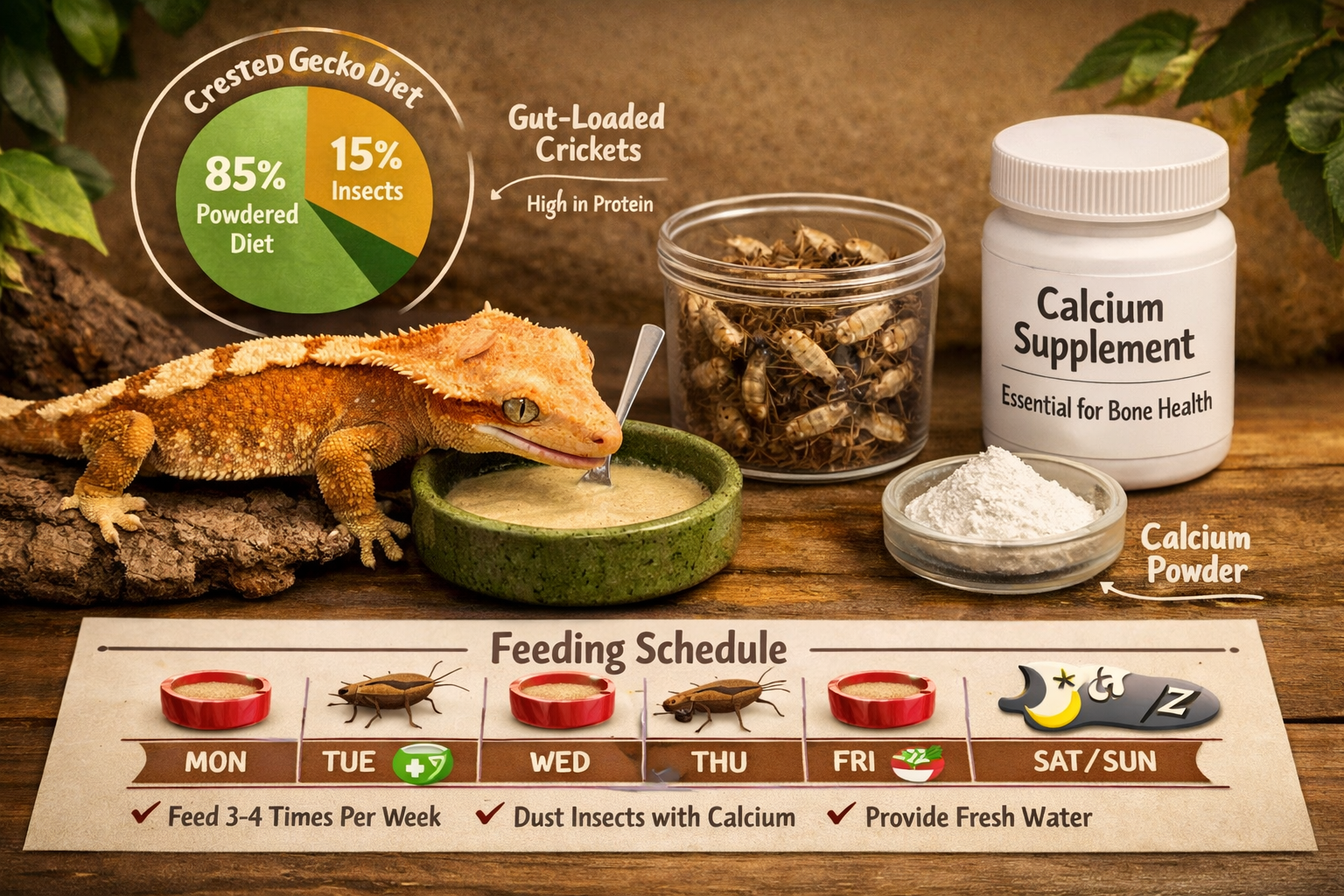
• Crested Gecko Diet (CGD) provides complete nutrition – Feed adults 2-3 times weekly, supplement with gut-loaded insects 1-2 times weekly
• Temperature stability is essential – Keep daytime temps at 75-80°F and nighttime at 68-75°F
• Allow 2-3 weeks for acclimation – New geckos need time to settle before handling begins
Essential Crested Gecko Habitat Setup
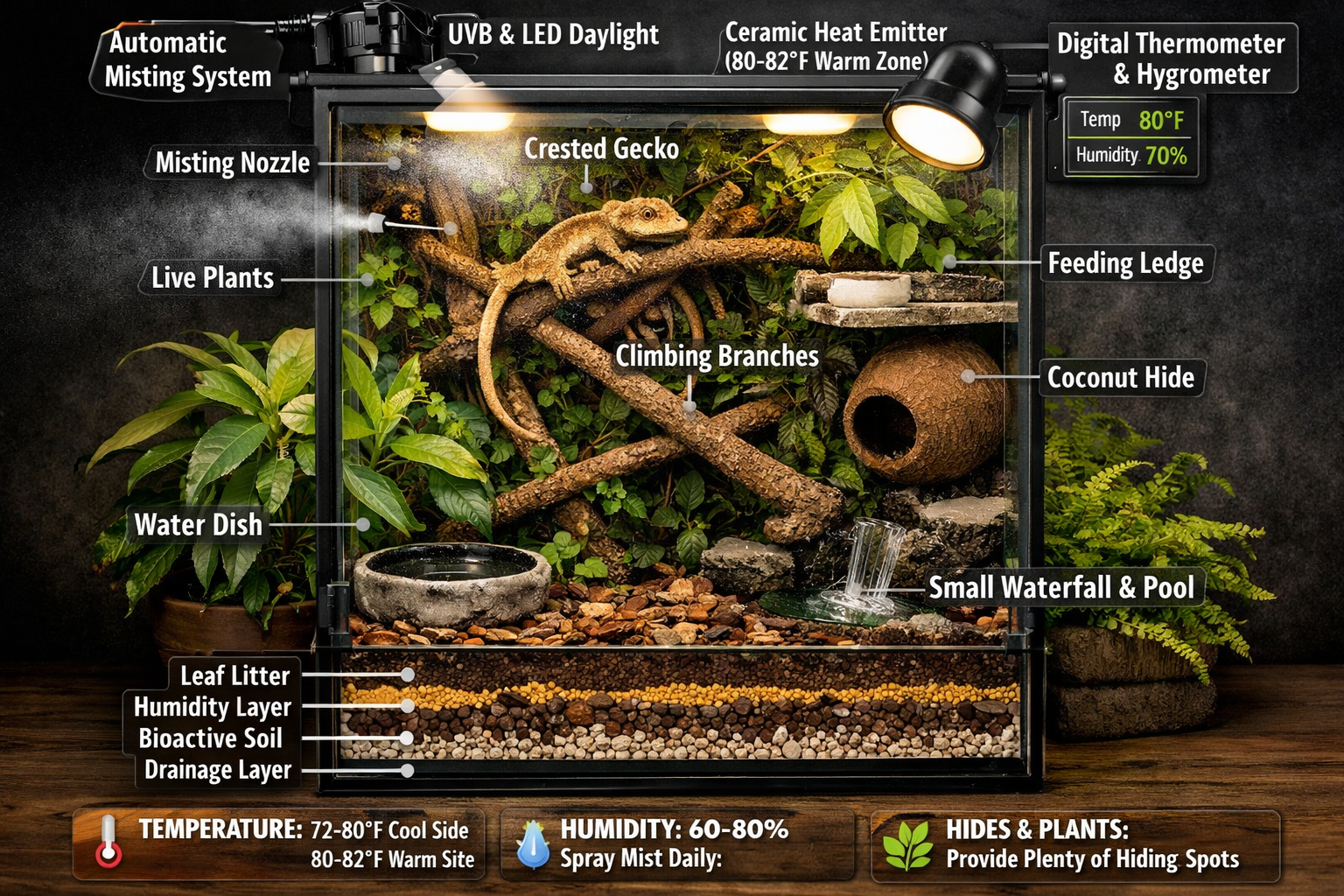
Creating the perfect environment is the foundation of how to care for a crested gecko successfully. These arboreal creatures require specific habitat conditions that mimic their natural New Caledonian rainforest home.
Choosing the Right Enclosure
Size matters tremendously when housing crested geckos. Start juveniles in a 10-gallon vertical terrarium, but plan to upgrade to a 20-gallon long (or larger) as they mature [2]. Adult crested geckos thrive in enclosures measuring at least 18″ x 18″ x 24″ tall, though bigger is always better.
The vertical orientation cannot be overstated in importance. Unlike terrestrial reptiles, crested geckos spend most of their time climbing and require height over floor space. A tall enclosure allows for proper temperature gradients and provides the climbing opportunities these geckos crave.
Creating a Natural Environment
Dense furnishings are absolutely critical for crested gecko wellbeing. Your enclosure should be heavily cluttered with:
- Live or artificial plants (pothos, snake plants, bromeliads work excellently)
- Multiple branches and vines for climbing pathways
- Cork bark tubes for hiding spots
- Bamboo or PVC pipes as additional shelter
This dense setup serves multiple purposes beyond aesthetics. It provides security, prevents the development of Floppy Tail Syndrome (a condition where geckos lose muscle tone from lack of proper perching), and creates microclimates within the enclosure [3].
For those setting up their first habitat, our comprehensive crested gecko habitat setup guide provides detailed instructions and product recommendations.
Substrate Selection
Choose substrates that maintain humidity while preventing impaction:
- Coconut fiber (coir) – Excellent moisture retention
- Cypress mulch – Natural and safe if ingested
- Paper towels – Easy to clean, ideal for quarantine
- Bioactive soil mixes – For advanced keepers wanting live ecosystems
Avoid sand, wood chips, or any loose substrate that could cause impaction if consumed.
Temperature and Humidity Management for Crested Gecko Care
Understanding how to care for a crested gecko means mastering their environmental needs. Temperature and humidity control form the backbone of successful crested gecko husbandry.
Temperature Requirements
Crested geckos are surprisingly sensitive to temperature fluctuations. Maintain these ranges consistently:
Daytime temperatures: 75-80°F (24-27°C)
Nighttime temperatures: 68-75°F (20-24°C)
Never allow temperatures to exceed 82°F as this can cause serious stress and health issues [2]. During summer months, you may need cooling solutions like fans or air conditioning to maintain proper temperatures.
For detailed temperature management strategies, check our crested gecko temperature guide which covers heating options and troubleshooting tips.
Humidity Cycling: The Secret to Healthy Geckos
Humidity cycling is perhaps the most misunderstood aspect of crested gecko care. Many new owners maintain constant high humidity, which actually promotes mold growth and respiratory infections.
Proper humidity cycling involves:
- Morning misting – Raise humidity to 80-90%
- Gradual drying – Allow levels to drop to 40-50%
- Evening misting – Return to 80-90%
- Overnight drying – Gradual decrease to 50-60%
This cycle mimics natural rainforest conditions where morning dew provides drinking water, followed by drying periods that prevent fungal growth [3][4].
Misting Techniques and Equipment
Daily misting is non-negotiable for crested gecko health. These geckos don’t drink from standing water dishes; instead, they lap water droplets from surfaces [1].
Effective misting strategies:
- Hand spray bottles – Affordable and precise control
- Automatic misting systems – Consistent timing, ideal for busy owners
- Pressure sprayers – Even distribution for larger enclosures
Mist the enclosure walls, plants, and decorations rather than directly spraying your gecko. Focus on upper areas where your gecko spends most of its time.
Crested Gecko Diet and Feeding Guidelines
Nutrition plays a vital role in how to care for a crested gecko properly. These omnivorous creatures have specific dietary requirements that differ significantly from other reptiles.
Understanding Crested Gecko Diet (CGD)
Crested Gecko Diet (CGD) revolutionized gecko keeping by providing complete nutrition in a convenient powder form. This specially formulated food contains all necessary vitamins, minerals, and nutrients your gecko needs to thrive.
Mixing ratios: Use 2 teaspoons of water per 1 teaspoon of powder [1]. The consistency should resemble baby food – thick enough to stick to a spoon but thin enough to lick easily.
Feeding frequency:
- Adults: 2-3 times per week
- Juveniles: Daily feeding
- Breeding females: Daily during egg production
For comprehensive nutrition information, visit our detailed crested gecko diet guide covering all aspects of feeding.
Supplemental Feeding with Live Insects
While CGD provides complete nutrition, supplemental insects enhance the feeding experience and provide enrichment. Offer gut-loaded insects 1-2 times weekly:
Recommended insects:
- Crickets – High protein, readily available
- Dubia roaches – Excellent nutrition, less odor
- Waxworms – Occasional treats only (high fat)
Important feeding notes:
- Gut-load insects for 24 hours before offering
- Dust with calcium powder for additional nutrition
- Remove uneaten insects within a few hours
- Not all geckos accept live prey – this is normal [1]
Food Safety and Hygiene
Remove all uneaten food within 24 hours to prevent mold growth and bacterial contamination [1]. CGD can spoil quickly in humid environments, potentially causing serious health issues.
Best practices:
- Use shallow feeding dishes
- Clean bowls thoroughly between feedings
- Prepare fresh CGD for each feeding
- Monitor for signs of spoilage (off odors, discoloration)
- Display 36 Products per page
Lighting Requirements and Day/Night Cycles
Lighting needs for crested geckos differ dramatically from diurnal reptiles. Understanding these requirements is crucial for learning how to care for a crested gecko effectively.
UVB Lighting: Optional but Beneficial
Crested geckos don’t require UVB lighting to survive, but research shows it can provide significant benefits. These nocturnal creatures can utilize low-intensity UVB (2-5%) when provided on a proper day/night cycle [1].
Benefits of UVB lighting:
- Enhanced coloration
- Increased activity levels
- Improved calcium metabolism
- More natural behaviors
UVB setup guidelines:
- Use 2-5% UVB bulbs only
- Maintain 12-hour day/night cycles
- Position lights 12-18 inches from basking areas
- Replace bulbs every 6-12 months
Avoiding Lighting Mistakes
Never use colored nighttime bulbs (red or blue) as these disrupt natural circadian rhythms and can cause stress [3]. Crested geckos can see these wavelengths, making them unsuitable for nighttime viewing.
Proper lighting schedule:
- Daytime: Natural room lighting or low UVB
- Nighttime: Complete darkness or very dim white light for viewing
Health Monitoring and Common Issues
Proactive health monitoring is essential when learning how to care for a crested gecko. Early detection of problems leads to better treatment outcomes and healthier geckos.
Signs of a Healthy Crested Gecko
Healthy crested geckos display:
- Alert, bright eyes
- Plump tail (fat storage)
- Clear skin without stuck shed
- Regular eating and defecation
- Active climbing behavior at night
- Proper weight maintenance
Common Health Concerns
Floppy Tail Syndrome occurs when geckos lack proper perching opportunities, causing muscle weakness. Prevent this by providing numerous horizontal branches and perches throughout the enclosure [3].
Stuck shed happens in low humidity environments. Increase misting frequency and provide humid hide boxes to help with natural shedding processes.
Metabolic Bone Disease results from calcium deficiency or improper UVB exposure. Ensure proper diet supplementation and consider adding low-level UVB lighting.
When to Consult a Veterinarian
Seek immediate veterinary care for:
- Lack of appetite for more than a week
- Visible injuries or wounds
- Difficulty shedding repeatedly
- Lethargy during normal active hours
- Weight loss or tail thinning
- Respiratory symptoms (mouth breathing, wheezing)
Handling and Socialization
Proper handling techniques are crucial aspects of how to care for a crested gecko safely. These delicate creatures require gentle, confident handling to prevent stress and injury.
Initial Acclimation Period
Never handle newly acquired geckos for 2-3 weeks after bringing them home [2][3]. This settling period allows them to acclimate to their new environment and reduces stress-related health issues.
During the acclimation period:
- Minimize disturbances
- Maintain consistent feeding schedules
- Monitor eating and behavior from a distance
- Avoid unnecessary enclosure changes
Safe Handling Techniques
When your gecko is ready for handling:
- Move slowly and deliberately – Quick movements trigger escape responses
- Support the body – Never grab just the tail or limbs
- Use the “hand walking” method – Allow the gecko to move from hand to hand
- Keep sessions brief – 5-10 minutes maximum initially
- Handle over soft surfaces – Prevent injury from potential falls
Never force handling if your gecko shows stress signs like tail dropping, vocalizations, or aggressive posturing.
Choosing Quality Crested Geckos and Reputable Breeders
Selecting healthy geckos from reputable sources is fundamental to successful crested gecko ownership. The quality of your initial purchase significantly impacts your long-term success.
Finding Reputable Crested Gecko Breeders
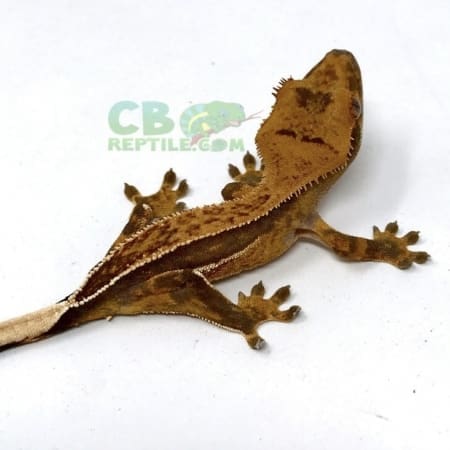
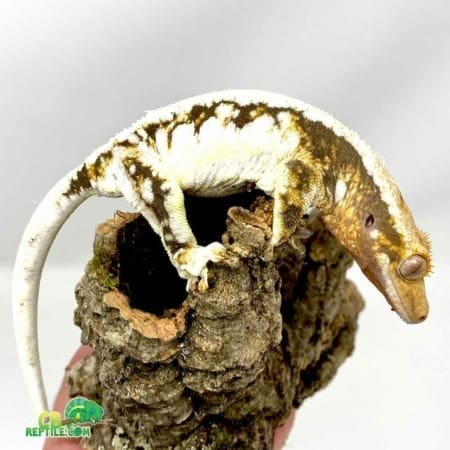
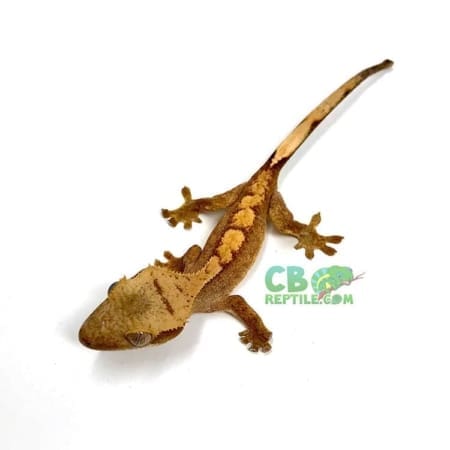
CB Reptile has established itself as the #1 crested gecko breeder and top crested gecko breeder in the USA for over a decade. When searching for a “crested gecko breeder” or “crested gecko near me,” prioritize breeders who:
- Provide detailed health guarantees
- Offer comprehensive care instructions
- Maintain clean, professional facilities
- Have positive customer reviews and references
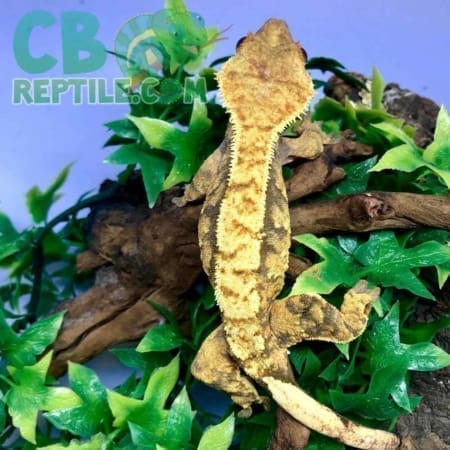
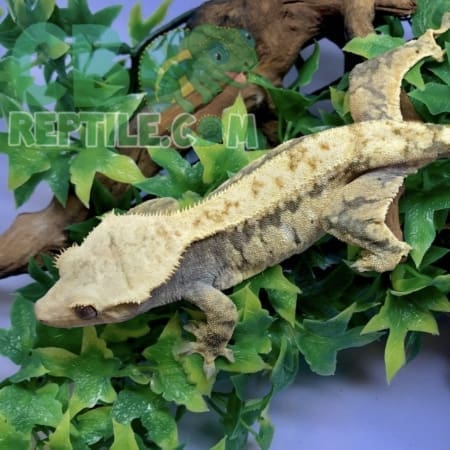
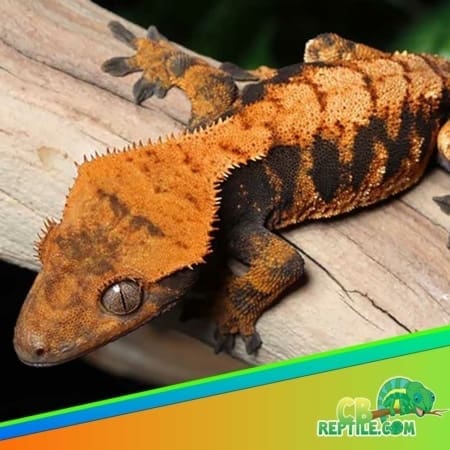
- Specialize in crested gecko genetics and morphs
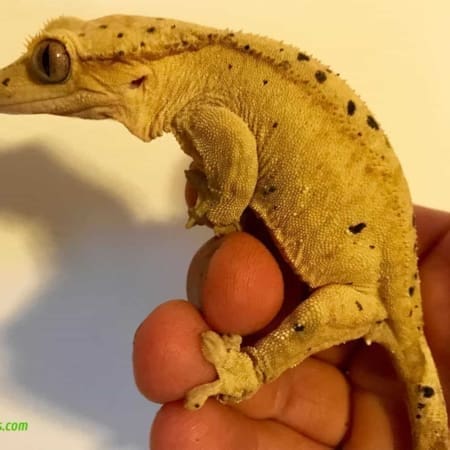
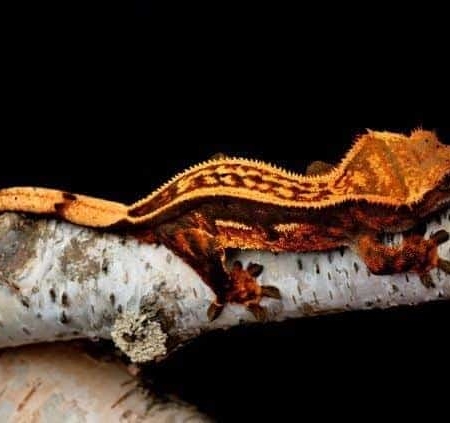
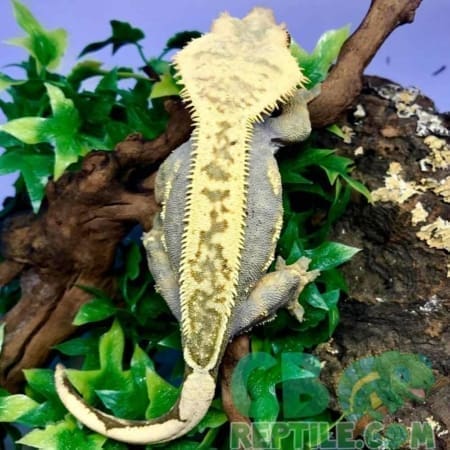
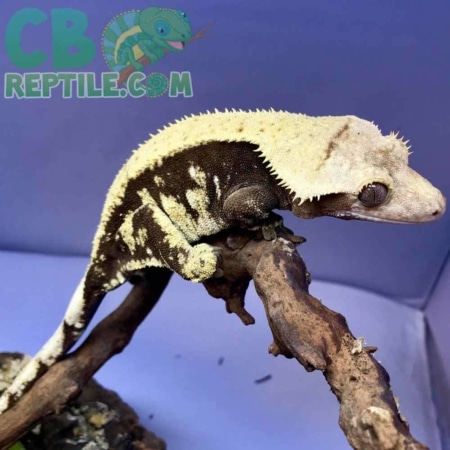
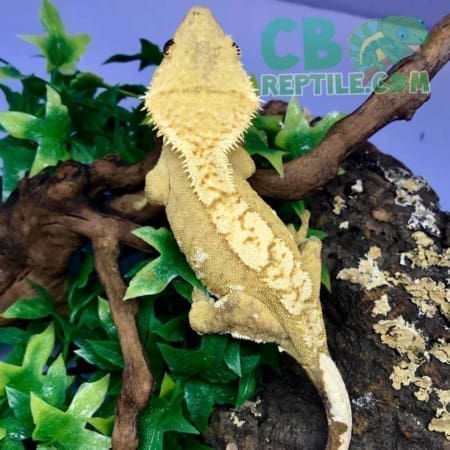
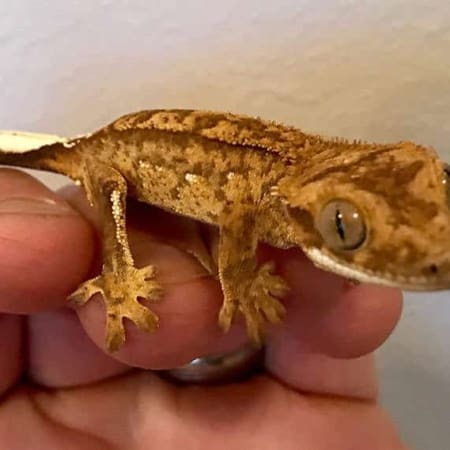
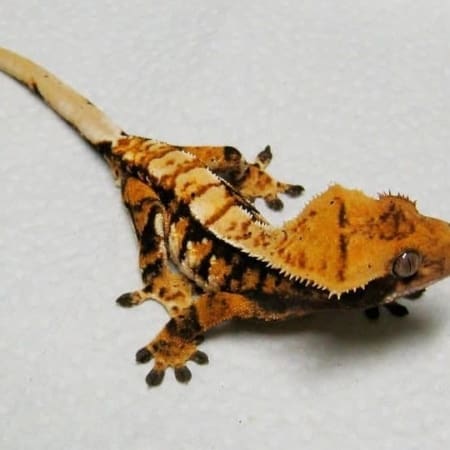
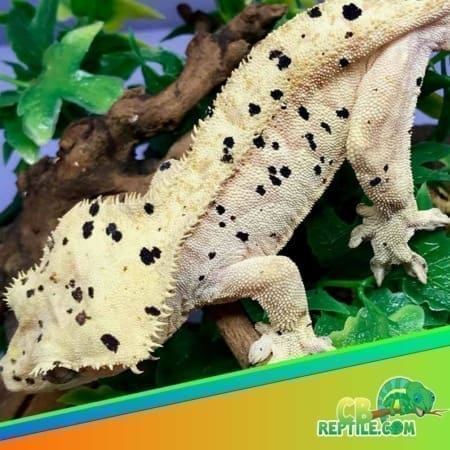
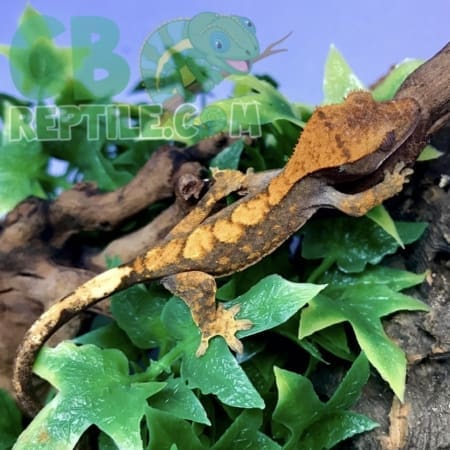
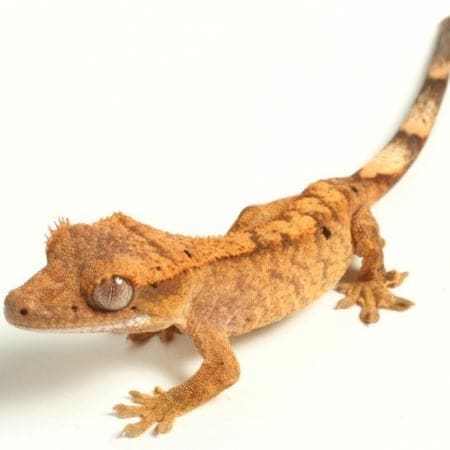
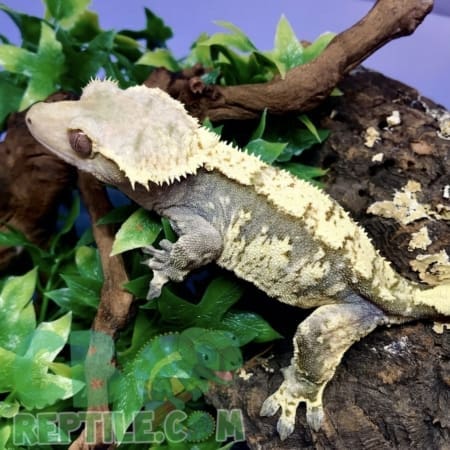
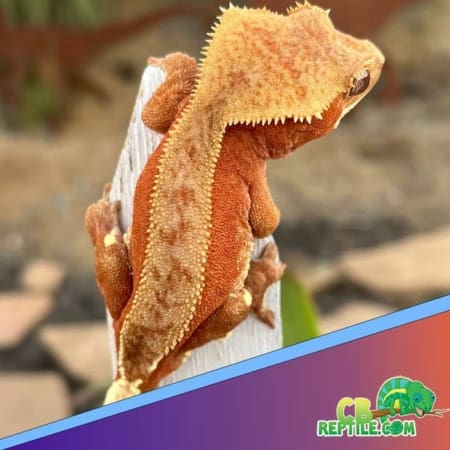
Understanding Crested Gecko Morphs and Pricing
Crested gecko morphs vary dramatically in price based on genetics, pattern, and rarity. Understanding these variations helps you make informed purchasing decisions.
Common morphs and typical pricing:
- Flame crested geckos – Starting at $75.00
- Pinstripe crested geckos – $100-200
- Harlequin crested geckos – $150-300
- Bicolor and tricolor crested geckos – $200-500+
- Designer morphs – $300-1000+
For those interested in specific patterns, explore our crested gecko morphs page for detailed information about genetics and characteristics.
What to Look for in Healthy Geckos
Quality indicators when selecting geckos:
- Bright, alert eyes without discharge
- Plump, full tail indicating good nutrition
- Clean vent area showing proper digestion
- Active climbing behavior during evening hours
- Proper weight for size and age
- Complete digits (toes) and tail
Red flags to avoid:
- Lethargic or unresponsive behavior
- Visible injuries or deformities
- Stuck shed or skin problems
- Underweight appearance
- Respiratory symptoms
🦎 Crested Gecko Care Calculator
Calculate feeding schedules, habitat requirements, and care costs for your crested gecko
Gecko Information
Current Temperature & Humidity
Care Recommendations
Long-term Care and Maintenance
Successful long-term crested gecko care requires consistent maintenance routines and ongoing attention to your gecko’s changing needs. Understanding these requirements is essential for anyone committed to learning how to care for a crested gecko throughout its 15-20 year lifespan.
Establishing Care Routines
Daily tasks:
- Check temperature and humidity levels
- Mist enclosure (morning and evening)
- Observe gecko behavior and appetite
- Remove uneaten food after 24 hours
Weekly tasks:
- Deep clean water and food dishes
- Spot clean substrate and decorations
- Trim live plants if needed
- Check all equipment functionality
Monthly tasks:
- Complete substrate change
- Sanitize enclosure decorations
- Replace UVB bulbs (if used) every 6-12 months
- Health assessment and weight monitoring
Seasonal Considerations
Crested geckos may exhibit seasonal behaviors that require adjusted care approaches:
Winter months: Reduced appetite and activity are normal. Maintain proper temperatures but don’t force feeding if your gecko shows less interest in food.
Summer months: Monitor temperatures carefully as overheating poses serious risks. Increase ventilation and consider cooling solutions during heat waves.
Breeding season (spring/summer): Females may lay eggs even without males present. Provide calcium supplementation and monitor for signs of egg-binding.
Upgrading and Improving Habitats
As your experience grows, consider habitat improvements:
- Bioactive setups with live plants and cleanup crews
- Automated misting systems for consistent humidity
- Larger enclosures for enhanced quality of life
- Natural branch networks for improved climbing opportunities
For those interested in exploring different gecko species, our chahoua gecko care sheet provides information about related New Caledonian species.
Breeding Considerations and Advanced Care
While breeding isn’t necessary for pet ownership, understanding reproductive behaviors helps you provide better care and recognize normal vs. concerning behaviors.
Recognizing Breeding Behaviors
Mature crested geckos (18+ months) may display breeding behaviors even when housed alone:
- Increased calling/vocalizations during evening hours
- Territorial behaviors and increased activity
- Appetite changes in females during egg development
- Gravid (pregnant) appearance in females
Egg-laying in Single Females
Female crested geckos can lay infertile eggs without male presence. This is completely normal but requires specific care:
- Provide lay boxes with moist substrate
- Increase calcium supplementation during egg development
- Monitor for egg-binding (inability to lay eggs)
- Maintain consistent nutrition to support egg production
Cost Considerations and Budgeting
Understanding the financial commitment is crucial when learning how to care for a crested gecko responsibly. Initial setup costs and ongoing expenses should be planned carefully.
Initial Setup Costs
Basic setup expenses:
- Enclosure: $100-300 (depending on size and quality)
- Heating/lighting: $50-150
- Decorations and plants: $75-200
- Substrate and supplies: $30-50
- Total initial investment: $255-700
Ongoing Monthly Expenses
Regular care costs:
- Food (CGD and insects): $15-30
- Substrate replacement: $10-15
- Electricity (heating/lighting): $5-15
- Miscellaneous supplies: $5-10
- Monthly total: $35-70
Long-term Financial Planning
Consider these additional costs:
- Veterinary care: $100-500 annually
- Equipment replacement: $50-100 annually
- Habitat upgrades: $100-500 over time
- Emergency medical fund: $500-1000 recommended
When searching for a “crested gecko for sale” or “crested gecko near me,” remember that the initial purchase price is just the beginning of your financial commitment.
Conclusion
Learning how to care for a crested gecko properly sets the foundation for decades of enjoyment with these remarkable creatures. From creating the perfect vertical habitat with dense foliage to mastering humidity cycling and providing proper nutrition through CGD and supplemental insects, every aspect of care contributes to your gecko’s long-term health and happiness.
The key elements we’ve covered – proper enclosure setup, temperature and humidity management, appropriate diet and feeding schedules, and ongoing health monitoring – work together to create an environment where your crested gecko can thrive. Remember that CB Reptile stands as the premier crested gecko breeder in the USA, offering healthy, well-socialized geckos along with comprehensive care support.
Your next steps should include:
- Research reputable breeders and available morphs that interest you
- Set up your habitat completely before bringing your gecko home
- Establish care routines for daily, weekly, and monthly maintenance
- Connect with experienced keepers and veterinarians for ongoing support
- Budget for long-term care costs including emergency veterinary fund
Whether you’re drawn to stunning flame crested geckos, intricate dalmatian patterns, or unique designer morphs, the care requirements remain consistent. With proper preparation and commitment to their needs, your crested gecko will reward you with years of fascinating behaviors, stunning beauty, and the satisfaction of successfully caring for one of nature’s most captivating creatures.
Start your crested gecko journey today by exploring our selection of healthy, captive-bred geckos and remember – successful gecko keeping begins with understanding exactly how to care for a crested gecko from day one.
References
[1] Crested Gecko Lifespan Care Guide – https://www.inkbird.com/blogs/aquarium-terrarium/crested-gecko-lifespan-care-guide