
juvenile panther chameleons
The Complete Guide to Juvenile Panther Chameleons: Expert Care for Growing Reptiles 🦎

Picture this: you've just welcomed a tiny, color-changing marvel into your home—a juvenile panther chameleon with eyes that move independently and feet designed like tiny hands. These remarkable creatures represent one of nature's most fascinating examples of adaptation, but raising juvenile panther chameleons successfully requires specialized knowledge that goes far beyond basic reptile care. As Madagascar's most celebrated export to the reptile world, these young chameleons demand precise environmental conditions, specific nutritional protocols, and careful attention during their critical growth phases.
Key Takeaways
• Feeding frequency is crucial: Juvenile panther chameleons require daily feeding with unlimited food until 15 months old, unlike adults who eat every other day
• Temperature precision matters: Maintain basking temperatures at 90°F with ambient temperatures between 75-80°F for optimal growth
• Humidity cycles are essential: Day humidity should be 50-60% while nighttime levels need 75-100% for proper hydration
• UVB lighting prevents disease: Full-spectrum UVB on a 12-hour cycle is mandatory to prevent Metabolic Bone Disease (MBD)
• Screen enclosures are optimal: Proper ventilation through screen terrariums ensures healthy air circulation and temperature regulation
<!DOCTYPE html>
<html lang="en">
<head>
    <meta charset="UTF-8">
    <meta name="viewport" content="width=device-width, initial-scale=1.0">
    <title>Juvenile Panther Chameleon Cost Calculator</title>
    <style>
        .cg-calculator-container {
            max-width: 600px;
            margin: 20px auto;
            padding: 20px;
            border: 2px solid #2c5530;
            border-radius: 10px;
            background: linear-gradient(135deg, #f0f8f0 0%, #e8f5e8 100%);
            font-family: Arial, sans-serif;
        }
        .cg-calculator-title {
            text-align: center;
            color: #2c5530;
            margin-bottom: 20px;
            font-size: 24px;
            font-weight: bold;
        }
        .cg-input-group {
            margin-bottom: 15px;
        }
        .cg-input-label {
            display: block;
            margin-bottom: 5px;
            font-weight: bold;
            color: #2c5530;
        }
        .cg-select, .cg-input {
            width: 100%;
            padding: 10px;
            border: 1px solid #4a7c59;
            border-radius: 5px;
            font-size: 16px;
        }
        .cg-calculate-btn {
            width: 100%;
            padding: 12px;
            background: #4a7c59;
            color: white;
            border: none;
            border-radius: 5px;
            font-size: 18px;
            font-weight: bold;
            cursor: pointer;
            margin-top: 10px;
        }
        .cg-calculate-btn:hover {
            background: #3a6249;
        }
        .cg-result {
            margin-top: 20px;
            padding: 15px;
            background: white;
            border-radius: 5px;
            border-left: 4px solid #4a7c59;
        }
        .cg-price {
            font-size: 24px;
            font-weight: bold;
            color: #2c5530;
        }
        .cg-breakdown {
            margin-top: 10px;
            font-size: 14px;
            color: #666;
        }
        .cg-locale-info {
            margin-top: 10px;
            padding: 10px;
            background: #f9f9f9;
            border-radius: 5px;
            font-size: 14px;
        }
    </style>
</head>
<body>
    <div class="cg-calculator-container">
        <h2 class="cg-calculator-title">🦎 Panther Chameleon Pricing Calculator</h2>

        <div class="cg-input-group">
            <label class="cg-input-label" for="gender">Gender:</label>
            <select id="gender" class="cg-select">
                <option value="female">Female</option>
                <option value="male">Male</option>
            </select>
        </div>

        <div class="cg-input-group">
            <label class="cg-input-label" for="age">Age Category:</label>
            <select id="age" class="cg-select">
                <option value="baby">Baby (0-6 months)</option>
                <option value="juvenile">Juvenile (6-12 months)</option>
                <option value="young-adult">Young Adult (12+ months)</option>
            </select>
        </div>

        <div class="cg-input-group">
            <label class="cg-input-label" for="locale">Locale:</label>
            <select id="locale" class="cg-select">
                <option value="ambilobe">Ambilobe</option>
                <option value="ambanja">Ambanja</option>
                <option value="nosy-be">Nosy Be</option>
                <option value="sambava">Sambava</option>
                <option value="ankaramy">Ankaramy</option>
                <option value="diego-suarez">Diego Suarez</option>
            </select>
        </div>

        <div class="cg-input-group">
            <label class="cg-input-label" for="quantity">Quantity:</label>
            <input type="number" id="quantity" class="cg-input" min="1" max="10" value="1">
        </div>

        <button class="cg-calculate-btn" onclick="calculatePrice()">Calculate Total Cost</button>

        <div id="result" class="cg-result" style="display: none;">
            <div class="cg-price" id="totalPrice"></div>
            <div class="cg-breakdown" id="breakdown"></div>
            <div class="cg-locale-info" id="localeInfo"></div>
        </div>
    </div>

    <script>
        function calculatePrice() {
            const gender = document.getElementById('gender').value;
            const age = document.getElementById('age').value;
            const locale = document.getElementById('locale').value;
            const quantity = parseInt(document.getElementById('quantity').value);

            let basePrice = 0;

            // Base pricing structure
            if (gender === 'female') {
                switch(age) {
                    case 'baby': basePrice = 250; break;
                    case 'juvenile': basePrice = 400; break;
                    case 'young-adult': basePrice = 550; break;
                }
            } else {
                switch(age) {
                    case 'baby': basePrice = 399; break;
                    case 'juvenile': basePrice = 499; break;
                    case 'young-adult': basePrice = Math.floor(Math.random() * 101) + 599; break; // 599-699
                }
            }

            // Locale premium (some locales command higher prices)
            let localeMultiplier = 1.0;
            switch(locale) {
                case 'ambilobe': localeMultiplier = 1.1; break;
                case 'nosy-be': localeMultiplier = 1.05; break;
                case 'sambava': localeMultiplier = 1.08; break;
                default: localeMultiplier = 1.0;
            }

            const adjustedPrice = Math.round(basePrice * localeMultiplier);
            const totalPrice = adjustedPrice * quantity;

            // Display results
            document.getElementById('totalPrice').textContent = `Total: $${totalPrice}`;
            document.getElementById('breakdown').innerHTML = `
                Base Price: $${basePrice} × ${localeMultiplier.toFixed(2)} (locale premium) = $${adjustedPrice} each<br>
                Quantity: ${quantity} × $${adjustedPrice} = $${totalPrice}
            `;

            // Locale information
            const localeDescriptions = {
                'ambilobe': 'Known for vibrant reds, oranges, and blues. Most popular locale.',
                'ambanja': 'Features beautiful blues and greens with red accents.',
                'nosy-be': 'Displays stunning blues and turquoises.',
                'sambava': 'Shows intense reds, oranges, and yellows.',
                'ankaramy': 'Exhibits unique pink and orange colorations.',
                'diego-suarez': 'Features distinctive green and yellow patterns.'
            };

            document.getElementById('localeInfo').innerHTML = `
                <strong>${locale.charAt(0).toUpperCase() + locale.slice(1)} Locale:</strong><br>
                ${localeDescriptions[locale]}
            `;

            document.getElementById('result').style.display = 'block';
        }
    </script>
</body>
</html>
Understanding Juvenile Panther Chameleons: The Foundation Years
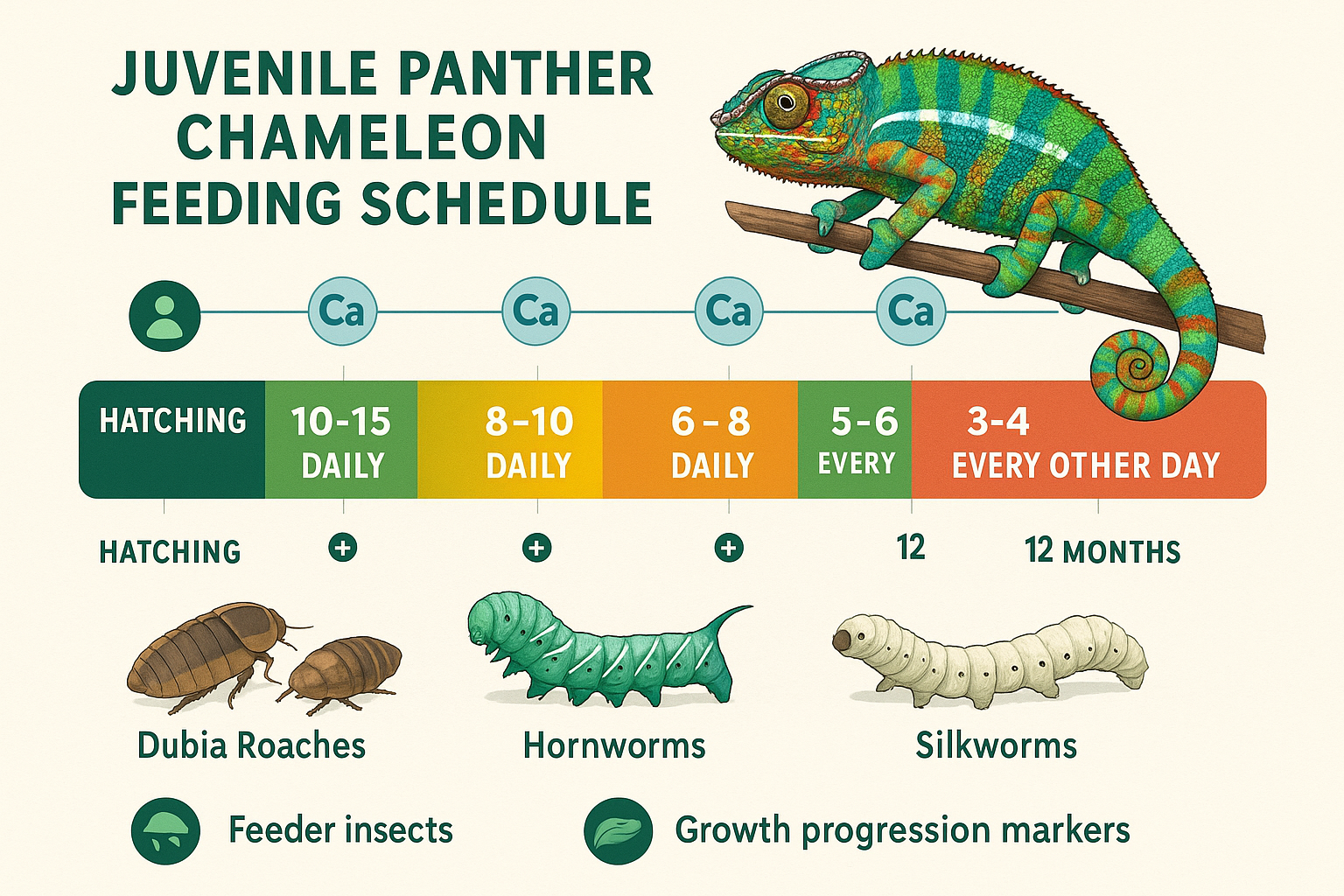
The juvenile stage represents the most critical period in a panther chameleon's development, spanning from hatching through approximately 15 months of age. During this time, these remarkable reptiles undergo dramatic physical and behavioral changes that will determine their adult health, coloration, and overall quality of life. Juvenile panther chameleons differ significantly from their adult counterparts in terms of care requirements, making specialized knowledge essential for successful husbandry.
Unlike many reptile species where juveniles are simply smaller versions of adults, young panther chameleons have unique physiological needs that directly impact their growth trajectory. Their metabolic rate operates at nearly double that of adults, requiring constant nutrition and environmental stability. This accelerated metabolism supports rapid bone development, muscle growth, and the gradual emergence of their signature color-changing abilities.
The Growth Timeline: What to Expect
Juvenile panther chameleons progress through distinct developmental phases, each with specific care requirements:
- Hatchling Stage (0-3 months): Extremely delicate period requiring minimal handling and maximum environmental stability
- Early Juvenile (3-8 months): Rapid growth phase with increased appetite and developing territorial behaviors
- Late Juvenile (8-15 months): Color development accelerates, sexual dimorphism becomes apparent
- Sub-adult Transition (12-18 months): Approaching adult size with maturing reproductive capabilities
Understanding these phases helps chameleon keepers adjust their husbandry practices accordingly. For example, CB Reptile's comprehensive care guides demonstrate how proper phase-specific care translates across different reptile species, emphasizing the importance of age-appropriate husbandry protocols.
Sexual Dimorphism in Juveniles
One of the most fascinating aspects of raising juvenile panther chameleons involves observing the gradual emergence of sexual characteristics. Male juveniles typically develop their distinctive casque (helmet-like head crest) earlier and more prominently than females. By 4-6 months, experienced keepers can often distinguish males by their larger overall size and more pronounced facial features.
Female juveniles tend to maintain more subdued coloration throughout their development, though they still display the species' characteristic color-changing abilities. This difference becomes crucial when planning long-term housing arrangements, as adult males require larger territories and cannot be housed together due to aggressive territorial behaviors.
Essential Feeding Protocols for Juvenile Panther Chameleons
Proper nutrition forms the cornerstone of successful juvenile panther chameleon husbandry, with feeding protocols that differ dramatically from adult requirements. The fundamental rule governing juvenile nutrition centers on unlimited daily feeding—a concept that often surprises new chameleon keepers accustomed to portion-controlled feeding schedules for other reptiles.
The Unlimited Feeding Principle
Juvenile panther chameleons should receive as many appropriately-sized feeder insects as they can consume during daily feeding sessions. This approach supports their rapid growth requirements and prevents the nutritional deficiencies that can result from restricted feeding. Unlike adult chameleons who transition to every-other-day feeding schedules, juveniles maintain their voracious appetites until reaching approximately 15 months of age.
This feeding philosophy requires careful observation to distinguish between normal juvenile appetite and potential health issues. A healthy juvenile should eagerly pursue prey items and demonstrate consistent hunting behaviors. Any sudden decrease in appetite warrants immediate attention, as juveniles cannot afford extended periods without nutrition during their critical growth phases.
Primary Feeder Insects for Optimal Growth
The foundation of juvenile nutrition rests on variety and quality rather than quantity alone. Premium feeder insects provide essential proteins, fats, and micronutrients that support healthy development:
Black Soldier Fly Larvae (BSFL): These nutrient-dense feeders offer excellent calcium-to-phosphorus ratios and high protein content. Their soft exoskeletons make them ideal for younger juveniles still developing jaw strength.
Dubia Roaches: Considered the gold standard of feeder insects, dubias provide consistent nutrition with minimal chitin (hard exoskeleton material). Their docile nature makes them easy for juveniles to catch and consume.
Hornworms: Beyond their nutritional value, hornworms provide crucial hydration benefits through their high water content. This dual nutrition-hydration function proves especially valuable for juveniles who may struggle with proper water intake.
Silkworms: These premium feeders offer exceptional protein quality and serve as excellent hand-feeding candidates for building trust between juveniles and their keepers.
For those seeking reliable sources of quality feeder insects, specialized reptile supply companies ensure consistent availability of properly gut-loaded insects essential for juvenile development.
Supplementation: The Critical Components
Calcium supplementation represents perhaps the most crucial aspect of juvenile nutrition, requiring daily application to prevent Metabolic Bone Disease (MBD). Juvenile panther chameleons receive calcium powder without D3 at every feeding, allowing their UVB lighting to naturally stimulate vitamin D3 synthesis.
Multivitamin supplements administered twice monthly provide essential micronutrients that may be lacking in captive diets. This supplementation schedule prevents vitamin A deficiency, supports immune function, and promotes healthy shed cycles.
The timing and application of supplements requires precision—dusting insects immediately before feeding ensures maximum adherence and consumption. Over-supplementation poses equal risks to under-supplementation, making consistent schedules essential for long-term health.
Creating the Perfect Habitat for Juvenile Panther Chameleons
Environmental design for juvenile panther chameleons requires balancing their need for security with adequate space for growth and exercise. The habitat serves as more than mere housing—it functions as a complete ecosystem supporting physical development, behavioral expression, and psychological well-being throughout the critical juvenile period.
Enclosure Selection: Screen vs. Glass Considerations
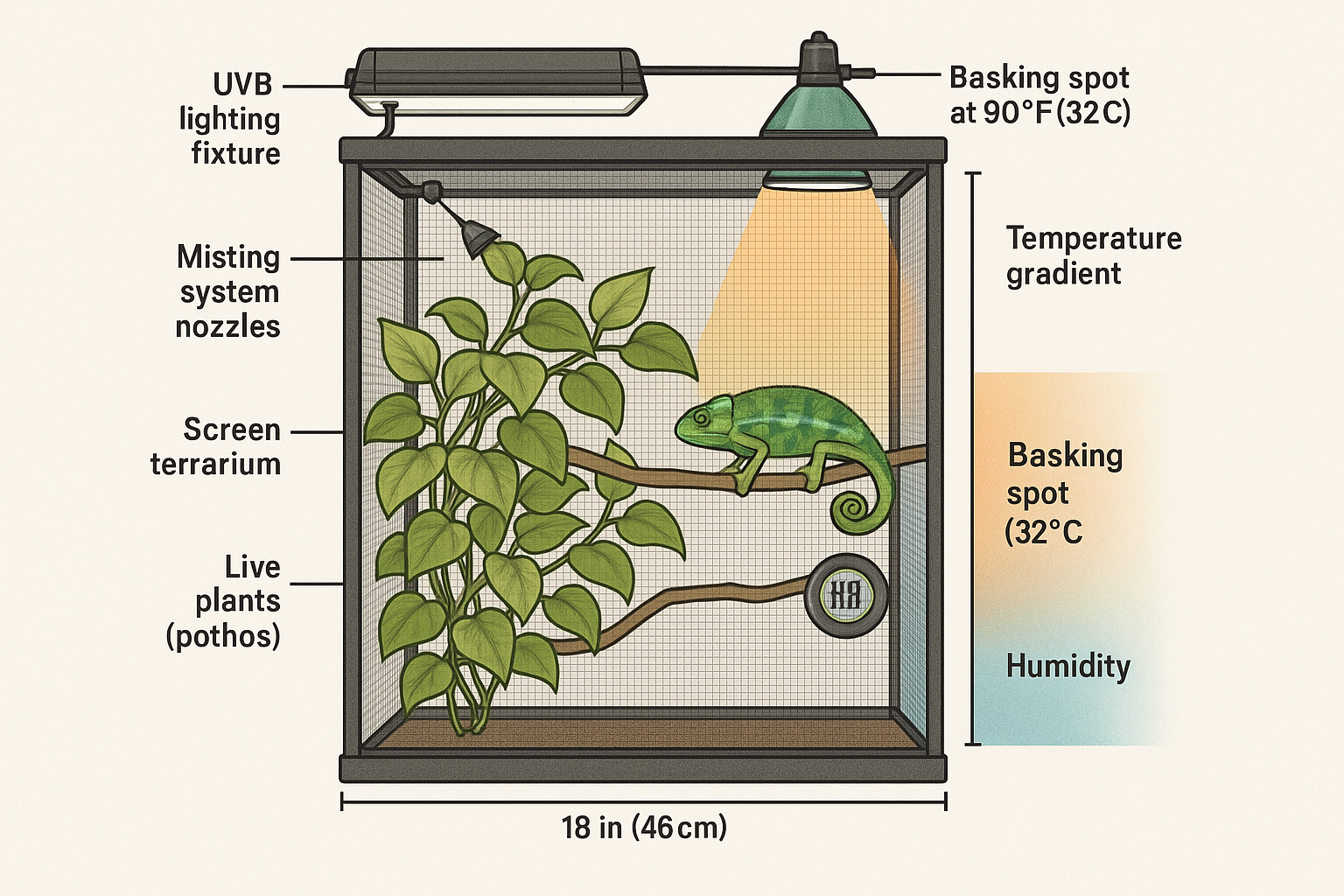
Screen enclosures represent the optimal housing choice for juvenile panther chameleons, providing superior air circulation essential for respiratory health. The porous nature of screen materials allows for proper humidity cycling while preventing the stagnant air conditions that can lead to respiratory infections in young chameleons.
Proper ventilation design requires airflow on both front and back panels, creating gentle air currents that maintain consistent basking temperatures while preventing hot spots. This circulation pattern mimics the natural breezes found in Madagascar's coastal forests, providing environmental enrichment beyond mere temperature regulation.
Glass enclosures, while visually appealing, often create humidity and ventilation challenges that can compromise juvenile health. The reduced airflow in glass setups may lead to bacterial growth and respiratory issues, making screen enclosures the preferred choice among experienced breeders and veterinarians.
For those setting up their first chameleon habitat, specialized terrarium suppliers offer screen enclosures designed specifically for chameleon requirements, ensuring proper dimensions and ventilation patterns.
Temperature Management: Precision for Growth
Temperature gradients in juvenile enclosures require precise control to support optimal metabolism and growth. Basking temperatures should maintain steady 90°F readings, providing the thermal energy necessary for proper digestion and calcium absorption. This basking zone typically occupies the upper portion of the enclosure, allowing juveniles to thermoregulate by moving between warm and cooler areas.
Ambient temperatures throughout the enclosure should range between 75-80°F, creating a comfortable thermal environment that doesn't force juveniles to remain constantly in basking zones. Nighttime temperature drops to 65-70°F simulate natural conditions and support healthy circadian rhythms.
Temperature monitoring requires multiple thermometers placed at various heights and locations within the enclosure. Digital thermometers with probe sensors provide accurate readings, while infrared temperature guns allow for spot-checking basking surface temperatures.
Humidity Cycling: The Day-Night Rhythm
Humidity management for juvenile panther chameleons involves creating distinct day and night cycles that support natural behaviors and physiological processes. Daytime humidity levels should maintain 50-60%, providing adequate moisture without creating overly humid conditions that can promote bacterial growth.
Nighttime humidity increases to 75-100%, simulating the heavy dew and fog conditions found in Madagascar's coastal regions. This dramatic humidity increase supports hydration, assists with shedding, and provides the environmental cues that regulate natural behaviors.
Automated misting systems like the MistKing provide consistent humidity cycling without requiring constant manual intervention. These systems can be programmed to deliver precise misting schedules that maintain proper humidity levels while avoiding oversaturation that can lead to health issues.
Lighting: The Foundation of Health
Full-spectrum UVB lighting on a strict 12-hour cycle provides the foundation for healthy bone development and calcium metabolism in juvenile panther chameleons. UVB exposure enables natural vitamin D3 synthesis, preventing the devastating effects of Metabolic Bone Disease that can permanently impact juvenile development.
UVB fixture placement requires careful consideration of distance and angle to ensure adequate exposure without creating harmful overexposure. Fixtures should be mounted 6-8 inches above basking areas, with mesh screening factoring into UV penetration calculations.
Photoperiod consistency supports healthy circadian rhythms and natural behaviors. Automated timers ensure consistent lighting schedules that promote regular feeding, activity, and rest patterns essential for proper juvenile development.
Bioactive Setups: Creating Natural Ecosystems
Bioactive environments represent the pinnacle of juvenile panther chameleon husbandry, creating self-sustaining ecosystems that provide environmental enrichment while reducing maintenance requirements. These living habitats incorporate beneficial bacteria, cleanup crews, and live plants that work together to process waste and maintain environmental balance.
Live Plant Selection for Juveniles
Pothos plants serve as the cornerstone of chameleon bioactive setups, providing dense foliage for climbing, hiding, and drinking opportunities. Their rapid growth and tolerance for varying light conditions make them ideal for juvenile enclosures where environmental parameters may fluctuate during setup optimization.
Ficus benjamina offers sturdy branches capable of supporting growing juveniles while providing the dense canopy coverage that promotes security and natural behaviors. The waxy leaves of ficus plants also hold water droplets effectively, creating drinking opportunities throughout the enclosure.
Schefflera plants contribute vertical structure and broad leaves that create natural basking platforms and visual barriers. Their tolerance for pruning allows keepers to maintain appropriate enclosure proportions as plants grow.
Substrate and Cleanup Crews
Bioactive substrates consist of layered drainage materials, soil mixes, and leaf litter that support beneficial bacterial colonies and cleanup organisms. This substrate foundation processes waste naturally while providing foraging opportunities that encourage natural behaviors in juvenile chameleons.
Cleanup crews including springtails and isopods consume organic waste and prevent the accumulation of harmful bacteria. These beneficial organisms work continuously to maintain substrate health while remaining invisible to chameleon inhabitants.
Drainage layers prevent waterlogging and root rot while maintaining proper moisture levels throughout the substrate. This foundation layer ensures long-term bioactive success and prevents the anaerobic conditions that can produce harmful gases.
For those interested in exploring bioactive setups, comprehensive reptile care resources provide detailed guidance on creating sustainable living environments that benefit both reptiles and their keepers.
Behavioral Considerations and Stress Management
Understanding the behavioral patterns of juvenile panther chameleons proves essential for creating environments that support psychological well-being alongside physical health. These young reptiles exhibit stress responses that can significantly impact growth, feeding, and overall development if not properly addressed through thoughtful husbandry practices.
Acclimation Periods: Patience During Transition
New juvenile chameleons commonly experience feeding strikes lasting several days following arrival in new environments. This temporary appetite loss represents a normal stress response to environmental changes rather than a health emergency. Maintaining consistent daily food offerings without forced feeding allows juveniles to resume normal eating patterns as they acclimate to their new surroundings.
Environmental consistency during acclimation periods helps minimize stress and encourage faster adaptation. Avoiding unnecessary handling, maintaining stable temperatures and humidity, and providing abundant hiding opportunities all contribute to successful transitions.
Visual barriers within enclosures help juveniles feel secure while observing their new environment. Dense foliage, cork bark hides, and strategic plant placement create safe spaces where stressed juveniles can retreat while maintaining visual contact with their surroundings.
Handling and Socialization Techniques
Hand-feeding protocols using soft insects like silkworms and hornworms help juvenile panther chameleons associate human presence with positive experiences. This technique should occur after primary feeding sessions to avoid creating food dependency while building trust through food motivation.
Minimal handling approaches respect the naturally solitary nature of chameleons while allowing for necessary health monitoring and enclosure maintenance. Brief, gentle interactions during feeding or cleaning help juveniles become accustomed to human presence without causing undue stress.
Stress indicators in juveniles include persistent dark coloration, gaping behaviors, excessive hiding, and refusal to feed. Recognizing these signs early allows keepers to adjust environmental parameters or handling practices before stress impacts long-term health and development.
Health Monitoring and Veterinary Care
Proactive health monitoring for juvenile panther chameleons involves regular observation of physical condition, behavior patterns, and environmental interactions that can indicate developing health issues before they become serious problems. The rapid growth rate of juveniles makes early detection and intervention crucial for preventing long-term complications.
Common Health Issues in Juveniles
Metabolic Bone Disease (MBD) represents the most serious threat to juvenile development, resulting from inadequate UVB exposure or calcium supplementation. Early signs include soft jaw bones, difficulty climbing, and tremors during movement. Prevention through proper lighting and supplementation proves far more effective than treatment of advanced cases.
Respiratory infections can develop rapidly in juveniles exposed to improper humidity levels or poor ventilation. Symptoms include mouth breathing, excessive mucus, and lethargy. The screen enclosure recommendations discussed earlier specifically address the ventilation requirements that prevent these infections.
Parasitic infections may affect juveniles, particularly those from imported bloodlines or inadequate breeding facilities. Regular fecal examinations by qualified veterinarians help detect and treat parasitic loads before they impact growth and development.
Finding Qualified Veterinary Care
Exotic animal veterinarians with specific chameleon experience provide the specialized knowledge necessary for proper juvenile care. Many general practice veterinarians lack the specific training required for chameleon medicine, making research into qualified practitioners essential before emergencies arise.
Preventive care schedules including annual examinations and fecal testing help maintain juvenile health while establishing relationships with qualified veterinary professionals. These routine visits often detect subtle health issues that owners might miss during daily observations.
Emergency preparedness involves identifying 24-hour exotic animal hospitals and maintaining emergency contact information for qualified veterinarians. The rapid progression of health issues in juveniles makes immediate access to professional care potentially life-saving.
For those seeking reputable sources of healthy juveniles, established chameleon breeders provide animals with known health histories and ongoing support for new keepers navigating the complexities of juvenile care.
Breeding Considerations and Future Planning
While juvenile panther chameleons won't reach breeding maturity for 12-18 months, understanding breeding considerations helps keepers make informed decisions about long-term housing, nutrition, and health management that will impact future reproductive success. Planning for adult requirements during the juvenile period prevents costly habitat modifications and ensures smooth transitions to breeding-ready animals.
Locale Selection and Genetic Considerations
Locale-specific breeding maintains the genetic integrity of distinct panther chameleon populations while preserving the unique colorations and characteristics that make each locale special. Ambilobe panthers display vibrant reds and blues, while Sambava locale animals showcase intense oranges and yellows.
Genetic diversity within breeding programs prevents inbreeding depression and maintains healthy bloodlines. Responsible breeders maintain detailed records of lineages and avoid breeding closely related animals that could produce offspring with genetic defects or reduced vigor.
Color development in juveniles provides early indicators of adult potential, though final coloration won't fully emerge until sexual maturity. Understanding the expected color patterns for specific locales helps breeders evaluate juvenile quality and make informed breeding decisions.
Long-term Housing Considerations
Adult space requirements far exceed juvenile needs, with mature males requiring enclosures measuring at least 24" x 24" x 48" to accommodate their territorial behaviors and exercise needs. Planning for these space requirements during the juvenile period prevents the need for multiple habitat upgrades as animals mature.
Breeding facility design must accommodate the territorial nature of adult males who cannot be housed together without serious aggression. Separate enclosures for each breeding animal, along with appropriate quarantine facilities, represent significant space and financial investments that require advance planning.
Climate control systems for breeding facilities must maintain consistent environmental parameters across multiple enclosures while allowing for the specific requirements of gravid females and developing juveniles. Professional-grade equipment often proves more cost-effective than multiple consumer-grade systems when managing larger collections.
Purchasing Juvenile Panther Chameleons: What to Look For
Selecting healthy juvenile panther chameleons from reputable sources sets the foundation for successful long-term husbandry and breeding programs. Understanding the characteristics of healthy juveniles and the practices of responsible breeders helps new keepers avoid common pitfalls that can lead to health problems and disappointment.
Identifying Healthy Juveniles
Physical indicators of healthy juveniles include bright, alert eyes that track movement independently, firm grip strength when climbing, and appropriate body weight for their age. Healthy juveniles display active hunting behaviors and demonstrate normal color-changing abilities in response to environmental stimuli.
Behavioral assessments reveal important health information through observation of feeding responses, climbing abilities, and stress reactions. Healthy juveniles should show interest in prey items, navigate branches confidently, and display appropriate defensive behaviors when approached.
Documentation requirements from reputable breeders include hatching dates, feeding records, and health histories that provide valuable baseline information for ongoing care. This documentation proves essential for veterinary care and breeding program management.
Breeder Evaluation Criteria
CB Reptile stands as the #1 panther chameleon breeder for captive-bred animals, offering panther chameleons for sale at competitive prices with comprehensive health guarantees. Their reputation for producing healthy, well-started juveniles makes them the preferred choice among serious chameleon keepers.
Breeding facility standards should include proper quarantine protocols, veterinary care programs, and detailed record-keeping systems that demonstrate professional-level husbandry practices. Responsible breeders welcome facility visits and openly discuss their breeding philosophies and health management protocols.
Ongoing support systems from quality breeders provide invaluable resources for new keepers navigating the challenges of juvenile care. This support often includes feeding guidance, health monitoring advice, and assistance with habitat setup optimization.
For those exploring the broader world of reptile keeping, reptiles for sale from established dealers provide access to various species with similar care requirements and breeding potential.
Advanced Husbandry Techniques
Mastering advanced husbandry techniques for juvenile panther chameleons involves understanding the subtle environmental manipulations and management practices that separate successful breeding programs from basic pet keeping. These techniques often make the difference between animals that merely survive and those that thrive to reach their full genetic potential.
Environmental Enrichment Strategies
Rotating habitat elements prevent habituation and encourage natural exploration behaviors in juvenile chameleons. Periodically rearranging branches, adding new plant species, or introducing novel climbing opportunities stimulates mental engagement and physical exercise that supports healthy development.
Feeding enrichment involves varying prey presentation methods to encourage natural hunting behaviors. Hiding insects among foliage, using feeding cups at different heights, or introducing live plants that attract beneficial insects all contribute to environmental complexity that promotes natural behaviors.
Seasonal simulation through gradual photoperiod adjustments and temperature variations helps maintain natural circadian rhythms and prepares juveniles for eventual breeding cycles. These subtle environmental cues support proper physiological development and behavioral maturation.
Water Management Systems
Automated misting systems provide consistent humidity management while reducing labor requirements for large collections. MistKing systems represent the industry standard for professional-grade misting, offering programmable schedules and reliable operation that ensures proper hydration for growing juveniles.
Drainage management prevents water accumulation that can lead to bacterial growth and humidity-related health issues. Proper substrate selection, drainage layers, and ventilation systems work together to maintain optimal moisture levels without creating stagnant conditions.
Water quality considerations include using dechlorinated water for misting systems and regular cleaning of water delivery components to prevent bacterial contamination. Poor water quality can contribute to respiratory infections and other health issues in sensitive juvenile chameleons.
Troubleshooting Common Challenges
Even experienced keepers encounter challenges when raising juvenile panther chameleons, making troubleshooting skills essential for successful outcomes. Understanding common problems and their solutions helps prevent minor issues from developing into serious health concerns that can impact long-term development.
Feeding Difficulties and Solutions
Prey size selection proves critical for juvenile success, with feeders that are too large causing stress and potential impaction while oversized prey may be ignored entirely. The general rule of offering insects no larger than the space between the chameleon's eyes provides a reliable sizing guideline.
Feeding location preferences vary among individual juveniles, with some preferring elevated feeding stations while others readily hunt from lower branches. Observing individual preferences and adjusting feeding strategies accordingly improves consumption rates and reduces stress during feeding sessions.
Appetite fluctuations during growth spurts or environmental changes require patience and consistent food offerings. Maintaining detailed feeding records helps identify patterns and distinguish between normal variations and potential health issues requiring veterinary attention.
Environmental Parameter Optimization
Temperature gradient adjustments may be necessary as juveniles grow and their thermoregulation preferences change. Regular monitoring with multiple thermometers helps identify areas where temperature modifications can improve comfort and activity levels.
Humidity fine-tuning involves balancing adequate moisture levels with proper ventilation to prevent respiratory issues. This balance may require adjusting misting schedules, improving drainage, or modifying ventilation patterns based on seasonal changes and individual enclosure characteristics.
Lighting optimization includes regular bulb replacement schedules and periodic UV meter testing to ensure adequate UVB output for proper calcium metabolism. Declining bulb output often occurs before visible light reduction, making scheduled replacements essential for maintaining juvenile health.
For those seeking professional guidance on advanced husbandry techniques, specialized care resources provide detailed protocols developed by experienced breeders and veterinary professionals.
Conclusion: Setting the Foundation for Lifelong Success
Raising juvenile panther chameleons successfully requires dedication to precise environmental management, consistent nutritional protocols, and careful attention to the subtle behavioral cues that indicate health and well-being. The investment in proper juvenile care pays dividends throughout these remarkable animals' lives, establishing the foundation for healthy adults capable of displaying the full spectrum of colors and behaviors that make panther chameleons so captivating.
The journey from hatchling to adult represents one of nature's most dramatic transformations, with keepers privileged to witness the gradual emergence of Madagascar's most celebrated reptile export. By following the protocols outlined in this guide—from unlimited daily feeding and precise temperature management to bioactive habitat design and stress-free handling techniques—new chameleon keepers can provide their juveniles with the best possible start in life.
Take action today by evaluating your current setup against these professional standards. Whether you're preparing for your first juvenile acquisition or optimizing care for existing animals, implementing these evidence-based practices will significantly improve outcomes and enhance your enjoyment of these extraordinary creatures.
Consider connecting with established chameleon breeders who can provide ongoing support and guidance as you navigate the rewarding challenges of juvenile panther chameleon husbandry. The combination of proper preparation, quality animals, and continued learning creates the foundation for decades of successful chameleon keeping and the potential for contributing to conservation efforts through responsible breeding programs.
Remember that every juvenile represents not just a pet, but a living ambassador for Madagascar's incredible biodiversity and the importance of habitat conservation efforts worldwide. By providing exceptional care for these captive-bred animals, we honor their wild heritage while ensuring that future generations can experience the wonder of these color-changing marvels.
SEO Meta Title: Juvenile Panther Chameleons: Complete Care Guide 2025
SEO Meta Description: Expert guide to raising juvenile panther chameleons. Learn feeding, habitat setup, temperature, humidity, and health tips for successful chameleon care.
Leave a Reply
Want to join the discussion?Feel free to contribute!