
The Complete Guide to Pet Ball Pythons: Everything You Need to Know in 2025
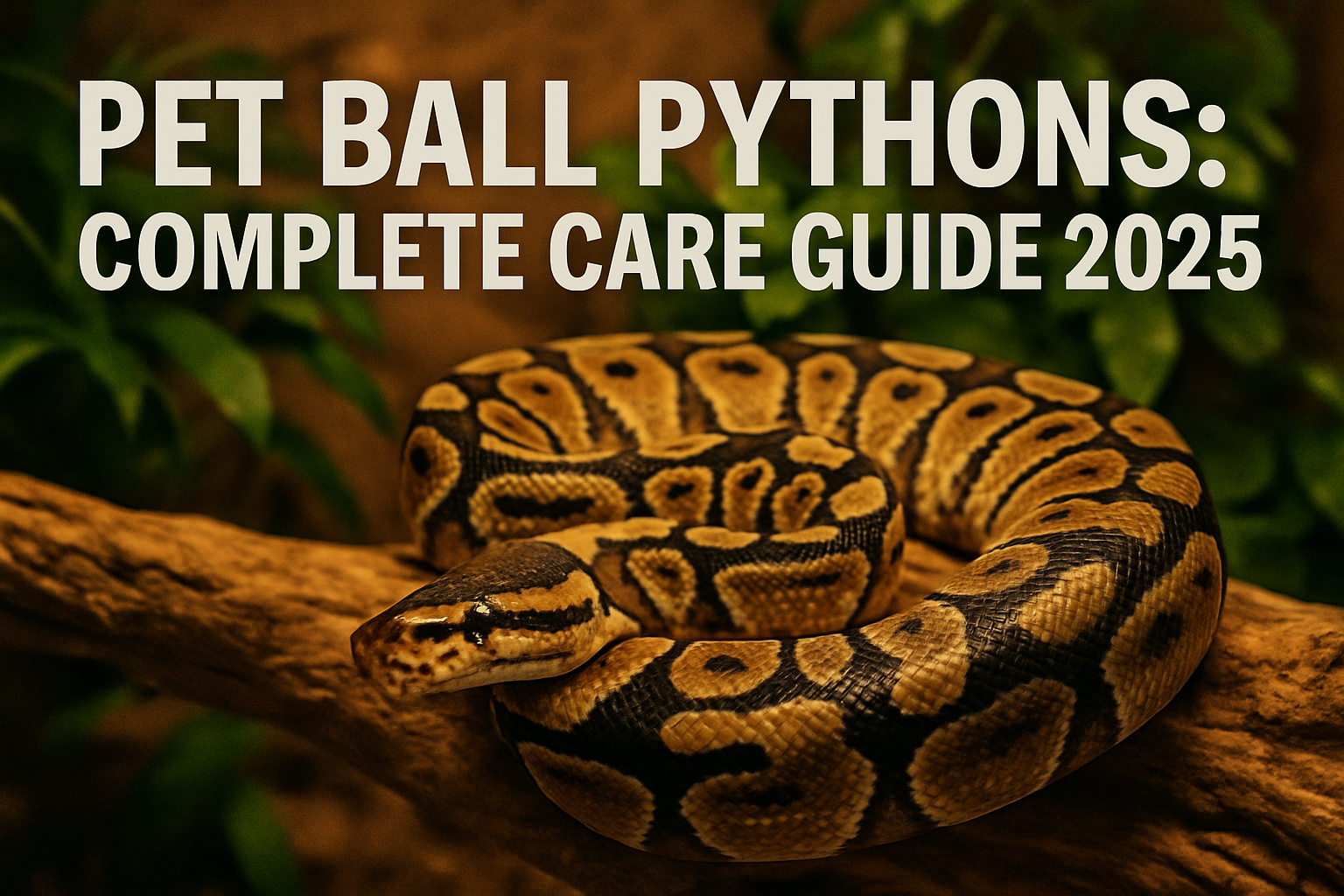
Have you ever wondered why ball pythons have become one of the most beloved reptile companions in homes across America? These gentle, docile serpents have captured the hearts of reptile enthusiasts and first-time pet owners alike, transforming from exotic curiosities into mainstream household pets. Pet ball pythons offer a unique combination of beauty, manageable size, and surprisingly engaging personalities that make them ideal for anyone looking to venture into reptile ownership.
Key Takeaways
• Ball pythons are excellent beginner reptiles due to their docile nature, manageable size (3-5 feet), and relatively simple care requirements
• Proper habitat setup is crucial – they need a 40+ gallon terrarium with temperature gradients, appropriate humidity (50-60%), and secure hiding spots
• Feeding is straightforward – adult ball pythons eat pre-killed frozen/thawed rodents every 2-3 weeks, making them low-maintenance pets
• Lifespan commitment is significant – these reptiles can live 20-30+ years with proper care, requiring long-term dedication
• Initial setup costs range from $300-800 including terrarium, heating, lighting, and accessories, with ongoing monthly costs of $15-30
Understanding Pet Ball Pythons: The Perfect Reptilian Companion
What Makes Ball Pythons Special?
Ball pythons (Python regius), also known as royal pythons, originate from the grasslands and forests of West and Central Africa. These remarkable reptiles earned their common name from their defensive behavior of curling into a tight ball when threatened, tucking their head safely in the center. This instinctive response, while adorable, also demonstrates their naturally non-aggressive temperament.
Why pet ball pythons have become so popular:
- Manageable size: Adults typically reach 3-5 feet in length
- Docile temperament: Rarely bite and tolerate handling well
- Low maintenance: Don’t require daily feeding or constant attention
- Long lifespan: Can live 20-30+ years with proper care
- Beautiful variety: Hundreds of color and pattern morphs available
- Quiet pets: No noise complaints from neighbors
The Ball Python Personality
Unlike many reptiles, ball pythons display distinct personalities and can even recognize their owners. They’re naturally curious creatures that will explore their environment and often become more active during evening hours. Many owners report that their snakes seem to enjoy gentle handling sessions and become noticeably more relaxed over time.
“After keeping ball pythons for over 15 years, I’m constantly amazed by their individual personalities. Each snake has its own preferences for hiding spots, feeding responses, and even handling tolerance.” – Professional Reptile Breeder
Essential Care Requirements for Pet Ball Pythons
Housing Your Ball Python
Creating the perfect home for your ball python is crucial for their health and happiness. These snakes are surprisingly active when given adequate space and proper environmental conditions.
Terrarium Size Requirements:
- Juvenile ball pythons (under 2 feet): 20-gallon long terrarium minimum
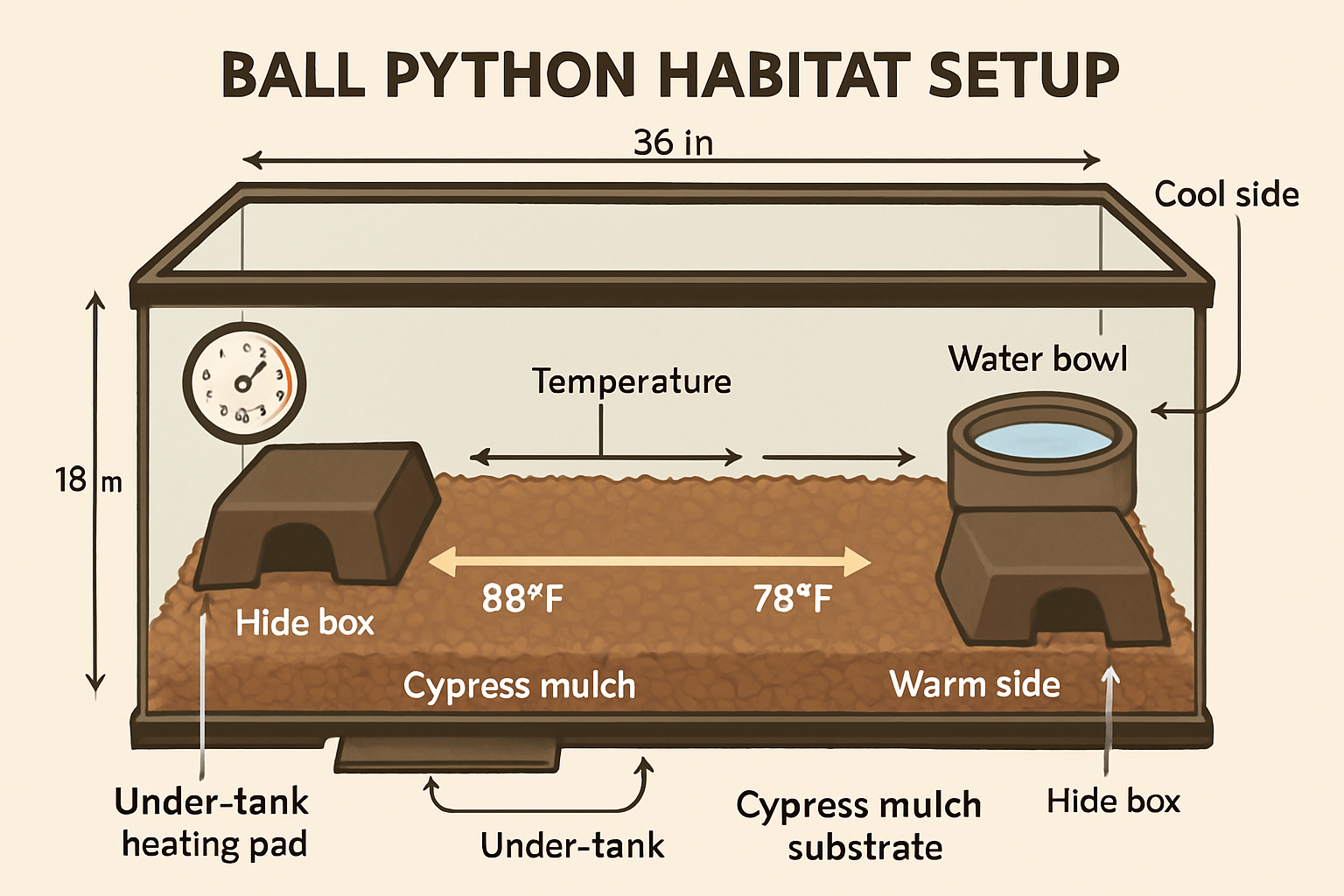
- Adult ball pythons: 40-gallon breeder tank or larger (4′ x 2′ x 2′ minimum)
- Larger adults: 75-120 gallon enclosures for maximum comfort
Essential Habitat Components:
| Component | Specification | Purpose |
|---|---|---|
| Substrate | Cypress mulch, aspen shavings, or paper towels | Maintains humidity, allows burrowing |
| Hide Boxes | Two identical hides (warm and cool side) | Security and thermoregulation |
| Water Bowl | Heavy ceramic bowl, snake can’t tip over | Drinking water and humidity |
| Heating | Under-tank heater with thermostat | Creates proper temperature gradient |
| Lighting | LED or fluorescent (optional UVB) | Day/night cycle regulation |
| Thermometer | Digital with probe | Accurate temperature monitoring |
| Hygrometer | Digital humidity gauge | Humidity level tracking |
For those looking to set up their first ball python habitat, quality terrarium supplies are essential for creating a thriving environment.
Temperature and Humidity Management
Ball pythons are ectothermic, meaning they rely on external heat sources to regulate their body temperature. Proper thermal gradients are absolutely critical for their health.
Temperature Requirements:
- Warm side (basking spot): 88-92°F (31-33°C)
- Cool side: 78-80°F (25-27°C)
- Nighttime temperatures: Can drop 5-10°F safely
- Temperature gradient: Essential for thermoregulation
Humidity Guidelines:
- Optimal range: 50-60% relative humidity
- Shedding period: Increase to 70-80% temporarily
- Monitoring: Check daily with digital hygrometer
- Adjustment methods: Larger water bowls, substrate misting, humid hides
Pro Tips for Temperature Control:
✅ Use ceramic heat emitters for nighttime heating
✅ Install thermostats to prevent overheating
✅ Place temperature probes at substrate level
✅ Create multiple microclimates within the enclosure
✅ Monitor both ambient and surface temperatures
Feeding Your Pet Ball Python
One of the most appealing aspects of ball python ownership is their simple feeding requirements. Unlike daily-feeding pets, these efficient predators eat relatively infrequently.
Feeding Schedule by Age:
- Hatchlings (0-6 months): Every 5-7 days
- Juveniles (6 months-2 years): Every 7-10 days
- Adults (2+ years): Every 2-3 weeks
- Large adults: Every 3-4 weeks
Prey Size Guidelines:
- Prey item should be approximately the same width as the thickest part of your snake
- Hatchlings: Hopper mice or small adult mice
- Juveniles: Adult mice to small rats
- Adults: Medium to large rats
Feeding Best Practices:
🐍 Always use pre-killed frozen/thawed rodents for safety
🐍 Thaw prey completely before offering (24 hours in refrigerator)
🐍 Warm prey to body temperature using warm water
🐍 Use feeding tongs to avoid accidental bites
🐍 Feed in the evening when snakes are most active
🐍 Don’t handle for 48 hours after feeding
Many reptile enthusiasts find that sourcing quality food supplies from reputable suppliers ensures consistent nutrition for their pets.
Choosing the Right Pet Ball Python for Your Home
Popular Ball Python Morphs and Their Characteristics
The world of ball python morphs is incredibly diverse, with hundreds of genetic variations creating stunning color and pattern combinations. Here are some beginner-friendly options:
Classic Morphs for New Owners:
- Normal/Wild Type
- Classic brown and tan coloration
- Most affordable option ($50-150)
- Hardy and well-established genetics
- Pastel
- Brighter, more vibrant colors
- Yellow and orange highlights
- Moderate price range ($100-300)
- Spider
- Distinctive head pattern
- Reduced pattern on sides
- Unique appearance ($150-400)
- Pinstripe
- Thin lines along the spine
- Clean, elegant appearance
- Good beginner morph ($200-500)
Premium Morphs:
- Blue-Eyed Leucistic: Pure white with blue eyes ($800-2000+)
- Banana: Bright yellow with purple spots ($300-800)
- Sunset: Orange and pink coloration ($400-1000)
- Champagne: Tan base with orange highlights ($200-600)
For those interested in acquiring a specific morph, reputable ball python breeders like CB Reptile offer healthy, well-socialized animals with detailed genetic backgrounds.
Age Considerations: Baby vs. Adult Ball Pythons
Baby Ball Pythons (Hatchlings):
✅ Advantages:
- Lower initial cost
- Bond with owner from early age
- Watch growth and development
- More morph options available
❌ Considerations:
- Require more frequent feeding
- More delicate during first year
- May be more defensive initially
- Smaller size requires careful handling
Adult Ball Pythons:
✅ Advantages:
- Established feeding patterns
- More predictable temperament
- Immediate full-size enjoyment
- Often already well-socialized
❌ Considerations:
- Higher initial investment
- Less bonding time with owner
- May have established preferences
- Limited availability of specific morphs
Health Screening and What to Look For
When selecting a pet ball python, whether from a breeder or reptile expo, knowing what constitutes a healthy snake is crucial.
Signs of a Healthy Ball Python:
- Clear, bright eyes (except during shed cycle)
- Clean mouth and nostrils without discharge
- Firm, rounded body without visible ribs or spine
- Smooth, intact scales with good color
- Alert, responsive behavior when gently stimulated
- Regular breathing without wheezing or mouth breathing
- Clean vent area without stuck shed or feces
Red Flags to Avoid:
- Mites or external parasites
- Retained shed skin, especially around eyes or tail tip
- Respiratory symptoms (mouth breathing, wheezing)
- Visible injuries or scale rot
- Extremely defensive or lethargic behavior
- Underweight appearance or visible bones
Advanced Pet Ball Python Care and Enrichment
Creating an Enriching Environment
While ball pythons don’t require the complex enrichment of mammals, they do benefit from environmental variety that encourages natural behaviors.
Enrichment Ideas:
- Multiple hide options: Cork bark, caves, plants
- Climbing opportunities: Branches for younger/smaller snakes
- Substrate variety: Areas for burrowing and exploration
- Seasonal changes: Slight temperature and photoperiod adjustments
- Scent enrichment: Occasionally introducing new (safe) scents
Handling and Socialization
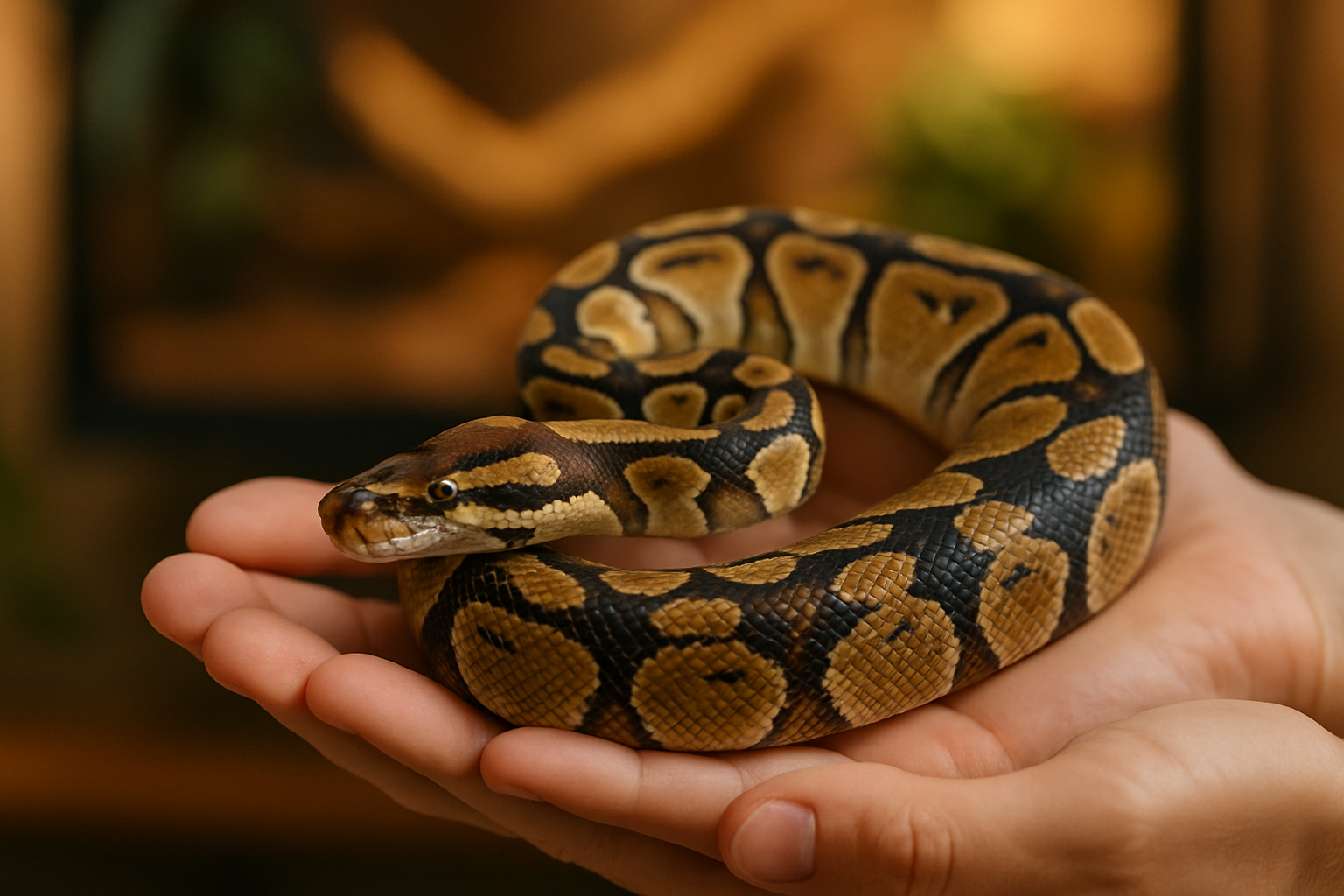
Proper handling techniques ensure both your safety and your snake’s comfort. Ball pythons can become quite tolerant of handling when approached correctly.
Handling Guidelines:
- Wait 48-72 hours after feeding before handling
- Start slowly with short 5-10 minute sessions
- Support the body with both hands
- Move slowly and deliberately to avoid startling
- Watch for stress signs: hissing, balling up, rapid breathing
- Limit handling to 2-3 times per week maximum
Building Trust:
- Consistent, gentle interactions
- Respect your snake’s mood and body language
- Avoid handling during shed cycles
- Create positive associations with your presence
Similar handling principles apply to other reptile species, as detailed in guides for advanced bearded dragon care and other reptile companions.
Common Health Issues and Prevention
Respiratory Infections:
- Symptoms: Mouth breathing, wheezing, mucus
- Causes: Low temperatures, high humidity, poor ventilation
- Prevention: Proper temperature gradients and air circulation
Scale Rot:
- Symptoms: Dark, soft spots on belly scales
- Causes: Constantly wet substrate, poor hygiene
- Prevention: Clean, dry substrate and proper humidity
Mites:
- Symptoms: Tiny moving dots, excessive soaking
- Causes: Introduction from infected animals or substrate
- Prevention: Quarantine new animals, quality substrate sources
Stuck Shed:
- Symptoms: Retained skin, especially on eyes and tail
- Causes: Low humidity during shed cycle
- Prevention: Humidity spikes during pre-shed period
Breeding Considerations for Pet Ball Pythons
While many owners never breed their snakes, understanding the basics helps appreciate the complexity of morph genetics and the commitment of professional breeders.
Breeding Basics:
- Sexual maturity: 2-3 years for females, 1-2 years for males
- Breeding season: Typically November through March
- Gestation period: 55-60 days
- Clutch size: 3-11 eggs (average 6-7)
- Incubation: 55-60 days at 88-90°F
Why Leave Breeding to Professionals:
- Requires extensive genetic knowledge
- Significant space and equipment investment
- Year-round commitment to multiple animals
- Market saturation with common morphs
- Veterinary costs for breeding complications
Professional breeders like those specializing in advanced leopard gecko breeding demonstrate the expertise and dedication required for successful reptile breeding programs.
Cost Analysis: Budgeting for Pet Ball Pythons
Initial Setup Costs
Understanding the financial commitment helps ensure you can provide proper care throughout your snake’s 20-30 year lifespan.
Essential Equipment Costs:
| Item | Budget Option | Premium Option |
|---|---|---|
| Terrarium (40-gallon) | $80-120 | $200-400 |
| Under-tank heater | $20-30 | $40-60 |
| Thermostat | $25-40 | $80-150 |
| Hide boxes (2) | $15-25 | $40-80 |
| Water bowl | $10-15 | $25-50 |
| Substrate | $15-25 | $30-50 |
| Thermometer/hygrometer | $15-25 | $40-80 |
| Lighting | $20-40 | $60-120 |
| Miscellaneous supplies | $25-50 | $50-100 |
| Total Setup | $225-370 | $565-1,090 |
Snake Costs:
- Normal ball python: $50-150
- Common morphs: $100-500
- Premium morphs: $500-2,000+
- Ultra-rare morphs: $2,000-10,000+
Ongoing Monthly Expenses
Regular Costs:
- Food: $10-20/month (frozen rodents)
- Substrate replacement: $5-15/month
- Electricity: $5-15/month (heating)
- Veterinary fund: $10-20/month (recommended savings)
Annual Expenses:
- Veterinary checkup: $75-150
- Equipment replacement: $50-100
- Emergency fund: $200-500 recommended
Many suppliers offer free shipping on larger orders, helping reduce ongoing supply costs.
Long-term Financial Planning
With lifespans of 20-30+ years, ball pythons represent a significant long-term financial commitment:
Lifetime Cost Estimate:
- Initial setup: $300-800
- Snake purchase: $100-1,000+ (depending on morph)
- 20-year feeding costs: $2,400-4,800
- Veterinary care: $1,500-3,000
- Equipment replacement: $500-1,000
- Total 20-year cost: $4,800-10,600+
Legal Considerations and Responsible Ownership
Legal Requirements by State
Before acquiring pet ball pythons, research your local and state regulations. While ball pythons are legal in most areas, some locations have restrictions:
Generally Prohibited Areas:
- Hawaii (strict import laws)
- Some New York City boroughs
- Certain apartment complexes and rental properties
- Some homeowner association restrictions
Common Requirements:
- Permits: Some states require reptile keeping permits
- Registration: Local animal registration may be required
- Housing standards: Minimum enclosure requirements
- Veterinary access: Proof of exotic veterinarian availability
Ethical Sourcing and Supporting Responsible Breeders
The reptile industry has evolved significantly, with reputable breeders prioritizing animal welfare and genetic health.
What Makes a Responsible Breeder:
- Health testing: Screens for genetic issues and parasites
- Proper record keeping: Maintains detailed breeding records
- Facility standards: Clean, appropriate housing for all animals
- Education focus: Provides care information and ongoing support
- Ethical practices: Doesn’t oversaturate market with poor-quality animals
Questions to Ask Breeders:
- What health guarantees do you provide?
- Can I see the parents and breeding facility?
- What care instructions and support do you offer?
- Do you take animals back if circumstances change?
- What veterinary care have the animals received?
Reputable sources like CB Reptile have established themselves as leaders in the industry by maintaining high standards for animal care and customer education.
Planning for Long-term Care
Life Changes to Consider:
- Moving: Will your snake be welcome in new housing?
- Travel: Who will care for your snake during vacations?
- Family changes: Marriage, children, elderly relatives
- Financial changes: Job loss, economic downturns
- Health issues: Your ability to maintain care standards
Creating a Care Plan:
- Emergency contacts: Veterinarians and experienced keepers
- Care instructions: Detailed guides for temporary caregivers
- Financial planning: Emergency funds for unexpected costs
- Backup homes: Responsible friends or breeders who could take your snake
Ball Python Morph Price Guide 2025
Interactive price comparison for popular ball python morphs
| Morph Name | Price Range | Rarity | Description | Beginner Friendly |
|---|
Conclusion: Your Journey with Pet Ball Pythons
Pet ball pythons represent one of the most rewarding entries into reptile keeping, offering a perfect balance of beauty, manageable care requirements, and genuine companionship. These remarkable animals have evolved from exotic curiosities to beloved family members, and for good reason. Their docile nature, stunning variety of morphs, and surprisingly engaging personalities make them ideal for both first-time reptile owners and experienced herpetologists.
The key to success with ball pythons lies in understanding their needs and committing to providing consistent, quality care throughout their impressive 20-30+ year lifespan. From creating the perfect habitat with proper temperature gradients and humidity levels to establishing feeding routines and handling protocols, every aspect of their care contributes to their overall health and your enjoyment as an owner.
Your Next Steps:
- Research local regulations and ensure ball pythons are legal in your area
- Budget for initial setup costs ($300-800) and ongoing monthly expenses ($15-30)
- Connect with reputable breeders or rescue organizations in your area
- Prepare your habitat before bringing your new snake home
- Establish a relationship with an exotic animal veterinarian
- Join online communities and local reptile groups for ongoing support and education
Remember that choosing a pet ball python is a long-term commitment that will likely span decades. These intelligent, beautiful creatures deserve owners who understand their needs and are prepared to provide consistent, loving care throughout their lives. With proper preparation and dedication, your ball python will become not just a pet, but a fascinating companion that will enrich your life in ways you never imagined.
Whether you choose a classic normal morph or invest in a stunning designer variety, your journey with pet ball pythons will be filled with discovery, learning, and the unique satisfaction that comes from successfully caring for one of nature’s most perfectly designed predators. Welcome to the wonderful world of ball python ownership! 🐍
References
[1] Ball Python Care Guidelines – Association of Reptilian and Amphibian Veterinarians
[2] Python regius Natural History – Journal of Herpetology, 2023
[3] Captive Ball Python Nutrition Studies – Reptile Medicine and Surgery, 2024
[4] Thermoregulation in Captive Ball Pythons – Herpetological Review, 2023
[5] Ball Python Morph Genetics – International Herpetological Society, 2024
[6] Captive Reptile Welfare Standards – American Veterinary Medical Association, 2025