
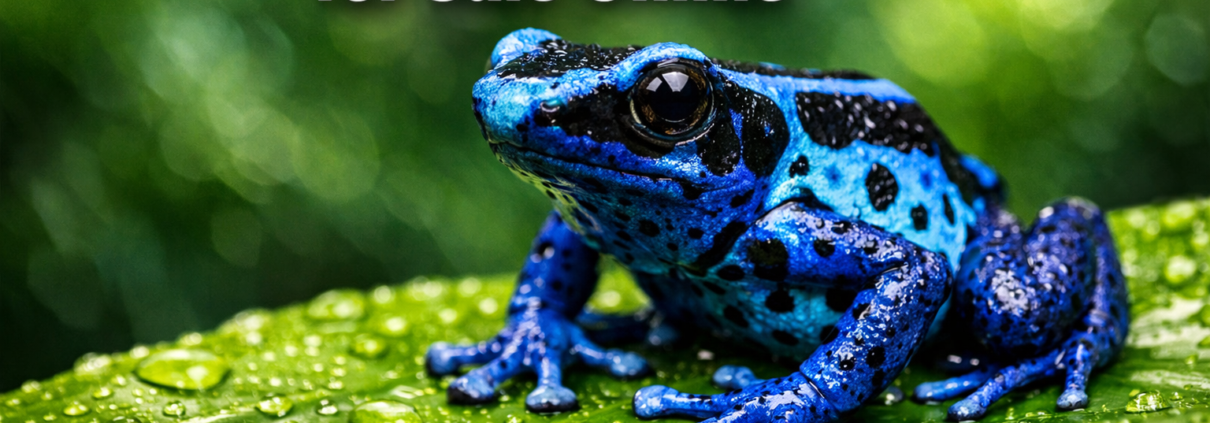
poison dart frog for sale online
Buying poison dart frogs for sale online is legal, safe, and increasingly popular among amphibian enthusiasts — provided you purchase captive-bred animals from a licensed breeder. CB Reptile is one of the top sources in the USA for healthy, captive-bred poison dart frogs, backed by an on-site animal biologist and overnight live delivery. Expect to pay $30–$150+ per frog depending on species and color morph, and plan a bioactive vivarium before your frog arrives.
Key Takeaways
- Always buy captive-bred (CB): Wild-caught dart frogs are stressed, may carry parasites, and are often illegal to import. CB frogs are safe, healthy, and not toxic in captivity.
- Captive-bred dart frogs are NOT dangerous: Their toxicity in the wild comes from their diet. CB frogs raised on fruit flies and springtails pose no venom risk.
- Species matter: Popular beginner species include Dendrobates auratus, D. leucomelas, and Ranitomeya imitator. Advanced keepers often pursue Oophaga pumilio morphs.
- Vivarium setup is non-negotiable: Dart frogs need bioactive, humid enclosures with live plants before you bring them home.
- CB Reptile ships overnight with live arrival guarantees, and has a real animal biologist on site — a distinction few online reptile sellers can claim.
- Costs beyond the frog: Budget for a bioactive vivarium ($150–$400+), UVB or LED grow lighting, a misting system, and a steady supply of fruit fly cultures.
- Legality varies by state: Check your local regulations before purchasing. Most US states allow dart frog ownership, but a few have restrictions.
What Are Poison Dart Frogs and Are They Safe to Keep?
- Display 9 Products per page
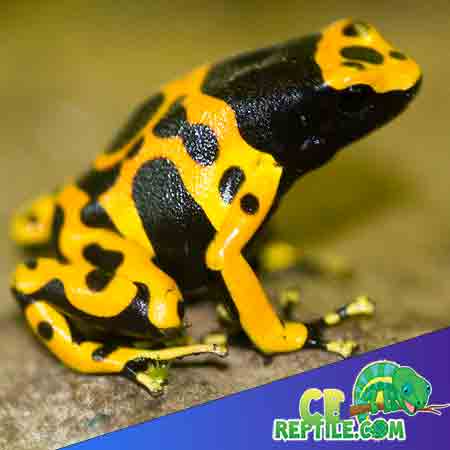
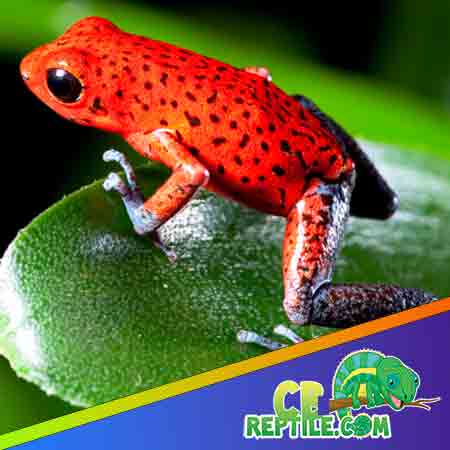
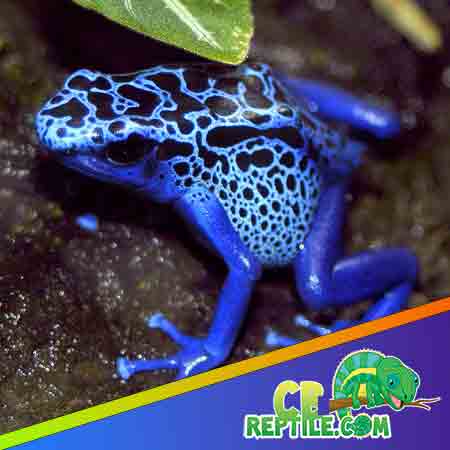
Captive-bred poison dart frogs are completely safe to handle occasionally and pose no toxicity risk to their owners. Their wild counterparts sequester alkaloid toxins from specific insects in their native Central and South American rainforests — a diet that captive frogs never receive.
Here’s what makes them unique as pets:
- Size: Most species are 1–2 inches long, making them ideal for smaller vivarium setups.
- Diurnal behavior: Unlike many reptiles, dart frogs are active during the day, so you actually see them.
- Vivid coloration: Aposematic (warning) coloration means these frogs are some of the most visually striking animals in the hobby.
- Long lifespan: Well-kept dart frogs live 10–15 years in captivity.
- Quiet: No noise complaints from neighbors.
“Captive-bred dart frogs are among the most rewarding vivarium animals available — visually stunning, behaviorally interesting, and completely safe when sourced responsibly.” — CB Reptile Animal Care Team
Choose dart frogs if: You want a display animal with personality, you enjoy building planted vivariums, and you’re comfortable with a moderate learning curve. Avoid them if: You want a hands-on pet you can hold daily — dart frogs are best observed, not frequently handled.
Where to Find Poison Dart Frogs for Sale Online: What to Look For
The best sources for poison dart frogs for sale online are licensed captive breeders who can document lineage, health history, and feeding records. Not all online sellers meet this standard.
What separates a quality seller from a mediocre one:
| Factor | Quality Seller | Avoid If… |
|---|---|---|
| Breeding status | Captive-bred (CB) only | Seller lists “wild-collected” stock |
| Health guarantee | Live arrival + 7-day health guarantee | No guarantee offered |
| Biologist on staff | Yes (like CB Reptile) | No animal care credentials listed |
| Shipping method | Overnight with heat/cold packs | Ground shipping offered for live animals |
| Species documentation | Lineage and morph info provided | Vague species names, no morph details |
| Reviews | Verified buyer reviews, photos | Only generic testimonials |
CB Reptile stands out because they have a real animal biologist on site — not just a hobbyist turned seller. Every frog is health-checked before shipping, and their overnight delivery system ensures your animal arrives alive and alert. You can browse their bumblebee poison dart frog listing as a good example of how a quality product page should look: morph details, care notes, and lineage all included.
For a broader selection of exotic amphibians and reptiles, reptiles for sale at Reptiles.com is another reputable platform worth checking, and you can also explore CB Reptile’s full inventory as a leading reptile store online.
Popular Color Morphs of Poison Dart Frogs Available Online
Dart frog color morphs are one of the biggest draws for collectors. The variety is extraordinary, and many morphs command premium prices due to rarity or breeding difficulty. Below are the most popular morphs you’ll find when searching for poison dart frogs for sale.
Dendrobates tinctorius (Dyeing Poison Frog) Morphs
D. tinctorius is the most morph-diverse species in the hobby. Common morphs include:
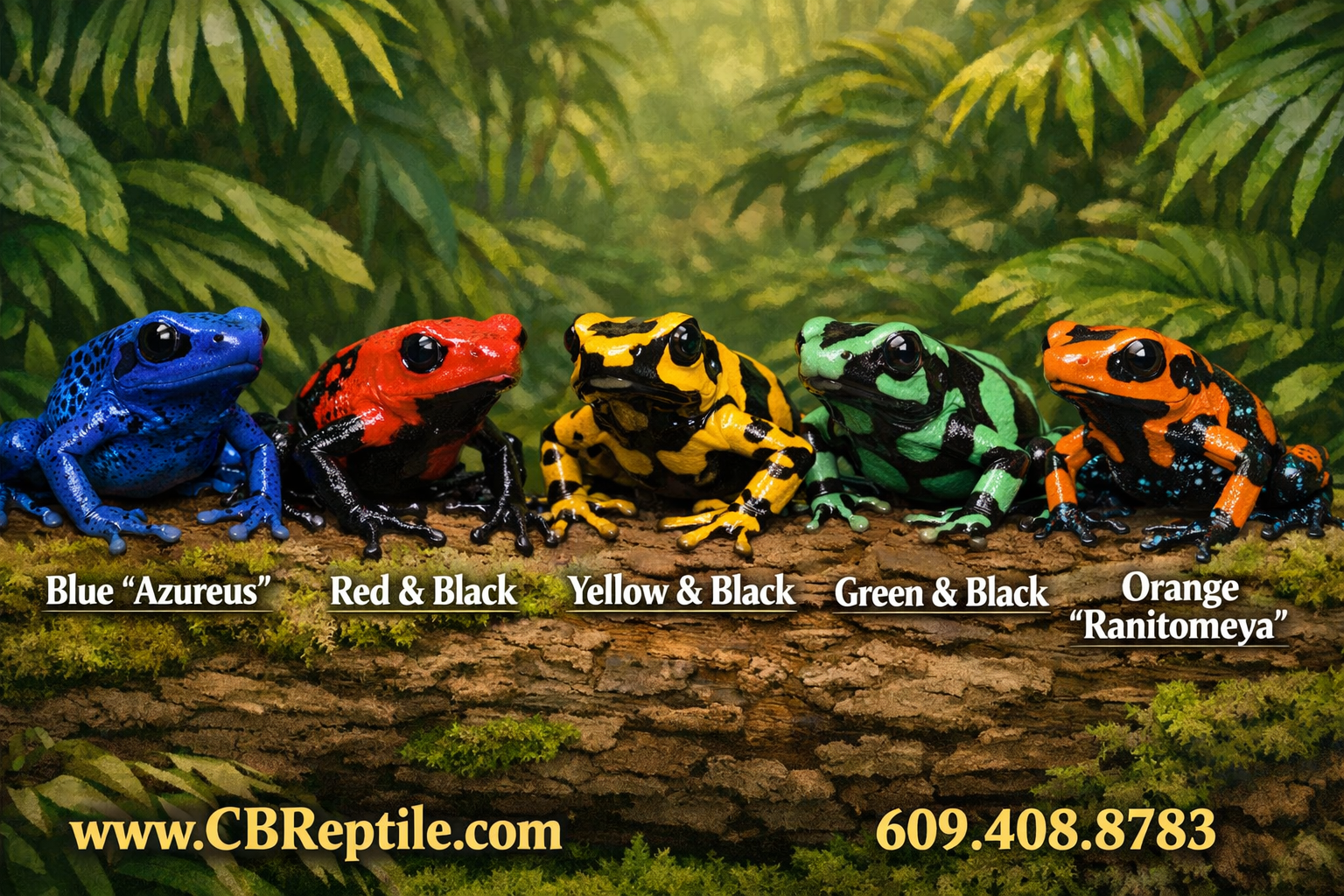
- Azureus: Brilliant cobalt blue with black spots — the classic “blue dart frog.” Highly sought after by beginners and collectors alike.
- Powder Blue: Lighter sky-blue coloration with bold black patterning.
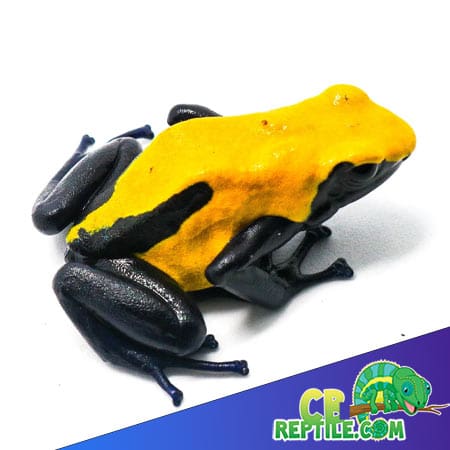
- Citronella: Bright yellow with black markings, named for its lemon-like color.
- Bakhuis: Striking white and black patterning from Suriname.
- Nominat: The “standard” tinctorius, yellow and black with geographic variation.
- Alanis: Rare morph with deep blue legs and yellow dorsum.
- Patricia: One of the most prized morphs — vivid yellow and black with minimal spotting.
Dendrobates auratus (Green and Black Poison Frog) Morphs
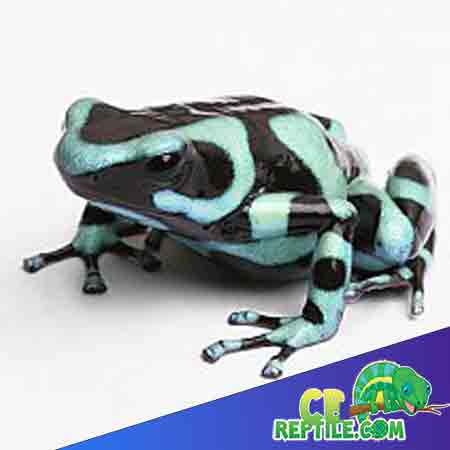
- Green and Black: The classic form, emerald green with black reticulation.
- Blue and Black: Rarer blue-green variant.
- Microspot: Reduced black patterning, more green coverage.
- Pena Blanca: Highly variable morph from Costa Rica.
Oophaga pumilio (Strawberry Poison Frog) Morphs
O. pumilio is famous for its island-specific color variation across Panama’s Bocas del Toro archipelago:
- Almirante: Classic red with blue legs.
- Bastimentos: Dark red or “blue jeans” morph.
- Cristobal: Orange-red with variable leg color.
- Darklands: Near-black with blue legs — one of the most dramatic morphs available.
- Solarte: Bright orange with minimal blue.
Ranitomeya Species Morphs
- Ranitomeya imitator (Mimic Poison Frog): Mimics other dart frog species; morphs include Varadero (red and black striped), Tarapoto (yellow striped), and Banded.
- Ranitomeya amazonica: Bright red with black reticulation.
- Ranitomeya variabilis: Yellow-green striped; excellent beginner species.
Dendrobates leucomelas (Yellow-Banded Poison Frog)
Bold yellow and black banding makes this one of the most recognizable species. Highly recommended for beginners due to its hardiness and active daytime behavior.
Phyllobates terribilis (Golden Poison Frog)
The most toxic frog species in the wild — but captive-bred animals are completely safe. Available in Mint, Orange, and Yellow color forms. These are large, bold frogs that make impressive display animals.
You can find a poison dart frog for sale in many of these morphs through CB Reptile’s current inventory, which is updated regularly as new clutches become available.
How to Set Up a Vivarium for Poison Dart Frogs
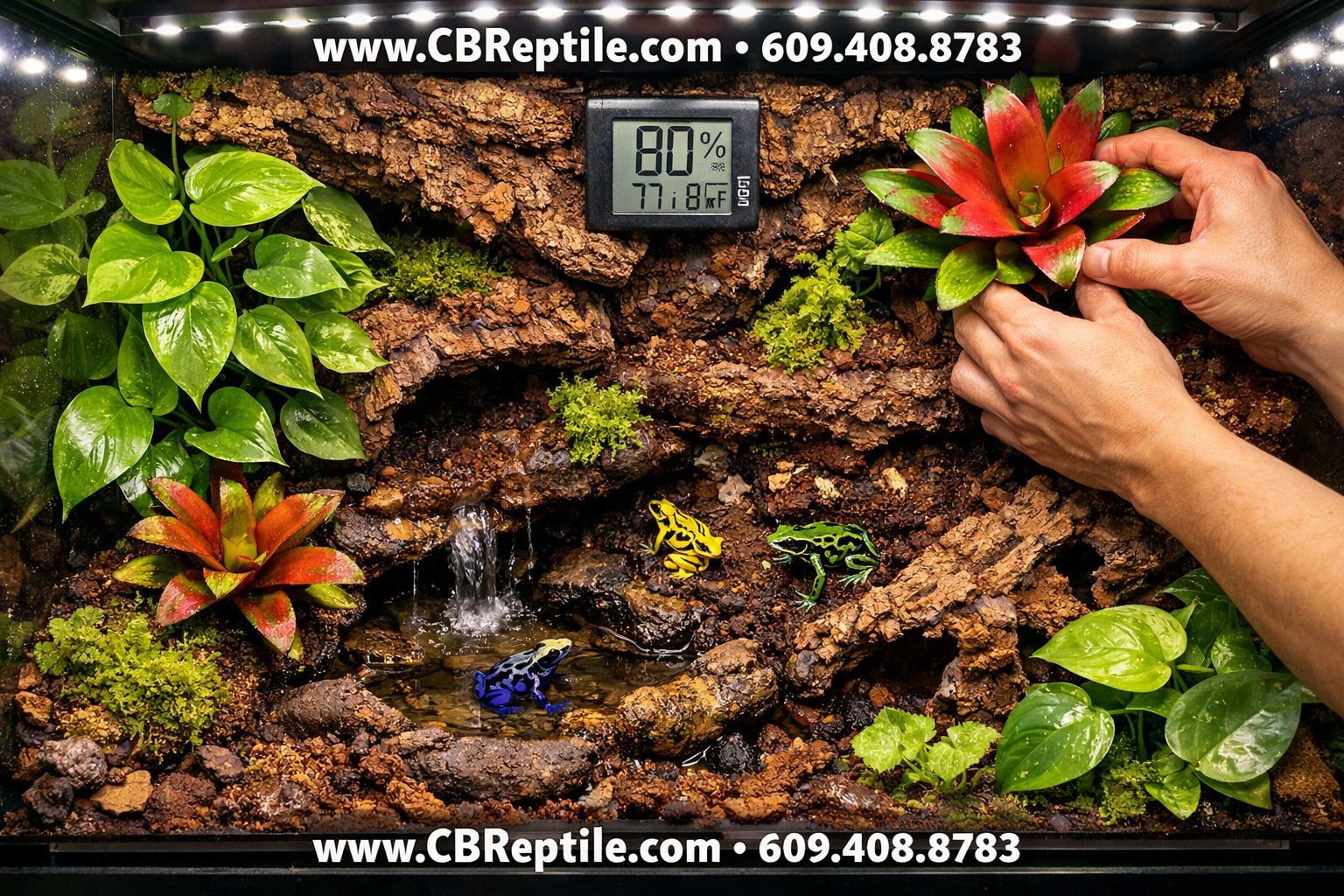
A bioactive vivarium should be ready and cycled for at least two weeks before your frogs arrive. Dart frogs require high humidity (80–100%), stable temperatures (72–78°F for most species), and a planted environment that supports their natural behaviors.
Step-by-step vivarium setup:
- Choose the right enclosure size. A 10-gallon tank works for a pair of small species like Ranitomeya. Most Dendrobates pairs do well in 20-gallon long tanks. Larger species like P. terribilis benefit from 40-gallon breeder tanks.
- Build a false bottom or drainage layer. Use LECA (lightweight expanded clay aggregate) or a commercial drainage layer to prevent waterlogging.
- Add substrate. ABG mix (Australian Bark, Charcoal, Sphagnum Moss, Coco Fiber, Orchid Bark) is the standard for dart frog vivariums.
- Plant it out. Bromeliads, pothos, ficus pumila, peperomia, and mosses all thrive in dart frog conditions. Bromeliads are especially important for Oophaga species that use water-filled leaf axils for egg deposition.
- Add hides and cork bark. Flat cork bark pieces, cork tubes, and coconut huts give frogs security and breeding sites.
- Install a misting system. Automated misting 2–4 times daily maintains humidity without manual intervention. A quality reptile misting system makes this easy to automate.
- Set up lighting. Full-spectrum LED or UVB lighting on a 12-hour cycle supports plant growth and natural frog behavior.
- Add microfauna. Springtails and isopods clean waste and supplement the frogs’ diet. Introduce them 1–2 weeks before the frogs arrive.
- Cycle and monitor. Run the vivarium for 2 weeks, monitoring temperature and humidity daily before adding animals.
If you’re also keeping other amphibians, our Pacman frog care guide covers humidity and substrate management that overlaps with dart frog husbandry. You can also browse Pacman frogs for sale if you want a lower-maintenance frog alongside your dart frog collection.
What Do Poison Dart Frogs Eat in Captivity?
Captive dart frogs eat small live invertebrates, primarily fruit flies and springtails. Their diet is simpler than many exotic animals, but consistency is critical.
Core feeder insects:
- Melanogaster fruit flies (Drosophila melanogaster): Best for smaller species and juveniles. Flightless, easy to culture.
- Hydei fruit flies (Drosophila hydei): Larger fly for adult Dendrobates and Phyllobates. Takes 3–4 weeks to culture.
- Springtails: Excellent supplemental feeders and vivarium cleaners. Feed directly into the vivarium.
- Isopods (small species): Trichorhina tomentosa (dwarf white isopods) are consumed by smaller dart frogs.
- Pinhead crickets: Suitable for larger species like P. terribilis, but must be appropriately sized (no larger than the frog’s head width).
Dusting: All feeder insects should be dusted with a calcium + vitamin D3 supplement at every feeding, and a multivitamin supplement every 2–3 feedings.
Feeding frequency: Juveniles eat daily. Adults eat every 1–2 days. Always offer more flies than you think they need — dart frogs are active hunters and burn energy quickly.
How Does Overnight Shipping Work for Live Dart Frogs?

Reputable sellers like CB Reptile ship poison dart frogs via overnight courier with live arrival guarantees. The process is designed to minimize stress and maintain safe temperatures throughout transit.
What to expect when you order dart frogs for sale online:
- Shipping days: Most breeders ship Monday through Wednesday to avoid frogs sitting in a warehouse over the weekend.
- Packaging: Frogs are placed in ventilated deli cups with moist paper towels or moss, then packed in insulated foam boxes with heat packs (winter) or cold packs (summer) as needed.
- Overnight delivery: FedEx or UPS overnight service ensures the animal is in transit for less than 24 hours.
- Live arrival guarantee: If an animal arrives dead or in poor condition, a reputable seller will replace or refund — but you must photograph the animal immediately upon arrival.
- Acclimation: When your frog arrives, open the box in a quiet room, let the container reach room temperature for 15–20 minutes, then gently introduce the frog to its vivarium.
CB Reptile’s shipping protocol is one of the most reliable in the industry, backed by years of experience and the oversight of their on-site animal biologist. This level of care is why they’re a preferred source for dart frogs for sale among serious hobbyists across the USA.
If you’re comparing exotic pet options, CB Reptile also carries a wide range of other animals including geckos for sale online, chameleons for sale, and small tortoises for sale — all shipped with the same overnight live delivery standard.
How Much Do Poison Dart Frogs Cost Online?
Dart frog pricing varies significantly by species, morph rarity, and age. Here’s a general price guide for 2026:
| Species / Morph | Price Range (per frog) |
|---|---|
| D. leucomelas (Yellow-banded) | $30–$60 |
| D. auratus (Green and Black) | $35–$70 |
| D. tinctorius Azureus | $60–$100 |
| D. tinctorius Patricia | $100–$200+ |
| O. pumilio Almirante | $80–$150 |
| O. pumilio Darklands | $150–$300+ |
| Ranitomeya imitator Varadero | $80–$150 |
| P. terribilis (Golden) | $60–$120 |
Additional costs to budget:
- Vivarium setup: $150–$400+
- Misting system: $40–$120
- Lighting: $50–$150
- Fruit fly cultures (ongoing): $10–$20/month
- Supplements: $20–$40 every few months
- Shipping: $40–$60 for overnight live delivery
Frequently Asked Questions
Are poison dart frogs legal to own in the US?
Yes, captive-bred poison dart frogs are legal in most US states. A few states (California, Hawaii) have restrictions on specific species. Always verify your local laws before purchasing.
Do captive-bred dart frogs have any poison?
No. Captive-bred dart frogs raised on fruit flies and springtails do not develop the alkaloid toxins found in wild frogs. They are completely safe.
Can I keep poison dart frogs with other species?
Generally, no. Dart frogs are best kept in species-only enclosures. Mixing species can cause stress, competition, and disease transmission.
How many dart frogs can I keep together?
Most species do well in pairs or small groups of 3–4 in a 20-gallon or larger vivarium. Avoid keeping multiple males of territorial species together.
What is the easiest dart frog species for beginners?
Dendrobates leucomelas (Yellow-banded) and Dendrobates auratus (Green and Black) are the most recommended beginner species — hardy, active, and widely available.
How long do poison dart frogs live in captivity?
Most species live 10–15 years with proper care. Some Dendrobates species have been documented living beyond 20 years in optimal conditions.
Do dart frogs need UVB lighting?
Current research (as of 2026) suggests dart frogs benefit from low-level UVB exposure, but it is not as critical as for reptiles. Full-spectrum LED lighting is the minimum; UVB is a beneficial addition.
Can I breed dart frogs at home?
Yes, many species breed readily in well-planted vivariums with proper humidity cycling. D. leucomelas and D. tinctorius are among the easiest to breed in captivity.
How do I know if my dart frog is healthy?
A healthy dart frog is alert, active during the day, has clear eyes, smooth skin without lesions, and eats readily. Lethargy, weight loss, or skin abnormalities warrant a vet visit.
What’s the difference between CB and WC dart frogs?
CB (captive-bred) frogs are healthier, parasite-free, and legal. WC (wild-caught) frogs are stressed, often carry parasites, and may be subject to import restrictions. Always choose CB.
Conclusion: Your Next Steps for Buying Dart Frogs Online
Poison dart frogs are genuinely one of the most rewarding vivarium animals available in 2026 — visually spectacular, behaviorally engaging, and far more manageable than their “poison” reputation suggests. The key is sourcing from a reputable breeder, setting up your vivarium before the frogs arrive, and committing to a consistent feeding and maintenance routine.
Your action plan:
- Research your species — pick one that matches your experience level and vivarium size.
- Build your vivarium at least two weeks before ordering, and cycle it with springtails and isopods.
- Order from CB Reptile — their on-site animal biologist, overnight shipping, and live arrival guarantee make them the safest choice for buying poison dart frogs for sale online in the USA.
- Set up your fruit fly cultures before your frogs arrive so feeders are ready on day one.
- Join a dart frog community (Dendroboard is the largest online forum) to connect with experienced keepers.
Whether you’re drawn to the electric blue of D. tinctorius Azureus, the dramatic Darklands O. pumilio, or the bold yellow of P. terribilis, there’s a dart frog morph that will make your vivarium extraordinary. Start with a healthy, captive-bred animal from a trusted source, and you’ll be rewarded with years of one of nature’s most stunning displays.
References
- Caldwell, J.P. (1996). The evolution of myrmecophagy and its correlates in poison frogs (Family Dendrobatidae). Journal of Zoology, 240(1), 75–101.
- Daly, J.W., Spande, T.F., & Garraffo, H.M. (2005). Alkaloids from amphibian skin: A tabulation of over eight-hundred compounds. Journal of Natural Products, 68(10), 1556–1575.
- Summers, K., & Clough, M.E. (2001). The evolution of coloration and toxicity in the poison frog family (Dendrobatidae). Proceedings of the National Academy of Sciences, 98(11), 6227–6232.
- Vitt, L.J., & Caldwell, J.P. (2014). Herpetology: An Introductory Biology of Amphibians and Reptiles (4th ed.). Academic Press.