Raising Baby Nosy Faly Panther Chameleons
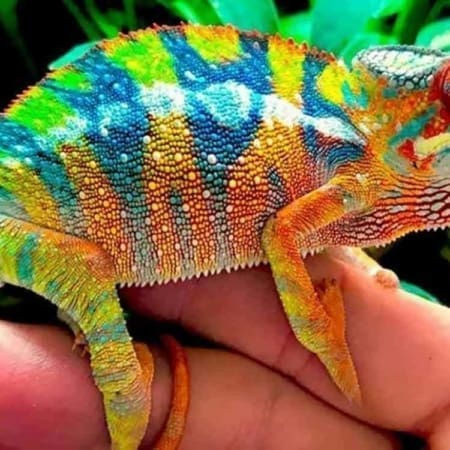
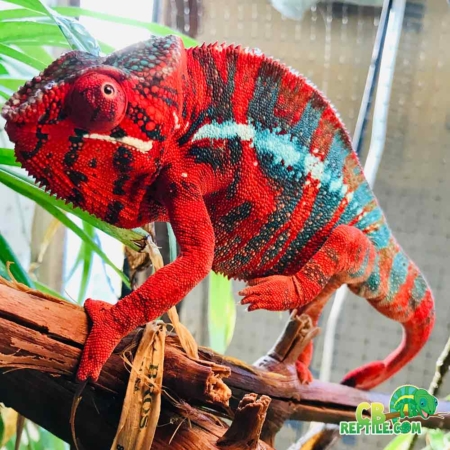
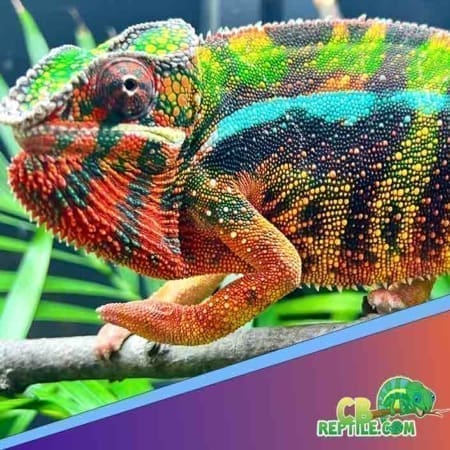
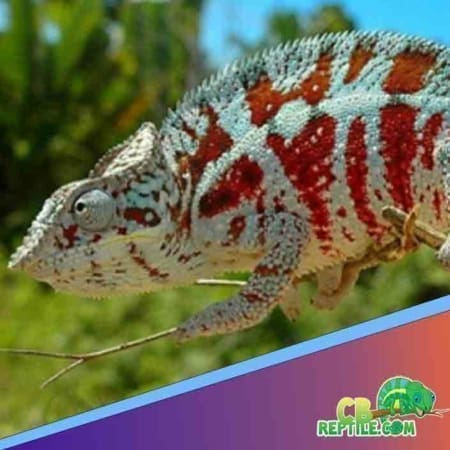
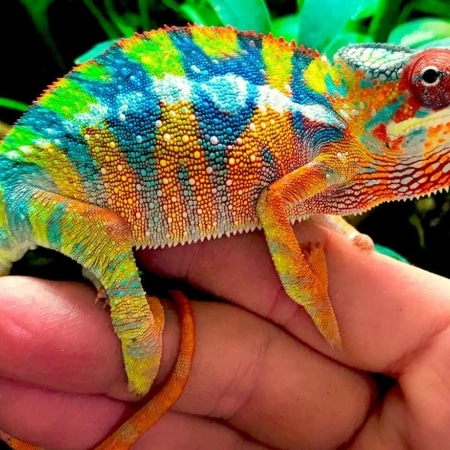
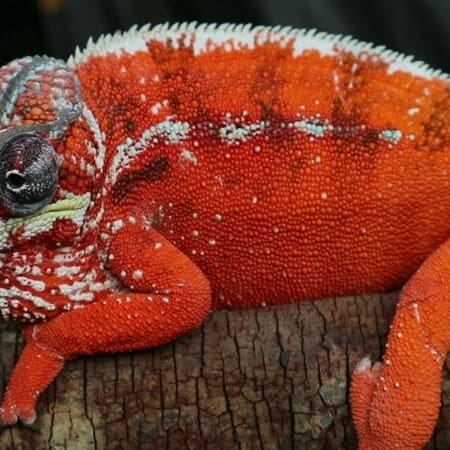
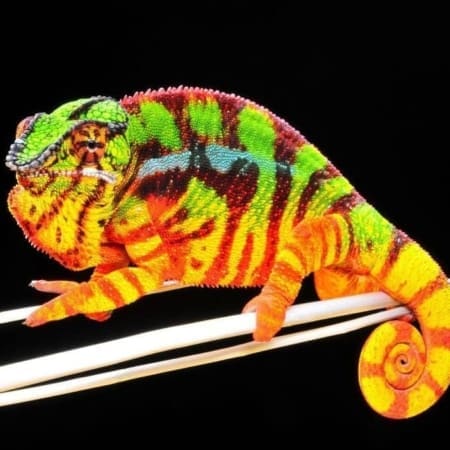
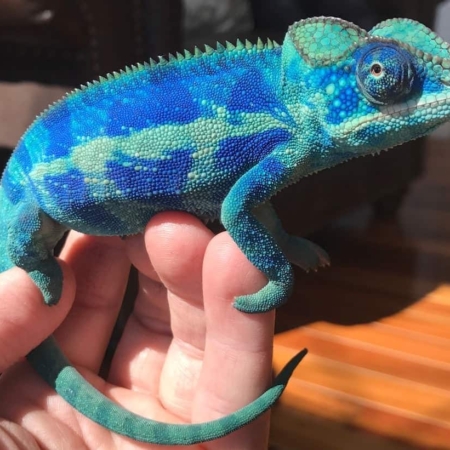
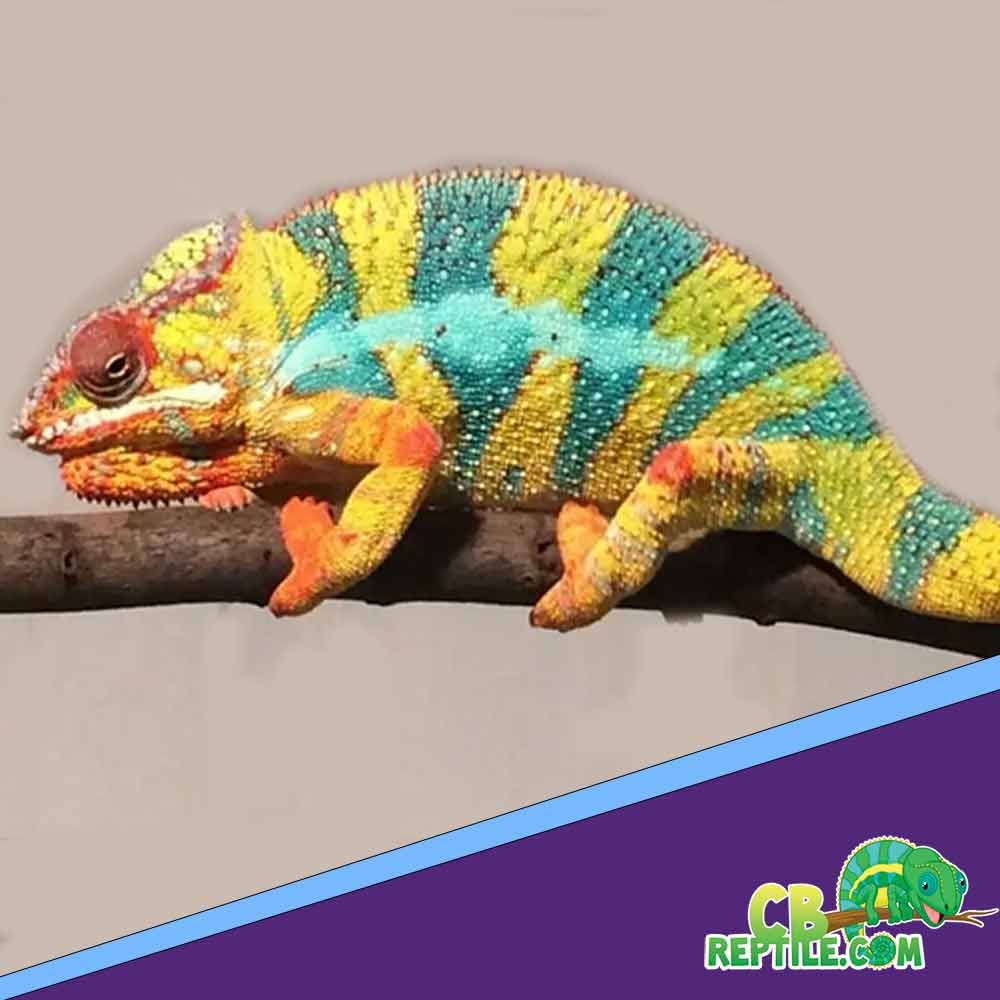
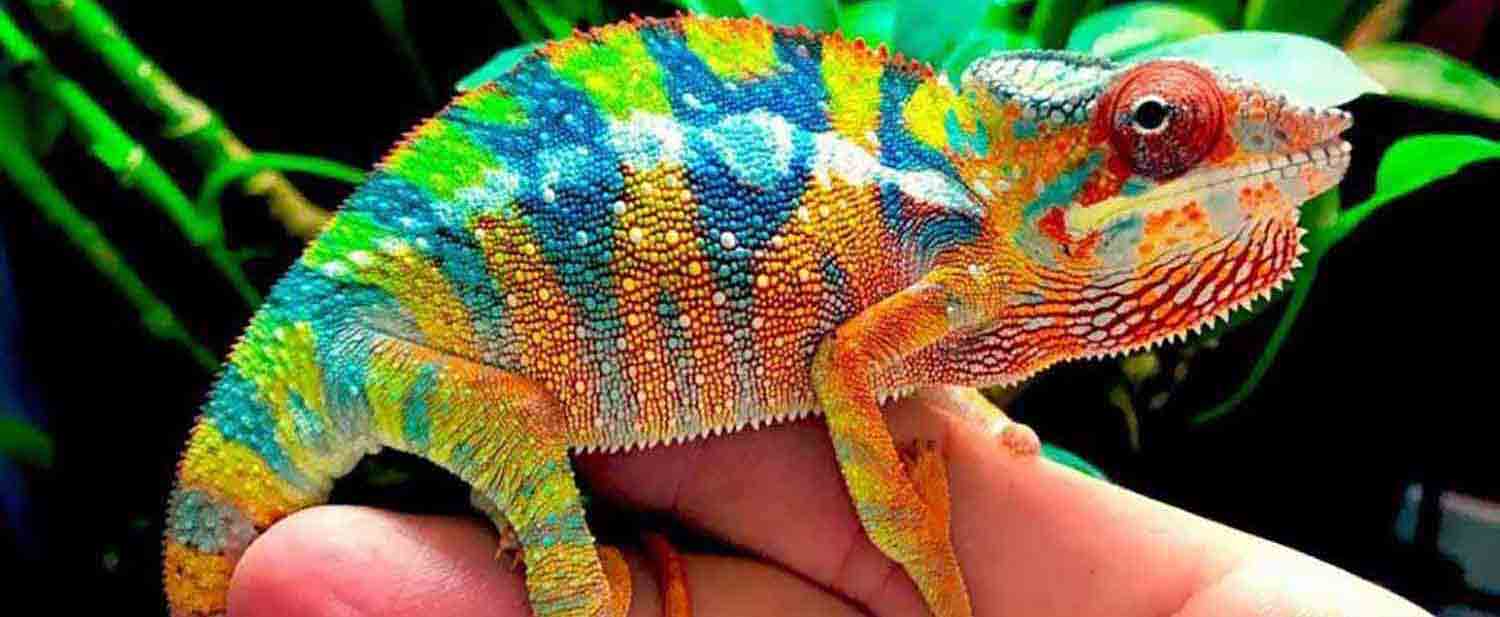
Baby Nosy Faly panther chameleons are among the most visually stunning reptiles in the entire Furcifer pardalis species. Known for their cool-toned coloration—icy blues, crisp white speckling, deep navy bars, and contrast-heavy patterns—the Nosy Faly locale has become highly sought-after by collectors and keepers who appreciate dramatic, frosted coloration. Raising a baby Nosy Faly successfully requires careful attention to hydration, UVB, nutrition, and environmental structure. Their sensitive early growth period shapes everything about their long-term development: bone density, shedding quality, immune strength, and the vibrancy of their famous blue-and-white palette.
Beginning with a captive-bred juvenile from the best panther chameleon breeder ensures strong genetics and proper early husbandry, both essential for Nosy Faly babies. Because this locale is rare and often misidentified, a reputable breeder also ensures locale purity—a key factor for keepers looking for authentic Nosy Faly traits rather than mixed locale offspring.
Understanding the Nosy Faly Locale
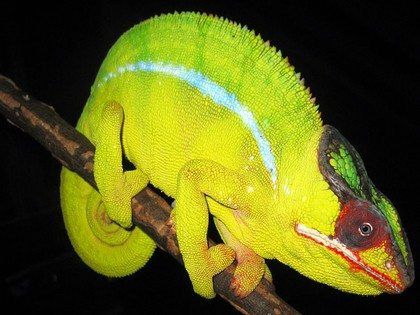
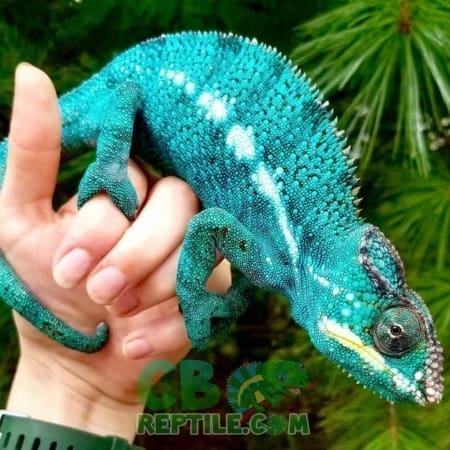
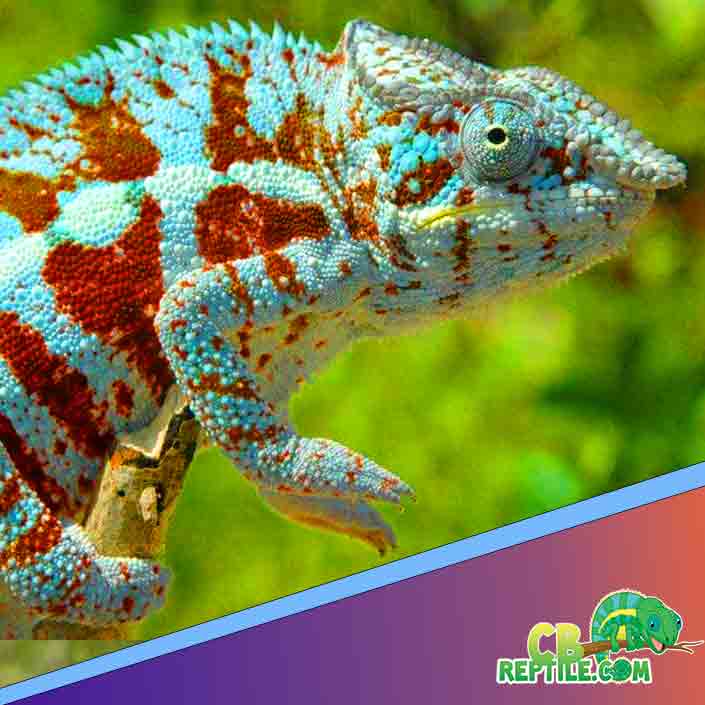
The Nosy Faly locale originates from a small island off Madagascar’s northwestern coast. While geographically close to Nosy Be, Nosy Faly coloration is completely different. Instead of the deep, smooth blues associated with Nosy Be, Nosy Faly panther chameleons develop a much more high-contrast, frosted look. The presence of icy blues, snow-like speckling, and crisp facial highlights gives this locale its signature “cool flame” appearance.
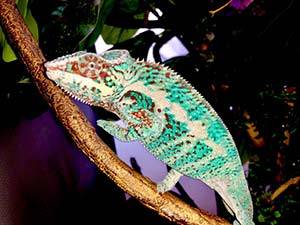
Baby Nosy Faly chameleons do not hatch with these bright tones. Instead, they begin with soft greens, browns, and faint blue hints. True Nosy Faly contrast arrives later—typically between 4–8 months—if the baby receives the correct UVB exposure, hydration, and nutrition.
Growth Stages of Baby Nosy Faly Panther Chameleons
Stage 1 — Hatchling (0–2 Months)
At this age, babies are extremely delicate. Their bodies lose moisture quickly, and they rely heavily on micro-prey such as fruit flies and pinhead crickets to build early muscle and bone. Hydration and environmental stability are crucial.
Stage 2 — Early Juvenile (2–4 Months)
Baby Nosy Falys begin showing slight blue undertones, especially along the flanks and casque. Appetite increases rapidly, and babies begin exploring the enclosure more confidently.
Stage 3 — Mid Juvenile (4–8 Months)
This is when Nosy Falys truly begin to show their signature white speckling, crisp bars, and icy blues. UVB exposure, diet, and hydration directly impact how dramatic these colors become.
Stage 4 — Subadult (8–12 Months)
By this stage, Nosy Falys show mature color expression. Their blue saturation deepens, whites become brighter, and contrast increases significantly. Proper care during this stage sets the foundation for adult coloration.
Ideal Enclosure Setup for Baby Nosy Faly
Baby Nosy Falys thrive in smaller, structured enclosures where they can locate food easily and maintain hydration levels. Large enclosures cause stress and make it difficult for babies to find prey. Smaller environments with dense foliage mimic the natural canopy and provide hydration surfaces.
Recommended Enclosure Sizes
- 0–3 Months: 16x16x20” hybrid enclosure
- 3–6 Months: 18x18x24” screen/hybrid enclosure
- 6–12 Months: 24x24x48” full-size juvenile enclosure
Hybrid enclosures are ideal because they hold humidity well while maintaining ventilation—critical for this moisture-sensitive locale.
Essential Setup Components
- Dense foliage with live plants like pothos or schefflera
- Fine climbing branches for tiny feet
- Bright LED plant lighting to support plant growth
- A safe basking branch positioned below the heat source
- Drainage to manage misting cycles
Lighting & UVB Requirements
Baby Nosy Faly chameleons require consistent UVB exposure for healthy skeletal development. UVB plays a direct role in calcium absorption, nerve function, muscle health, and long-term coloration.
UVB Specifications
- Type: T5 HO 5.0 UVB or Arcadia 6%
- Distance: 8–10 inches from basking zone
- Coverage: At least 50% of cage width
Nosy Faly babies often bask more actively than other locales to absorb UVB, making careful temperature management essential.
Temperature Requirements
- Basking: 82–86°F
- Ambient: 74–78°F
- Night: 68–72°F
Hydration Needs of Baby Nosy Faly Panthers
Baby Nosy Falys require significant hydration due to their island-origin adaptation to moist environments. Dehydration can quickly cause appetite loss, shedding problems, and color dullness.
Hydration Schedule
- Morning mist: 3 minutes
- Midday mist: 20–30 seconds
- Evening mist: 3 minutes
- Night fogging: Optional but beneficial
Babies drink frequently from droplets on leaves and branches. Live plants are essential for maintaining hydration.
Feeding Baby Nosy Faly Panthers
Baby Nosy Falys grow rapidly and require nutrient-dense feeder insects offered multiple times per day.
Best Feeders
- Hydei fruit flies
- Melanogaster fruit flies
- Pinhead crickets
- Small BSFL
- Tiny silkworms
- Micro-dubia roaches
Feeding Frequency
- 0–3 Months: 2–3 feedings per day
- 3–6 Months: 1–2 feedings per day
- 6–12 Months: Once daily
Calcium and vitamin supplementation must be consistent for proper bone density and early color expression.
Shedding in Baby Nosy Faly Chameleons
Baby Nosy Falys shed every 7–12 days during early development. Maintaining humidity prevents stuck shed on toes, feet, and tail tips.
Preventing Shedding Problems
- Maintain 65–75% daytime humidity
- Increase humidity overnight
- Ensure heavy morning misting
- Provide live plants for moisture retention
Handling Baby Nosy Falys
Baby Nosy Falys are sensitive and should not be handled frequently. Stress can slow growth and dull early colors. Instead, use gentle visual exposure and occasional tong-feeding to gradually build trust.
Choosing a Baby Nosy Faly Panther Chameleon
When browsing a chameleon for sale listing, look for the following:
- Strong, steady grip
- Bright, alert eyes
- Early speckling or cool undertones
- Active hunting behavior
- Parent photos showing strong Nosy Faly traits
Reliable breeders provide parent photos and clear locale documentation, which helps you decide where to buy chameleon with authentic Nosy Faly genetics.
Long-Term Success With Baby Nosy Faly Panthers
With proper hydration, UVB exposure, diet, and enclosure structure, baby Nosy Falys grow into some of the most visually stunning chameleons in the reptile world. Their icy blues, crisp whites, and striking contrast patterns continue to brighten with each shed.
A strong captive-bred start and structured early care are the keys to raising a healthy, vibrant Nosy Faly panther chameleon that displays the full beauty and elegance this locale is famous for.
- Display 15 Products per page