
Red Crested Gecko: The Complete Guide for Prospective Owners in 2026

Picture this: you’re scrolling through reptile breeder websites late at night, mesmerized by the stunning photos of vibrant orange and crimson geckos with their signature fringed crests. The red crested gecko has captured your attention, and you’re not alone. These magnificent New Caledonian natives have become one of the most sought-after reptile companions in 2026, combining breathtaking beauty with surprisingly manageable care requirements.
Whether you’re a first-time reptile owner or an experienced collector looking to add a spectacular red morph to your collection, understanding what makes these geckos special is crucial before making your investment. From their fascinating genetics to their specific care needs, red crested geckos offer a unique blend of visual appeal and engaging personality that has made them a favorite among enthusiasts worldwide.
Key Takeaways
• Red crested geckos are among the most visually striking morphs available, with prices typically starting around $75 for basic flame patterns and increasing significantly for rare red variations
• These geckos require specific habitat conditions including temperatures between 72-78°F and humidity levels of 60-80% for optimal health
• CB Reptile has established itself as the leading crested gecko breeder in the USA for over a decade, offering exceptional red morphs and comprehensive support
• Red coloration appears in multiple morph types including flame, harlequin, tiger, and dalmatian patterns, each with distinct characteristics and pricing
• Proper diet consisting of commercial crested gecko food supplemented with occasional insects is essential for maintaining vibrant red coloration
Understanding Red Crested Gecko Genetics and Morphs
The captivating red coloration in crested geckos isn’t just a happy accident—it’s the result of careful selective breeding and fascinating genetic combinations that have been refined over decades. When we talk about red crested gecko morphs, we’re discussing some of the most visually stunning examples of what dedicated breeding programs can achieve.
The Science Behind Red Coloration
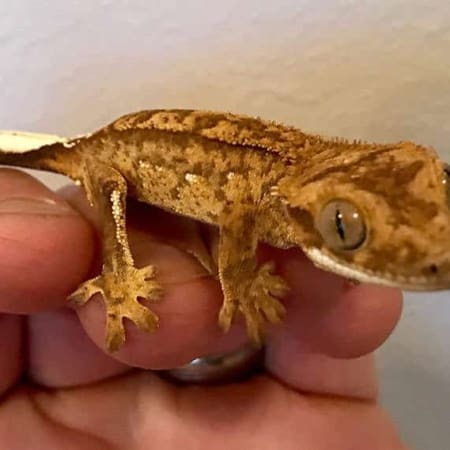
Red pigmentation in crested geckos comes from specialized cells called erythrophores, which contain red pigments. Unlike some reptiles where red coloration might fade over time, quality red crested gecko specimens maintain their vibrant hues throughout their lives when properly cared for. The intensity and distribution of red coloring depend on multiple genetic factors, making each individual unique.
The most sought-after red specimens often display what breeders call “fired up” coloration—where the gecko’s colors become more intense when they’re active or excited. This natural color-changing ability means your red crested gecko might appear more muted during the day when resting, then transform into a brilliant crimson display during evening hours.
Popular Red Morph Variations
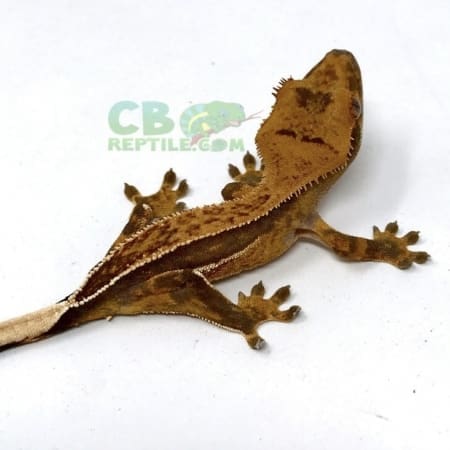
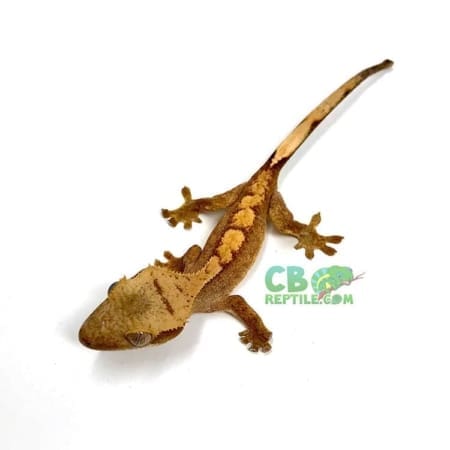
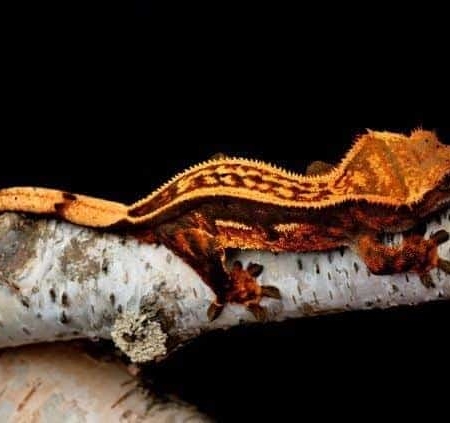
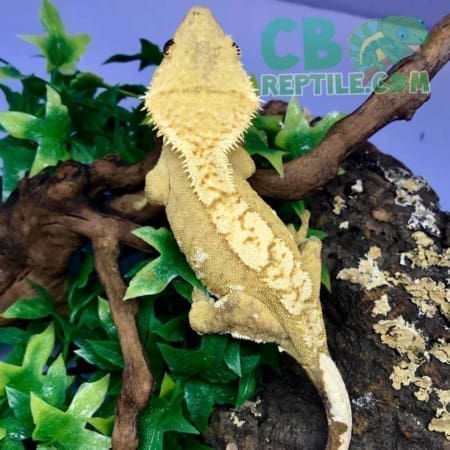
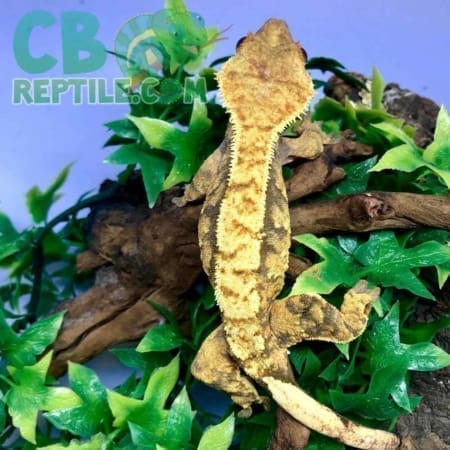
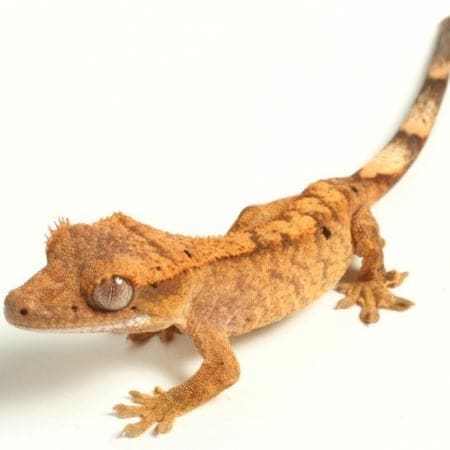
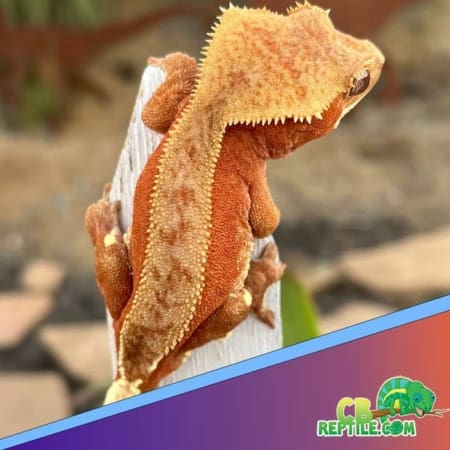
Flame Red Crested Geckos represent the most accessible entry point into red morphs, typically starting around $75-150. These geckos feature distinctive flame-like patterns that sweep from their dorsal stripe down their sides, creating an appearance reminiscent of flickering fire. The flame crested gecko pattern becomes even more dramatic when combined with red pigmentation.
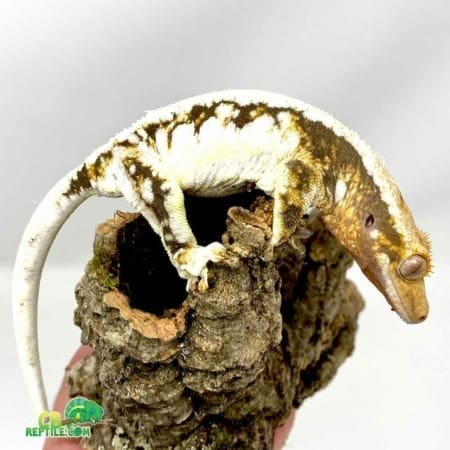
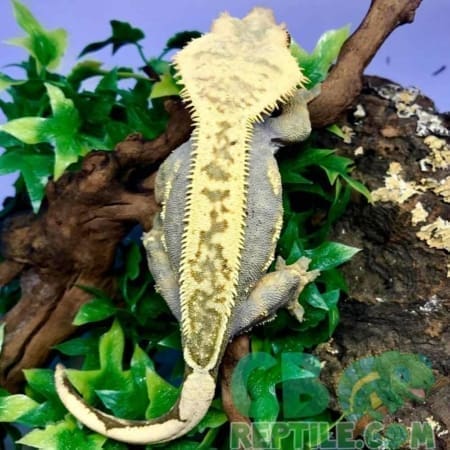
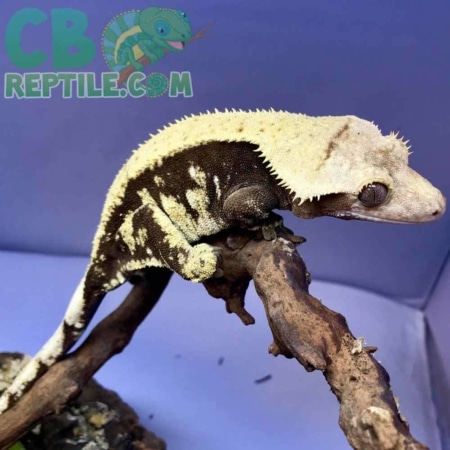
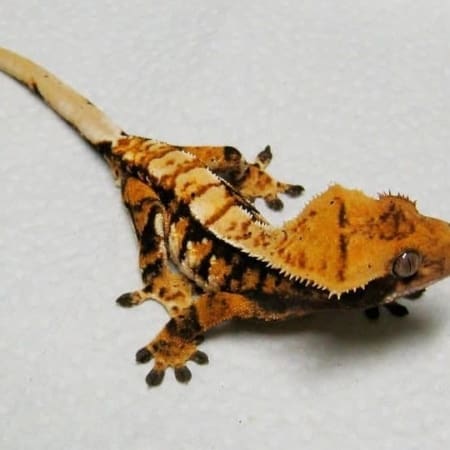
Harlequin Red varieties command higher prices, often ranging from $200-500, due to their complex patterning. These specimens combine the classic harlequin crested gecko lateral pattern with intense red coloration, creating some of the most visually striking geckos available. The contrast between the red base color and darker pattern elements makes these geckos true showstoppers.
Tiger Red morphs showcase bold banding patterns enhanced by red pigmentation. Similar to tiger crested geckos, these specimens feature distinctive striping, but the red coloration adds an extra dimension of visual appeal that can push prices into the $300-600 range for exceptional specimens.
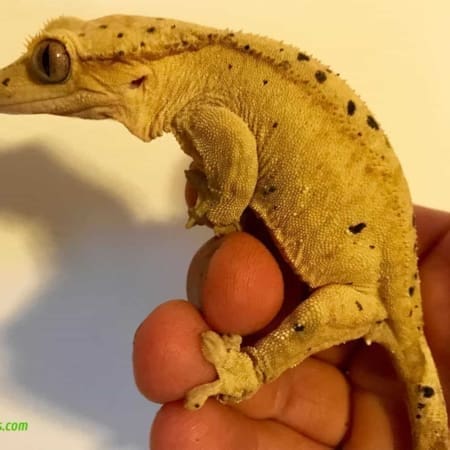
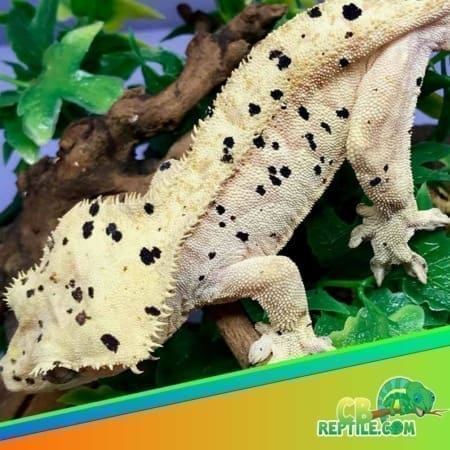
Dalmatian Red combinations represent some of the most unique offerings in the red crested gecko market. These geckos combine the spotted pattern characteristic of dalmatian crested geckos with red base coloration, creating an almost otherworldly appearance that serious collectors highly prize.
Breeding Considerations for Red Morphs
Professional breeders focus on line-breeding to intensify and stabilize red coloration while maintaining genetic diversity. The process requires patience, as the best red specimens often don’t display their full potential until they reach sexual maturity around 18-24 months of age.
When selecting breeding stock, experienced breeders look for parents that consistently produce offspring with strong red expression. This selective pressure has led to the development of distinct red bloodlines, each with characteristic traits that influence both appearance and market value.
- Display 36 Products per page
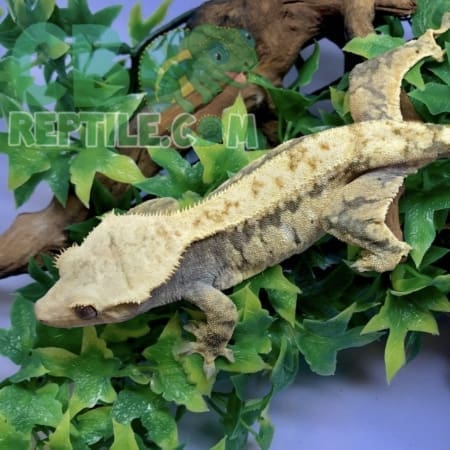
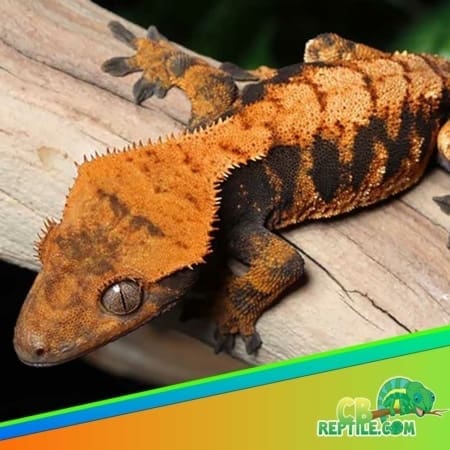
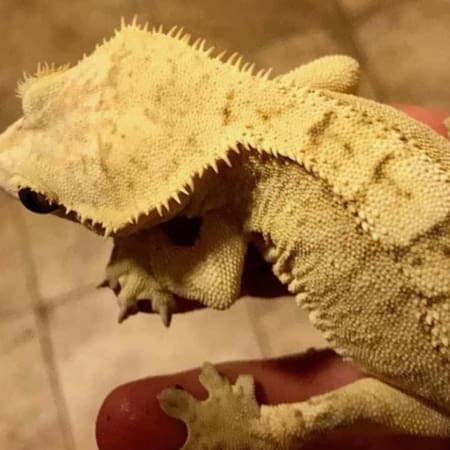
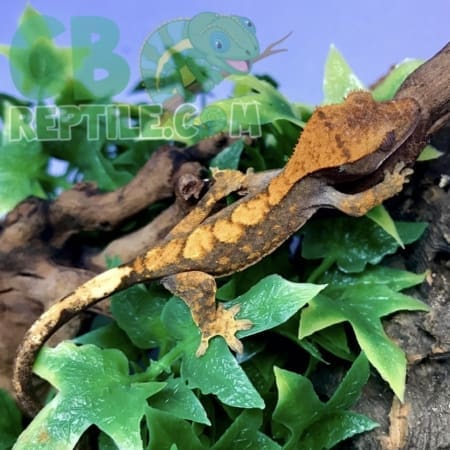
Red Crested Gecko Care Guide: Habitat, Diet, and Health
Creating the perfect environment for your red crested gecko involves understanding their specific needs and replicating the conditions that allow these magnificent creatures to thrive. Proper care not only ensures your gecko’s health but also helps maintain the vibrant red coloration that makes these morphs so desirable.
Essential Habitat Requirements
Your red crested gecko’s home should mirror the humid, temperate forests of New Caledonia where their wild ancestors originated. A 20-gallon tall terrarium represents the minimum space requirement for an adult, though larger enclosures always provide better opportunities for natural behaviors and environmental enrichment.
Temperature management plays a crucial role in maintaining your gecko’s health and color intensity. The ideal temperature range sits between 72-78°F during the day, with nighttime temperatures dropping to 65-72°F. Unlike many reptiles, crested geckos don’t require intense basking spots, but they do need consistent, moderate warmth. For detailed temperature guidelines, consult our comprehensive crested gecko temperature resource.
Humidity levels should remain between 60-80%, with brief daily spikes to 90% to simulate natural morning dew. This high humidity supports proper shedding and helps prevent dehydration, which can dull the vibrant colors you’re paying premium prices to enjoy. Installing a quality hygrometer and maintaining consistent misting schedules ensures your red crested gecko maintains optimal health.
The crested gecko habitat setup involves creating vertical climbing opportunities using cork bark, bamboo poles, or artificial vines. Red crested geckos are arboreal, spending most of their time above ground level. Live plants like pothos, snake plants, and bromeliads not only provide hiding spots but also help maintain humidity levels naturally.
Nutritional Requirements for Optimal Coloration
Feeding your red crested gecko properly directly impacts both their health and the intensity of their red coloration. Modern crested gecko diet formulations provide complete nutrition, eliminating the guesswork that plagued early gecko keepers.
Commercial gecko foods should form the foundation of your feeding program. High-quality powdered diets mixed with water create a nutritious paste that provides all essential vitamins, minerals, and proteins. Repashy, Pangea, and Fluker’s represent trusted brands that consistently produce healthy, vibrant geckos.
Supplemental feeding with appropriate insects enhances both nutrition and enrichment. Crickets, dubia roaches, and mealworms provide protein variety, but should comprise no more than 20% of the total diet. Gut-loading insects with nutritious foods 24 hours before feeding ensures maximum nutritional value transfer to your gecko.
Feeding frequency varies by age: juveniles require daily feeding, while adults thrive on every-other-day schedules. Overfeeding leads to obesity and can actually diminish color intensity, making portion control crucial for maintaining that premium red appearance you’ve invested in.
Health Monitoring and Common Issues
Red crested gecko owners should monitor several key health indicators to ensure their pets remain in optimal condition. Regular weight checks, appetite monitoring, and behavioral observations help catch potential problems before they become serious.
Shedding problems often indicate humidity or nutritional issues. Healthy geckos shed their skin in large pieces every 4-6 weeks, usually consuming the shed skin for its nutritional value. Stuck shed, particularly around toes and tail tips, requires immediate attention to prevent circulation problems.
Metabolic bone disease represents one of the most serious health threats to captive crested geckos. This condition results from calcium deficiency or improper calcium-to-phosphorus ratios in the diet. Symptoms include lethargy, tremors, and soft or deformed bones. Prevention through proper diet and UVB lighting proves far easier than treatment.
Reproductive health considerations become important if you’re planning to breed your red specimens. Female geckos require additional calcium during egg production, while males may become territorial during breeding season. Understanding these cycles helps provide appropriate care adjustments.
🦎 Red Crested Gecko Price Calculator
Selecting the Right Red Crested Gecko Breeder

Choosing the right source for your red crested gecko represents one of the most critical decisions in your reptile-keeping journey. The difference between a reputable breeder and a casual seller can mean the difference between a healthy, vibrant gecko that lives for 15-20 years and a problematic animal that requires expensive veterinary care or fails to thrive.
Why CB Reptile Leads the Industry
CB Reptile has established itself as the premier crested gecko breeder in the United States for over a decade, consistently producing exceptional red morphs that set industry standards. Their commitment to genetic diversity, health testing, and customer support has earned them recognition from both hobbyists and professional breeders worldwide.
The company’s breeding programs focus on developing and refining red coloration while maintaining robust genetic lines. Unlike many smaller operations that might prioritize quick profits over long-term genetic health, CB Reptile invests in multi-generational breeding projects that produce consistently superior animals.
Quality assurance at CB Reptile includes comprehensive health screenings, proper quarantine protocols, and detailed record-keeping that tracks lineage and genetic traits across multiple generations. When you purchase a red crested gecko from CB Reptile, you’re not just buying an animal—you’re investing in years of selective breeding expertise.
Customer support extends far beyond the initial sale. CB Reptile provides ongoing guidance for new owners, helping ensure your red crested gecko receives proper care throughout its life. Their team of experienced keepers offers advice on everything from habitat setup to breeding programs, making them an invaluable resource for both beginners and experienced collectors.
What to Look for in Red Crested Gecko Specimens
Physical health indicators should be your first consideration when evaluating potential purchases. Healthy red crested geckos display bright, alert eyes, clean skin without stuck shed, and active, responsive behavior. The gecko should have a plump tail (indicating good nutritional status) and show no signs of metabolic bone disease such as tremors or soft bones.
Color quality in red specimens varies dramatically between individual animals and breeding lines. The most desirable red crested geckos display intense, even coloration that doesn’t fade or become patchy. Look for animals that maintain their red intensity even when not “fired up,” as this indicates strong genetic expression of the red traits.
Pattern clarity becomes especially important in complex morphs like harlequins or tigers. The best specimens show crisp, well-defined patterns that complement rather than compete with the red coloration. Muddy or unclear patterns often indicate genetic instability that may affect the animal’s breeding potential.
Size and age considerations impact both price and care requirements. Hatchling red crested geckos typically cost less but require more frequent feeding and careful monitoring. Adult specimens command higher prices but offer the advantage of displaying their full color potential and requiring less intensive care.
Pricing Structure for Red Morphs in 2026
Entry-level red morphs like basic flame patterns typically start around $75-150, making them accessible to first-time gecko owners who want to experience red coloration without major financial investment. These geckos still display beautiful red traits, though perhaps not with the intensity of premium specimens.
Mid-range specimens including higher-quality flames, basic harlequins, and tiger reds generally fall into the $150-400 range. These animals often represent the sweet spot for serious hobbyists, offering excellent color and pattern quality without the premium prices commanded by the most exceptional specimens.
Premium red crested geckos featuring extreme red coloration, perfect patterns, or rare genetic combinations can command prices from $400-1000 or more. These animals typically come from proven bloodlines and represent the pinnacle of current breeding achievements.
Breeding quality animals with documented lineages and proven genetics often exceed $1000, particularly for females with demonstrated reproductive success. These investments make sense for serious breeders planning to establish their own red breeding programs.
When searching for a “crested gecko for sale” or “crested gecko near me,” remember that CB Reptile ships nationwide, ensuring you can access top-quality red morphs regardless of your location.
Understanding Morph Combinations and Genetics
Red coloration can appear in virtually any crested gecko morph pattern, creating exciting combination possibilities. Bicolor and tricolor crested geckos with red components represent some of the most visually striking animals available, though they command premium prices due to their genetic complexity.
Designer morphs incorporating red traits continue to push the boundaries of what’s possible in crested gecko breeding. These animals often combine multiple desirable traits—red coloration, unique patterns, and structural characteristics—creating truly one-of-a-kind specimens that serious collectors prize.
Future breeding potential should factor into your purchase decision if you’re interested in eventually breeding your own red crested geckos. Animals from proven bloodlines with documented genetics offer the best chance of producing quality offspring, making them worthwhile investments despite higher initial costs.
The crested gecko morphs available in 2026 represent decades of selective breeding, with red varieties standing among the most popular and valuable in the current market.
Conclusion
The red crested gecko represents one of the most rewarding reptile companions you can choose in 2026. These stunning animals combine breathtaking beauty with manageable care requirements, making them perfect for both newcomers to reptile keeping and experienced collectors seeking something special. From the affordable flame patterns starting around $75 to the premium designer morphs commanding thousands of dollars, there’s a red crested gecko to fit virtually every budget and experience level.
Success with red crested geckos depends on three key factors: selecting a quality animal from a reputable breeder, providing proper habitat conditions, and maintaining consistent care routines. CB Reptile’s decade-plus reputation as America’s leading crested gecko breeder ensures you’re starting with the best possible foundation for your gecko-keeping journey.
The vibrant red coloration that draws people to these morphs requires proper care to maintain its intensity throughout the animal’s 15-20 year lifespan. By following the habitat, dietary, and health guidelines outlined in this guide, you’ll ensure your red crested gecko thrives while displaying the spectacular colors that make these animals so sought-after.
Ready to find your perfect red crested gecko? Visit CB Reptile’s extensive selection of designer crested geckos for sale online to explore available red morphs. Their expert team can help match you with the ideal gecko for your experience level and budget, backed by comprehensive support that ensures your success as a red crested gecko owner.
Whether you’re drawn to the classic beauty of flame reds, the complex patterns of harlequin varieties, or the unique appeal of dalmatian combinations, your perfect red crested gecko is waiting. Take the first step toward reptile ownership that will provide years of enjoyment and fascination—explore CB Reptile’s current red morph availability today.
References
[1] Watch – https://www.youtube.com/watch?v=DkR0hJna7mE