
Tag Archive for: beginner snake

Black African House Snake Care Guide: Hardy, Calm and Compact

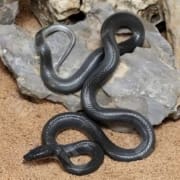
Hardy, slim and usually mellow, house snakes in the genus Boaedon (formerly placed in Lamprophis) are some of the most practical small snakes in the hobby. The black African house snake is especially striking, with glossy dark scales and a calm disposition. This guide covers enclosure size, temperatures, feeding and handling so you can decide whether it fits your experience level. You can read about the black African house snake available through www.CbReptile.com.

Natural History

House snakes are widespread across sub-Saharan Africa and often live near human habitation, hunting rodents at night. They use crevices, termite mounds and leaf litter for cover. Their adaptability is one reason they cope well with captivity.

Appearance and Color

Adults are slender and smooth-scaled, with a flat head and a glossy, uniformly dark body in the black form. Young animals often show a little more pattern or brown tone before darkening with age. The belly may be lighter. Females grow somewhat larger and heavier than males.

Size and Lifespan

Most adults range from about 2.5 to 4 feet, with females often longer. Lifespans of 15 to 20 years are commonly reported, so the animal is a long-term commitment even though it stays small.

Temperament

House snakes are usually calm and curious, and bites are uncommon when they are handled with confidence. They can be skittish as young animals and may bite out of food excitement, which is solved by feeding in a separate container or using tongs. They are fast and can be flighty when startled, so keep a secure lid in place.

Enclosure Setup

A 20 to 30-gallon long, or an equivalent PVC enclosure, suits one adult. Fit it with:

Reptile terrarium with hide and substrate similar to a black African house snake enclosure
  • A warm-side hide and a cool-side hide so the snake can thermoregulate
  • A moisture hide with damp sphagnum for shedding
  • Aspen, cypress mulch, or paper-based bedding that is dust-free
  • Clutter such as cork bark, branches and fake plants for security
  • A fresh water dish large enough for a soak

House snakes feel safer in a snug enclosure with plenty of cover than in a big open box, and they climb surprisingly well, so choose a locking lid.

Heat, UVB and Humidity

Provide a warm surface around 85 to 88°F, an ambient range in the high 70s to low 80s°F, and a night drop into the low 70s°F. Use a thermostat with an under-tank heater or heat panel and verify with a probe thermometer. Humidity of 40 to 60 percent is typically fine, with a bit more during shed. UVB is not required, although some keepers use low-level lighting for a more natural day cycle.

black African house snake enclosure setup

Diet

Feed frozen-thawed mice or small rats sized to the snake’s thickest body point. Hatchlings eat every 5 to 7 days and adults every 10 to 14 days, depending on build and activity. Avoid overfeeding, which can lead to obesity. For comparison with other beginner species, the corn snake follows a similar schedule, while a Pueblan milk snake may need a bit more attention to temperament and feeding responses.

Handling

Because house snakes are active at dusk and night, evening sessions often suit them better than midday handling, when they may prefer to stay hidden.

Let a new snake settle for a week and take a feeding or two before handling. Support the body, avoid handling right after meals, and wash hands afterward. Short, regular sessions build confidence.

Shedding, Hydration and Health Checks

A healthy house snake sheds in one clean piece with a clear eye cap. Cloudy eyes and dull color signal an upcoming shed, so keep humidity steady and offer a damp hide during that window. Retained shed, especially around the eyes and tail tip, is a sign that humidity or hydration needs attention. Check weekly that the snake has a rounded, muscular body with no visible ribs, clear nostrils and no mouth bubbles. Weigh the snake monthly to track growth, and keep a short log of feeding dates and refusals. A single skipped meal is rarely a concern, but repeated refusals, regurgitation or lethargy are good reasons to check temperatures first and then seek advice from an exotics veterinarian.

Why Captive-Bred Matters

Captive-bred house snakes are accustomed to frozen-thawed rodents, have known histories and are free of the stress of wild capture. Choosing a feeding, healthy black African house snake shortens the settling-in period.

Frequently Asked Questions

Are house snakes good for beginners?

Yes, they are often recommended for new keepers because of their size and hardiness, as long as heat and hydration are managed.

How often do they shed?

Young animals shed every few weeks while growing; adults shed a few times a year.

Do they need a big enclosure?

No, a secure 20 to 30-gallon equivalent with plenty of cover is enough for one adult.

Can two share an enclosure?

It is safest to house snakes individually to prevent stress and feeding mishaps.

Find more beginner-friendly snakes and keep learning at www.CbReptile.com.
Albino California Kingsnake Care Guide: A Bold, Hardy Beginner Snake

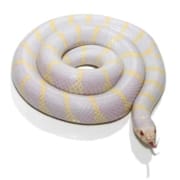
The albino California kingsnake (Lampropeltis californiae) is a glossy, high-contrast snake with banding that glows in yellow and white against pink-tinged eyes. It combines a calm temperament, a manageable size and a good appetite, which is why it has long been a cornerstone species for keepers of all levels. This guide covers the enclosure, heat, feeding and handling routines you need. You can read about the albino California kingsnake at www.CbReptile.com.

Natural History

California kingsnakes range across the western United States and into northern Mexico, living in habitats from coastal scrub and grassland to forest edges and deserts. They are constrictors that eat rodents, lizards, birds and even other snakes, which is the origin of the name “king”. They are generally most active around dusk and in cooler parts of the day.

Appearance and the Albino Trait

Albinism is a recessive trait that removes dark pigment, leaving bright yellow bands on white or cream with a pinkish tone in the eyes. Banded patterns are bold and glossy, and the contrast is easy to appreciate when the snake is active. Other kingsnake species, such as the lavender Brooks kingsnake, have very different colors but share similar husbandry, so keepers often move between them with ease.

Lavender Brooks kingsnake, a related Lampropeltis species shown for comparison in albino California kingsnake care

Size and Lifespan

Adults typically measure 3 to 5 feet, with males often slightly longer. With proper care, the lifespan is commonly 15 to 20 years or more. Hatchlings are small and may be more skittish, but they settle in with regular handling.

Temperament

California kingsnakes are known for being active, inquisitive and tolerant of regular handling. Young animals may musk or bite when startled, but most mellow quickly. They should be housed alone because kingsnakes may eat other snakes.

Enclosure Setup

A 40-gallon breeder tank or a similar PVC enclosure suits an adult, while younger snakes do well in smaller tubs. Provide:

albino California kingsnake enclosure setup
  • Two hides, one on the warm side and one on the cool side
  • Aspen, cypress mulch or another suitable bedding
  • A damp hide or moist area for shedding
  • A heavy water bowl large enough for soaking
  • Branches and clutter for security

Use a locking lid, because kingsnakes are strong and persistent escapees.

Heat, Light and Humidity

Provide a warm side around 85 to 88°F and a cool side in the mid to upper 70s°F. Use a thermostat with an under-tank heater or a heat panel, and measure the surface with a probe or infrared thermometer. Humidity of 40 to 60 percent is usually suitable, with a small boost during shed. UVB is optional.

Reptile terrarium setup similar to a kingsnake enclosure

Diet

Feed appropriately sized frozen-thawed mice. Hatchlings eat about every 5 to 7 days, juveniles every 7 to 10 days, and adults every 10 to 14 days. Avoid overfeeding, which can lead to obesity and fatty liver issues. Always feed in a way that avoids bites and never handle immediately after a meal. For comparison with other popular beginner snakes, the corn snake and the albino milk snake share many husbandry traits.

Handling and Shedding

Handle gently and consistently, supporting the body and letting the snake move through your hands. Avoid handling during shed, when the eyes turn blue and the snake can be defensive. Good humidity and a moist hide help ensure a clean, one-piece shed.

Choosing Bedding and Cleaning Routine

Kingsnakes are active burrowers, so a bedding depth of two to three inches lets them tunnel and feel secure. Aspen shavings and cypress mulch are common choices; avoid cedar and pine, whose aromatic oils can irritate reptiles. Spot-clean droppings and urates as soon as you see them, and do a full substrate change every month or two. Wash the water bowl every few days, disinfect hides with a reptile-safe cleaner, and rinse thoroughly before returning them. A clean, dry enclosure with a defined moist hide prevents most skin and respiratory troubles.

Signs of a Healthy Snake

A healthy kingsnake has clear eyes, smooth scales, a rounded body and a strong feeding response. Wheezing, mucus around the mouth, stuck shed or a persistent refusal to eat are reasons to review temperatures and humidity first and consult an exotics veterinarian if they continue. Weigh the snake monthly, record shed dates and feeding notes, and keep a gentle handling routine so small changes in condition are easy to notice.

Why Captive-Bred Matters

Captive-bred kingsnakes are used to frozen-thawed prey and handling, and their lineages are well understood. A healthy albino California kingsnake offers a long, rewarding relationship with a hardy and visually striking snake.

Frequently Asked Questions

Are California kingsnakes good for beginners?

Yes, they are hardy, eat readily and remain a manageable size.

Can I keep two together?

No. Kingsnakes may eat other snakes and are best housed alone.

How big do they get?

Most adults reach about 3 to 5 feet.

Do albinos need special care?

No special care is needed beyond standard kingsnake husbandry, although providing hides and avoiding bright, harsh light is considerate.

Learn more about captive-bred snakes at www.CbReptile.com.