

Caiman Lizard Care Guide: Space, Water and Snail-Based Diet
The caiman lizard (Dracaena guianensis) looks like a miniature dinosaur: heavy, armored and built for life near water. It is one of the most specialized lizards in the hobby, with strong jaws designed for crushing snails and a body that thrives only in a large, warm, humid, water-rich enclosure. This guide explains the space, heat, water and diet requirements honestly so you can decide whether it fits your resources. You can read about the captive-bred caiman lizard at www.CbReptile.com.
Natural History
Caiman lizards live in flooded forests, swamps and slow rivers across northern South America. They spend much of their time in or near water, basking on logs and branches overhead and diving when threatened. Their wild diet is dominated by snails, along with crabs, crayfish and some other prey, and their broad molar-like teeth are an adaptation for crushing shells.
Appearance
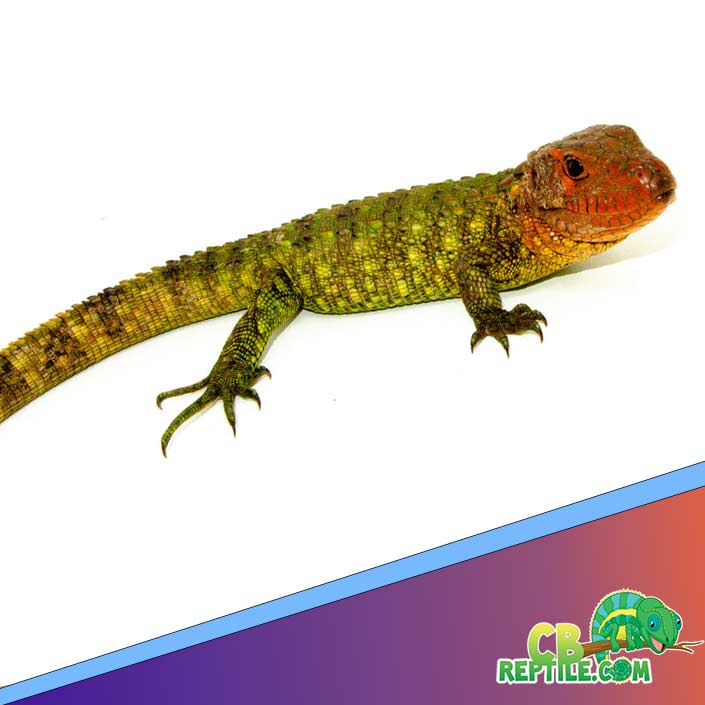
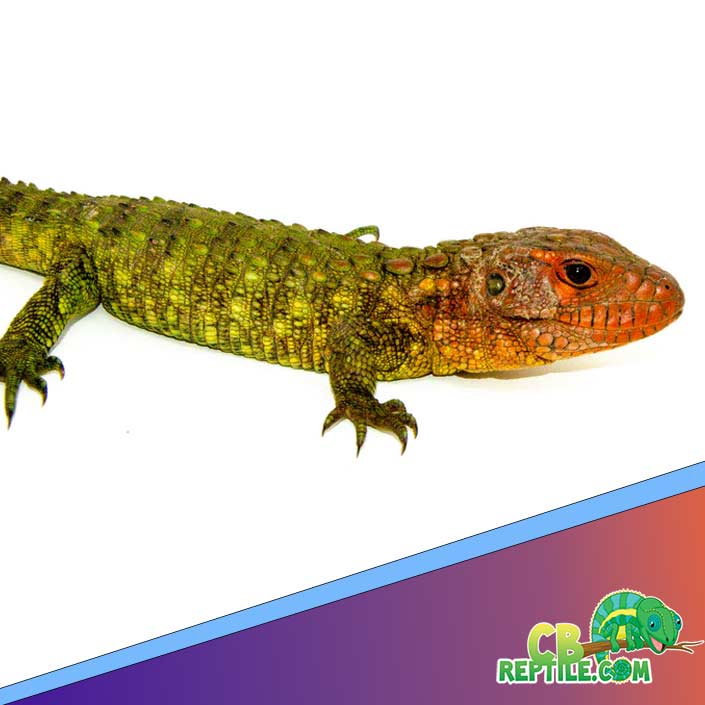
Adults carry a thick body with heavy, keeled scales on the back and tail and a bold green-and-brown palette. Males often have a broader, more powerful head. The tail is flattened, which helps with swimming, and the strong limbs suit both climbing and paddling. Juveniles are brighter green and look more delicate.
Size and Lifespan
Adults commonly reach around 3 to 4 feet, and lifespans in captivity can reach 10 years or more with correct care. They grow quickly in their first years, so plan the adult enclosure from the start instead of upgrading repeatedly.
Temperament
Captive-bred caiman lizards can become calm and tolerant of routine, but they are powerful animals with a strong bite and a wary nature. Handling should be limited and confident, with respect for the head and tail. They are best treated as display animals that you can interact with during feeding and maintenance.
Enclosure Setup
This species needs a lot of room and a lot of water. An adult needs an enclosure on the scale of a custom cabinet or room-sized setup, ideally 8 feet long by 4 feet wide by 4 feet tall or more, with a deep water section it can fully submerge in. Include:
- A large, sturdy water area with a ramp and a reliable filtration system
- Basking logs and a dry land zone with moisture-holding substrate
- Plenty of visual cover from plants and bark
- A secure, ventilated top to hold humidity while allowing airflow
Water quality is the heart of success: a strong filter, regular partial changes and daily spot cleaning reduce skin and eye problems.
Heat, UVB and Humidity
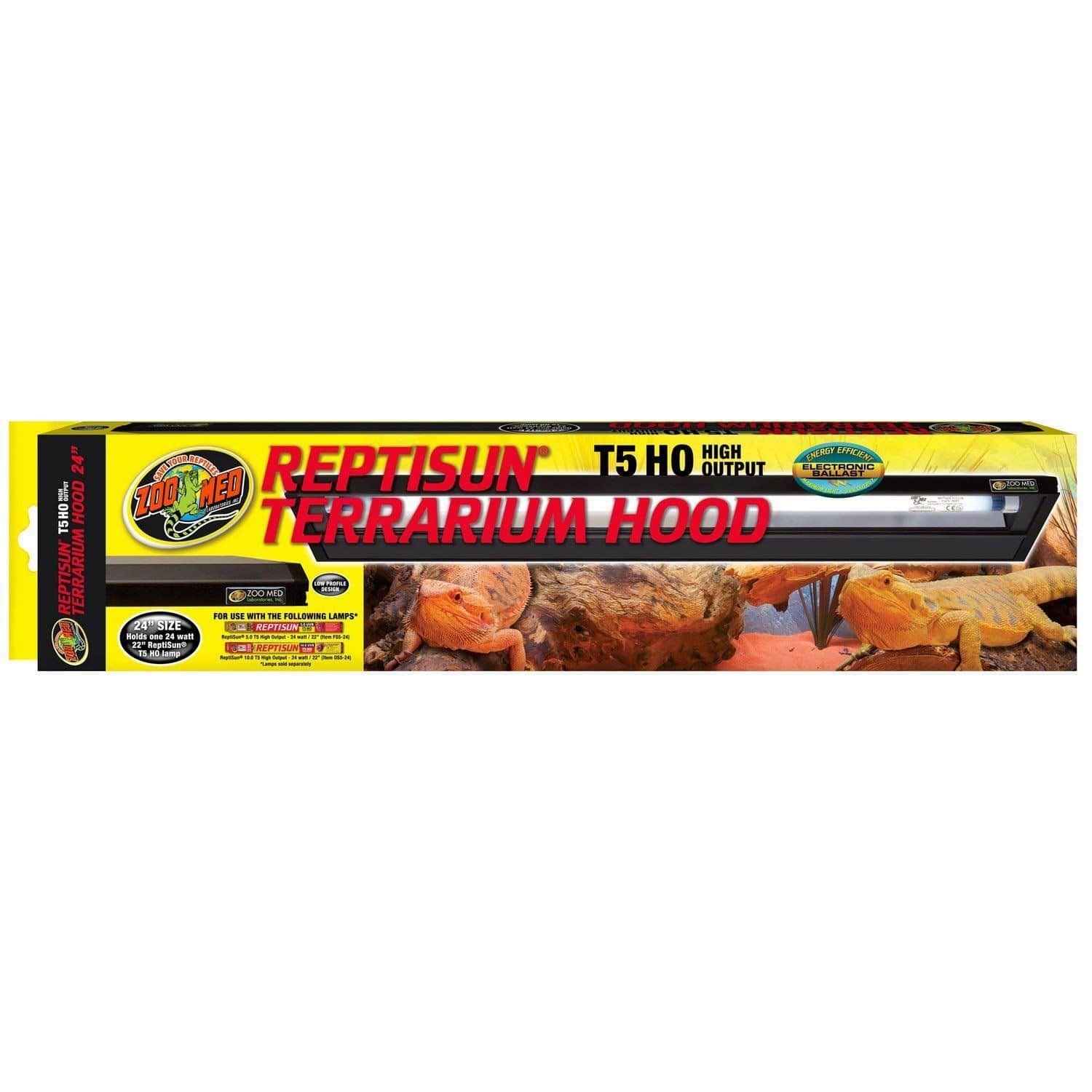
Provide a basking spot around 90 to 95°F with an ambient range in the low to mid 80s°F and water temperature in the mid 70s to low 80s°F. A strong linear UVB fixture, such as a T5 HO tube over the basking area, helps calcium use, and bulbs should be replaced on the manufacturer’s schedule. Humidity should stay in the 70 to 80 percent range, supported by the large water surface and regular misting.
Diet
Caiman lizards eat snails, so a reliable supply of safe, parasite-free snails is the cornerstone of feeding. Supplement with crayfish or other appropriate invertebrates, and use gut-loaded insects and occasional lean protein sources as part of a rotation recommended by an experienced keeper or exotics veterinarian. Dust feeders with calcium and a multivitamin on a measured schedule. Juveniles eat frequently, while adults can eat several times a week, with portions adjusted to body condition. Because the diet is specialized, compare it with more general-purpose lizards such as the savannah monitor, which also needs ample space but accepts a broader menu.
Routine Care
Water should be tested and cleaned regularly. Watch for swelling around the eyes, skin lesions and loss of appetite, which are signs to review water quality and seek veterinary guidance. Keep a notebook of feeding and shedding records to catch trends early.
Planning Before You Commit
Before bringing a caiman lizard home, budget for the entire system: the enclosure or room build, a canister filter rated well above the water volume, heating and lighting, a dependable snail source and a veterinarian comfortable with large reptiles. Check local regulations, and be honest about whether you can maintain the setup for a decade. Many problems seen with this species come from undersized housing and neglected water rather than from the animal itself, so building the habitat first is the safest path.
Why Captive-Bred Matters
Wild-caught caiman lizards often arrive with heavy parasite loads and difficulty adjusting to captivity, and many refuse to feed on anything other than snails. A feeding, captive-bred caiman lizard is a better starting point and reduces pressure on wild populations.
Frequently Asked Questions
Are caiman lizards good pets for beginners?
No. Their space, filtration and feeding needs are demanding, so they suit experienced keepers with room and budget.
Do they really need snails?
Snails are the natural staple and are strongly recommended as a core part of the diet; consult an experienced keeper or veterinarian for safe sourcing.
How much water do they need?
Enough to submerge fully and swim, with a depth that suits the animal’s size and a powerful filter.
Can I house two together?
It is safest to house them individually, especially adults.
Explore more specialized lizards and keep learning at www.CbReptile.com.