Tag Archive for: captive bred frogs

Dumpy Tree Frog Care Guide: Housing, Diet and Handling

Round, calm and comically chubby, the dumpy tree frog (also called White’s tree frog, Ranoidea caerulea) is one of the friendliest and hardiest amphibians in the hobby. Its sleepy expression and sturdy build make it an ideal first frog. This guide covers housing, feeding and gentle handling. You can see the Dumpy Tree Frog raised by our team at www.CbReptile.com.

Natural History

Dumpy tree frogs come from northern and eastern Australia and southern New Guinea. They live in trees, shrubs and sometimes buildings, hiding by day and hunting by night. They absorb water through their skin, and a coating of mucus helps them keep moisture in. In dry spells, they can shelter in cool, damp spots.

Appearance and Size

Most are green or bluish green, with some turning brown depending on temperature and mood. They have large, fatty folds above the eyes and a wide, smiling mouth. Adults reach 3 to 4.5 inches, with females larger. With good care, they often live 15 years or more, and some live 20.

Blue snowflake dumpy tree frog, a color morph of the same White's tree frog species
Dumpy tree frog in close-up, showing the wide toe pads used in climbing

Blue-colored lines, such as the Australian Blue Snowflake Dumpy Tree Frogs, offer a different look with the same hardy care.

Temperament and Handling

These are relaxed frogs that tolerate gentle handling better than most amphibians, but their skin is permeable and sensitive. Always wash hands thoroughly with plain water before touching a frog, avoid soaps and lotions, and keep sessions short. Many keepers prefer to admire them in the enclosure instead.

Enclosure

Use a tall glass terrarium with a screen top, for example 18 by 18 by 24 inches for one or two adults. Provide vertical space with branches, cork bark and sturdy plants such as pothos. A water dish large enough to soak in is essential. Substrate can be coconut fiber, organic topsoil or sphagnum moss, kept lightly damp.

Temperature and Humidity

  • Daytime: 75 to 85 degrees Fahrenheit.
  • Night: 65 to 72 degrees Fahrenheit.
  • Humidity: 50 to 70 percent, higher after misting, with good ventilation.
  • Lighting: A low-level UVB light and a normal day and night cycle are beneficial.

Use a thermostat-controlled heat source if the room is cool, and mist with dechlorinated water once or twice a day.

Diet

Feed gut-loaded crickets, dubia roaches, locusts and occasional waxworms or hornworms. Juveniles eat every day or two, and adults two or three times a week. Dust food with calcium and a vitamin supplement regularly. Dumpy tree frogs can become obese, so keep portions modest and avoid too many fatty insects.

Health and Maintenance

Spot clean daily, replace water, and deep clean the enclosure monthly. Signs of trouble include red patches, cloudy skin, weight loss, or an unwillingness to eat. Quarantine any new frog, and see an amphibian-experienced veterinarian if you have concerns.

Why Captive-Bred Matters

Captive-bred frogs adjust easily to feeder insects and are free from the parasites and stress of wild collection. Our team at www.CbReptile.com focuses on captive-bred animals.

Frequently Asked Questions

Is a dumpy tree frog a good beginner frog?

Yes. They are hardy and calm, though they do need clean water and regular calcium.

Can I keep more than one?

Similar-sized adults can share a roomy enclosure, but separate any that bully or eat unevenly.

Why is my frog brown?

Color changes with temperature, light and mood. Brown is generally normal, but persistent dull color along with other symptoms deserves attention.

Do they need a big water dish?

Yes. They soak to hydrate, so use a stable, shallow dish with dechlorinated water.

Setting Up Step by Step

Start with a clean enclosure and rinse all décor with plain water. Fill the bottom with an inch or two of damp substrate, place the water dish, and arrange branches so that the frog has both high perches near the warmth and lower shaded spots. Add live or artificial plants for cover, then run the heat and humidity for a day to be sure that both are stable. Introduce your Dumpy Tree Frog gently, and wait a couple of days before offering the first meal.

Feeding Technique and Supplements

Dumpy tree frogs are enthusiastic eaters, and a well-fed frog will snap at insects offered with feeding tongs. Gut-load insects 24 hours in advance with nutritious vegetables or commercial feeds, then lightly dust them with calcium. Use a vitamin powder with preformed vitamin A about every two weeks. Rotate feeders to give a varied diet, and avoid wild-caught insects that could carry pesticides or parasites. Remove any uneaten crickets overnight, because they can bother a sleeping frog.

Common Mistakes to Avoid

  • Overfeeding, which is the leading cause of obesity in this species.
  • Using tap water without dechlorinating it.
  • Keeping humidity too low or too stagnant, or ventilation too poor.
  • Handling too often or with unwashed hands.

Lifespan and Long-Term Planning

A frog that can live for 15 to 20 years deserves long-term planning. Keep a log of weights, feeding schedules and shedding to catch changes early. Locate an exotic or amphibian veterinarian before an emergency happens. With stable conditions, these frogs are calm companions that can be a fixture of the household for well over a decade.

Interested in a calm amphibian? Visit www.CbReptile.com or the Dumpy Tree Frog page.
Citronella Dart Frog Care Guide and Vivarium Setup

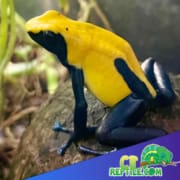
Bright citrus-yellow and orange with tiny black spots, the citronella poison dart frog is a vivid, active little amphibian that can brighten a planted vivarium. Despite the “poison” name, captive-bred frogs fed on commercial insects are not toxic. This guide explains how to set up a vivarium, feed small frogs and keep them healthy. You can see the Citronella Dart frog raised by our team at www.CbReptile.com.

Natural History

Dart frogs belong to the family Dendrobatidae and live in the rainforests of Central and South America. They are small, diurnal frogs that hunt tiny insects on the forest floor and leaf litter. In the wild, their toxins come from the ants and mites they eat. Captive-bred dart frogs raised on fruit flies lack these toxins, which is one more reason to prefer captive-bred animals.

Appearance and Size

Most dart frogs grow to just 1 to 2 inches. Citronella frogs show bright yellow-orange coloring that can vary by line. Females are usually slightly larger and plumper, while males often have wider toe pads. With good care, dart frogs can live 10 years or more.

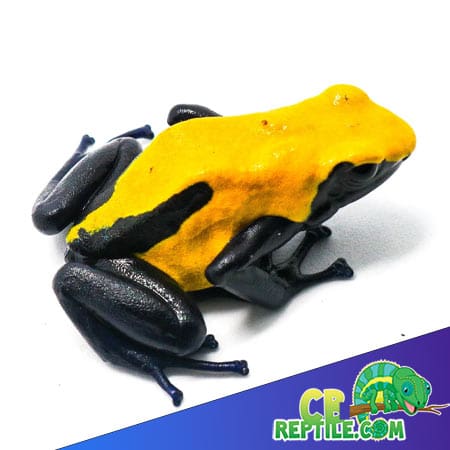
Citronella dart frog on a white background, showing the solid yellow dorsum of this dart frog

Temperament and Social Needs

Many dart frogs are bold, visible and fascinating to watch. Some species are territorial, and the males call to defend their space. Keeping a pair or small group in a spacious vivarium with lots of visual barriers makes sense for most hobbyists, but do not mix species, and watch for bullying. Frogs should not be handled, as their skin is sensitive to oils and chemicals.

Vivarium Size

A 12 by 12 by 18 inch front-opening glass terrarium is a typical minimum for a pair, with a 18 by 18 by 18 inch or larger better for groups. Use a screen top with partial glass coverage to keep humidity in. Build the habitat in layers: a drainage layer of hydroton or lava rock, a mesh separator, and a mix of coconut fiber, sphagnum moss and leaf litter on top.

Three citronella dart frogs among leaves, a social grouping used in dart frog vivarium setup

Plants and Decor

A planted setup helps stabilize humidity and supplies hiding places. Good options include pothos, bromeliads, mosses and small ferns. Add cork bark, driftwood, magnolia leaf litter and a few film canisters or small cave hides for egg laying. Isopods and springtails provide a cleanup crew.

Temperature, Humidity and Light

  • Temperature: 72 to 80 degrees Fahrenheit, avoiding temperatures above the mid 80s.
  • Humidity: 70 to 90 percent, with a drier moment between mistings.
  • Light: A low-heat LED plant light for 10 to 12 hours a day.
  • Water: Mist daily with dechlorinated or RO water, and provide a shallow water spot.

Diet

Dart frogs feed on small live insects. Fruit flies (Drosophila melanogaster and hydei) are the staple, supplemented with springtails and pinhead crickets. Dust the food with a calcium supplement and a multivitamin on a rotating schedule. Feed juveniles daily and adults every day or every other day, with a modest amount.

Health and Maintenance

Remove dead leaves and any uneaten insects, keep the water clean and look for signs of trouble such as weight loss, sticky or cloudy eyes, or lethargy. Quarantine new frogs and consult an amphibian veterinarian if you notice problems.

Why Captive-Bred Matters

Captive-bred frogs adapt to prepared feeder insects, lack wild toxins, are less likely to have parasites, and protect rainforest populations. Our team at www.CbReptile.com focuses on captive-bred animals.

Other Dart Frogs

Each species has its own look. Browse the bumble bee Dart frog, the Blue Dart frog and the Green and black Dart frog for ideas. Keep species in separate enclosures.

Frequently Asked Questions

Are captive-bred dart frogs poisonous?

No. They do not produce toxins without their wild diet, though you should still wash your hands after servicing the tank.

How many frogs should I keep?

A pair or small group of 2 to 4 is common in a properly sized vivarium, though only if everyone is eating well and getting along.

Do they need a heater?

Typically not, if the room stays in the low 70s. Strong heat sources can dry out the habitat.

How long do they live?

Often 10 years or more with great care.

Building the Vivarium Step by Step

Begin with the drainage layer, add the mesh barrier and soil, then place the background and hardscape before planting. Plant densely so the frogs can find cover immediately, and let the vivarium grow in for a few weeks, which allows plants to root and the cleanup crew to establish. Check humidity and temperature daily during this period. After it settles, introduce your Citronella Dart frog and keep an eye on feeding for the first week.

Breeding and Tadpoles

In well-fed, comfortable groups, dart frogs may lay eggs on leaves or in film canisters, and males often carry tadpoles to small water pools. Raising tadpoles takes extra work, with small water containers, algae-based food and careful water changes. Most newcomers are better off focusing on a thriving adult group before attempting breeding.

Seasonal Notes

In colder months, keep the vivarium away from drafty windows and exterior walls, and consider a small, thermostatically controlled heat source if the room dips below the low 70s. In summer, avoid placing the vivarium in direct sun, which can quickly overheat a glass enclosure.

Interested in a vivarium project? Visit www.CbReptile.com for more.