Tag Archive for: captive bred snakes

Pueblan Milk Snake Care Guide and Color Morphs

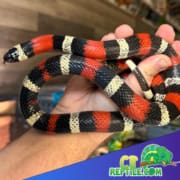
Bold red, black and white bands make the Pueblan milk snake one of the most recognizable colubrids in the hobby. It is a hardy, manageable and active snake that ranges from a feisty hatchling to a relaxed adult. This guide covers natural history, morphs, enclosure and feeding so you can plan confidently. You can see the Pueblan Milk Snake raised by our team at www.CbReptile.com.

Natural History

Pueblan milk snakes (Lampropeltis triangulum campbelli) come from the highlands of Puebla and Oaxaca in Mexico. They live in dry forests, rocky hillsides and farmland edges, where they shelter under rocks and logs and hunt rodents, lizards and other snakes. The name “milk snake” came from an old myth about them drinking from cows, which is untrue.

Appearance and Morphs

The classic pattern is wide red bands bordered by black and separated by thin white or cream bands. Breeders have developed many color and pattern variants, including:

Be careful not to confuse milk snakes with venomous coral snakes. The old rhyme about red touching yellow only applies in parts of North America, and the best practice is simply to identify species by name.

Size and Lifespan

Pueblan milk snakes are slender and usually reach 3 to 4 feet, with 20 years or more in good care. Hatchlings are around 8 to 10 inches.

Temperament

Hatchlings can be nippy and skittish, but they generally settle with calm, regular handling. They are active and curious, and they are excellent escape artists, so a secure lid is essential. Milk snakes can musk when frightened, but most calm down quickly.

Enclosure

A hatchling can live in a small tub or 10 gallon tank, while adults do well in a 3 by 2 foot enclosure or a 40 gallon breeder tank. Use secure, locking lids. Provide:

  • Aspen shavings, cypress mulch or coconut fiber as substrate.
  • At least two snug hides: one warm, one cool.
  • A water bowl large enough to soak in, cleaned often.
  • Branches or cork bark for enrichment.

Temperature and Humidity

Keep a warm side with a surface temperature of 85 to 88 degrees Fahrenheit and a cool side in the mid 70s. Use a thermostat to control heat sources such as a heat mat or ceramic heat emitter. Humidity of 40 to 60 percent is typically ideal and rises during shedding. Special UVB is not required, though low-level UVB can be a helpful enrichment.

Feeding

Feed appropriately sized frozen-thawed mice. Hatchlings eat every 5 to 7 days, juveniles every 7 days and adults every 10 to 14 days. Prey should not be larger than the thickest part of the snake. Milk snakes are known for being enthusiastic eaters, and some can be cannibalistic, so house them separately.

Handling

Handle gently with confident, supportive movements, and avoid handling for 48 hours after feeding. Wash your hands afterward. Short, frequent sessions help a snake become more comfortable.

Why Captive-Bred Matters

Captive-bred snakes feed readily on frozen-thawed prey and are free from the parasites and stress of wild collection. Our team at www.CbReptile.com focuses on captive-bred animals.

Frequently Asked Questions

Are milk snakes good for beginners?

Yes. They are hardy and easy to feed, though they are escape-prone and can be nippy as babies.

Can I house two milk snakes together?

It is best not to, because they sometimes eat other snakes, including their own kind.

How often do milk snakes shed?

Young snakes shed every month or so, and adults every few months. Keep humidity slightly higher during shed.

How long do they live?

Commonly 15 to 20 years in captivity.

Setting Up and Settling In

Run the heat source and thermostat for a day before moving the snake in, and check both ends of the enclosure with a temperature gun. Hatchlings are secretive and should have a snug hide and cover on all sides. Give a new snake several days to settle before the first feeding, and keep handling to a minimum until it has eaten reliably two or three times. When you are ready, the Pueblan Milk Snake at www.CbReptile.com is a classic banded choice to begin with.

Shedding and Health

A healthy milk snake sheds in one piece. Cloudy, blue-looking eyes signal that a shed is coming, and the snake may refuse a meal during this period. If skin or an eye cap stays on after a shed, raise humidity for a day and offer a damp hide. Regular weighing, clean water and a tidy enclosure are the best preventives. Watch for mites, wheezing, bubbles at the nose or regurgitation, and see an experienced reptile veterinarian if anything seems off.

Find your favorite banded morph, or read more, at www.CbReptile.com.
Lavender Brooks Kingsnake Care Guide

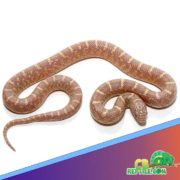
Kingsnakes are well known for hardiness and good appetites, and the Brooks kingsnake adds a unique pattern of its own. The lavender trait softens the colors into a pastel, purple-gray palette that stands out among colubrids. This guide explains the species, the trait and how to keep one healthy. You can see the Lavendar Brooks Kingsnake raised by our team at www.CbReptile.com.

Natural History

The Brooks kingsnake (Lampropeltis getula brooksi) is a subspecies of the common kingsnake found in southern Florida. It lives in pinewoods, hammocks, fields and edges of wetlands, where it hunts rodents, lizards, birds and other snakes, including venomous species, to which kingsnakes show some natural resistance. They are active, capable constrictors that are strongly recognized by their pattern of pale speckled markings on a dark background, or a banded pattern in some lines.

The Lavender Trait

Lavender is a recessive genetic trait found in captive-bred kingsnakes. It reduces the dark pigment and creates a subdued, lilac-gray base color with a lighter pattern. The look is unusual and softly colored. Because it is recessive, the animal must inherit the gene from both parents to show it. If you are interested in other kingsnake looks, compare it with the Albino California King Snake.

Size and Lifespan

Adults commonly reach 3 to 5 feet, with Brooks kingsnakes often falling in the middle. Lifespan is 15 to 20 years or longer in good care. Hatchlings are around 8 to 12 inches and grow steadily with regular feeding.

Temperament

Kingsnakes can be nippy and musky as hatchlings, yet most settle quickly with regular, calm handling and become easy-going adults. Use confident, supportive movements and avoid sudden grabs. Wash your hands afterward. They are strong, curious and escape-prone, so use locking lids.

Enclosure

A hatchling is fine in a small tub or a 10 gallon tank, and adults do well in 40 gallon breeders, 4 by 2 foot enclosures or larger. Give a snug hide on each side, a heavy water bowl and some branches or cork for enrichment. Use aspen, cypress mulch or coconut fiber substrate. Kingsnakes are known to eat other snakes, so keep each animal in its own enclosure.

Heat and Humidity

  • Warm side: 85 to 88 degrees Fahrenheit surface temperature.
  • Cool side: 74 to 78 degrees.
  • Humidity: 40 to 60 percent, with a bump during shedding.
  • Control: Always use a thermostat for heat mats or ceramic emitters.

Feeding

Feed frozen-thawed mice sized to the thickest part of the snake. Hatchlings eat every 5 to 7 days, and adults every 10 to 14 days. Kingsnakes are known for strong feeding responses, so use tongs and avoid hand-feeding. Allow a couple of days after a meal before handling.

Shedding and Health

Expect a shed every one to three months depending on age. Cloudy eyes and dull skin signal one approaching. Offer extra humidity and avoid handling until it is complete. If you notice wheezing, bubbles at the nose, mites or regurgitation, contact a reptile veterinarian.

Why Captive-Bred Matters

Captive-bred kingsnakes feed readily on frozen-thawed prey and do not put pressure on wild populations. Our team at www.CbReptile.com focuses on captive-bred animals.

Frequently Asked Questions

Are kingsnakes good beginner snakes?

Yes. They are hardy and enthusiastic eaters, though some are nippy as babies.

Do I need UVB?

Not required, but it can offer benefits as enrichment.

Can kingsnakes live together?

No. They eat other snakes, including each other, so house them separately.

How can I tell it is lavender?

Look for a pale, purplish gray base color rather than a dark black. Breeders can help confirm genetics.

Setting Up Step by Step

Prepare the enclosure before the snake arrives. Install the heat mat or emitter with a thermostat, add substrate, hides and a water bowl, and test temperatures at both ends of the enclosure with a probe or temperature gun. Make sure the lid locks, check ventilation and remove any gaps. Introduce the snake gently, then leave it undisturbed for several days so it can adjust before the first feeding.

Feeding Troubleshooting

Most kingsnakes feed eagerly, but occasional refusals happen, particularly before a shed or when temperatures are off. If a snake refuses a meal, check temperatures and hides, give a quiet day or two, and offer again. Warm the frozen-thawed mouse thoroughly, move it gently with tongs, and feed in the evening, which fits their natural behavior. Weigh the snake monthly. Healthy kingsnakes should hold or gain weight steadily; a prolonged refusal with weight loss deserves a veterinary check.

Enrichment and Long-Term Care

Rotate décor, offer a climbing branch, and provide a clean, deep water bowl for soaking. Provide a few quiet handling sessions each week, and keep a record of feeding, shedding and weight. A long-lived snake rewards consistent routine more than anything else, and with steady care a kingsnake can be a companion for decades.

Curious to see more? Visit www.CbReptile.com or the Lavendar Brooks Kingsnake page.

Western Hognose Snake Care Guide: Albino, Anaconda, Arctic and More

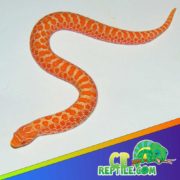
With its upturned snout, dramatic bluffing displays and compact size, the western hognose snake (Heterodon nasicus) has become one of the most beloved small snakes in the hobby. It packs a huge personality into a body that rarely exceeds three feet. In this guide we cover the natural history and husbandry of this charismatic species, with a closer look at the Albino Western Hognose Snake and other morphs raised by our team at www.CbReptile.com.

Natural History

Western hognose snakes inhabit the Great Plains of North America, from southern Canada through the central United States and into northern Mexico. They favor sandy or gravelly prairies, scrubland and floodplains where loose soil allows them to burrow. The keeled, upturned rostral scale that gives the snake its name is a digging tool, used to push through sand and unearth buried prey.

In the wild, hognose snakes are famous for their toad-eating habits, though they also take frogs, lizards, small rodents, reptile eggs and ground-nesting birds. They are diurnal and most active in the morning and late afternoon, retreating underground during the heat of the day.

The Famous Bluff

When threatened, a hognose snake will flatten its neck like a miniature cobra, hiss loudly and make dramatic mock strikes, usually with its mouth closed. If that fails, it may roll onto its back, open its mouth, let its tongue hang out and play dead. This theatrical defense is harmless and typically fades as young snakes become used to gentle handling.

Hognose snakes are rear-fanged and produce a mild oral secretion designed to subdue amphibian prey. It is not considered dangerous to people, although an occasional feeding-response bite can cause minor local swelling. Using tongs at feeding time prevents most mix-ups.

Appearance and Morphs

Wild-type western hognoses are tan to olive with dark brown blotches and a striking black-and-white or black-and-orange belly. Popular morphs include:

  • Albino – a recessive trait removing black pigment, leaving warm cream, orange and pink tones with red eyes.
  • Anaconda – an incomplete dominant trait that reduces the dorsal pattern. Our Anaconda Western Hognose Snake shows the clean, reduced look.
  • Arctic – an incomplete dominant trait with high-contrast gray and black coloration. Take a look at our Arctic Western Hognose Snake.
  • Axanthic – a recessive trait removing yellow and red, producing silver and charcoal snakes like our Axanthic Western Hognose Snake.

These genes can be combined into dozens of designer combinations, which is part of what makes hognose breeding so exciting.

Size and Lifespan

Hognose snakes show strong sexual size dimorphism. Males typically reach 15 to 24 inches, while females usually grow to 24 to 36 inches and are noticeably heavier. With good care they live 15 to 20 years.

Temperament

Once past the bluffing stage, most western hognoses are calm, inquisitive and easy to handle. Their small size and slow, deliberate movements make them a favorite for keepers who want an interactive snake that is manageable in any home.

Enclosure Setup

A single adult male does well in a 20-gallon long enclosure, while females are best in a 36 x 18 inch or 40-gallon enclosure. Hognoses love to dig, so provide 3 to 4 inches of burrowing substrate such as aspen or a sand-and-soil mix. Add at least two hides, flat cork or wood for cover and a shallow water dish. A secure lid is essential.

Heat, UVB and Humidity

Create a basking area of about 90 to 95°F with the cool side between 75 and 80°F. Nighttime temperatures can drop into the low 70s. Use a thermostat with any heat source. Low-level UVB is optional but beneficial for this diurnal species, provided there are shaded retreats. Keep humidity around 30 to 50 percent; the substrate should stay dry on the surface, though a slightly damp layer deeper down can help with sheds.

Diet and Feeding

Captive-bred hognoses are generally raised on frozen-thawed rodents, which provide complete nutrition and avoid the parasites and toxins associated with wild amphibians.

  • Hatchlings: one small pinky every 4 to 6 days.
  • Juveniles: pinkies to fuzzies every 5 to 7 days.
  • Adults: appropriately sized mice every 7 to 10 days, with females typically taking larger meals.

Some hatchlings are hesitant feeders. Offering prey in the evening, leaving it overnight near a hide or briefly scenting it can help. Hognoses can also be prone to obesity, so resist the urge to overfeed adults. A supply of frozen pinky mice makes feeding young snakes simple.

Handling

Let a new hognose settle for about a week and take a couple of meals before regular handling. Scoop the snake from below rather than reaching down from above, keep sessions short at first and avoid handling for 48 hours after a meal. Most individuals quickly learn that hands are not a threat.

Why Captive-Bred Matters

Wild-caught hognoses often arrive stressed, parasitized and fixated on amphibian prey that is difficult to provide. Captive-bred snakes are already established on rodents, accustomed to people and produced without removing animals from wild prairie populations. Our albino western hognose snakes are handled early and often by our team, including a staff biologist.

Frequently Asked Questions

Are western hognose snakes venomous?

They have a mild oral secretion used on amphibian prey, but they are not considered medically significant to humans. Bites are rare and usually happen when a snake mistakes fingers for food.

Do hognose snakes need a large enclosure?

No. Their compact size means a 20 to 40 gallon setup with deep substrate is enough, which makes them ideal for smaller spaces.

Why does my hognose play dead?

Death-feigning is a natural defensive behavior. Leave the snake alone for a few minutes and it will right itself. The behavior usually becomes less frequent with gentle routine handling.

Do hognose snakes brumate?

Adults often slow down or refuse food in late fall and winter. This is normal for a temperate species; monitor weight and consult a reptile veterinarian if your snake loses condition.

Meet our captive-bred western hognose snakes in albino, anaconda, arctic and axanthic at www.CbReptile.com.

Kenyan Sand Boa Care Guide: Snow, Striped and Anery Morphs

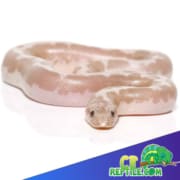
Small, sturdy and endlessly charming, the Kenyan sand boa (Eryx colubrinus) is one of the best snakes for keepers who want a low-maintenance, easy-to-handle species. These little burrowers spend most of their lives just beneath the sand, waiting to ambush passing prey, and they adapt beautifully to life in captivity. This guide covers their care and highlights the Snow Striped Kenyan Sand Boa raised by our team at www.CbReptile.com.

Natural History

Kenyan sand boas are found across the dry regions of northeastern and eastern Africa, including Kenya, Tanzania, Ethiopia, Somalia and parts of Sudan and Egypt. They inhabit semi-desert scrub, dry savanna and rocky areas with loose, sandy soil. Some taxonomists place the species in the genus Gongylophis, so you may see either name used.

Sand boas are classic ambush predators. They bury themselves with only the eyes and the top of the head exposed, then strike and constrict small rodents, lizards and ground-dwelling birds that pass by. Their eyes sit high on the head, and the snout is slightly shovel-shaped to help them move through sand. Like other boas, they give birth to live young.

Appearance and Morphs

Wild-type Kenyan sand boas are cream to yellow with bold orange to brown blotches and a thick body with a short, blunt tail. Popular morphs include:

  • Albino – removes black pigment for bright orange and cream tones.
  • Anerythristic (anery) – removes red and orange pigment, leaving a crisp black-and-white or gray snake. See our Anery Kenyan Sand Boa.
  • Snow – combines albino and anery for a soft white-and-pale-pink appearance.
  • Stripe – a recessive pattern trait that fuses the blotches into a dorsal stripe.

The snow striped combination pairs the gentle pastel tones of snow with the clean lines of the stripe pattern, one of the most attractive sand boa combinations available.

Size and Lifespan

Kenyan sand boas show strong sexual dimorphism. Males usually reach only 15 to 18 inches, while females commonly grow to 24 to 32 inches and are much heavier. Babies are born at roughly 8 to 10 inches. With good care, these hardy snakes live 15 to 20 years, and some exceed that.

Temperament

Sand boas are generally docile and slow-moving. Babies can be nippy at first, mostly out of a strong feeding response, but they tend to calm down quickly with regular handling. Adults are typically relaxed and enjoy burrowing through a keeper’s fingers.

Enclosure Setup

Because they spend most of their time underground, sand boas do not need tall or elaborate enclosures. Floor space and substrate depth matter more than height.

  • Males: a 10 to 20 gallon enclosure is sufficient.
  • Females: a 20 to 30 gallon enclosure or similar footprint.
  • Substrate: 2 to 4 inches of burrowing substrate, such as fine aspen or a washed play sand and soil mix. Avoid calcium-based sands.
  • Decor: a flat rock or piece of cork on the warm side, a hide and a small, shallow water dish.

A secure lid is essential. Sand boas are strong for their size and can push through loose tops.

Heat, UVB and Humidity

Belly heat is ideal for a burrowing snake. Provide a warm area of 90 to 95°F at the substrate surface, with the cool side in the upper 70s. Night temperatures can drop into the low 70s. An under-tank heater such as the Zilla Reptile Heat Mat, always controlled by a thermostat, works very well.

UVB is not required, though some keepers offer low-level UVB with plenty of cover. Keep humidity low, around 30 to 40 percent. Too much moisture can cause skin issues, so keep the substrate dry and place the water dish on the cool side.

Diet and Feeding

Captive-bred sand boas readily take frozen-thawed rodents. Feed prey that is about the same width as the widest part of the snake.

  • Babies: a small pinky every 5 to 7 days. Frozen pinky mice are ideal for young boas.
  • Juveniles: pinkies to fuzzies every 7 to 10 days.
  • Adults: appropriately sized mice every 10 to 14 days, with males taking smaller meals than females.

Offer food with tongs at the surface; many sand boas strike from just beneath the substrate. Avoid overfeeding adults, as sand boas gain weight easily.

Handling

Let a new boa settle in and eat a couple of meals before handling. Lift from below, support the body and let the snake move through your hands. Avoid handling for 48 hours after feeding. Because they are slow and compact, sand boas are among the easiest snakes to handle.

Why Captive-Bred Matters

Captive-bred sand boas are healthier, established on frozen-thawed food and accustomed to people. Captive breeding is also what makes beautiful morph combinations possible. Our snow striped Kenyan sand boas are hand-tamed from birth by our team, including a staff biologist.

Frequently Asked Questions

Are Kenyan sand boas good for beginners?

Yes. Their small size, simple setup and calm nature make them an excellent first snake.

Why is my sand boa always buried?

Burrowing is completely normal. Sand boas spend most of their time under the substrate and emerge mainly to feed or explore at dusk.

Do sand boas need a heat lamp?

Belly heat from a thermostatically controlled heat mat is generally preferred because it warms the substrate where the snake rests.

How can I tell males and females apart?

Adult females are much larger. Males have a longer, thicker tail base and more prominent pelvic spurs.

Meet our captive-bred snow striped and anery Kenyan sand boas at www.CbReptile.com.

Corn Snake Care Guide: Morphs, Habitat, Feeding and Handling

Few reptiles have introduced more people to snake keeping than the corn snake. Calm, hardy, beautifully patterned and available in an almost endless range of colors, the corn snake (Pantherophis guttatus) is a species that rewards both first-time keepers and lifelong hobbyists. This guide walks through everything you need to know to keep one thriving for decades, and introduces the captive-bred corn snakes raised by our team at www.CbReptile.com.

Natural History

Corn snakes are native to the southeastern United States, ranging roughly from southern New Jersey through Florida and west into Louisiana and parts of Kentucky and Tennessee. They occupy overgrown fields, pine flatwoods, forest edges, rocky hillsides and, quite often, old barns and outbuildings where rodents are plentiful. That association with grain stores is one popular explanation for the common name; another points to the checkered belly pattern, which resembles kernels of maize.

In the wild they are largely crepuscular and secretive, spending daylight hours under bark, in rodent burrows or beneath debris. They are capable climbers and constrictors, feeding mainly on small mammals, with juveniles also taking lizards and frogs.

Appearance and Morphs

The wild-type or “classic” corn snake is orange to reddish-brown with black-bordered red saddles down the back and a black-and-white checkered belly. Decades of selective breeding have produced a remarkable palette of genetic morphs, including:

  • Amelanistic (amel) – lacks black pigment, giving bright reds, oranges and whites with red eyes.
  • Anerythristic (anery) – lacks red pigment, producing silver, gray and black tones.
  • Snow – a combination of amel and anery, resulting in soft whites, pinks and pale yellows. Our Snow Corn Snake is a great example of this classic double-recessive combination.
  • Hypomelanistic (hypo) – reduced black pigment for a cleaner, brighter look.
  • Tessera – a dominant pattern mutation that replaces saddles with a striking dorsal stripe and fine side patterning.
  • Palmetto – a rare recessive trait producing a mostly white snake speckled with scattered colored scales. See our Palmetto Corn Snake to appreciate just how unusual it is.

Because the genetics are well documented, corn snakes are an excellent species for anyone interested in learning how recessive, dominant and combination morphs work.

Size and Lifespan

Hatchlings measure roughly 8 to 12 inches. Most adults reach 3 to 5 feet, with occasional individuals approaching 6 feet. They are slender, so even a large adult is easy to handle. With proper care, corn snakes commonly live 15 to 20 years in captivity, and some exceed 20. Plan for a long-term companion.

Temperament

Corn snakes are known for their docile, curious nature. Hatchlings can be quick and may musk or tail-rattle when startled, but nearly all settle down with gentle, regular handling. Adults are typically calm and tolerant, which is why they are so often recommended as a first snake.

Enclosure Setup

Hatchlings feel most secure in a small enclosure, roughly 10 to 20 gallons, with plenty of cover. Adults need more room; a 4 x 2 x 2 foot enclosure is a good target, and a 40-gallon breeder is a reasonable minimum. Key elements include:

  • A secure, locking lid – corn snakes are accomplished escape artists.
  • At least two hides, one on the warm side and one on the cool side.
  • Substrate that holds burrows, such as aspen shavings or a soil-based mix.
  • Branches and cork for climbing, plus a sturdy water bowl large enough to soak in.

Heat, UVB and Humidity

Provide a thermal gradient with a warm-side surface temperature of about 85 to 88°F and a cool side in the low to mid 70s. A nighttime drop to around 70°F is natural and healthy. An under-tank heat mat or overhead heat source works well, but always run heat through a thermostat. The Zilla Reptile Heat Mat paired with the Zoo Med ReptiTemp thermostat is a simple, reliable combination.

UVB is not strictly required for corn snakes, but low-level UVB (for example, a 5 to 6 percent linear tube with plenty of shaded areas) supports natural behavior and day-night rhythms. Keep humidity between 40 and 60 percent, raising it slightly or adding a humid hide when your snake enters shed.

Diet and Feeding Schedule

Corn snakes eat whole rodents. Frozen-thawed mice are the safest and most convenient option. Choose prey roughly as wide as the widest part of the snake’s body.

  • Hatchlings: one pinky mouse every 5 to 7 days.
  • Juveniles: fuzzy to hopper mice every 7 to 10 days.
  • Adults: one adult mouse every 10 to 14 days.

Thaw prey in the refrigerator, warm it in a sealed bag in warm water, and offer it with tongs. Avoid feeding while the snake is in blue phase, and do not handle for about 48 hours after a meal.

Handling

Allow a newly arrived snake a week to settle and eat a few meals before regular handling. Support the body loosely, let the snake move hand to hand, and keep early sessions to 10 or 15 minutes. Wash your hands before and after. Consistency is far more important than duration.

Why Captive-Bred Matters

Captive-bred corn snakes arrive accustomed to people, already established on frozen-thawed prey, and free of the parasite loads and stress common in wild-collected animals. Responsible captive breeding also reduces pressure on wild populations and makes the incredible morph diversity of this species possible. Our classic corn snakes are raised and handled from hatch by our team, including a staff biologist.

Frequently Asked Questions

Are corn snakes good for beginners?

Yes. Their manageable size, gentle temperament, straightforward diet and modest heating needs make them one of the best first snakes.

How big of an enclosure does an adult corn snake need?

Aim for a 4 x 2 x 2 foot enclosure for an adult. Bigger is fine as long as you provide enough cover so the snake feels secure.

Do corn snakes need live prey?

No. Frozen-thawed rodents are safer for the snake and more convenient for you, and captive-bred corn snakes readily accept them.

Why is my corn snake refusing food?

Common causes include an upcoming shed, temperatures that are too low, recent relocation or seasonal slowdown in winter. Check your temperatures and wait a week before trying again.

Ready to explore the colors and patterns of this classic species? Meet our captive-bred corn snakes at www.CbReptile.com.