
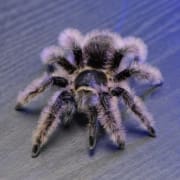
Curly Hair Tarantula Care Guide: Calm, Hardy and Beginner-Friendly
The curly hair tarantula (Tliltocatl albopilosus, formerly Brachypelma albopilosum) is a favorite first spider because of its calm temperament, hardiness and forgiving care requirements. Its dense, curled golden hairs give it a distinct teddy-bear look. This guide explains how to set up its home, how to feed and hydrate it, and what to expect from molting. You can see the curly hair tarantula at www.CbReptile.com.
Natural History
Curly hair tarantulas come from Central America, including Honduras and Costa Rica. They are burrowing and ground-dwelling spiders found in moderately humid forest and scrub, where they use tunnels and hollows for shelter. They tolerate a wide range of conditions, which is part of what makes them dependable for newcomers.
Appearance
Adults have a dark, charcoal body covered with long, pale to golden curly bristles that stand out against the legs. The abdomen can show a reddish hue. Spiderlings are smaller and plainer but develop the hairy look with each molt. The bristles are also part of the defense system, since the spider can flick urticating hairs from its abdomen when disturbed, which can irritate skin and eyes.

Size and Lifespan
Adult females commonly reach a leg span of about 5 to 6 inches, with males slightly smaller. Females can live 15 to 20 years, while males tend to live much shorter lives, often 5 to 8 years.
Temperament
This species is known for being calm and slow-moving, but it is still a wild animal. It is best treated as an observation pet. Handling carries risks for both the keeper and the spider, since a fall from even a short height can seriously injure a tarantula. Use a catch cup and slow movements for maintenance, and keep faces and eyes away from the enclosure during rehousing.
Enclosure Setup
A small terrarium or plastic enclosure with good cross-ventilation suits one adult. Floor space matters more than height because this is a terrestrial species. Include:

- 4 to 6 inches of dry-to-slightly-damp substrate such as coconut fiber for burrowing
- A cork bark half-tube or other secure hide
- A shallow water dish that is cleaned frequently
- Ventilation holes on the sides and a snug lid
Avoid tall decor that could cause a dangerous fall, and keep the lid secure.
Heat, Humidity and Lighting
Room temperatures in the mid 70s to low 80s°F are generally comfortable, with no special lighting required. Keep humidity moderate, around 60 to 70 percent, by lightly dampening one side of the substrate rather than soaking the entire floor. Excess moisture combined with poor airflow can cause mold and mites.
Diet
Feed prey that is roughly the size of the spider’s body: crickets, dubia roaches, mealworms or other safe feeders. Spiderlings eat every few days, juveniles about weekly, and adults every one to two weeks. Remove uneaten prey within a day, especially when the spider is preparing to molt. A fat abdomen and steady appetite are signs of good health. If you enjoy comparing species, the Peruvian green velvet tarantula and the red Chilean rose hair tarantula are other popular, relatively hardy choices.

Molting
Before a molt, a tarantula may refuse food, hide and become sluggish. Leave it alone, keep water available and avoid feeding live prey that could injure it. After molting, wait several days before offering food so the fangs can harden.
Day-to-Day Maintenance
A simple weekly routine keeps a curly hair tarantula healthy. Refill the water dish, spot-clean webbing, old prey and waste, and check the substrate for mold. Rehouse only when necessary, such as when the spider has outgrown the enclosure or the substrate has become fouled; use a catch cup and slow movements. Keep a note of feeding dates, molts and any behavior changes so you can predict molts and recognize problems early. A small enclosure at room temperature requires little equipment, which keeps costs low and the setup easy to manage. Because this species is hardy and forgiving, it is an excellent way to learn tarantula husbandry before moving to more demanding species.
Finally, remember that tarantulas are solitary. Never house two together, because even calm spiders will eat one another, and keep the enclosure away from direct sun, drafts and household chemicals such as aerosol sprays.
Why Captive-Bred Matters
Captive-bred tarantulas avoid the loss of wild populations and are accustomed to enclosure life. A healthy, well-fed curly hair tarantula is a rewarding long-term companion and a great way to learn invertebrate husbandry.
Frequently Asked Questions
Is a curly hair tarantula good for a first spider?
Yes, it is widely recommended for beginners because of its calm demeanor and tolerant care requirements.
How often should I feed it?
Adults usually eat once every one to two weeks; younger spiders eat more often.
Does it bite?
Bites are rare but possible, and the venom is generally considered mild for healthy people; urticating hairs are the more common nuisance.
Do I need a heat lamp?
Not typically if the room stays comfortably warm.
Explore more tarantulas and keep learning at www.CbReptile.com.