
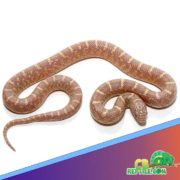
Lavender Brooks Kingsnake Care Guide
Kingsnakes are well known for hardiness and good appetites, and the Brooks kingsnake adds a unique pattern of its own. The lavender trait softens the colors into a pastel, purple-gray palette that stands out among colubrids. This guide explains the species, the trait and how to keep one healthy. You can see the Lavendar Brooks Kingsnake raised by our team at www.CbReptile.com.
Natural History
The Brooks kingsnake (Lampropeltis getula brooksi) is a subspecies of the common kingsnake found in southern Florida. It lives in pinewoods, hammocks, fields and edges of wetlands, where it hunts rodents, lizards, birds and other snakes, including venomous species, to which kingsnakes show some natural resistance. They are active, capable constrictors that are strongly recognized by their pattern of pale speckled markings on a dark background, or a banded pattern in some lines.
The Lavender Trait
Lavender is a recessive genetic trait found in captive-bred kingsnakes. It reduces the dark pigment and creates a subdued, lilac-gray base color with a lighter pattern. The look is unusual and softly colored. Because it is recessive, the animal must inherit the gene from both parents to show it. If you are interested in other kingsnake looks, compare it with the Albino California King Snake.
Size and Lifespan
Adults commonly reach 3 to 5 feet, with Brooks kingsnakes often falling in the middle. Lifespan is 15 to 20 years or longer in good care. Hatchlings are around 8 to 12 inches and grow steadily with regular feeding.
Temperament
Kingsnakes can be nippy and musky as hatchlings, yet most settle quickly with regular, calm handling and become easy-going adults. Use confident, supportive movements and avoid sudden grabs. Wash your hands afterward. They are strong, curious and escape-prone, so use locking lids.
Enclosure
A hatchling is fine in a small tub or a 10 gallon tank, and adults do well in 40 gallon breeders, 4 by 2 foot enclosures or larger. Give a snug hide on each side, a heavy water bowl and some branches or cork for enrichment. Use aspen, cypress mulch or coconut fiber substrate. Kingsnakes are known to eat other snakes, so keep each animal in its own enclosure.
Heat and Humidity
- Warm side: 85 to 88 degrees Fahrenheit surface temperature.
- Cool side: 74 to 78 degrees.
- Humidity: 40 to 60 percent, with a bump during shedding.
- Control: Always use a thermostat for heat mats or ceramic emitters.
Feeding
Feed frozen-thawed mice sized to the thickest part of the snake. Hatchlings eat every 5 to 7 days, and adults every 10 to 14 days. Kingsnakes are known for strong feeding responses, so use tongs and avoid hand-feeding. Allow a couple of days after a meal before handling.
Shedding and Health
Expect a shed every one to three months depending on age. Cloudy eyes and dull skin signal one approaching. Offer extra humidity and avoid handling until it is complete. If you notice wheezing, bubbles at the nose, mites or regurgitation, contact a reptile veterinarian.
Why Captive-Bred Matters
Captive-bred kingsnakes feed readily on frozen-thawed prey and do not put pressure on wild populations. Our team at www.CbReptile.com focuses on captive-bred animals.
Frequently Asked Questions
Are kingsnakes good beginner snakes?
Yes. They are hardy and enthusiastic eaters, though some are nippy as babies.
Do I need UVB?
Not required, but it can offer benefits as enrichment.
Can kingsnakes live together?
No. They eat other snakes, including each other, so house them separately.
How can I tell it is lavender?
Look for a pale, purplish gray base color rather than a dark black. Breeders can help confirm genetics.
Setting Up Step by Step
Prepare the enclosure before the snake arrives. Install the heat mat or emitter with a thermostat, add substrate, hides and a water bowl, and test temperatures at both ends of the enclosure with a probe or temperature gun. Make sure the lid locks, check ventilation and remove any gaps. Introduce the snake gently, then leave it undisturbed for several days so it can adjust before the first feeding.
Feeding Troubleshooting
Most kingsnakes feed eagerly, but occasional refusals happen, particularly before a shed or when temperatures are off. If a snake refuses a meal, check temperatures and hides, give a quiet day or two, and offer again. Warm the frozen-thawed mouse thoroughly, move it gently with tongs, and feed in the evening, which fits their natural behavior. Weigh the snake monthly. Healthy kingsnakes should hold or gain weight steadily; a prolonged refusal with weight loss deserves a veterinary check.
Enrichment and Long-Term Care
Rotate décor, offer a climbing branch, and provide a clean, deep water bowl for soaking. Provide a few quiet handling sessions each week, and keep a record of feeding, shedding and weight. A long-lived snake rewards consistent routine more than anything else, and with steady care a kingsnake can be a companion for decades.
Curious to see more? Visit www.CbReptile.com or the Lavendar Brooks Kingsnake page.