
Anerythristic Rosy Boa Care Guide: Enclosure, Heat, Feeding and Handling
Overview
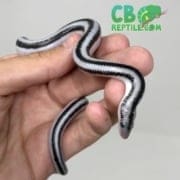
The rosy boa is one of the calmest, most manageable snakes a keeper can choose. It stays small, moves slowly, rarely bites and lives for decades. The anerythristic Magdalena rosy boa adds striking contrast to that easygoing nature: crisp charcoal stripes over a pale silver to white body. This anerythristic rosy boa care guide covers housing, temperature, feeding, handling and the questions new keepers ask most often.
Natural History
Rosy boas (Lichanura trivirgata, with some populations now treated as Lichanura orcutti) live in the rocky deserts and scrublands of the southwestern United States and northwestern Mexico, including the Baja California peninsula. They spend the hottest part of the day tucked into rock crevices and rodent burrows and come out at dusk or after dark to hunt. Keepers often refer to rosy boas by locality, the region a bloodline originally came from, and “Magdalena” is one of those locality names.
In the wild they eat small rodents, nestling birds and the occasional lizard. They are constrictors, but small and gentle ones. Like other boas, they give birth to live young instead of laying eggs.
Appearance and the Anerythristic Trait
A typical rosy boa has three dark stripes running the length of a lighter body. Depending on locality, those stripes can be orange, rust, brown or reddish. “Anerythristic” means the animal lacks red and orange pigment, so the warm tones are gone. What’s left is a clean black-and-white or gray-and-silver snake with very sharp stripe edges. The scales are small and smooth, the head barely wider than the neck, and the tail short and blunt.

Hatchlings look a lot like adults, just smaller. On most anerythristic rosy boas the stripes stay crisp as they grow, though older animals can soften slightly in tone.
Size and Lifespan
Most adults reach 24 to 36 inches, and females are usually a bit longer and heavier than males. Because rosy boas grow slowly and eat modest meals, they don’t outgrow a reasonable setup. With good husbandry, 25 to 30 years is a realistic lifespan, and some individuals have lived longer.
Temperament
Few snakes are as tolerant of gentle handling. When nervous, a rosy boa is more likely to roll into a ball or musk than to strike. Young snakes can be a little flighty at first and usually settle within a few weeks of regular, short handling sessions. Their slow, deliberate movements make them a good choice for keepers who want an interactive snake that stays a manageable size.
Enclosure Setup
A hatchling does well in a small, secure tub or a 10-gallon terrarium. An adult needs at least a 30 x 12 x 12 inch enclosure, and a 36 x 18 x 12 inch enclosure gives more room for a proper temperature gradient. Rosy boas are skilled escape artists, so the lid must lock tightly and gaps around cords must be sealed.
- Substrate: aspen shavings or a dry sand and soil mix about 2 to 3 inches deep for burrowing. Avoid cedar and anything that stays damp.
- Hides: at least two, one on the warm side and one on the cool side. Snug hides that touch the snake’s body on all sides work best.
- Décor: flat rocks secured so they can’t shift, cork bark and a few low branches for exploring.
- Water: a small, heavy bowl that is hard to tip. Keep it on the cool side so humidity stays low.
Heat, Lighting and Humidity
Provide a warm spot of 88 to 92°F at the surface, a warm side around 85°F and a cool side of 72 to 78°F. Nighttime temperatures can drop into the upper 60s. Belly heat from an under-tank heater such as the Zilla reptile heat mat works well for this burrowing species when paired with a thermostat. Some keepers also add a low-wattage overhead lamp for daytime warmth.

Rosy boas come from dry habitats, so aim for humidity between 20 and 40 percent. Constantly damp substrate can cause skin and respiratory trouble. During a shed, a hide with lightly moistened sphagnum moss is enough to help the old skin come off in one piece. Low-level UVB is optional but can be offered on a natural day and night cycle.
Diet and Feeding
Feed frozen-thawed mice no larger than the widest part of the snake’s body. As a general schedule:
- Hatchlings: one pinky mouse every 5 to 7 days.
- Juveniles: fuzzy or hopper mice every 7 to 10 days.
- Adults: one adult mouse every 10 to 14 days.
Rosy boas often slow down or skip meals in late fall and winter. In a healthy, well-fed snake this is normal. Keep an eye on body weight, and if the snake loses condition, talk with a reptile veterinarian. Wait 48 hours after a meal before handling so the snake can digest without stress.
Handling Tips
Pick the snake up from below and let it glide through your hands rather than gripping or restraining it. Start with five- to ten-minute sessions and build up from there. Wash your hands before and after handling, and avoid handling while the snake is in blue phase before a shed.

Why Captive-Bred Matters
Captive-bred rosy boas are already used to people, enclosures and frozen-thawed food, so they settle in faster than wild-caught animals and are less likely to carry parasites. Captive breeding also keeps the anerythristic trait and established locality lines going without collecting snakes from fragile desert habitat. If you like small, docile boas, the snow striped Kenyan sand boa and the anery Kenyan sand boa have similar care needs.
Frequently Asked Questions
Are anerythristic rosy boas good for beginners?
Yes. They stay small, tolerate handling well and do fine on a simple, dry setup with belly heat, which makes them one of the friendliest first snakes.
How big does an anerythristic rosy boa get?
Most adults are 2 to 3 feet long, and females are usually larger than males.
Why has my rosy boa stopped eating in winter?
A seasonal fast is common for this species. If the snake is healthy and holding its weight, keep temperatures steady and offer food again in a couple of weeks.
Do rosy boas need high humidity?
No. They do best between 20 and 40 percent humidity, with a slightly moist hide offered only around shedding time.
Meet our captive-bred anerythristic Magdalena rosy boa and browse more small, gentle snakes at www.CbReptile.com.