
Peruvian Green Velvet Tarantula Care Guide
With metallic green tones on its carapace and legs and a calm, dignified attitude, the Peruvian green velvet is one of the most appealing tarantulas for keepers who want color without difficult care. This guide explains how to set up a comfortable burrowing home, how to feed and handle the spider, and what to expect through its long life. You can view the Peruvian green velvet tarantula raised by our team at www.CbReptile.com.
Natural History
The trade name “Peruvian green velvet” is usually applied to a tarantula from the genus Thrixopelma, a group of New World terrestrial species found in the Andean foothills and arid slopes of Peru. These spiders live in burrows under rocks and plants, venturing out at dusk to ambush insects. The habitat is dry to moderately humid, with cool nights.
Appearance
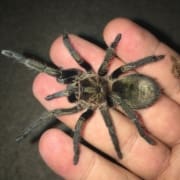
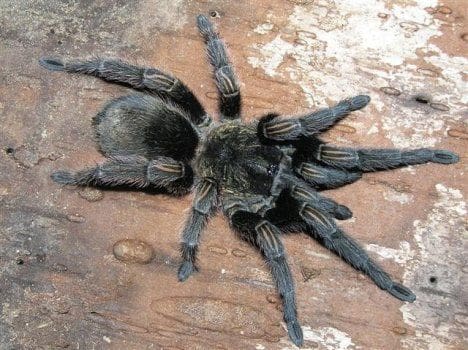
Adults have a dark body and carapace that shows an olive to metallic green sheen in good light, with lighter, sometimes orange-tinted hairs on the abdomen. Spiderlings often look brownish and gain color after several molts. Adult leg span is roughly 5 to 6 inches.
Lifespan and Growth
Females of many New World terrestrial tarantulas live 15 years or longer, while males mature earlier and tend to live only a few years after maturity. Growth is steady rather than fast, and a young spider may molt every couple of months. Each molt is a vulnerable period; a spider lying on its back is usually molting, not dead, so leave it alone.
Temperament
These tarantulas are known for being relatively docile, though they can flick urticating hairs from the abdomen when stressed and will bite if cornered. Treat any tarantula as an observation pet rather than a handling pet. Falls are dangerous for the spider, as a ruptured abdomen is often fatal.
Enclosure
A terrestrial species needs more floor space than height. A small plastic or glass terrarium about 8 by 8 inches suits a young spider, and a 10 gallon tank suits an adult. Fill it with at least 4 to 5 inches of slightly damp, well-packed coconut fiber and topsoil so the spider can burrow. Add a cork bark hide or half-buried flowerpot to encourage a retreat, and keep the lid locked and ventilated.
Temperature and Humidity
Room temperature between 72 and 80 degrees Fahrenheit is generally fine, and no special lighting is required. Humidity of 50 to 65 percent works for this species. Keep one side of the substrate lightly damp and the other drier. Constantly soggy substrate invites mold and mites, while a perpetually bone-dry enclosure can complicate molts.
Water and Feeding
Always provide a shallow water dish. Offer appropriately sized prey such as crickets, dubia roaches or similar insects once or twice a week for juveniles and every 7 to 14 days for adults. Prey should not be larger than the spider’s body. Remove uneaten food within 24 hours, and skip feeding when the spider is in pre-molt: refusing food, becoming sluggish and darkening are common signs.
Maintenance
Spot clean waste and prey remains, refresh the water dish frequently, and replace the substrate if it becomes moldy. Avoid rearranging a spider’s burrow too often, because it can stress it.
Why Captive-Bred Matters
Captive-bred tarantulas are accustomed to prepared food and handling during maintenance, are free of the parasites that wild-caught animals can carry, and reduce pressure on wild populations. Our team at www.CbReptile.com focuses on captive-bred animals.
Other Beginner-Friendly Choices
If you enjoy terrestrial spiders, take a look at the curly hair tarantula and the red Chilean rose hair tarantula, which are also known for calm behavior. For a different type of invertebrate, the emperor scorpion is another favorite.

Frequently Asked Questions
Is a Peruvian green velvet a good first tarantula?
Many keepers find it a gentle, forgiving species, as long as the enclosure is escape-proof and humidity is moderate.
Does it need a heat lamp?
Usually not. A stable room temperature in the low to mid 70s is enough, and heat lamps can dry out the enclosure.
How can I tell if my tarantula is about to molt?
Look for a dark, shiny abdomen, reduced appetite and more time hidden. Do not offer food until the spider has molted and hardened.
Is the bite dangerous?
New World tarantula bites are typically compared with a bee sting, but reactions vary, so avoid handling.
Setting Up Step by Step
Pack the substrate firmly and create a small starter burrow by pressing a piece of cork bark or a half pipe into the soil at an angle. Many terrestrial tarantulas will accept it and extend it into a deeper tunnel. Place the water dish on the opposite side, and keep decor minimal so there is plenty of floor space. Introduce your Peruvian green velvet tarantula gently with a catch cup, and give it a few days to settle before offering the first meal.
A new spider may hide for days or even weeks. This is normal. Maintain a steady routine, keep the room quiet and let the spider come out when it feels secure. Patience is the best skill a tarantula keeper can develop, and these animals reward it with long, steady lives and gradually richer color.
Common Mistakes to Avoid
- Over-misting, which leaves substrate soaked and promotes mold and mites.
- Offering prey larger than the spider, especially during pre-molt.
- Using tall enclosures with climbing décor, which increases the risk of falls.
- Handling for photos or play, which stresses the spider and risks injury.
Curious about your next spider? Meet our captive-bred tarantulas at www.CbReptile.com.